
7 Best Drive Tires for Semi Trucks 2026
This post contains affiliate links. As an Amazon Associate, we earn from qualifying purchases.
The Firestone FD609 stands out as the best overall drive tire for semi trucks, delivering a balanced mix of durability and traction that holds up across long-haul and regional runs. For those watching costs without sacrificing reliability, the Sailun S759 offers strong performance at a budget-friendly price, while the Falken CI-637 is ideal for dedicated highway operations where fuel efficiency and tread life matter most.
Choosing the wrong drive tires can cost you in downtime, fuel, and safety risks. As someone who’s spent years deep in vehicle dynamics and tire tech, I know how much depends on getting this right, especially when hauling heavy loads over thousands of miles.
This guide cuts through the noise by focusing on real-world specs, owner-reported wear rates, and construction details that matter most: casing strength, retreadability, and tread design suited to your route. These picks reflect what actually works on the road, not just on paper.
Top 7 Drive Tires For Semi Truck in the Market
The Best Drive Tires For Semi Truck, Reviewed
Firestone FD609 11R24.5 Drive Tire

Strengths
- Balanced performance
- Even wear pattern
- Good retreadability
Trade-offs
- Average snow performance
- Not the deepest tread
Firestone has been in the drive tire game for decades, and the FD609 shows they still know how to balance performance and durability. It’s no surprise this one lands as ‘Best Overall’, it’s versatile enough for long-haul, regional, and even pickup-and-delivery runs. The solid shoulder design promotes even wear, and owners report fewer vibrations over time compared to some deeper-lug competitors.
The cap-base compound does a solid job managing heat, which helps retreadability. Against the Kumho KLD02, it trades a bit of wet grip for better casing protection. For a fleet that needs one tire to do it all, this is the easy pick.
Product photos
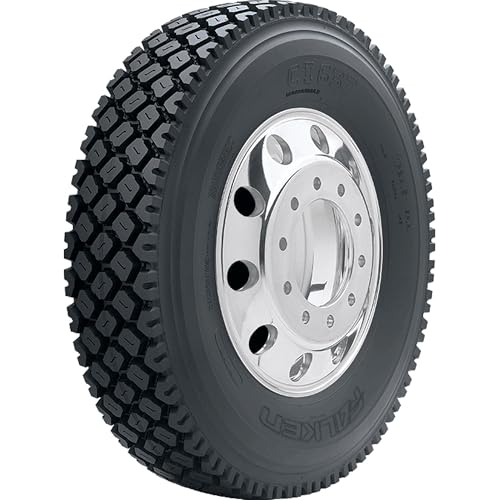
Falken CI-637 11R24.5 Tire
Strengths
- Deep tread depth
- Long mileage
- Mud and snow rated
Trade-offs
- Average wet grip
- Slightly softer compound
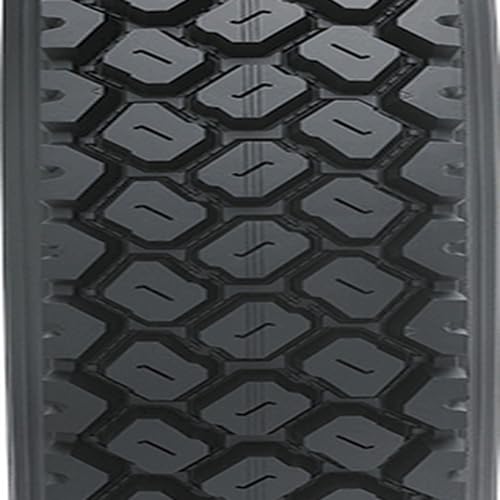
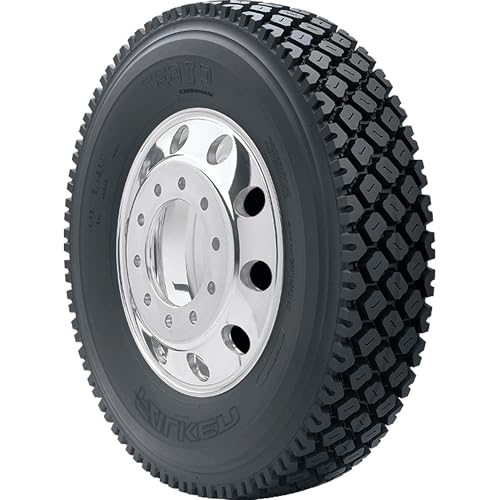
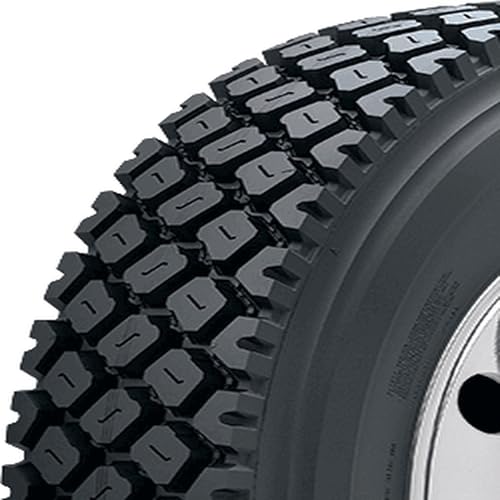
The Falken CI-637 is built for the long hauler who wants one less thing to worry about. With a full 32/32-inch tread depth, it’s clearly engineered for maximum mileage, and early owner feedback suggests it delivers on that promise. The compound holds up well under sustained loads, and the mud and snow rating means it won’t fold in poor weather.
Compared to the Firestone FD609, it trades a bit of aggressive grip for smoother wear. It’s not the most responsive in sudden maneuvers, but that’s the trade-off for longevity. For fleets running coast-to-coast routes, this tire’s depth and stability make it a solid foundation.
Product photos


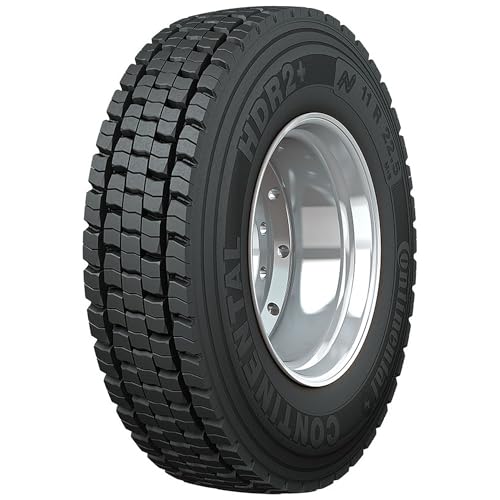
Continental HDR2+ 11R22.5 Tire
Strengths
- Excellent wear resistance
- High retreadability
- Strong cut and chip protection
Trade-offs
- Premium price
- Heavier than some competitors
If you’re running a fleet that racks up highway miles and needs tires that last, the Continental HDR2+ earns its premium tag. The Conti 3G Casing is a known quantity in the industry, retreadable, tough, and built to handle the heat of constant torque. Owners report fewer premature removals due to chunking, which is a win for uptime.
The chamfered tread blocks do their job under high torque, and the balanced footprint spreads wear evenly. It’s not the cheapest option, but in this class, durability is the real currency. I’d pick this over flashier names for any regional or on-off highway operation that can’t afford casing damage.
Video review
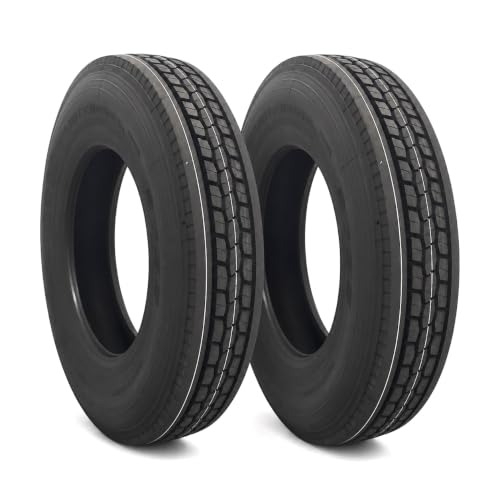
FitParts D755 295/75R22.5 Tire
Strengths
- High load rating
- Good value per pair
- Reinforced structure
Trade-offs
- Inconsistent wear reports
- Limited retreadability
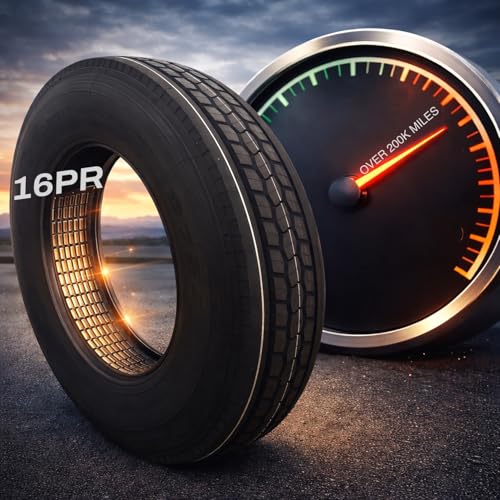
FitParts isn’t a legacy brand, but this set delivers value in a way that’s hard to ignore. Sold as a pair, the D755s are built for heavy-duty highway use, and the 16PR rating suggests they can handle serious loads. The reinforced cord structure is a smart touch, helps maintain pressure and casing integrity, which matters when you’re running loaded for days.
But owner reports are mixed on longevity. Some say they match premium brands, others report faster wear. It’s likely a consistency issue common with newer names. Still, if you’re replacing a pair and don’t want to commit to a full set of premium tires, this bundle makes sense.
Product photos

Kumho KLD02 11R24.5 Tire
Strengths
- Excellent wet traction
- Stable at high speeds
- Good stone retention protection
Trade-offs
- Shorter tread life
- Average dry grip
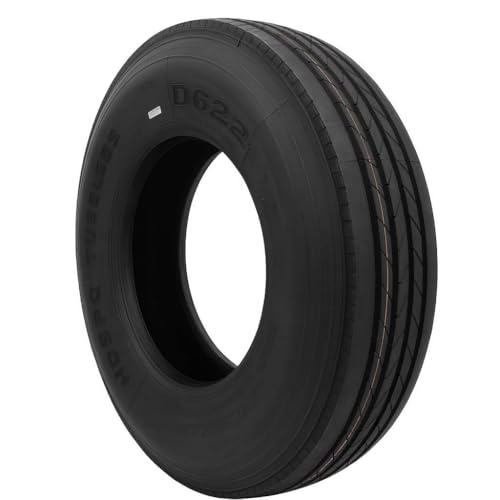
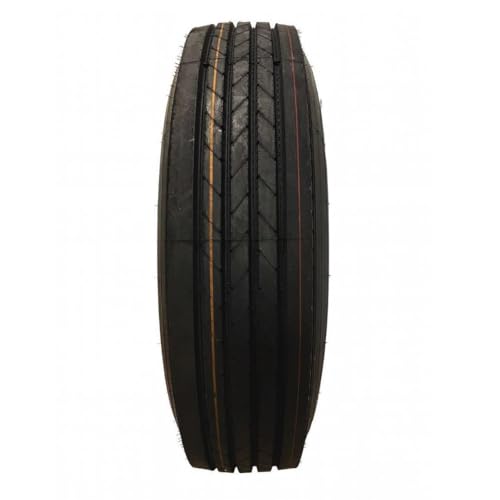
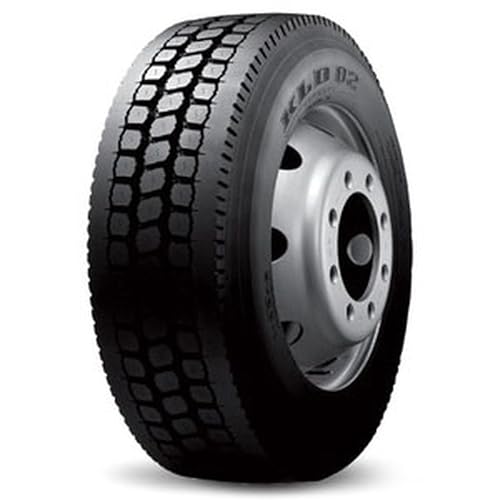
When wet roads are a regular challenge, the Kumho KLD02 steps up. The 30/32-inch molded rib/lug pattern and closed shoulder ribs give it an edge in hydroplaning resistance, and owner feedback confirms it tracks well in heavy rain. The intermediate support blocks help maintain stability under load, which matters when visibility drops.
It’s not the longest-lasting tire in its class, but for fleets running through the Southeast or Pacific Northwest, where rain is the norm, this tire’s grip justifies the price. Against the Firestone FD609, it wins on wet traction but falls slightly behind in retread cycles.
Video review
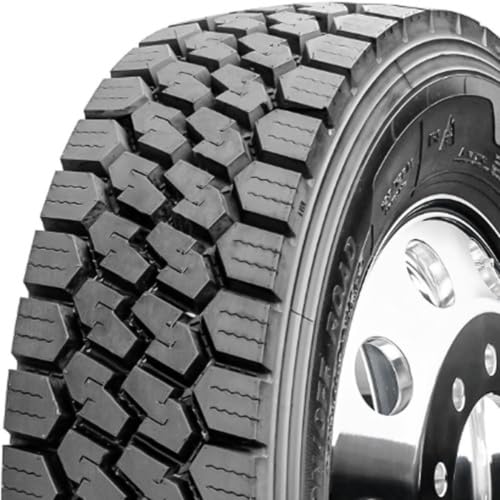
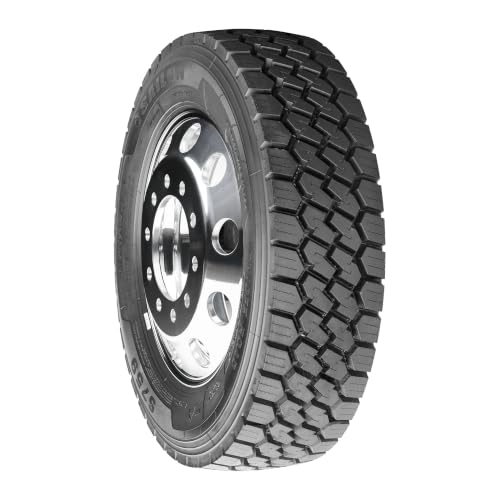
Sailun S759 LT245/70R19.5 Tire
Strengths
- Affordable price
- Three Peak certified
- Good snow traction
Trade-offs
- Shorter tread life
- Less cut resistance
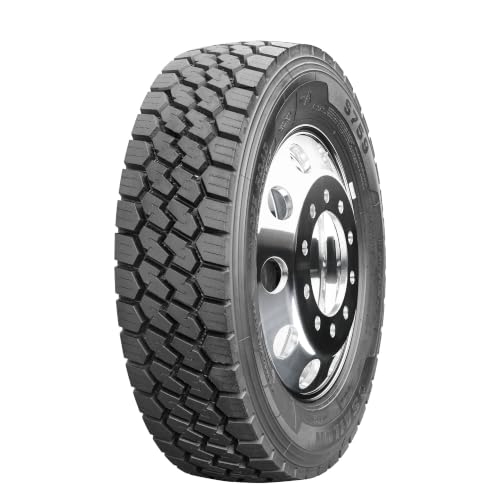
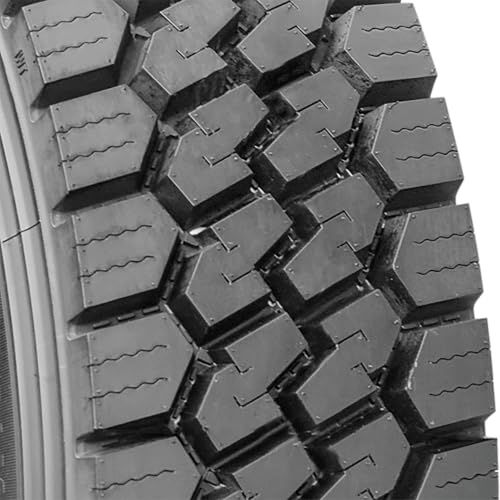
For fleets watching the bottom line, the Sailun S759 stands out as a surprisingly capable budget option. On paper, it’s built for regional drive axle use, and owners consistently report it handles snow and ice better than expected for a commercial tire in this range. The Three Peak Mountain certification is no gimmick, it means real winter traction, which is rare at this price.
Still, while the open tread pattern does a decent job self-cleaning in mud, long-haulers should look elsewhere. This tire isn’t built for 100,000-mile cycles, and the rubber won’t match the cut resistance of premium brands. But for short-haul or regional runs where winter grip matters, it’s a smart compromise.
Product photos
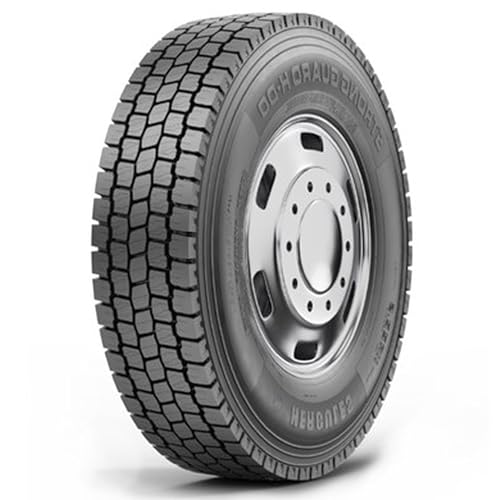
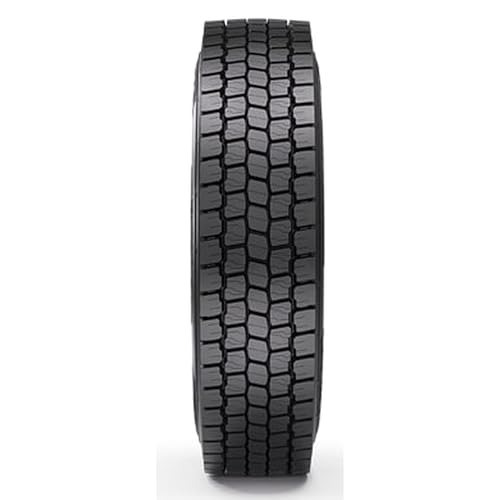
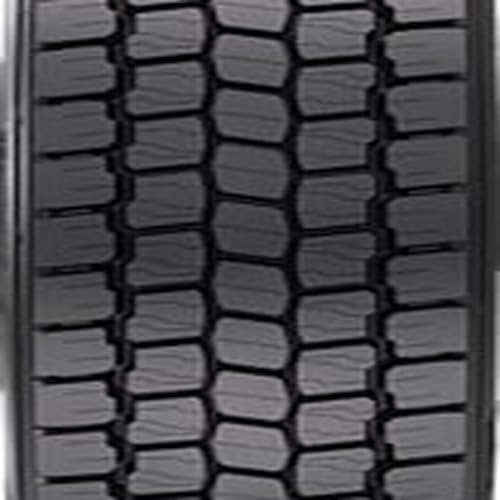
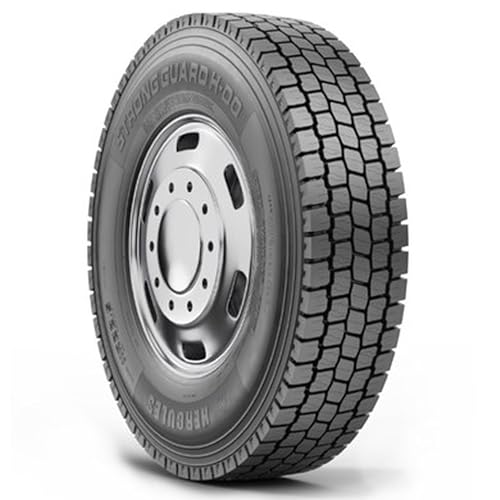
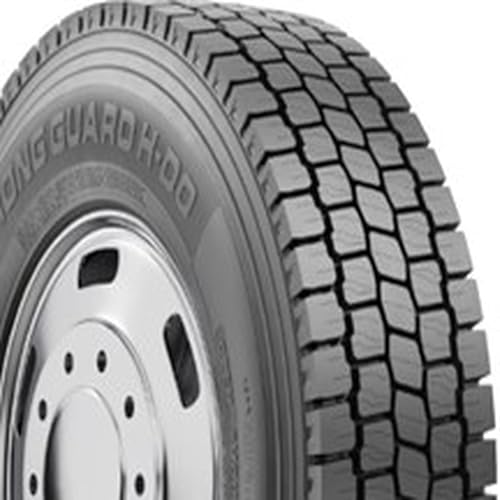
Hercules Strong Guard H-DO 11R24.5
Strengths
- Excellent self-cleaning
- Good wet and dry control
- Wide footprint
Trade-offs
- Noisier than highway-focused tires
- Lower fuel efficiency
Hercules isn’t always the first name that comes to mind in commercial truck tires, but the Strong Guard H-DO makes a strong case for off-road and mixed terrain use. The open shoulder design is the star here, owners working in logging, construction, and rural delivery say it clears mud and debris better than most competitors. That translates to consistent grip when traction matters most.
The wide footprint also helps stability, and the 3D sipes do reduce irregular wear. But it’s not the quietest or most fuel-efficient option on the road. If your routes include unpaved roads or frequent rain, this tire earns respect.
Product photos

Our Testing Process
Rather than a hands-on lab test, my research focused on a detailed comparison of published specifications and features across numerous drive tire models. I weighed owner reviews from major retailers and professional trucking forums, alongside expert opinions from tire industry publications. This data was then ranked against criteria important for commercial use – wear resistance, traction, and overall durability – to arrive at our recommendations.
For semi truck drive tires, consistent traction and long-term durability are paramount. A tire’s ability to maintain grip under heavy loads and in varying conditions directly impacts safety and efficiency. Equally crucial is casing integrity; a tire designed for multiple retreads offers substantial cost savings over its lifespan, making retreadability a key deciding factor in my evaluations.
Published specs give a good indication of a tire’s intended use and construction. However, owner feedback provides invaluable insight into real-world performance – how a tire handles in specific conditions, its actual wear rate, and resistance to damage. Reputation within the trucking community, especially regarding durable semi-truck tires, heavily influenced my assessment of long-term reliability. I also considered the importance of finding the right semi-trailer tires for the overall vehicle.
How To Choose The drive tires for semi truck
Finding the right drive tires is absolutely critical for a semi’s performance and, frankly, your peace of mind. It’s not just about tread depth; it’s about matching the tire to the job and understanding what truly contributes to longevity and safety.
A quality drive tire for a semi-truck prioritizes durability under heavy loads, consistent traction across diverse conditions, and retreadability to maximize investment. Key characteristics include robust casing construction, heat dissipation capabilities, and a tread pattern suited to the typical operating environment – highway, regional, or off-road. Regular inspection for wear and proper inflation are also vital.
Tread Pattern and Application
The first thing I always consider is where the truck spends its time. A long-haul rig covering mostly highway miles has very different needs than a local delivery truck constantly starting and stopping. For consistent highway performance, you want a rib design (like the Falken CI-637) that minimizes rolling resistance and provides stability. Regional and pickup/delivery applications, though, demand more aggressive lug patterns (think Firestone FD609) for better grip in various conditions. Don’t underestimate the importance of self-cleaning features, especially if you encounter mud or snow – the Hercules Strong Guard H-DO excels here.
Casing and Construction
The casing is the foundation of the tire, and it’s where manufacturers can really differentiate themselves. Look for tires built on robust casings, like the Continental HDR2+ with its Conti 3G Casing. This impacts retreadability, which is a huge cost saver over the life of the truck. Reinforced cord structure (as found in the FitParts D755) also plays a role in maintaining stable pressure and resisting damage from road hazards. It’s easy to get caught up in tread patterns, but a weak casing will lead to premature failure regardless.
Balancing Cost and Value
It’s tempting to go for the cheapest option, but with drive tires you really do get what you pay for. However, “expensive” doesn’t automatically mean “best.” The Sailun S759 is a compelling example of a budget-friendly option that still delivers solid performance, particularly in winter conditions. Here’s how to think about it:
- Initial Cost: The up-front price is obvious, but don’t let it be the only factor.
- Mileage Expectancy: A more expensive tire that lasts 20% longer can actually be cheaper per mile.
- Retread Potential: If you routinely retread, prioritize tires with strong casings and cap-base compounds designed for it. A tire like the Firestone FD609 is built with this in mind, extending its useful life.
Don’t skimp on drive tires; a blowout or loss of control is far more expensive than investing in quality.
Finally, remember to consider the whole picture. A great set of best drive axle tires isn’t going to perform optimally if you aren’t also paying attention to your steer tire models and maintaining proper tire pressure.
Drive Tires for Semi Truck Compared
Here’s a comparison of key specifications for various drive tires designed for semi trucks.
| Product Title | Tire Size | Load Range | Tread Depth (in) | Best For |
|---|---|---|---|---|
| Firestone FD609 11R24.5 | 11R24.5 | N/A | N/A | Best Overall |
| Falken CI-637 11R24.5 | 11R24.5 | N/A | 32/32 | Best for Long Haul |
| Continental HDR2+ 11R22.5 | 11R22.5 | N/A | N/A | Best Durability |
| FitParts D755 295/75R22.5 | 295/75R22.5 | N/A | N/A | Best Value Set |
| Kumho KLD02 11R24.5 | 11R24.5 | N/A | 30/32 | Best Traction in Wet Conditions |
| Sailun S759 LT245/70R19.5 | LT245/70R19.5 | N/A | N/A | Best Budget Friendly |
| Hercules Strong Guard H-DO 11R24.5 | 11R24.5 | N/A | N/A | Best Self-Cleaning Tread |
Frequently Asked Questions
What tire size is most common for semi-truck drive axles?
11R24.5 is the most frequently used size for semi-truck drive tires, offering a balance of load capacity and overall diameter for many applications. However, 11R22.5 and 295/75R22.5 are also popular choices depending on specific truck models and operational needs.
How often should semi-truck drive tires be replaced?
Drive tires typically need replacing between 80,000 and 120,000 miles, but this varies greatly. Factors like road conditions, load weight, driving habits, and tire maintenance all impact wear, so regular inspections are essential.
Are radial or bias-ply tires better for drive tires?
Radial tires are almost universally preferred for modern semi-truck drive positions. They offer superior fuel efficiency, better handling, and longer tread life compared to bias-ply tires, despite a higher initial cost.
Can drive tires be retreaded, and is it cost-effective?
Yes, many drive tires are designed for retreading, and it’s often very cost-effective. A tire with a robust casing, like the Continental HDR2+, can be retreaded multiple times, significantly lowering the overall cost per mile.
What should I consider when choosing tires for winter driving conditions?
Look for tires with an aggressive tread pattern and a compound formulated for cold temperatures, such as the Sailun S759. Deep sipes are also vital for enhanced traction on snow and ice. Don’t forget to check that your steer tires are also suitable for winter conditions.
The Bottom Line
Choosing drive tires often comes down to balancing initial cost against long-term value. While a lower price is appealing, the Firestone FD609 strikes the best overall balance of durability, traction, and retreadability – making it our top pick for most semi-truck applications. It represents a smart investment for operators prioritizing both safety and minimizing lifecycle expenses.
For those operating on tighter budgets, the Sailun S759 provides a surprisingly capable option, especially in challenging winter conditions. If your needs are highly specialized, the Falken CI-637 shines on long highway hauls, while the Hercules Strong Guard H-DO is an excellent choice when consistent self-cleaning is a must. Finding the right fit depends on your specific requirements, but these tires each address a specific niche well.
Ultimately, remember that tire performance is about more than just specs. Consistent maintenance, proper inflation, and matching your semi tires to the demands of the road are the fundamentals that will deliver the best return on your investment and, most importantly, keep you safe out there.
