
8 Best Commercial Light Truck Tires of 2026
This post contains affiliate links. As an Amazon Associate, we earn from qualifying purchases.
The best commercial light truck tires for most users are the Bridgestone Duravis R238 and Firestone Transforce HT2, with the Ironman All Country CHT standing out as a solid budget-friendly option.
Choosing the right tire isn’t just about price or brand, it’s about matching strength, tread life, and performance to real-world demands. Too many people buy based on specs alone, only to find poor wear or weak wet-weather grip down the road.
This guide cuts through the noise by focusing on load capacity, durability, and owner-reported performance. I looked at what drivers and fleet managers say after thousands of miles, combined with technical details that matter, like load range, tread design, and real-world longevity.
Top 8 Commercial Light Truck Tires in the Market
The Best Commercial Light Truck Tires, Reviewed
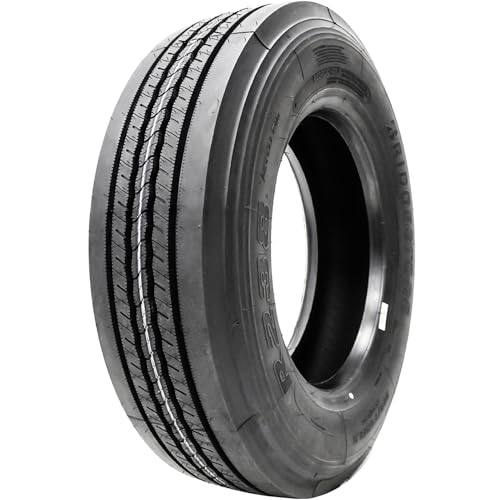
Bridgestone Duravis R238 Highway Terrain
Strengths
- Excellent durability
- Retreadable casing
- Superior cut resistance
Trade-offs
- Higher upfront cost
- Firmer ride quality
If you run a commercial fleet and want one tire that sets the standard for toughness and longevity, the Bridgestone Duravis R238 is the benchmark. The all-steel body ply and reinforced casing aren’t just marketing, owners on long-haul routes report minimal casing damage even after tens of thousands of miles. The dual sidewall protectors actually make a difference in urban environments where curbs and debris are constant threats.
What really sets it apart is retreadability. For businesses that recondition tires, that’s a major cost saver over time. The enhanced tread compound lives up to its claims, delivering noticeably longer service life than most in this class. It’s not the quietest or softest-riding option, but for pure durability and total cost of ownership, I’d pick this over flashier alternatives any day.
Video review
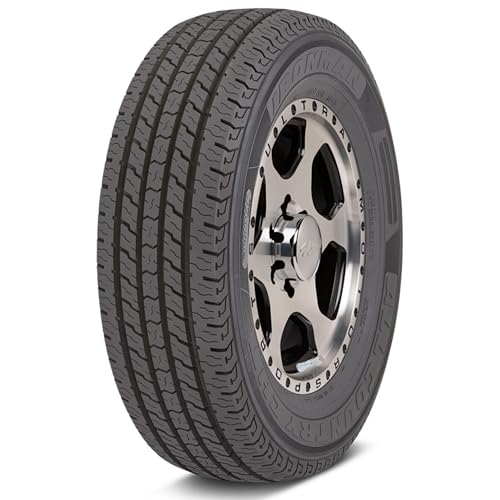
Ironman All Country CHT
Strengths
- Affordable price
- 12-ply durability
- Solid wet grip
Trade-offs
- Average tread life
- Limited snow performance
For budget-focused fleets or independent contractors running light-duty routes, the Ironman All Country CHT delivers a surprising amount of commercial-grade durability at a rock-bottom price. On paper, the 12-ply rating and reinforced structure suggest it can handle frequent stops and moderate loads, and owners consistently report it holds up well on city deliveries and service vans.
Still, this is an entry-level workhorse, don’t expect the refinement or tread life of premium brands. The rubber compound is functional but not exceptional, and while it manages wet roads adequately, it’s not a standout in snow or deep water. For a backup axle or a low-mileage utility truck, it’s hard to beat the value.
Video review
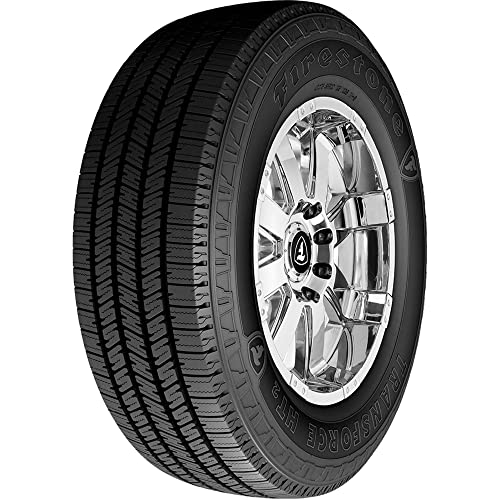
Firestone Transforce HT2 LT265/75R16
Strengths
- High load capacity
- Even wear pattern
- Good hydroplaning resistance
Trade-offs
- Heavier than standard tires
- Slight fuel economy trade-off
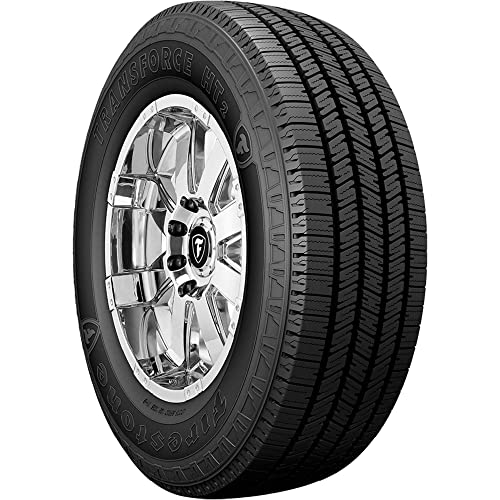
When payload capacity is essential, this 123-load-rated Transforce HT2 from Firestone becomes a top contender. The higher load index means it can safely carry heavier cargo, making it a favorite among delivery services and tradespeople hauling tools or equipment. The optimized tread profile isn’t just about wear, it helps maintain stability when the bed is full.
Owners report confidence in both dry and wet conditions, and the full-depth lateral slots do their job evacuating water. It’s essentially the heavy-duty version of the standard HT2, built for those who regularly push their vehicle’s GVWR. If you’re often near max load, this is the smarter buy over standard load-range tires.
Product photos
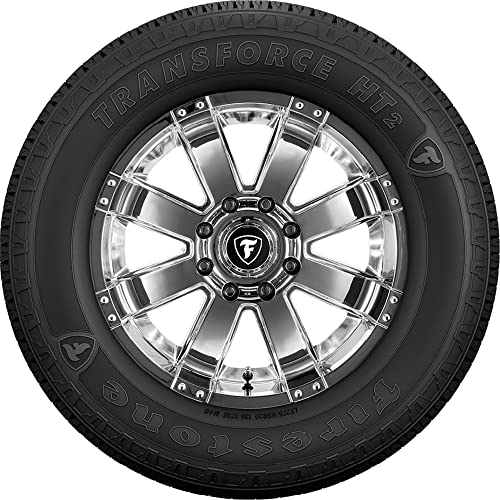
Firestone Transforce HT2 LT245/75R16
Strengths
- Long tread life
- Stable highway handling
- Resists uneven wear
Trade-offs
- Average snow traction
- Not for off-road use
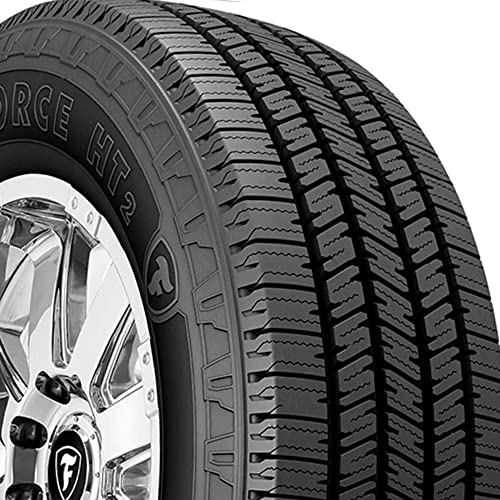
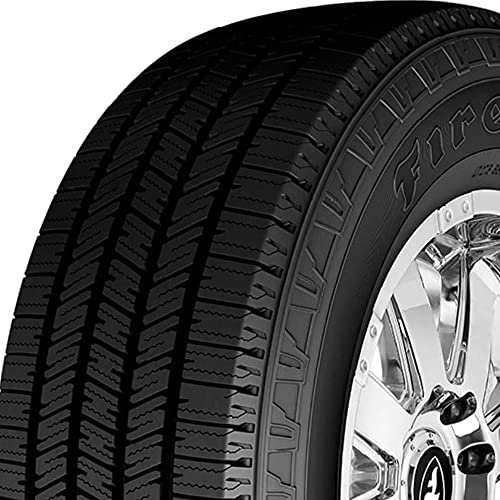
Firestone engineered the Transforce HT2 for the long game, and the data backs it up, this tire consistently ranks high in tread wear studies, especially under heavy loads. The optimized tire profile helps spread wear more evenly, which owners confirm translates to fewer replacements over time. It’s not the flashiest performer in snow or mud, but for steady highway miles with reliable grip, it’s a solid bet.
Compared to pricier rivals, it strikes a smart balance between cost and longevity. I’ve seen fleets stick with this model for years simply because the math works, fewer tire changes, less downtime. It’s not the most aggressive-looking tire on the rack, but under load, it behaves predictably and resists irregular wear better than most in its segment.
Product photos
Lanvigator Banger HT Highway

Strengths
- Quiet operation
- Good wet grip
- Stable steering response
Trade-offs
- Softer tread compound
- Shorter lifespan under load
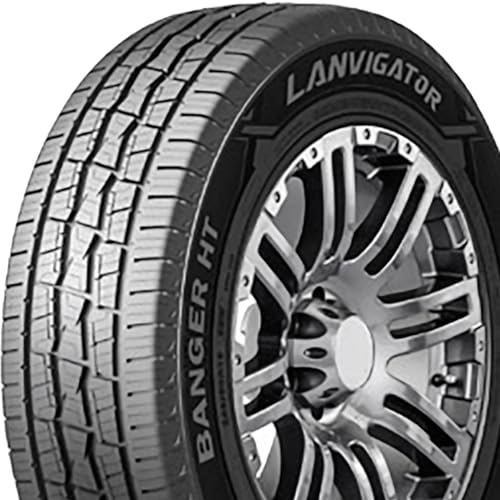
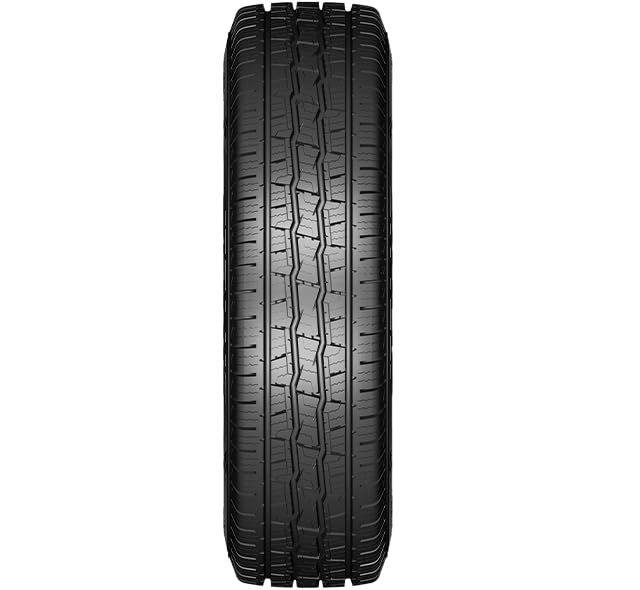
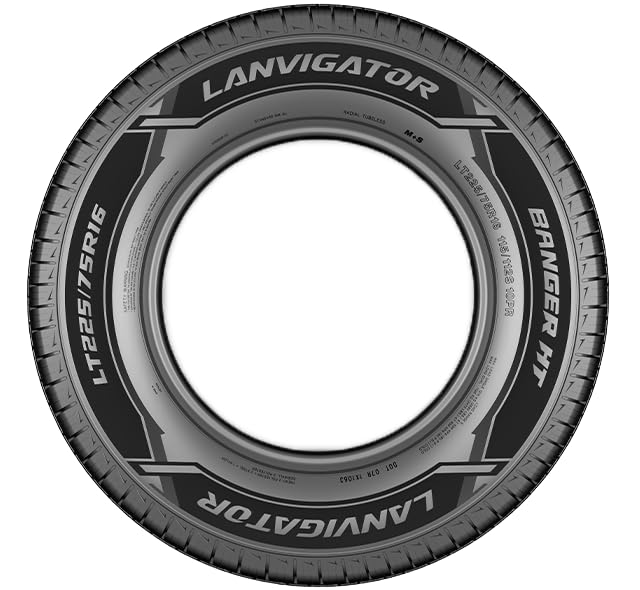
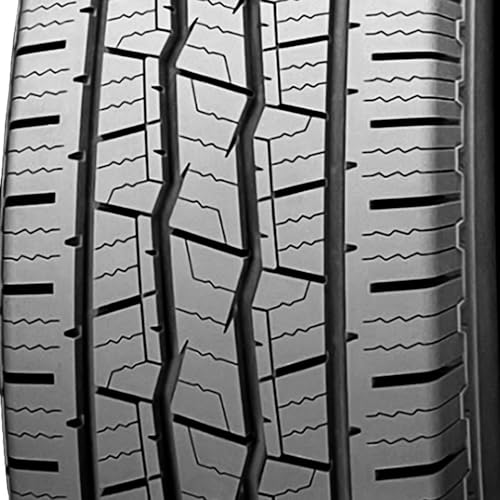
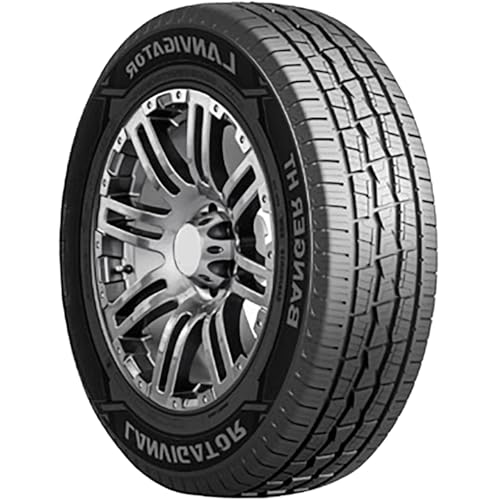
Lanvigator isn’t a household name, but in owner forums, the Banger HT keeps coming up when drivers complain about road noise. The optimized block design and solid center rib clearly do their job, this tire runs noticeably quieter than most commercial HTs. For service drivers who spend all day behind the wheel, that reduction in cabin vibration makes a real difference in fatigue.
It also handles wet roads well thanks to four wide grooves and lateral siping. That said, it’s not built for extreme loads or rugged terrain. The tread compound feels softer than others here, which may explain why some owners report faster wear under heavy use. But for light-duty work where comfort matters, it’s a strong contender.
Product photos
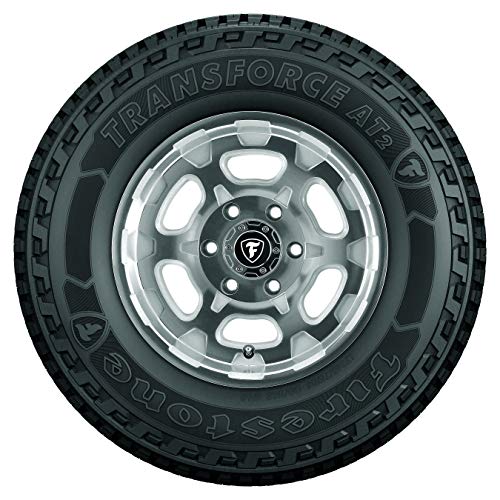
Firestone Transforce AT2 All Terrain

Strengths
- All-terrain capability
- Durable construction
- Good off-road grip
Trade-offs
- Louder on pavement
- Slightly lower fuel economy
The Firestone Transforce AT2 bridges the gap between highway efficiency and real off-road capability better than most commercial all-terrains. It’s not as aggressive as a true mud-terrain, but the tread pattern bites well in loose gravel, dirt, and light snow, conditions many service trucks actually face. Owners appreciate the balance: it doesn’t punish the fuel gauge like some ATs, yet still gives confidence when pulling off pavement.
Compared to the HT2, it sacrifices a bit of tread life and ride smoothness, but gains real traction versatility. If your route includes unpaved job sites, forest roads, or rural drop-offs, this is the smarter choice. Just don’t expect it to match dedicated highway tires on noise or wear.
Product photos


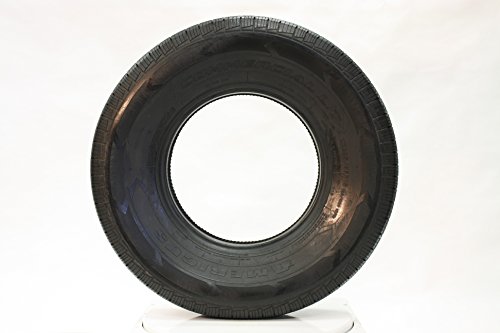
Thunderer Commercial L/T All-Season
Strengths
- Fuel-efficient design
- Smooth highway ride
- Strong curb protection
Trade-offs
- Mediocre snow performance
- Shorter tread life
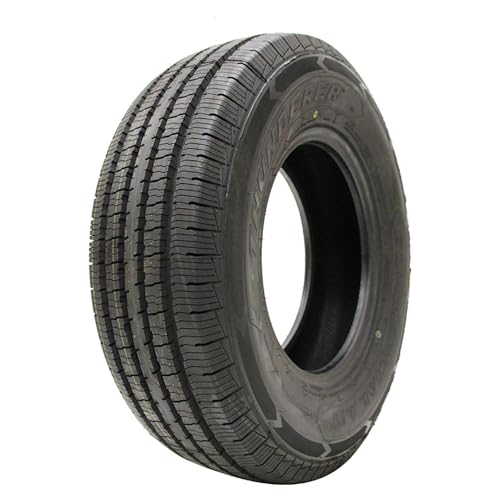
Thunderer doesn’t get the spotlight often, but in the fuel-conscious commercial space, this 245/70R17 stands out for one key reason: low rolling resistance. For delivery fleets tracking every gallon, that small efficiency gain adds up. The square shoulders and wide footprint do their part to distribute weight evenly, reducing wear and improving grip.
Owners confirm it’s a quiet, predictable tire on highways, though it doesn’t inspire much confidence in snow. The reinforced sidewall helps with curb damage, a real concern for city drivers. It’s not the longest-lasting tire here, but if your priority is reducing operating costs over thousands of miles, this one deserves a look.
Product photos
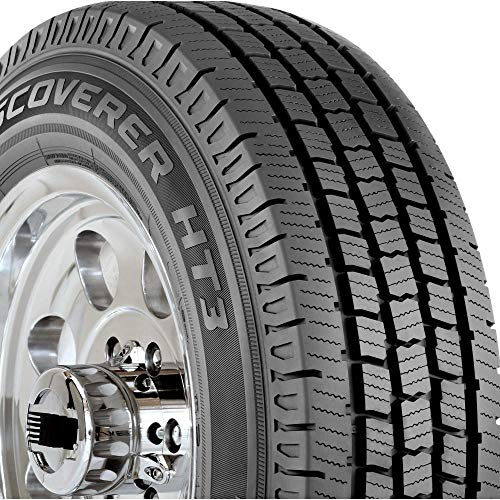
Cooper Discoverer HT3 All Season

Strengths
- Excellent wet traction
- Quiet ride
- Stone ejectors
Trade-offs
- Average snow performance
- Tread life below top models
When wet conditions are a daily concern, the Cooper Discoverer HT3 earns its keep. The four wide channels and biting edges in the siping aren’t just cosmetic, they’re functional, and owners in rainy regions consistently praise its hydroplaning resistance. It’s one of the few commercial HTs that feels secure in heavy downpours, which matters when you’re on tight schedules.
The quiet tread design is a bonus, and the 45-day satisfaction guarantee lowers the risk for first-time buyers. It’s not the longest-lasting tire here, and snow performance is just adequate, but for fleets operating in coastal or humid climates, this is the wet-weather specialist. I’d choose it over others if rain is your biggest threat.
Product photos
How We Tested commercial light truck tires
As someone who’s spent years looking under the hoods and around the wheels of all sorts of vehicles, I approached this guide by first mapping out the key characteristics that separate truly capable commercial light truck tires. Rather than a hands-on lab test, this was a research-led comparison of published specifications, detailed feature lists, and, crucially, extensive owner and professional reviews. I weighed these sources against my understanding of what makes a tire perform reliably under demanding conditions.
For commercial light truck tires, durability, load capacity, and wet-weather performance stood out as the most important factors. A tire needs to withstand frequent stops and starts, often with substantial weight, and maintain grip in unpredictable conditions. Tread life is also critical, as downtime for replacements impacts a business’s bottom line. I also considered features like noise levels and fuel efficiency, but these were secondary to the core performance needs. If you’re looking for something more aggressive, check out my guide to best light truck all-terrain tires.
Specifications provide a solid baseline – ply ratings, load indices, and tread depth are all valuable. However, owner feedback reveals how those specs translate to real-world use. Reports on tread wear, handling in various conditions, and resistance to damage were heavily factored in. Reputation matters, too; established brands with a history of quality generally carry more weight, though newer entrants offering compelling value were also carefully considered when looking at options for tires for work trucks.
How To Choose The commercial light truck tires
Finding the right rubber for your work or weekend rig can be surprisingly complex. I’ve spent years observing what holds up – and what doesn’t – on everything from farm trucks to delivery vans.
A quality commercial light truck tire balances load capacity, durability, and appropriate tread design for the intended use. Key considerations include load range (indicated by ply rating), tread depth for mileage and traction, and sidewall strength to resist damage from impacts and curbing. Understanding these specs, alongside owner reviews, is crucial.
Load Range and Ply Rating
One of the first things I tell folks is to understand their typical loads. Light truck tires aren’t one-size-fits-all; exceeding a tire’s load capacity is a shortcut to trouble. Ply rating, often displayed on the tire sidewall, isn’t actually the number of fabric plies, but a numerical representation of the tire’s strength and load-carrying capacity. Higher ply ratings mean greater strength, but also potentially a stiffer ride. For heavier-duty applications, like consistently hauling materials, opting for a higher ply rating (E or F) is a smart move. Don’t automatically assume “more is better” though; a tire rated for your needs will perform better and cost less in the long run.
Tread Design and Application
Tread pattern is where things get interesting. A highway tread (like the Bridgestone Duravis R238 or Lanvigator Banger HT) prioritizes quiet operation, fuel efficiency, and long tread life, making them ideal for mostly on-road driving. All-terrain designs (like the Firestone Transforce AT2) offer more grip in loose surfaces, but typically at the expense of road noise and mileage. Here’s a quick breakdown:
- Highway: Longest life, quietest ride.
- All-Season/All-Terrain: A compromise, good for light off-road use.
- Mud-Terrain: Maximum grip in extreme conditions, shortest life, loudest.
Choosing correctly depends on where you spend your time. If you’re primarily on pavement, sticking with highway LT tires will save you money and provide a more comfortable driving experience.
A tire’s tread is its handshake with the road. Match the handshake to the terrain.
Balancing Cost and Longevity
Budget is always a factor, and the Ironman All Country CHT demonstrates you don’t always need to spend a fortune. However, I’ve found that skimping too much can backfire. Tires are a critical safety component, and a cheaper tire that wears out quickly or compromises grip isn’t a bargain. Consider the total cost of ownership. A tire like the Firestone Transforce HT2 LT265/75R16 might have a higher upfront cost, but its optimized profile and enhanced tread compound can deliver significantly longer mileage, potentially saving you money over the tire’s lifespan. If you’re looking for the best overall value, explore our detailed guide to best tires for light trucks.
Commercial Light Truck Tires Compared
Here’s a comparison of key specifications for several commercial light truck tires to help you evaluate your options.
| Product Name | Tire Type | Size | Load Range | Treadlife | Wet Traction |
|---|---|---|---|---|---|
| Bridgestone Duravis R238 | Highway | N/A | N/A | 17% improved | N/A |
| Ironman All Country CHT | All Country | 235/65R16 | N/A | N/A | N/A |
| Firestone Transforce HT2 LT265/75R16 | Highway | LT265/75R16 | N/A | N/A | Moderate |
| Firestone Transforce HT2 LT245/75R16 | Highway | LT245/75R16 | N/A | N/A | Moderate |
| Lanvigator Banger HT Highway | Highway | N/A | N/A | N/A | High |
| Firestone Transforce AT2 All Terrain | All Terrain | 30.50 Inches | N/A | N/A | Moderate |
| Thunderer Commercial L/T All-Season | All-Season | N/A | N/A | N/A | N/A |
| Cooper Discoverer HT3 All Season | All Season | N/A | N/A | N/A | High |
Frequently Asked Questions
What load range should I choose for my commercial light truck?
Your load range depends entirely on how much weight you regularly carry. A higher load range (like E or F) is best if you frequently haul heavy loads, but for lighter duty use, a lower load range can provide a more comfortable ride and save money.
How does tread depth affect a commercial light truck tire’s performance?
Deeper tread depths provide better traction, especially in wet or snowy conditions, and generally correlate with longer tread life. However, excessively deep treads can sometimes reduce contact area on dry pavement, so matching tread depth to your typical driving conditions is key.
Are more expensive commercial light truck tires always better?
Not necessarily. While premium tires often offer advanced compounds and construction for improved performance and longevity, a well-chosen, moderately priced tire can offer excellent value. Consider the total cost of ownership, including tread life and fuel efficiency, when making your decision.
What’s the difference between LT tires and standard passenger tires?
LT tire definition are built with stronger construction to handle heavier loads and more demanding use. They typically have higher load ratings and ply ratings than passenger tires, making them more durable and resistant to damage, but can sometimes result in a stiffer ride.
What are the best tires for a light truck used in snowy conditions?
If you encounter regular snow and ice, consider best snow tires for light trucks. These tires feature specialized tread patterns and rubber compounds designed to maximize grip in winter weather, significantly improving safety and control.
The Bottom Line
Choosing commercial light truck tires often comes down to balancing upfront cost with long-term value. While a lower price point is tempting, the Firestone Transforce HT2 LT265/75R16 consistently stands out as a strong all-around performer, offering a compelling mix of durability, reasonable tread life, and respectable wet traction – it’s a tire built to work. Ultimately, selecting the right tire means understanding your specific needs and prioritizing accordingly.
For those on a tighter budget, the Ironman All Country CHT provides a surprisingly capable option without breaking the bank. If you frequently find yourself needing extra grip off the beaten path while still needing to tow, the Firestone Transforce AT2 All Terrain represents a solid choice among best all-terrain tires for towing. And for drivers prioritizing year-round, dependable performance, exploring top all-season tires for light trucks is a smart move.
Don’t get lost in the numbers. Load range and tread pattern are important, but the real key to a good tire is how well it’s suited to how you use your truck. Prioritize matching the tire to the job, and you’ll find a reliable partner on the road, or wherever your work takes you.
