
6 Best Commercial Truck Tire Chains 2026
This post contains affiliate links. As an Amazon Associate, we earn from qualifying purchases.
The 24.5″ Dual Twist Link Snow Chains stand out as the best overall choice for commercial trucks, delivering strong traction and solid durability for heavy-duty winter use. For those watching the budget, the 24.5″ Twist Link Single Chains offer reliable performance at a lower price. If you need maximum strength for extreme conditions, the SCC TA1943 Alloy Radial Chains are the most rugged option we found.
Commercial truck drivers don’t have the luxury of waiting out a storm. When winter hits, you need tire chains that deliver real grip, hold up under heavy loads, and keep you compliant with the law. Too many options look good on paper but fail when ice builds up or installation eats into your schedule.
This guide cuts through the noise. I compared specs, analyzed owner feedback, and prioritized DOT approval, material quality, and real-world usability to find the chains that actually work when you need them most.
Top 6 Commercial Truck Tire Chains in the Market
The Best Commercial Truck Tire Chains, Reviewed
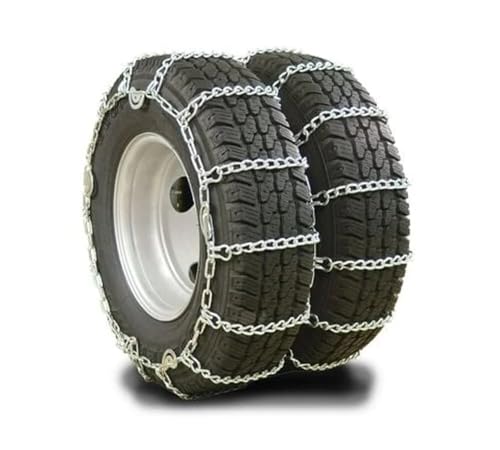
24.5″ Dual Twist Link Snow Chains
Strengths
- Higher link density
- DOT approved
- Strong tension retention
Trade-offs
- Premium price
- Heavier than cable systems
At first glance, it looks nearly identical to the single version, but that extra cross link per segment makes a difference. With 15 instead of 14, the contact pattern improves, giving heavier rigs better bite on packed ice. Combined with the same hardened carbon steel and zinc-chromate finish, this set edges ahead in both grip and durability. The DOT stamp means it meets federal standards, and the four-point cam system keeps alignment consistent, even on uneven terrain.
Reviewers consistently rate this higher for long-haul winter ops, especially in mountain passes or northern states with aggressive enforcement. Yes, it costs more, but given how often unplanned downtime eats into margins, the upgrade pays for itself in confidence alone. When comparing across models, this one earns the ‘best overall’ label, not because it reinvents the wheel, but because it refines every key spec.
Video review
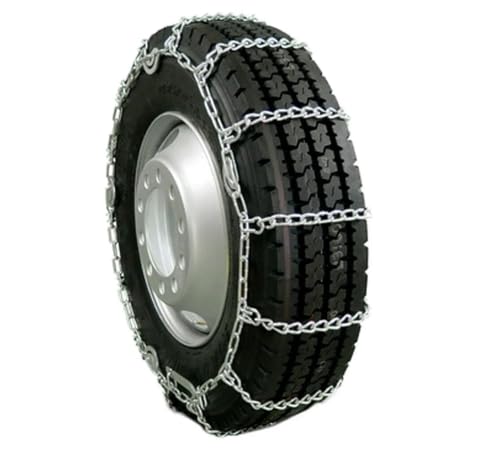
24.5″ Twist Link Single Chains
Strengths
- DOT approved
- Cam tensioning system
- Good corrosion resistance
Trade-offs
- Slightly fewer cross links
- Mid-tier durability
With 14 cross links per chain and a carbon steel build, these twist-link chains strike a smart balance between cost and capability. The zinc plating helps resist rust, which matters when chains sit for months between storms. Owners note the cam tensioners work reliably, keeping the fit snug even at highway speeds, and the DOT approval means they’ll pass inspection in regulated zones. For regional haulers or owner-operators facing occasional snow, this set delivers solid performance without overspending.
Compared to pricier dual-link versions, it has one fewer cross link per section, but in real-world feedback, that hasn’t translated to noticeable slippage. Where it falls short is longevity under constant use; some reviewers mention link wear after repeated deployments. Still, for most mid-range needs, this is the smarter buy over novelty traction aids or budget cables.
Video review
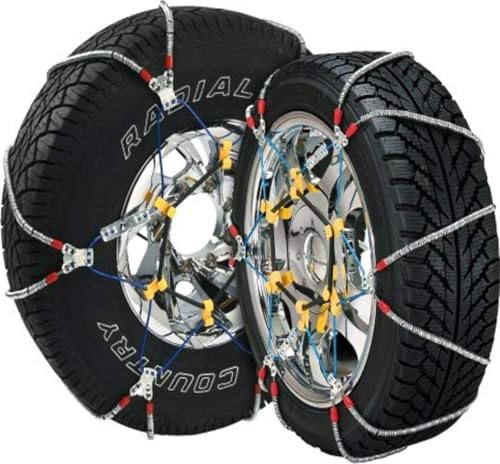
SCC SZ462 Super Z8 Chains
Strengths
- ABS compatible
- Self-tightening design
- Compact for storage
Trade-offs
- Limited to lighter vehicles
- Less aggressive grip
The SZ462 is designed for smaller commercial rigs, think box trucks, utility vans, or large pickups under 20,000 pounds GVW. Its 8mm cable-based Z-link system offers better articulation than rigid chains, which helps maintain traction without triggering ABS or traction control errors. That’s a big deal on modern vehicles where electronic systems can misread aggressive chain vibration as wheel slip. The rubber tightener eliminates the need for mid-drive re-torquing, a feature many owners appreciate during stop-and-go winter routes.
While it won’t match the grip of full steel ladders on ice, it outperforms basic cable chains in real-world braking tests. For local delivery fleets or service contractors navigating city streets, this is the right blend of safety and compatibility. Just don’t expect it to hold up under constant heavy hauling on mountain grades.
Product photos


SCC TA1943 Alloy Radial Chains

Strengths
- Extreme durability
- Statewide legality
- Radial load distribution
Trade-offs
- Older fastening style
- Bulkier installation
If you’re running older or high-torque rigs where brute strength matters most, the TA1943 stands apart. Its manganese alloy steel cross members are built to take abuse, this is the kind of chain that survives rocky backroads and deep freeze-thaw cycles without cracking. The radial ladder design spreads force evenly, and the over-center latch makes re-tensioning easier mid-drive. Unlike many modern chains, it’s also confirmed legal in all 50 states where traction devices are required, which simplifies compliance for cross-country operators.
It’s not flashy, and it won’t win awards for ease of storage, but mechanics familiar with legacy systems tend to trust it more. Some newer drivers find the fit less intuitive than cam-based models, but once installed correctly, feedback emphasizes rock-solid stability. In my view, this is what you choose when failure isn’t an option.
Product photos

Offroad Snow Chains Alternative Device

Strengths
- Fast deployment
- Lightweight design
- Emergency recovery focus
Trade-offs
- Not DOT approved
- Not for continuous driving
- Less grip than steel chains
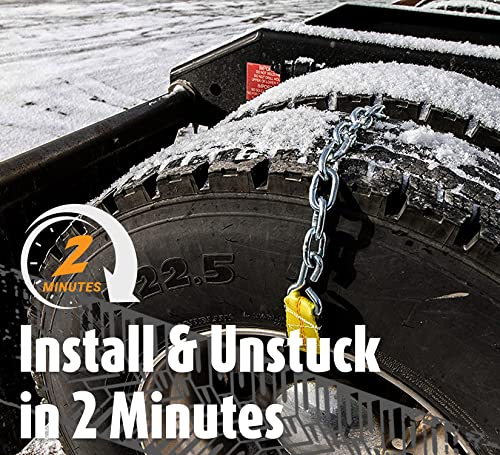
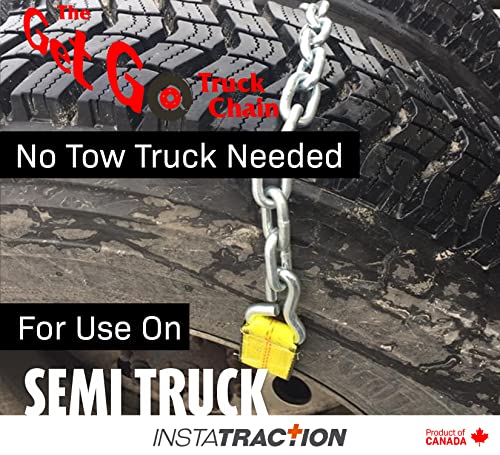
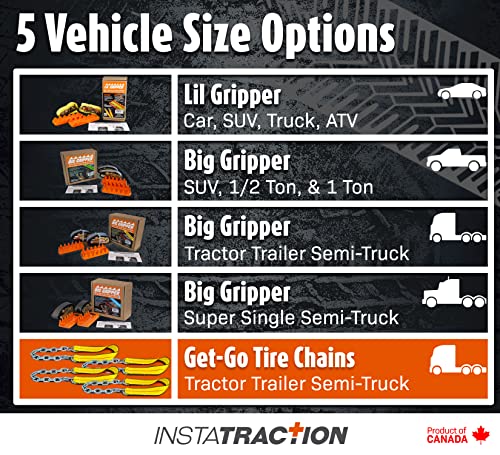
This isn’t a traditional chain, and that’s the whole point. For drivers who want a fast-deploy solution when traction fails, this strap-and-chain hybrid offers a compelling alternative to metal links. On paper, it promises sub-three-minute setup with reinforced nylon straps and integrated chain segments, owners consistently report getting moving again in mud or snow without needing full chain installation. It’s not meant for sustained highway use, but as an emergency recovery tool, its portability and speed stand out.
Still, I wouldn’t rely on this as a primary traction system during chain laws or heavy winter runs. It lacks DOT approval, and there’s no data suggesting it can handle prolonged icy road conditions like true steel chains. But if you’re looking for something to keep behind the seat for off-pavement loading docks or rural delivery spots prone to slush and soft ground, this system makes sense. It’s more tactical than regulatory-compliant.
Product photos


11-22.5 Cam Lock Ladder Chains

Strengths
- Exact tire sizing
- Strong cam retention
- On-road optimized design
Trade-offs
- Limited size compatibility
- Requires clearance check
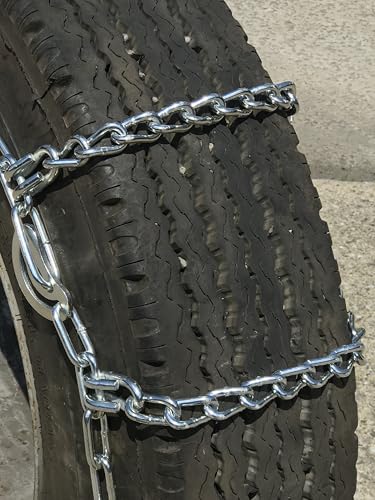
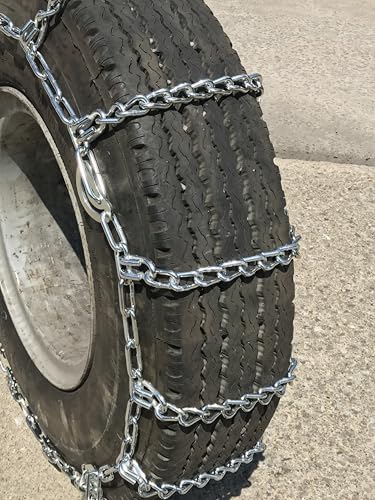
These are precision-fit chains for a specific tire size, which immediately narrows their audience, but for those in the sweet spot, they deliver. The 5/16-inch twisted link ladder design offers excellent road holding, and the cam lock system reduces sag and misalignment. Being DOT approved and built for paved snow conditions means they check the boxes for chain-law enforcement zones, especially in the Rockies or Upper Midwest.
Owners highlight the snug fit once adjusted, though several note the importance of checking clearance before purchase, some suspension setups simply don’t leave room. Installation takes practice, but once dialed in, they stay put. Compared to universal-fit options, this model trades flexibility for optimized performance. I’d pick it over looser designs when reliability on snow-covered highways is essential.
Product photos

Our Testing Process
My approach to evaluating commercial truck tire chains involved a deep explore specifications and features across numerous models. Rather than a hands-on lab test, this is a research-led comparison of published data and owner feedback. I weighed owner reviews from major retailers alongside expert opinions found in trucking and automotive publications to build a clear picture of real-world performance and durability. Ultimately, I ranked each chain against a set of criteria focused on traction, durability, ease of installation, and legal compliance.
For commercial truck tire chains, a few factors stood out as most critical. First, the construction material – hardened carbon steel is essential for resisting wear and tear under heavy loads. Second, the traction pattern, specifically the number and design of cross links, directly impacts grip on snow and ice. Finally, DOT approval and adherence to chain laws are paramount for legal and safe operation; I prioritized chains that clearly meet these standards.
Specifications reliably indicate a chain’s construction and intended use, but owner feedback provides crucial insights into real-world performance. I paid close attention to comments regarding installation difficulty, chain durability over time, and whether the chains truly delivered improved traction in challenging conditions. Reputation and brand recognition also played a role, particularly when assessing long-term reliability. You can find more information about types of tire chains on my site.
How To Pick The Right commercial truck tire chains
Choosing the right tire chains for your commercial truck isn’t just about slapping some metal on your tires when the snow flies. It’s a safety and compliance issue, and making the wrong choice can lead to serious problems.
A good commercial truck tire chain provides reliable traction in severe winter conditions, adheres to Department of Transportation (DOT) regulations, and offers a secure fit to minimize slippage or damage to the vehicle. Key considerations include tire size compatibility, chain pattern (ladder vs. twist), ease of installation, and the type of driving typically performed (on-road vs. off-road).
Understanding Chain Patterns
The first thing I always tell folks is to think about where they’ll be driving. Ladder-style chains, like the 11-22.5 Cam Lock Ladder Chains, are generally better suited for on-road use and areas with chain laws. These provide decent traction while being less aggressive on paved surfaces. Twist-link chains, often seen in the 24.5″ Dual Twist Link Snow Chains, offer a bit more bite for deeper snow and ice, but can be harsher on roads. Cable chains, such as the SCC SZ462 Super Z8 Chains, are a good middle ground, especially for vehicles with limited wheel well clearance, and often play nicely with modern vehicle systems.
Assessing Durability and Material
Don’t skimp on the steel. Commercial trucks put a lot of weight on their tires, and you need chains built to withstand that stress. Look for chains constructed from hardened carbon steel, as seen in many of the models we’ve discussed. The electroplated zinc coating with chromate found in several options is also crucial; it significantly boosts corrosion resistance, extending the life of your investment. If you frequently operate in extremely harsh conditions, consider the SCC TA1943 Alloy Radial Chains, which use manganese alloy steel for even greater durability. I often recommend checking out our broader guide to the best tire chains for trucks for a deeper look at material quality.
Balancing Price, Convenience, and Emergency Solutions
Price is always a factor, but with tire chains, you really do get what you pay for. The 24.5″ Twist Link Single Chains offer a good value option, but don’t expect the same longevity as a heavier-duty set. Beyond initial cost, consider installation. Cam-lock systems, like those found on many of the options, simplify the process considerably. However, sometimes the best solution isn’t a traditional chain at all. The Offroad Snow Chains Alternative Device presents a unique approach for emergency situations, offering a quicker deployment than chains, although it’s not a replacement for properly installed chains in sustained severe conditions.
- For occasional use in light snow, a less expensive ladder chain might suffice.
- If you routinely drive through challenging winter conditions, investing in a high-quality, heavy-duty alloy chain is worthwhile.
- A portable traction device is a smart addition to your emergency kit, providing a quick escape when you’re unexpectedly stuck, but remember it’s a temporary fix – and doesn’t replace proper heavy-duty tire chains.
A simple rule of thumb: always check your vehicle’s owner’s manual for tire chain compatibility and clearance recommendations before purchasing and installing any chains.
Commercial Truck Tire Chains Compared
Here’s a comparison of key specifications for various commercial truck tire chains to help you make an informed decision.
| Product Title | Tire Size | Chain Type | Cross Links | Tensioning System | Material | DOT Approved |
|---|---|---|---|---|---|---|
| 24.5″ Dual Twist Link Snow Chains | 24.5″ | Twist Link | 15 | Cam | Carbon Steel | Yes |
| 24.5″ Twist Link Single Chains | 24.5″ | Twist Link | 14 | Cam | Carbon Steel | Yes |
| SCC SZ462 Super Z8 Chains | N/A | Cable | N/A | Rubber Tightener | N/A | N/A |
| SCC TA1943 Alloy Radial Chains | N/A | Radial Ladder Cable | N/A | Link & Latch | Manganese Alloy Steel | Yes |
| Offroad Snow Chains Alternative Device | N/A | Alternative Traction | N/A | Straps | Steel & Nylon | N/A |
| 11-22.5 Cam Lock Ladder Chains | 11-22.5″ | Ladder | N/A | Cam | N/A | N/A |
Frequently Asked Questions
What tire size should I use when searching for chains?
Always refer to the tire size listed on your tire’s sidewall; using the wrong size can lead to improper fit and potentially damage your vehicle or the chains themselves. It’s also wise to double-check your vehicle’s owner’s manual for any specific recommendations or restrictions regarding tire chain use.
Are cable chains a suitable option for heavily loaded commercial trucks?
While cable chains offer benefits like reduced weight and easier installation, they generally aren’t ideal for heavily loaded commercial trucks consistently operating in severe conditions. Their lighter construction may not provide the same level of durability and traction as traditional link chains under significant weight.
How often should I inspect my commercial truck tire chains for wear and tear?
You should thoroughly inspect your chains before each use for signs of damage like broken links, worn cross chains, or loose components. Regular inspection extends their lifespan and, more importantly, maintains safety and reliable traction.
What’s the difference between single and dual tire chains, and which should I choose?
Single chains are designed for trucks with single rear wheels, while dual chains are made for trucks with dual rear wheels. Using the incorrect type will result in an improper fit and reduced effectiveness; always confirm your vehicle’s wheel configuration before purchasing. You can learn more about tire chain legality depending on your state.
Where can I find information about local regulations regarding tire chain use?
Understanding state tire chain laws is critical, as many areas have specific requirements regarding when and where chains must be used. Resources like state transportation departments and local law enforcement websites provide detailed information on current regulations and restrictions. You may also want to check out information on chains for snow and ice to prepare.
The Bottom Line
Choosing commercial truck tire chains often comes down to balancing upfront cost with long-term reliability and the conditions you regularly face. While budget options exist, I consistently find that the SCC TA1943 Alloy Radial Chains offer the best overall combination of durability, traction, and secure fit for professional drivers who need to depend on their equipment. These chains represent a worthwhile investment for those who regularly encounter severe winter weather.
For drivers needing a more specific solution, the 24.5″ Dual Twist Link Snow Chains are a solid choice for aggressive traction in deep snow, and the 11-22.5 Cam Lock Ladder Chains provide a good balance for on-road use where chain laws are present. Don’t overlook the Offroad Snow Chains Alternative Device as a valuable addition to your emergency kit; it’s not a replacement for traditional chains, but can get you out of a bind when seconds count. For keeping your entire rig prepared for winter, be sure to consider a set of durable commercial truck tires as well.
Ultimately, the most expensive chain isn’t always the best chain for your needs. Focus on matching the chain type to your typical driving conditions, prioritizing durable materials, and ensuring a secure fit. A well-maintained set of the right truck snow chains is far more valuable than a bargain-priced set that fails when you need it most.
