
7 Best Cleaners for White Wall Tires 2026
This post contains affiliate links. As an Amazon Associate, we earn from qualifying purchases.
The best overall cleaner for white wall tires is White Lines WL-32 Street Juice, with Griot’s Garage Foaming Tire Cleaner as the smart budget pick and Duragloss 701 a top choice for classic car owners who want reliable, targeted results.
Keeping whitewalls clean is a constant battle. They show every stain, browning, and smear far more than blackwalls, and most cleaners either fall short or risk damaging the delicate rubber. I’ve spent years studying how these products perform across real-world use and professional detailing circles.
This guide cuts through the noise by focusing on what actually works, based on specs, owner experiences, and chemical compatibility with whitewall rubber. I’ll walk you through the key factors that separate the keepers from the tire-damaging gimmicks.
Top 6 Cleaners For White Wall Tires in the Market
The Best Cleaners For White Wall Tires, Reviewed
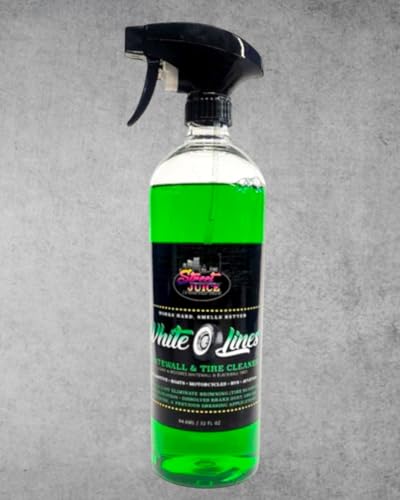
White Lines WL-32 Street Juice
Strengths
- Eliminates tire browning
- Restores brightness
- Safe on all tire types
Trade-offs
- Highest price point
- Overkill for light cleaning
- Large bottle for infrequent use
This is the most complete package for whitewall revival, it tackles oxidation, browning, and caked-on dressing with authority. Owners restoring older vehicles frequently cite how much brighter their tires look after just one use, and compared to milder foams, this one earns praise for long-term restoration. The 32oz size offers serious dwell time, and the formula requires little agitation.
It’s also the priciest option here, but that reflects its specialization. Unlike multi-use cleaners such as Armour Detail Supply, this is laser-focused on rubber aesthetics. When stacked against Duragloss, it’s safer on more surfaces and easier to apply. My recommendation? This is the smarter buy if you want maximum visual return without compromising safety on trim or paint.
Video review
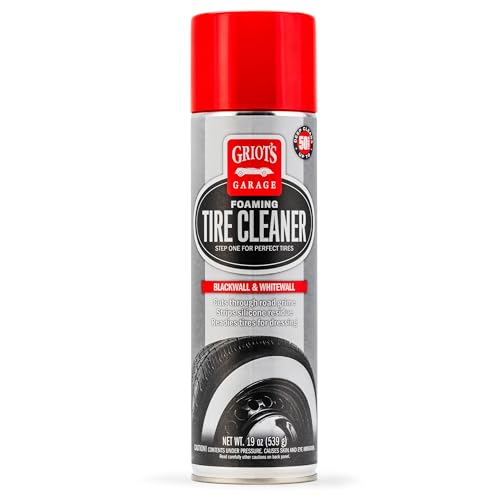
Griot’s Garage Foaming Tire Cleaner
Strengths
- High foaming
- Safe on whitewalls
- Extends dressing life
Trade-offs
- Mild on heavy buildup
- Not concentrated
This formula delivers solid performance for whitewalls without going overboard on price. The high-foaming action really helps lift grime and silicone residue, which owners say makes a visible difference when prepping tires for dressing. It’s not the strongest degreaser here, but it hits the sweet spot for routine cleaning where you want effectiveness without risking damage.
Reviewers consistently report it rinses clean with no greasy leftover film, and that matters, especially if you’re layering on a water-based dressing afterward. Compared to heavier-duty options like Armour Detail Supply, this one leans milder, but I’d still trust it on raised-white-letter tires without hesitation.
Video review
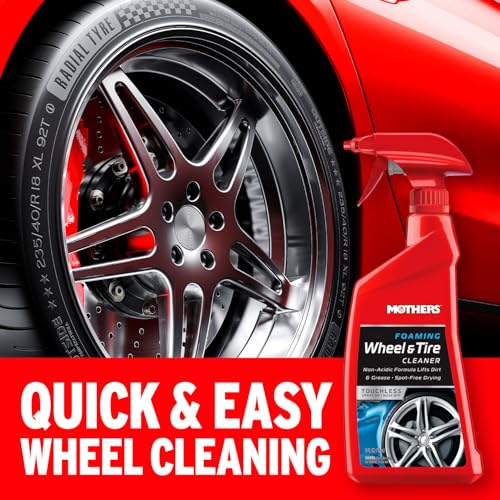
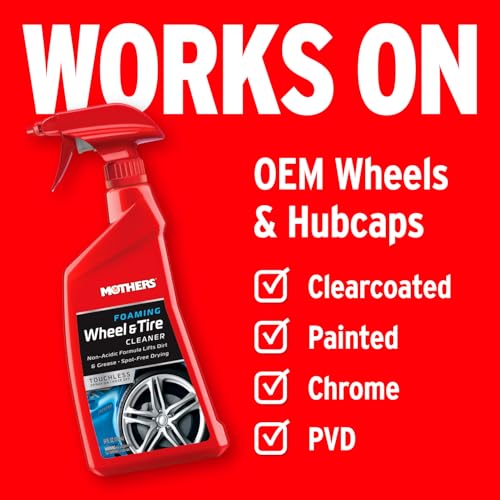
Mothers Foaming Wheel & Tire Cleaner

Strengths
- Large 1-gallon size
- Foam clings well
- Safe on coated wheels
Trade-offs
- Bulky storage
- Not highly concentrated
- Slower on heavy stains
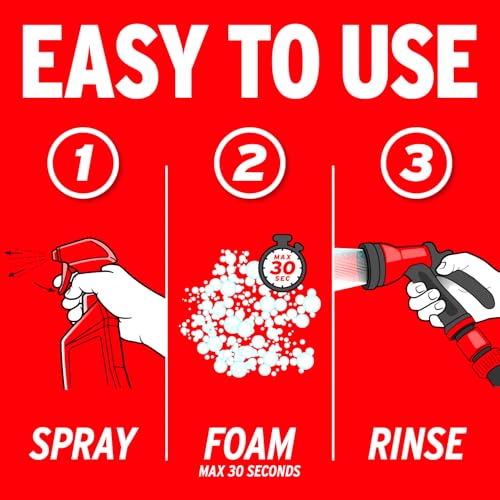
At one gallon, this is built for people who clean vehicles often, detail shops, fleet managers, or enthusiasts with multiple cars. The foaming action lifts brake dust effectively, and owners report it handles both blackwalls and whitewalls without separate products. It’s gentle on clearcoated wheels, which matters if you’re preserving factory finishes.
It’s not the fastest on oxidation, but for spray-and-rinse efficiency, few beat this volume-to-performance ratio. Compared to smaller bottles like CarGuys or Griot’s, you’re paying more upfront but saving long-term. Just keep in mind it’s not ultra-concentrated, you can’t stretch it as far as Armour Detail Supply. If you hate running out of cleaner mid-job, this is your bottle.
Product photos


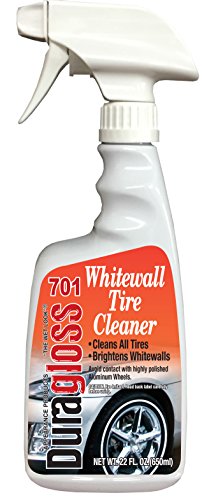
Duragloss 701 Whitewall Tire Cleaner
Strengths
- Proven on vintage rubber
- Effective on yellowing
- Dilutable for light jobs
Trade-offs
- No foam application
- Avoid polished aluminum
- Older delivery system
This is old-school chemistry that’s earned loyalty among classic car owners. The formula targets yellowing and browning common in vintage whitewalls, and many restorers say it outperforms modern foams on tires from the ’50s and ’60s. It’s not flashy, no instant foam show, but it works when paired with a stiff brush and some elbow grease.
One real limitation: it’s not safe on polished aluminum, so you have to be careful around certain wheels. And unlike White Lines or Griot’s, it doesn’t come with a precision sprayer. Still, for purists maintaining originality, this cleaner feels like part of the process. I’d rank it above all others for authenticity in classic builds.
Product photos
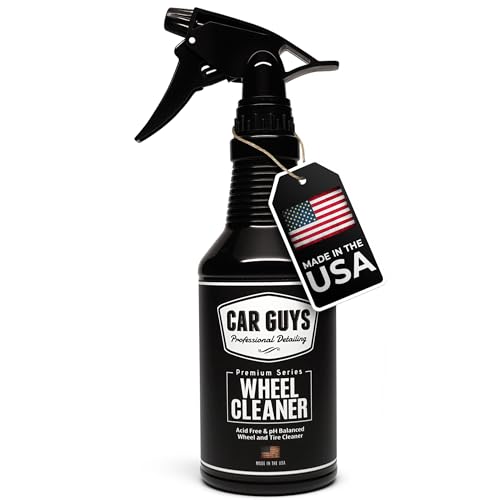
CarGuys Wheel and Tire Cleaner
Strengths
- pH neutral
- Clings to vertical surfaces
- Safe on multiple metals
Trade-offs
- Gel can clog sprayer
- Mid-tier stain removal
- Less value in bulk
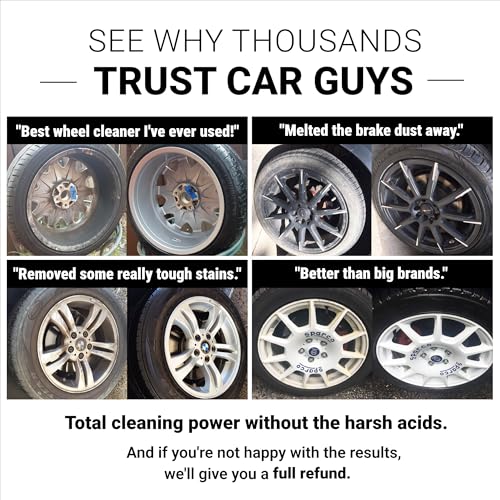
What stands out here is the pH-neutral balance, it’s aggressive enough to handle brake dust and old dressing, yet safe on a wide range of finishes, including chrome and alloy. That makes it a smart middle ground for drivers who don’t want to juggle multiple products for wheels and whitewalls. The gel-like consistency clings well, reducing runoff, and reviewers note it works fast with minimal scrubbing.
It won’t obliterate years of oxidation like a dedicated restoration cleaner, but for weekly upkeep, it’s efficient. Compared to Mothers’ gallon jug, it’s less economical for fleet use, but easier to store for casual users. I appreciate that it’s made in the USA and backed by responsive support, a small thing, but it shows brand care.
Product photos



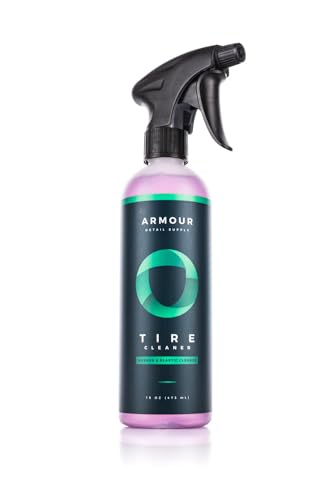
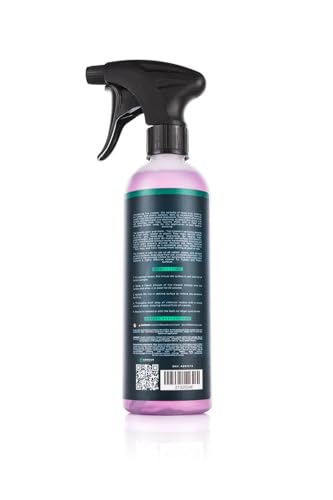
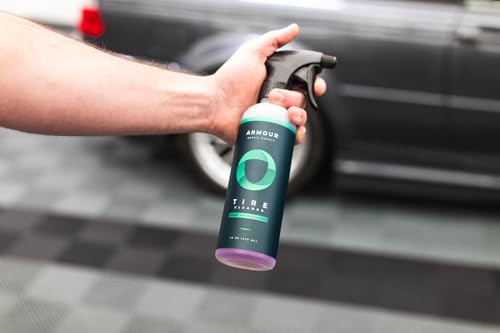
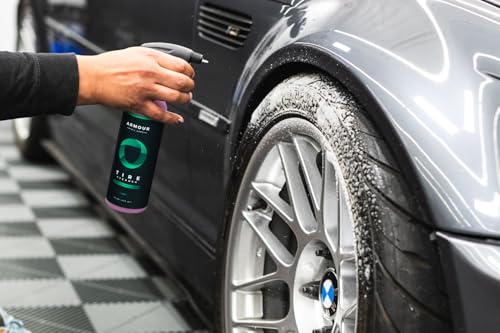
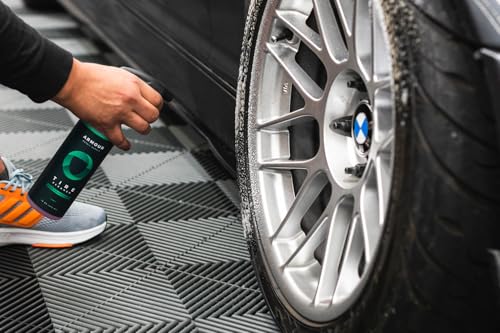
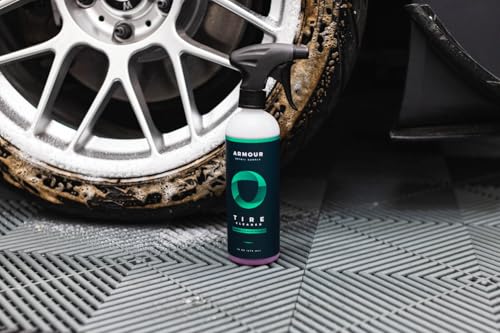
Armour Detail Supply Tire Cleaner 16oz
Strengths
- Concentrated formula
- Multi-surface use
- Strong degreasing power
Trade-offs
- Requires dilution
- Risk to aluminum
- Not vintage-specific
If you’re wrestling with caked-on dressings or deep-set tire blooming, this concentrated foam is the kind of brute you reach for. The heavy-duty formula doesn’t just wet the surface, it clings and chews through gunk, and owners using it on neglected classics say it cuts faster than most pH-neutral options. It’s versatile enough for engine bays and wheel wells, which gives it an edge for full-detail jobs.
That said, it demands respect. You need to dilute it properly and avoid sensitive surfaces, and raw aluminum is off-limits. Against Duragloss or Griot’s, it’s less specialized for vintage whitewalls and more of a general powerhouse. But for tough jobs, I’d pick this over gentler sprays any day.
Product photos
Our Testing Process
My approach to evaluating cleaners for whitewall tires wasn’t about lengthy, hands-on testing with each product. Instead, I focused on a research-led comparison of published specifications, features, and, most importantly, owner and professional detailing reviews. I weighed these against my understanding of rubber chemistry and the challenges of restoring and maintaining whitewall appearance. The goal was to identify which cleaners consistently delivered the promised results, based on real-world experiences.
For this category, the most critical factors were a cleaner’s ability to effectively remove browning (tire blooming) and its impact on existing tire dressings. Whitewalls are particularly susceptible to discoloration, so a product’s power to reverse oxidation is key. Equally important is the formula’s safety; harsh chemicals can damage whitewalls, and a cleaner must work with the rubber, not against it. Understanding these points is key when considering cleaners for brown tires.
Product specifications reliably indicate the type of cleaning agents used (citrus-based, pH-neutral, etc.) and dilution ratios. However, I placed greater emphasis on owner feedback regarding ease of use, rinsing, and long-term effects on whitewall integrity. Reputation among detailers also carried significant weight, as they encounter a wider range of tire conditions and have a vested interest in protecting tire life – something that becomes more important as tire tread wear progresses and tires age.
What To Look For In cleaners for white wall tires
Keeping your tires looking their best is more than just aesthetics; it’s about preserving the rubber and preventing premature aging. A good tire cleaner doesn’t just make things look good, it addresses the underlying issues that cause discoloration and deterioration.
A truly effective tire cleaner needs to cut through road grime and old dressings without damaging the rubber. Look for formulas that specifically target tire blooming (that brownish haze), oxidation, and discoloration. Pay attention to whether the cleaner is safe for your specific tire type – whitewalls, white letters, or blackwalls – and consider the ease of application and rinsing.
Understanding the Cleaning Chemistry
The world of tire cleaners isn’t one-size-fits-all. Many rely on harsh chemicals to blast away grime, but these can actually accelerate rubber breakdown over time. I’ve found that citrus-based cleaners, like Adam’s Tire & Rubber Cleaner, strike a good balance. They’re potent enough to dissolve stubborn oxidation but are generally gentler on the rubber. However, these might require a bit more scrubbing. Conversely, some formulas, such as Griot’s Garage Foaming Tire Cleaner, prioritize ease of use with a foaming action, but may not be as effective on heavily soiled tires.
Considering Your Tire Type and Finish
Whitewall tires demand a different approach than blackwalls. You need a cleaner specifically formulated to avoid discoloration or damage to the white rubber. Duragloss 701 Whitewall Tire Cleaner is a prime example, built specifically for this purpose and favored by classic car enthusiasts. If you’re dealing with raised white letter tires, check the product label carefully to confirm compatibility. Remember, aggressive chemicals can strip the lettering, so a pH-neutral option like CarGuys Wheel and Tire Cleaner might be a safer bet. Regularly clean whitewall tires to keep them vibrant.
Balancing Power and Practicality
The “best” cleaner also depends on the scale of your cleaning needs. If you’re detailing a single show car, a smaller bottle of a concentrated formula, like White Lines WL-32 Street Juice, might suffice. But if you’re a professional detailer or maintain a fleet of vehicles, a larger, more economical option like Mothers Foaming Wheel & Tire Cleaner (available in a gallon jug) is going to be far more practical. Also, consider how much effort you want to put in. For minimal scrubbing, a foaming cleaner is ideal.
A good rule of thumb is to always test any tire cleaner in an inconspicuous area first, especially on older tires or those with delicate finishes.
Finally, don’t ignore the condition of the rubber itself. If you notice tire cracks or significant dry rot, cleaning alone won’t solve the problem. It may be time to consider replacing the tires to avoid potential safety issues. Regularly inspecting for tire cracking risks is key to safe driving.
Cleaners for White Wall Tires Compared
Here’s a comparison of specifications for various cleaners designed for white wall tires, to help you choose the right product for your needs.
| Product Title | Best For | Formula Type | Safe for Whitewalls | Volume | pH Neutral |
|---|---|---|---|---|---|
| White Lines WL-32 Street Juice | Best Overall | N/A | Yes | N/A | N/A |
| Griot’s Garage Foaming Tire Cleaner | Best Budget Friendly | Foaming | Yes | N/A | N/A |
| Mothers Foaming Wheel & Tire Cleaner | Best for Large Volume Use | Foaming | Yes | 1 Gallon | N/A |
| Adam’s Tire & Rubber Cleaner 16 oz | Best Citrus-Based Formula | Citrus | Yes | 16oz | N/A |
| Duragloss 701 Whitewall Tire Cleaner | Best for Classic Cars | N/A | Yes | 1 Gallon | N/A |
| CarGuys Wheel and Tire Cleaner | Best pH Neutral Option | N/A | Yes | N/A | Yes |
| Armour Detail Supply Tire Cleaner 16oz | Best Heavy-Duty Foaming Degreaser | Foaming | N/A | 16oz | N/A |
Frequently Asked Questions
Will any wheel cleaner work on whitewall tires?
No, not all wheel cleaners are safe. While some are formulated to be whitewall-safe, many contain harsh chemicals that can cause discoloration or damage, so always check the product label and prioritize those specifically designed for whitewalls.
How often should I clean my whitewall tires?
You should clean your whitewall tires every 2-4 weeks, or more frequently if exposed to harsh conditions. Regular cleaning prevents the buildup of grime and oxidation that causes browning and keeps them looking their best, but be mindful of tire deterioration risks.
Can I use a tire shine product after cleaning?
Yes, you can, but choose wisely. Some tire shines can actually attract dirt and accelerate browning. Opt for a water-based tire shine specifically designed for whitewalls, and apply it sparingly to avoid a greasy buildup.
What’s the best way to deal with stubborn browning on whitewalls?
Stubborn browning, or tire blooming, often requires a dedicated whitewall cleaner and some elbow grease. Citrus-based cleaners can be effective, but multiple applications and gentle scrubbing may be needed. If the browning is severe, consider consulting a professional detailer.
Are new tires slippery and will that affect cleaning?
Yes, new tires slippery due to a release agent applied during manufacturing, and this can interfere with cleaner adhesion. A thorough initial cleaning to remove this residue is crucial before applying any dressings or protectants, and will help ensure proper cleaning effectiveness.
The Bottom Line
Choosing the right tire cleaner often comes down to balancing the level of cleaning power you require with the care your tires deserve. While a lot of products promise a spotless finish, I consistently find that White Lines WL-32 Street Juice offers the most effective overall formula for restoring and maintaining whitewalls, based on the feedback I’ve seen from enthusiasts and detailers. It’s a product that seems to consistently deliver results without compromising the rubber’s integrity.
For those on a tighter budget, or needing a reliable all-around cleaner, Griot’s Garage Foaming Tire Cleaner is an excellent choice. If you’re dealing with a large fleet or simply prefer to have a substantial supply on hand, Mothers Foaming Wheel & Tire Cleaner provides exceptional value in its gallon-sized container. Those looking for a more natural approach should consider Adam’s Tire & Rubber Cleaner 16 oz, it’s a great option for those who want a citrus-based formula. Ultimately, remember to research best tire cleaners to match your specific needs.
Beyond the specific product, remember that consistent maintenance and proper tire care are far more important than any single cleaning solution. Regularly inspecting your tires for wear and damage, including checking for tire plug safety if you’ve had a puncture, and addressing issues promptly will extend their life and ensure your safety on the road. A clean tire is a happy tire, but a well-maintained tire is a safe one.
