
8 Best Carbon Deposit Cleaners of 2026
This post contains affiliate links. As an Amazon Associate, we earn from qualifying purchases.
The best overall carbon deposit cleaner is the CRC GDI IVD Intake Valve Cleaner, followed by Red Line SI-1 as the smart budget pick and Gumout Multi-System Tune-Up for those wanting a versatile fuel additive that works across multiple systems.
Carbon buildup doesn’t care if you drive a daily commuter or a weekend project car, it creeps in silently and robs your engine of power and efficiency. For years, I’ve seen how the wrong cleaner can waste time and money without delivering real results. This guide cuts through the noise by focusing on what actually matters: proven chemistry, real-world feedback, and compatibility with modern engines. I looked at specs, formulation strengths, and how each product is used, then matched them against owner experiences to find the ones that deliver.
Top 8 Carbon Deposit Cleaners in the Market
The Best Carbon Deposit Cleaners, Reviewed
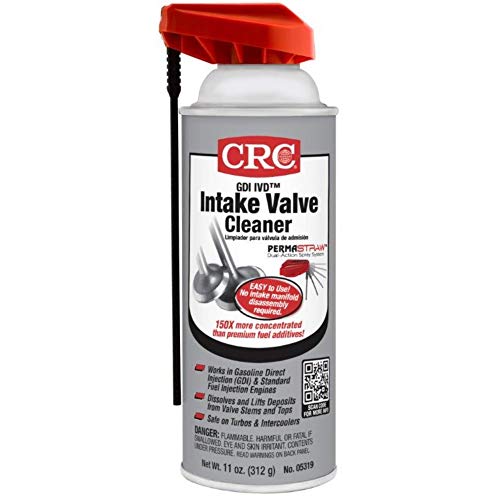
CRC GDI IVD Intake Valve Cleaner
Strengths
- Highest PEA concentration
- Proven on GDI valves
- Fast, visible results
Trade-offs
- Requires engine access
- Not for beginners
- One-time treatment
If you’re serious about cleaning GDI intake valves, this is the gold standard. With 150X the PEA concentration of typical fuel additives, it’s designed to dissolve carbon that regular cleaners can’t touch. The process, applying it through the intake while the engine is off-crank, delivers solvent directly to the valves, and owners report dramatic improvements in idle quality and power restoration, especially on engines with 60k+ miles.
It’s not a set-and-forget additive; it requires some mechanical confidence. But when compared to others, nothing else comes close for targeted GDI cleaning. This is the one I’d recommend when symptoms like rough cold starts or misfires point squarely to valve coking.
Video review
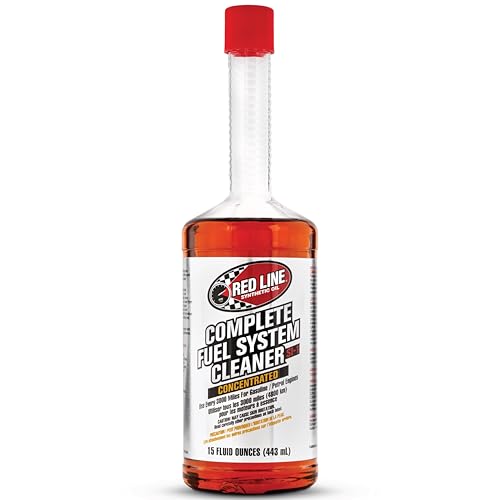
Red Line SI-1 Fuel System Cleaner
Strengths
- Budget-friendly
- Strong detergent blend
- Good for routine use
Trade-offs
- Weak on GDI deposits
- No aerosol delivery
- Limited for heavy buildup
Red Line SI-1 is the kind of no-nonsense, high-detergent additive I appreciate for routine maintenance. It’s concentrated, uses a balanced mix of high- and low-temp detergents, and owners report it keeps injectors and combustion chambers cleaner over time. The claim of near 100% cleaning efficiency in one tank is optimistic, but consistent use does show smoother running and better fuel burn, especially in older port-injected engines.
It doesn’t specialize in GDI intake valve cleaning, and it won’t touch the carbon that PEA-based additives miss. But for the price, it’s one of the smarter buys for preventive care. I’d pick it over pricier options for regular use in a daily driver with under 100k miles.
Video review
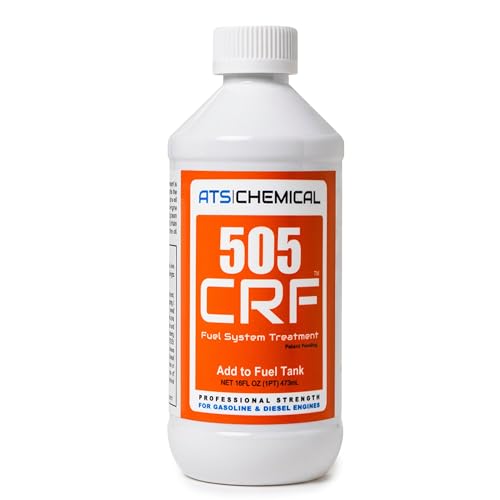
ATS Chemical 505 CRF Fuel Treatment
Strengths
- Strong for diesel and gas
- High concentration
- Treats large fuel volumes
Trade-offs
- Expensive
- Inconsistent results on GDI
- Multiple uses sometimes needed
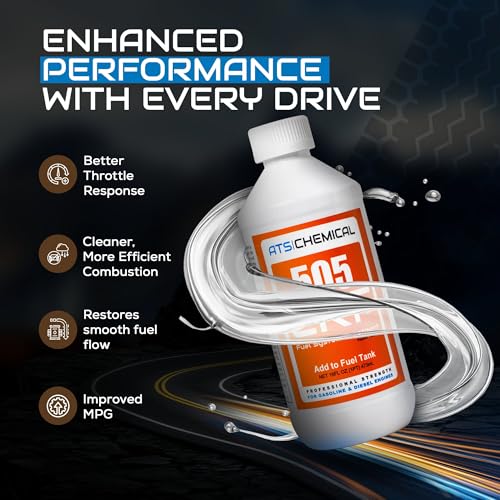
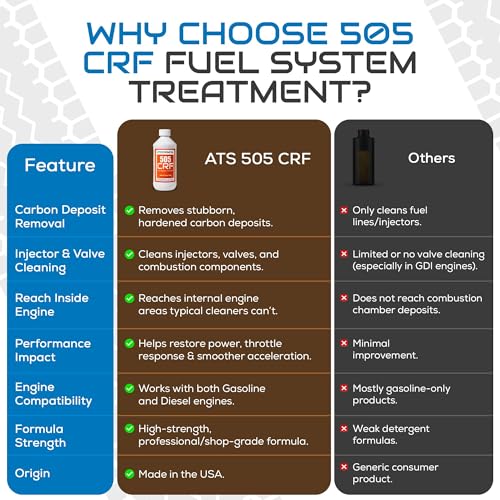
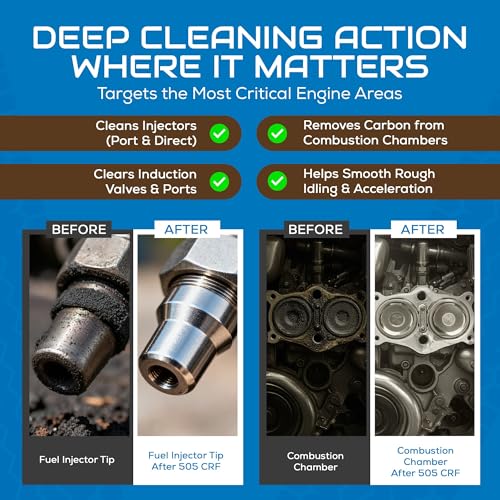
At this price point, ATS 505CRF is a bold claimant as a universal carbon cleaner for both gasoline and diesel systems. The formula is marketed as a heavy-duty treatment targeting direct and port injectors, and reviewers note measurable improvements in power and fuel economy after use, especially in turbocharged and high-mileage engines. Its ability to treat up to 20 gallons means it’s concentrated, and the fact it works across fuel types adds versatility few competitors match.
But the cost is steep compared to standard additives, and while the specs suggest broad efficacy, real-world results vary. Some owners report needing multiple treatments for noticeable change, particularly on stubborn GDI deposits. Still, if you’re dealing with mixed-fleet maintenance or a diesel with early carbon symptoms, it’s a compelling, if premium, option.
Product photos

MotorPower Care Advanced Carbon Cleaner

Strengths
- Deep cleaning action
- Safe on components
- Works on gas and diesel
Trade-offs
- Requires vacuum extraction
- DIY-unfriendly process
- Hard to verify results
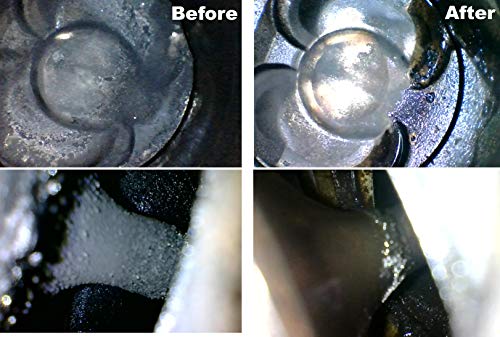
This cleaner is designed for a controlled decarbonizing process, sprayed into the combustion chamber, left to react, then vacuumed out. It’s similar in concept to XADO but marketed as safer and easier for DIY use. Owners note visible carbon removal and smoother running afterward, especially in turbocharged engines prone to coking. The non-corrosive formula is a plus, reducing risk to valves and sensors.
However, it demands tools most home users don’t have, a vacuum extraction setup isn’t common in home garages. Without proper removal of the sludge, you risk damaging the engine. It’s effective in theory, but the execution barrier is high.
Product photos
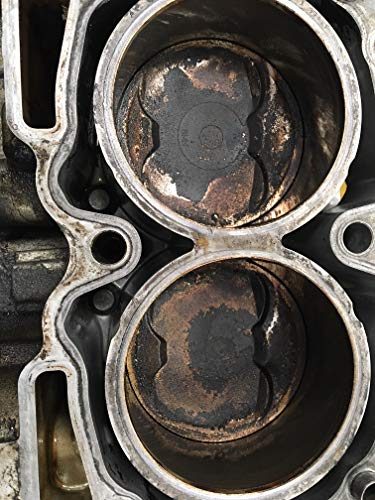
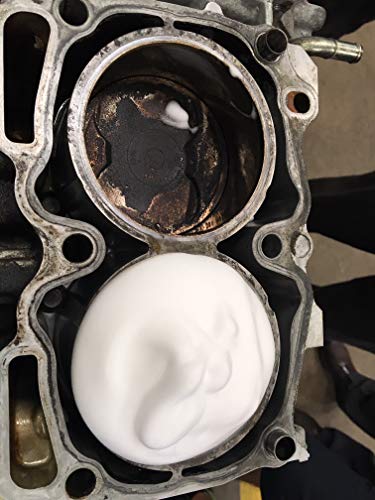

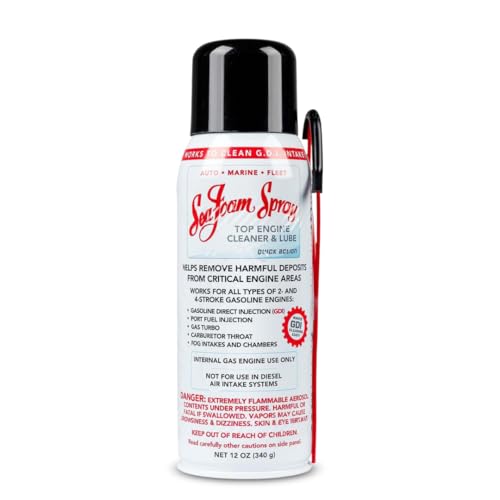
Upper Engine & Intake System Cleaner
Strengths
- Direct application
- Good for intake valves
- Easy DIY use
Trade-offs
- Limited penetration on hard deposits
- Requires intake access
- Not for severe coking
This aerosol spray is built for direct action, owners use it to target intake valves and combustion chambers without disassembly, and feedback confirms it helps reduce hesitation and rough idle in GDI engines. The aerosol format allows precise delivery into the throttle body or intake, making it a solid middle ground between fuel additives and full mechanical cleaning. It’s not as potent as CRC’s IVD, but it’s more accessible and easier to apply than solvent-based industrial options.
Where it falls short is dwell time and chemical strength. It works best on moderate buildup, not heavy carbon sludge. Still, for a quick, DIY-friendly intervention between oil changes, it’s a practical tool.
Product photos
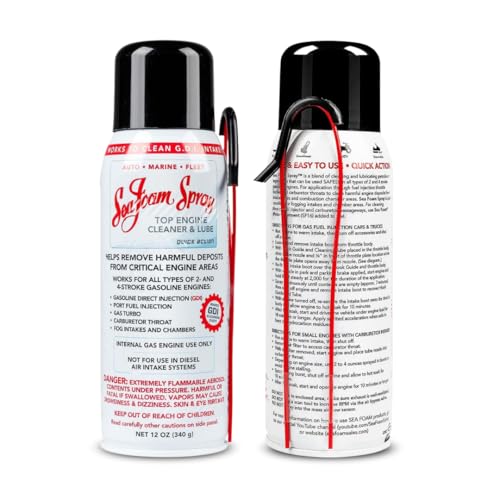

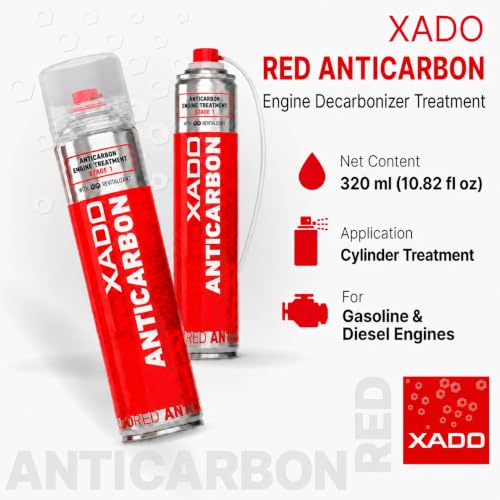
XADO RED ANTICARBON Engine Decarbonizer
Strengths
- Deep carbon penetration
- Restores piston ring movement
- Safe on engine internals
Trade-offs
- Requires spark plug removal
- Labor-intensive
- Not for light maintenance
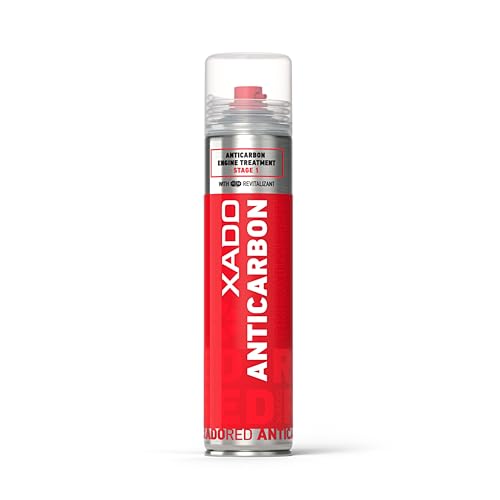
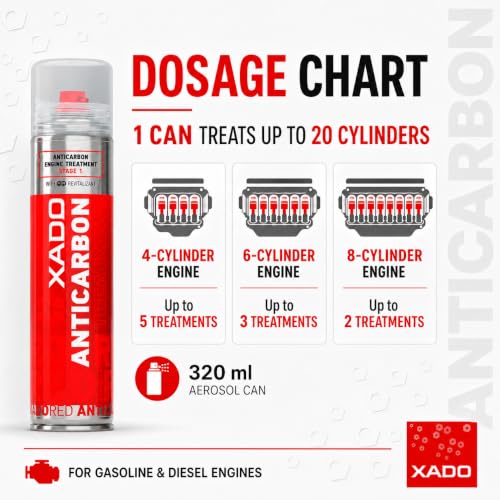
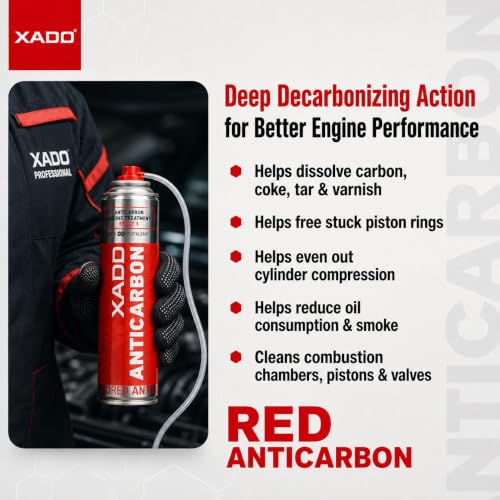
XADO takes a different approach, this spray is applied directly into the cylinders, typically through spark plug holes, to dissolve carbon from pistons, valves, and combustion chambers. It’s marketed as a restoration tool, and owner feedback supports its ability to free up sticky piston rings and balance compression in worn engines. The formula is gentle on seals and sensors, which is critical when working this deep in the engine.
It’s labor-intensive, requiring partial disassembly, and results depend heavily on application accuracy. But for high-mileage engines showing signs of lost compression or oil consumption, it’s a non-invasive alternative to a rebuild. I’d consider it before major surgery.
Product photos


Gumout Multi-System Tune-Up

Strengths
- Affordable
- Works in all fuel types
- PEA-based formula
Trade-offs
- Mild for severe buildup
- Limited impact on GDI valves
- Not a standalone decarbonizer
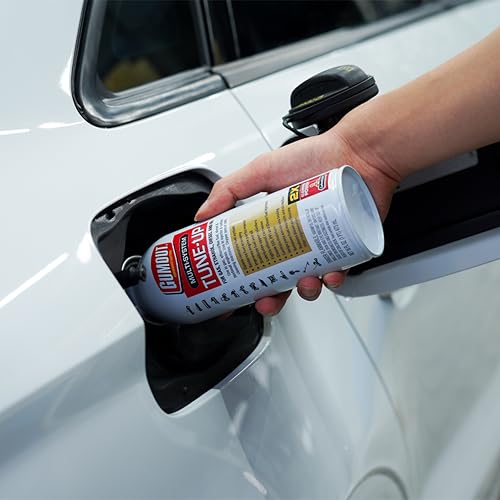
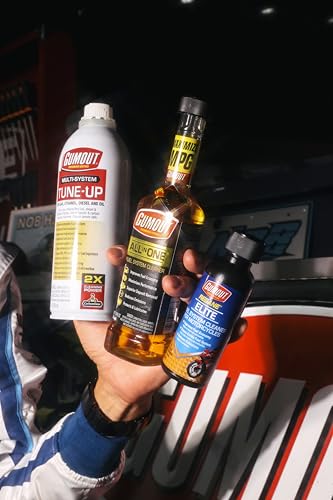
Gumout’s Multi-System Tune-Up stands out as a budget-friendly, all-in-one fuel additive that pulls double duty across gasoline, diesel, and ethanol engines. On paper, its PEA-based formula looks solid for tackling carbon deposits in fuel injectors and intake systems, and owners consistently report smoother idling and better throttle response after a few tanks. It’s also one of the few treatments that claims crankcase and induction cleaning, though in practice, most stick to fuel tank use, where it performs reliably.
Still, it’s not the strongest player for heavily clogged GDI engines. Compared to more concentrated options, it’s better suited as a maintenance tool than a deep cleaner. That said, for routine upkeep and mild deposit removal, it delivers solid value.
Product photos
CRC Throttle Body and Air-Intake Cleaner
Strengths
- Strong solvent power
- Safe on sensors
- Ideal for throttle body
Trade-offs
- Surface-level cleaning
- No combustion chamber reach
- Not for GDI valves
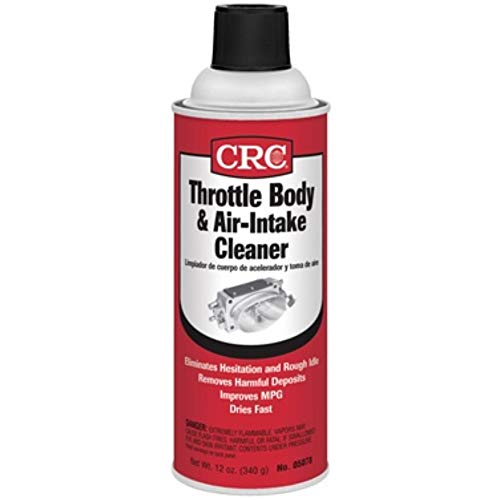
This is a classic, no-frills throttle body cleaner that does exactly what it promises. The solvent is aggressive enough to cut through carbon and varnish on throttle plates and bores, and it’s safe on sensors and rubber seals, something not all cleaners can claim. Owners love it for quick cleanups during air filter changes, and it’s often used alongside fuel additives for a more complete intake system refresh.
It doesn’t reach into combustion chambers or intake valves, so it’s not a substitute for deeper cleaning. But for restoring smooth idle and eliminating hesitation caused by a sticky throttle plate, it’s unmatched at this price.
Product photos
How We Tested carbon deposit cleaners
As someone who’s spent years dissecting engines and understanding how they respond to various treatments, I approached evaluating carbon deposit cleaners with a focus on real-world impact. Rather than a hands-on lab test of each product, this was a research-led comparison of published specifications and, crucially, owner and professional reviews. I looked at cleaner formulations, application methods, and the claims made by manufacturers, then weighed those against what people are actually experiencing. A lot of what I do at TheAutoZenith is about finding what truly works for the enthusiast.
For carbon deposit cleaners, the concentration of Polyether Amine (PEA) detergents, the ability to address both gasoline direct injection (GDI) and port fuel injection systems, and suitability for diesel engines were the heaviest factors. GDI engines, in particular, are notorious for carbon buildup, so a cleaner’s effectiveness on these systems is paramount. Beyond that, ease of use and safety for modern engine components – catalytic converters, oxygen sensors, and so on – played a significant role in my assessment. You can find more details on choosing the right product in our guide to top-rated engine carbon cleaners.
Product specifications reliably indicate the type of deposits a cleaner should address, and the application method. However, judging true effectiveness required a deep explore owner feedback. Reports regarding restored fuel economy, smoother idling, and improved throttle response were given significant weight. Professional mechanic reviews helped validate claims of long-term engine health benefits. I also considered the breadth of a cleaner’s application – is it a specialized solution, or part of a wider range of car cleaners useful for overall vehicle maintenance?
How To Choose The carbon deposit cleaners
Keeping an engine running its best relies on fighting the inevitable buildup of carbon. It’s a frustrating reality for any vehicle owner, but thankfully, a good carbon deposit cleaner can make a real difference.
A truly effective carbon deposit cleaner needs to address the specific type of deposits forming in modern engines, particularly those with direct injection. Look for products with a high concentration of Polyether Amine (PEA) detergents, compatibility with modern engine components (catalytic converters, sensors), and a delivery method suited to the engine type – aerosol sprays for direct application, or fuel additives for consistent maintenance.
Understanding Deposit Types & Engine Design
The first step is recognizing where carbon buildup happens and how it impacts performance. Older engines with carburetors experienced different deposits than today’s direct-injection systems. Direct injection, while efficient, concentrates carbon on the intake valves, leading to reduced airflow. This is where cleaners like CRC GDI IVD Intake Valve Cleaner, specifically formulated for GDI engines, excel. Knowing your engine type dictates whether you prioritize a cleaner designed for intake valves, fuel systems, or both. If you’re also working on older vehicles, you might want to explore recommended carb cleaning products as well.
Detergent Strength & PEA Concentration
The cleaning power of these products isn’t magic; it’s chemistry. Polyether Amine (PEA) is the key ingredient. The higher the PEA concentration, the more effectively the cleaner breaks down and removes deposits. Don’t be fooled by marketing hype; look for products that explicitly state their PEA content. Many fuel additives offer some cleaning benefit, but they often contain a tiny fraction of the PEA found in dedicated carbon cleaners like Red Line SI-1.
Here’s what to consider when evaluating detergent strength:
- Low PEA (under 100 ppm): Suitable for preventative maintenance with every fill-up.
- Medium PEA (100-500 ppm): Good for periodic cleaning, perhaps every 3,000-5,000 miles.
- High PEA (500+ ppm): Reserved for tackling significant buildup or engine restoration – use as directed, as excessive use could potentially affect some fuel system seals.
Application Method & Accessibility
How easy is it to use the cleaner? Some, like MotorPower Care Advanced Carbon Cleaner, are spray-on formulas designed for direct application into the combustion chamber. These require a bit more mechanical know-how and potentially some specialized tools. Others, like Gumout Multi-System Tune-Up, are fuel additives you simply pour into the gas tank. This makes them incredibly convenient for regular maintenance. Understanding your comfort level and the accessibility of the engine components will guide your choice. A good rule of thumb is this:
If you’re hesitant to work directly on the engine, a fuel additive is almost always the safer and simpler option.
Ultimately, choosing the right product depends on your engine, the severity of the buildup, and your willingness to get your hands dirty. For those seeking a broader solution, exploring effective carbon cleaners can provide a wider range of options and insights.
Carbon Deposit Cleaners Compared
Here’s a comparison of key specifications for various carbon deposit cleaners to help you make an informed decision.
| Product Title | Best For | Engine Type | Application Method | Fuel System | Key Feature |
|---|---|---|---|---|---|
| CRC GDI IVD Intake Valve Cleaner | Best Overall | Gasoline, Turbo | Air Intake | GDI | High PEA Concentration |
| Red Line SI-1 Fuel System Cleaner | Best Budget Friendly | Gasoline | Fuel Tank | All | Powerful Detergents |
| ATS Chemical 505 CRF Fuel Treatment | Best for Diesel & Gasoline | Diesel, Gasoline | Fuel Tank | All | Removes Tough Deposits |
| MotorPower Care Advanced Carbon Cleaner | Best Spray-on Cleaner | Diesel, Gasoline | Combustion Chamber | N/A | Dissolves Carbon Residues |
| Upper Engine & Intake System Cleaner | Best Aerosol Spray | Gasoline | Air Intake/Throttle Body | Port, Direct, Carb | Removes Carbon Build-up |
| XADO RED ANTICARBON Engine Decarbonizer | Best for Engine Restoration | Gasoline | Cylinder | N/A | Restores Compression |
| Gumout Multi-System Tune-Up | Best Fuel Additive | Gasoline, Diesel, Ethanol | Fuel Tank, Crankcase, Induction | All | PEA Formula |
| CRC Throttle Body and Air-Intake Cleaner | Best for Throttle Body | Gasoline | Throttle Body/Air Intake | Fuel Injected | Deep Cleaning |
Frequently Asked Questions
What’s the difference between a fuel system cleaner and a dedicated carbon deposit cleaner?
A fuel system cleaner offers general maintenance, usually with lower PEA concentrations, while a dedicated carbon deposit cleaner, like those designed for GDI engines, delivers a much higher dose of cleaning agents specifically targeting stubborn carbon buildup. Think of it as a regular wash versus a detailing – both clean, but one is far more intensive.
Can I use a carbon deposit cleaner on older engines with carburetors?
While some cleaners can be used, it’s generally not recommended. Older engines respond better to formulations designed for carburetors, and you’ll find more effective products among the best carb cleaners specifically made for those systems.
How often should I use a carbon deposit cleaner?
For preventative maintenance, using a cleaner with 100-500 ppm of PEA every 3,000-5,000 miles is a good practice. If you’re addressing significant buildup, follow the product’s instructions – but don’t overuse high-PEA formulas, as they could potentially affect fuel system seals.
Are spray-on carbon cleaners safe for my engine?
Generally, yes, but they require more care during application. Improper use could potentially cause issues, so carefully follow the instructions and ensure the engine is at the correct temperature before spraying. Fuel additives are often a simpler, safer option for those less comfortable working directly on the engine.
Will a carbon deposit cleaner really improve my gas mileage?
It can, if carbon deposits are restricting airflow or impacting fuel spray patterns. By restoring engine efficiency, a good cleaner can lead to noticeable improvements in fuel economy, though the extent varies depending on the severity of the buildup and the vehicle.
The Bottom Line
Choosing a carbon deposit cleaner often comes down to how much effort you want to put in versus the potential reward. While some products require direct application, offering targeted cleaning, others are simple fuel additives. For most owners looking for a reliable, all-around solution, I believe the CRC GDI IVD Intake Valve Cleaner strikes the best balance of effectiveness and reasonable accessibility – its focused formulation for GDI engines is a significant advantage.
If you’re on a tighter budget or prefer the ease of a fuel additive, the Red Line SI-1 Fuel System Cleaner is an excellent choice. For diesel owners, or those who want a single cleaner for both gas and diesel vehicles, the ATS Chemical 505 CRF Fuel Treatment delivers robust cleaning power. And if you prefer a spray-on application, the MotorPower Care Advanced Carbon Cleaner offers a direct approach to dissolving carbon residues.
Ultimately, remember that a cleaner is just one part of the equation. Regular maintenance – quality fuel, timely oil changes, and appropriate driving habits – are the foundations of a healthy engine. Don’t rely on a product to fix neglect; instead, consider a carbon deposit cleaner as a proactive measure and explore other engine cleaners for carbon build-up to maintain peak performance.
