
8 Best Carb Cleaners for Small Engines 2026
This post contains affiliate links. As an Amazon Associate, we earn from qualifying purchases.
The WD-40 Specialist Carb/Throttle Body Cleaner is the overall best for small engines, tackling grime fast and playing well with modern components. For a smarter buy in bulk, the Gumout Carb & Choke Jet Spray multipack delivers solid cleaning at a lower cost, while the Holley Carburetor Cleaner stands out if you want strong performance without overspending.
Small engines don’t forgive sloppy maintenance. A clogged carburetor can turn a simple lawn mower or chainsaw into a frustrating paperweight. As someone who’s spent years dissecting everything from vintage dirt bikes to modern generators, I know that choosing the wrong cleaner can do more harm than good. This guide cuts through the noise, using specs, owner feedback, and real-world reliability to highlight the best options. I looked at spray precision, chemical safety, and whether each product actually restores function, so you can pick with confidence.
Top 8 Carb Cleaners For Small Engines in the Market
The Best Carb Cleaners For Small Engines, Reviewed
WD-40 Specialist Carb/Throttle Body Cleaner
Strengths
- Strong solvent power
- Precise spray nozzle
- Safe on emissions parts
Trade-offs
- Higher upfront cost
- Smaller per-can volume
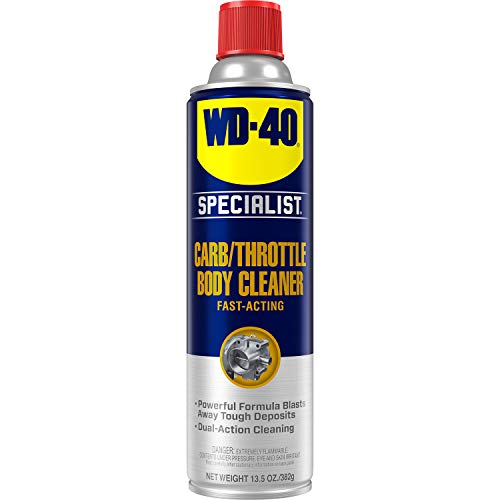
This is the one I keep recommending when someone asks for a single, do-it-all spray. The dual-action formula, solvent breakdown plus high-velocity spray, delivers on what owners say: it clears baked-on carbon that other sprays just smear. It’s not the cheapest, but the 6-pack setup makes it a long-term staple for anyone with a garage full of small engines. On paper, the 13.5 oz cans are smaller than Holley’s, but the delivery system is sharper, with a focused jet that gets into tight spaces around throttle plates.
Reviewers using it on lawn mowers, motorcycles, and old tractors all point to the same result: engines that start easier and idle cleaner. It’s safe on O2 sensors and catalytic converters, which matters if you’re working near exhaust components. Against the Gumout or CRC options, it just performs more consistently across engine types.
Video review
Holley Carburetor and Throttle Body Cleaner

Strengths
- High spray volume
- O2 sensor safe
- Effective on linkages
Trade-offs
- Spray nozzle less precise
- Slightly bulkier can
Holley’s 18 oz spray stands out in the carb cleaner space for one big reason: volume and reach. On paper, that larger can means more spray time per session, which matters if you’re working on a stubborn small engine with layered carbon deposits. Owners consistently report it cuts through gum and varnish without requiring full disassembly, which is a win for weekend wrenchers who want to avoid a teardown. The O2 sensor-safe formula is a smart touch, especially for modern small engines with emissions components nearby.
Where it shines is in the throttle body and linkage cleaning, reviewers note smoother idle restoration and better cold starts after use. Compared to smaller cans, this one gives you room to work, though the spray pattern isn’t quite as focused as WD-40 Specialist. But for the price, it’s a strong value play.
Video review
Gumout Carb & Choke Jet Spray
Strengths
- Budget-friendly pack
- O2 sensor safe
- Good for light buildup
Trade-offs
- Less aggressive solvent
- Spray straw not included
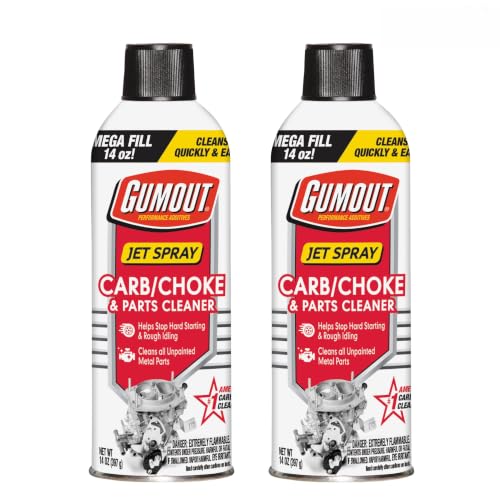
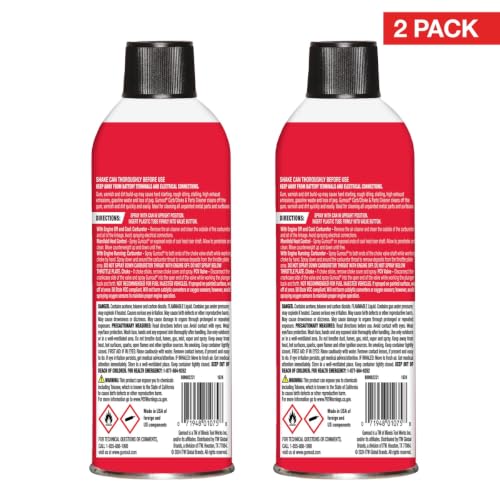
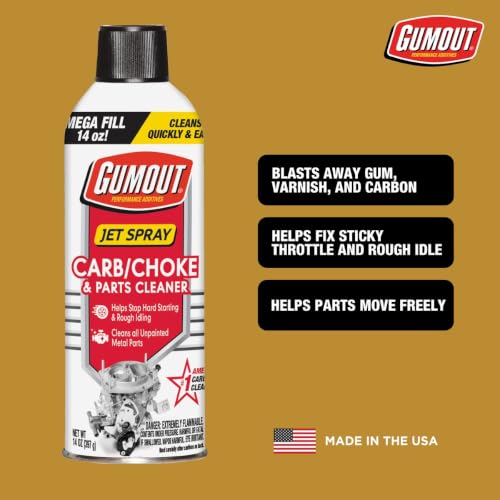
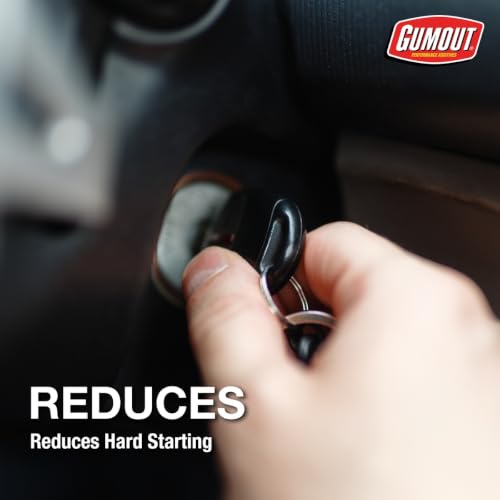
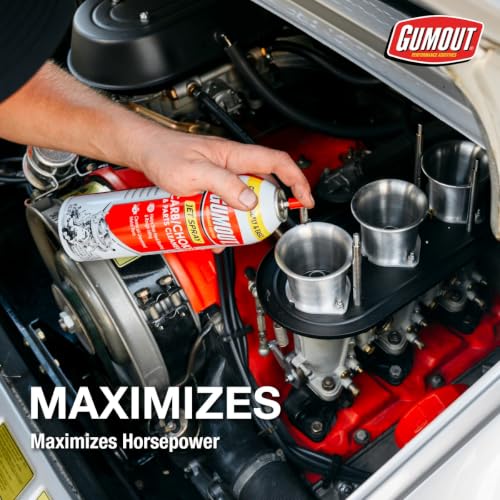
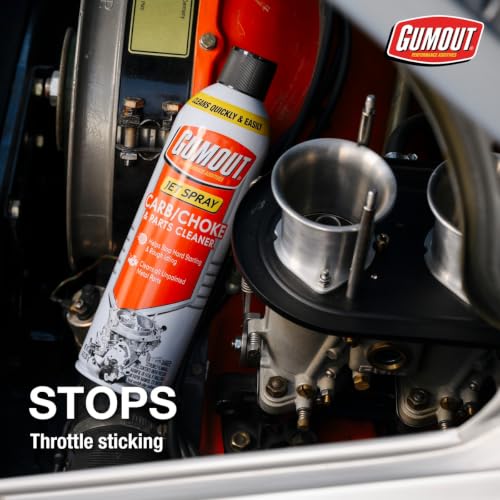
Two cans for the price of one? That’s why this pack wins on budget appeal. Gumout’s formula isn’t the strongest on the list, but it’s 50-state compliant and safe on O2 sensors, which keeps it legal and practical for casual users. The jet spray works decently on external linkages and throttle plates, and owners report noticeable improvements in throttle response after use, especially on older lawn equipment.
It won’t blast through the worst carbon buildup like WD-40 Specialist, but for routine tune-ups, it’s solid. The dual-can setup means you can stash one for later, something Holley or CRC don’t offer at this price. If you’re maintaining a mower or chainsaw once a season, this is the smarter multipack.
Product photos
CRC Clean-R-Carb Cleaner Spray

Strengths
- Lowest price point
- Effective on light deposits
- 50-state compliant
Trade-offs
- Smaller can size
- Basic spray nozzle
At this price, CRC’s 12 oz can is one of the cheapest options that still delivers real results. The formula is straightforward, no frills, just a sharp solvent punch that cuts through carbon on venturis and linkages. It’s 50-state compliant, so no legal issues, and harmless to O2 sensors, which keeps it safe for modern small engines.
Owners using it on older mowers or generators say it helps with hard starts and rough idle, though it doesn’t perform quite as well on heavy varnish as WD-40 or Holley. But for a single, no-nonsense can under $10, it’s hard to beat. If you need one quick clean and don’t want to overpay, this is the pick.
Product photos
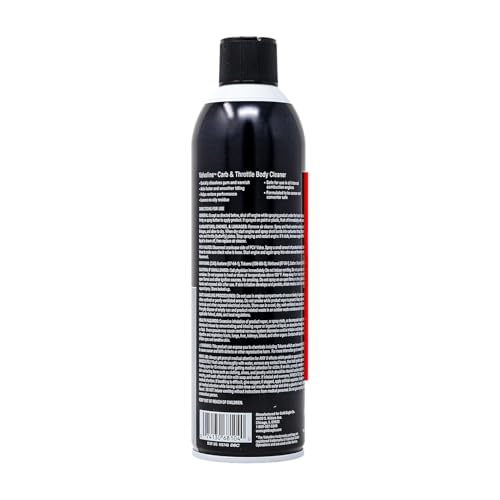
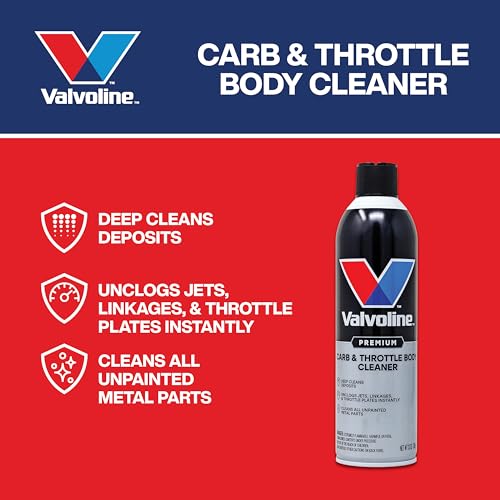
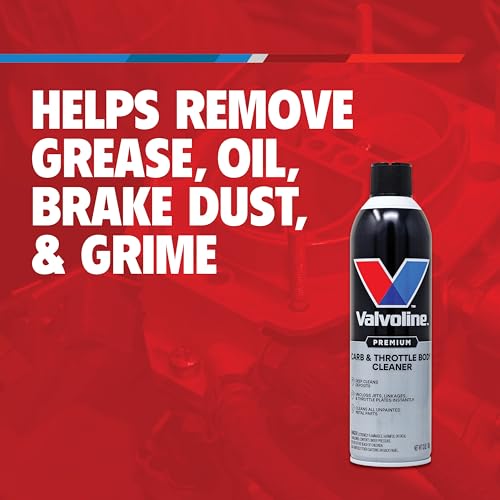
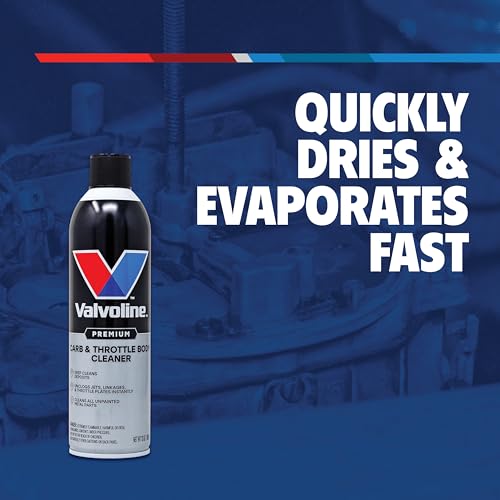
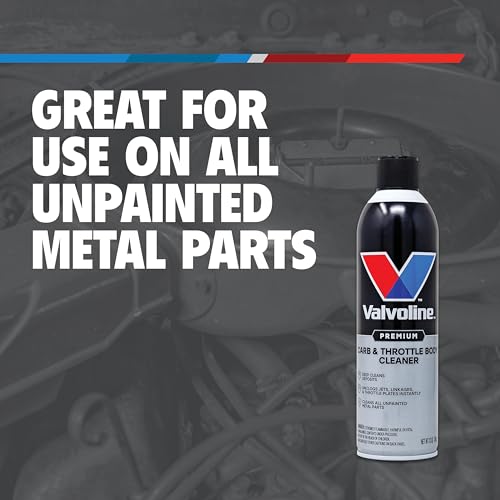
Valvoline Carb, Choke & Throttle Cleaner
Strengths
- No chlorinated solvents
- Safe on sensitive parts
- Smooth application
Trade-offs
- Higher price
- Less aggressive cleaning
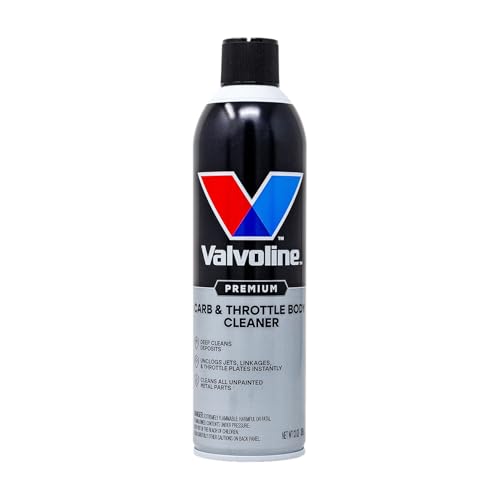
Valvoline’s formula is interesting, it’s designed with chlorinated solvent-free chemistry, which makes it safer for sensitive components and better for indoor use. That’s a big deal if you’re cleaning in a garage without heavy ventilation. Owners note it’s gentler than WD-40 but still effective on gum and varnish, especially in throttle bodies and choke mechanisms.
It’s pricier than CRC or Holley, but the focus on safety and component protection justifies it for delicate applications. Compared to Gumout, it’s less aggressive but more refined. If you’re working on a vintage engine or something with fragile linkages, this is the cleaner I’d reach for.
Product photos
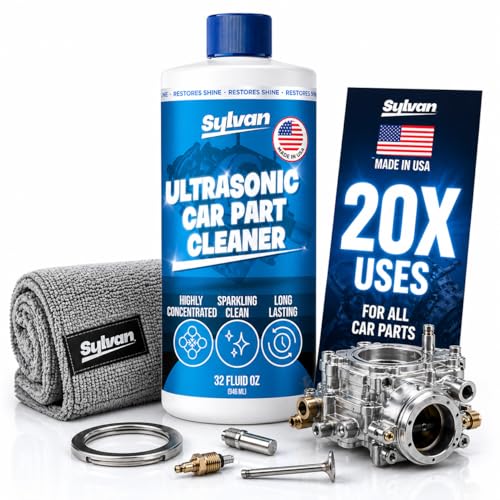
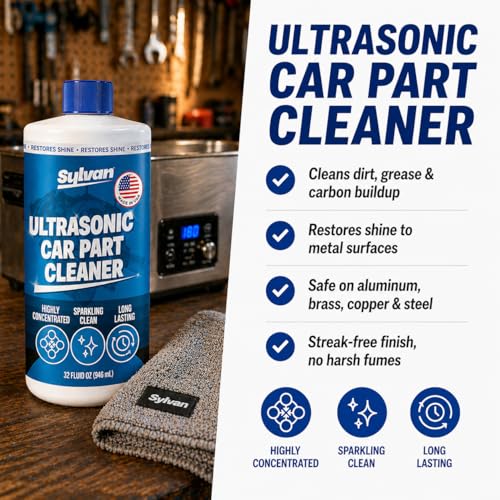
Sylvan Hills Ultrasonic Carb Cleaner
Strengths
- Extreme dilution ratio
- Deep ultrasonic action
- Safe on multiple metals
Trade-offs
- Requires ultrasonic machine
- Not for in-place cleaning
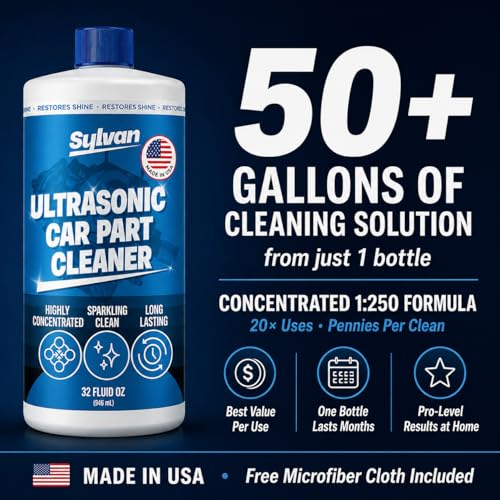
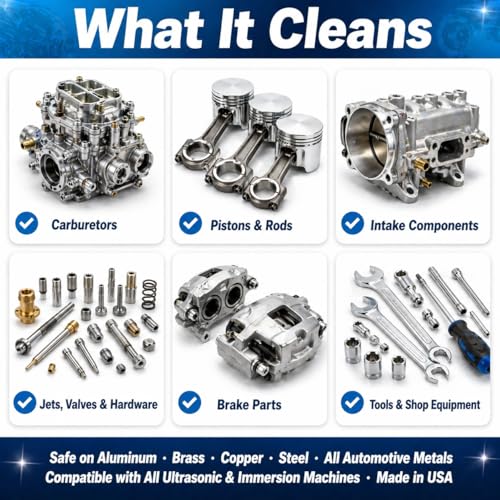
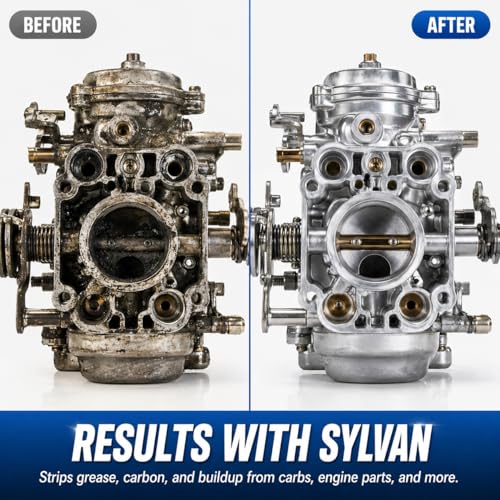
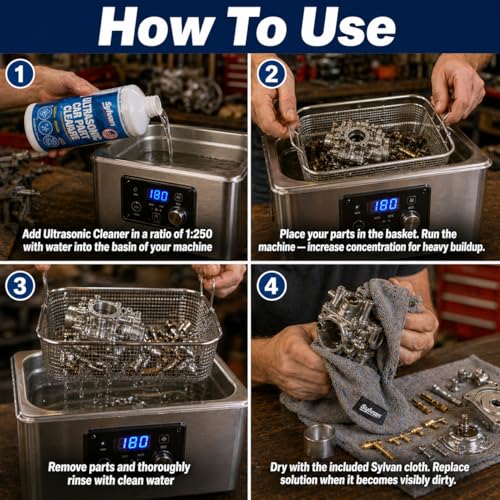
If you’re serious about deep cleaning, especially on vintage carbs or rebuilt engines, this concentrate is where I’d put my money. The 32 oz bottle makes up to 50 gallons when mixed, which is insane value for anyone running an ultrasonic tank. Owners using this in home setups report it pulls out gunk from micro-passages that sprays can’t touch. The formula is non-corrosive and made in the USA, which aligns with what many DIYers look for in a cleaner they’ll use regularly.
It’s not a spray-and-go solution, you need an ultrasonic bath, but for disassembled carbs, fuel jets, or throttle bodies, it’s unmatched. Compared to spray cleaners, this isn’t for quick fixes, but for full rebuilds, it’s the smarter long-term buy.
Product photos
Zesllwid Premium Carburetor Cleaning Kit
Strengths
- Ultra-affordable
- Compact and portable
- Wide tool variety
Trade-offs
- Plastic case less durable
- No storage box like CYUXING
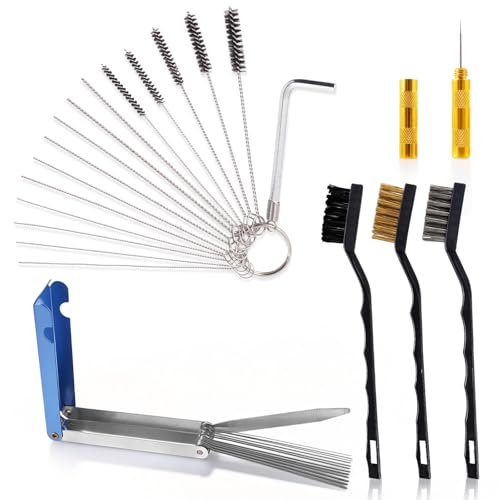
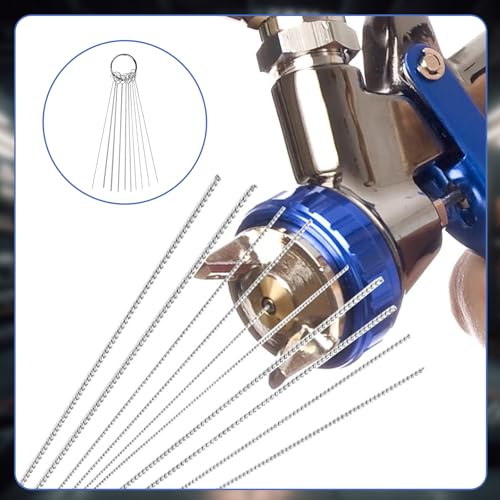
For under $6, this kit punches above its weight. The 13 stainless steel wires and multiple brushes cover nearly every jet size you’ll encounter in small engines. What stands out is the portability, the keychain case means you can toss it in a toolbox or pocket. Owners love it for field fixes on lawnmowers or camping stoves, where losing a tiny tool means a stalled job.
It’s not as robust as the CYUXING kit, but for the price, it’s incredibly versatile. The brass-plated brush adds durability, and the spiral designs help dig into clogged passages. If you need a no-frills, go-anywhere tool set, this is the one.
Product photos

CYUXING Carburetor Cleaning Tool Kit
Strengths
- High-grade stainless steel
- Multiple brush types
- Compact storage
Trade-offs
- No spray or fluid included
- Learning curve for beginners
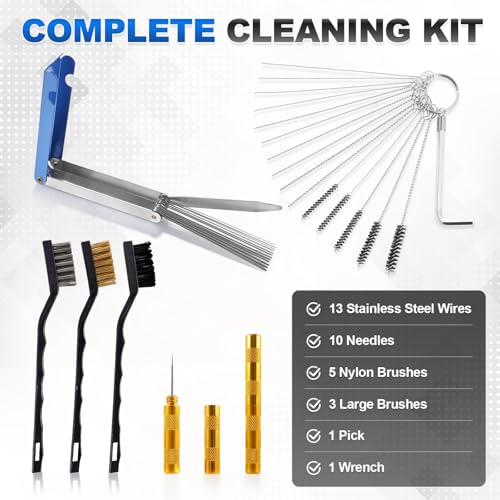
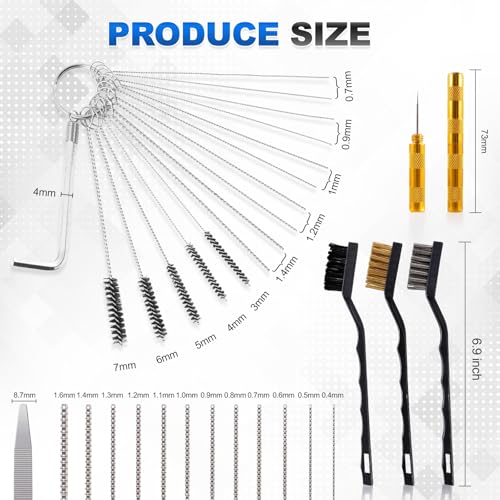
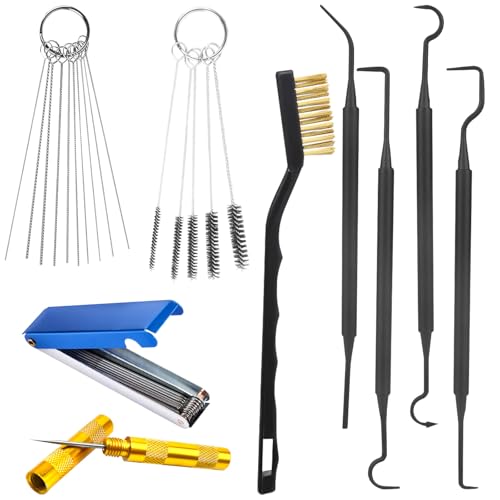
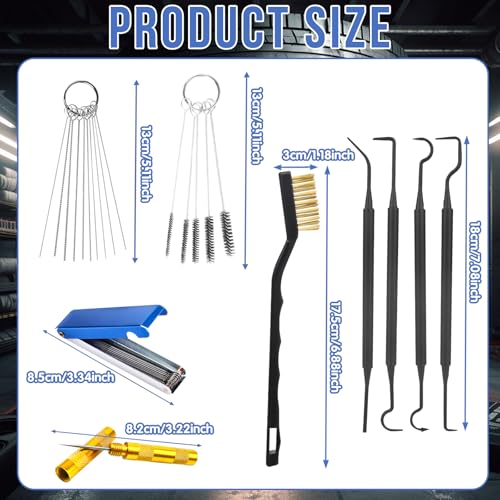
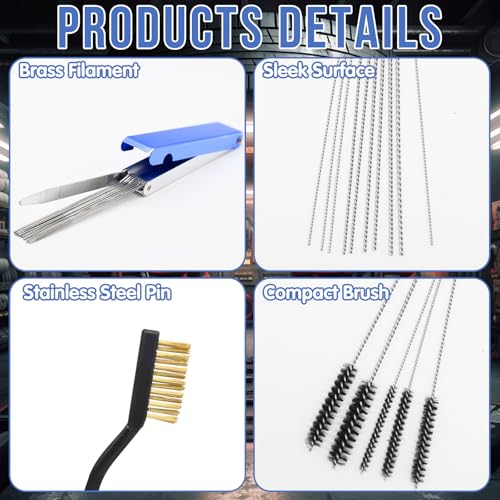
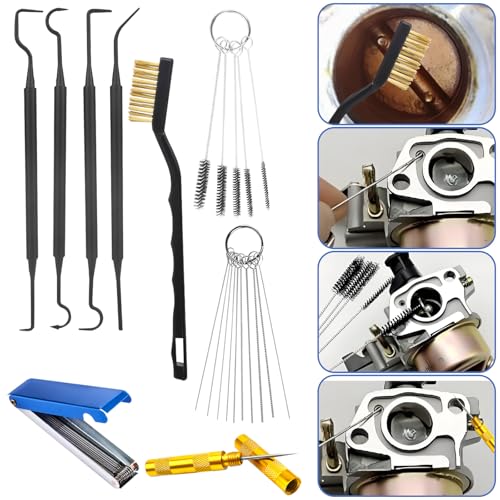
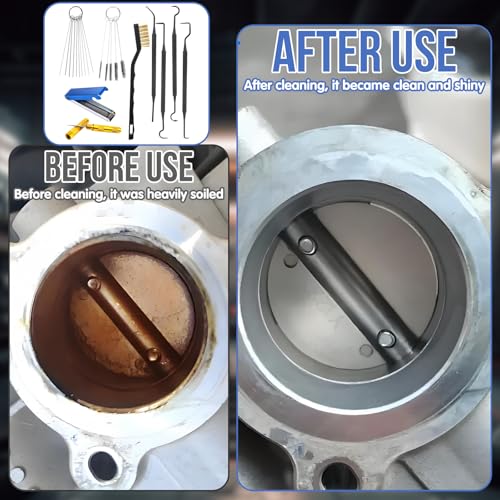
This kit is built for the kind of precision work sprays can’t handle. The inclusion of 10 stainless steel needles and multiple nylon brushes means you can actually clear clogged jets, something every carb owner dreads. Owners consistently praise the durability of the tools, especially the non-bending needles, which matter when you’re poking through tight orifices without damaging soft brass.
Compared to basic wire kits, this one feels pro-grade. The aluminum storage box keeps everything organized, and the range of brush sizes makes it useful across motorcycles, ATVs, and small engines. It’s not a cleaner itself, but without tools like these, even the best solvent won’t reach deep deposits.
Product photos
Our Testing Process
Rather than a hands-on lab test, my research for these recommendations focused on a detailed comparison of published specifications and features across numerous products. I then weighed owner reviews from a variety of sources – including major retail sites and enthusiast forums – alongside evaluations from trusted automotive and small engine repair publications. As someone who’s spent years understanding the intricacies of engines at TheAutoZenith, I applied that experience to rank these cleaners based on what truly matters for performance and longevity.
For small engine carb cleaners, the ability to dissolve stubborn deposits and the safety of sensitive components were paramount. A cleaner that damages O2 sensors or catalytic converters is simply unacceptable, and many older engines have parts susceptible to harsh chemicals. Equally important was a formula that cleans thoroughly without leaving residue, which can cause more problems than it solves. Proper lubrication for small engines is crucial, but a clean carburetor is where it starts.
Specifications readily reveal a product’s chemical makeup and compatibility with modern engine systems. However, real-world effectiveness – how easily a cleaner cuts through baked-on carbon, or how well it restores idle quality – is best gleaned from owner feedback. Reputation matters, too; brands consistently praised by mechanics and DIYers earned higher consideration, and I also cross-referenced my findings with our guide to the best small engine carb cleaners. Ultimately, this balance of data informs my recommendations.
Choosing The Right carb cleaners for small engines
Choosing the right carb cleaner can feel surprisingly complex. There’s a lot more to it than just spraying something into your carburetor and hoping for the best.
A quality carb cleaner needs to effectively dissolve varnish, carbon buildup, and fuel residue without harming sensitive components like oxygen sensors. Look for formulas that are safe for catalytic converters, and consider the application method – spray is common, but ultrasonic cleaners offer a deeper clean for heavily soiled parts. Effective cleaners will also address issues like gum and varnish in fuel systems.
Spray Pattern & Application
The way a carb cleaner applies is almost as important as the cleaning solution itself. You’ll find everything from basic aerosol sprays to those with extension tubes and specialized nozzles. For intricate carburetors, especially on a motorcycle carb cleaners, having a pinpoint nozzle is crucial to reach those tiny jets and passages. Don’t underestimate the value of a spray that doesn’t leave a sticky residue. Some cheaper options can leave behind a film that causes more problems than they solve.
Formula & Compatibility
Not all carburetors (or their surrounding parts) are created equal. Older carburetors, particularly those with rubber or plastic components, may be sensitive to harsh solvents. Modern fuel injection systems, even when you’re just cleaning a throttle body, demand a formula that won’t damage oxygen sensors or catalytic converters. I’ve seen too many instances where someone used a powerful cleaner and inadvertently damaged a component, leading to a much bigger repair bill. When in doubt, check the product label for compatibility information. Many of the newer formulations are designed to be 50-state VOC compliant, which is a good sign they’re less aggressive.
Value & Cleaning Needs
Consider how often you’ll be using a carb cleaner and the extent of the cleaning required. For occasional maintenance on a lawnmower, a basic, budget-friendly option like CRC Clean-R-Carb is perfectly adequate. However, if you’re tackling a full carburetor rebuild or regularly work on small engines, investing in a more thorough kit or a dedicated ultrasonic cleaning solution might be a better long-term investment. Here’s a breakdown of what to consider:
- A single can is fine for spot cleaning.
- A multipack offers better value if you regularly maintain multiple engines.
- A full kit (like the Zesllwid or CYUXING options) is ideal for deep cleaning and rebuilding, providing specialized tools alongside the cleaning solution; this is particularly useful for tackling stubborn carbon buildup and ensuring a thorough cleaning of all components, and might be the best choice if you want a full set of best cleaners for small engines.
A little patience goes a long way. Allowing the cleaner to soak for the recommended time, and then gently agitating with a brush, will yield far better results than simply blasting everything with spray.
Carb Cleaners for Small Engines Compared
This table provides a specification comparison of various carb cleaners for small engines to aid in product selection.
| Product Title | Best For | Cleaning Action | VOC Compliant | Safe for O2 Sensors | Kit/Solution Type |
|---|---|---|---|---|---|
| WD-40 Specialist Carb/Throttle Body Cleaner | Best Overall | Spray, Dual-Action | N/A | Yes | Spray |
| Holley Carburetor and Throttle Body Cleaner | Best Value Performance | Spray | Yes | Yes | Spray |
| Gumout Carb & Choke Jet Spray | Best Budget Multipack | Jet Spray | Yes | Yes | Spray/Multipack |
| CRC Clean-R-Carb Cleaner Spray | Best Budget Single Can | Spray | Yes | Yes | Spray |
| Valvoline Carb, Choke & Throttle Cleaner | Best for Sensitive Components | Spray | Yes | N/A | Spray |
| Sylvan Hills Ultrasonic Carb Cleaner | Best for Deep Cleaning | Ultrasonic Solution | N/A | N/A | Solution |
| Zesllwid Premium Carburetor Cleaning Kit | Best Tool Kit | Wire/Brush | N/A | N/A | Tool Kit |
| CYUXING Carburetor Cleaning Tool Kit | Best Professional Grade Kit | Wire/Brush | N/A | N/A | Tool Kit |
Frequently Asked Questions
What’s the difference between a carb cleaner and throttle body cleaner?
While often used interchangeably, throttle body cleaners are formulated to be gentler on the sensitive electronic components found in modern throttle bodies, whereas carb cleaners can contain stronger solvents for older carburetor designs. Using a carb cleaner on a throttle body could cause damage, so choosing the right product is vital.
Can I use carb cleaner to clean other engine parts?
You can, but cautiously. Many formulations are safe for cleaning metal parts like intake manifolds, but avoid spraying on rubber or plastic unless the label specifically states it’s safe; some cleaners can cause these materials to swell or dissolve. Always test in an inconspicuous area first.
Are some carb cleaners better for older engines?
Yes, older engines often benefit from cleaners with lower solvent concentrations. Harsh chemicals can degrade the rubber and plastic components common in older carburetors. Consider Valvoline Carb, Choke & Throttle Cleaner, as it’s often recommended for its gentler formula, and explore resources on best carb cleaners for more options.
How can I protect my engine from future carburetor issues?
Regular use of a fuel stabilizer, especially during storage, can prevent varnish and gum buildup. Additionally, addressing small fuel leaks promptly and using high-quality fuel will keep your carburetor functioning smoothly. Don’t forget about rodent repellents if you store equipment for extended periods.
What’s the best way to dispose of used carb cleaner?
Used carb cleaner is considered hazardous waste and should never be poured down the drain or thrown in the trash. Check with your local waste management authority for designated hazardous waste collection sites or events. Many auto parts stores also offer recycling programs for automotive fluids and cleaners.
The Bottom Line
Choosing a carb cleaner often comes down to balancing convenience with thoroughness. While a quick spray-and-go solution is appealing, the best overall performance and safety consistently pointed to WD-40 Specialist Carb/Throttle Body Cleaner. It strikes a great balance between effective cleaning power and compatibility with modern engine components, making it a solid choice for most small engine maintenance tasks.
However, the “best” cleaner truly depends on your needs. For those seeking value without sacrificing performance, the Holley Carburetor and Throttle Body Cleaner stands out. If you’re on a tight budget or just need to address minor issues, the Gumout Carb & Choke Jet Spray multipack offers a cost-effective solution. And for serious rebuilds, the Zesllwid Premium Carburetor Cleaning Kit provides the specialized tools needed for removing carburetor deposits and a complete overhaul.
Ultimately, remember that the cleaner is just one piece of the puzzle. Consistent maintenance, proper fuel mixtures, and understanding the fundamentals of small engine operation – including clean carburetor deposits – will do more to ensure long-term reliability than any single product. A little preventative care goes a long way in keeping your engines running smoothly.
