
8 Best Car Oil Additives of 2026
This post contains affiliate links. As an Amazon Associate, we earn from qualifying purchases.
The best car oil additive overall is TriboTEX Nano Oil Additive, a standout for its unique nanoparticle coating that reduces friction and wear across gas and diesel engines. For budget-conscious drivers, STP High Mileage Oil Treatment delivers solid protection and leak prevention, while LIQUI MOLY Cera Tec Additive is ideal for those prioritizing fuel efficiency and long-term engine health.
Most drivers don’t realize how much their engine’s longevity depends on what’s happening at the microscopic level, metal-on-metal contact, thermal breakdown, and seal degradation all add up over time. I’ve seen too many otherwise well-maintained engines suffer from preventable wear simply because the right additive wasn’t used at the right time.
This guide cuts through the noise by focusing on real-world performance, chemistry, and compatibility. I looked at specs, owner experiences, and brand reputation to find additives that actually deliver on their promises, not just for peak performance, but for the daily grind most engines face.
Top 7 Car Oil Additives in the Market
The Best Car Oil Additives, Reviewed
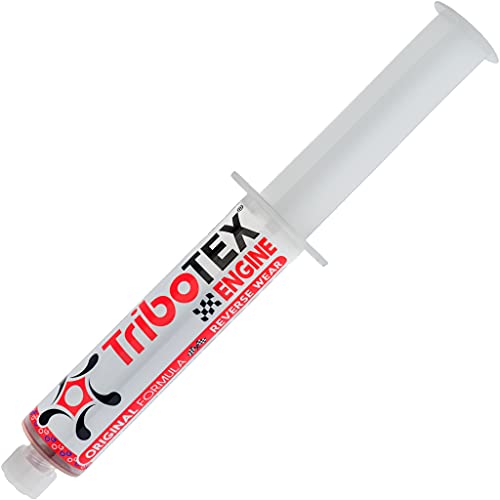
TriboTEX Nano Oil Additive
Strengths
- Nanotech-based wear reversal
- Long-lasting results
- Works in gas and diesel
Trade-offs
- Very high cost
- Requires full oil change cycle
TriboTEX enters the ring like a tech demo from a materials lab, and honestly, that’s not far off given its roots in government-funded nanotechnology. The idea of forming a diamond-like carbon coating inside bearings sounds sci-fi, but owner reports back up measurable drops in engine noise and smoother idle in worn units. It’s not magic, but the consistency of feedback around restored compression feel and improved lubricity makes me take it seriously, especially for neglected high-mileage engines that never saw regular ZDDP supplementation.
Where it pulls ahead is in universality and longevity. Unlike stop-gap treatments, multiple users report benefits lasting thousands of miles post-treatment. That said, at this price, you’re paying for innovation, and while it beats throwing in the towel on a tired engine, I’d still pair it with solid maintenance habits. Against Rislone or Lucas, it’s less about immediate cushioning and more about structural recovery.
Video review
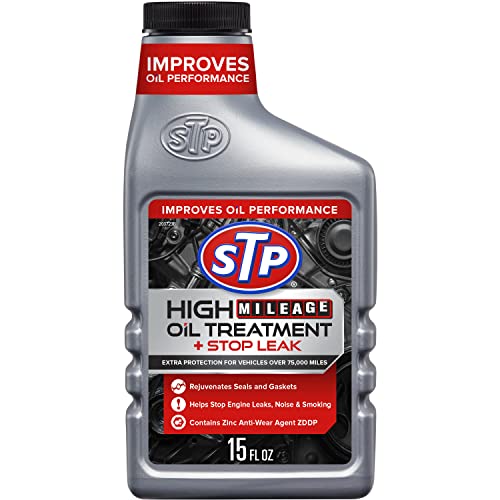
STP High Mileage Oil Treatment
Strengths
- Affordable entry point
- ZDDP anti-wear content
- Helps minor seal swell
Trade-offs
- Short-lived effects
- Limited impact on severe leaks
If budget is the deciding factor, STP High Mileage Oil Treatment gets the job done for what it is, a no-frills additive aimed at silencing small leaks and smoothing out worn internals. The inclusion of ZDDP is a plus, and reviewers often note a drop in ticking noises after a few hundred miles. It’s not going to rebuild worn camshafts or seal a blown rear main completely, but for mild seepage and noise reduction in engines north of 75,000 miles, it delivers modest gains without breaking the bank.
Compared to premium options like TriboTEX or XADO, this lacks depth in long-term restoration claims. But for someone doing their own oil changes and wanting a quick add-in every service interval, it’s accessible and widely available. I wouldn’t rely on it for anything beyond light-duty sealing support, but as a cheap insurance policy? It has merit.
Video review
Lucas Oil Heavy Duty Stabilizer

Strengths
- High mileage support
- 100% petroleum base
- Reduces oil burn-off
Trade-offs
- Thicker viscosity may not suit all engines
- Not ideal for short-trip city driving
When it comes to high-mileage engines, especially those with a history of hard use or less-than-perfect maintenance, Lucas Oil Stabilizer stands out in owner feedback for its ability to smooth things out. On paper, the 100% petroleum base sets it apart from synthetics-heavy competitors, and that seems to resonate with drivers running older V8s or trucks that see towing duty. The stabilizer doesn’t just claim to reduce friction, it’s consistently reported to help quiet down valve trains and reduce oil consumption over time, which matters when you’re trying to extend the life of an aging engine.
It’s not a miracle fix for catastrophic wear, but as a preventive measure or mid-life support, it earns its reputation. I’d run this alongside a quality conventional or blend oil in a classic car or workhorse pickup rather than betting on it in a precision-tuned modern turbo. Compared to STP’s lighter treatment, this one feels more substantial, less about stop-leak gimmicks and more about real oil film strength.
Product photos


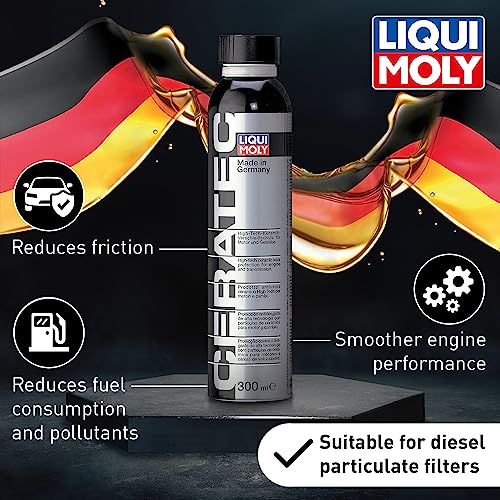
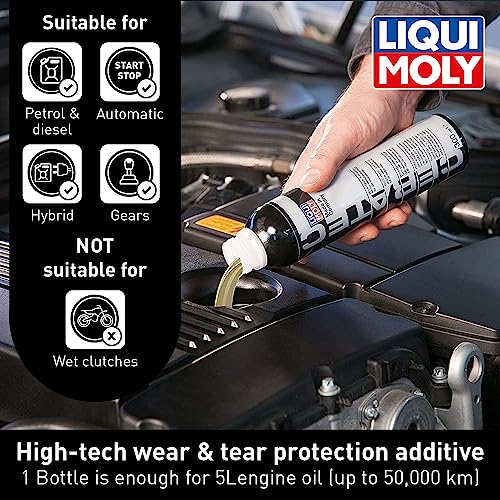
LIQUI MOLY Cera Tec Additive

Strengths
- Reduces mechanical friction
- Improves fuel efficiency
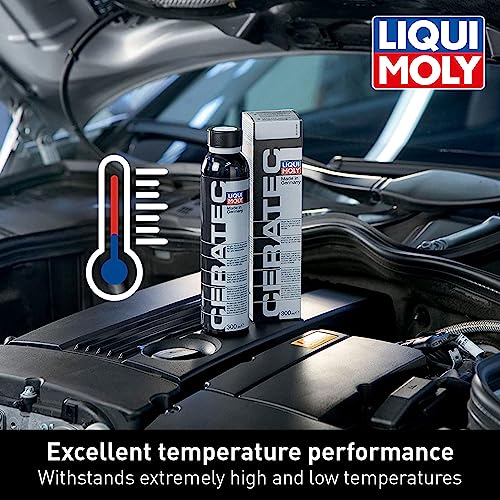
- Stable under high heat
Trade-offs
- No seal or wear restoration
- Premium price for subtle gains
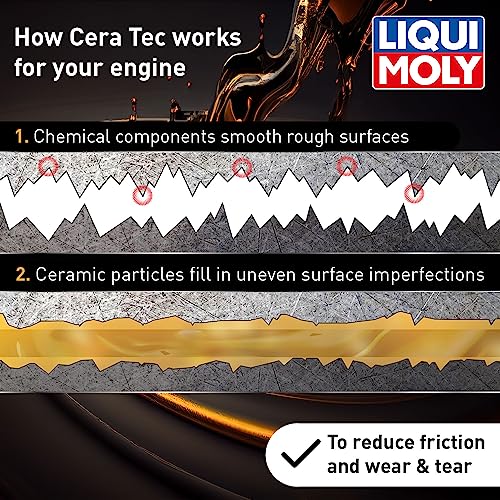
LIQUI MOLY Cera Tec takes a different approach, using ceramic nanoparticles to reduce friction across moving parts, with the added promise of better fuel economy. On paper, the thermal stability and compatibility with all filters make it a safe bet for modern engines, and many owners report a perceptible smoothness in idle and throttle response. It doesn’t claim to fix leaks or restore compression, but in well-maintained engines, it appears to stretch oil life and reduce parasitic drag.
Compared to Lucas or STP, it’s less about crisis management and more about optimization. I’d pick this for a newer turbocharged engine where efficiency matters, not for a clattering old truck. The lack of ZDDP is a miss for older performance builds, but for a German sedan or daily-driven diesel? It fits.
Product photos
XADO ATOMEX Stop Leak

Strengths
- Restores seal elasticity
- Effective on chronic seepage
- Multi-engine compatibility
Trade-offs
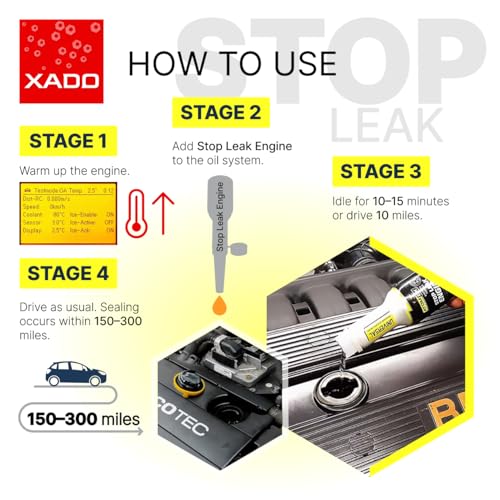
- Slow-acting (needs 500+ miles)
- No wear protection benefits
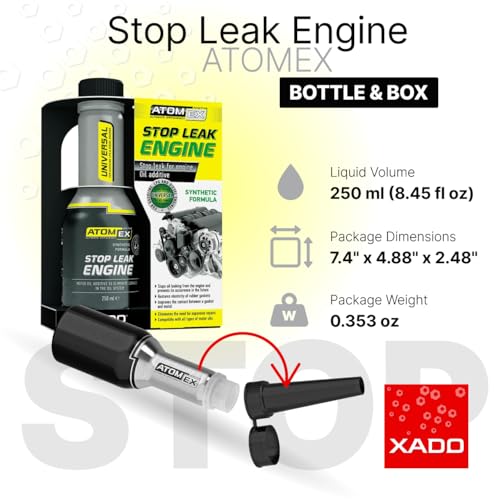
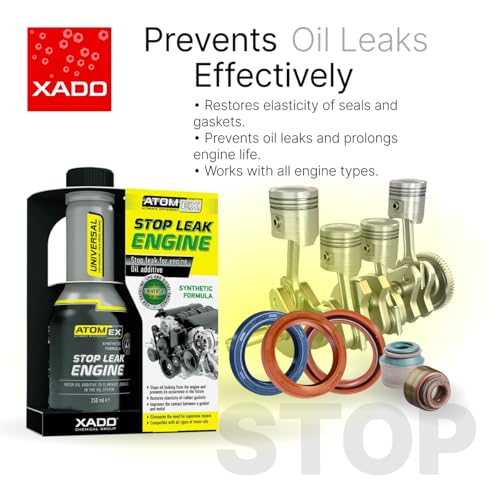
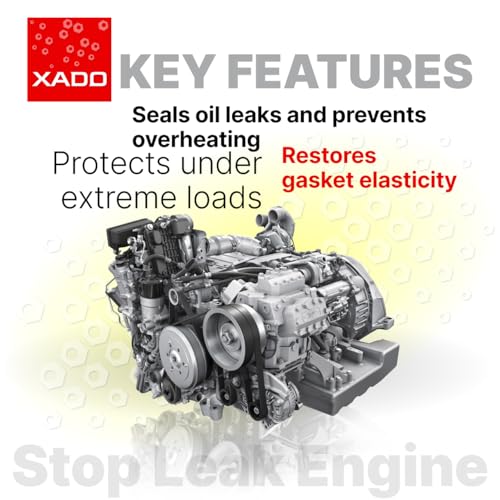
XADO ATOMEX leans hard into seal rejuvenation, and from owner reports, it actually delivers on softening and re-expanding dried-out rubber gaskets, something most additives only hint at. Drivers with chronic weeping around valve covers or rear mains say they’ve gone from constant wiping to near-dry after a treatment cycle. The formula seems particularly effective in older European and Japanese engines where rubber seals harden over time. It won’t weld a torn gasket back together, but as a non-invasive way to delay surgery? It’s compelling.
It doesn’t offer the metal-rebuilding claims of TriboTEX, nor the ZDDP punch of Rislone, but for pure seal health, it’s unmatched in this list. I’d run this before pulling an engine for a leak. Compared to STP, it feels more refined and longer-acting.
Product photos
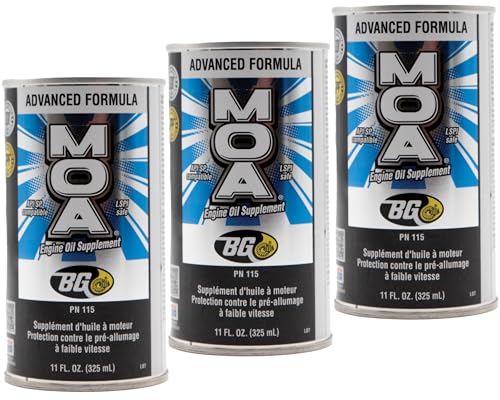
BG Motor Oil Additive 3-Pack
Strengths
- Prevents sludge formation
- Extends oil life
- Multi-pack value
Trade-offs
- Subtle effects over time
- Not for immediate symptom relief
BG MOA stands out for one reason: value over volume. With a three-pack format, it’s clearly meant for drivers committed to long-term oil protection, not one-off fixes. The formulation focuses on preventing oxidation and sludge, two silent killers in engines that endure short trips or extreme temps. Owners using this regularly report cleaner internals during oil changes and less varnish buildup over time, which tracks with BG’s pro-shop heritage.
It doesn’t have the flash of nano-coatings or the seal-swell of XADO, but as a behind-the-scenes guardian of oil integrity, it’s excellent. Compared to single-use treatments, this is the smarter buy for someone serious about engine longevity. I’d run this in a commuter car or fleet vehicle where consistent oil health matters more than dramatic fixes.
Product photos
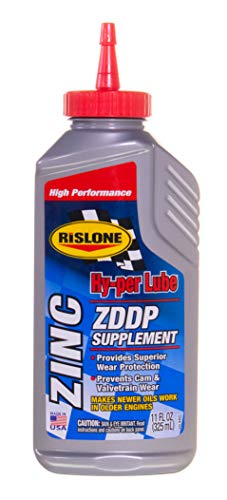
Rislone Hy-per Lube ZDDP
Strengths
- High ZDDP content
- Protects flat-tappet cams
- Prevents dry-start wear
Trade-offs
- No seal conditioning
- Minimal effect on noise reduction
For anyone running an older performance engine, especially those with flat-tappet camshafts, Rislone Hy-per Lube hits a sweet spot between affordability and critical protection. The ZDDP boost is the real story here. Modern oils often fall short on zinc and phosphorus levels needed for these components, and owners consistently report fewer cold-start issues and reduced valvetrain wear after adding this. It’s not flashy, but under the hood, it does exactly what it promises: reinforces oil under extreme pressure.
Compared to Lucas, it’s leaner and more targeted, less about overall stabilization, more about safeguarding vulnerable parts. I’d choose this over STP any day if you’re dealing with a vintage muscle car or hot rod build. Just don’t expect it to stop leaks or smooth out piston slap. This is pure defense, not restoration.
Product photos


How We Evaluated car oil additives
As someone who’s spent years around engines – from restoring vintage iron to keeping modern machines running smoothly – I approach car oil additives with a critical eye. Rather than a hands-on lab test with each product, this evaluation is a research-led comparison of published specifications, features, and, crucially, owner and professional reviews. I weighed these against my understanding of engine mechanics and the common wear patterns I’ve observed over the years. The goal was to identify additives that genuinely address real-world engine concerns.
For this category, the most significant factors were an additive’s ability to demonstrably reduce friction and wear, and its compatibility with a wide range of engine types and oils. High-mileage protection is also vital; older engines have different needs than newer ones, and a good additive should account for that. Finally, the reputation of the manufacturer played a role – established brands with a history of producing quality products earned more consideration. You can learn more about addressing related issues with our guide to the best oil leak sealers.
Specifications provide a baseline – things like ZDDP levels (important for older engines) or nanoparticle composition (as with TriboTEX) are useful data points. However, owner feedback is where the real story unfolds. Reports of reduced engine noise, improved fuel economy, and even lessened oil consumption helped me assess true performance. I also considered expert opinions from automotive publications and mechanics, looking for consistent themes and independent validation of claims. Choosing the right diesel engine oil is also critical for the longevity of your engine.
Choosing The Right car oil additives
Finding the right car oil additive can feel like navigating a maze of promises. I’ve spent years looking under the hood, and I can tell you that a good additive isn’t about magic; it’s about targeted support for your engine’s specific needs.
A truly effective car oil additive addresses wear reduction, friction modification, and oil stability. Look for formulations containing ZDDP for older engines, nano-particle technology for modern ones, or seal conditioners for high-mileage vehicles. Compatibility with your oil type (conventional, synthetic, or blend) is also crucial, as is understanding the additive’s intended purpose – is it for performance, leak stopping, or simply extending oil life?
Understanding Your Engine’s Age and Mileage
The first thing I always consider is the age and condition of the engine. Newer engines, especially those with variable valve timing or turbochargers, often benefit from additives designed to reduce friction and improve fuel economy, like LIQUI MOLY Cera Tec. Older, high-mileage engines, however, frequently need something different. They’ve weathered more heat cycles and wear, and may require additives fortified with ZDDP (zinc dialkyldithiophosphate) to rebuild protective layers on critical components. This is where products like Rislone Hy-per Lube ZDDP really shine.
Here’s what to think about based on mileage:
- Under 75,000 miles: Focus on maximizing efficiency and protecting modern engine components.
- 75,000 – 150,000 miles: Consider a balanced approach with additives addressing both wear and oil stability.
- Over 150,000 miles: Prioritize seal conditioning and wear protection – a product like XADO ATOMEX Stop Leak could be a good starting point.
Deciphering Additive Chemistry
Don’t be fooled by marketing hype. The effectiveness of an additive comes down to its chemistry. Many rely on polymer technology to swell seals, others on friction modifiers like molybdenum. Some, like TriboTEX, are pushing boundaries with nano-particle technology. It’s important to understand what each ingredient does. For example, ZDDP, while excellent for older engines, can sometimes interfere with catalytic converters, so it’s a balancing act. If you are unsure about the best oil types for your car, researching that first will help you choose the right additive.
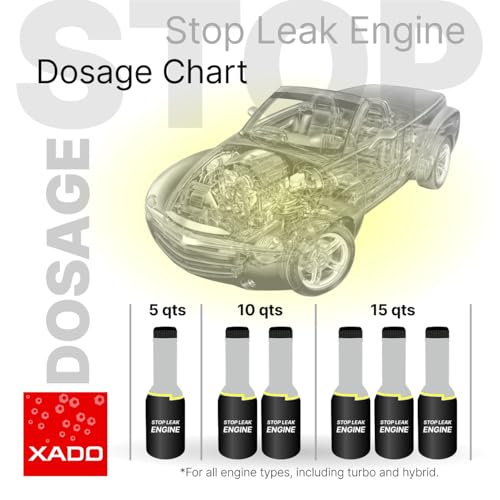
A little goes a long way. Always follow the manufacturer’s recommended dosage; more isn’t better, and can actually dilute your oil’s properties.
Balancing Performance and Value
There’s a wide price range in the world of oil additives. While high-end formulations often boast advanced technology, a budget-friendly option like STP High Mileage Oil Treatment can still provide significant benefits, particularly for vehicles with existing leaks or wear. I’ve seen plenty of owners report positive results with STP, and for many, it’s a perfectly acceptable solution. However, if you’re looking for a thorough solution, something to address multiple concerns, a multi-pack like the BG Motor Oil Additive 3-Pack might offer the best overall value. Don’t automatically assume the most expensive is the best; consider your specific needs and budget.
Car Oil Additives Compared
Here’s a comparison of key specifications for various car oil additives to help you make an informed decision.
| Product Name | Best For | Key Feature | Engine Type | Leak Stop | Viscosity Modifier |
|---|---|---|---|---|---|
| TriboTEX Nano Oil Additive | Best Overall | Nanoparticle Coating | Gas/Diesel | No | Yes |
| STP High Mileage Oil Treat. | Best Budget Friendly | ZDDP Anti-Wear | High Mileage | Yes | Yes |
| Lucas Oil Heavy Duty Stabilizer | Best for High Mileage Engines | 100% Petroleum | All | No | Yes |
| LIQUI MOLY Cera Tec Additive | Best for Friction & Fuel Eff. | Ceramic Particles | All | No | Yes |
| Prolube Oil Treatment 1QT | Best for Performance Boost | Horsepower Increase | Gas/Diesel | No | Yes |
| XADO ATOMEX Stop Leak | Best for Seal Restoration | Elasticity Restorer | All | Yes | No |
| BG Motor Oil Additive 3-Pack | Best Value Multi-Pack | Oxidation Prevention | All | No | Yes |
| Rislone Hy-per Lube ZDDP | Best for Engine Wear Prot. | ZDDP Booster | All | No | Yes |
Frequently Asked Questions
What’s the difference between an oil additive for a new engine versus an older one?
Newer engines generally benefit from friction reducers and fuel economy boosters, while older engines typically require additives with higher ZDDP content to replenish worn protective layers and combat wear. Understanding the oil to use for your vehicle’s age will help guide your additive selection.
Can oil additives really improve fuel economy?
Some additives, particularly those containing friction modifiers like ceramic particles, are formulated to reduce internal engine friction, which can lead to a modest improvement in fuel economy. However, results vary based on the vehicle and driving conditions.
Are all “leak stop” additives the same?
No, leak stop additives vary significantly in their approach. Some swell seals, offering a temporary fix, while others attempt to rebuild or condition them. The effectiveness depends on the type and severity of the leak.
Will using an oil additive void my car’s warranty?
Potentially. Adding anything not specifically approved by the vehicle manufacturer could void portions of the warranty, especially related to engine components. Always check your warranty documentation first.
My ATV uses a different oil than my car; can I use the same additive in both?
Generally, no. The specific formulation of an additive should be compatible with the motor oil types used in each vehicle. An additive designed for a car engine might not be suitable for the unique demands of an ATV, so always check compatibility.
The Bottom Line
Choosing the right car oil additive often comes down to balancing preventative maintenance with addressing existing issues. While there are many options, I believe TriboTEX Nano Oil Additive offers the most well-rounded benefits, thanks to its innovative nanoparticle technology designed to reduce friction and protect across a broad range of engines. It’s an investment, certainly, but one that aligns with a proactive approach to engine health.
For those prioritizing specific needs, the field opens up nicely. If you’re on a tighter budget, STP High Mileage Oil Treatment provides a solid dose of ZDDP for older engines, and for tackling leaks, XADO ATOMEX Stop Leak is a popular choice. And if you want to prepare for your next oil change ramps session, remember that proper maintenance is key.
Ultimately, no additive can substitute for regular maintenance and using the best motor oil for your vehicle. Focus on consistent oil changes, addressing leaks promptly, and paying attention to the overall health of your engine. Those fundamentals, along with a carefully chosen additive, will do far more to ensure longevity than any single product’s specifications.
