
8 Best Car Scratch Compounds (2026 Guide)
This post contains affiliate links. As an Amazon Associate, we earn from qualifying purchases.
The Meguiar’s Ultimate Compound is our top pick for most users, delivering reliable correction on light to moderate scratches without being overly aggressive. For budget-conscious detailers, the Turtle Wax T-415 Rubbing Compound performs well on surface flaws, while the 3D One Hybrid Scratch & Swirl Remover stands out as the best one-step option for DIYers using a dual-action polisher.
Scratches are inevitable, and most drivers don’t know where to start when trying to fix them. Many compounds promise deep correction but end up damaging clear coat if misused. I’ve seen it too many times, over-cutting from using the wrong product or method.
This guide cuts through the noise. Based on specs and owner feedback, I compared cutting power, ease of use, and real-world results to find compounds that actually work without risking your paint. Whether you’re working by hand or with a machine, these picks balance performance and safety.
Top 8 Car Compounds For Scratches in the Market
The Best Car Compounds For Scratches, Reviewed
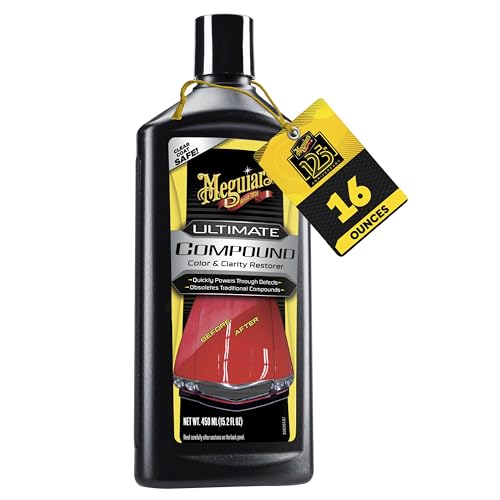
Meguiar’s Ultimate Compound
Strengths
- Balanced cut and finish
- Clear coat safe
- Works by hand or machine
Trade-offs
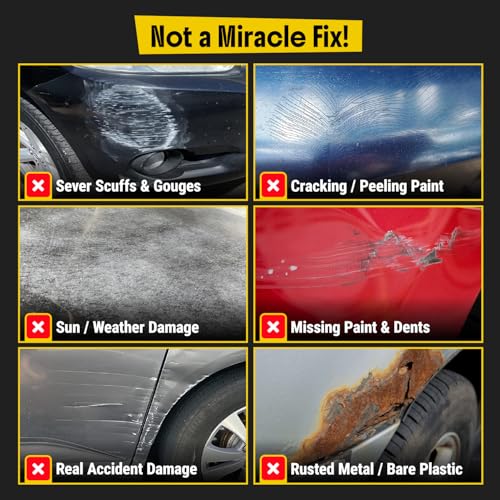
- Not for deep scratches
- Mid-tier gloss
This is the compound I’d recommend to most people starting out. It strikes a near-perfect balance between cutting power and finish quality, removing light to moderate scratches, swirls, and oxidation without leaving behind the haze that demands a second polishing step. The micro-abrasive tech actually works as advertised, and owners consistently report a glossy, swirl-free result even when applied by hand.
Compared to heavier hitters, it’s forgiving. Use it with a DA polisher and you get faster results, but hand application is totally viable. It plays well with both waxes and sealants afterward. At 15.2 oz, it’s also generous for the price. While it won’t dig out deep gouges, for 90% of common paint flaws, this is the smarter buy over more aggressive options that require follow-up work.
Video review
Chemical Guys V32 Extreme Cutting Compound

Strengths
- Extreme cutting power
- Works on ceramic coatings
- No fillers or silicones
Trade-offs
- Very aggressive
- Small container
- Requires finishing step
When you’ve got deep scratches, especially in tough, modern ceramic clear coats, this is the kind of compound that earns its keep. V32 is formulated specifically for high-resistance finishes, and its extreme cut capability handles 1200–1500 grit sanding marks, which tells you just how coarse it is. It’s not subtle, but it wasn’t made to be. Used with a rotary or DA polisher, it levels damaged areas so you can refine them later.
The small 4 oz size keeps cost down, but you’ll burn through it fast on large jobs. And since it’s filler-free and silicone-free, what you see is what you get, no fake shine. That honesty matters in correction work. I’d pair this with a finishing polish rather than go solo, but for spot repairs on deep chips or rock rash, it’s one of the few off-the-shelf options that actually moves material.
Video review
3D One Hybrid Scratch & Swirl Remover

Strengths
- True one-step correction
- Zero dust formula
- Made in USA
Trade-offs
- Limited on deep defects
- Premium price
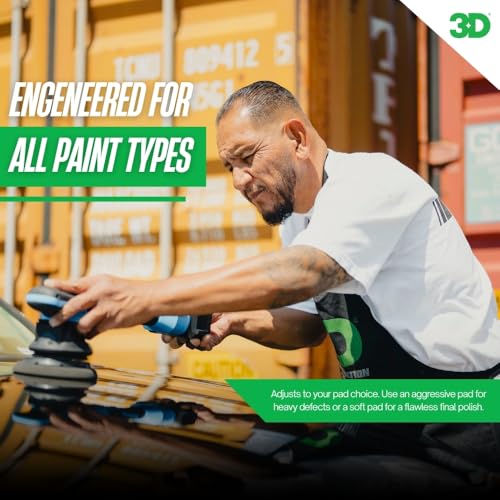
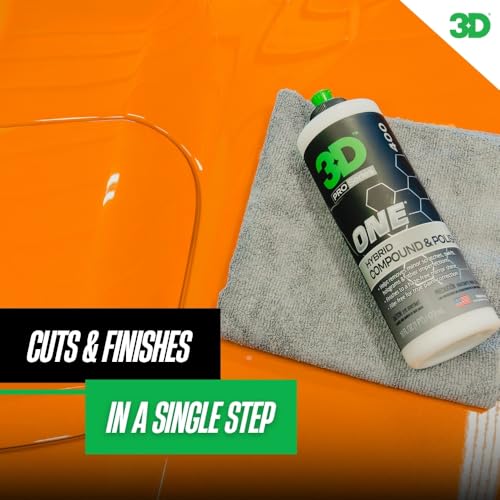
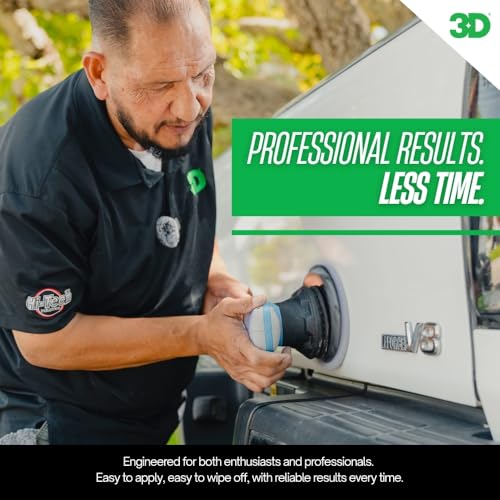
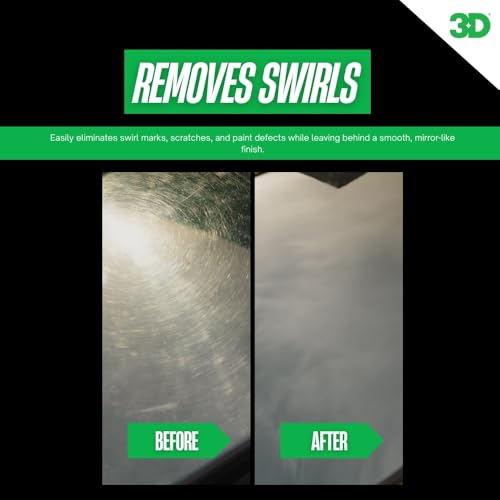
Hybrid compounds are hit-or-miss, but 3D One is one of the few that actually delivers real correction in a single step. It removes light scratches and swirls while simultaneously refining the surface to a high gloss, no second polish needed in many cases. The zero-dust formula is a standout for home detailers; cleanup is easier, and visibility during use stays clear. Reviewers love that it works on dark and light paints alike without staining or streaking.
I appreciate that it’s made in the USA and built for real enthusiasts, not gimmick buyers. It performs best with a DA polisher but can be used by hand for spot fixes. Compared to multi-step kits, it saves time and shelf space. While it can’t replace a true compound+polish sequence for heavily damaged paint, for maintenance-level correction, it’s efficient and effective.
Product photos

Turtle Wax T-415 Rubbing Compound
Strengths
- Strong cutting ability
- Large 18 oz bottle
- Silicone free
Trade-offs
- Leaves visible marring
- Dull after wipe
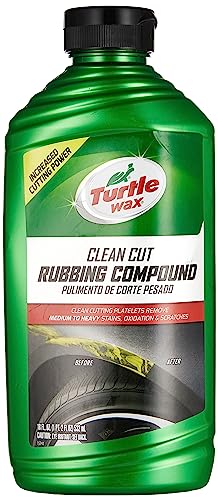
At this price, you’re getting raw cutting power in a big bottle. This compound tackles heavy swirls and sanding marks effectively, and its silicone-free formula means it won’t leave behind fillers that mask flaws instead of fixing them. Owners say it works well by hand or machine, though rotary use requires caution, it’s aggressive. For body shops or budget-focused detailers, that makes it a solid prep product before final polishing.
But it’s rougher than most modern compounds. You’ll likely need to follow up with a finer polish to eliminate marring, especially on darker paints. It also lacks the refinement of newer formulas that balance cut with finish. Still, if you’re working on an older vehicle with oxidized paint or prepping for a respray, this gets metal ready without breaking the bank.
Product photos


Chemical Guys C4 & P4 Kit
Strengths
- True two-step correction
- Safe on ceramic coatings
- High user satisfaction
Trade-offs
- Requires two applications
- Overkill for minor flaws
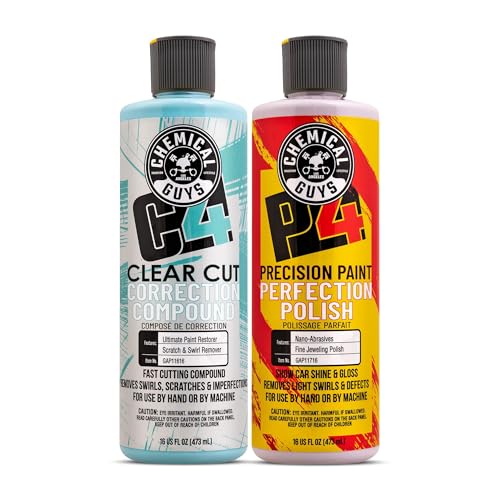
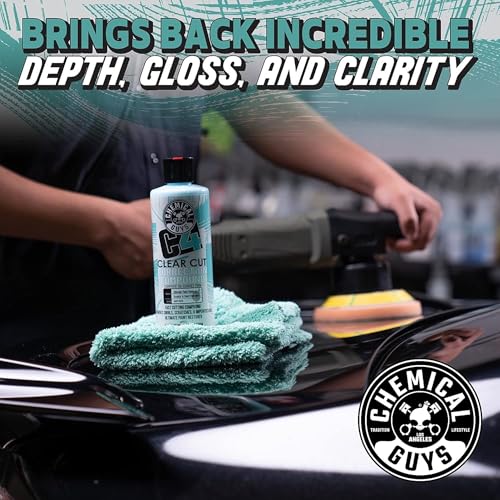
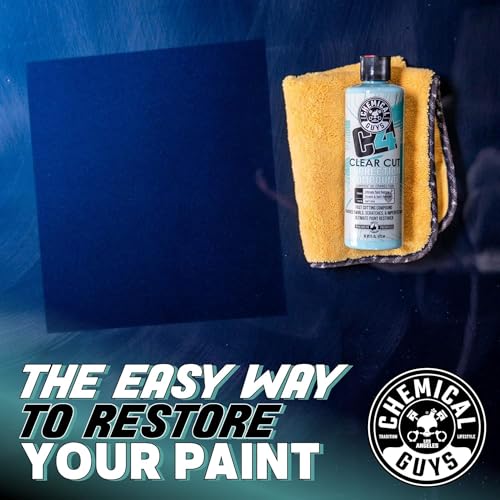
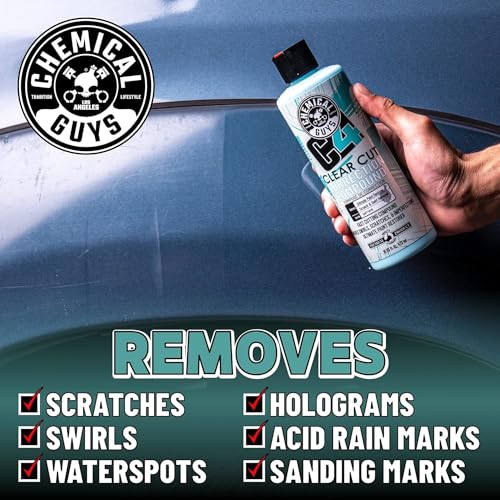
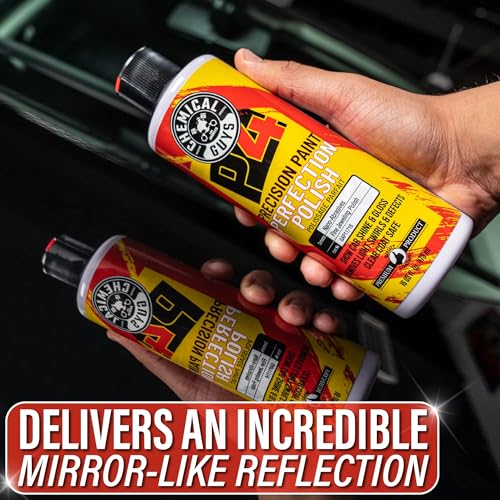
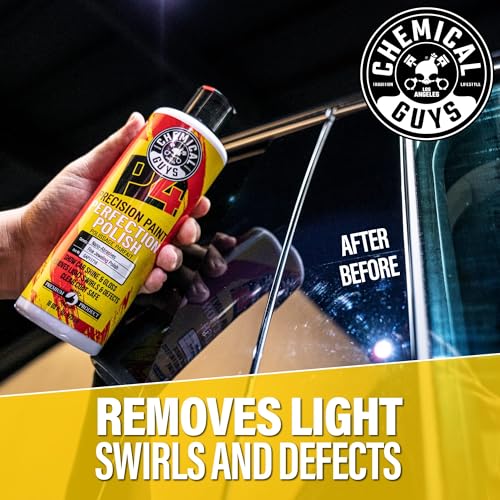
If you’re serious about paint correction and don’t mind a two-step process, this kit delivers real refinement. C4 Clear Cut Compound aggressively removes swirls, oxidation, and fine scratches, while P4 Precision Polish follows up to erase any micro-marring and bring out a glassy finish. On paper, the pairing makes sense: coarse cut first, then fine polish. Reviewers note that used together, they produce results comparable to shop-level detailing, especially when run on a dual-action polisher.
I like that it’s safe on ceramic coatings and clear coats, something not all heavy compounds can claim. The 16 oz size gives plenty of room for multiple panels or even a full car job. While it’s pricier than single bottles, the value comes from the system approach. For enthusiasts aiming to get show-car depth at home, this combo beats layering mismatched products.
Product photos
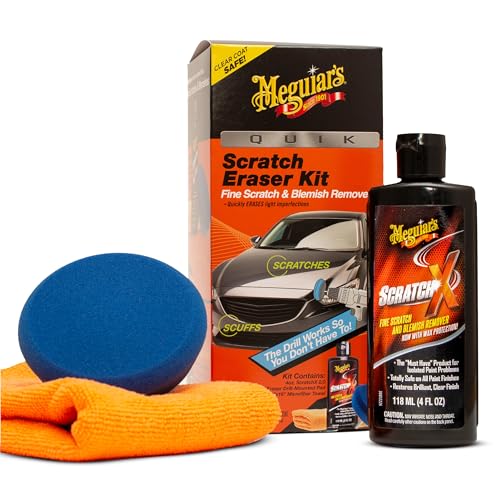
Meguiar’s Quik Eraser Kit
Strengths
- Drill-powered efficiency
- Clear coat safe
- Includes applicator pad
Trade-offs
- No wax included
- Only for light scratches
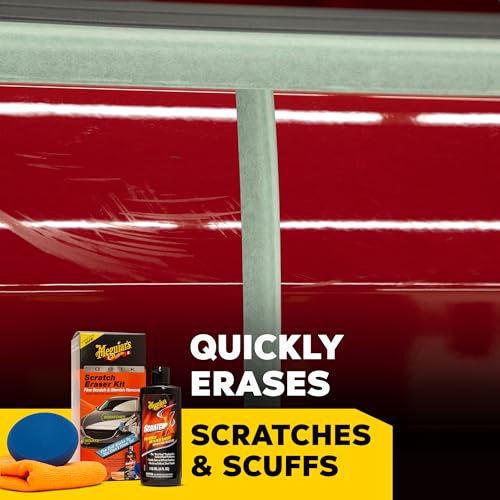
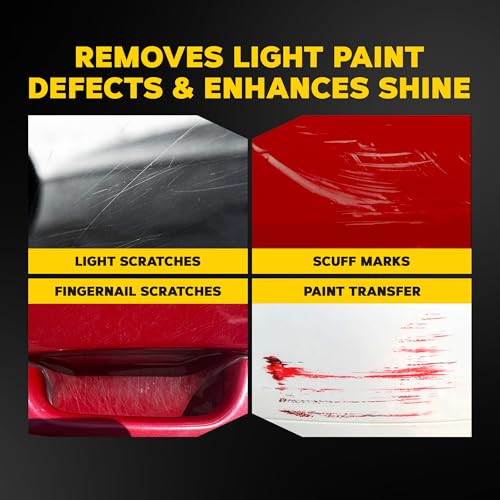
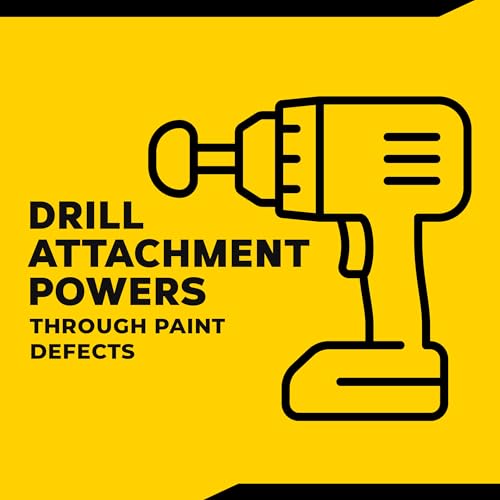
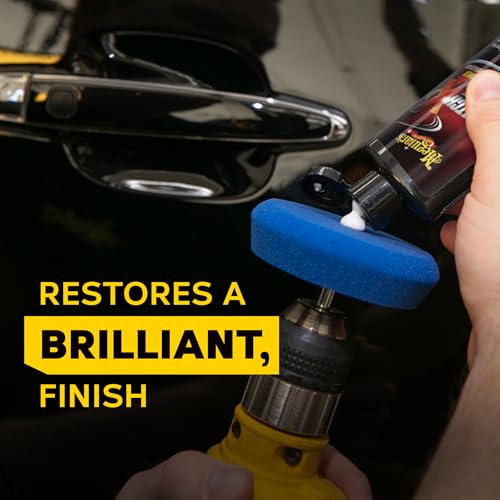
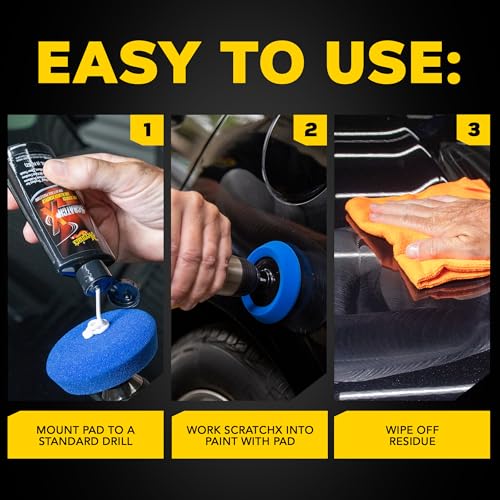
This kit leans hard into convenience, using a drill to power the scratch removal process is a smart play for people who want speed and consistency. The micro-abrasive ScratchX formula is designed to clear light scratches and scuffs without hazing, and owners consistently report clean results on surface-level damage when paired with the included foam pad. It’s not meant for deep defects, but for quick touch-ups around parking lot dings or road debris marks, it does exactly what it promises.
What sets it apart is how little physical effort it demands. The drill activation takes over the elbow grease, which I appreciate in a category where hand compounding can leave you sore. That said, you’ll still need to follow up with wax or sealant, the kit doesn’t include one, despite the recommendation. For beginners wanting pro-adjacent tools without jumping into full machine polishing, this hits a sweet spot of simplicity and effectiveness.
Product photos
Menzerna Heavy Cut Compound 1000
Strengths
- Professional-grade cut
- Low hologram risk
- Long working time
Trade-offs
- Machine-only focus
- Steeper learning curve
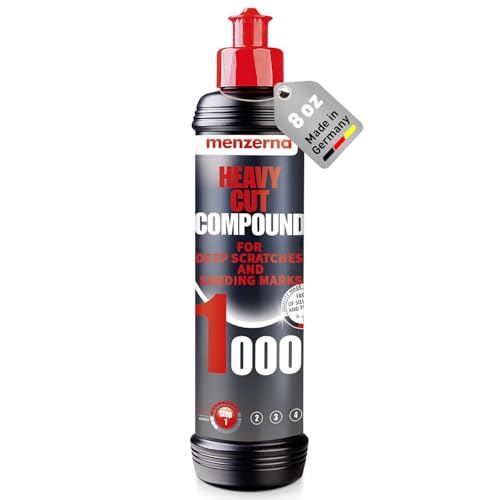
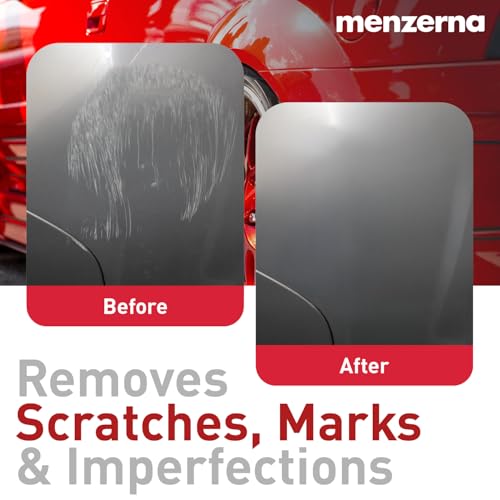
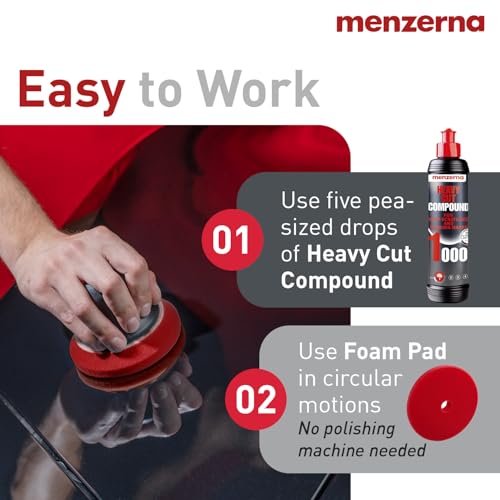
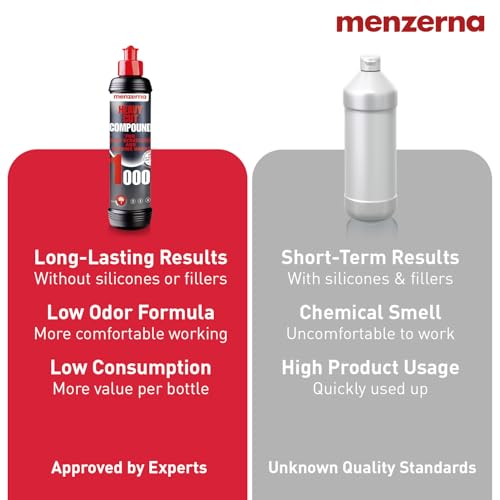
Menzerna is a name that carries weight in pro circles, and this compound shows why. The 1000 is built for machine work, rotary or DA, and delivers consistent cut with less risk of holograms than cheaper alternatives. Owners praise its balance: aggressive enough to remove medium-depth scratches but controllable enough for careful users. It spreads evenly, doesn’t splatter excessively, and cleans up without stubborn residue.
It’s beginner-friendly only if you’re using light pressure and a DA polisher. Go rotary without experience, and you could burn paint. But for those stepping up from entry-level kits, this offers real precision. The 8 oz bottle lasts a while since a little goes far. If you’re investing in proper pads and a decent machine, this compound belongs in your lineup.
Product photos


Carfidant Scratch Repair & Swirl Remover

Strengths
- Clean, no-dye formula
- Includes buffer pad
- Easy to use
Trade-offs
- Smaller bottle size
- Moderate cut level
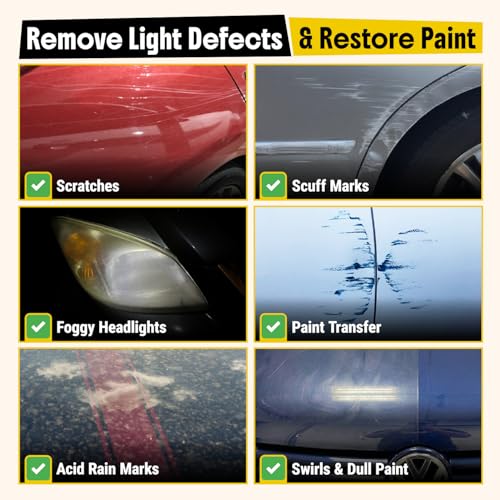
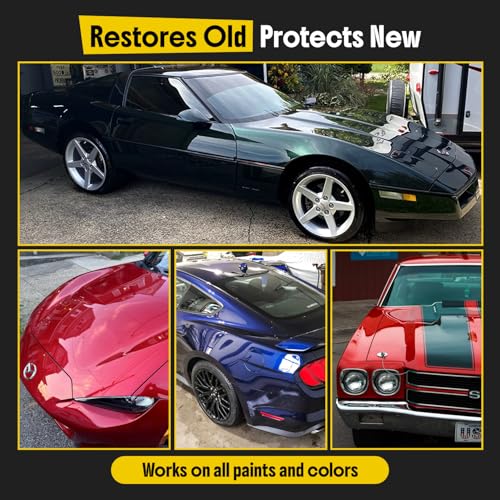
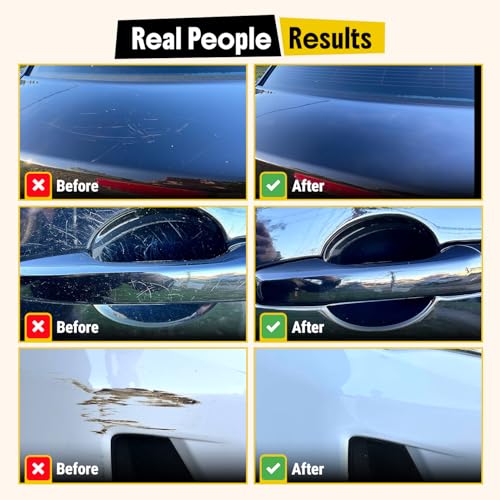
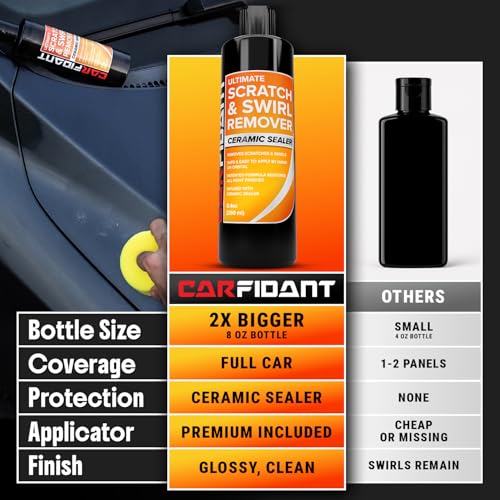
This kit punches above its weight in usability and formulation. The 8.4 oz bottle contains a professional-grade compound without dyes or fragrances, which means no false color tricks or messy residues. Owners find it effective on light scratches and swirls, especially when used with the included foam pad. It’s clear coat safe and works across paint types, making it a versatile pick for mixed fleets or uncertain finishes.
What makes it stand out is the thoughtful bundling, the buffer pad adds real value, and the instructions are straightforward enough for first-timers. While the volume is smaller than some competitors, the formula is concentrated. I’d place this just below Meguiar’s Ultimate in performance but ahead in kit completeness. For someone wanting a ready-to-go solution without extra purchases, it’s a strong contender.
Product photos
How We Chose These car compounds for scratches
As someone who’s spent years looking at automotive finishes – from concours restorations to daily drivers – I know a good correction product when I see one. Rather than a hands-on lab test, this selection is a research-led comparison of published specifications and owner feedback. I examined the advertised features of numerous compounds, then weighed those against what owners are actually reporting in terms of ease of use, effectiveness on different scratch types, and potential for damaging paint. My goal was to identify compounds that consistently deliver on their promises.
For car compounds, cutting power and finish quality are paramount. I prioritized compounds that clearly stated their grit level or described their intended use (e.g., for deep scratches versus swirl removal). Equally important was whether a product was designed for hand application, machine polishing, or both. A compound that can deliver professional-looking results in the hands of a DIY enthusiast holds significant value, and that’s what I looked for. You can find more general information about rubbing compounds for scratches on my site.
Specifications reliably tell you about a compound’s aggressiveness – its ability to cut through clear coat. However, owner reviews and reputation are crucial for understanding real-world performance. Are claims of “easy application” accurate? Does the compound actually remove the advertised scratch depths without creating new swirls? That’s where the collective experience of detailers and car owners becomes invaluable. I also considered the breadth of information available about products for removing scratches, favoring those with robust user feedback.
How To Pick The Right car compounds for scratches
Choosing the right car compound can feel overwhelming, but getting it right makes a huge difference in restoring your vehicle’s finish. It’s not just about hiding scratches; it’s about understanding the level of correction needed and matching that to a product designed for the job.
A truly effective car compound balances cutting power, its ability to level clear coat and remove defects, with finish refinement, minimizing swirl marks left behind. Factors like paint hardness, defect depth, and application method (hand vs. machine) are all crucial considerations. A good compound will also be clear coat safe and won’t introduce new issues like hazing.
Understanding Cut and Polish Levels
The first thing to grasp is that compounds aren’t one-size-fits-all. They range from heavy-cut formulas designed for significant imperfections like deep scratches, to polishing compounds meant for refining the paint after correction. Reaching for the most aggressive compound when you only have light swirl marks is a quick path to damaging your clear coat. I often see folks jump straight to heavy cutting, and it’s rarely necessary. Start milder. If you’re unsure, begin with a less aggressive formula and work your way up, constantly assessing the results. Remember, you can always add correction, but you can’t easily undo it.
Application Method and Your Skill Level
Are you planning to apply the compound by hand, with a dual-action (DA) polisher, or a rotary polisher? This drastically influences your choice. Hand application requires less aggressive compounds, as you’re relying on elbow grease rather than machine power. DA polishers are more forgiving, allowing a wider range of compounds. Rotary polishers, however, demand respect; they’re powerful and can quickly burn through paint if not used correctly. If you’re new to this, I recommend starting with a DA polisher and a one-step compound like the 3D One Hybrid Scratch & Swirl Remover. This simplifies the process and reduces the risk of mistakes.
Here’s a quick guide to consider:
- Hand Application: Opt for fine-cut compounds or polishing compounds.
- Dual-Action (DA) Polisher: Versatile; can handle a wider range of compounds from medium to heavy cut.
- Rotary Polisher: Best for experienced users, requiring heavy-cut compounds and precise technique. A poor technique with a rotary can quickly cause irreparable damage.
Don’t chase the highest “cut” rating. Focus on achieving effective correction with the least aggressive approach possible.
Balancing Price and Features
Price isn’t always an indicator of quality, but it often reflects the complexity of the formula and the manufacturer’s reputation. While a budget-friendly option like the Turtle Wax T-415 Rubbing Compound can be effective for minor imperfections, you’ll likely need to spend more for advanced features like ceramic-safe formulas (Chemical Guys V32) or hybrid compounds that combine cutting and polishing. Before committing, consider the long-term value. Investing in a quality compound and a good set of pads can save you money in the long run by avoiding costly paint repairs. For those seeking a complete solution, exploring best car compounds can provide a broader perspective. If you’re dealing with deeper issues, researching products to remove scratches is a smart move.
Car Compounds for Scratches Compared
Here’s a comparison of key specifications for popular car compounds designed to remove scratches.
| Product Title | Best For | Cut Level | Application Method | Silicone? | Grit Removal |
|---|---|---|---|---|---|
| Meguiar’s Ultimate Compound | Best Overall | Heavy | Hand/DA/Rotary | No | N/A |
| Chemical Guys V32 Extreme Cutting Compound | Best for Deep Scratches | Heavy | DA/Rotary | No | 1200-1500 |
| 3D One Hybrid Scratch & Swirl Remover | Best One-Step Correction | Medium/Fine | Hand/DA | N/A | N/A |
| Turtle Wax T-415 Rubbing Compound | Best Budget Friendly | Heavy | Hand/DA/Rotary | No | 1500 |
| Chemical Guys C4 & P4 Kit | Best 2-Step System | Heavy/Polish | Hand/DA/Rotary | N/A | N/A |
| Meguiar’s Quik Eraser Kit | Best Drill-Activated Kit | Light | Drill/Hand | N/A | N/A |
| Menzerna Heavy Cut Compound 1000 | Best for Machine Polishing | Heavy | DA/Rotary/Hand | N/A | N/A |
| Carfidant Scratch Repair & Swirl Remover | Best Value Kit | Light | Hand | N/A | N/A |
Frequently Asked Questions
What grit sandpaper should I use before applying a compound?
Generally, you shouldn’t need to start with sandpaper for most scratches addressed by compounds. However, for very deep scratches, starting with 2000-grit sandpaper can help level the clear coat before compounding, but proceed with caution and research specific techniques.
Can I use a car compound on a ceramic coating?
Some compounds are specifically formulated to be ceramic coating safe, like Chemical Guys V32. Using an abrasive compound not designed for ceramic coatings will likely damage the coating, so always check the product label and confirm compatibility before application.
How do I know if a scratch is too deep for a compound to fix?
If you can feel the scratch with your fingernail, it’s likely too deep for a compound alone to fully remove it. You may need to consider professional repair or more aggressive methods, and exploring products to fix scratches might be beneficial.
What’s the difference between a compound and a polish?
A compound cuts into the clear coat to remove imperfections, while a polish refines the surface afterward to restore gloss and remove swirl marks left by the compound. Think of compounding as the correction stage and polishing as the refinement stage; you often use both for optimal results and can even find a great car polish for scratches to finish the job.
Will using a compound damage my car’s paint?
Improper use can certainly damage paint. Always start with the least aggressive compound necessary, use clean applicators, and avoid excessive pressure or heat. Following the product instructions carefully and testing in an inconspicuous area first is crucial to prevent hazing or clear coat removal.
The Bottom Line
Ultimately, choosing a car compound comes down to balancing how much correction you need with how much effort you’re willing to put in. While a powerful compound like Meguiar’s Ultimate Compound offers broad capability, it requires skill to avoid introducing new imperfections. For most owners, it’s about finding the right tool to safely address the specific issues at hand, and that often means starting with something a little less aggressive.
If you’re seeking a single solution, the 3D One Hybrid Scratch & Swirl Remover is a fantastic all-in-one option. For those battling more serious damage, the Chemical Guys V32 Extreme Cutting Compound stands out as a top performer, particularly when paired with the right polishing pads. And if you’re on a tighter budget, the Turtle Wax T-415 Rubbing Compound offers surprisingly good results for minor scratches and swirl marks. If you’re looking for more options, check out our guide to the best buffing compounds for a wider selection.
Don’t get lost in the details of grit numbers or cutting power. The most important thing is to properly prepare your surface, choose a compound suited to the scratch depth, and work carefully. A little patience and the right technique will always deliver a better result than rushing with an overly aggressive product. For truly deep issues, exploring removers for deep scratches is a worthwhile step.
