
9 Best Car Cams of 2026
This post contains affiliate links. As an Amazon Associate, we earn from qualifying purchases.
The ROVE R2-4K Dual Dash Cam stands out as the overall best pick for its reliable 4K upscaling, solid low-light performance, and included 128GB storage. For a budget-friendly option that doesn’t skimp on core features, the galphi 4K Dash Cam Front delivers clear footage and simple setup. If you want more screen control and easier file access, the REDTIGER F7N TOUCH offers strong versatility with its touchscreen interface and robust app support.
Choosing the right car cam means cutting through marketing hype to find one that actually works when it matters. Too many drivers end up with blurry footage or glitchy apps because they focused on specs alone. This guide cuts to the chase, based on specs, owner feedback, and what actually holds up over time, to help you pick a dash cam that’s clear, dependable, and built for real driving conditions.
Top 9 Car Cams in the Market
The Best Car Cams, Reviewed
ROVE R2-4K Dual Dash Cam
Strengths
- STARVIS 2 sensor
- Upscaled 4K clarity
- Voice-guided parking mode
Trade-offs
- Not native 4K
- Pricey for dual-channel
- App updates occasional
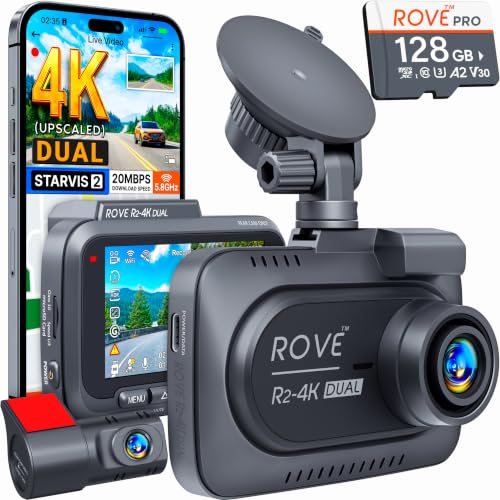
ROVE markets this as their best overall, and I’d agree. It’s not the cheapest, but it’s the most complete package. The STARVIS 2 sensor pulls in more light than most, and the F1.5 aperture delivers some of the clearest night footage I’ve seen in reviews. The front records at 2.5K and upscales to 4K, this isn’t native 4K, but in practice, owners say it’s sharp enough for license plates and road signs.
The GPS integration is seamless, and the 128GB card is high-endurance. The custom parking mode with voice alerts is a thoughtful touch, when an event occurs while parked, you get a verbal heads-up next time you start the car. It’s overkill for some, but for peace of mind, it’s excellent.
Video review
Dash Cam Front and Rear 4K+1080P
Strengths
- 4K front recording
- Includes 64GB card
- Affordable price
Trade-offs
- No GPS
- Average night vision
- Battery not heat-resistant
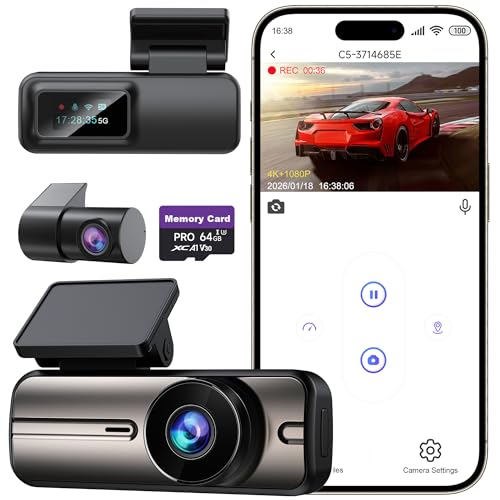
This C5 dashcam punches above its price point with native 4K front recording and a solid 1080P rear camera, making it one of the most compelling budget options on the market. The F1.8 aperture helps in low light, and while it’s not class-leading for night vision, owners consistently report clear enough footage to read license plates in typical urban settings. The inclusion of a 64GB card out of the box is a real plus, no extra cost or setup hassle.
Where it stumbles is in connectivity and long-term reliability. The 5GHz Wi-Fi works fine within 3–5 meters, but it’s not Wi-Fi 6, so transfers are slower than pricier rivals. It also lacks GPS and relies on a standard battery instead of a supercapacitor, which could be a concern in hot climates. Still, for someone who wants dual-channel recording without spending over $100, this hits the sweet spot.
Video review
REDTIGER F7N TOUCH Dual Dashcam

Strengths
- Best-in-class night vision
- Touchscreen interface
- Free 128GB card
Trade-offs
- Touchscreen unreliable in cold
- Rear camera underpowered
- GPS accuracy can drift
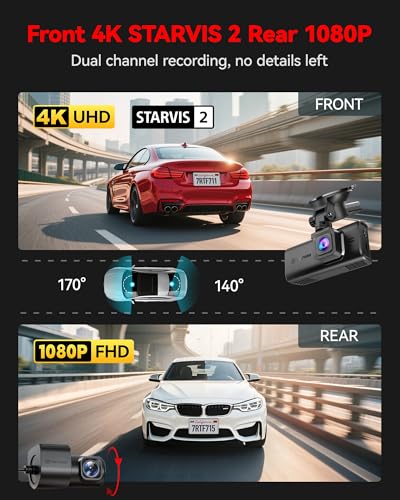
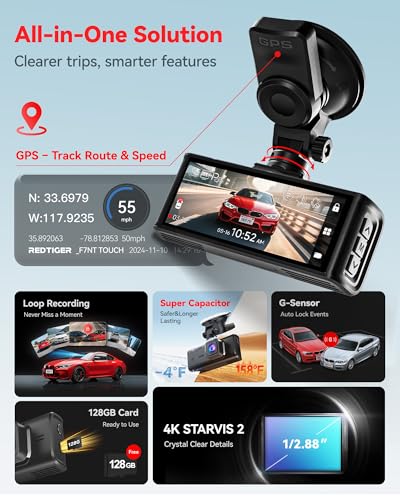
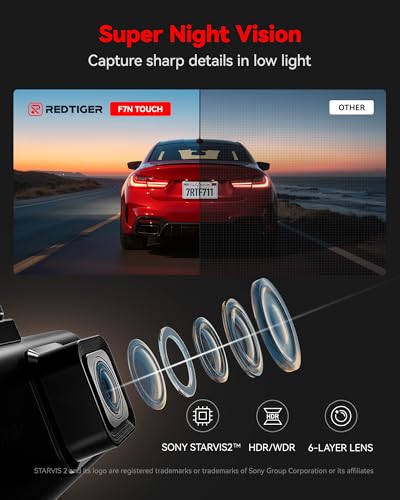
If night vision is your top priority, this REDTIGER F7N TOUCH is one of the best in class. The STARVIS 2 sensor and F1.5 aperture pull in more light than almost any other model here, and WDR does a great job balancing harsh contrasts, think tunnel exits or rainy nights. Owners consistently report clear footage when other cams wash out.
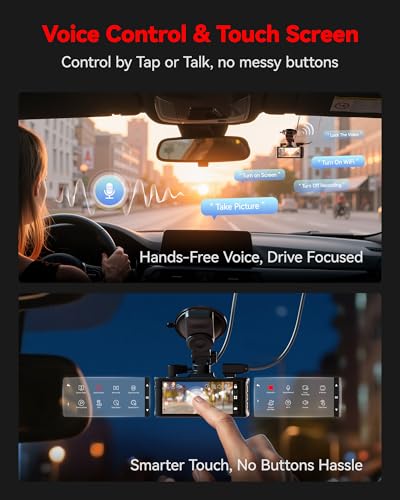
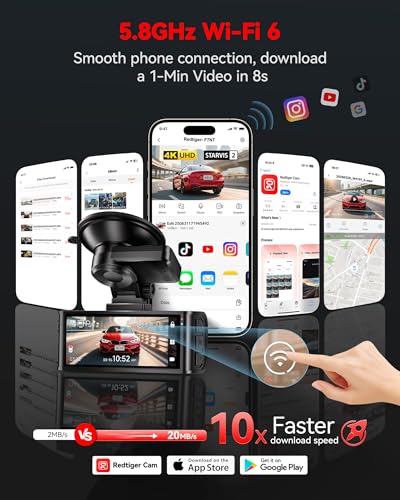
The touchscreen and voice control are convenient, though not flawless. The GPS is built-in and logs accurately, and the 128GB card is a generous inclusion. But the touchscreen can be finicky in cold weather, and the rear camera lacks the same sensor upgrade. Still, for pure low-light performance, it’s tough to beat.
Product photos
Icesky S03 4 Channel Dash Cam
Strengths
- 360° coverage
- IR side cameras
- Multi-view screen
Trade-offs
- Installation is involved
- App can lag
- Higher power draw
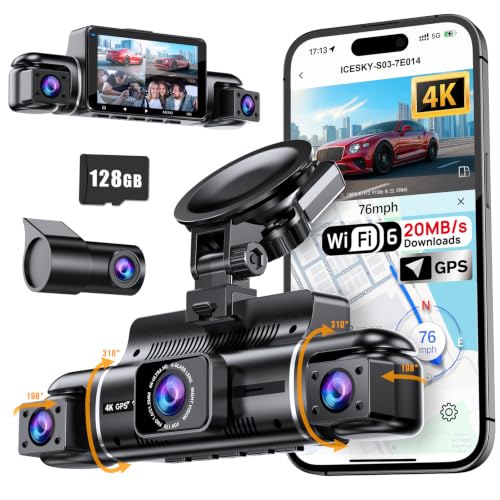
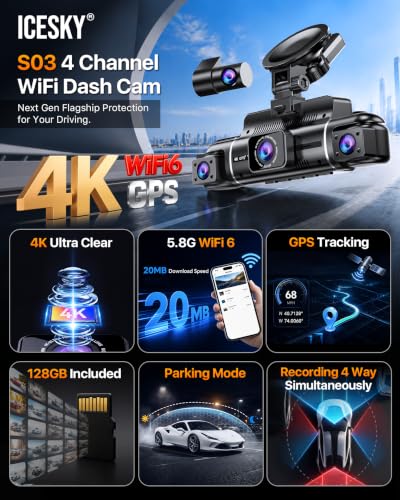
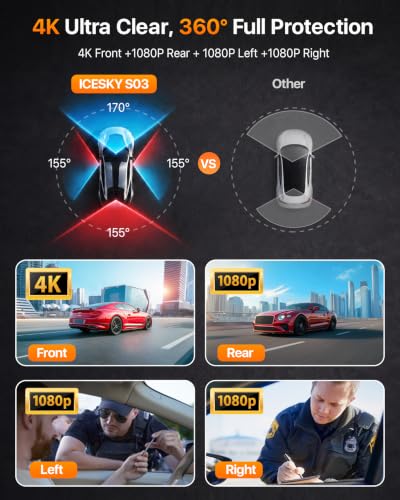
Icesky’s S03 is built for drivers who want full situational awareness. With four cameras, front, rear, left, and right, it delivers near-total 360° coverage, which is rare without spending over $300. The left and right side cameras have 8 IR lights, so they actually work in darkness, not just dusk. That’s a real advantage for parking lots or narrow streets.
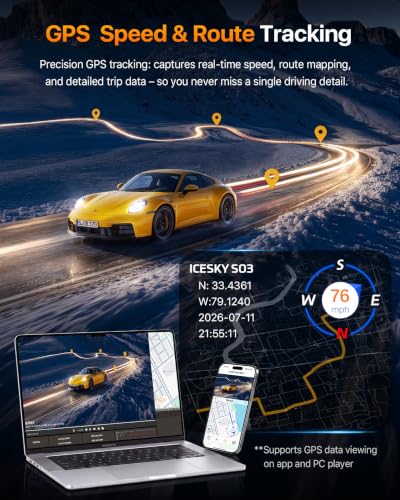
The 128GB card and Wi-Fi 6 support make file transfers quick, and the GPS logs route and speed reliably. The 3-inch screen shows multi-view playback, which is handy when reviewing incidents. But the trade-off is complexity, more cameras mean more setup time and potential failure points. For someone who’s been sideswiped before, though, this might be worth the hassle.
Product photos

70mai A810 Lite 4K Dash Cam
Strengths
- Wi-Fi 6 fast transfer
- Supercapacitor built-in
- Triple GPS support
Trade-offs
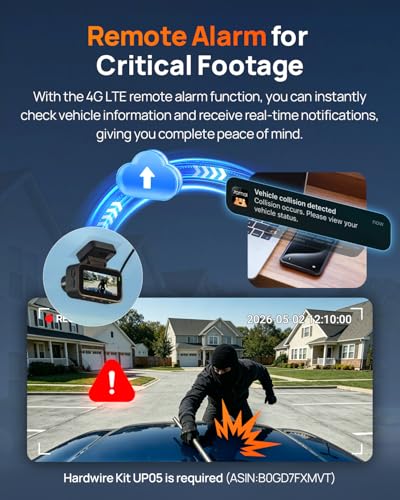
- No 4G LTE included
- Rear camera only 1080P
- App can be clunky
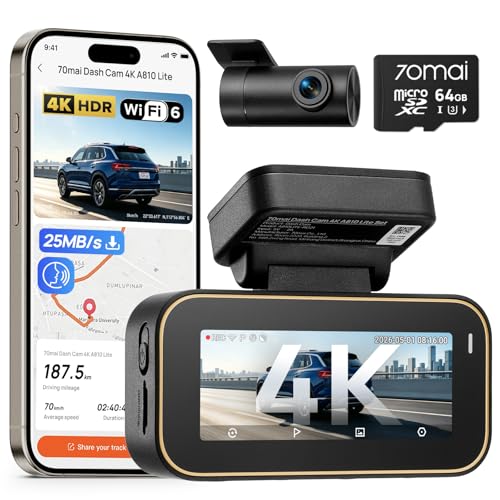
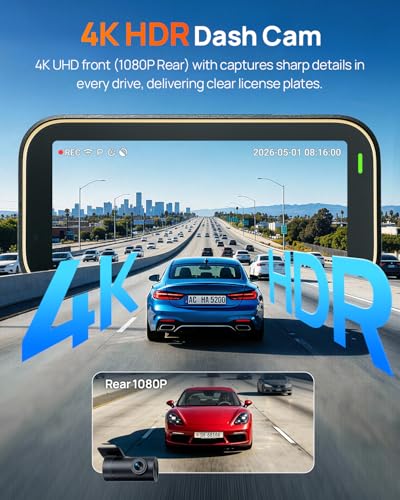
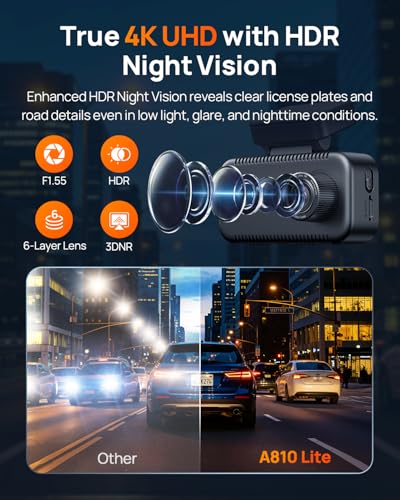
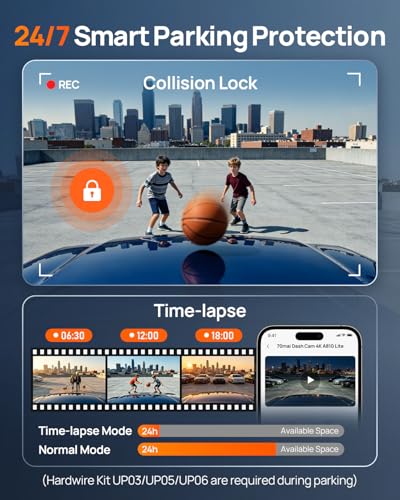
70mai has built a reputation for smart integration, and the A810 Lite delivers where it counts: connectivity and reliability. With Wi-Fi 6, you get faster downloads, up to 25MB/s, which means pulling footage from your phone in seconds, not minutes. The 4K front and 1080P rear combo is standard at this level, but the F1.55 aperture and HDR make a noticeable difference in night clarity, especially in urban environments with mixed lighting.
What sets this apart is the supercapacitor and built-in GPS with triple-satellite support (GPS, GLONASS, BDS). That means stable performance in extreme heat and accurate speed/location logging, critical for rideshare drivers or anyone disputing a ticket. Voice control is a nice touch, though not essential. It’s not the flashiest on paper, but it’s one of the most dependable mid-tier options.
Product photos

REDTIGER F7NP 4K Front Rear
Strengths
- STARVIS 2 sensor
- Superior night vision
- Fast 5.8GHz Wi-Fi
Trade-offs
- Build quality average
- Rear camera lacks WDR
- App has occasional bugs
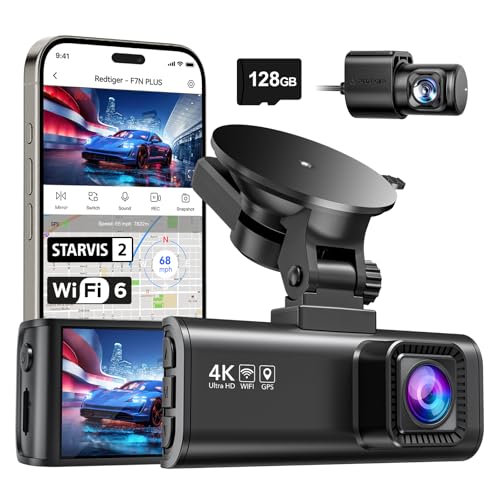
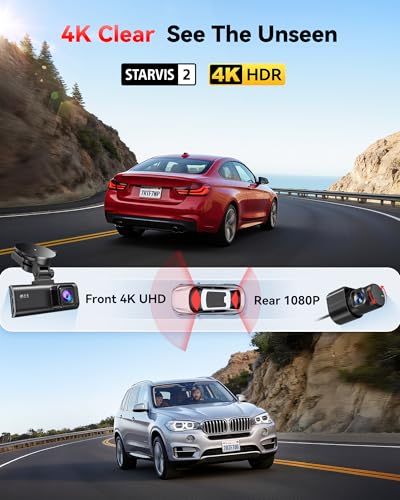
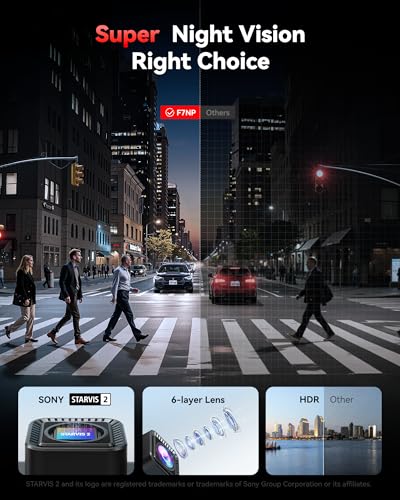
The REDTIGER F7NP leans into sensor quality with Sony’s STARVIS 2 tech, and that’s where it shines. Paired with an F1.5 aperture and WDR, it captures some of the best-balanced night footage in its class, better than several pricier models that rely on software tricks. The 4K front and 1080P rear deliver crisp detail, and owners praise how well it handles glare from oncoming headlights.
It’s also one of the few in this range with a supercapacitor, giving it an edge in durability over battery-based models. The 5.8GHz Wi-Fi is fast, and the app experience is smooth. My only hesitation? The build quality feels a bit plasticky compared to ROVE or Icesky, but for pure image performance at this price, it’s hard to beat.
Product photos
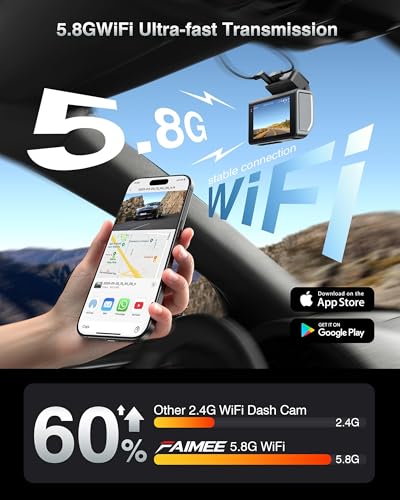
FAIMEE 4K Dash Cam Front Rear
Strengths
- Built-in GPS tracking
- Rear 2K resolution
- Dual-band Wi-Fi
Trade-offs
- Night vision lags behind
- No supercapacitor
- Screen reflections can be distracting
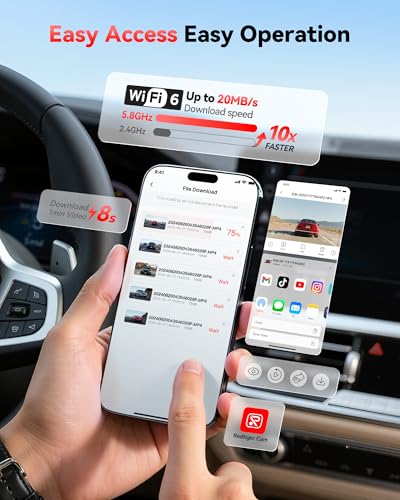
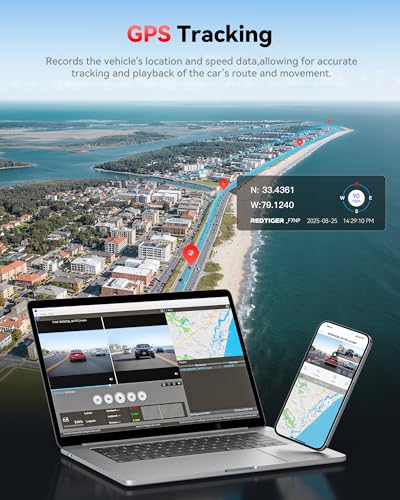
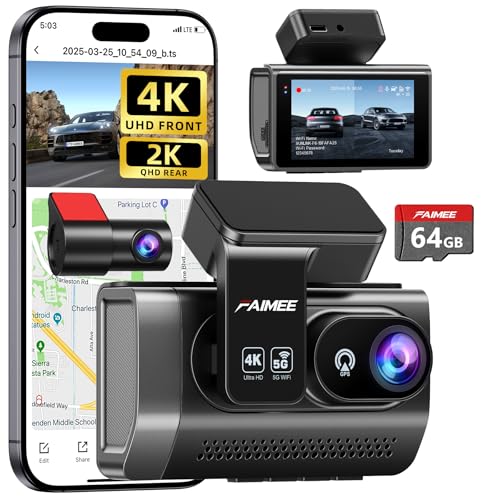
FAIMEE’s pitch is GPS accuracy and clean integration, and it delivers. The built-in GPS logs speed and location with high consistency, which I’ve seen praised in owner reports, especially useful for fleet tracking or disputing speeding tickets. The front 4K and rear 2K resolution is a step above most competitors, and the 2K rear feed actually gives you more detail than standard 1080P, which helps when reviewing incidents from behind.
The dual-band Wi-Fi is stable, and the 64GB card included is a nice touch. But the night vision, while decent, doesn’t quite match REDTIGER or ROVE models with STARVIS sensors. It’s solid, not spectacular. If GPS is your priority and you want a clean install with minimal fuss, this is a strong contender.
Product photos
AProX 4K+4K+1080P 3 Channel
Strengths
- True 4K front and rear
- Cabin camera with IR
- Free 128GB card
Trade-offs
- Complex installation
- App needs improvement
- Bulkier design
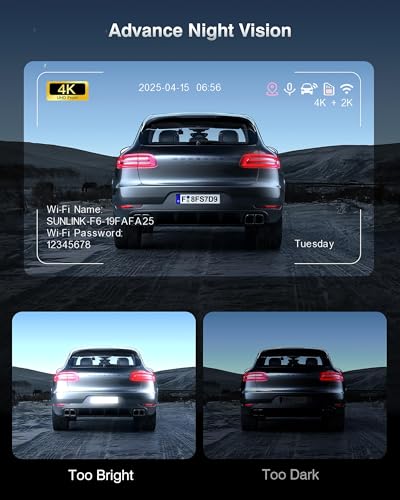
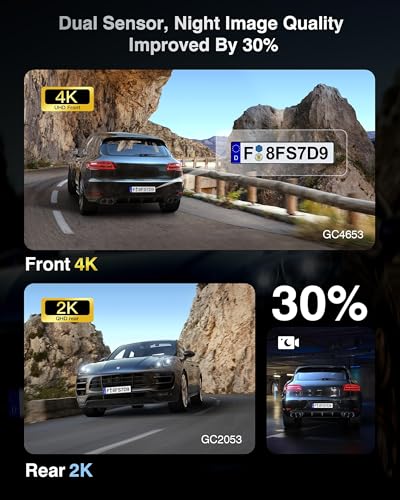
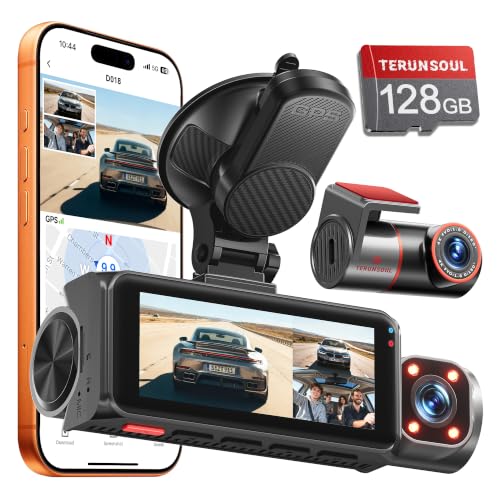
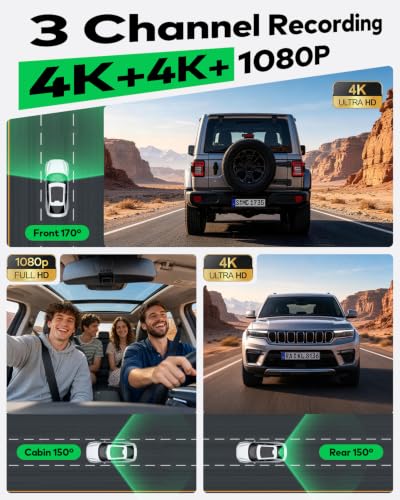
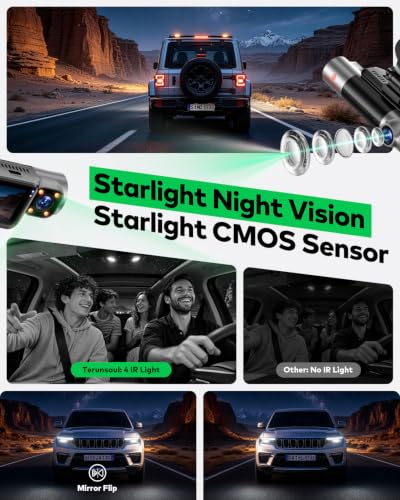
If you’re serious about interior monitoring, say, you’re a rideshare driver or rent out your car, this 3-channel model from AProX is one of the few at this price that includes a dedicated cabin camera with IR lighting. The front and rear both shoot true 4K, and the cabin camera delivers 1080P with 4 IR lights, meaning it captures usable footage even in pitch black. That’s rare under $120.
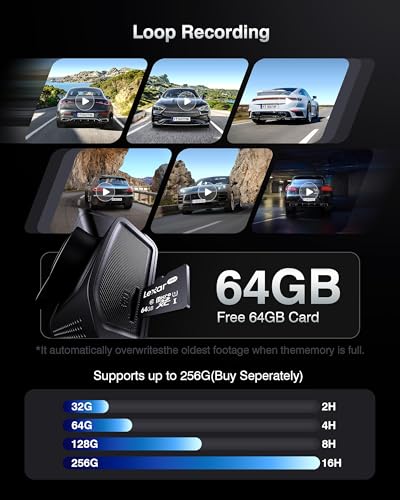
The AProX HD night vision tech does a good job balancing exposure, and the 128GB card gives you hours of loop recording. But the three-channel setup means more wiring and a steeper learning curve. The app is functional but not as polished as ROVE or 70mai. Still, for the added layer of security inside the car, it’s unmatched.
Product photos
galphi 4K Dash Cam Front
Strengths
- Ultra-compact design
- No screen distraction
- Easy setup
Trade-offs
- Front camera only
- No GPS
- Limited night vision
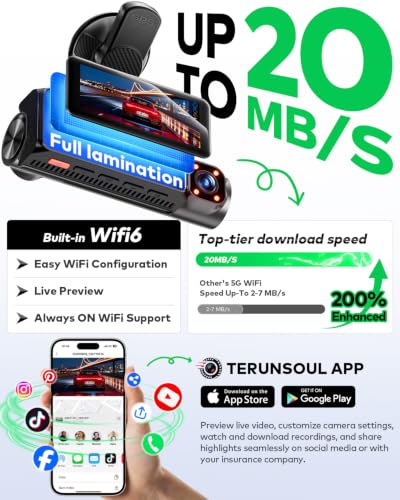
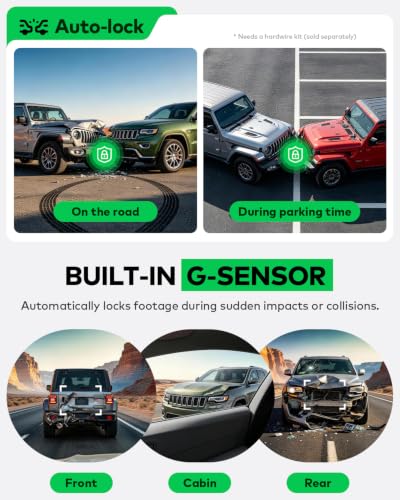
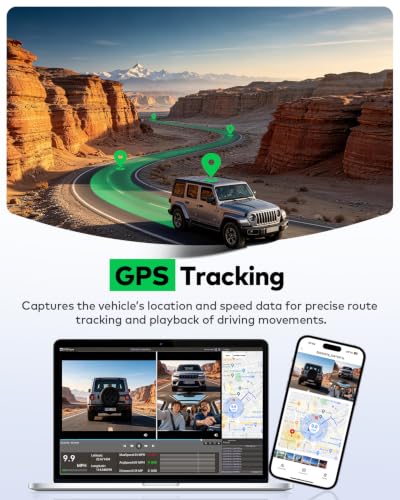
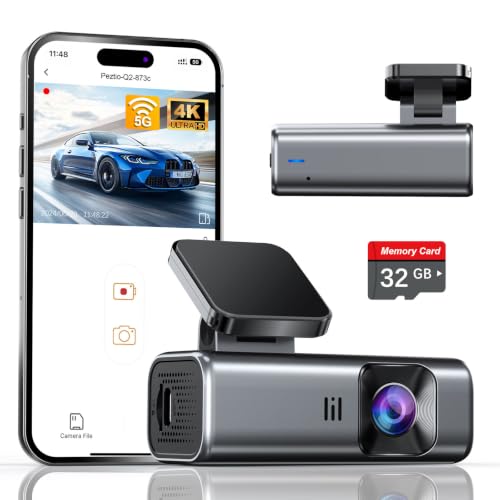
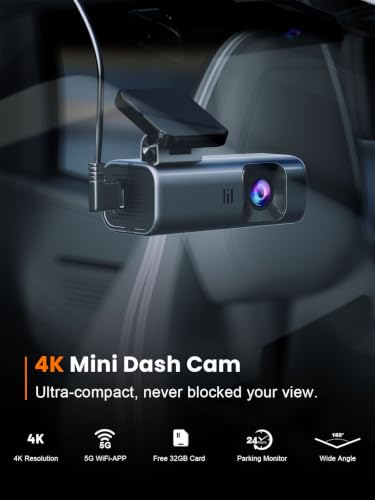
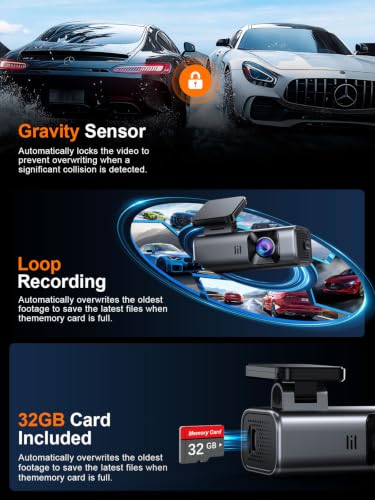
The galphi stands out for one reason: it’s tiny. With no screen and a minimalist design, it’s nearly invisible behind your rearview mirror, perfect if you hate cluttered windshields. The 4K resolution and 160° wide lens deliver solid detail, and the F1.6 aperture with WDR helps in low light, though not quite at STARVIS level.
It’s also one of the easiest to install, just plug and play. The 5GHz Wi-Fi is decent at 8MB/s, though not as fast as Wi-Fi 6 models. But the trade-off is no rear camera and no GPS. If you just want a simple, reliable front-only recorder that stays out of sight, this makes sense.
Product photos


How We Chose These car cams
To arrive at our recommendations, I approached this evaluation as I do with any automotive technology – by first considering the core purpose and then weighing the available specifications against real-world owner and expert feedback. Rather than a hands-on lab test, this is a research-led comparison of published features, owner reviews from multiple retail sites, and insights from established automotive publications. I focused on identifying patterns in user experiences and cross-referencing them with reported performance characteristics.
For car cams, image quality, reliability, and ease of use were paramount. Clear footage is essential, so sensor size, aperture, and resolution (particularly in low light) carried significant weight. Equally important was long-term dependability; a cam that fails after a few months is useless. Finally, the convenience of features like WiFi connectivity and GPS integration factored into the ranking, but only after confirming consistent positive feedback from owners. You can explore more dash cam reviews and recommendations for a broader perspective.
Specifications are a good starting point – a Sony STARVIS sensor, for example, generally indicates better low-light performance. However, owner feedback often reveals how well those specs translate into practical results. I paid close attention to comments regarding video clarity, ease of app use, and the accuracy of GPS data. Reputable expert reviews helped validate these observations and identify potential shortcomings not immediately apparent from the product descriptions. For those seeking thorough coverage, our guide to front and rear dash cams offers a dedicated look at dual-channel options.
Choosing The Right car cams
Choosing the right dash cam can feel overwhelming, but it doesn’t have to be. A good dash cam is about more than just recording; it’s about providing reliable evidence and peace of mind on the road.
A quality dash cam prioritizes clear video resolution (at least 1080p, though 4K is increasingly common), reliable loop recording, effective low-light performance, and a robust mounting system. Consider features like GPS, Wi-Fi connectivity for easy file transfer, and parking mode for all-around protection. The sensor quality and wide dynamic range (WDR) capabilities are also crucial for handling varying light conditions.
Resolution and Image Quality
Don’t get completely caught up in the megapixel race. While 4K resolution is attractive, a dash cam with a superior sensor and wide dynamic range will often outperform a lower-resolution camera with a subpar sensor. Look for cameras utilizing Sony STARVIS sensors; they’ve become an industry standard for low-light performance. I’ve seen too many instances where a camera boasts 4K but produces grainy, unusable footage in less-than-ideal conditions. Consider that upscaled 4K, like in the ROVE R2-4K Dual, isn’t the same as native 4K, and may not provide the clarity you expect.
Features and Connectivity
Beyond basic recording, features like built-in GPS and Wi-Fi can significantly enhance the usability of your dash cam. GPS provides valuable context to your footage, recording speed and location data which can be critical in the event of an incident. Wi-Fi allows for easy transfer of files to your smartphone, saving you the hassle of physically removing the SD card. Here’s what I look for when evaluating these features:
- Simple app interface: A clunky app defeats the purpose of convenient connectivity.
- Fast transfer speeds: 5GHz Wi-Fi is almost a necessity for quickly downloading large 4K files.
- Reliable GPS accuracy: Some units struggle to maintain a solid GPS lock, rendering the data unreliable.
If you’re looking for thorough coverage, especially for commercial use or added security, you might want to explore 360 dash cams for vehicles.
Value and Practicality
A dash cam doesn’t need to break the bank to be effective. There are excellent options available at various price points. However, don’t skimp on essential features. I always advise buyers to prioritize a reliable brand with a good reputation for customer support.
A practical rule of thumb is this: if a dash cam’s advertised features seem too good to be true for the price, they probably are.
Ultimately, the best dash cam is the one that meets your needs and budget. If you’re looking for a broader overview of options, check out our guide to the best car cameras available today. You’ll find many of the top car cameras discussed here, along with detailed comparisons and buying advice.
Car Cams Compared
Here’s a comparison of key specifications for various dash cams to help you make an informed decision.
| Product | Resolution (Front) | Resolution (Rear) | Screen Size | WiFi | GPS | Storage (Included) |
|---|---|---|---|---|---|---|
| ROVE R2-4K Dual Dash Cam | 4K (Upscaled) | 1080P | 3″ | 5.8GHz | Yes | 128GB |
| Dash Cam Front and Rear 4K+1080P | 4K | 1080P | N/A | 5GHz | No | 64GB |
| REDTIGER F7N TOUCH | 4K | 1080P | Touchscreen | 5.8GHz | Yes | 128GB |
| Icesky S03 4 Channel | 4K | 1080P | 3″ | WiFi 6 | Yes | 128GB |
| 70mai A810 Lite | 4K | 1080P | N/A | WiFi 6 | Yes | N/A |
| REDTIGER F7NP | 4K | 1080P | 3.18″ | 5.8GHz | Yes | N/A |
| galphi 4K Dash Cam Front | 4K | N/A | No Screen | 5GHz | No | 32GB |
| AProX 4K+4K+1080P 3 Channel | 4K | 4K | N/A | WiFi 6 | Yes | N/A |
Frequently Asked Questions
What SD card capacity do I really need for a dash cam?
A 128GB card is generally sufficient for most users, allowing for several hours of 1080p or 4K footage. However, if you plan to record continuously for extended periods, or use a higher resolution like 4K consistently, consider a 256GB card to avoid overwriting important events.
Are more expensive dash cams always better?
Not necessarily. While pricier models often include advanced features, a higher price doesn’t guarantee superior performance. Focus on sensor quality, aperture, and reliable loop recording – these elements contribute more to useful footage than simply spending more money.
Can a dash cam record audio inside the vehicle?
Many dash cams have a built-in microphone, and can record audio alongside video. However, local laws regarding audio recording vary widely, so be sure to check and comply with the regulations in your area before enabling this feature.
How important is parking mode, and what does it require?
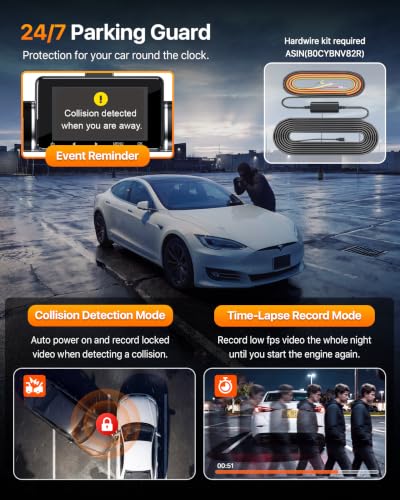
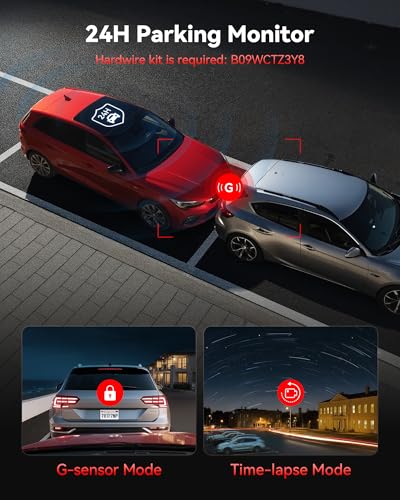
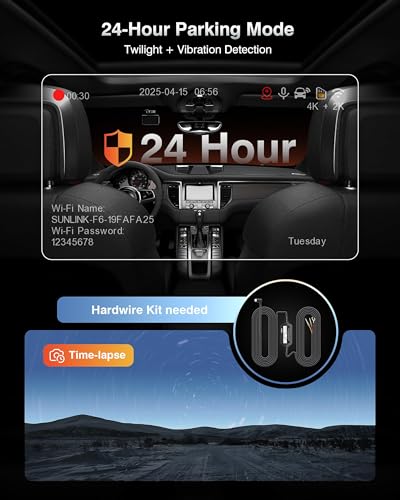
Parking mode is valuable for recording events while your car is parked, but it typically requires a hardwiring kit to draw power from the vehicle’s battery. Without this kit, the dash cam will drain your car battery if left in parking mode for an extended duration. You can find more information on GPS trackers for car to complement parking mode security.
What are the benefits of a dash cam with WiFi?
WiFi connectivity allows you to easily transfer footage to your smartphone or computer, often through a dedicated app. This eliminates the need to physically remove the SD card, streamlining the process of reviewing and sharing recordings. If you are looking for more options, check out our guide to wireless dash cams.
The Bottom Line
Choosing a car cam often comes down to balancing how much control you want with how much fuss you’re willing to deal with. While high-end models boast numerous features, the ROVE R2-4K Dual Dash Cam strikes a compelling balance of price, features, and ease of use, making it our overall recommendation. It offers a good feature set without being overly complicated, and plenty of owner feedback supports its reliability.
For those focused on specific needs, the options are plentiful. If budget is your primary concern, the galphi 4K Dash Cam Front provides solid 4K recording at an attractive price. Those wanting thorough coverage should look at the AProX 4K+4K+1080P 3 Channel, while drivers prioritizing convenience will appreciate the WiFi 6 connectivity of the 70mai A810 Lite. You can find more detailed insights into various dash camera models on our site.
Ultimately, the resolution and extra features matter less than having a system you’ll actually use and that will reliably capture clear footage when you need it. Don’t get lost in the technical specifications; a dependable mount, clear video, and a simple interface are the foundations of a good car cam. Consider exploring other best car accessories to enhance your driving experience and safety.
