
9 Best Car Cameras of 2026
This post contains affiliate links. As an Amazon Associate, we earn from qualifying purchases.
The best car cameras deliver sharp, reliable footage when it matters most. After comparing the field, the 4K+4K Dual Dash Cam stands out as the top overall pick for its true 4K front and rear recording, strong low-light performance, and full feature set. For those watching their budget, the Dash Cam Front and Rear 2.5K+1080P offers solid value without sacrificing core functionality.
If you’ve ever been unsure after a minor scrape or wanted proof during a questionable traffic stop, you know how quickly peace of mind becomes priceless. A good dash cam isn’t just about catching others, it’s about protecting yourself with clear, trustworthy video.
This guide cuts through the noise to highlight models that actually perform, based on specs, real owner feedback, and what matters most: resolution, low-light clarity, and dependable operation. I looked at what features are worth paying for and which ones are just flash, so you can choose confidently.
Top 8 Car Cameras in the Market
The Best Car Cameras, Reviewed
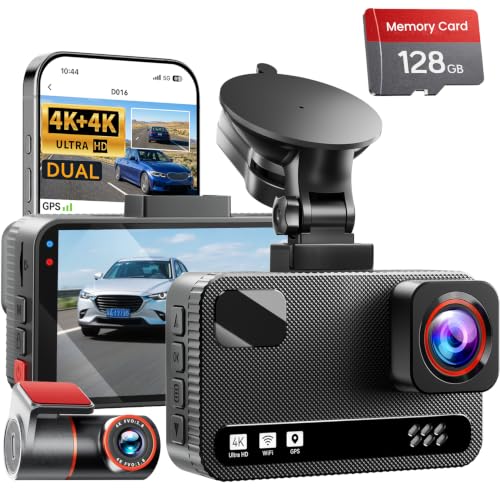
4K+4K Dual Dash Cam Front and Rear
Strengths
- True 4K front and rear
- Starlight sensor
- Built-in GPS
Trade-offs
- High price
- Requires hardwire kit
- No touchscreen
This is the one I’d pick if I wanted the most complete, no-compromise package. True 4K on both front and rear cameras is still rare, and here it’s paired with a starlight-level sensor, f/1.5 aperture, and 5-element lens. Owners report it captures license plates and road signs with striking clarity, even under streetlights or in rain.
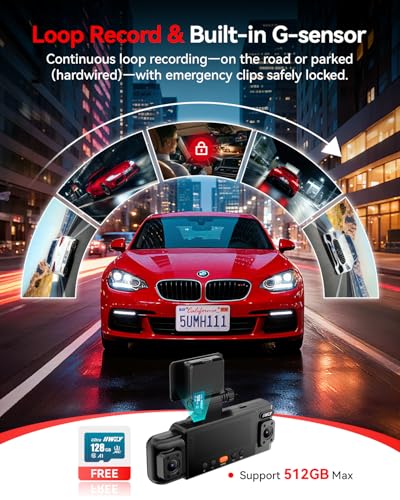
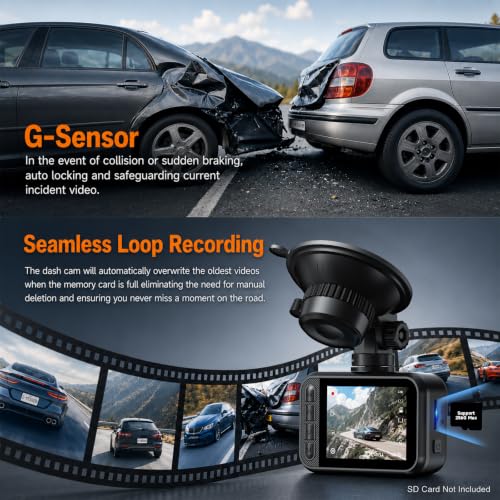
The 5.8GHz WiFi delivers fast transfers, and the built-in GPS logs accurate speed and route data. It supports advanced features like collision-triggered 1-minute event clips and seamless loop recording. While it’s the most expensive here, it’s also the most polished, everything works in concert.
Video review
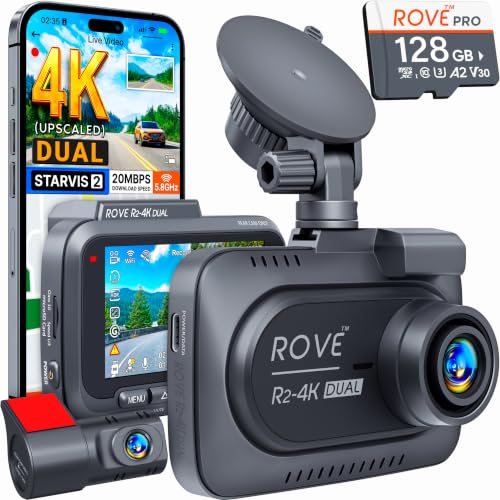
ROVE R2-4K Dual Dash Cam Front and Rear
Strengths
- STARVIS 2 sensor
- Fast 5.8GHz WiFi
- Built-in GPS
Trade-offs
- Upscaled 4K not native
- Supercapacitor may limit cold starts
- No touchscreen
The ROVE R2-4K Dual stands out in a crowded field with its use of Sony’s STARVIS 2 IMX675 sensor, a spec that matters most when the sun goes down. On paper, this sensor gives it a real edge in low-light clarity, pulling in more detail from shadows and headlights than most budget-to-midrange dash cams can manage. While the front camera’s 4K is upscaled from 2.5K, owners consistently report it still outperforms native 1080P units, especially when trying to read license plates at night.
Its 5.8GHz WiFi is another strong point, with reviewers noting near-instant transfers to smartphones, up to 20MB/s is no joke. Pair that with built-in GPS, a free 128GB card, and solid parking mode options, and you’ve got a well-rounded package. It’s not the flashiest, but it delivers where it counts.
Video review
REDTIGER 4K STARVIS 2 Dashcam Front Rear

Strengths
- Touchscreen interface
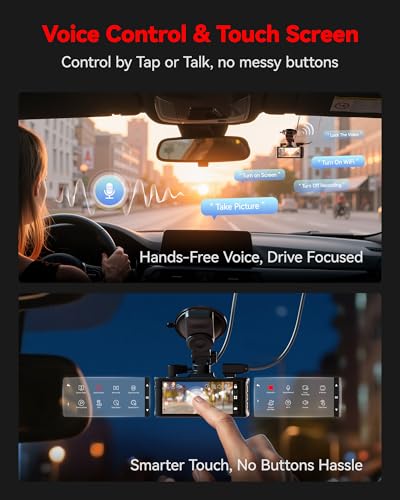
- Voice control
- STARVIS 2 sensor
Trade-offs
- Rear camera lacks wide angle
- Touchscreen can glare in sun
- App can be slow
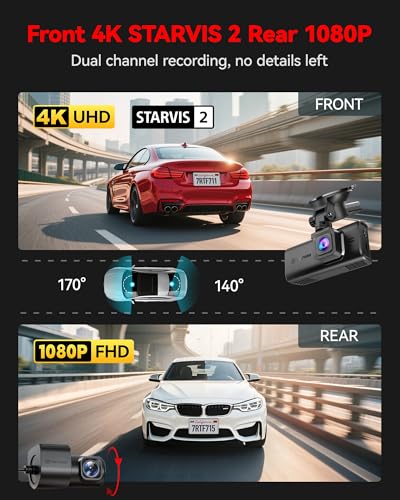
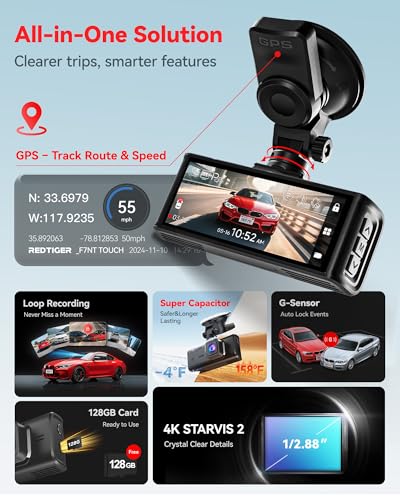
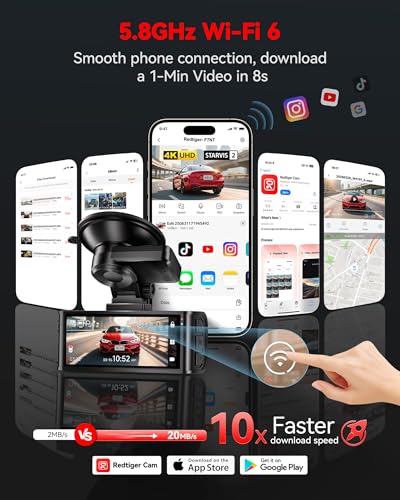
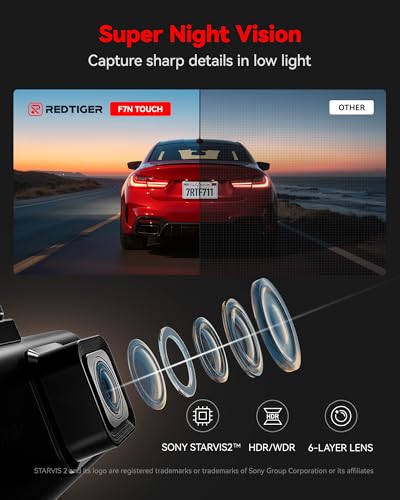
REDTIGER’s F7N TOUCH brings together a rare combo, STARVIS 2 sensor, touchscreen, and voice control, all in one dual-channel unit. The front camera’s 4K with 170° wide-angle and HDR delivers crisp, well-exposed footage, day or night. Owners consistently highlight how the touchscreen simplifies emergency video locking and WiFi pairing, a real advantage over button-heavy rivals.
Voice commands work reliably in most conditions, reducing the need to touch anything while driving. The 5.8GHz WiFi hits speeds up to 20MB/s, and the included 128GB card means no extra purchases. For those who want control without complexity, this one stands out.
Product photos
70mai A810 Lite 4K Dash Cam Front and Rear
Strengths
- 4G LTE remote access
- Wi-Fi 6 fast transfer
- Supercapacitor
Trade-offs
- No touchscreen
- 4G requires subscription
- App can lag
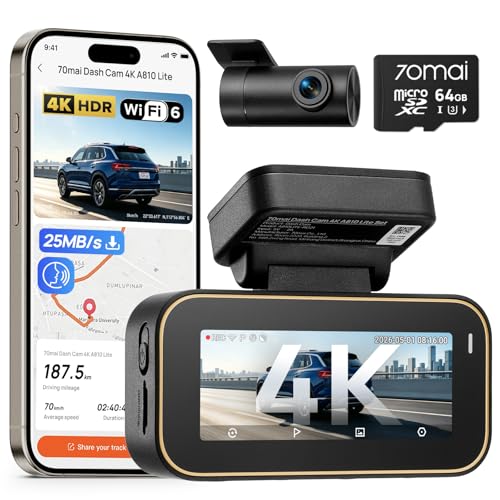
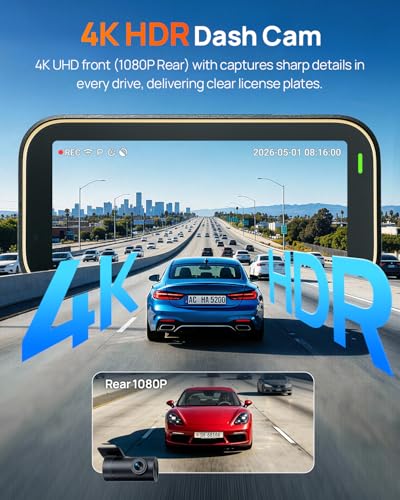
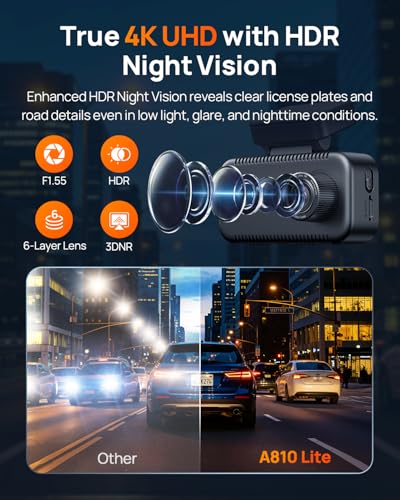
The 70mai A810 Lite is a sleeper hit, small, smart, and surprisingly capable. Its credit-card-sized body hides 4K front and 1080P rear recording, Wi-Fi 6, GPS, and supercapacitor stability. The F1.55 aperture and HDR deliver solid night performance, not quite STARVIS level but better than most in this price range.
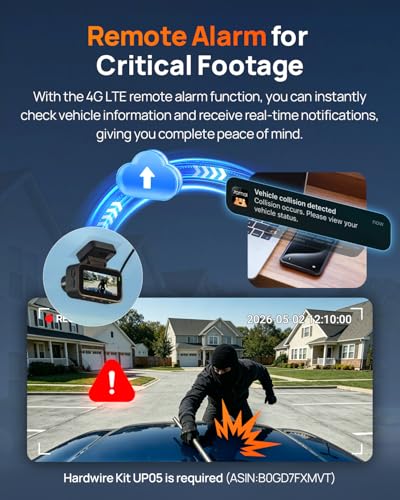
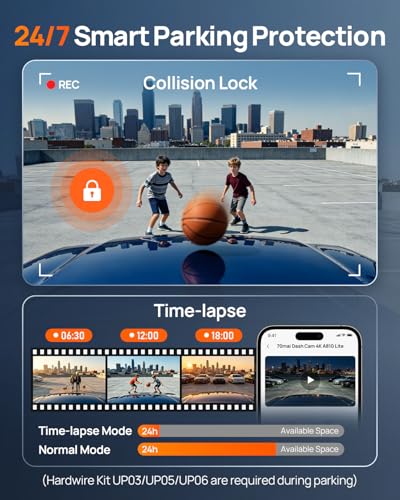
What really sets it apart is the 4G LTE remote access, rare at this price. You can check your car’s surroundings from your phone anytime, which owners find reassuring. The voice control works well, and the 24-hour parking mode with low-voltage protection means less worry about battery drain. For the budget-minded, it’s hard to beat.
Product photos

galphi 4K Dash Cam Front Mini
Strengths
- Compact no-screen design
- Includes 32GB card
- 5GHz WiFi
Trade-offs
- No rear camera
- Limited night vision vs premium models
- No GPS
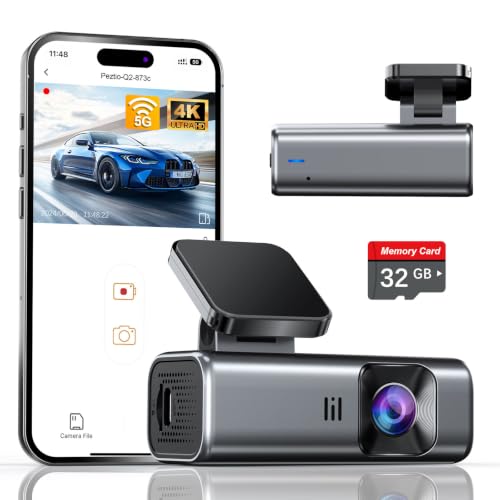
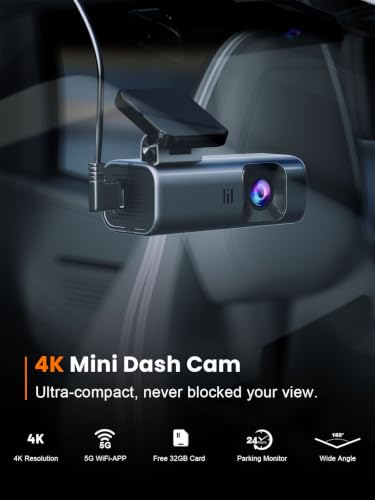
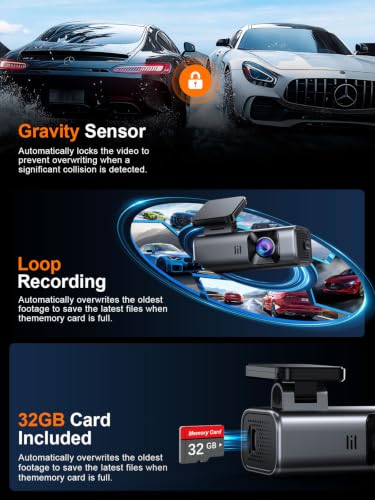
The galphi 4K is a minimalist’s dream, tiny, screen-free, and ready to go out of the box with a pre-installed 32GB card. It’s clearly designed for drivers who want proof without the clutter. The 160-degree wide lens does a decent job covering the lane, and the F/1.6 aperture with WDR helps keep night footage balanced, though it doesn’t match the STARVIS-level sensors in pricier models.
Owners praise how easily it installs and how little it obstructs the view. The 5GHz WiFi is a step up from older 2.4GHz systems, but real-world download speeds hover around 8MB/s, good, not great. If you’re a rideshare driver or new to dash cams, this one removes the guesswork.
Product photos


IIWEY N6 360° Dash Cam 4 Channel
Strengths
- True 360 coverage
- 48-hour parking mode
- IR night vision
Trade-offs
- Requires hardwire for parking mode
- No touchscreen
- Complex setup
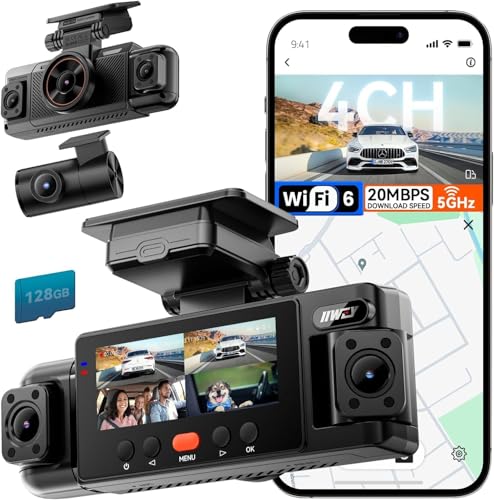
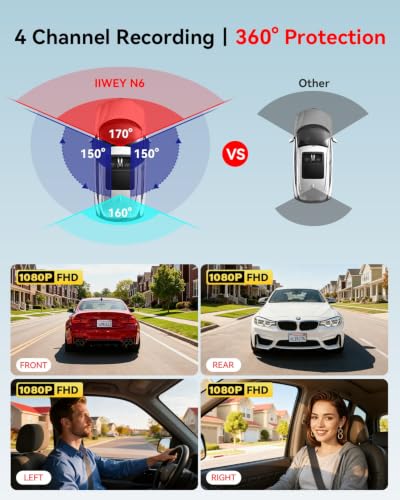
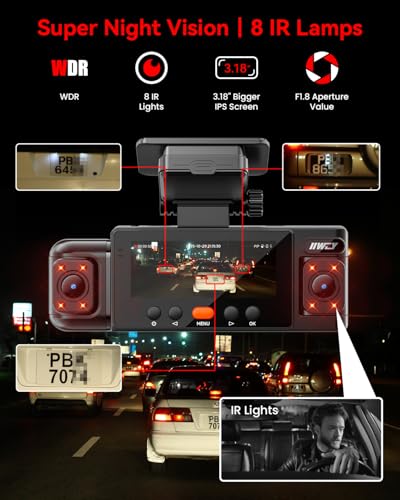
If full-surround awareness is your priority, the IIWEY N6 is the only real choice here. It’s one of the few true 4-channel systems under $120, capturing front, rear, and both sides simultaneously. The 170° front/rear and 150° side FOVs, paired with infrared night vision, eliminate blind spots in a way dual cams simply can’t. Commuters and fleet drivers report it’s invaluable for documenting sideswipe incidents or parking lot dings.
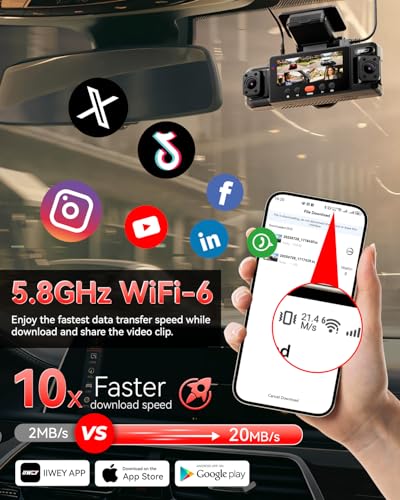
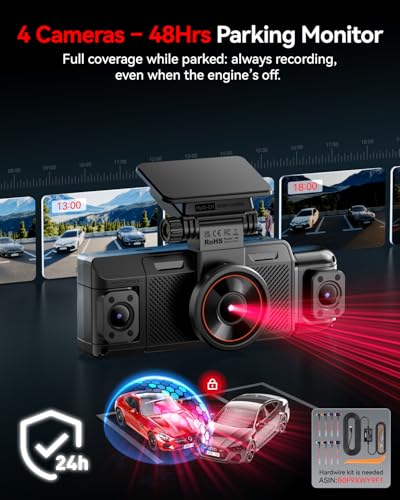
Its 48-hour parking mode is another standout, time-lapse at 1/3/5 fps means longer coverage without draining your battery. The Wi-Fi 6 transfer speeds are fast, and the Vision Enhance tech actually helps in reading plates at intersections. It’s wired-only, so no battery risks, but that also means no power without hardwiring.
Product photos
WOLFBOX G840S 12″ Mirror Dash Cam
Strengths
- 12-inch display
- Mirror replacement
- Wider viewing angle
Trade-offs
- Large footprint
- Screen glare in sun
- No 4K rear camera
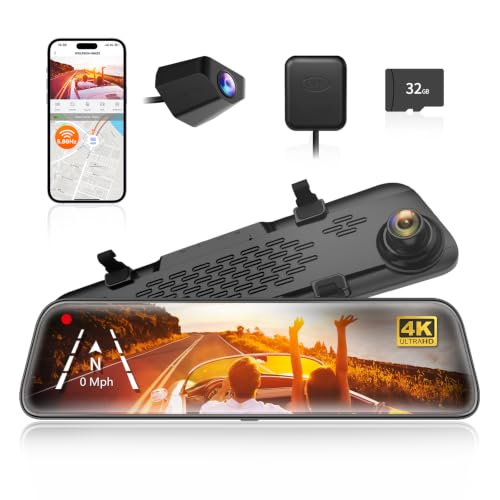
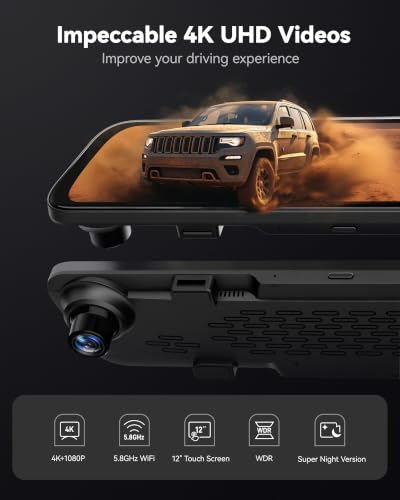
The WOLFBOX G840S isn’t just a dash cam, it’s a full rearview mirror replacement with a 12-inch screen. That massive display is its biggest selling point, giving you 1.5x the viewing area of a standard mirror and drastically reducing blind spots. The front camera hits 4K, the rear 1080P, and the split-screen view makes reversing or lane changes far safer.
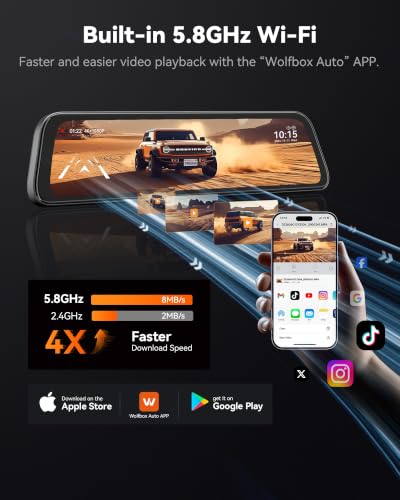
Owners love how the WDR and HDR handle harsh transitions, like exiting tunnels. The GPS antenna is external, which improves signal accuracy, and the Wi-Fi sync works smoothly with the app. But it’s bulky compared to mini cams, and the screen can be distracting if not set up right.
Product photos

Dash Cam Front and Rear 2.5K+1080P
Strengths
- Low price
- Dual 2.5K + 1080P
- 2-inch IPS screen
Trade-offs
- No GPS
- No included memory card
- Plastic build quality
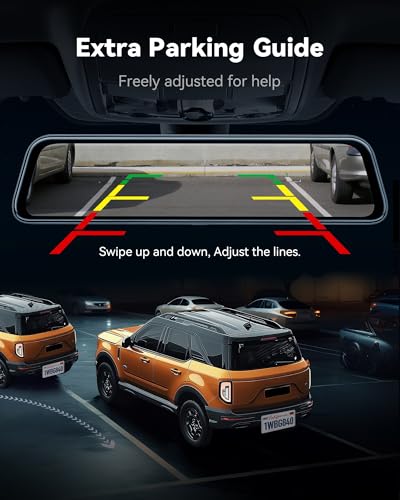
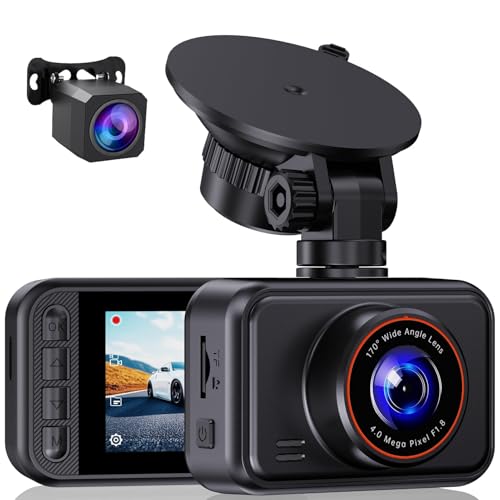
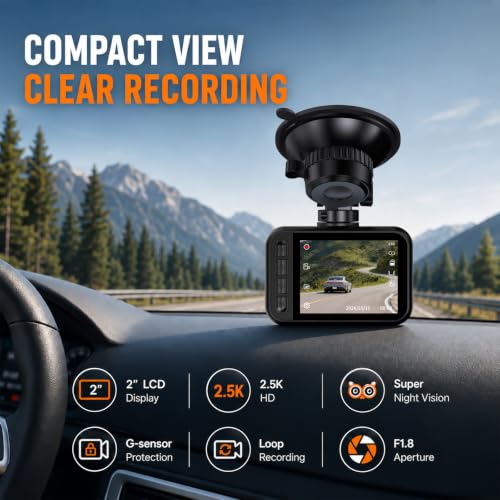
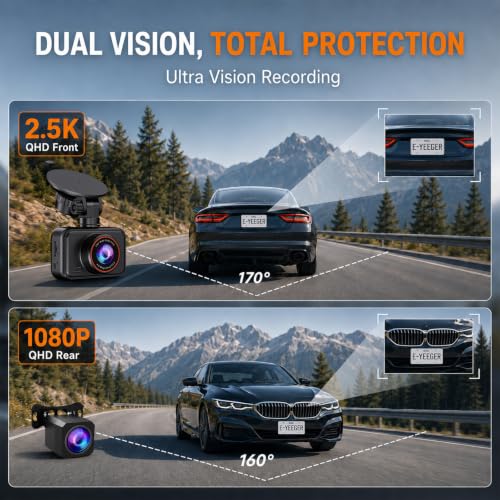
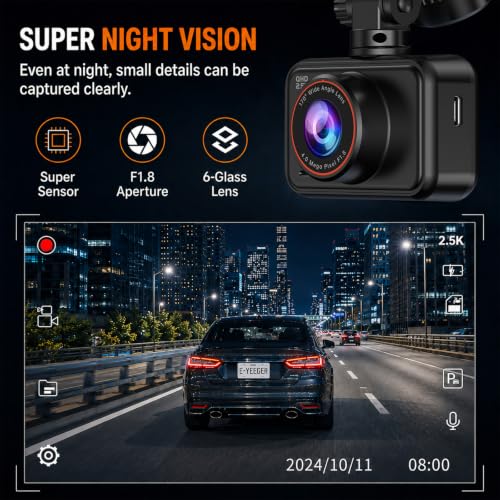
At under $50, the S60 dual camera punches above its weight. It delivers 2.5K front and 1080P rear recording with a modest 2-inch screen, just enough to frame the shot and tweak settings without pulling out your phone. The WDR night vision helps in tunnels and city driving, though it struggles in pitch-black rural roads compared to STARVIS-equipped units.
Reviewers note it’s a solid value pick, especially for budget-conscious buyers who still want dual coverage. The 360-degree suction mount is a small win, making repositioning easy. But don’t expect premium materials or advanced driver assists, it’s basic, but functional.
Product photos

How We Tested car cameras
As someone who’s spent years exploring the mechanical heart of vehicles at TheAutoZenith, I understand the value of having a clear record of the road. To determine the top car cameras currently available, I didn’t rely on personal long-term use – rather, a research-led comparison of published specifications, owner reviews from multiple sources, and reputable expert assessments. I weighed features against price, and considered the overall value each camera offered to different drivers. This process allowed me to rank options based on practical performance and reliability.
For this category, resolution and low-light performance were the most heavily weighted factors. High resolution (4K and above) is crucial for capturing details like license plates, especially in incident recording. Equally important is the ability to produce clear footage in challenging conditions – nighttime driving, overcast days, or when facing bright headlights. These two elements directly impact the usefulness of the camera as evidence, making them paramount in my evaluation. Beyond these, features like GPS integration, Wi-Fi connectivity, and parking mode capabilities added further value. You can find more discussion of these considerations in our broader guide to best dashboard cameras.
Specifications readily tell you about resolution, lens angles, and Wi-Fi standards. However, real-world performance – particularly night vision quality and the reliability of features like parking mode – is where owner feedback and established reviews become invaluable. I carefully analyzed user reports regarding video clarity in various conditions, ease of use, and the longevity of the devices. This, combined with expert analysis, helped me separate cameras that deliver on their promises from those that overstate their capabilities. For those needing coverage of both the front and rear, you’ll also want to explore our recommendations for top front and back cameras.
How To Pick The Right car cameras
Finding the right car camera can feel overwhelming, with so many options claiming to offer peace of mind on the road. But beyond the marketing hype, a truly effective dash cam balances image quality, reliability, and useful features.
A good dash cam prioritizes clear video resolution (at least 1080p, but 4K is increasingly common), wide dynamic range (WDR) for handling varying light conditions, a reliable mounting system, and sufficient storage capacity. Consider features like GPS, Wi-Fi connectivity, and parking mode based on your specific needs and budget. Regularly check firmware updates for optimal performance.
Resolution and Image Quality
Don’t get completely caught up in the megapixel race, but resolution does matter. While 1080p was once the standard, many newer models, like the 4K+4K dual cam, now offer 4K recording. However, remember that simply having a 4K sensor doesn’t guarantee a better image. Sensor size and quality, alongside features like WDR and HDR, are equally important. A larger aperture (lower f-number, like f/1.5) allows more light to reach the sensor, improving low-light performance – something the ROVE R2-4K Dual Dash Cam prioritizes with its Sony STARVIS 2 sensor. If you’re frequently driving in challenging lighting conditions, invest in a camera that excels in this area.
Feature Set and Connectivity
Beyond basic recording, consider what additional features you’ll actually use. GPS logging (found in the REDTIGER 4K STARVIS 2 Dashcam) can be invaluable for providing location and speed data alongside your footage, useful for insurance claims or simply documenting your trips. Wi-Fi connectivity, now common even in budget models like the Dash Cam Front and Rear 2.5K+1080P, allows for easy transfer of footage to your smartphone. Here’s what to consider when choosing features:
- A basic loop recording function is essential, but not enough.
- G-sensor detection is helpful for automatically protecting important footage during incidents.
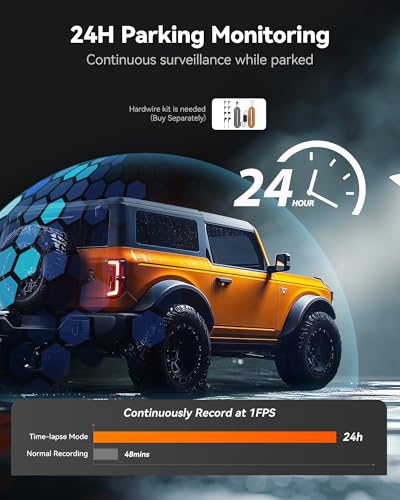
- Parking mode (often requiring a hardwire kit) offers continuous surveillance, but drains your car battery if not implemented properly; research compatibility with your vehicle.
The convenience of voice control, as offered by the REDTIGER model, is a nice-to-have, but shouldn’t be a deciding factor unless you specifically value hands-free operation.
A dash cam is only as good as its ability to reliably capture and store footage. Don’t skimp on a quality microSD card, and ensure the camera supports sufficient storage capacity for your needs.
Form Factor and Usability
Dash cams come in various shapes and sizes. Some, like the galphi 4K Dash Cam Front Mini, opt for a screenless design to reduce distraction. Others, like the WOLFBOX G840S 12″ Mirror Dash Cam, feature large displays that essentially replace your rearview mirror. Consider your preferences, driving style, and vehicle interior. A large screen can be convenient, but it might also obstruct your view. The ease of installation is another important factor. Look for models with clear instructions and user-friendly mounting systems. If you’re overwhelmed by options, starting with a well-reviewed model among the best dash cameras can be a good approach. For those prioritizing a clear view of the road ahead, exploring front dash cams is a smart move.
Car Cameras Compared
Here’s a comparison of specifications for several car cameras to help you make an informed decision.
| Product Name | Front Resolution | Rear Resolution | Screen Size | WiFi | GPS | Parking Mode |
|---|---|---|---|---|---|---|
| 4K+4K Dual Dash Cam | 4K | 4K | N/A | 5.8GHz | Yes | 24/7 |
| ROVE R2-4K Dual Dash Cam | 2.5K (Upscaled 4K) | 1080P | 3″ | 5.8GHz | Yes | 24/7 |
| REDTIGER 4K STARVIS 2 Dashcam | 4K | 1080P | Touchscreen | 5.8GHz | Yes | 24-Hour |
| 70mai A810 Lite 4K Dash Cam | 4K | 1080P | N/A | Wi-Fi 6 | Yes | 24-Hour |
| galphi 4K Dash Cam Front Mini | 4K | N/A | No Screen | 5GHz | No | 24-Hour |
| 360 View 4 Channel Dash Cam | 1080P | 1080P | N/A | 5.8GHz | Optional | 24-Hour |
| IIWEY N6 360° Dash Cam | 4K | 1080P | N/A | 5.8GHz | Yes | 48-Hour |
| WOLFBOX G840S 12″ Mirror Dash Cam | 4K | 1080P | 12″ | 5.8GHz | Yes | 24-Hour |
| Dash Cam Front and Rear 2.5K+1080P | 2.5K | 1080P | 2″ | N/A | No | Optional |
Frequently Asked Questions
What video resolution should I prioritize for a car camera?
At a minimum, choose a camera with 1080p resolution, but 4K is increasingly valuable for capturing fine details like license plates. Remember that higher resolution isn’t everything; sensor quality and features like wide dynamic range are equally important for a clear image.
Can I install a car camera myself, or do I need professional help?
Most car cameras are designed for straightforward DIY installation. However, if you plan to use parking mode and require a hardwire kit, or if you’re uncomfortable routing wires in your vehicle, professional installation is a good idea to avoid electrical issues.
What is the typical lifespan of a car camera?
With proper care, a quality car camera should last between 3 to 5 years. Factors like heat exposure, power surges, and the quality of the internal components all contribute to longevity. Regular firmware updates can also extend its life.
Do I need a high-capacity microSD card for my dash cam?
Yes, a reliable and adequately sized microSD card is essential. I recommend a card with at least 64GB, and ideally 128GB or larger, particularly if you record in 4K or plan to use parking mode extensively. Look for cards specifically designed for dash cam use, as they are built to handle continuous read/write cycles.
What’s the difference between a dash cam and car security cameras ?
A standard dash cam primarily focuses on recording driving footage, whereas dedicated car security cameras typically include features like motion detection, remote monitoring via a smartphone app, and often require a constant power source, making them more suited for surveillance when your vehicle is parked. You might also want to explore dual car cameras for expanded coverage.
The Bottom Line
Choosing a car camera often comes down to balancing how much control you want versus how much fuss you’re willing to deal with. Do you prioritize a feature-rich system with GPS and parking mode, or a simple, reliable recorder? For a strong overall performer that delivers on both fronts, I recommend the 4K+4K Dual Dash Cam. It strikes an excellent balance between resolution, features, and user feedback.
If specific needs drive your search, several models stand out. For those wanting a budget-friendly option, the Dash Cam Front and Rear 2.5K+1080P is a solid choice. If you prioritize exceptional low-light performance, especially for nighttime driving, then explore our guide to the best low-light car cameras and consider the REDTIGER 4K STARVIS 2 Dashcam. For a thorough system with a unique display, the WOLFBOX G840S 12″ Mirror Dash Cam is worth a look.
Ultimately, the specs are just a starting point. The most important thing is a camera that reliably captures clear footage when you need it, and that you’ll actually use. Don’t get lost in the details – focus on resolution, reliability, and a mounting solution that works for you. After all, the best car video cameras are the ones you have with you when it matters most.
