
8 Best Car Air Purifiers of 2026
This post contains affiliate links. As an Amazon Associate, we earn from qualifying purchases.
The IQAir Atem Car stands out as the best overall car air purifier for its exceptional HyperHEPA filtration and quiet performance, while the Arint Mini offers strong value as a compact, budget-friendly pick with solid multi-layer filtration.
Driving with stuffy air or lingering odors is more than annoying, it can make long trips exhausting. As someone who’s spent decades around vehicles, I know a clean cabin matters for comfort and health. This guide cuts through the noise to highlight purifiers that actually work, based on filtration tech, real-world feedback, and smart design. I looked at what owners say, compared specs, and focused on models that deliver clean air without gimmicks.
Top 7 Car Air Purifiers in the Market
The Best Car Air Purifiers, Reviewed
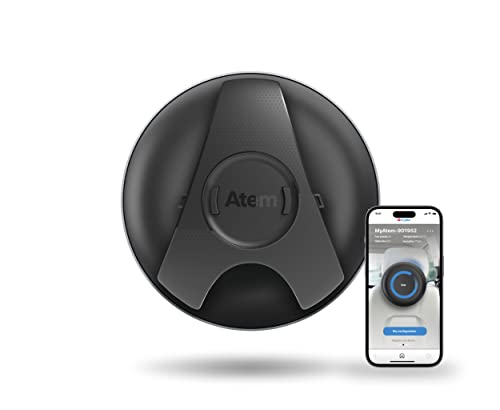
IQAir Atem Car HyperHEPA Purifier
Strengths
- HyperHEPA to 0.003 microns
- Headrest mounting
- Ozone-free operation
Trade-offs
- Very high price
- Requires setup
- Not portable between vehicles
The IQAir Atem Car is in a league of its own. With HyperHEPA filtering down to 0.003 microns, 100x finer than standard HEPA, it’s designed for people who take air quality seriously. This isn’t just about dust or dander; it’s for blocking ultrafine pollutants like diesel particulates, viruses, and industrial fumes. The headrest mount gives it strategic placement, creating a personal clean-air zone around the occupant, which is brilliant for long drives or high-pollution areas.
It’s expensive, yes, but owners consistently say it feels like breathing mountain air in city traffic. Bluetooth pairing adds smart control, and the build quality screams premium. Compared to cup-holder models, this is less about convenience and more about performance. If air purity is essential, this is the one.
Video review
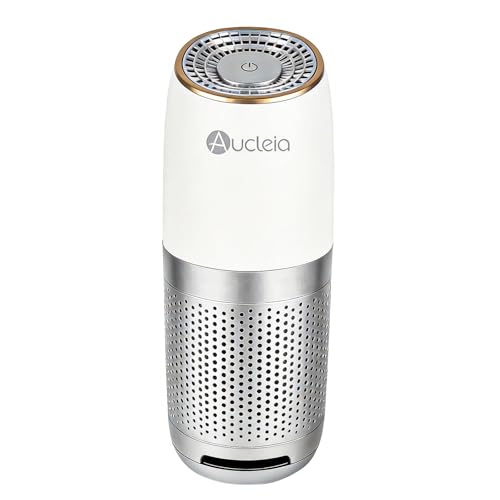
Aucleia Portable Car Air Purifier
Strengths
- Filter replacement alert
- 3 fan speeds
- Aromatherapy option
Trade-offs
- Aromatherapy effect is subtle
- Slight hum on high
- Plastic feel
If you’re looking for the sweet spot between price and features, the Aucleia model is where I’d lean. It’s priced near $40 but packs a H13 HEPA filter, 3-speed control, and a useful filter replacement indicator, something many competitors skip at this range. The 22dB noise level is library-quiet, and owners say it handles pet dander and light smoke well, especially in sedans or small SUVs.
The built-in aromatherapy pad is a nice touch for those who like a hint of scent, though it won’t mask strong odors completely. Compared to the ALIENONE, it offers more control and feedback, making it the smarter buy if you want a bit more tech without overspending.
Video review
LUFTRUM Swedish Design Car Purifier

Strengths
- Real-time PM2.5 sensor
- CARB certified
- Auto on/off with ignition
Trade-offs
- Higher price than basic models
- Filter replacements cost extra
- Sleek design attracts fingerprints
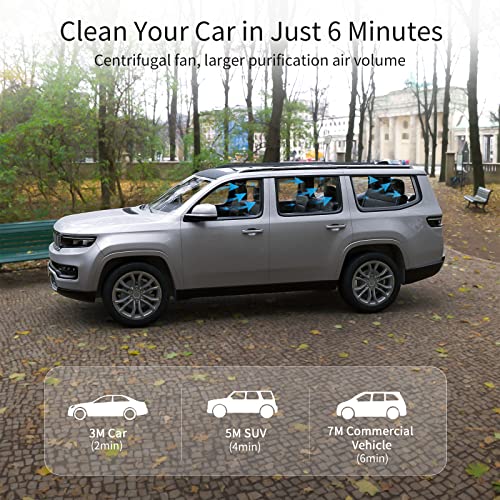
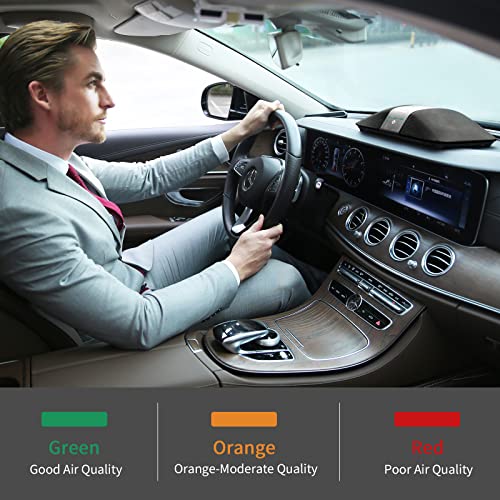
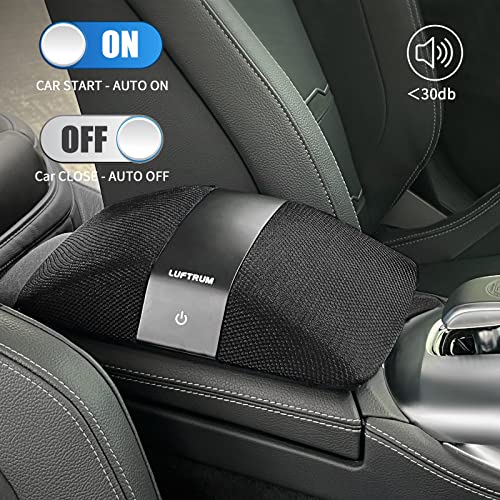
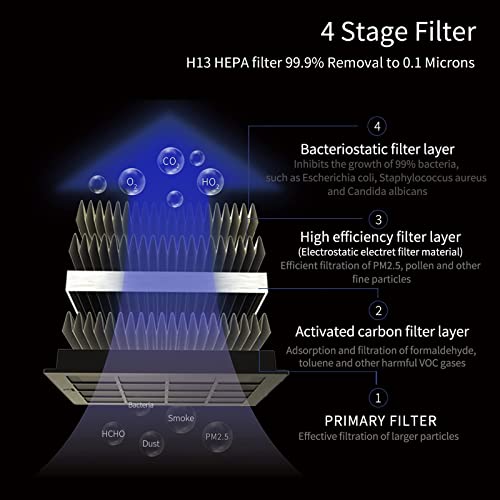
This LUFTRUM model is one of the few in the category that actually includes a PM2.5 sensor, which is a big deal if you care about real-time air quality. The Swedish design isn’t just marketing, the build feels more refined, and the 3M power cord offers flexible placement beyond the cup holder. Owners appreciate the auto-on feature with ignition and the silent 6-minute cycle that keeps air refreshed without distraction.
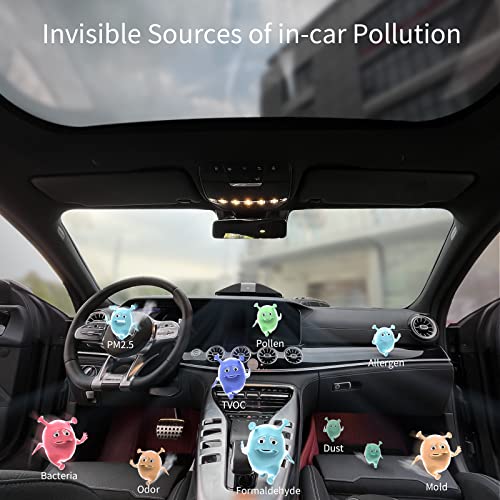
It’s also CARB and ETL certified, which tells me it’s been tested for ozone safety, important for ionizers. For city drivers stuck in traffic behind buses or trucks, the focus on VOC and exhaust filtration makes this a standout. It’s not the cheapest, but it’s one of the most complete packages under $110.
Product photos
ALIENONE Car Air Purifier AP-C1-D
Strengths
- Sleek cup holder fit
- Quiet operation
- True H13 HEPA filter
Trade-offs
- No filter replacement alert
- Basic fan control
- No air quality sensor
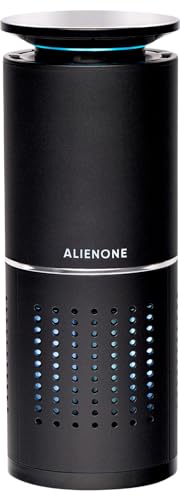
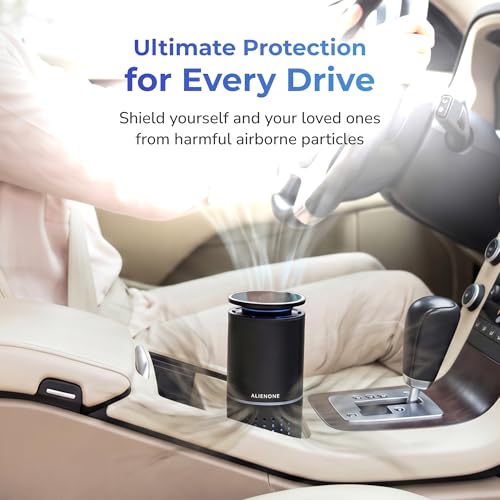
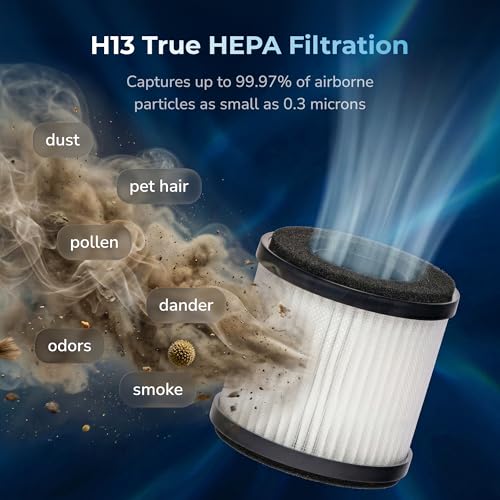
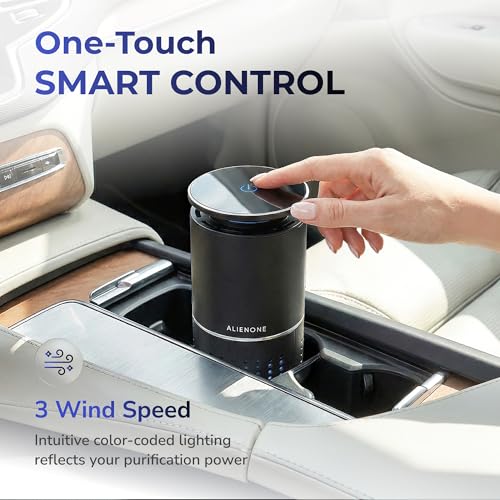
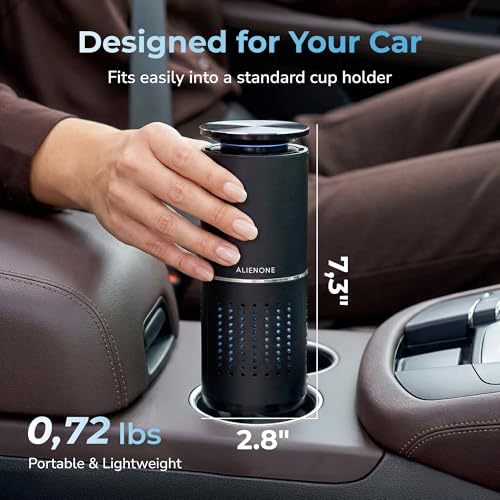
The ALIENONE AP-C1-D stands out for its clean, no-frills design that fits perfectly in most cup holders. Its 360° air intake makes sense in a car environment where airflow is constrained, and the H13 HEPA filter gives it real credibility for capturing allergens and fine particles. Reviewers note it’s especially quiet on low, which matters when you’re trying to focus on driving or let a kid nap in the back.
It lacks smart sensors or a filter indicator, which puts it behind some pricier models. But for a straightforward, reliable purifier that just works without fuss, this one’s hard to beat. I’d pick it over flashier options if you value simplicity and consistent performance.
Product photos
Arint Mini Car Air Purifier
Strengths
- Ultra-lightweight
- USB-C charging
- True HEPA H13 filter
Trade-offs
- Limited air coverage
- Fragile build reported
- Short filter life in dusty areas
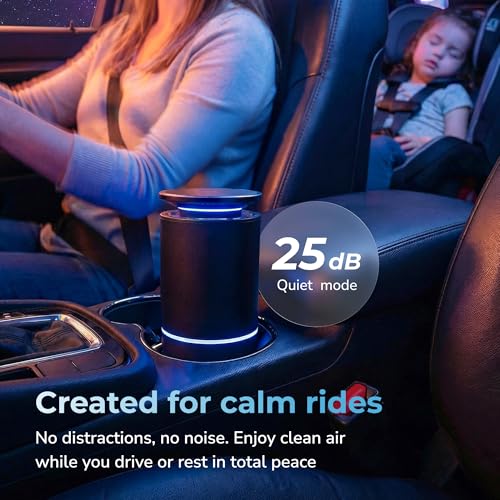
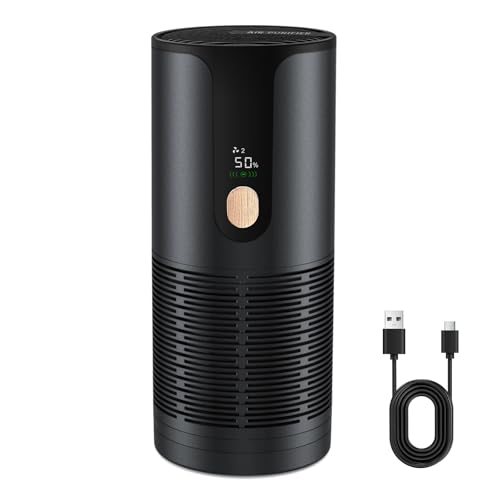
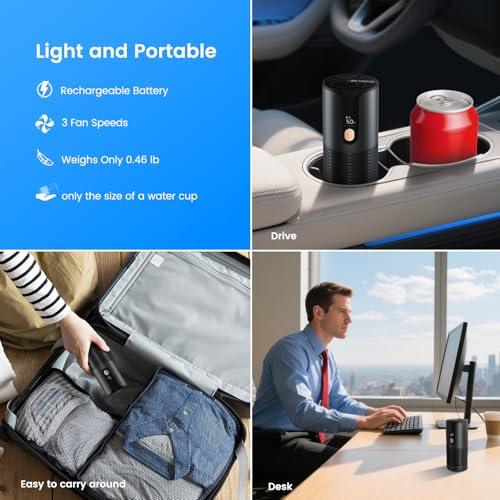
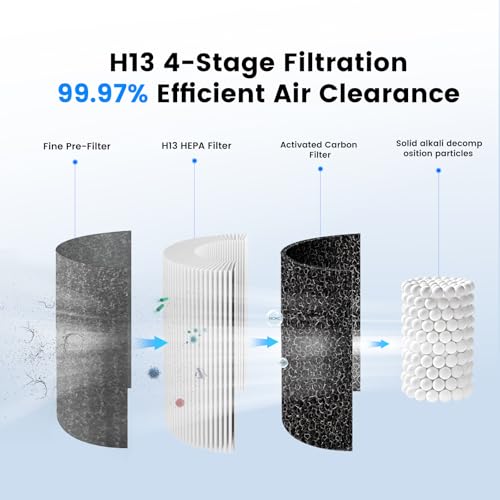
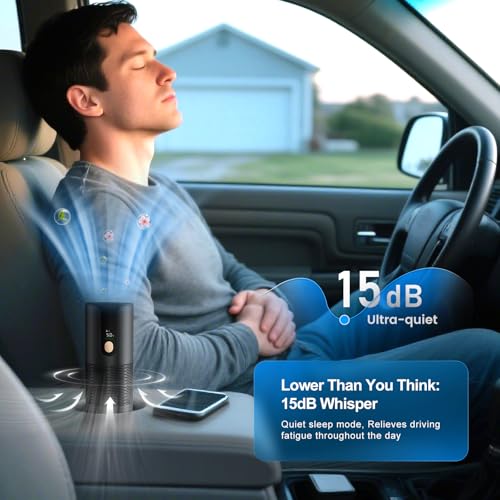
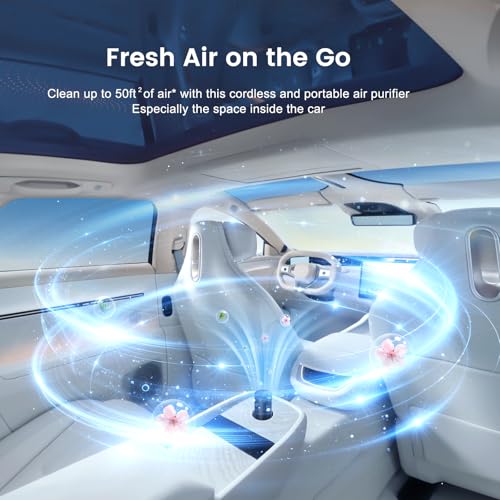
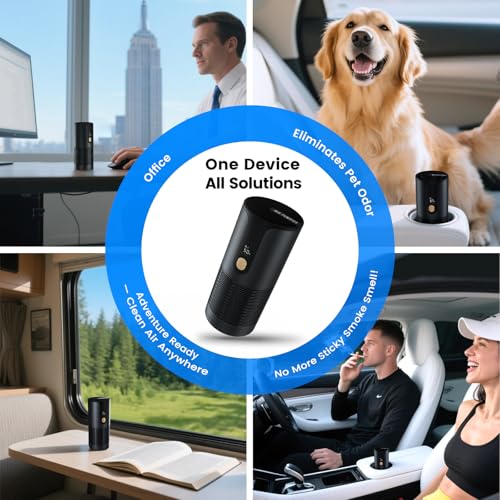
At this price, the Arint Mini punches above its weight on paper. It claims a 4-layer filtration system with H13 True HEPA and negative ions, which sounds impressive for a $6 device. Owners consistently report it helps with light odors and dust, especially in smaller cabins or near the driver’s seat. The 15dB quiet operation is believable given its low-power fan, and the USB-C charging adds modern convenience for a budget unit.
Still, I’m skeptical about long-term performance. The filtration rate and coverage area seem optimistic for its size, and some reviews mention the filter clogging faster than expected in dusty environments. It’s not going to tackle heavy smoke or strong VOCs, but for basic particle reduction in a compact space, it’s a decent stopgap.
Product photos
4WDKING Ionizer with Dual USB

Strengths
- Dual fast-charging USB ports
- Continuous ionization
- Sleek stainless design
Trade-offs
- No physical filter
- Ozone scent may bother some
- Limited particle removal
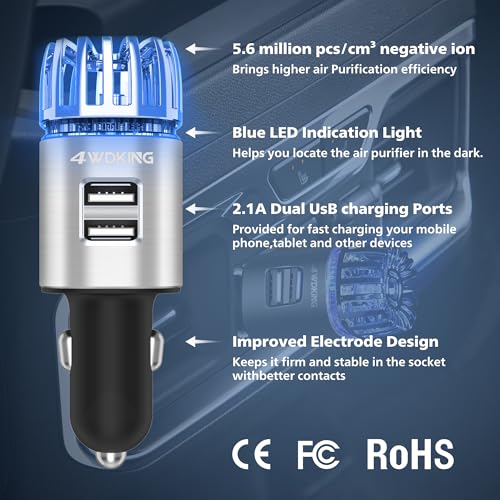
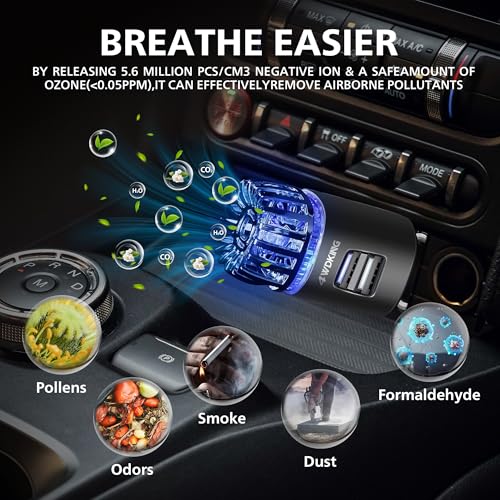
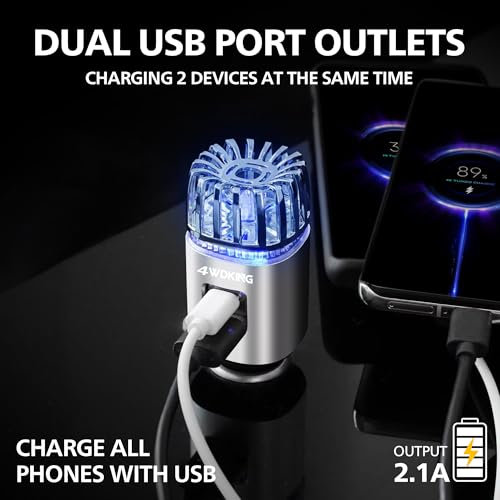
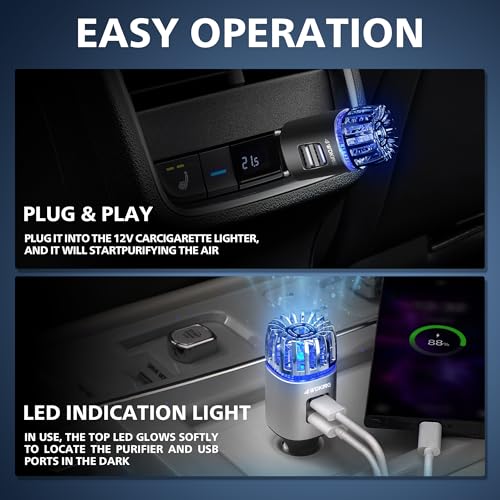
The 4WDKING unit is a hybrid, part air ionizer, part USB charger, and that duality is its strength. With dual 2.1A USB ports, it’s a practical upgrade for older cars lacking charging ports. The 5.6 million negative ions per cm³ claim aligns with what owners report: a noticeable reduction in lingering food or smoke odors over time. The ozone-like scent some mention is mild, more like rain than chemical, and it doesn’t trigger sensitivities in most cases.
It doesn’t have a physical filter, so it won’t capture dust or pollen like HEPA models. But for continuous background ionization and device charging, it’s a solid workhorse. I’d pair it with a separate HEPA purifier if you need full coverage.
Product photos
Car Air Purifier with Perfume Diffuser

Strengths
- Strong fragrance diffusion
- Stylish carbon fiber finish
- Plug-and-play setup
Trade-offs
- Scent can overwhelm
- Filter life shorter with oils
- Minimal air quality impact
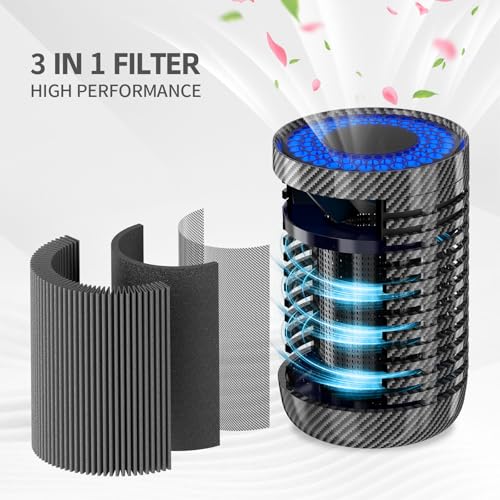
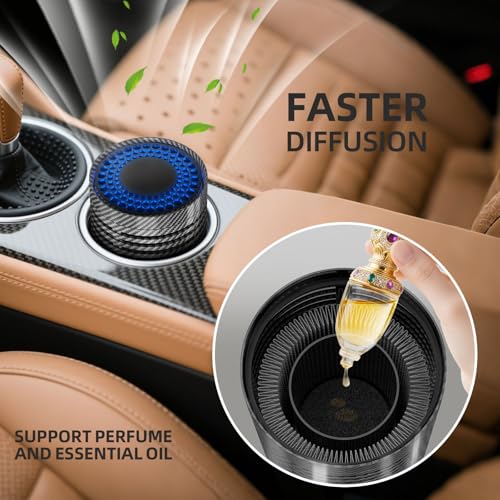
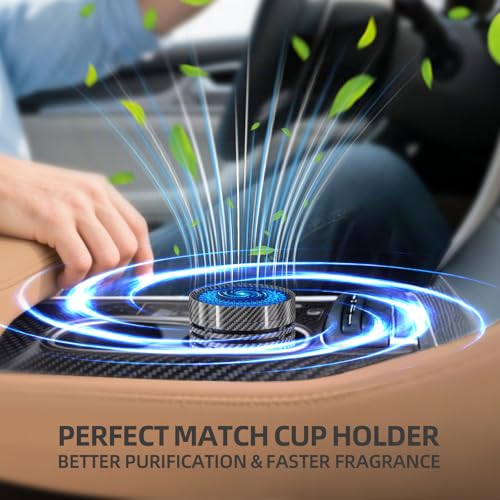
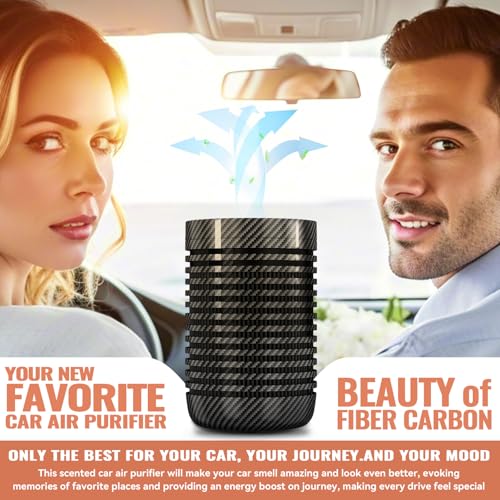
Let’s be clear, this one’s all about the scent. It has a True H13 HEPA filter, which gives it baseline credibility for dust and allergens, but its real draw is the built-in perfume diffuser platform. Reviewers love how quickly it disperses fragrance, turning a stale car into a pleasantly scented space in minutes. The carbon fiber wrap gives it a premium look, and it fits snugly in most cup holders without wobbling.
But if you’re sensitive to smells or want pure air cleaning, this isn’t the pick. The fragrance feature overshadows the filtration, and some users report the scent lingers too long. I’d recommend it only if you treat air freshness as part performance, part sensory experience.
Product photos

How We Picked These car air purifiers
As someone who spends a lot of time on the road – and in vehicles of all kinds – I understand the desire for a clean, fresh cabin environment. Rather than a hands-on lab test, this evaluation is a research-led comparison of published specifications, owner reviews, and expert opinions. I focused on identifying models that consistently rank highly across multiple sources and offer a balance of features and price. My goal was to pinpoint the options that genuinely deliver on their promises of improved air quality.
For car air purifiers, filtration efficiency, cabin coverage, and long-term cost were the most heavily weighted factors. A strong HEPA filter is crucial, as is the purifier’s ability to effectively circulate air throughout the vehicle – a small unit with a weak fan isn’t much help. I also considered the overall value, factoring in filter replacement costs and added features like USB charging or aromatherapy options. Those seeking solutions specifically for smoke odors might also be interested in exploring car purifiers for smoke.
Published specifications reliably detail filter types (HEPA, activated carbon, etc.), CADR ratings (though these aren’t always standardized for car use), and power consumption. However, real-world performance – noise levels, effectiveness against specific allergens, and build quality – is best assessed through owner feedback and independent reviews. I paid close attention to recurring complaints or praise regarding longevity and filter lifespan. For those looking to enhance the overall atmosphere, exploring top-rated car fresheners can complement the benefits of an air purifier.
How To Pick The Right car air purifiers
Finding the right car air purifier can dramatically improve your driving experience, especially if you have allergies, live in an area with poor air quality, or simply want a fresher smelling cabin. It’s a market flooded with options, though, so knowing what to prioritize is key.
A truly effective car air purifier goes beyond simply circulating air. It needs a multi-stage filtration system – incorporating a pre-filter for large particles, a HEPA filter for fine particulate matter, and often an activated carbon filter for odors and gases. Look for models with independently verified filter efficiency and a CADR (Clean Air Delivery Rate) appropriate for your vehicle’s size. Consider power source, noise levels, and ease of use alongside filtration performance.
Filtration is Paramount
Don’t get hung up on marketing buzzwords. The core of any good car air purifier is its filtration system. While many advertise “HEPA-type” filters, make sure the unit actually uses a true H13 HEPA filter, capable of capturing 99.97% of particles 0.3 microns in size. Beyond HEPA, consider whether you need protection from odors and volatile organic compounds (VOCs). If you frequently transport pets or are sensitive to smells, you’ll want a model with an effective activated carbon filter; you can learn more about these in our guide to activated carbon air purifiers. Some units, like the IQAir Atem, go a step further with “HyperHEPA” technology, but the core principle remains the same: effective filtration is essential.
Power and Portability Considerations
The best air purifier is useless if it’s a hassle to use. Most car air purifiers plug into your 12V cigarette lighter socket, which is convenient, but can limit placement options. Cordless models, like the Pure Enrichment PureZone Mini, offer greater flexibility but require regular charging. Pay attention to the unit’s size and shape, too. A bulky purifier might obstruct your view or interfere with dashboard controls. Many are designed to fit standard cup holders, but double-check the dimensions before you buy.
Here’s what to keep in mind about power and portability:
- Cord Length: A short cord can severely limit where you can position the purifier.
- Cup Holder Fit: Confirm the purifier’s base diameter matches your car’s cup holders.
- Weight: Heavier units might not be ideal for smaller vehicles or if you plan to move the purifier between cars frequently.
Value Beyond the Basics
Price isn’t always an indicator of quality, but you should consider what features you’re getting for your money. Some purifiers, like the LUFTRUM Swedish Design model, include air quality monitoring via PM2.5 sensors. Others, such as the 4WDKING Ionizer, integrate USB charging ports. These extras can add significant value, but don’t overspend on features you won’t use. If you’re primarily concerned with basic air purification, a more affordable option like the Arint Mini can be a great choice. It’s often better to invest in a unit with easily replaceable filters and readily available replacement parts, rather than chasing the latest bells and whistles. Finding the best HEPA car air purifiers often means finding a balance between filtration performance, convenience, and cost.
Don’t skimp on filter replacements. A clogged filter is a useless filter. Check the manufacturer’s recommended replacement schedule and factor the cost of replacements into your long-term budget.
Car Air Purifiers Compared
Here’s a comparison of key specifications for several car air purifiers to help you make an informed decision.
| Product Title | Filter Type | CADR (CFM) | Power Source | Noise Level (dB) | Special Features |
|---|---|---|---|---|---|
| IQAir Atem Car HyperHEPA Purifier | HyperHEPA | N/A | 12V DC | N/A | Bluetooth |
| Aucleia Portable Car Air Purifier | H13 HEPA | N/A | USB | 22 | Aromatherapy, Filter Indicator |
| LUFTRUM Swedish Design Car Purifier | 4-Stage | N/A | 12V DC | N/A | PM2.5 Sensor, Auto On/Off |
| ALIENONE Car Air Purifier AP-C1-D | H13 HEPA | N/A | 12V DC | ~30 | Compact Design |
| Pure Enrichment PureZone Mini Purifier | True HEPA | 4 | Rechargeable Battery/USB | N/A | Cordless, Portable |
| Arint Mini Car Air Purifier | 4-Layer (HEPA, Carbon) | 20 sq ft/5 min | USB-C | 15 | Negative Ions, Long Filter Life |
| 4WDKING Ionizer with Dual USB | Ionizer | N/A | 12V DC | N/A | Dual USB Ports |
| Car Air Purifier with Perfume Diffuser | H13 HEPA | N/A | USB | N/A | Perfume Diffuser |
Frequently Asked Questions
What size car air purifier do I need?
The ideal size depends on your vehicle’s interior volume, but generally, a purifier with a CADR of at least 20 cubic feet per minute is sufficient for most cars and SUVs. Smaller vehicles can get away with lower CADR ratings, while larger ones may benefit from a higher number for more effective air circulation.
How often should I replace the filter in my car air purifier?
Filter replacement frequency varies by model and usage, but most HEPA filters should be replaced every 6-12 months. Activated carbon filters typically need replacing more often, around every 3-6 months, to maintain odor control. Checking the manufacturer’s recommendations is crucial.
Are ionizer car air purifiers effective?
While ionizers can reduce airborne particles, they don’t remove them; they simply cause them to settle on surfaces. For genuine air purification, a HEPA filter is far more effective at capturing and holding pollutants. Many purifiers combine both technologies, but the HEPA filter remains the primary filtration component.
Can a car air purifier help with allergies?
Yes, a car air purifier with a true H13 HEPA filter can significantly reduce allergens like pollen, dust mites, and pet dander within the vehicle. This can provide relief for allergy sufferers, though it’s not a substitute for addressing allergies with a doctor. Maintaining clean car cabin filters is also helpful.
What’s the difference between a HEPA filter and an activated carbon filter?
A HEPA filter captures particulate matter like dust and pollen, while an activated carbon filter absorbs gases, odors, and VOCs. They work best in combination; a HEPA filter cleans the air of particles, and the activated carbon filter eliminates smells and chemical pollutants. Don’t forget to also check your replacement air filters regularly.
The Bottom Line
Choosing a car air purifier often comes down to balancing upfront cost with ongoing filter replacements and the level of purification you require. While models like the IQAir Atem Car HyperHEPA Purifier represent a premium investment, offering advanced filtration, the LUFTRUM Swedish Design Car Purifier strikes an excellent balance between features, performance, and price, making it our overall recommendation for most drivers looking for improving vehicle air quality.
For those on a tighter budget, the Arint Mini Car Air Purifier delivers surprisingly effective filtration without sacrificing convenience. If portability is your primary concern, the Pure Enrichment PureZone Mini offers cordless freedom, though it requires regular charging. And for drivers prioritizing a pleasant in-cabin atmosphere alongside purification, the Car Air Purifier with Perfume Diffuser, or pairing any purifier with natural car fresheners is a good option.
Ultimately, the best car air purifier isn’t about chasing the highest CADR rating or the most advanced features. It’s about finding a unit with a proven HEPA filter, a reliable fan, and a filter replacement schedule you’ll actually stick to. Prioritizing these fundamentals will deliver cleaner, healthier air on the road for years to come, regardless of whether you choose one of the best cabin air cleaners on the market or a simpler, more affordable option.
