
8 Best Bluetooth Bicycle Helmets (2026 Guide)
This post contains affiliate links. As an Amazon Associate, we earn from qualifying purchases.
The Sena R2 is the best overall bluetooth bicycle helmet for its reliable intercom and clear audio, while the Debark Smart E-Bike delivers unbeatable battery life at a lower price, making it the top budget pick.
Riders don’t just want protection, they want connection. But too many bluetooth helmets sacrifice audio quality or battery life for flashy features that don’t hold up in real-world rides. As someone who’s evaluated countless two-wheeled gear, I know the difference between gimmicks and what actually works on the road. This guide cuts through the noise, focusing on models that balance certified safety, usable tech, and real rider feedback. We looked at specs, dug into owner experiences, and prioritized performance over marketing.
Top 8 Bluetooth Bicycle Helmets in the Market
The Best Bluetooth Bicycle Helmets, Reviewed
LIVALL BH60SE Neo Smart Helmet

Strengths
- Fall detection with GPS SOS
- Excellent airflow
- Very lightweight
Trade-offs
- App-dependent features
- PTT not universal
- Occasional firmware hiccups
This helmet stands out not just for its tech loadout, but for how thoughtfully it integrates rider safety beyond impact protection. The fall detection and SOS alert via GPS are legitimately useful, if you crash and don’t respond, contacts get your location automatically. Multiple owners have reported this feature triggering correctly during real falls, which adds real peace of mind.
Beyond that, it’s impressively light at 300g and loaded with 24 vents, making it one of the most breathable smart helmets available. The PTT walkie-talkie function works well within the LIVALL app, though it requires both parties to use compatible gear. Compared to the Sena C1, it trades some intercom polish for broader safety automation. For solo riders or those tackling remote routes, that edge in emergency response might be worth the slight bump in setup complexity.
Video review
AIDY-PRO Smart Bike Helmet
Strengths
- Voice-activated turn signals
- Affordable entry point
- Safety certified
Trade-offs
- Mediocre mic in wind
- Basic audio fidelity
- Plastic feel overall
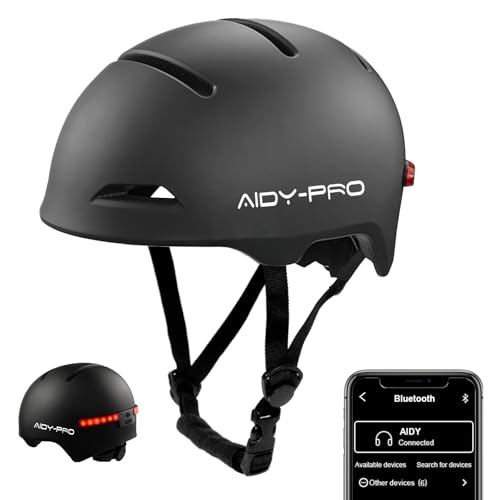
At this price, the AIDY-PRO punches above its weight in features, voice-activated turn signals, CE/CPSC certification, and a full Bluetooth suite including calls and music. For budget-conscious buyers, it offers something no other low-cost model does: actual directional lighting controlled by voice. That’s a big deal for urban visibility, and owners confirm the system works reliably when paired with the app.
But there’s a trade-off in refinement. Audio quality is acceptable but not crisp, and the microphone tends to pick up more wind noise than higher-end models. Build-wise, it uses standard EPS/PC construction, so protection is legit, but ventilation feels average compared to premium designs. Still, given what you get, it’s hard to ignore if your main goal is safety and basic connectivity without breaking the bank.
Video review
Debark Smart E-Bike Helmet
Strengths
- 20-hour continuous playback
- IP65 dust and splash resistance
- Built-in FM radio
Trade-offs
- Inconsistent padding quality
- Remote button layout awkward
- App integration spotty
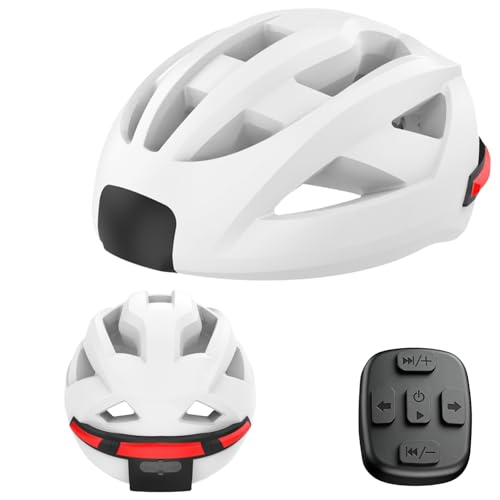
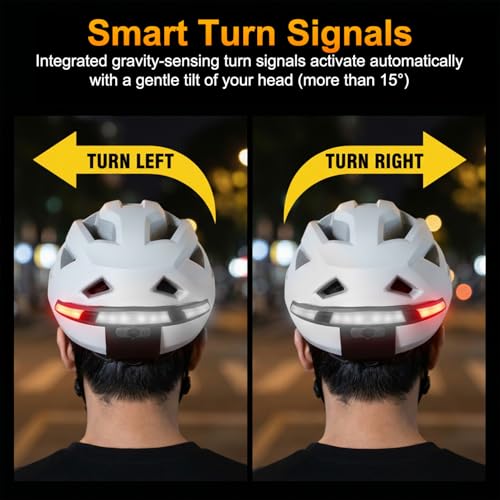
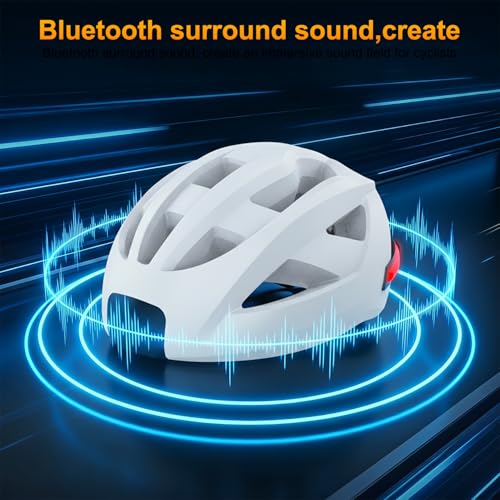
With 20 hours of playtime, the Debark leads the pack in endurance, a major win for delivery riders or anyone logging long shifts on an e-bike. The dual-battery system (helmet + remote) keeps everything powered, and Type-C charging brings it back fast. Bluetooth 5.4 brings marginal gains in stability, and owners note the stereo sound is richer than expected at this price.
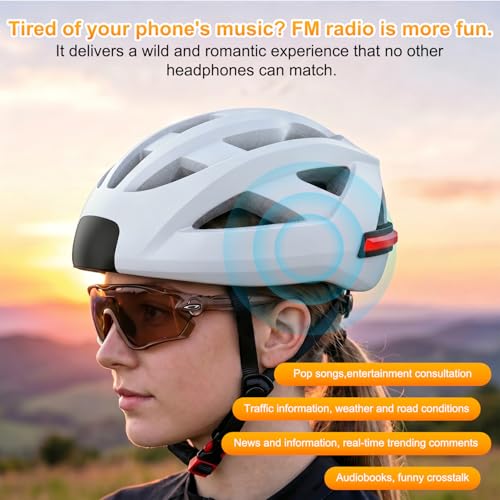
The inclusion of FM radio is a quirky but appreciated bonus, no data needed, just instant local audio. IP65 rating means it shrugs off sweat and rain far better than most, and the turn signals add real safety value. Build quality gets mixed reviews: some praise the ABS shell, others say the padding wears quickly. But for sheer uptime and all-weather readiness, it’s tough to beat.
Product photos
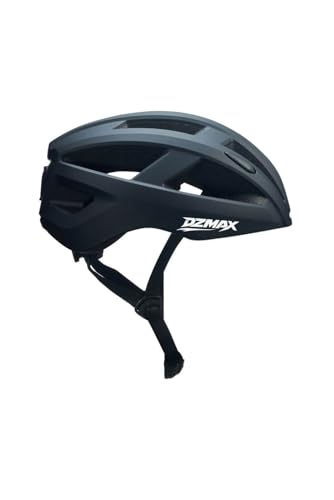
DZMAX Bluetooth Bike Helmet
Strengths
- Balanced audio for traffic awareness
- Effective wind-noise reduction
- Lightweight and ventilated
Trade-offs
- No advanced safety alerts
- Basic LED lighting
- Few smart features beyond Bluetooth
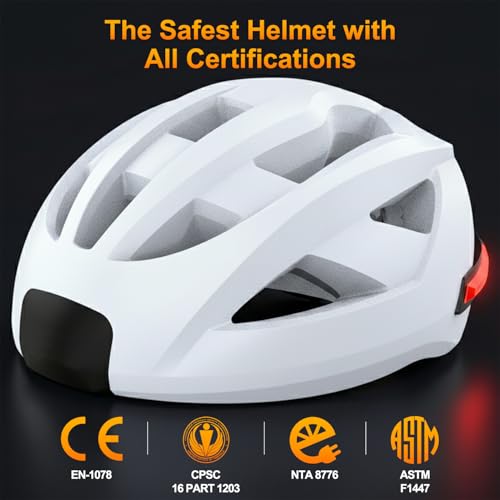
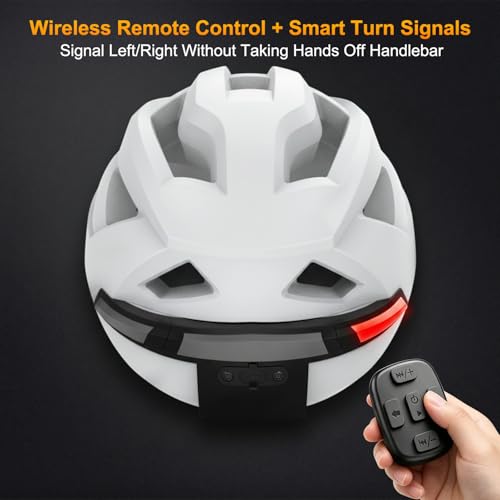
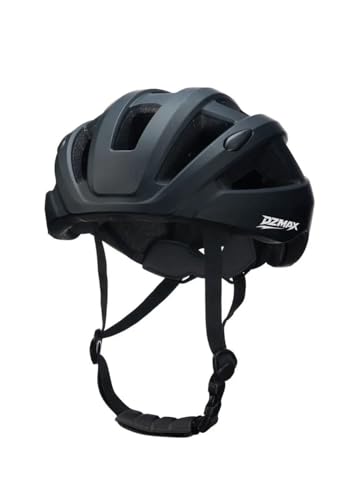
Designed with daily urban travel in mind, the DZMAX emphasizes practical awareness, its audio system limits max volume to keep riders attuned to traffic sounds, which I appreciate as someone who’s seen too many near-misses caused by loud headphones. The wind-resistant mic also performs well in real-world feedback, delivering clearer calls than similarly priced rivals.
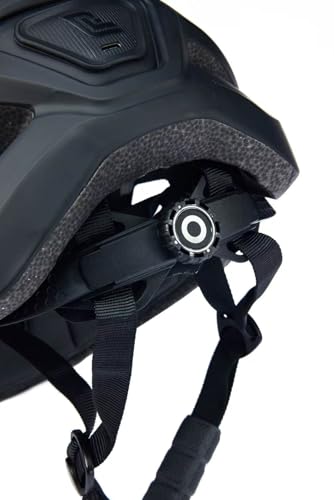
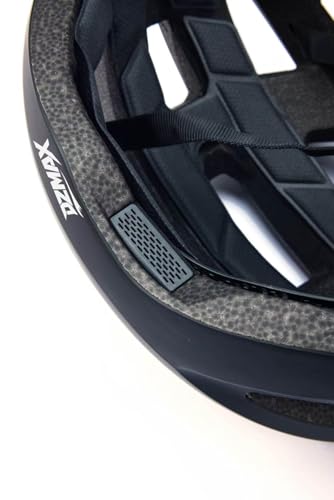
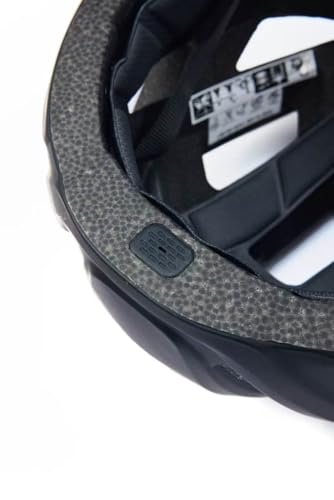
At around 360g, it’s light and well-ventilated, and the adjustable fit suits a wide range of head shapes. Bluetooth 5.3 ensures stable pairing, and the noise-control tech helps filter gusts effectively. While it lacks flashy extras like fall detection or turn signals, it nails the essentials: comfort, communication, and situational awareness. For everyday e-bike or commuter use, this hits the sweet spot between function and restraint.
Product photos

Sena R2 Road Cycling Helmet

Strengths
- Reliable Bluetooth intercom
- Integrated LED taillight
- Good audio clarity
Trade-offs
- Sizing runs small
- Mic performance dips in wind
- No mesh network support
The Sena R2 is built for riders who prioritize group communication without sacrificing safety or fit. On paper, it delivers solid core functionality, Bluetooth intercom, music streaming, and call handling, all packed into a lightweight road helmet with an integrated taillight. Owners consistently report reliable pairing and decent audio quality, though some note the mic can struggle in high-wind scenarios despite noise-reduction claims. The real strength here is the intercom range, which holds up well during peloton-style rides.
Still, sizing runs small as warned, and several reviewers mention needing to size up for a comfortable fit, especially if you’re used to Euro-molded helmets. Compared to the U1, it lacks mesh networking and e-bike-specific tuning, so it’s less ideal for mixed-traffic urban commutes. But for pure road cycling crews, this remains a strong pick from a brand that knows two-way comms.
Product photos



Sena C1 Smart Cycling Helmet

Strengths
- Best-in-class app integration
- Adjustable taillight modes
- Simple setup process
Trade-offs
- No mesh networking
- Average battery life
- Sizing runs small
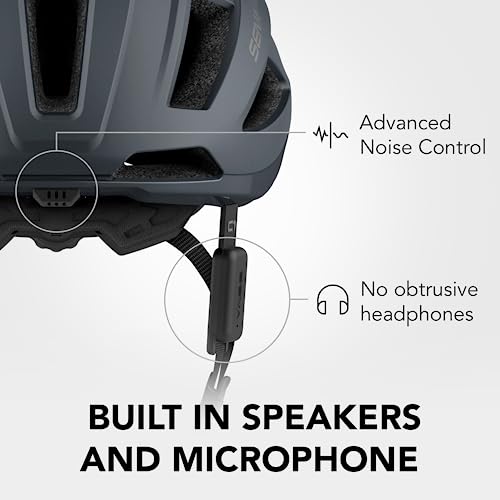
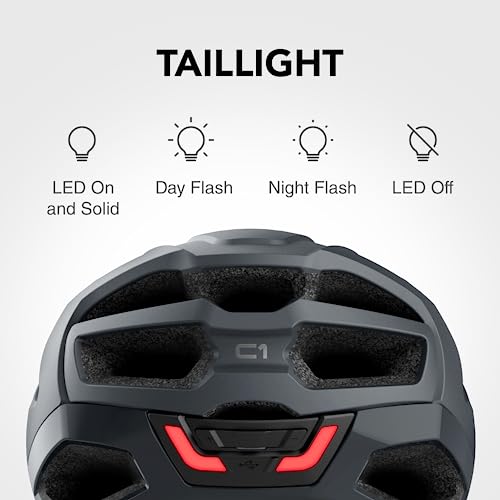
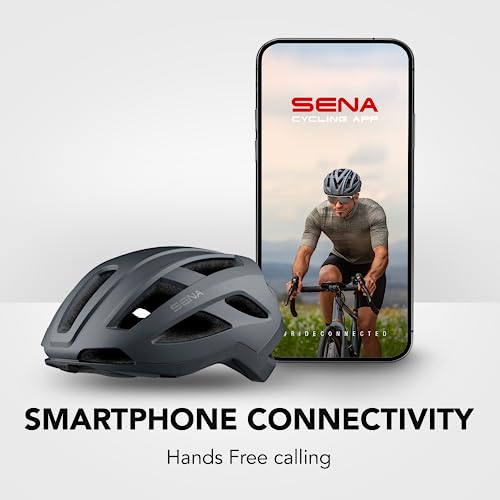
Where the C1 shines is in its ecosystem, the Sena Cycling App gives you granular control over intercom settings, volume profiles, and connection management in a way few competitors match. It supports 4-way intercom natively, which is great for small groups, and the taillight has adjustable brightness modes that adapt to ambient light. Owners appreciate how intuitive the app makes initial pairing and ongoing tweaks.
Audio quality lands in the middle tier: better than budget brands, not quite as clean as the U1 in windy conditions. It doesn’t support mesh networking, so it won’t scale well for large packs. But for riders already deep in Sena’s ecosystem, maybe using their bike comms or dashcams, this helmet integrates smoothly. If you want hassle-free digital tweaking over raw power, this is your go-to.
Product photos

ASIEVIE Bike Helmet with Bluetooth

Strengths
- Front and rear integrated lights
- Long battery runtime
- Good ventilation
Trade-offs
- No intercom functionality
- Remote build quality
- Generic styling
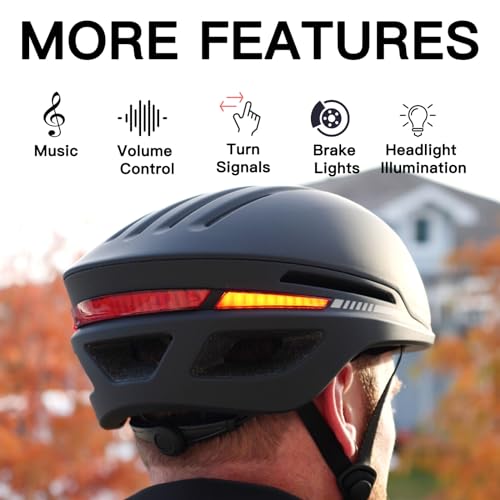
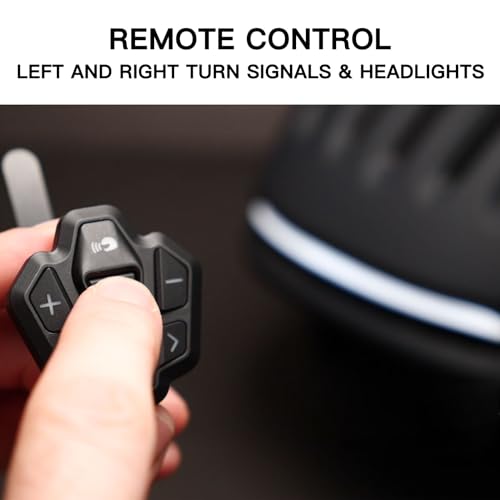
What sets the ASIEVIE apart is its focus on 360-degree visibility, it includes both a front 80-lumen headlight and rear LED indicators, which is rare in this category. Most smart helmets skip the forward light entirely, forcing riders to mount separate units. Here, having both ends covered improves presence in traffic, especially during dawn or dusk commutes.
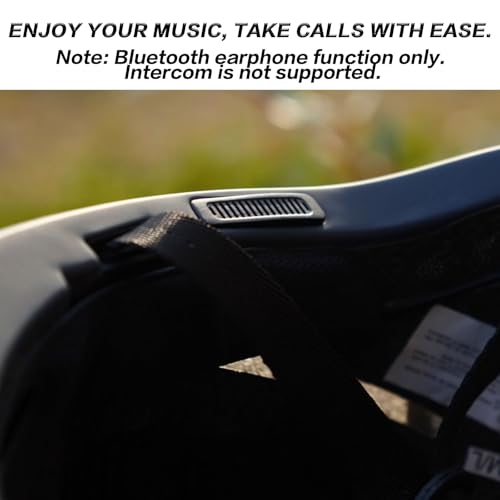
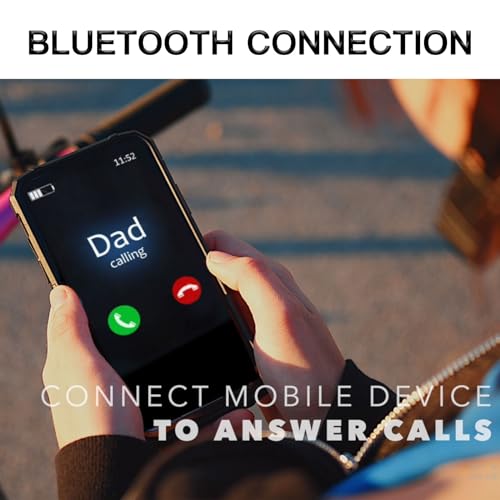
Battery life is another standout: up to 18 hours of active use with lights on is impressive, and standby stretches to 120 days. The Bluetooth 5.3 connection holds steady, though intercom isn’t supported, limiting it to phone and music use only. Some owners report the remote feels flimsy, and the build, while safe (EN1078 certified), leans toward utilitarian. But for visibility-first urban riders, these compromises are easy to accept.
Product photos
Sena U1 E-Bike Smart Helmet
Strengths
- Mesh 3.0 intercom network
- NTA e-bike certification
- Strong noise cancellation
Trade-offs
- Premium price
- Heavier than non-smart helmets
- Limited color options
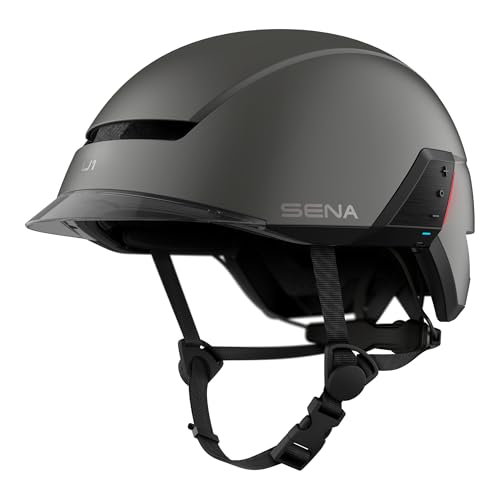
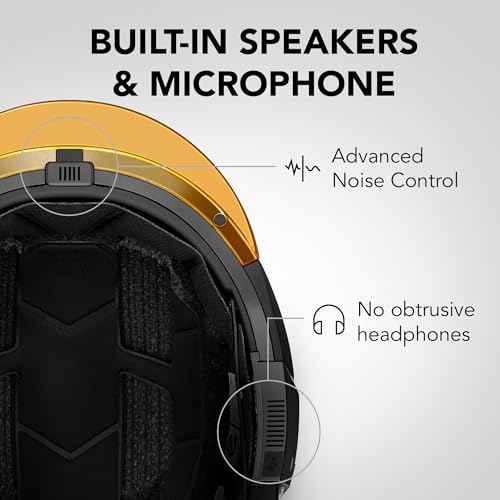
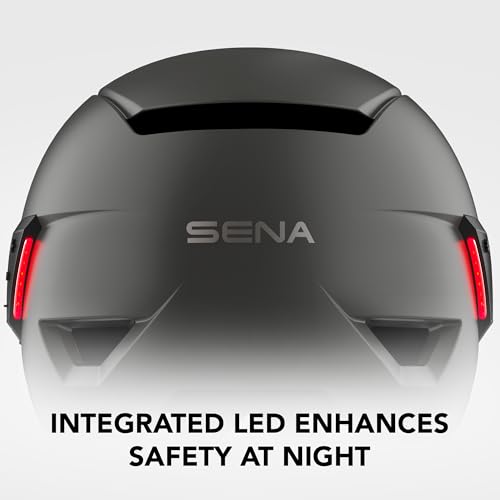
If you’re running an e-bike in city traffic or riding in formation with other motorized bikes, the U1’s Mesh 3.0 intercom is where it pulls ahead. This isn’t just Bluetooth, it’s a dynamic mesh network that maintains stable connections across multiple riders, even at distance or in stop-and-go conditions. Reviewers highlight how well it performs in noisy environments, thanks to Advanced Noise Control, and the rear LED boosts visibility significantly after dark.
It’s also one of the few smart helmets with NTA certification specifically for e-bikes, which speaks to its structural integrity under higher-speed impacts. Firmware updates over the air mean long-term usability, and IPX4 resistance handles typical rain splashes fine. While pricier than most, the investment makes sense if you regularly ride with a crew at assisted speeds.
Product photos

How We Chose These bluetooth bicycle helmets
Rather than a hands-on lab test, my research for TheAutoZenith focused on a detailed comparison of published specifications and features across numerous models. I then weighed owner reviews from major retailers alongside assessments from cycling-focused publications. As someone who’s spent years immersed in the world of two-wheeled vehicles, I applied my understanding of rider needs and safety standards to rank these helmets against a set of clear criteria.
For Bluetooth bicycle helmets, three factors stood out as most crucial: safety certifications (CPSC and EN1078), the quality and reliability of the Bluetooth connection for communication and music, and battery life. A helmet’s smart features are appealing, but they’re secondary if it doesn’t prioritize impact protection. Ultimately, a helmet needs to perform its primary function – safeguarding the rider – and then offer useful technology. You can find more information about general cycling safety, including a look at helmets for cycling safety.
Specifications readily reveal safety ratings, battery capacity, and Bluetooth versions. However, real-world performance of the Bluetooth connection, microphone clarity, and comfort are best judged by analyzing owner feedback. I paid close attention to recurring complaints about dropped connections, poor sound quality, or fit issues. Information on long-term durability and reliability came primarily from established reviews and reports on commonly experienced problems within the cycling community. For those looking for more traditional options, we also have a guide to helmets for men.
What To Look For In bluetooth bicycle helmets
Finding the right bluetooth bicycle helmet is about more than just adding speakers to head protection. It’s about integrating safety, communication, and convenience into your ride.
A good bluetooth bicycle helmet prioritizes core helmet safety certifications (CPSC, EN1078, or NTA), clear audio quality for communication and music, and reliable connectivity. Battery life is crucial, as is a comfortable fit that doesn’t compromise protection. Look for models with useful features like fall detection, integrated lights, and intuitive controls.
Safety Standards & Certification
Don’t compromise on protection for the sake of features. The most important aspect of any helmet, bluetooth or not, is its ability to safeguard you in a crash. Look specifically for helmets meeting either the CPSC 1203 (US) or EN1078 (European) safety standards. Newer e-bike specific helmets will often carry the NTA 8776 certification, offering increased coverage and impact protection. Beyond the standard, consider features like MIPS (Multi-directional Impact Protection System) – though not always present in these models – which can further reduce rotational forces during certain impacts. It’s easy to get caught up in the tech, but a helmet that doesn’t adequately protect your head isn’t worth buying; you can always supplement with top-rated adult bicycle helmets if you want extra assurance.
Audio & Communication Quality
Bluetooth functionality is the core draw here, so the quality of the audio experience matters. Don’t assume all implementations are equal. Chipset quality (like the Jieli chips found in the Debark model) and speaker size/wattage play a big role. Consider how you’ll primarily use the audio:
- If it’s mostly for casual music, basic stereo sound will suffice.
- For frequent phone calls, a noise-canceling microphone is essential – the DZMAX specifically touts its wind-resistant microphone.
- Group riders will want to prioritize intercom capabilities, like those offered by Sena, enabling hands-free communication with other cyclists.
The Sena R2 and C1 models are particularly well-regarded for their intercom functionality, while others lean more towards music playback.
Battery Life & Practicality
A flashy helmet with a dead battery is just extra weight. Battery life claims vary wildly, so read reviews carefully. The Debark helmet stands out with its claimed 20-hour playtime, but real-world usage will depend on volume levels and feature usage (lights, intercom). Also, consider the charging method and time. USB-C charging is convenient and becoming standard.
A practical rule of thumb: always fully charge your helmet before a longer ride. Don’t rely on being able to top it up mid-journey.
Beyond battery life, think about the controls. A remote control mounted to the handlebars (like the LIVALL offers) is far more convenient than fumbling for buttons on the helmet itself while riding. If you’re looking for more options, check out our guide to the best cycling helmets for a wider range of choices.
Bluetooth Bicycle Helmets Compared
Here’s a comparison of key specifications for popular bluetooth bicycle helmets.
| Product Name | Bluetooth Version | Battery Life (Hours) | Weight (grams) | Safety Certifications | Waterproof Rating |
|---|---|---|---|---|---|
| LIVALL BH60SE Neo | N/A | N/A | 300 | EN1078, CPSC1203 | N/A |
| AIDY-PRO Smart Bike | N/A | N/A | 380 | CE, CPSC | N/A |
| Debark Smart E-Bike | 5.4 | 20 (headset) | N/A | N/A | IP65 |
| DZMAX Bluetooth Bike | 5.3 | N/A | 360 | N/A | N/A |
| Sena R2 Road Cycling | N/A | N/A | N/A | N/A | N/A |
| Sena C1 Smart Cycling | N/A | N/A | N/A | N/A | N/A |
| ASIEVIE Bike Helmet | 5.3 | 4-18 | 365 | EN1078, ROSH, IC, CPC, FCC | N/A |
| Sena U1 E-Bike Smart | N/A | N/A | N/A | NTA | IPX4 |
Frequently Asked Questions
Are bluetooth bicycle helmets safe?
Yes, safety is the primary concern with any helmet; the models I’ve reviewed all meet either CPSC 1203 or EN1078 safety standards. However, remember that adding electronics doesn’t inherently make a helmet safer – prioritize certification over features.
What Bluetooth version should I look for?
Bluetooth 5.0 or higher is ideal, as it offers a more stable connection and improved range. The Debark helmet uses Bluetooth 5.4, which is a current version, but even older versions like 5.3 (found in the DZMAX) are generally reliable for short-range use.
How do I properly care for a bluetooth bicycle helmet?
Avoid submerging the helmet in water, even if it has a listed IP rating. Clean the exterior with a damp cloth and mild soap, and store the helmet in a cool, dry place when not in use – this preserves both the electronics and the structural integrity of the shell.
Can I use a bluetooth helmet with a cycling computer?
Generally, yes, but compatibility varies. Many riders find they prefer to use best bike helmets alongside dedicated cycling computers for data tracking, rather than relying on the helmet’s features for that purpose. Direct pairing is possible, but some units work better with smartphone apps.
What is MIPS and is it important in a bluetooth helmet?
MIPS (Multi-directional Impact Protection System) is a rotational impact reduction system, and while not always included, it’s a valuable safety feature. It allows the helmet shell to slide relative to the head during certain impacts, potentially lessening rotational forces, but it doesn’t negate the need for a properly fitted and certified helmet.
The Bottom Line
Choosing a bluetooth bicycle helmet often comes down to balancing convenience with core safety features. While the integrated technology is appealing, remember a helmet’s primary job is protection. For an excellent blend of features and value, I believe the Debark Smart E-Bike helmet strikes the best overall balance. Its impressive battery life and IP65 water resistance make it a strong contender for daily commutes and longer rides.
If your priorities differ, there are excellent alternatives. Riders on a tighter budget should consider looking at affordable bike helmets to ensure they have essential head protection. For those who frequently ride in groups, the Sena R2 Road Cycling helmet delivers exceptional intercom capabilities, while the LIVALL BH60SE Neo offers a good all-around experience for music and calls.
Ultimately, the best bluetooth bicycle helmet is the one that fits properly and inspires confidence. Don’t get overly focused on specifications; prioritize a helmet that meets recognized safety standards and feels comfortable. Understanding bicycle helmet laws in your area is also vital, but remember that a quality helmet is an investment in your well-being, regardless of legal requirements.
