
7 Best Bikes for Heavy Riders 2026
This post contains affiliate links. As an Amazon Associate, we earn from qualifying purchases.
The overall best bike for heavier riders is the Funhang 1000W, thanks to its high weight capacity, powerful motor, and durable build. For those on a tighter budget, the Incbruce 21-Speed offers solid performance with reliable components, while the Outroad 21-Speed stands out for versatility across terrain types.
If you’re a larger rider, finding a bike that’s both safe and enjoyable can be frustrating. Too many models cut corners on frame strength, tire width, or braking power, leaving you with a ride that feels unstable or underpowered.
This guide cuts through the noise by focusing on what actually matters: verified weight limits, robust construction, and real-world feedback from riders with similar needs. We looked at specs, component quality, and long-term reliability to pick bikes that won’t let you down.
Top 7 Bikes For Fat Guys in the Market
The Best Bikes For Fat Guys, Reviewed
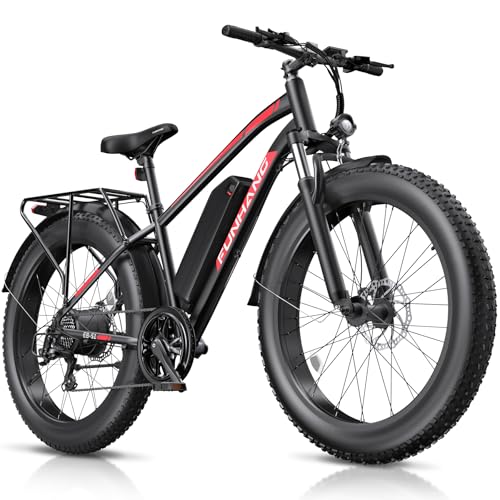
Funhang 1000W Electric Fat Tire Bike
Strengths
- Long battery range
- UL 2849 certified
- Powerful motor
- Sturdy rear rack
Trade-offs
- Heavy without pedal assist
- Basic suspension
- LCD display prone to glare
If you’re a heavier rider wanting range, power, and real versatility, the Funhang ebike stands out. Its 1000W peak motor and 48V 13Ah battery deliver serious torque and a realistic 55-60 mile PAS range, which reviewers confirm even under heavier loads. That kind of output makes hills feel flat, and the 4-inch fat tires add confidence on sand, snow, or gravel, exactly where a heavier rider needs stability.
The UL 2849 certification is a big plus. It means the whole system, battery, motor, wiring, meets a recognized safety standard, which not every budget ebike can claim. Owners praise the 85% pre-assembly and the rear rack’s 60 lb capacity, making it practical for commuting or hauling gear. It’s not the lightest, but for the price, the feature set is hard to beat.
Video review
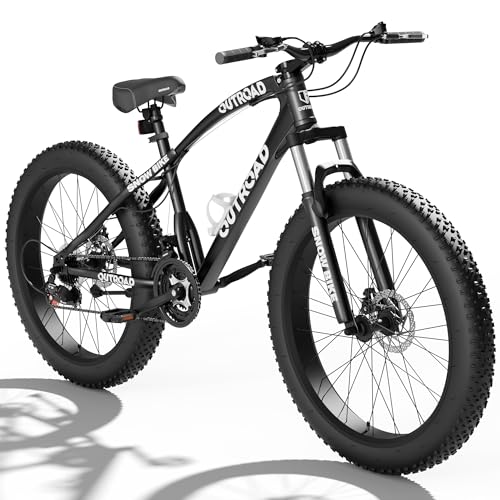
Incbruce 26″ 21-Speed Fat Tire MTB
Strengths
- Very low price
- 21-speed system
- Dual disc brakes
- Good tire grip
Trade-offs
- Basic components
- Heavy frame
- Assembly tuning needed
At under $250, the Incbruce MTB is a standout budget pick, if you know what you’re signing up for. It delivers the core fat tire experience: 4-inch wide tires, 21-speed gearing, and dual disc brakes, all on a high-carbon steel frame. That kind of spec at this price usually means compromises, and it does. But owners consistently say it holds up well under heavier riders, especially on flat trails and paved paths.
The build quality is functional, not refined. You’ll likely need to tweak the brakes or derailleur out of the box. But for someone wanting a no-frills, do-it-all bike for light trails or neighborhood cruising, it’s hard to beat the value. It won’t replace a premium ride, but it gets you rolling.
Video review
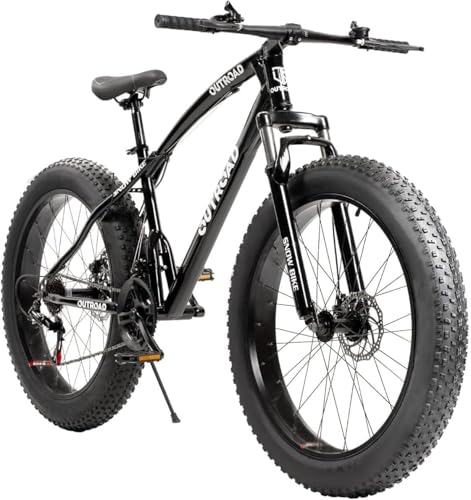
Outroad 26″ 21-Speed Mountain Bike
Strengths
- 21-speed gearing
- Front suspension
- Sturdy steel frame
- Easy assembly
Trade-offs
- Heavy overall
- Basic suspension travel
- No rear derailleur guard
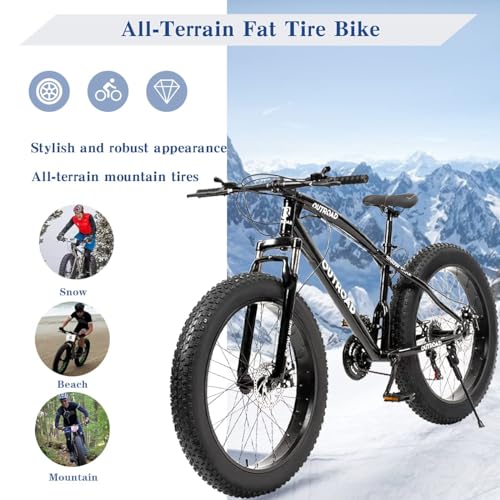
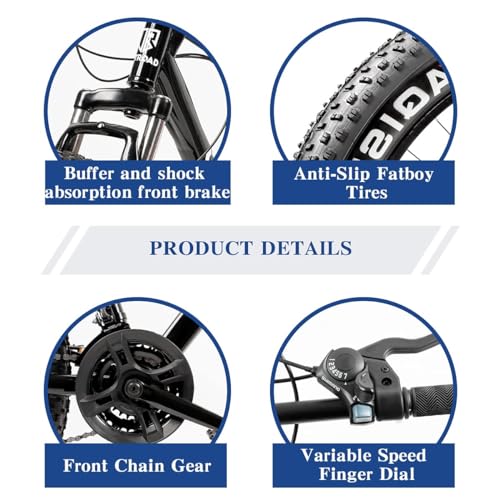
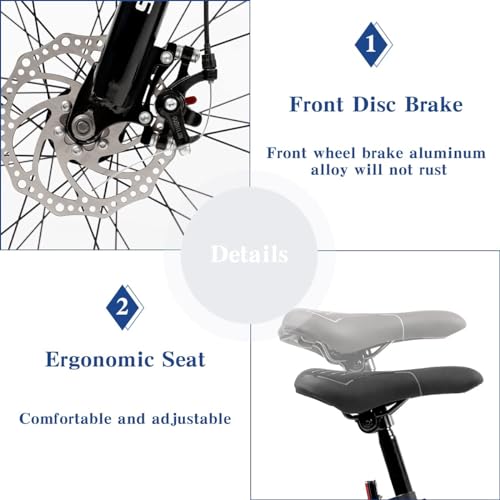
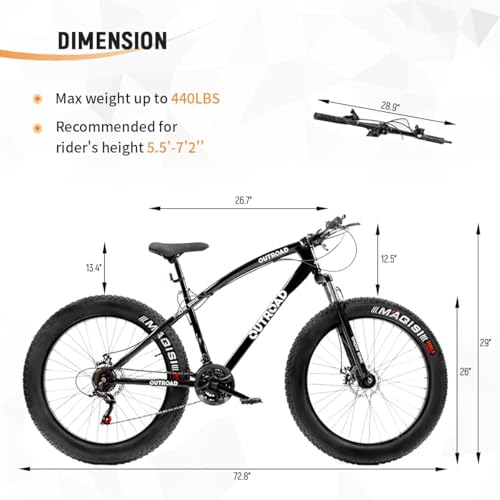
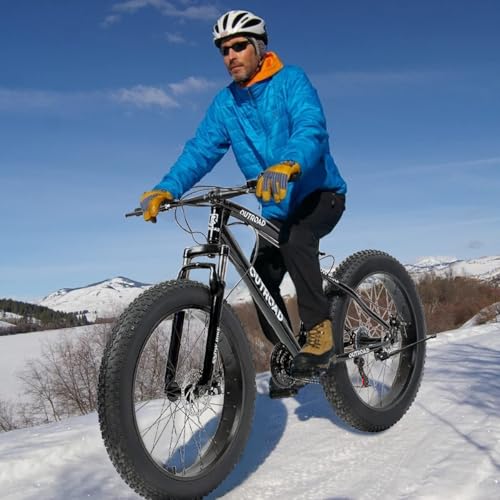
With 21 speeds and a front suspension fork, the Outroad MTB is clearly aimed at riders tackling hills and rougher terrain. That extra gearing makes a real difference for heavier riders, owners note it’s easier to spin up inclines without grinding the drivetrain. The high-carbon steel frame adds durability, though it does make the bike feel sluggish on flatouts.
The shock-absorbing fork helps, but it’s basic. You’ll feel big bumps, just not quite as hard. It’s 85% pre-assembled, and feedback suggests it goes together quickly with the included tools and video. For the price, it’s one of the few non-electric options here with serious climbing capability.
Product photos
Mongoose Malus Fat Tire Mountain Bike
Strengths
- Stable fat tires
- Reliable Shimano drivetrain
- Strong disc brakes
Trade-offs
- Heavy steel frame
- Basic component spec
- Limited gearing range
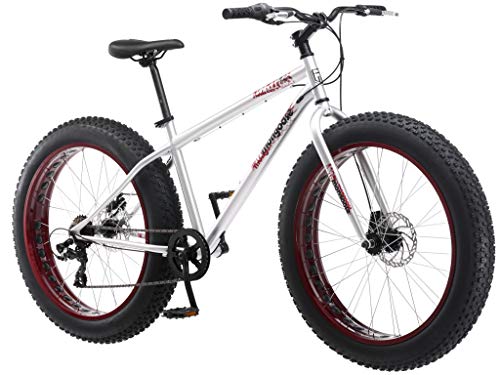
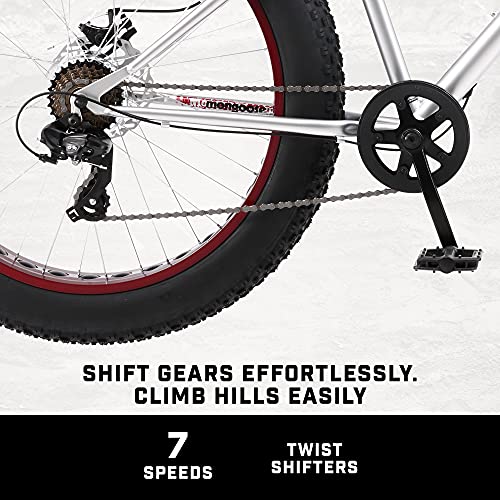
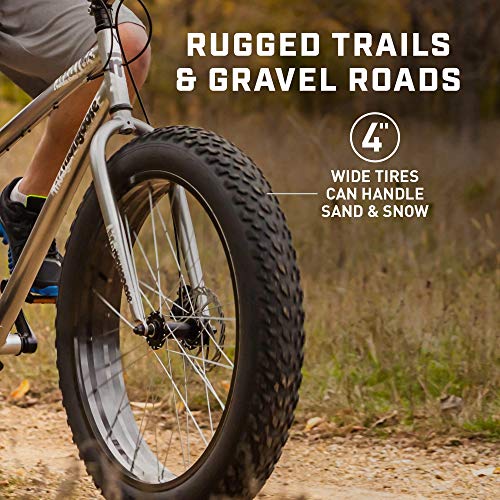
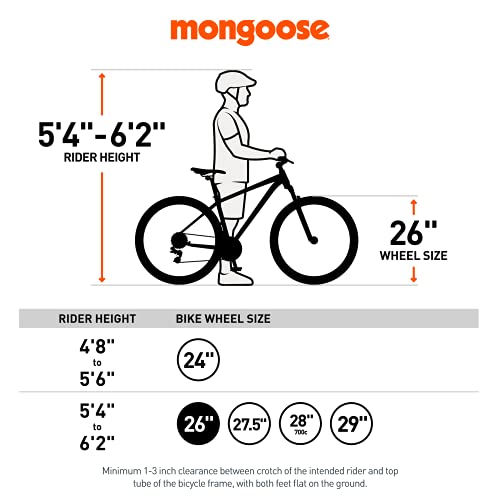
The Mongoose Malus has the bones of a solid fat tire rig, its 4-inch knobby tires and steel frame make it inherently stable and capable on loose terrain. On paper, it’s built for riders up to 6’2″, and owners consistently report it handles heavier loads well, which matters when you’re over 200 lbs. The Shimano rear derailleur and 7-speed drivetrain aren’t flashy, but they deliver reliable shifts without constant tweaking, which I appreciate in this class.
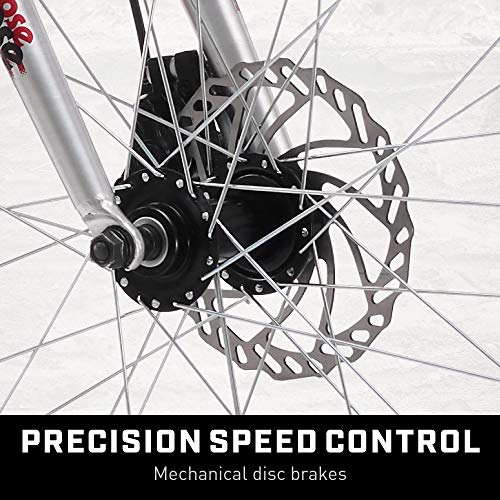
Disc brakes are a win here, giving consistent stopping power in wet or muddy conditions. That said, the steel frame, while durable, adds noticeable weight. For a bike in this range, it’s not a dealbreaker, but if you’re tackling steep trails or lifting it into a rack, you’ll feel it. Compared to others in this lineup, it’s more “workhorse” than “weekend warrior.”
Product photos

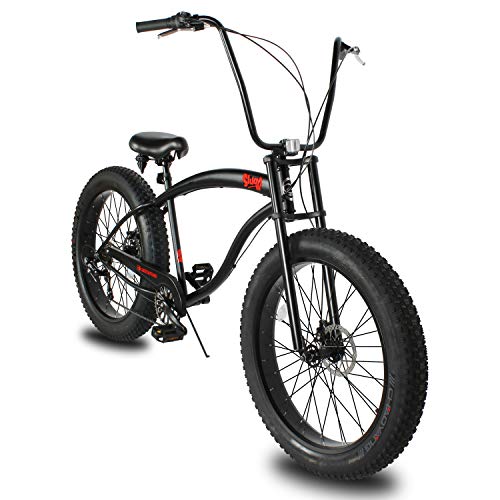
MICARGI SLUGO Stretch Cruiser Bike
Strengths
- Extremely comfortable ride
- Upright riding position
- Stable wide tires
- Durable frame
Trade-offs
- Heavy and slow
- Limited gearing
- Bulky design
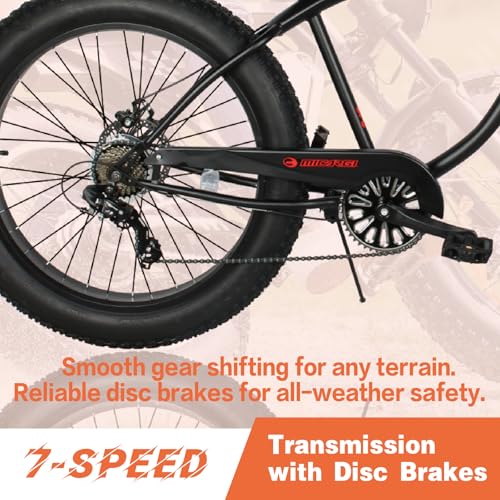
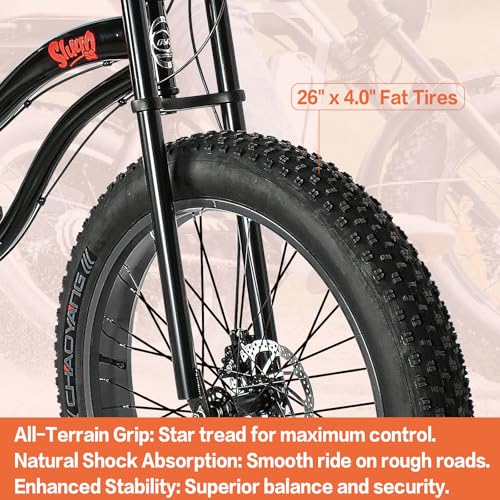
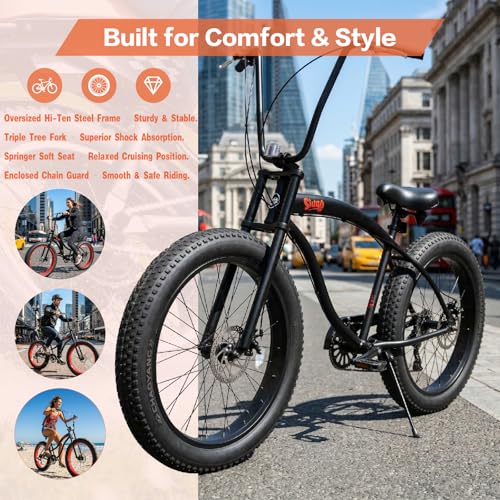
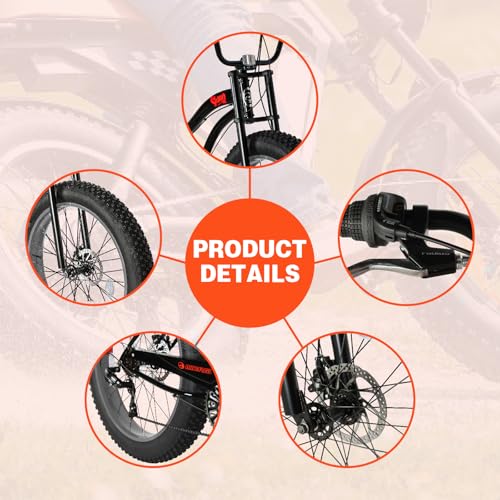
The MICARGI SLUGO is built for comfort, not speed. Its chopper-style Hi-Ten steel frame, high-rise handlebars, and sprung cruiser seat make it ideal for laid-back rides where posture matters. I’ve seen heavier riders rave about how it reduces back and wrist strain, something many fat tire bikes overlook. The 26″x4.0″ fat tires act as natural dampeners, smoothing out cracked pavement or packed dirt paths.
The 7-speed hub is adequate for flat terrain, but don’t expect quick shifts or hill-crushing power. It’s heavier than most, and the styling is bold, some love it, others find it bulky. But if you’re over 250 lbs and want a bike that feels like a lounge chair with wheels, this one delivers.
Product photos

HH HILAND 26″ Fat Tire Bike
Strengths
- Excellent snow/sand traction
- Reliable disc brakes
- Good frame durability
- Easy assembly
Trade-offs
- Heavy steel construction
- Limited gear range
- Basic saddle comfort
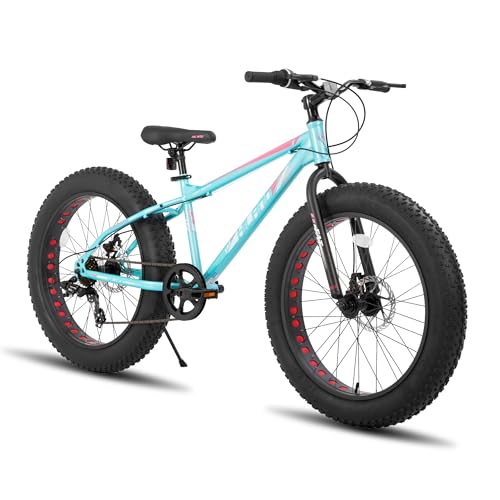
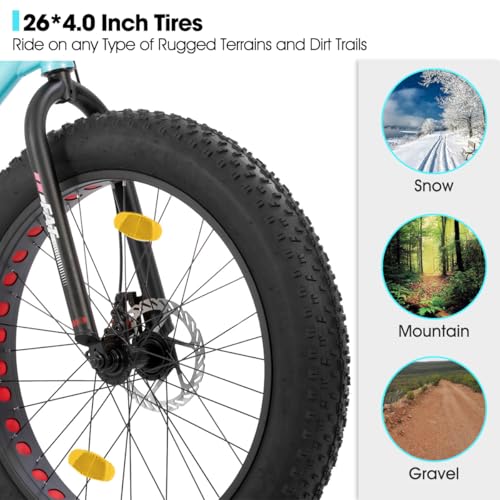
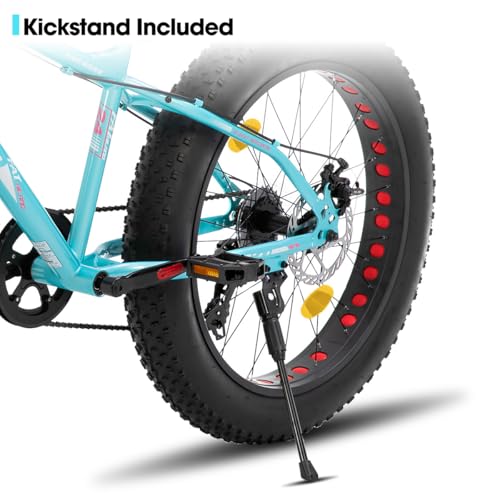
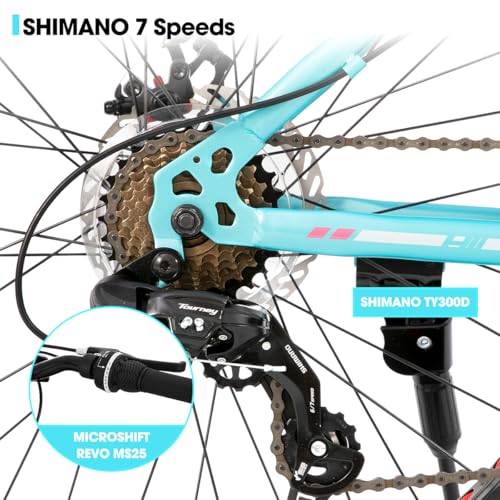
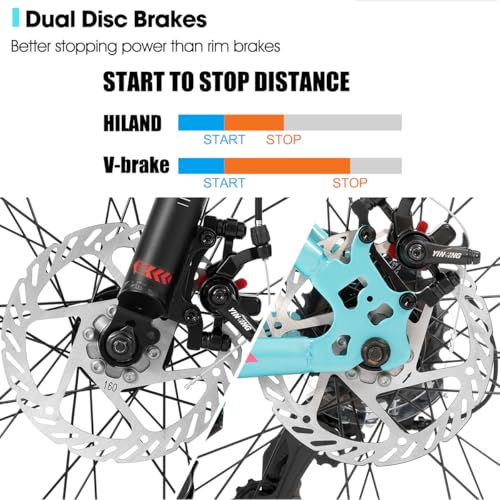
The HH HILAND bike is quietly one of the most competent snow and sand-focused fat tires in this group. Its 4-inch wide tires and high-carbon steel frame provide excellent floatation and grip on soft surfaces, which owners confirm in winter and beach use. The disc brakes perform well in wet or slushy conditions, something rim brakes can’t match.
It’s another 7-speed, so don’t expect climbing finesse. But for steady, stable rides on snow-packed trails or coastal dunes, it’s a strong pick. The 85% pre-assembly helps, and US-based support is a real advantage if something goes wrong. It’s not flashy, but it’s purpose-built.
Product photos

Huffy Maunga Fat Tire Mountain Bike

Strengths
- Affordable price
- Shimano 7-speed
- Dual disc brakes
- Good traction
Trade-offs
- Heavy frame
- Entry-level components
- Limited off-road tuning
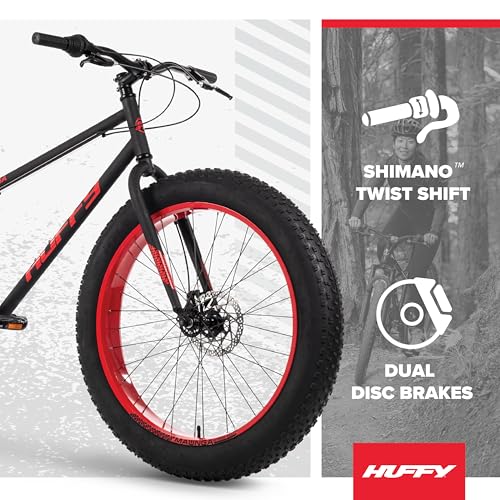
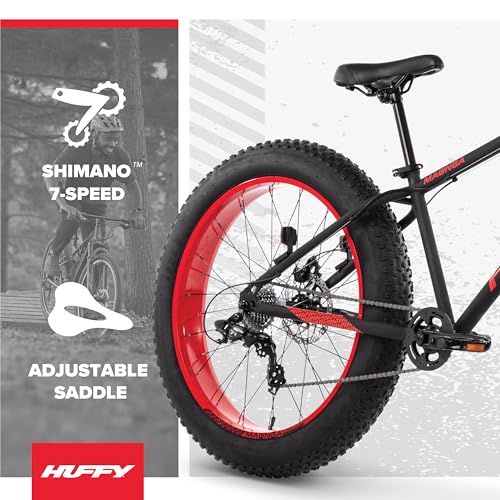
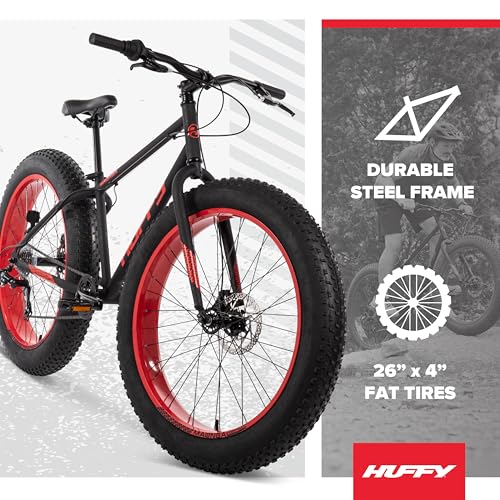
The Huffy Maunga punches above its weight as an entry-level fat tire option. It shares the same 4-inch knobby tires and disc brakes as pricier models, and owners report it handles rider weight well, staying solid on trails and packed snow. The Shimano 7-speed system is basic but dependable, few complaints about missed shifts or early wear.
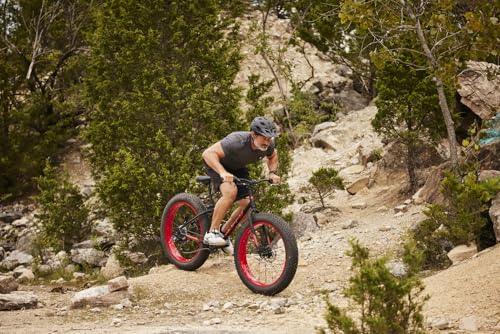
Where it shines is value. For under $400, you get a complete package that’s ready for weekends on gravel paths or beach rides. It’s not built for aggressive mountain biking, and the steel frame won’t win any weight competitions. But as a first fat tire bike for someone stepping up from a cruiser, it’s a smart starting point.
Product photos

How We Picked These bikes for fat guys
Rather than a hands-on lab test, this selection is a research-led comparison of published specifications and owner feedback. I dove into the details of each bike, comparing features like frame material, drivetrain components, brake types, and tire width. Crucially, I also weighed owner reviews from multiple sources, alongside expert opinions from cycling publications, to understand real-world performance and reliability. This process allowed me to rank these models against clear criteria for riders needing a robust and capable machine.
For bikes designed for larger riders, a few factors stood out as most important. Weight capacity is paramount; a bike must comfortably and safely support the intended rider. Tire width and frame strength follow closely behind, as these directly influence stability and durability on varied terrain. Finally, the quality of the drivetrain and brakes significantly impacts rideability and control, especially when tackling hills or needing reliable stopping power. We focused on these elements to identify models that truly deliver.
Specifications provide a solid foundation – frame geometry, brake rotor size, and gear ratios all tell a story. However, owner feedback revealed how those specs translate to real-world experiences. I paid close attention to comments regarding comfort, build quality, and long-term reliability. This is where reputations were made or broken. For example, while many bikes claim durability, consistent positive feedback about surviving rough use ultimately separated the contenders. If you’re looking for more options, check out our guide to bikes for big guys. And for a wider look at the category, you might be interested in our review of fat bikes.
How To Choose The bikes for fat guys
Finding the right bike when you’re a larger rider requires more thought than simply picking a style you like. It’s about ensuring the bike can safely support your weight, provide a comfortable ride, and handle the terrain you intend to tackle.
A good bike for a larger rider prioritizes a robust frame, typically steel or aluminum, with a generous weight capacity. Component quality is crucial; look for dependable brakes, a strong drivetrain, and wheels built to withstand extra stress. Wheel size and tire volume also significantly impact stability and comfort, with wider tires offering better flotation and shock absorption.
Frame Material and Weight Capacity
The frame is the foundation, and it needs to be up to the task. While aluminum frames are lighter, a good quality steel frame often provides a more compliant ride and greater durability for heavier riders. Don’t just look at the material; always verify the manufacturer’s stated weight capacity and add a safety margin of at least 20-30 pounds. Many bikes advertise a weight limit, but exceeding it consistently will shorten the bike’s lifespan and potentially compromise safety. We’ve seen some riders successfully push those limits, but consistent overloading is a recipe for disaster.
Tire Volume and Traction
Forget about skinny tires. Wider tires (4 inches or more, often called “fat tires”) are essential for stability and comfort. These distribute your weight over a larger surface area, preventing the bike from feeling tippy. They also absorb bumps and provide better traction on various surfaces, like sand or snow. Consider the tread pattern, too. Knobbier tires excel off-road, while smoother patterns are better suited for pavement. If you’re considering exploring various terrains, it’s worth looking at fat tire bikes to see the range of options available.
Gearing and Brakes: Stopping & Going
Don’t underestimate the importance of a reliable drivetrain and braking system. A wider gear range (more speeds) is helpful for tackling hills, especially if you’re carrying extra weight. Shimano is a name you’ll encounter frequently; their components are generally dependable, but don’t automatically equate a higher speed count with better quality.
- A 7-speed system works for relatively flat terrain.
- A 21-speed system offers more versatility for hills and varied terrain, providing a broader range of gear ratios.
- Higher-end drivetrains (like those from SRAM) can offer smoother shifting and increased durability, though they come at a cost.
Equally crucial are the brakes. Disc brakes (mechanical or hydraulic) provide superior stopping power compared to rim brakes, particularly in wet or muddy conditions. This is especially important for bikes for fat people who may need more distance to come to a complete stop.
A bike’s stopping power is directly related to the rider’s weight. Always prioritize a bike with robust brakes – disc brakes are generally the best choice.
Bikes for Fat Guys Compared
Here’s a comparison of specifications for bikes designed with larger riders and varied terrain in mind.
| Product Name | Motor (W) | Tire Width (in) | Speeds | Weight Capacity (lbs) | Brakes | Battery Capacity (Ah) |
|---|---|---|---|---|---|---|
| Funhang 1000W | 1000 | 4.0 | 7 | 330 | Disc | 13 |
| Incbruce 21-Speed | N/A | 4.0 | 21 | N/A | Disc | N/A |
| Outroad 21-Speed | N/A | 4.0 | 21 | N/A | Disc | N/A |
| Mongoose Malus | N/A | 4.0 | 7 | N/A | Disc | N/A |
| MICARGI SLUGO | N/A | 4.0 | 7 | N/A | N/A | N/A |
| HH HILAND 26″ | N/A | N/A | 7 | N/A | Disc | N/A |
| Huffy Maunga | N/A | 4.0 | 7 | N/A | Disc | N/A |
Frequently Asked Questions
What’s the most important specification for a larger rider?
Weight capacity is the single most critical factor. Always choose a bike with a stated capacity exceeding your weight by at least 20-30 pounds to maintain safety and prevent premature wear.
Do I absolutely need a fat tire bike?
While not always essential, wider tires (4 inches or more) significantly improve stability and comfort for larger riders. You’ll find riding fat tire bikes easier to manage on softer or uneven terrain.
What brake type offers the best stopping power?
Disc brakes, whether mechanical or hydraulic, provide the most reliable stopping power, particularly in adverse conditions. They are more effective than rim brakes, which is especially important for heavier riders needing greater control.
Is an aluminum or steel frame better for a heavier person?
A quality steel frame generally offers a more compliant ride and greater durability for larger riders, although good aluminum frames are also viable. Look for heavy duty bikes with robust construction regardless of the material.
What gear range should I look for if I plan to ride hills?
A 21-speed system or higher offers the most versatility for tackling hills, providing a wider range of gear ratios to make climbing easier. However, focus on overall component quality over simply the number of speeds.
The Bottom Line
Choosing a bike as a larger rider often comes down to balancing budget with the robustness you truly need. While many options exist, the Funhang 1000W strikes the best overall balance of features, capacity, and price. It offers a substantial weight limit and a powerful motor for tackling varied terrain, making it a solid choice for most riders.
For those prioritizing affordability, the Huffy Maunga delivers good value. And if you’re specifically looking to explore off-road trails or need the extra assistance on challenging climbs, checking out fat tire e-bikes will open up a world of possibilities. Don’t overlook options designed for bikes with high weight limits if you’re near the upper end of the typical weight range.
Ultimately, the best bike isn’t about the flashiest components or highest speed count. It’s about finding a machine that fits you comfortably, feels stable under your weight, and inspires confidence. Focus on a strong frame, reliable brakes, and tires suited to the terrain you’ll be riding, those are the fundamentals that will deliver years of enjoyment.
