
7 Best Bike Tire Tubes of 2026
This post contains affiliate links. As an Amazon Associate, we earn from qualifying purchases.
The Continental 700×25-32c Presta Tube is the best overall choice for road riders, offering reliable performance and solid construction. For those on a budget, the Bell 26″ x 1.75-2.25″ Tube delivers dependable function at a low cost, while the Slime Self-Sealing 26″ Tube stands out for riders who want added puncture protection.
As someone who’s spent years working on bikes, I know how frustrating a weak or incompatible tube can be. A poor fit, constant air loss, or frequent flats can ruin even the shortest ride. It’s not just about getting moving, it’s about staying moving.
This guide cuts through the clutter by focusing on what actually matters: size accuracy, valve compatibility, material quality, and real-world durability. I researched each pick based on specs, rider feedback, and how well it serves its intended purpose, so you can choose with confidence.
Top 7 Bike Tire Tubes in the Market
The Best Bike Tire Tubes, Reviewed
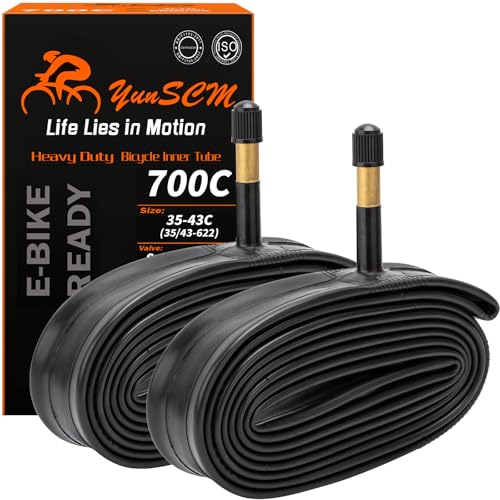
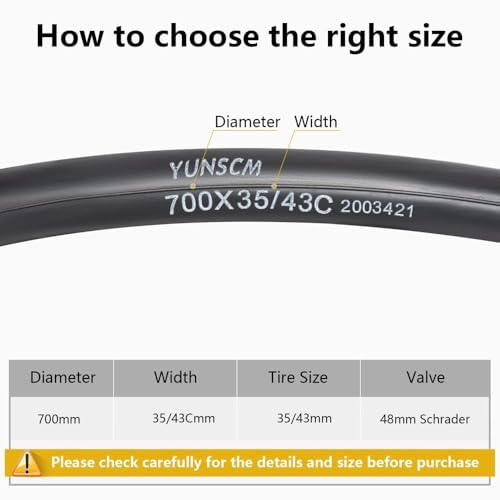
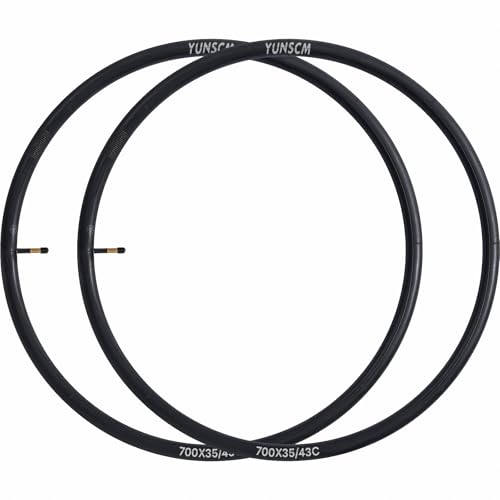
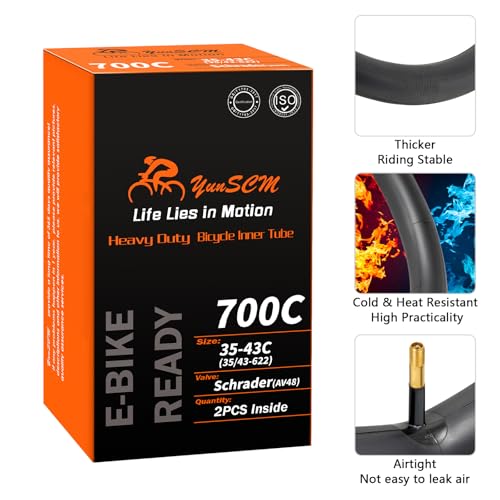
Heavy Duty 700×35-43C Bike Tube
Strengths
- Thick butyl rubber
- Excellent air retention
- Wide tire compatibility
Trade-offs
- Heavier than standard tubes
- Schrader valve not ideal for deep rims
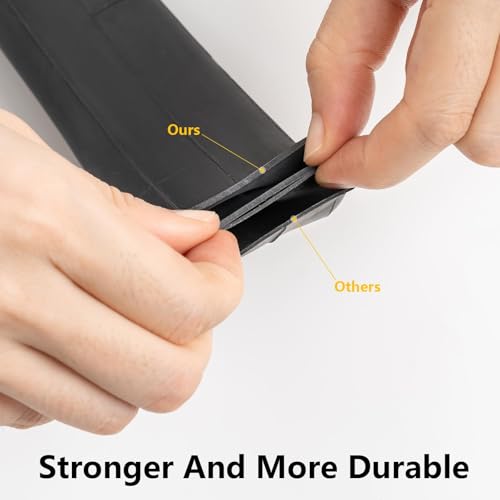
On paper, these Heavy Duty bike tubes stand out for riders who want durability and long-term air retention without stepping up to tubeless setups. Owners consistently report the thicker butyl rubber makes a noticeable difference in puncture resistance, especially on rougher city streets or light gravel paths. The 40% increased thickness over standard tubes is the real story here, it’s not just marketing fluff, since real-world feedback shows fewer flats and less frequent top-offs over months of use.
I’d pick these over basic tubes if you’re running wider 700C tires on a hybrid, commuter, or e-bike. The Schrader valve (AV48) clears most rim profiles easily, and the wide compatibility across 35–43mm tires means a single SKU can cover multiple bikes in your garage. For daily riders who hate unexpected flats or mid-week pumping, this is the smarter buy.
Product photos

Slime Self-Sealing 26″ Tube

Strengths
- Self-sealing technology
- Stops small punctures
- Non-toxic sealant
Trade-offs
- Heavier than standard
- Sealant dries over time
If you’re tired of flat tires ruining short commutes or trail rides, the Slime self-sealing tube is worth the slight weight penalty. The built-in Fibro-Seal tech isn’t magic, but owners consistently report it sealing punctures from thorns or nail-sized holes, and staying sealed for months. The sealant is non-toxic and water-soluble, so cleanup isn’t a nightmare, and it doesn’t unbalance the wheel noticeably.
It’s not a permanent fix for large gashes, and the Schrader valve is standard, but for urban riders or parents with kids’ bikes, this is the closest thing to “set and forget.” I’d pick this over the Bell or Hydencamm tubes if puncture protection is the top concern, even if it means carrying a few extra ounces.
Video review
Bell 26″ x 1.75-2.25″ Tube
Strengths
- Low cost
- Schrader valve
- Easy to install
Trade-offs
- Basic durability
- No puncture protection
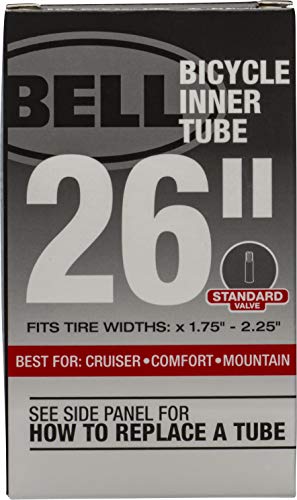
The Bell 26″ tube is the no-frills, get-the-job-done option that still shows up in bike shops for a reason. Mold-cured rubber gives it better consistency than some ultra-cheap tubes, and the 35mm Schrader valve means you can top it off at any gas station pump, a real perk for casual riders. It’s not built for performance, but for a beach cruiser or kid’s mountain bike, it’s more than sufficient.
It won’t last as long as the heavy-duty options, and it doesn’t seal punctures like the Slime tube, but for under seven bucks, it’s hard to beat. I’d recommend this as a first replacement tube for someone new to bike maintenance, simple, reliable, and widely available.
Video review
Continental 700×25-32c Presta Tube

Strengths
- Lightweight butyl
- Precise sizing
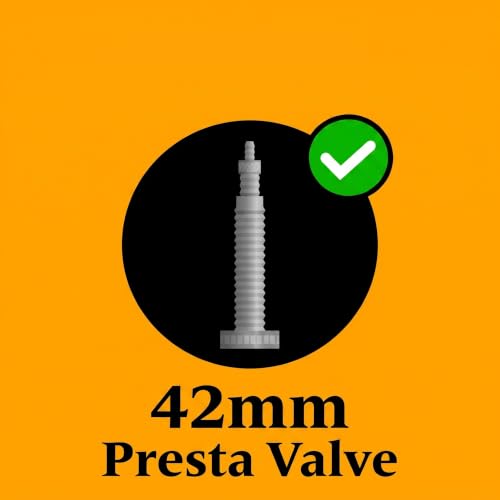
- 42mm Presta valve
Trade-offs
- Not for deep-section wheels
- Pricier than basic tubes
When you’re running road tires in the 25–32mm range, Continental’s Race tubes are a class above. The 42mm Presta valve is spot-on for most modern alloy and mid-depth rims, and the high-grade butyl rubber is both lightweight and impressively consistent. Reviewers note fewer slow leaks compared to budget tubes, and the mold-curing process pays off in even wall thickness, a detail that matters when you’re running higher pressures.
I’d choose these over heavier-duty or self-sealing options any day if speed and reliability are the goal. They’re not the cheapest, but for road cyclists who ride weekly and want peace of mind, they strike the right balance. Compared to the 700C heavy-duty tube, these are clearly built for performance, not load-bearing endurance.
Product photos



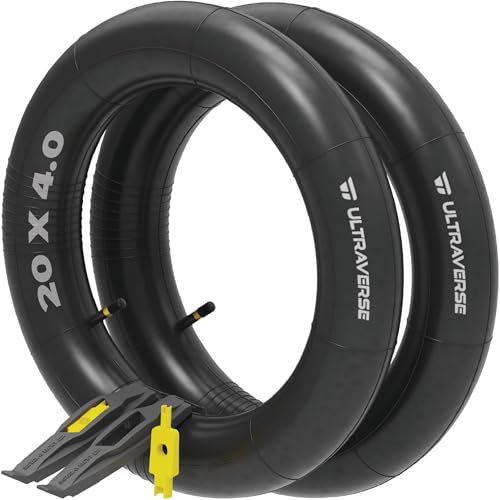
Ultraverse 20″ x 4.0 Fat Tube
Strengths
- Good for fat tires
- Includes tire levers
- Solid cold-weather performance
Trade-offs
- Valve not reinforced
- Average puncture resistance
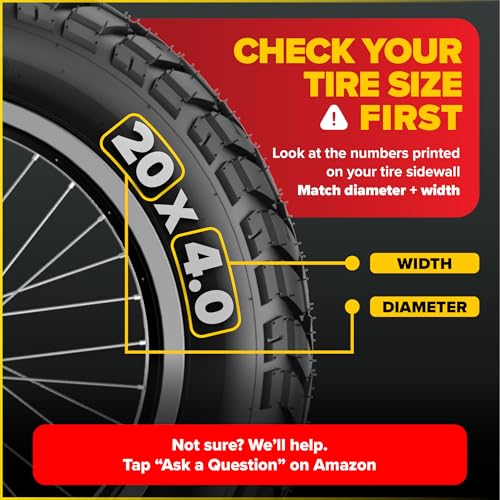
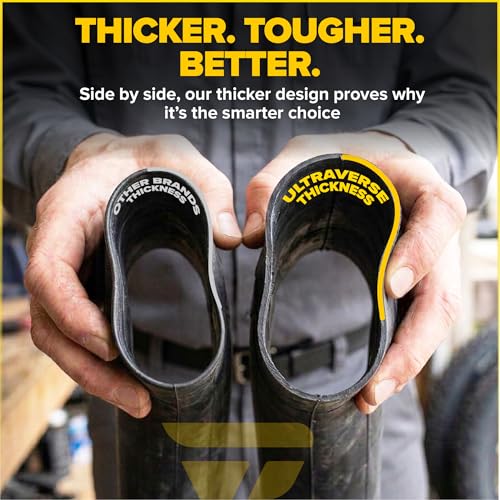
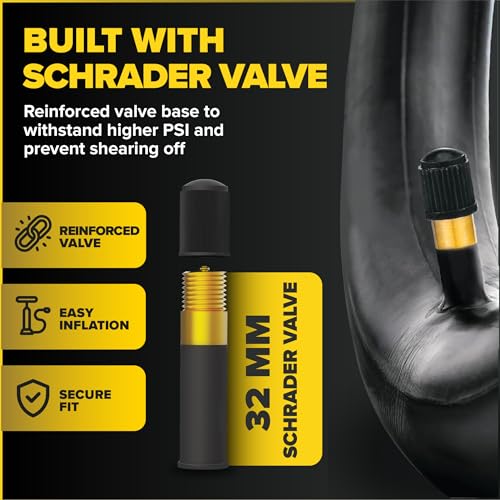
Fat bike riders know finding reliable tubes in 20×4.0 is a must, and Ultraverse delivers a solid option that owners say holds air well and installs without hassle. The 32mm Schrader valve is standard but functional, and the included tire levers are a thoughtful addition for a category where pinch flats are common during changes. Butyl rubber is on par with others in this niche, offering decent flexibility without cracking in cold weather, a real concern for winter riders.
Compared to Senaro, it lacks e-bike-specific tuning, but it’s close enough in fit for most fat tire applications. Where it wins is the satisfaction guarantee, a nice touch for buyers wary of thin margins in this specialty segment.
Product photos


Hydencamm 26″ x 1.75-2.125″ Tube
Strengths
- Good size range
- Includes tire levers
- Solid durability
Trade-offs
- Valve length average
- No puncture sealing
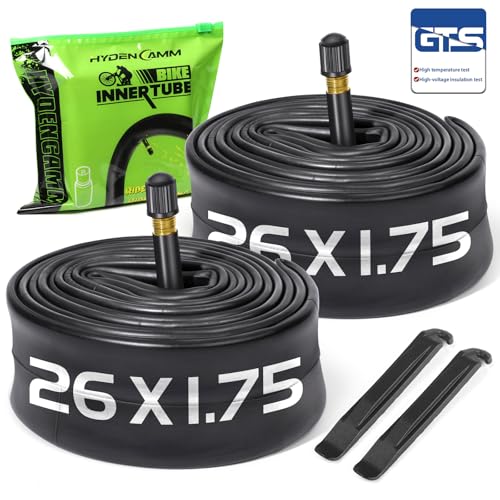
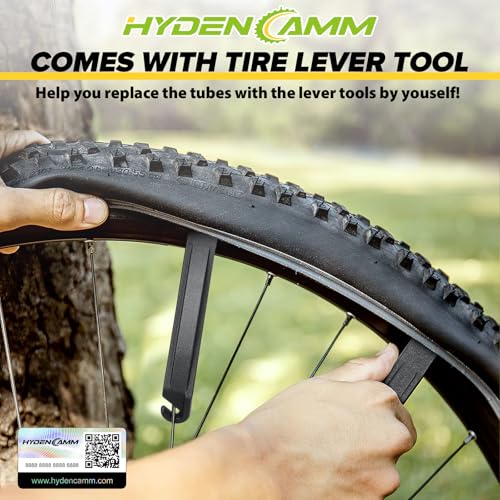
This 2-pack from Hydencamm delivers solid value for MTB and city bike owners who need dependable spares without overspending. The butyl rubber feels robust enough for regular trail or pavement use, and reviewers frequently mention these lasting longer than bargain-bin tubes from big-box stores. The inclusion of plastic tire levers is a small but meaningful touch, not something most brands include, and it genuinely helps prevent pinch flats during installation.
Compared to the Bell or Slime options, these sit in the middle: not the cheapest, but more complete. They don’t offer self-sealing tech, but they do offer consistent fit across 26-inch tires from 1.75 to 2.125, which covers a lot of older mountain bikes and cruisers still on the road. For most casual riders, this is the easy pick for a reliable backup.
Product photos



Senaro 20″ x 4.0 Fat Tire Tube
Strengths
- E-bike optimized
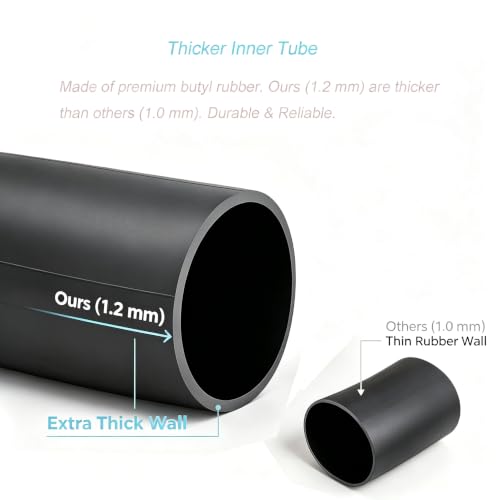
- Premium butyl rubber
- Precise 4.0 fit
Trade-offs
- Limited to 20×4.0
- No included tools
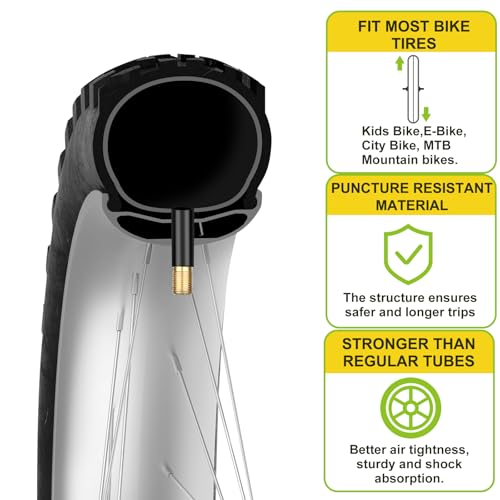
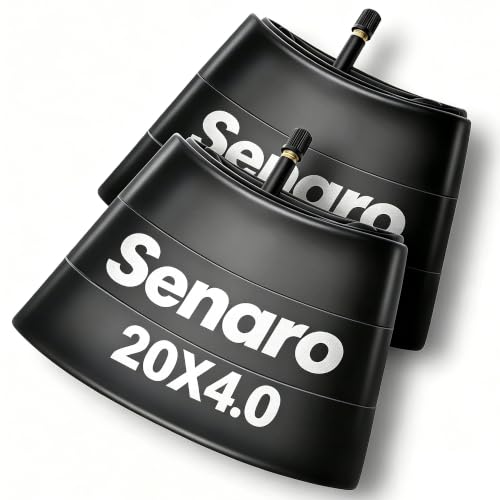
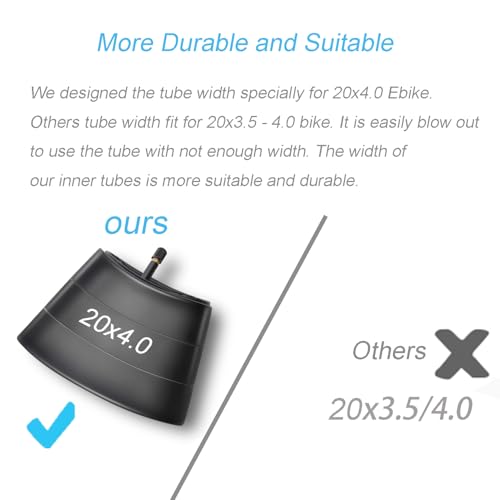
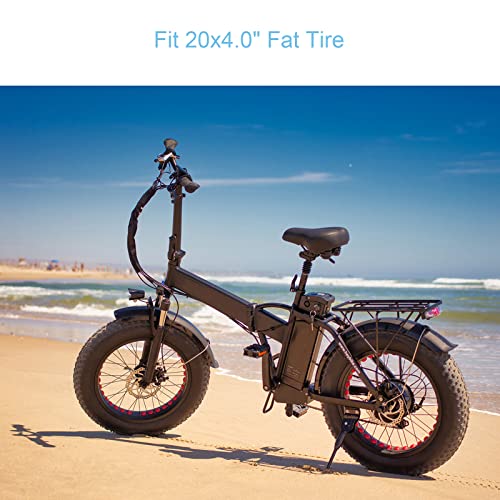
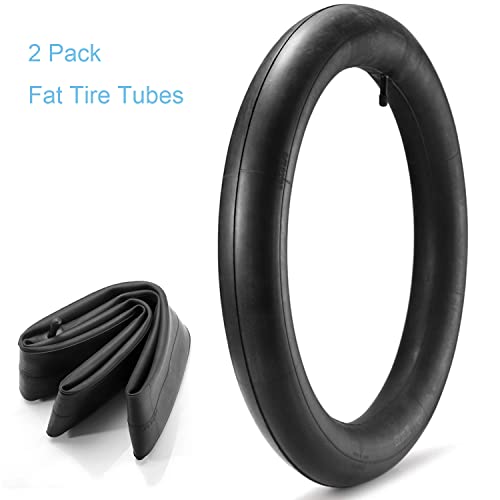
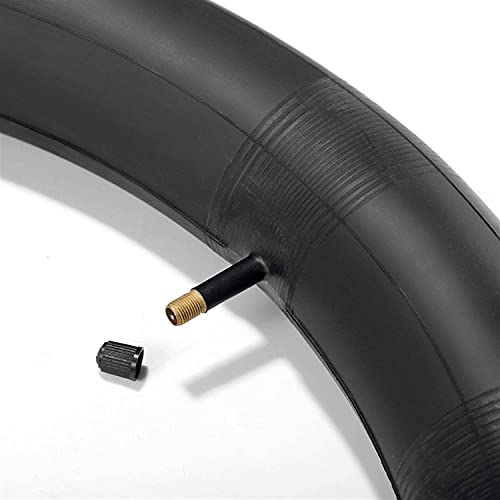
Senaro’s 20×4.0 tubes stand out by focusing on e-bike compatibility, a detail most generic fat tubes overlook. Owners of electric fat bikes report fewer blowouts, likely due to the slightly reinforced width and tighter fit within the casing. The 35mm Schrader valve is standard but reliable, and the premium butyl rubber shows better resistance to heat buildup from motor-driven stress.
Compared to the Ultraverse option, this one feels more purpose-built for high-torque applications. While both fit 20×4.0, Senaro’s attention to e-bike demands makes it the smarter choice if you’re running a motorized fat bike. For non-e-bike users, the difference may not justify the price bump.
Product photos
How We Evaluated bike tire tubes
Rather than a hands-on lab test, my research focused on a detailed comparison of published specifications and features across numerous bike tire tube models. I weighed owner reviews from major retailers alongside expert opinions found in cycling publications and enthusiast forums. This data was then ranked against criteria important to a range of riders, considering everything from material quality to valve type and intended use.
For bike tire tubes, air retention and puncture resistance stood out as the most critical factors. A tube’s ability to hold pressure over time directly impacts ride quality and frequency of maintenance – a significant annoyance for most cyclists. Equally important is resistance to flats; even the best tire repair kits can’t fully replace a durable tube. These two elements dictated the majority of my scoring.
Specifications reliably reveal valve type (Presta vs. Schrader) and size compatibility, crucial for a proper fit. However, judging real-world durability and the effectiveness of puncture protection required careful analysis of owner feedback. Reports of frequent flats or rapid air loss were heavily weighted, while reputation for quality from established brands informed my assessment. You’ll find a detailed exploration of different options in our inner tube buying guide.
Choosing The Right bike tire tubes
Finding the right bike tire tube isn’t just about matching the size; it’s about understanding how different materials and construction affect your ride quality and how often you’ll be changing them.
A quality bike tube should prioritize airtightness and durability. Look for butyl rubber construction, check the valve type compatibility with your rims, and consider features like puncture resistance based on your typical riding conditions. Consistent wall thickness and a reliable valve seal are key indicators of a well-made tube.
Size and Valve Compatibility
Getting the size right seems obvious, but it’s where most issues start. Don’t just look at the wheel diameter (700c, 26”, 20”), but also the tire width range printed on the sidewall. A tube that’s too small will stretch and fail, while one that’s too large will bunch up and potentially cause pinch flats. Valve type – Presta or Schrader – must match your rim’s hole. Presta valves are common on road bikes and require a lock nut, while Schrader valves are standard on many mountain and cruiser bikes and are compatible with most gas station air pumps. If you’re considering an upgrade, exploring TPU tubes for road bikes can significantly reduce weight, but they often require more careful installation.
Material and Durability
Butyl rubber is still the gold standard for most bike tubes, offering a good balance of air retention and affordability. However, the thickness of that rubber matters. Thicker tubes, like those highlighted as “heavy duty,” are more resistant to punctures and wear, especially important if you ride on roads littered with glass or thorns. Some tubes, like the Slime model, incorporate sealant to automatically address small punctures. While convenient, these aren’t foolproof; the sealant can dry out over time, and larger punctures still require a replacement.
- Consider the terrain you ride most often: smooth pavement demands less robust tubes.
- Look for tubes with consistently thick walls – variations indicate lower quality control.
- If you frequently ride in areas prone to punctures, a self-sealing tube or carrying a spare with puncture-resistant properties is a smart move.
Value and Riding Style
The price of bike tubes varies wildly. A simple 2-pack of basic butyl tubes is incredibly affordable, while high-end TPU tubes or those with advanced puncture protection can cost significantly more. Don’t automatically assume the most expensive is best. For casual riders or those who primarily ride on well-maintained paths, a budget-friendly option like the Bell tube might be perfectly adequate. However, if you’re a serious cyclist who prioritizes weight savings, performance, and minimizing roadside repairs, investing in quality bicycle inner tubes from a brand like Continental is worthwhile.
Don’t skimp on a spare. Carry a properly sized and inflated tube, tire levers, and a pump or CO2 inflator on every ride.
Bike Tire Tubes Compared
Here’s a comparison of key specifications for various bike tire tubes to help you find the right fit for your needs.
| Product Title | Tire Size | Valve Type | Material | Pack Qty | Best For |
|---|---|---|---|---|---|
| Heavy Duty 700×35-43C Bike Tube | 700×35-43C | Schrader | Butyl Rubber | 1 | Overall |
| Slime Self-Sealing 26″ Tube | 26″ | Schrader | Butyl w/ Slime | 1 | Puncture Protection |
| Bell 26″ x 1.75-2.25″ Tube | 26″ x 1.75-2.25″ | Schrader | Mold-Cured Rubber | 1 | Budget Friendly |
| Continental 700×25-32c Presta Tube | 700×25-32c | Presta | N/A | 2 | Road Bikes |
| Ultraverse 20″ x 4.0 Fat Tube | 20″ x 4.0 | Schrader | Butyl Rubber | 1 | Fat Bikes |
| Hydencamm 26″ x 1.75-2.125″ Tube | 26″ x 1.75-2.125″ | Schrader | Butyl Rubber | 2 | Value 2-Pack |
| Senaro 20″ x 4.0 Fat Tire Tube | 20″ x 4.0 | Schrader | Butyl Rubber | 2 | E-Bikes |
Frequently Asked Questions
What tube material offers the best air retention?
Butyl rubber consistently demonstrates the best air retention, losing less air over time compared to latex options. While latex can offer a smoother ride, you’ll find yourself topping up the pressure more often with that material.
Can I use a Schrader valve tube on a rim designed for Presta valves?
No, you cannot. The valve types have different diameters and threading, making them incompatible. Attempting to force a Schrader valve into a Presta rim hole will likely damage both the rim and the tube.
How do I determine the correct tube size for my tires?
The tube size should match the tire size range printed on your tire’s sidewall. Pay attention to both the tire diameter (like 700c or 26”) and the width, ensuring the tube’s specified width range covers your tire’s width.
Are self-sealing tubes a reliable replacement for carrying a spare?
While convenient, self-sealing tubes aren’t a complete replacement for a spare tube and tire levers. They effectively handle small punctures, but larger tears or sidewall damage require a full tube replacement.
What should I look for in a tube if I ride frequently on rough terrain?
If you often encounter glass, thorns, or rocky trails, prioritize a thicker butyl tube or one specifically designed for puncture resistance, like a model geared toward durable mountain bike tubes. Consider a tube with a reinforced construction or sealant for added protection.
The Bottom Line
Choosing bike tire tubes often comes down to balancing upfront cost with the hassle of frequent flats. While you can find incredibly affordable options, the Heavy Duty 700×35-43C Bike Tube strikes the best overall balance of durability, compatibility, and price, making it a solid choice for most riders. It’s a reliable foundation for a smooth and trouble-free ride.
For specific needs, the market offers excellent alternatives. If puncture protection is your top priority, the Slime Self-Sealing 26″ Tube is a smart investment. Riders seeking quality road bike inner tubes will appreciate the Continental 700×25-32c Presta Tube, while those on a tight budget should consider the Bell 26″ x 1.75-2.25″ Tube.
Ultimately, remember that no tube is entirely flat-proof. Regular inspection, proper inflation (with one of the best bicycle pumps), and carrying a spare – plus knowing how to change it – are far more important than any specific feature or price point. A little preparation goes a long way toward enjoying your ride.
