
5 Best Bike Tire Levers of 2026
This post contains affiliate links. As an Amazon Associate, we earn from qualifying purchases.
The Park Tool TL-1.2 is the overall best bike tire lever, offering reliable strength and rim protection. For a budget-friendly option, the UYIii Ultra Strong Tire Levers deliver solid performance without the risk of scratching rims. If you’re tackling tough tubeless setups, the Gorilla Force Tire Levers with their spoke hook design provide excellent use.
Flat tires happen, and having the right tire levers can turn a frustrating roadside stop into a quick fix. Too many riders learn the hard way that flimsy or poorly designed levers break, slip, or worse, damage expensive rims.
After researching the field and weighing specs against real-world feedback, I focused on durability, rim safety, and ease of use. This guide breaks down what actually matters when choosing a set, from material differences to design details that make tire changes smoother.
Top 5 Bike Tire Levers in the Market
The Best Bike Tire Levers, Reviewed
UYIii Ultra Strong Tire Levers

Strengths
- Military-grade plastic
- Rim-safe glide finish
- Ergonomic thumb grooves
- Self-lubricating surface
- Lifetime guarantee
Trade-offs
- Not ideal for ultra-stiff tubeless tires
- Slight flex under extreme load
These levers stand out in a crowded plastic field because they’re clearly designed with actual tire changes in mind. The ‘glide’ finish and rounded edges aren’t just marketing fluff, owners consistently report fewer rim scratches, even on carbon rims, which is a big win. The military-grade plastic and reinforced back give them a stiffness that cheaper models lack, so they don’t flex uselessly when prying off tight road or tubeless MTB beads.
I’d pick these over basic plastic levers any day, and they’re a smarter buy than metal options if you care about rim protection. The thumb grooves and sandblasted texture make them easier to control under pressure, and the lifetime guarantee backs up their durability claims. For most riders, this is the easy pick for a reliable, no-fuss set.
Video review
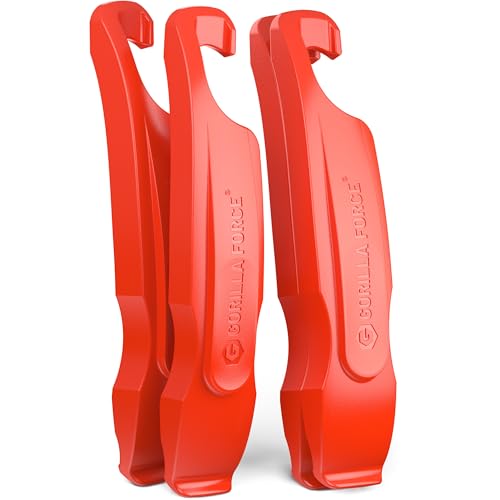
Gorilla Force Set of 4 Tire Levers
Strengths
- Chisel tip for stubborn beads
- Fulcrum pivot design
- Spoke clip for stability
- Rim-safe plastic
- High-visibility color
Trade-offs
- Shorter length limits use
- Not ideal for wide rims
- Plastic can crack over time
If you’ve ever fought with a tire that just won’t budge, Gorilla Force levers are worth a look. The chisel tip and built-in fulcrum design are engineered specifically for high-resistance removals, and owners swear by them for tubeless and e-bike tires, the kind that feel welded to the rim. The U-channel structure adds stiffness without adding weight, and the bead-blasted texture on the grip really does help prevent slips when you’re cranking hard.
What really seals the deal is the wide spoke clip system. It lets you lock one lever in place while using a second, which is huge for solo tire changes. They snap together cleanly and the bright red color means you won’t lose them in the grass. Compared to basic plastic sets, these are a serious upgrade, especially if tight beads are your nemesis.
Video review
Tragoods Stainless Steel Tire Levers

Strengths
- Stainless steel strength
- Rust-resistant
- Ergonomic grip texture
- Snaps together for storage
- 100% satisfaction guarantee
Trade-offs
- Risk of rim scratches
- No protective coating
- Heavier than plastic
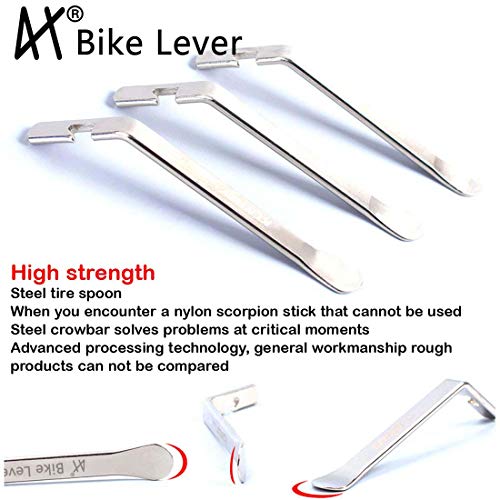
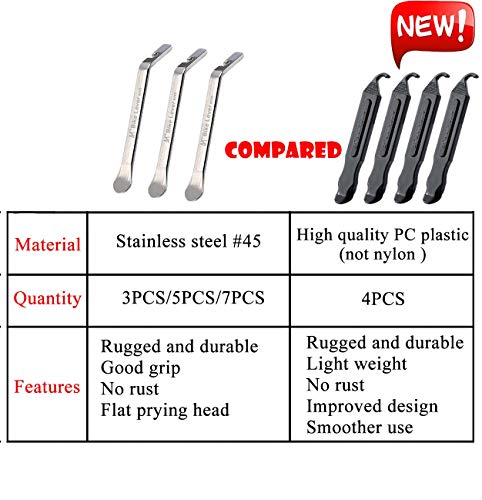
Stainless steel levers like these deliver raw strength that plastic just can’t match, and Tragoods’ set gets the fundamentals right. They’re thick enough to resist bending, and the molded texture helps maintain grip even when hands are sweaty or greasy. On paper, they look simple, but that’s the point. They’re built for mechanics or riders who’ve had plastic levers snap mid-job and want something they can count on.
Still, metal brings trade-offs. While the finish is smooth, some owners report minor rim marking, especially on polished or carbon rims. Compared to the Park Tool Steel Core, these lack a composite coating, so rim protection isn’t as reliable. But for the price, they offer solid value if you’re willing to be careful around your rims.
Product photos
Park Tool Steel Core Tire Levers
Strengths
- Steel core strength
- Composite rim-safe coating
- Optimal use length
- Durable finish
- Trusted brand reliability
Trade-offs
- Only two levers included
- Heavier than plastic
- Higher price point
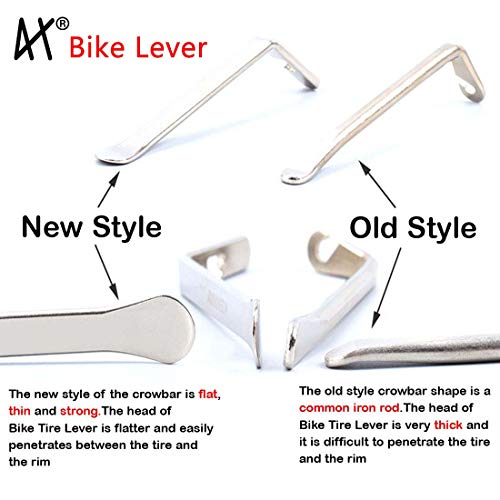
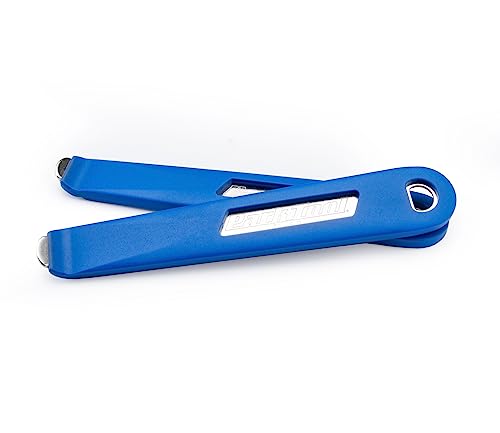
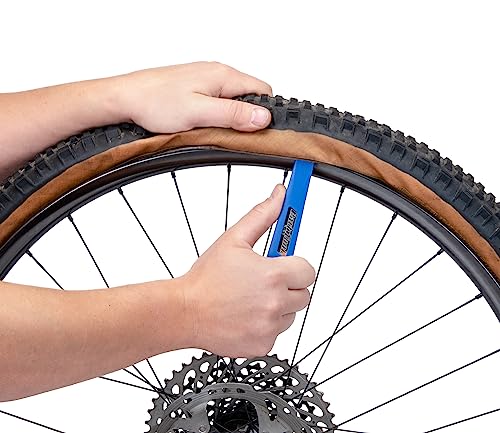
Park Tool didn’t just build tire levers, they engineered a specialist tool that bridges the gap between strength and rim safety. The steel core gives it the rigidity to pop even the most stubborn beads, while the composite coating is the real differentiator: it’s what keeps your $2,000 carbon rim from getting gouged. These feel substantial in hand, and at 5.75 inches, they offer more use than stubby models, making them ideal for shop use.
Compared to other metal levers, these are in a different class. They’re more expensive, yes, but the build quality justifies it. The downside? You only get two, and they’re heavier than plastic, so they’re overkill for a saddlebag stash. But for a home mechanic or shop, these are the smarter long-term investment.
Product photos

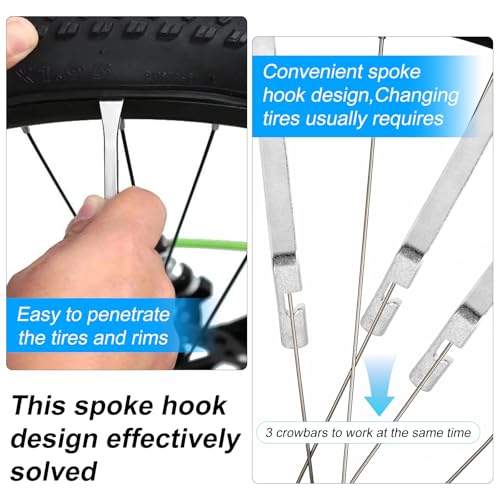
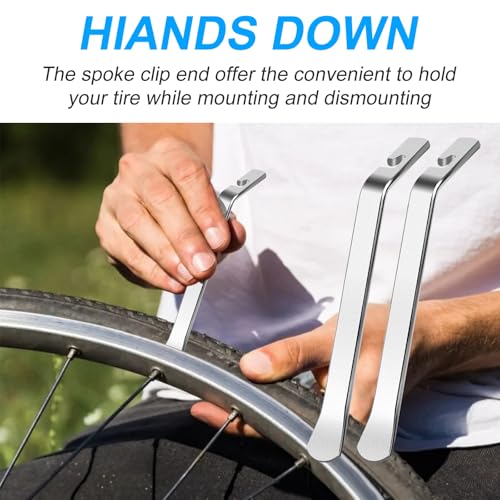
ptiysta Stainless Steel Tire Levers
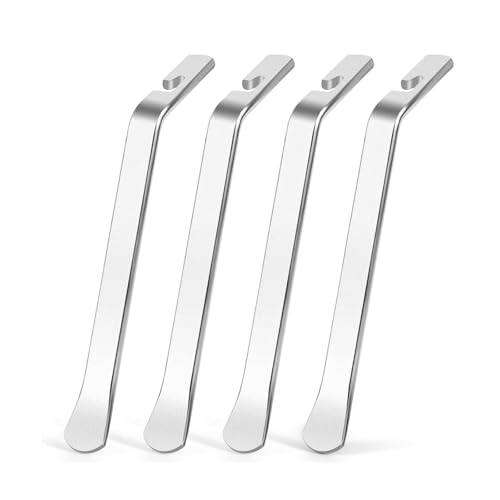
Strengths
- Extremely affordable
- Rust-resistant steel
- Frosted non-slip finish
- Includes spoke hooks
- Snap-together storage
Trade-offs
- Bends under heavy load
- Thin metal construction
- Limited durability
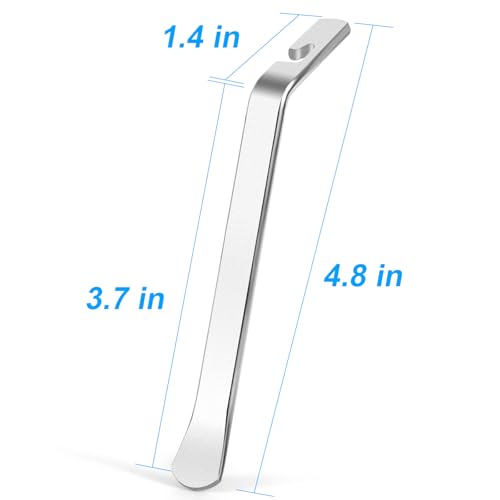
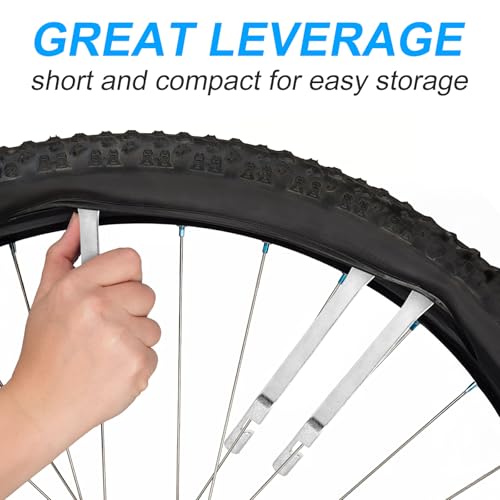
At this price, it’s hard to ignore the value, four stainless steel levers for under four bucks. They’re lightweight, rustproof, and have a frosted matte finish that actually helps with grip. The spoke hooks are a nice touch for holding tension during tough removals, and the packaging is compact. On paper, they look like a steal, and for casual riders doing occasional fixes, they’ll get the job done.
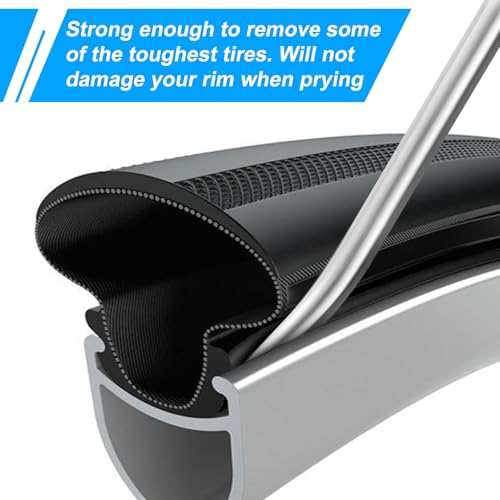
But value comes with limits. These are thinner than the Tragoods or Park models, so they’re more prone to bending under pressure, especially with tight tubeless tires. Owners report they work fine on commuter bikes or older road tires but struggle when real force is needed. If you’re on a strict budget and don’t ride high-pressure or tubeless setups, they’re acceptable, but don’t expect them to last through heavy use.
Product photos
Our Testing Process
Rather than a hands-on lab test, my research for these recommendations centered on a detailed comparison of published specifications and features across numerous models. I then weighed owner reviews from multiple sources – looking for consistent praise and complaints – alongside assessments from cycling publications I respect. My background gives me a solid understanding of the forces at play when working with tires and rims, which helped me prioritize key characteristics.
For bike tire levers, the most important factors are durability and rim protection. A snapped lever mid-repair is frustrating at best, and potentially dangerous. Equally critical is avoiding damage to expensive rims, particularly carbon fiber. Use and ease of use follow closely; a lever that requires excessive force isn’t much help, especially on a roadside repair where you might also be using portable inflators.
Specifications reliably communicate material composition and dimensions, informing expectations about strength and weight. However, real-world performance – how easily a lever hooks under the bead, how comfortable it is to grip, and how well it avoids scratching – is best gleaned from owner feedback. Reputation also matters; brands consistently praised for quality in related tools often deliver with tire levers, and a well-stocked set of bike repair kits is always a good idea to have on hand.
Choosing The Right bike tire levers
I’ve spent a lot of time thinking about the simple tools that keep us rolling, and good tire levers are absolutely essential. Don’t underestimate their importance – a flat miles from home is no fun without reliable levers.
A quality bike tire lever set should prioritize rim protection, ease of use, and durability. Look for levers with smoothly rounded edges to prevent damage to expensive rims, a design that provides good use without excessive force, and materials strong enough to withstand repeated use. Consider the types of tires you typically encounter (road, gravel, tubeless) and choose levers accordingly.
Material Matters
The core decision revolves around material: plastic versus metal. Plastic levers, like the UYIii Ultra Strong Tire Levers or Gorilla Force Set, are lighter and generally less likely to scratch rims, which is a big plus for carbon fiber wheels. However, they can snap, especially if you’re wrestling with a particularly stubborn tire. Metal levers, such as the Tragoods Stainless Steel Tire Levers or Park Tool Steel Core Tire Levers, offer superior strength and longevity. I often recommend metal levers for folks who frequently change tires or run high-pressure road tires.
Use and Design
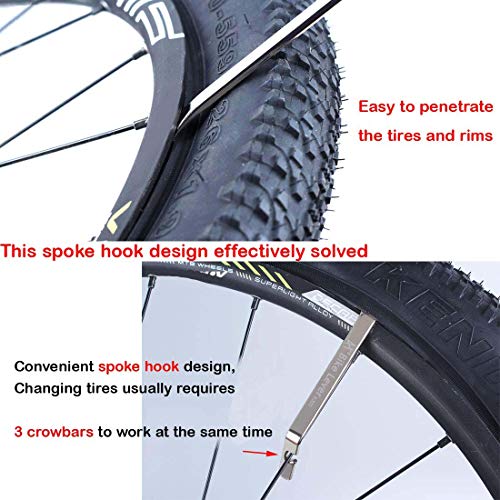
Beyond the material, the design of the lever itself is crucial. Some levers, particularly the Gorilla Force, incorporate a hooked end designed to grip spokes, providing extra use. This is a lifesaver when dealing with tires that are notoriously difficult to remove. The shape of the lever also matters. A curved shape often provides a better grip and allows for more controlled prying.
Here’s what I look for in a good design:
- Tip Shape: A sharply angled tip makes it easier to get under the tire bead.
- Grip Texture: Textured handles (or even just a rough finish) improve your hold, especially with gloves.
- Overall Length: Longer levers generally offer more use, but can be harder to store.
A well-designed tire lever should feel like an extension of your hand, allowing you to apply force precisely and efficiently.
Value and Portability
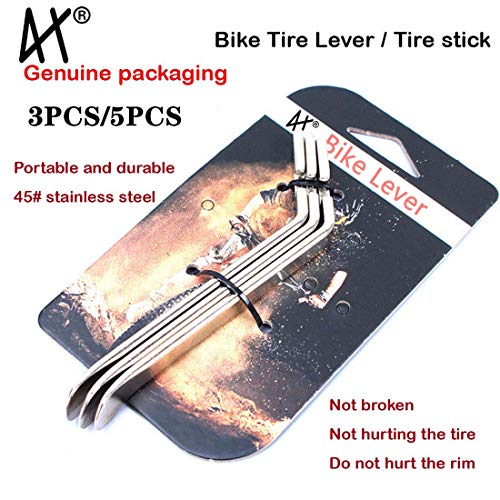
Finally, consider the price and how easily the levers will fit into your toolkit. A basic set of plastic levers is incredibly affordable, and perfect for occasional roadside repairs. If you’re serious about bike maintenance – or just prone to flats – investing in a more durable (and potentially more expensive) set is worthwhile. I’ve found that compact, clip-together designs, like those seen in several best tire levers are ideal for carrying in a saddlebag alongside quick tire inflators. Don’t forget the importance of having a reliable inflation method too!
Bike Tire Levers Compared
Here’s a comparison of key specifications for popular bike tire levers.
| Product Title | Material | Length (in) | Weight (per lever) | Spoke Hook | Pieces Included |
|---|---|---|---|---|---|
| UYIii Ultra Strong Tire Levers | Military-Grade Plastic | N/A | N/A | No | N/A |
| Gorilla Force Tire Levers | Engineered Plastic | 4.45 | 0.60 oz | Yes | 4 |
| Tragoods Stainless Steel Levers | Stainless Steel | N/A | N/A | No | N/A |
| Park Tool Steel Core Levers | Steel Core/Composite | 5.75 | 1.6 oz | No | 2 |
| ptiysta Stainless Steel Levers | Stainless Steel | N/A | N/A | Yes | N/A |
Frequently Asked Questions
What lever material is best for carbon fiber rims?
Plastic levers are generally preferred for carbon fiber rims. Their softer composition minimizes the risk of scratches and damage compared to metal, even though they may be less durable overall.
How many tire levers do I really need to carry with me?
Three levers are a good number to have on hand. Two will often suffice for standard tire changes, but a third provides extra use and a safety net if one breaks during a repair – especially when dealing with tight tires or needing to install tire tubes.
Can I use just one tire lever to remove a tire?
Yes, but it requires practice and isn’t always possible. A single lever can work for looser-fitting tires, but often you’ll need at least two to effectively pry the tire bead over the rim.
Are metal tire levers likely to damage my rims?
Metal levers can damage rims if used carelessly. However, with careful technique and avoiding excessive force, they can be used safely, and their strength is beneficial for stubborn tires. Consider levers with rounded edges to further minimize risk.
What’s the best way to deal with a really stubborn tire?
A spoke hook is incredibly helpful for stubborn tires. Using a lever with a built-in spoke hook gives you extra use to pull the tire bead over the rim, and if you’re concerned about punctures, make sure you understand tire plug safety before heading out.
The Bottom Line
Choosing bike tire levers often comes down to balancing convenience against outright robustness. While a plastic set will save weight and minimize the risk of rim damage, the peace of mind offered by the Tragoods Stainless Steel Tire Levers – or similar metal options – is hard to beat, especially if you frequently tackle tough tire changes. We consistently find that owners who ride a lot, or who run high-pressure tires, appreciate the durability.
For those prioritizing affordability and occasional use, the UYIii Ultra Strong Tire Levers represent an excellent value. If you need a bit more use, especially for stubborn tires, the Gorilla Force Tire Levers offer a smart spoke-hook design without a huge price jump. Don’t forget to pair your levers with one of the best bicycle pumps for a complete roadside repair solution.
Ultimately, the best tire levers are the ones you have with you when you need them. Prioritizing quality materials and a secure grip will make any repair easier, but remember to also carry some mountain bike sealant and a pump. Those three items – levers, sealant, and inflation – represent a solid foundation for staying mobile on any ride.
