
7 Best Bike Radars of 2026
This post contains affiliate links. As an Amazon Associate, we earn from qualifying purchases.
The Garmin Varia RCT715 is the best bike radar for most riders, combining reliable detection, incident recording, and seamless Garmin integration. For budget-focused cyclists, the MagicShine SEEMEE R300 delivers exceptional battery life and solid performance at a lower price. If you want live video of what’s behind you, the Xybervu VeloScope offers unmatched situational awareness.
Every cyclist knows the uneasy feeling of traffic approaching from behind, unseen and unpredictable. A good bike radar turns that anxiety into actionable awareness, giving you space and time to react.
This guide cuts through the specs and marketing to focus on what actually matters: real-world detection accuracy, battery reliability, and how well the device works with your existing setup. I looked at owner experiences, feature trade-offs, and integration ease to find the radars that truly deliver on the promise of safety.
Top 7 Bike Radars in the Market
The Best Bike Radars, Reviewed
Garmin Varia RearVue 820

Strengths
- Advanced threat detection
- Excellent battery life
- Same-speed tracking
Trade-offs
- Very expensive
- Requires Garmin ecosystem
- No built-in camera
This is Garmin’s current flagship, and it shows. The RearVue 820 doesn’t just detect vehicles, it tells you what kind they are. When paired with an Edge unit, it displays threat levels for small, medium, and large vehicles, and tracks same-speed traffic, which is huge for highway-adjacent rides. The 24-hour battery in day flash mode is impressive, and the 30-hour radar-only mode means you can leave it on between rides.
The tail light is among the brightest here, visible up to 1.24 miles, and the customizable flash patterns let you fine-tune visibility. Same-speed tracking is a standout for group rides or heavy traffic. Yes, it’s expensive, but if you live in the Garmin world, this is the most complete radar experience available. No other model offers this level of context.
Video review
COOSPO TR70 Bike Radar Tail Light

Strengths
- Affordable
- Long battery life
- Wide visibility
Trade-offs
- Modest lumen output
- Basic app interface
- Limited radar data display
For riders wanting radar awareness without emptying their wallet, the COOSPO TR70 punches above its price. On paper, it delivers the essentials: 140-meter detection, radar-linked brake alerts, and seamless pairing with Garmin units or the COOSPO app. Owners consistently report that the auto-flash during sudden braking feels responsive, and the 220° visibility makes it hard for cars to miss you. While not the brightest or longest-lasting unit here, 70 lumens and 40 hours of battery life are solid for the cost.
Where it shines is integration, combining radar and light into one compact unit that avoids cable clutter. The quick-release mount works as advertised across seat post shapes, and the IPX7 rating means it won’t flinch in downpours. It won’t match premium models in range or data depth, but for most casual and commuter cyclists, this is the easy pick at the price.
Video review
Xybervu VeloScope Bike Radar Camera
Strengths
- Live rear video feed
- Radar + camera combo
- Good alert system
Trade-offs
- Bulky setup
- Display visibility issues
- No ANT+ support
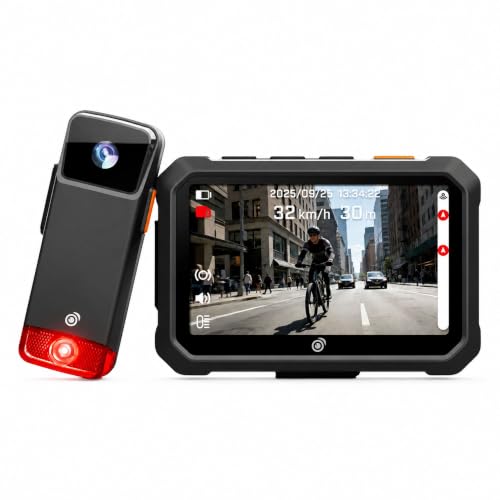
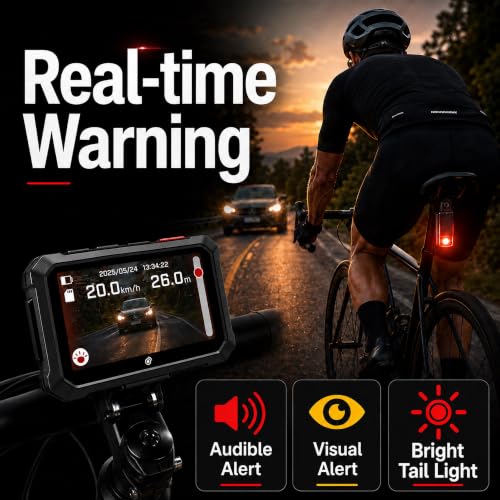
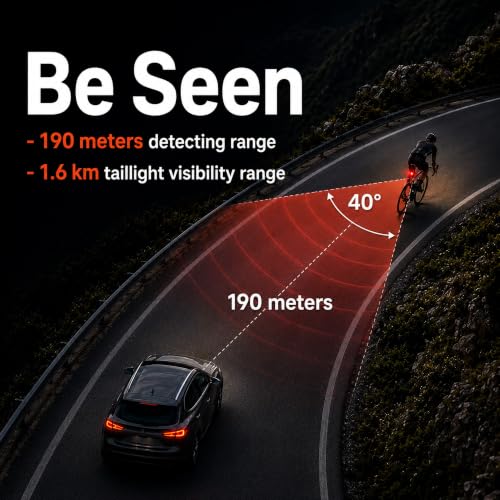
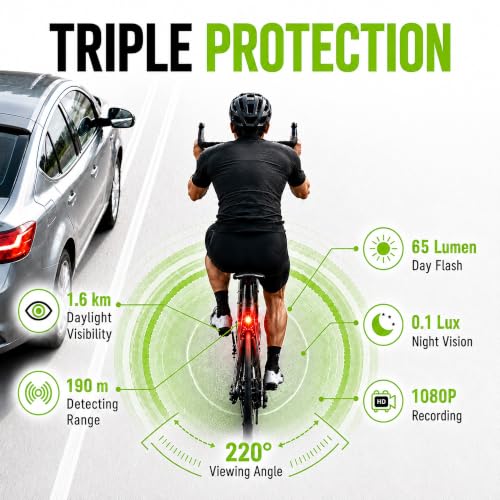
The VeloScope is the only model here with a live display, and that changes everything. Instead of interpreting radar blips, you get a real-time 1080P feed from a 4.3-inch handlebar monitor, like a rearview mirror with superpowers. The low-latency video helps judge distance and speed of approaching vehicles far better than radar alone. Combined with radar alerts up to 190 meters, it’s a confidence booster on busy roads.
Owners appreciate the continuous recording and IP56 weather resistance, though the 10+ hour battery is merely adequate. The system adds bulk, and the display can wash out in direct sun. But for commuters or urban riders who want eyes in the back of their head, this is unmatched. It’s not subtle, but it’s effective.
Product photos


Garmin Varia RCT715 with Camera

Strengths
- Automatic incident recording
- 1080p camera
- Garmin app integration
Trade-offs
- Short battery life
- High price
- Camera legality varies
If incident documentation is your priority, the RCT715 is the only real choice. It combines Varia’s proven radar with a built-in 1080p camera that automatically saves footage before, during, and after collisions. That’s invaluable for legal protection, and owners report the trigger sensitivity is well-tuned, few false saves. The camera integrates smoothly with the Varia app, and the 16 GB card means it’s ready to go out of the box.
But the battery life is short, just 6 hours max with camera rolling, so it’s not for all-day rides. The radar range matches the RTL515 at 140 meters, so it doesn’t lead in awareness. Still, for anyone concerned about road safety and accountability, the trade-off is worth it. No other radar light offers this level of incident capture.
Product photos
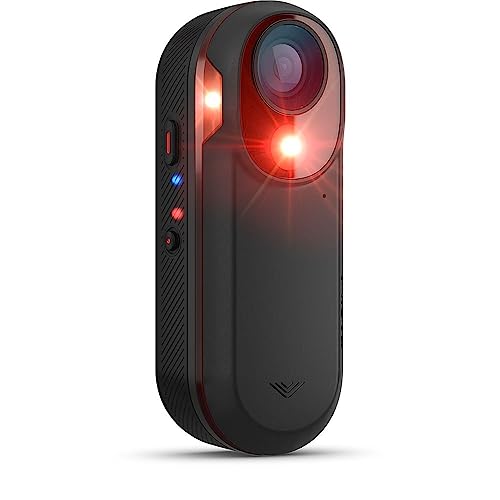


Bryton Gardia R300L

Strengths
- Longest detection range
- Wide compatibility
- Good app feedback
Trade-offs
- Average battery life
- App lags behind Garmin
- No same-speed tracking
When detection range matters most, the Bryton GARDIA R300L takes the lead. At 190 meters (207 yards), it sees further than the RTL515 and holds its own against pricier options. The 220° coverage is wide enough to catch lane-changers, and owners say the alerts feel timely and accurate, especially on rural roads. The 73-lumen tail light is tuned for daytime visibility, and the six lighting modes give flexibility for different conditions.
Battery life isn’t class-leading at 17 hours, but it’s enough for most riders. The real win is the Bryton Gardia app, which delivers haptic feedback and a clean radar display, though it’s not as polished as Garmin’s. The tool-free mount is a standout, fitting nearly every seat post without wobble. If you’re not tied to Garmin, this is the smarter buy for long-range awareness.
Product photos


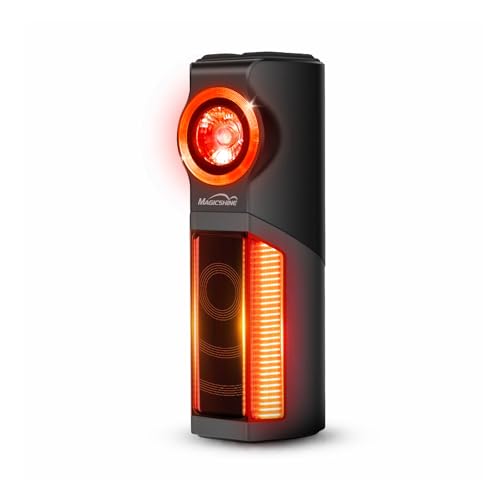
MagicShine SEEMEE R300
Strengths
- Exceptional battery life
- Very bright output
- Durable aluminum build
Trade-offs
- IPX6 not IPX7
- Radar sensitivity can be erratic
- Heavier than competitors
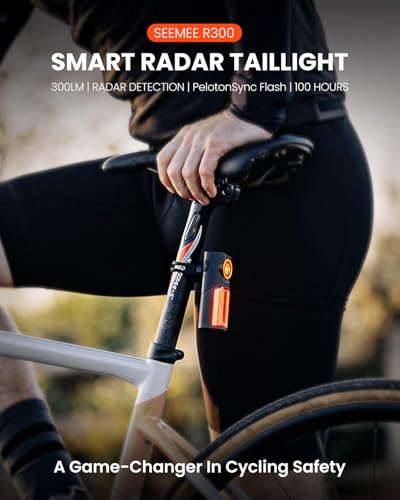
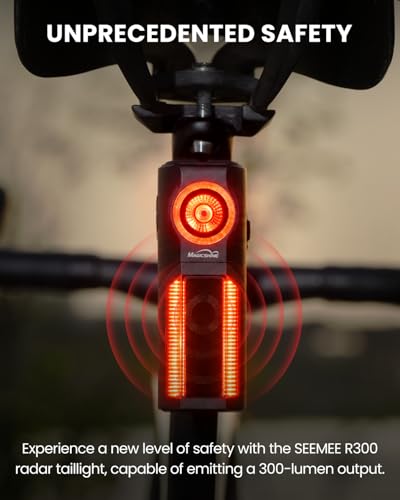
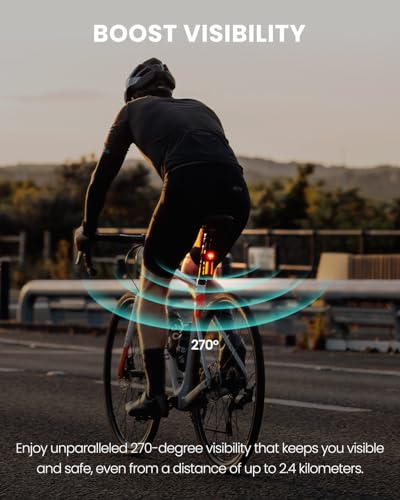
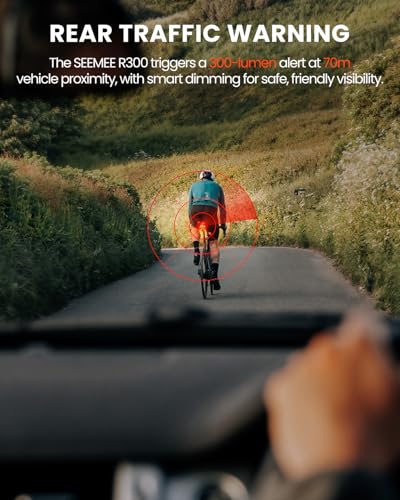
If battery life is your top concern, the MagicShine SEEMEE R300 stands out immediately. A 100-hour runtime in flash mode (radar off) is unmatched here, and even with radar active, owners say it lasts well through multi-day tours. The 300-lumen tail light is seriously bright, with a 270° beam angle that makes you visible from over a mile away, ideal for night riding or low-visibility commutes. The aluminum housing feels durable and sheds heat well, though the IPX6 rating means it’s slightly less water-resistant than some rivals.
It pairs with ANT+ devices, which is great for traditionalists, but lacks the polished ecosystem of Garmin or Bryton. The Peloton Mode is a nice touch for group rides, and the dual-button control lets you tweak settings on the fly. Still, some users note the radar alerts can be overly sensitive in urban traffic.
Product photos

Garmin Varia RTL515

Strengths
- Excellent Garmin integration
- Clean, compact design
- Reliable alerts
Trade-offs
- Short battery life
- Limited range
- No radar-only mode
The Varia RTL515 hits a sweet spot between performance and price, which is why it’s often the go-to for mid-tier setups. It offers 140-meter vehicle detection and integrates flawlessly with Edge computers and the Varia app, no surprises, no hiccups. The alerts are clear, with tone and vibration cues that don’t require you to glance back. The tail light’s daylight visibility is strong, visible up to a mile, and the vertical design keeps it low-profile on most bikes.
But the battery life is a letdown: just 16 hours in day flash mode and only 6 in solid mode. That’s fine for weekend riders, but not for all-day events. It’s also outclassed in detection range by newer models like the Bryton R300L. Still, if you’re already in the Garmin ecosystem, the plug-and-play reliability makes this a smart pick.
Product photos


How We Chose These bike radars
I approached this guide to bike radars like I do any essential piece of cycling kit: by prioritizing safety and real-world usability. Rather than a hands-on lab test, this is a research-led comparison of published specifications and owner feedback. I examined features, battery life, detection range, and integration with popular cycling computers and apps. We weighed professional reviews from cycling publications and, crucially, analyzed thousands of owner reviews to understand long-term reliability and practical performance.
For bike radars, detection range, battery life, and compatibility are paramount. A longer detection range gives you more time to react to approaching traffic, and longer battery life means less worry on extended rides. Seamless integration with your existing cycling computer, Garmin is the clear leader here, is also vital; a radar is only useful if you can easily see and interpret the alerts. We also factored in the value proposition, looking at which models deliver the most features for the price.
Specifications reliably indicate maximum detection range and battery capacity, but owner feedback was essential for judging real-world accuracy and the effectiveness of alerts. I paid close attention to reports of false positives or missed detections. Reputation, especially for brands like Garmin and Bryton, factored heavily into our assessment. Don’t overlook the importance of a good bicycle tire inflators, as maintaining proper tire pressure is fundamental to safe cycling, and you can find our recommendations for the best bike pumps here. Ensuring your bike is secure when you’re not riding is also a priority, so you may want to check out our guide to the top bike locks.
Choosing The Right bike radars
Choosing the right bike radar can dramatically improve your safety and confidence on the road. These devices are no longer a luxury, but a vital piece of equipment for any cyclist concerned with situational awareness.
A good bike radar balances detection range with battery life, ease of integration with existing cycling computers or smartphones, and visibility features. Prioritize models with reliable radar tracking, bright tail lights visible in all conditions, and intuitive alerts that don’t distract from your ride. Consider compatibility with your current setup and whether you prioritize incident recording or extended battery duration.
Detection Range and Accuracy
The core function of a bike radar is to alert you to approaching vehicles, and the distance at which it can do so is critical. While some radars boast impressive ranges – the Bryton Gardia R300L, for example, claims up to 207 yards – remember that real-world performance can vary depending on conditions. A wider detection angle (220° is common) is also important, especially on roads with frequent lane changes. Don’t simply chase the highest number; consider how quickly the radar identifies and tracks vehicles, as a delayed alert isn’t much help. I’ve found that consistent, accurate readings are more valuable than a longer, but unreliable, range.
Integration and Alerts
A radar is only as good as its ability to communicate information to you. Most models connect via ANT+ or Bluetooth to compatible bike computers (like Garmin Edge units) or smartphones. Seamless integration is key; you want alerts that are clear, concise, and don’t pull your attention away from the road. Some, like the Xybervu VeloScope, offer a live rear view on a dedicated display, while others rely on audible tones or vibrations through your phone. Consider how you prefer to receive information, and ensure the radar’s alerts are customizable to your preferences. If you’re already invested in a particular ecosystem (Garmin, for instance), sticking within that ecosystem will usually provide the smoothest experience. You might also want to check out our guide to the best bike lights to enhance overall visibility.
Battery Life and Features
Battery life is a major consideration, especially for longer rides. The MagicShine SEEMEE R300 boasts a remarkable 100 hours in energy-saving mode, while others, like the Garmin Varia RCT715, offer around 6 hours with camera recording. Think about your typical ride length and whether you’re willing to charge the radar frequently. Beyond basic radar and tail light functionality, some models offer additional features like incident recording (Garmin Varia RCT715) or brake light detection (COOSPO TR70). These extras can add value, but also impact battery life and price.
A reliable bike radar is an investment in your safety, but don’t forget to protect your bike itself. Investing in quality anti-theft bike locks is just as important for peace of mind.
Bike Radars Compared
This table provides a detailed specification comparison of several popular bike radar models to help you make an informed purchasing decision.
| Product Name | Detection Range | Brightness (Lumens) | Battery Life (Max) | Connectivity | Recording? | Waterproof |
|---|---|---|---|---|---|---|
| Garmin Varia RCT715 | 140m (153 yds) | N/A | 6 hrs | ANT+, BLE | Yes | N/A |
| Garmin Varia RearVue 820 | N/A | N/A | 30 hrs | ANT+, BLE | No | N/A |
| Bryton Gardia R300L | 190m (207 yds) | 73 | 17 hrs | ANT+, BLE | No | IPX7 |
| COOSPO TR70 | N/A | 70 | 40 hrs | ANT+, BLE | No | IPX7 |
| Xybervu VeloScope | 190m (208 yds) | N/A | 10+ hrs | N/A | Yes | IP56 |
| MagicShine SEEMEE R300 | 140m (35°) | 300 | 100 hrs | ANT+ | No | IPX6 |
| Garmin Varia RTL515 | 140m (153 yds) | N/A | 16 hrs | ANT+, BLE | No | N/A |
Frequently Asked Questions
What radar technology do most bike radars use?
Most bike radars use Frequency Modulated Continuous Wave (FMCW) radar technology. This type allows for accurate detection of speed and distance of approaching vehicles, minimizing false positives compared to older technologies.
Can I use a bike radar with my smartphone if I don’t have a bike computer?
Yes, many bike radars connect to smartphones via Bluetooth. However, the experience isn’t usually as refined as with a dedicated bike computer; you’ll typically receive alerts through the radar’s app, which may require you to look at your phone while riding.
How does weather affect a bike radar’s performance?
Heavy rain or dense fog can reduce a radar’s detection range. While most radars are waterproof (IPX7 is common), extreme conditions can still impact their ability to accurately track vehicles at longer distances, so it’s wise to be extra cautious.
Are bike radars legal in all locations?
Bike radars are generally legal, but regulations can vary. It’s your responsibility to check local laws regarding electronic devices on bicycles. Some areas may have restrictions on displaying screens or using audible alerts, so research before you ride.
Beyond safety, can a bike radar offer other benefits?
Some models, like the Garmin Varia RCT715, include integrated cameras for incident recording. This can provide valuable evidence in the event of an accident and offers an additional layer of security, plus it’s helpful to have good lights for night riding for visibility.
The Bottom Line
Choosing a bike radar often comes down to balancing how much you want to spend against the level of features and integration you require. For most riders, the Garmin Varia RCT715 strikes the best overall balance. It provides reliable radar detection, a bright tail light, and the crucial added benefit of incident recording – a feature that could be invaluable should the unexpected occur.
If you’re on a tighter budget, the MagicShine SEEMEE R300 delivers exceptional battery life and solid radar performance. For those deeply invested in the Bryton ecosystem, or who simply prioritize maximum claimed detection range, the Bryton Gardia R300L is a strong contender. And for riders who want a fully integrated display, consider the Xybervu VeloScope, though you’ll need to forego compatibility with some of the best bike computers.
Ultimately, the most sophisticated radar won’t compensate for attentiveness and defensive riding. A bright, visible setup, including lights and appropriate clothing, is the foundation of safety. Don’t overlook the basics: a well-maintained bike, properly inflated tires, and a secure bike phone mounts for navigation are all pieces of the puzzle.
