
5 Best Bicycles for Road and Trail 2026
This post contains affiliate links. As an Amazon Associate, we earn from qualifying purchases.
The RideOrigin 700C Road Bike stands out as the best overall for mixed use, offering a lightweight aluminum frame and reliable 21-speed gearing that transitions well from pavement to packed trails. For those on a tighter budget, the Yventix 26″ All-Terrain MTB delivers solid performance with disc brakes and front suspension. If trail capability is your priority, the Yventix 27.5″ Dual Suspension MTB adds extra cushion over rougher ground.
Riding both road and trail means facing split loyalties, speed versus stability, smoothness versus grip. Most riders end up compromising, but the right bike can balance both worlds without feeling sluggish on pavement or sketchy on dirt.
This guide cuts through the noise by focusing on real-world specs and owner experiences to highlight models that actually deliver where it counts. I looked at frame materials, braking power, gearing range, and tire clearance to find bikes that handle transitions between surfaces with confidence.
Top 5 Bicycles For Road And Trail in the Market
The Best Bicycles For Road And Trail, Reviewed
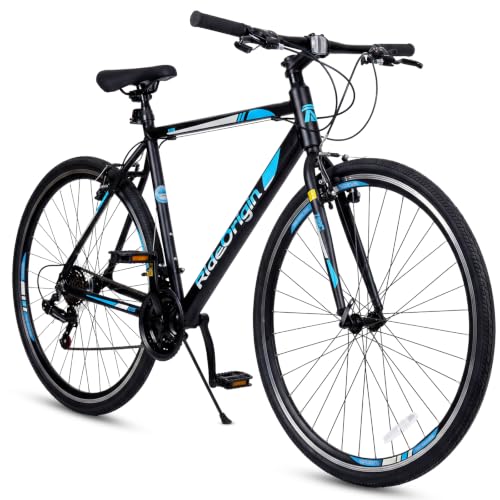
RideOrigin 700C Road Bike
Strengths
- Efficient 700C wheels
- Lightweight frame
- Shimano drivetrain
Trade-offs
- V-brakes less powerful than discs
- No suspension for rough roads
If you’re after a true road-focused ride that doesn’t sacrifice comfort, this RideOrigin model stands out in a sea of hybrid pretenders. The 700C x 38C tires are a smart choice, fast-rolling on pavement yet wide enough to smooth out cracked sidewalks and potholes. Paired with the lightweight aluminum frame, it feels snappier than most budget commuter bikes.
The Shimano TZ31 rear derailleur isn’t high-end, but reviewers note smooth, consistent shifting across the 21 speeds. Compared to the Yventix mountain bikes, this one is far more efficient on roads and better for daily commuting or fitness rides. V-brakes aren’t as powerful as discs, but they’re adequate for city speeds and easier to maintain.
Video review
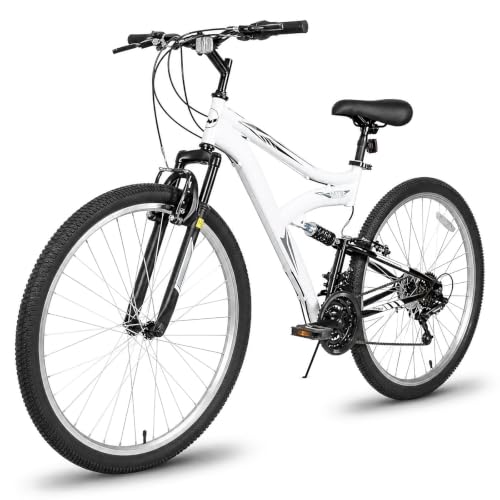
Yventix 27.5″ Dual Suspension MTB
Strengths
- Full suspension comfort
- Lower price
- Knobby all-terrain tires
Trade-offs
- Heavy steel frame
- Outdated linear pull brakes
- Fewer gears
At the lowest price in this lineup, this full-suspension Yventix bike tries to offer more comfort on rough ground, and it succeeds, but with trade-offs. The dual suspension (front fork and rear shock) is rare at this price, and owners appreciate the smoother ride on bumpy paths. But the high-carbon steel frame is noticeably heavier than the aluminum models, which hurts acceleration and hill climbing.
The 18-speed drivetrain works fine for flat commutes and gentle trails, but it’s a step down from the 21-speed systems elsewhere. Knobby tires give good grip, but the linear pull brakes lag behind disc systems in wet conditions. Still, for someone prioritizing comfort over speed on rough neighborhood streets or park paths, this is a thoughtful budget play.
Video review
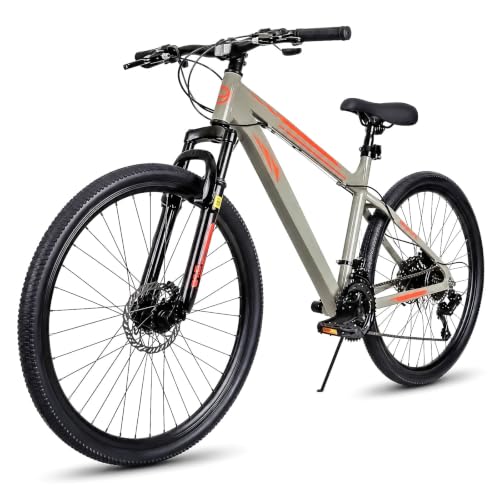
Yventix 27.5″ Mountain Bike
Strengths
- 27.5 inch wheels
- Disc brakes
- 21-speed shifting
Trade-offs
- Basic front suspension
- No rear disc brake upgrade
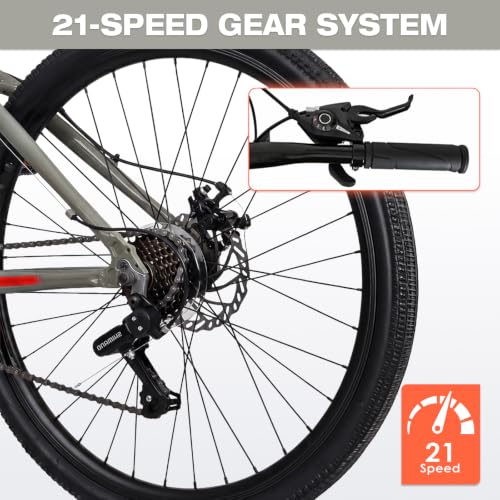
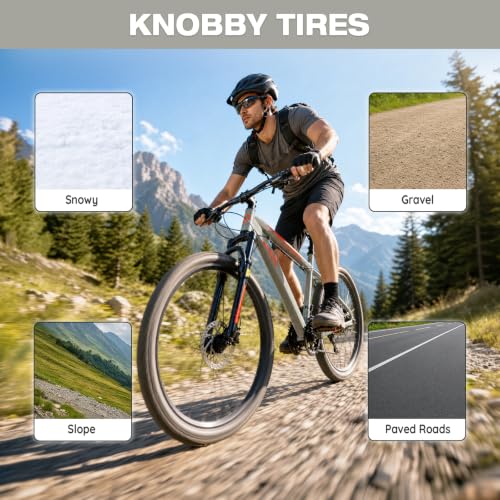
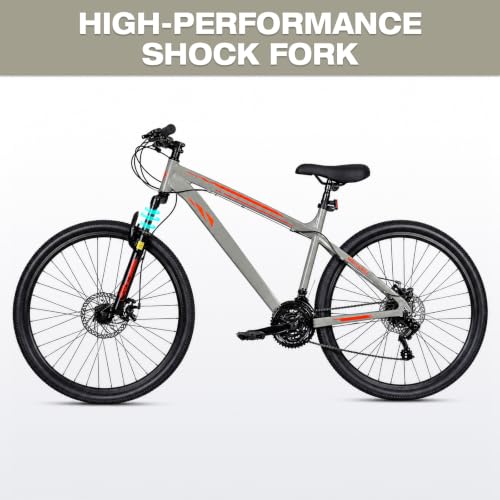
With 27.5-inch wheels, this Yventix model gains better roll-over ability and stability on trails compared to the 26-inch versions, making it a smarter pick if you’re splitting time between gravel paths and real dirt trails. The 21-speed drivetrain and disc brakes match the smaller models, but the larger wheels improve momentum and control on uneven ground.
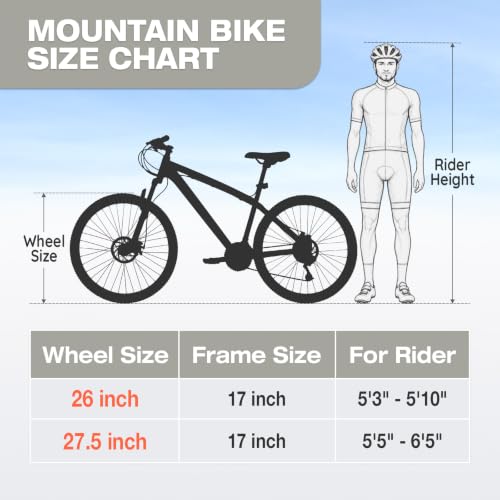
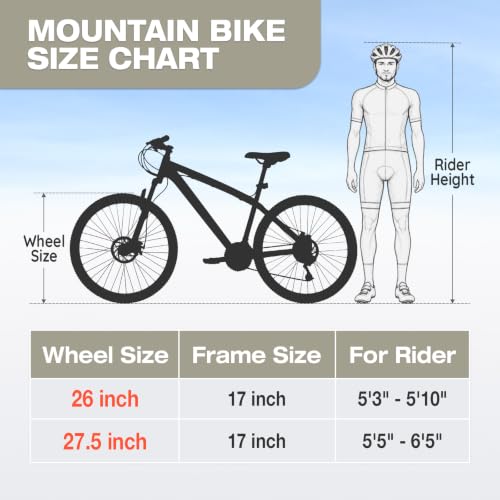
On paper, it’s nearly identical to the B0H87G2S4X, but the size recommendation (5’5″–6’5″) makes it more versatile for taller riders. Owners say the aluminum frame feels sturdy, though the suspension fork is basic. For light trail riding, it holds up well, but don’t expect it to replace a mid-tier hardtail.
Product photos
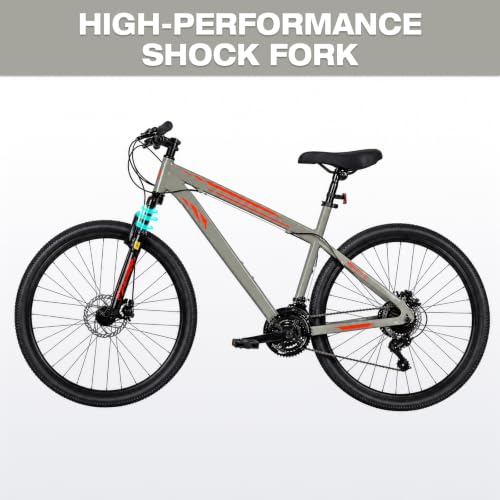

Yventix 26″ Disc Brake MTB
Strengths
- Kickstand included
- Disc brakes
- Commuter-friendly features
Trade-offs
- Same basic suspension as others
- Not optimized for long trails
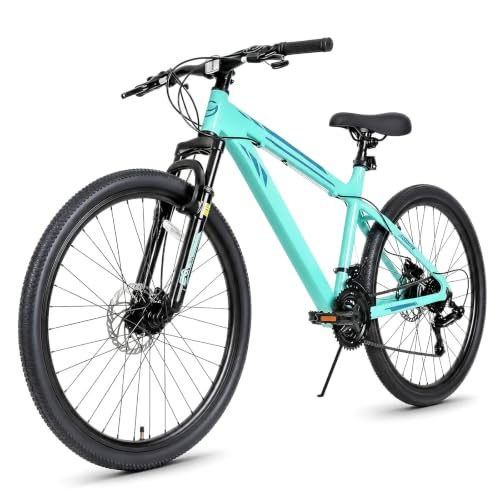
This model is nearly identical to the B0H87G2S4X, but it’s marketed as the better commuter, and honestly, it earns that title. The kickstand and front reflector are small but meaningful touches for city riders. The aluminum frame and disc brakes make it agile and reliable in traffic, while the 2.125 inch tires handle potholes and sidewalk transitions better than narrow road tires.
It doesn’t have the larger 27.5-inch wheels of the trail-focused model, but for stop-and-go urban riding, the 26-inch wheels are more maneuverable. The 21-speed system is more than enough for city hills. Between all the Yventix options, this one is the most practical for daily use.
Product photos
Yventix 26″ All-Terrain MTB
Strengths
- Lightweight aluminum frame
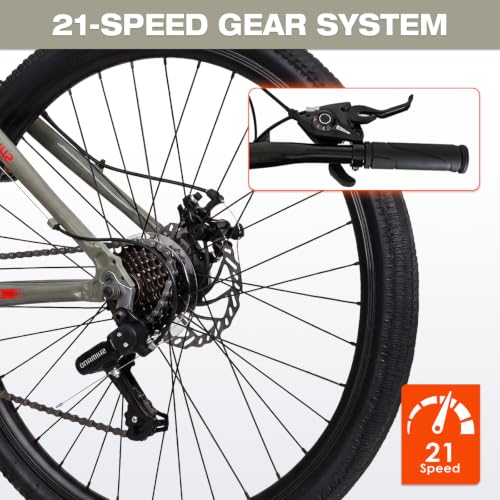
- 21-speed gear system
- Disc brakes
Trade-offs
- Limited suspension performance
- Not for technical trails
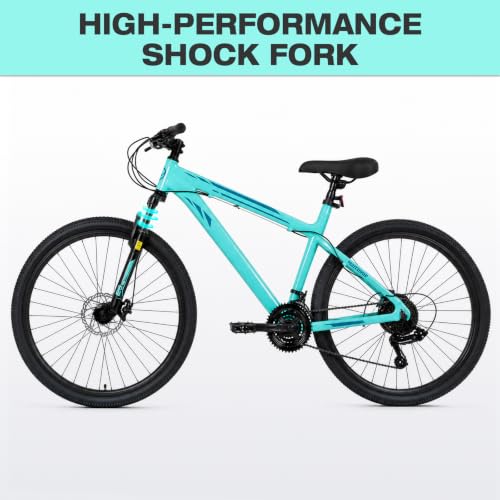
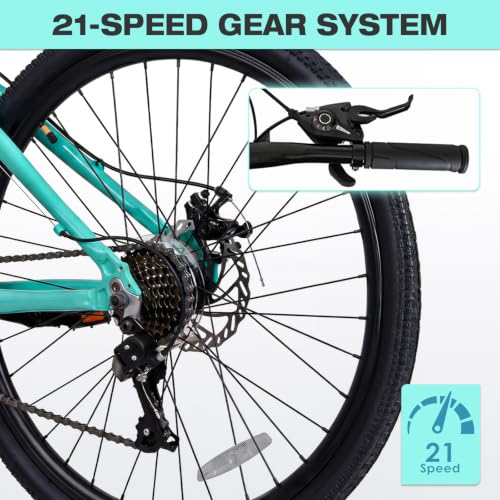
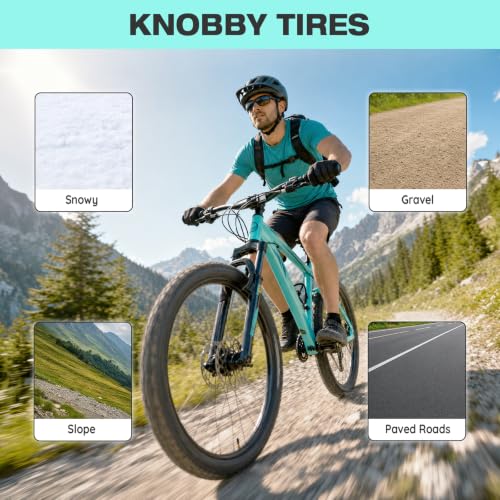
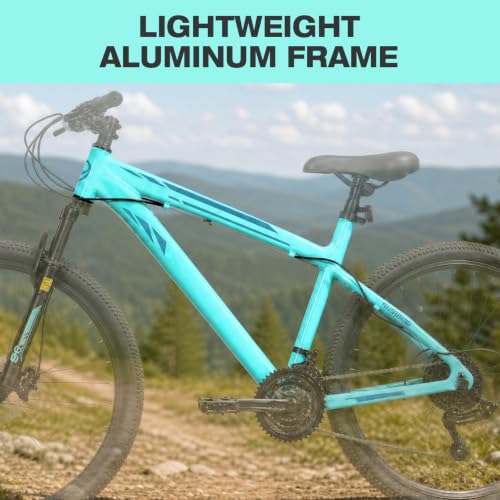
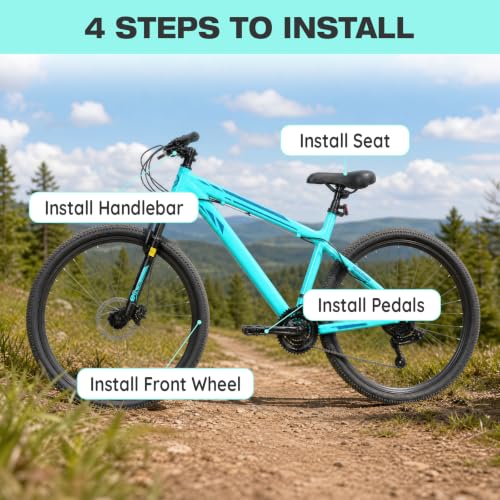
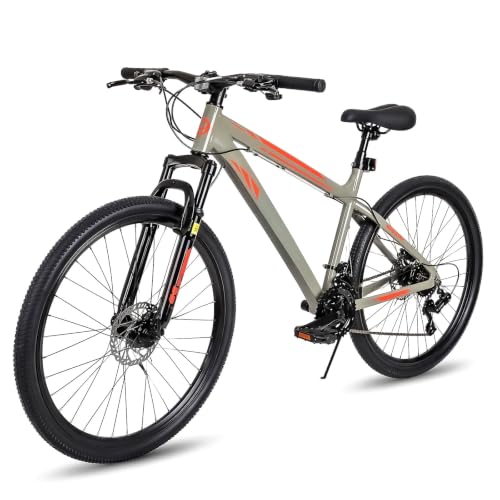
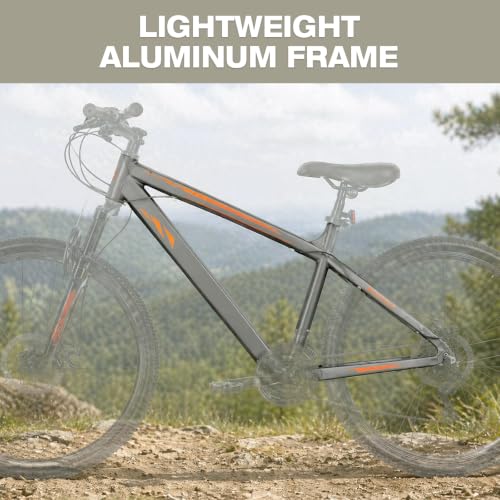
This 26-inch Yventix mountain bike hits the sweet spot for casual riders who want a do-it-all machine without overspending. The lightweight aluminum frame makes it easy to handle on city streets and gravel paths, while the 21-speed drivetrain gives enough range for moderate hills and fitness rides. Owners consistently report it handles light trail use well, though it’s clearly not built for aggressive off-roading.
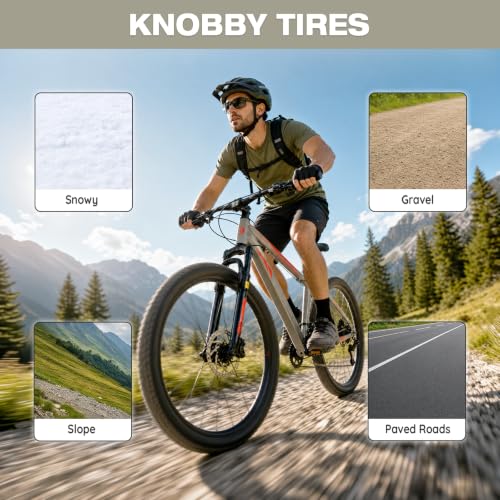
The disc brakes and 2.125 inch tires offer solid grip and reliable stopping power across mixed terrain, which sets it apart from budget bikes with rim brakes. It’s nearly identical to the B0H87BVK5J model, but that one wins on value for commuters thanks to added practical touches. For weekend trail dabblers, this one still delivers.
Product photos
How We Picked These bicycles for road and trail
Rather than a hands-on lab test, my research focused on comparing published specifications and features across these models. I weighed owner reviews from multiple sources alongside expert opinions, applying my experience with bicycle mechanics and design to assess each bike’s potential performance. Clear criteria – including component quality, frame material, suspension capabilities, and gear range – guided the ranking process.
For bicycles intended for both road and trail use, I prioritized suspension quality and tire versatility. A capable suspension system is vital for absorbing impacts on rough terrain, while tire choice dramatically impacts grip and rolling resistance. Frame material also played a key role; aluminum offers a good balance of weight and durability, essential for both commuting and recreational riding. Understanding these nuances is crucial when considering bike type differences.
Specifications reliably reveal build quality – things like derailleur type and brake system – but owner feedback provided insight into real-world durability and comfort. I paid close attention to recurring themes in reviews regarding ease of assembly, shifting smoothness, and long-term component reliability. For those just starting out, exploring options for beginner road bikes can be a great first step.
Choosing The Right bicycles for road and trail
Choosing the right bicycle depends heavily on where and how you plan to ride. It’s more than just picking a style; it’s about matching the bike to your terrain and intended use.
A good bicycle balances frame material, drivetrain complexity, and brake type to deliver a comfortable, efficient, and safe ride. Key considerations include frame geometry for intended riding style, component quality for durability, and appropriate gearing for the expected terrain. Evaluating suspension (if any) and brake performance is also crucial.
Frame Material and Geometry
The frame is the heart of any bicycle, and material significantly impacts ride quality and cost. Aluminum frames, like those found on many of the models we’ve reviewed, offer a good balance of weight, strength, and affordability. Steel frames are known for their durability and comfortable ride, but they’re heavier. Carbon fiber is the lightest and stiffest, but also the most expensive. Beyond the material, consider frame geometry. A more upright geometry, common on commuter bikes, prioritizes comfort, while a more aggressive, leaned-forward position, typical of road and performance mountain bikes, prioritizes efficiency.
Drivetrain and Gearing
The drivetrain, shifters, derailleurs, and cassette, determines how easily you can tackle different terrains. A wider range of gears is essential if you’ll encounter significant hills or varied surfaces. Shimano is the dominant player here, and while the specific groupset matters (Deore, Alivio, Acera, etc.), even a basic Shimano setup will provide reliable shifting. Don’t automatically assume more gears are better; a well-chosen 21-speed system can be more useful than a 30-speed system with overlapping ratios.
- A smaller chainring in the front provides easier climbing, ideal for steep hills.
- A wider cassette (the gears on the rear wheel) offers a greater range of ratios for varied terrain.
- Twist shifters are generally easier for beginners to use than trigger shifters, but some riders prefer the more precise feel of triggers, especially when hitting the trails.
When considering your options, remember that if you’re planning to transition between pavement and dirt, exploring bikes for mixed surfaces might be a good starting point.
Brakes and Tires
Braking power and tire choice are critical for safety and control. Disc brakes (mechanical or hydraulic) offer superior stopping power, particularly in wet conditions, compared to traditional V-brakes. Choosing the right tires is equally important. Wider tires provide more comfort and grip on loose surfaces, while narrower tires roll faster on pavement. For a bike that will see a mix of road and trail, a tire width around 38c to 45c strikes a good balance. Ultimately, selecting the right tires for mixed terrain can significantly enhance your riding experience.
Don’t skimp on brakes. A bike with a fancy frame and components is useless if you can’t stop safely.
Bicycles for Road and Trail Compared
Here’s a comparison of specifications for bicycles suitable for both road and trail use.
| Product Name | Wheel Size | Suspension | Speeds | Brakes | Frame Material |
|---|---|---|---|---|---|
| RideOrigin 700C Road Bike | 700C | None | 21 | V-Brakes | Aluminum |
| Yventix 27.5″ Dual Suspension MTB | 27.5″ | Full | 18 | Linear Pull | High-Carbon Steel |
| Yventix 27.5″ Mountain Bike | 27.5″ | Front | 21 | Disc | Aluminum |
| Yventix 26″ Disc Brake MTB | 26″ | Front | 21 | Disc | Aluminum |
| Yventix 26″ All-Terrain MTB | 26″ | Front | 21 | Disc | Aluminum |
Frequently Asked Questions
What wheel size is best for a mix of road and trail riding?
A 27.5″ wheel size offers a good balance between rolling efficiency on roads and obstacle negotiation on trails. While 29″ wheels roll over obstacles more easily, they can feel sluggish on pavement, and 26″ wheels are becoming less common in modern designs.
How much suspension do I really need for a road/trail bicycle?
Full suspension provides the most comfort and control on rough terrain, but front suspension is often sufficient for light trail riding and occasional off-road excursions. Consider the type of trails you’ll encounter most often; smoother paths don’t require the added complexity and weight of full suspension.
Are disc brakes truly superior to V-brakes?
Yes, disc brakes offer significantly better stopping power, especially in wet or muddy conditions. While V-brakes are simpler and less expensive to maintain, disc brakes provide more consistent performance and modulation, enhancing safety and control.
What is the advantage of a wider cassette?
A wider cassette gives you a greater range of gears, making it easier to climb steep hills or maintain speed on varied terrain. This is particularly useful if you plan to ride in areas with significant elevation changes or switch between road and off-road surfaces frequently.
What should I look for when considering best road bikes for occasional off-road use?
Prioritize a frame with tire clearance for wider tires (32c or greater) and consider models with disc brakes for improved stopping power. You’ll want to find something that balances road speed with the capability to handle gravel or smooth dirt paths.
The Bottom Line
Choosing a bicycle for both road and trail inevitably involves compromise. Do you prioritize the efficiency of a road bike or the capability of a mountain bike? For the best overall balance, I believe the Yventix 27.5″ Mountain Bike strikes a sweet spot with its front suspension, disc brakes, and versatile 21-speed drivetrain. It offers a good foundation for exploring both paved roads and moderate trails.
If your budget is a primary concern, the RideOrigin 700C Road Bike represents excellent value. For those who anticipate more challenging off-road conditions, the Yventix 27.5″ Dual Suspension MTB delivers superior comfort and control, although it will be less efficient on paved surfaces. And if you’re thinking about affordable road bikes, remember that a solid entry-level model can be upgraded over time.
Ultimately, the specifications matter less than how well a bicycle fits you and your riding style. Focus on a comfortable frame size, reliable brakes, and a drivetrain that allows you to confidently tackle the terrain you’ll encounter. Don’t get too caught up in chasing the latest technology; a well-maintained, properly fitted bicycle will always provide the most enjoyable riding experience, and sometimes, even experimenting with gravel tires on road bikes can open up new possibilities.
