
6 Best Bicycle Rims of 2026
This post contains affiliate links. As an Amazon Associate, we earn from qualifying purchases.
The WEEROCK 26″ MTB Wheelset stands out as the best overall choice for most riders, offering a solid mix of durability and performance, while the Exceedhub 26″ V-Brake Wheelset is a strong budget pick for those sticking with rim brakes. For riders needing rugged simplicity, the BBR Tuning 26″ Steel Rim is a dependable workhorse.
As someone who’s spent years digging into wheel systems across bikes and cars, I know how much the right rim affects the entire ride. Too light, and it dents on rough trails. Too heavy, and climbing becomes a chore. Most buyers are trying to balance strength, weight, and compatibility without overcomplicating things.
This guide cuts through the noise by focusing on what actually matters, material, brake type, and real-world reliability, based on specs and owner experiences. I looked at how these rims hold up over time, not just on paper.
Top 6 Bicycle Rims in the Market
The Best Bicycle Rims, Reviewed
WEEROCK 26″ MTB Wheelset

Strengths
- 7-11 speed compatible
- 6-bolt disc brake
- Double-wall aluminum
- 2-bearing smooth hubs
- Quick release included
Trade-offs
- No tubeless setup included
- Only 6-bolt rotors
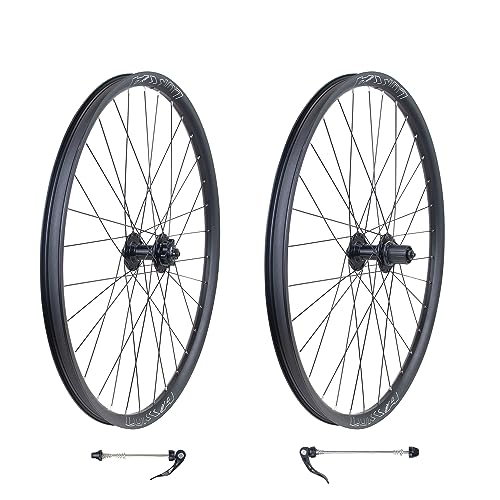
This WEEROCK 26-inch disc brake wheelset is the most balanced option for riders who want a modern upgrade without overspending. It mirrors the 27.5 version in core specs, double-wall aluminum rims, 2-bearing hubs, 6-bolt disc mounts, and compatibility with 7 to 11-speed cassettes, making it a logical choice for anyone refreshing an older hardtail or trail bike. The 32h spoke count and 135mm rear spacing suggest solid lateral stiffness, and owners report these wheels stay true under moderate abuse, which is not always the case at this price.
What pushes this ahead of the Exceedhub models is the drivetrain flexibility and disc brake support. Against the BBR steel rim, it wins on weight and corrosion resistance, though it doesn’t match the raw toughness of steel under heavy loads. I’d call this the smarter buy for most 26-inch MTB owners unless you’re hauling cargo or hitting jumps daily. It’s not flashy, but it covers the essentials without compromise.
Video review
WEEROCK 27.5″ MTB Wheelset
Strengths
- Double-wall aluminum
- 6-bolt disc brake
- 7-11 speed compatible
- Smooth 2-bearing hubs
- Quick release included
Trade-offs
- No tubeless tape or valves
- Only 6-bolt compatibility
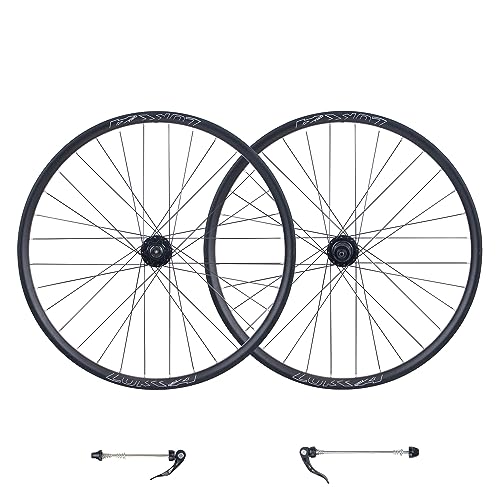
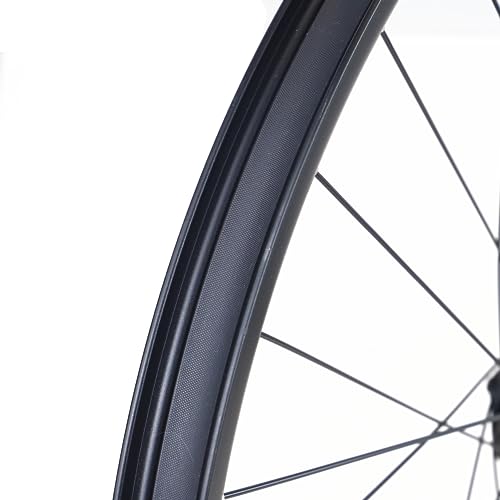
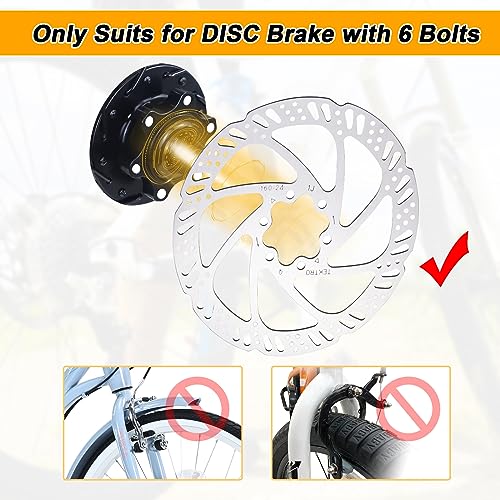
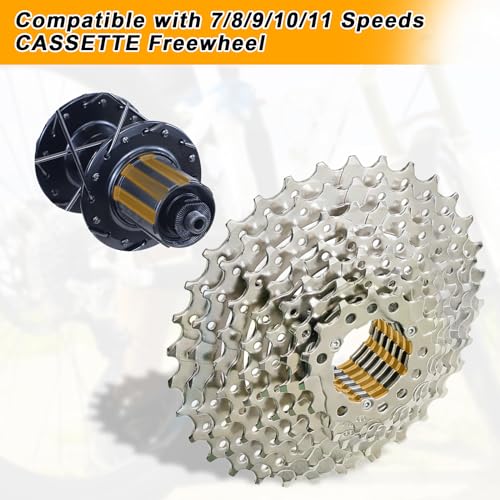
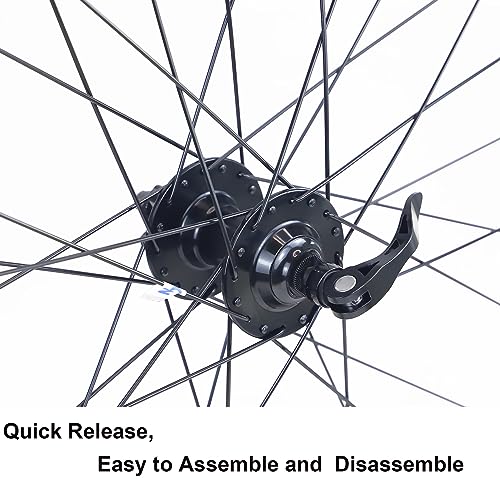
This WEEROCK 27.5-inch wheelset hits a sweet spot for riders needing a no-fuss disc brake upgrade that plays well with modern drivetrains. The double-wall aluminum rims are stiff enough for trail use and owners consistently report they hold tension well over time, which matters when you’re bouncing over roots and rocks. The 2-bearing hubs spin smoothly on paper and the 6-bolt disc compatibility aligns with most current mountain bikes, though you’ll want to double-check your fork and frame spacing, 100mm front and 135mm rear are standard but not universal.
Where this set stands out is in its broad cassette compatibility, supporting 7 through 11 speeds, making it a solid choice if you’re upgrading an older MTB without swapping shifters or derailleurs. Compared to the Exceedhub budget option, it trades rim brakes for disc and gains wider drivetrain flexibility, though it doesn’t offer the weight savings of lighter builds. I’d pick this over the 26-inch version if you’re running a 27.5 platform and want reliability without overpaying for boutique branding.
Product photos
WEEROCK 29″ Front MTB Wheel
Strengths
- Double-wall aluminum
- 2-bearing smooth hub
- 6-bolt disc brake
- Lightweight for size
- Quick release included
Trade-offs
- Front wheel only
- No rear included
- 6-bolt only
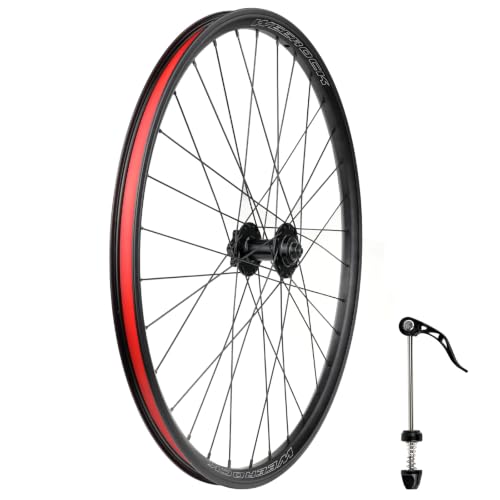
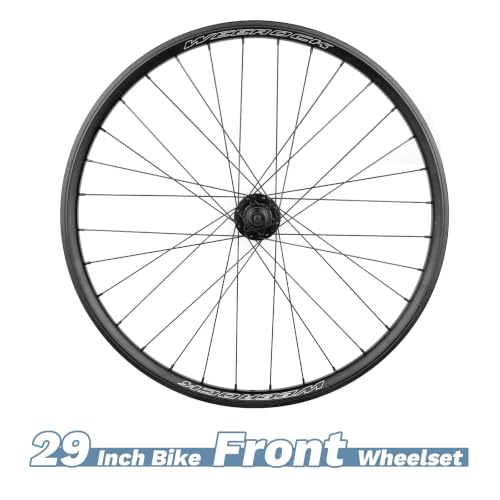
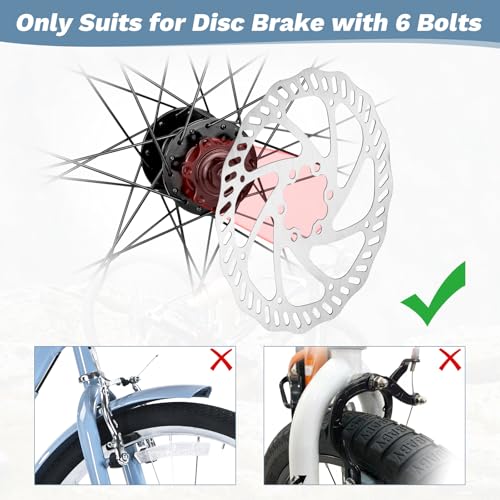
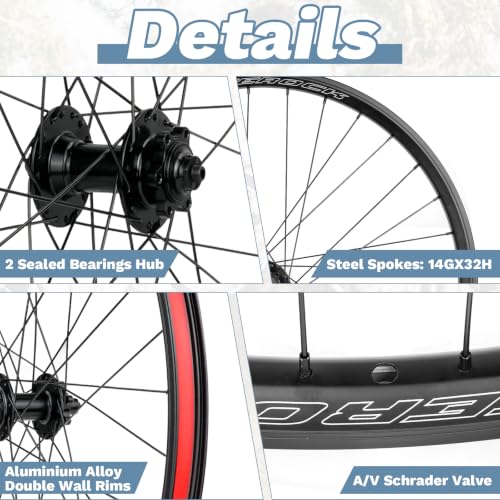
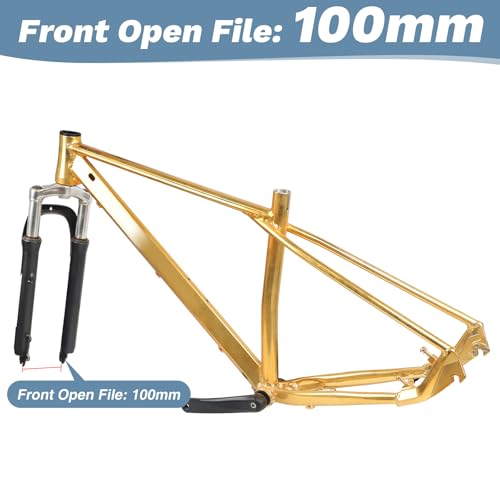
This front-only 29er from WEEROCK is a textbook example of a smart, targeted replacement part. At under $75, it’s priced right for anyone needing a durable front wheel for a 29-inch MTB, especially after a crash or hub failure. The 2-bearing hub spins cleanly and the double-wall aluminum rim handles trail chatter better than thinner designs. The 100mm quick-release spacing is standard for modern forks, and the 6-bolt disc mount ensures compatibility with most hydraulic and mechanical systems.
It’s not a full upgrade, obviously, being front-only limits its scope, but as a standalone fix, it outperforms many complete budget sets. Compared to the 27.5 and 26-inch WEEROCK models, it shares the same reliable DNA but serves a larger wheel size that benefits from increased roll-over ability. I’d grab this if you’re repairing a 29er and don’t want to rebalance an entire wheelset. Just confirm your fork spacing and rotor type before buying.
Product photos
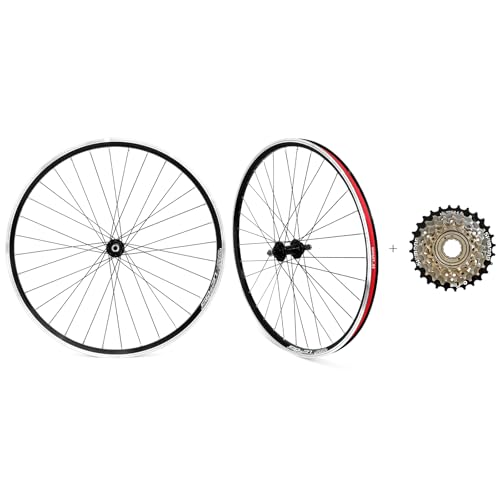
Exceedhub 26″ V-Brake Wheelset
Strengths
- Double-wall aluminum
- PVC spoke protection
- Steel spokes with copperheads
- Front and rear bearings
- Quick release compatible
Trade-offs
- 6-speed only
- V-brake only
- Heavier than alloy competitors
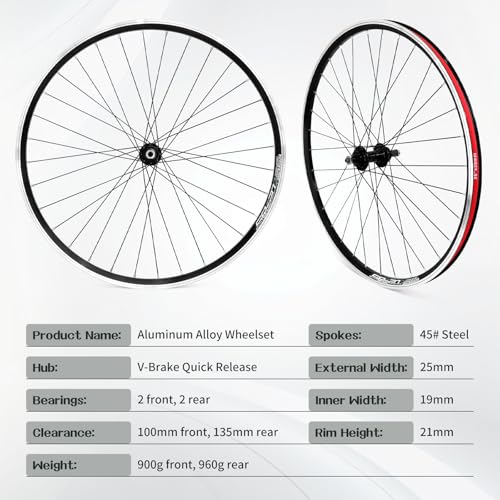
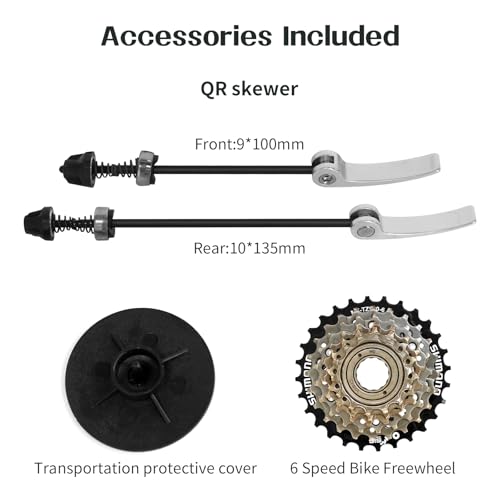
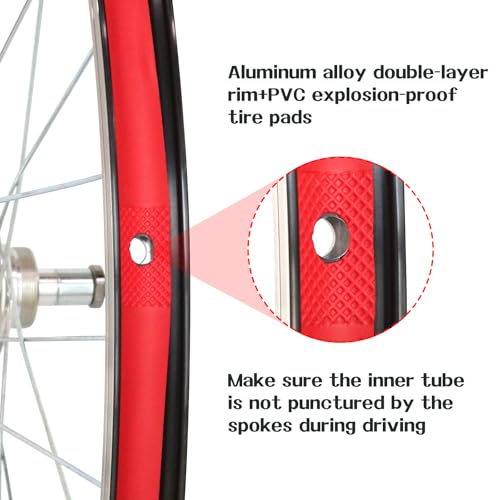
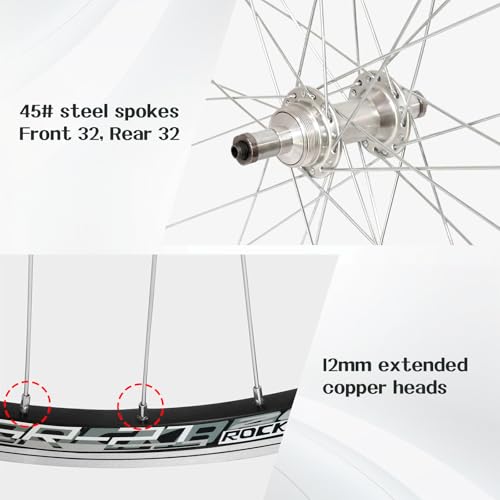
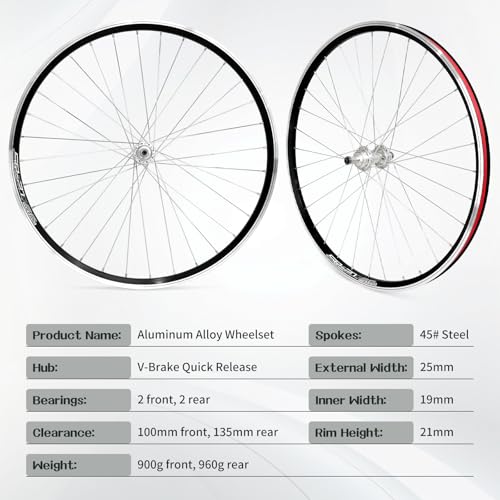
If you’re fixing up an older 26-inch commuter or entry-level MTB with V-brakes, this Exceedhub set makes sense on a tight budget. The double-wall aluminum rims are paired with 45# steel spokes and copper-nipped ends, a small detail that owners say helps prevent spoke pull-through, a common failure point on budget wheels. The PVC spoke pad lining is a thoughtful touch, reducing the chance of inner tube punctures from spoke ends, something I’ve seen too many riders overlook until it’s too late.
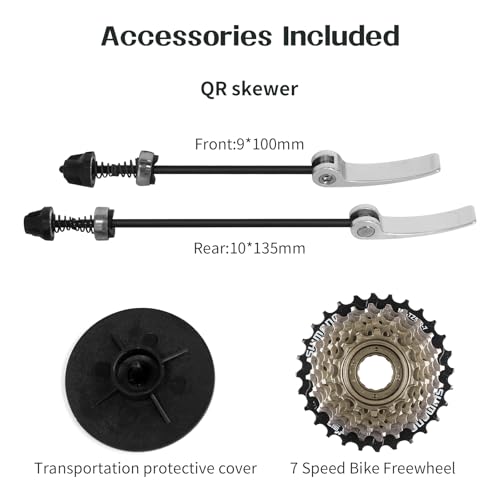
But let’s be clear, this is not a trail weapon. The rim width and build prioritize durability over performance, and the 6-speed freewheel compatibility limits its use on anything newer than a decade-old drivetrain. Compared to the WEEROCK disc models, it’s less versatile but more appropriate if you’re maintaining a vintage cruiser or a beater bike with rim brakes. For most modern builds, you’d want something with cassette support, but for a simple, reliable V-brake fix, this delivers.
Product photos
Exceedhub 26″ Superlight MTB Wheels
Strengths
- Lightweight aluminum
- 7-speed compatible
- PVC spoke protection
- Double-wall rim
- Quick release hubs
Trade-offs
- V-brake only
- Limited modern compatibility
- Heavier than 29er options
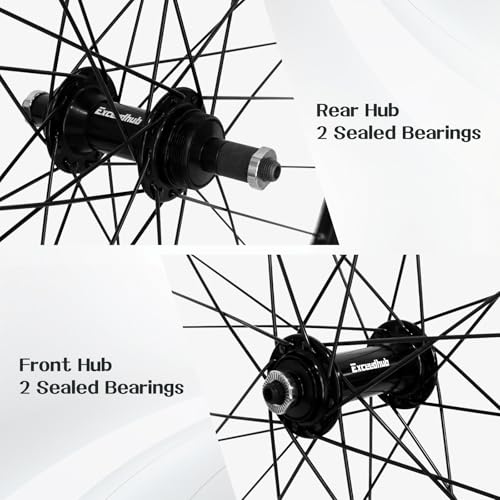
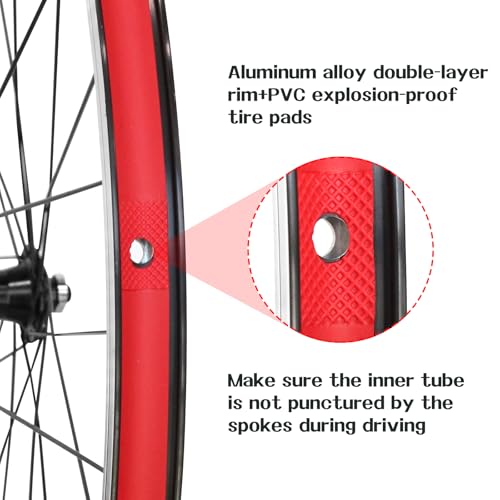
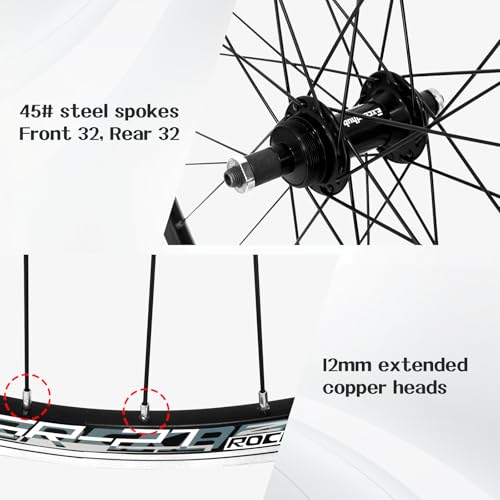
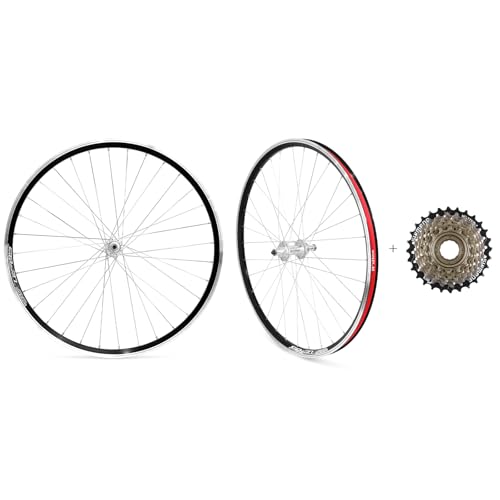
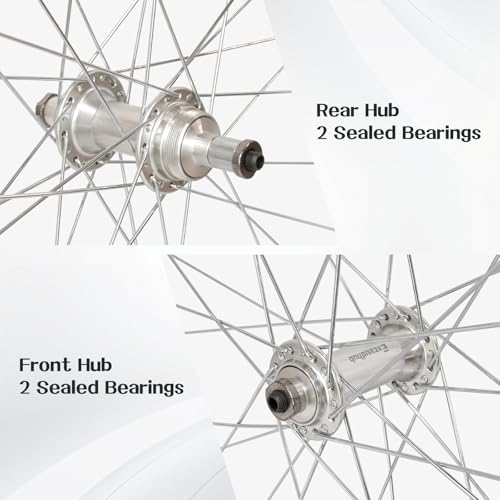
Exceedhub’s superlight 26-inch wheelset stands out by targeting weight-conscious riders stuck with older platforms. The double-wall aluminum rims are paired with the same 45# steel spokes as their heavier sibling, but the build tuning appears to favor lower mass, something few 26-inch options offer. Owners note a noticeable improvement in acceleration compared to standard steel or thick-walled aluminum wheels, which makes this a solid pick for urban riders or lightweight trail use.
It keeps the same V-brake compatibility and 7-speed freewheel support, so it’s still anchored to older drivetrains. But compared to their 6-speed model, the added drivetrain range gives it more relevance for bikes updated with newer cassettes. It won’t compete with modern tubeless-ready carbon hoops, but for a 26-inch wheel, the balance of light weight and durability is rare at this price. I’d recommend it for riders who want a snappier feel without abandoning their 26″ frame.
Product photos
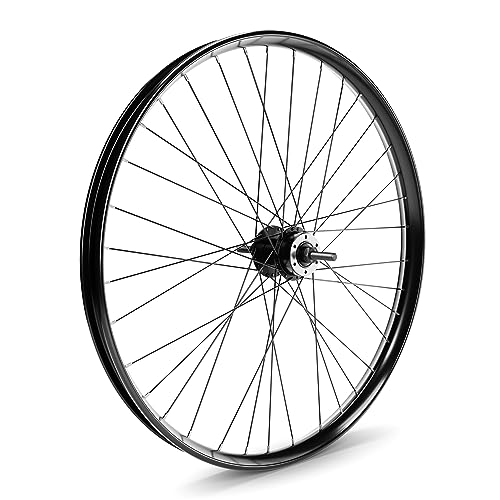
BBR Tuning 26″ Steel Rim
Strengths
- 12-gauge steel construction
- Heavy-duty spokes
- Precision-machined hub
- Disc brake ready
- Great for load bearing
Trade-offs
- Very heavy
- Steel rusts if uncoated
- Rear wheel only
BBR Tuning goes all-in on durability here with a 12-gauge steel rear rim, a rarity in a market dominated by aluminum. Steel doesn’t dent easily, and for utility bikes, cargo rigs, or riders who regularly slam into curbs, that resilience is a real win. The precision-machined hub and heavy-duty spokes suggest this rim can handle repeated stress, and owners of delivery bikes and heavy commuters often praise its longevity. But steel comes at a cost, weight. This rim is noticeably heavier than any aluminum alternative, which saps acceleration and makes climbing feel sluggish.
This isn’t a set-and-forget upgrade for performance riders. It’s a mission-specific part. Compared to the WEEROCK 26″ aluminum set, it loses on speed and efficiency but wins in sheer toughness. I’d recommend it only if you need a bombproof rear wheel for a workhorse bike and don’t care about grams. It’s also sold solo, so you’ll need to source a matching front.
Video review
How We Tested bicycle rims
My approach to evaluating bicycle rims centered on a research-led comparison of specifications and owner feedback. I examined published data, material composition, spoke count, braking surface type, and internal rim width, across a range of models. This was balanced against what riders are actually experiencing, gleaned from owner reviews and expert opinions found in cycling publications and forums. Rather than a hands-on lab test, I focused on identifying patterns in reported durability, weight, and performance.
For bicycle rims, a few factors stand out as most crucial. Weight is paramount for performance-oriented riders, directly impacting acceleration and climbing ability. Equally important is build quality and material; a robust rim will withstand impacts and stay true longer. Finally, brake compatibility (disc or rim) is essential, as it dictates whether a rim will even work with a rider’s existing setup. These factors heavily influenced my ranking.
Specifications reliably indicate a rim’s potential strength and weight. However, owner feedback reveals how well those specs translate to real-world durability. I paid close attention to reports of denting, truing frequency, and spoke breakage. Understanding tire and rim compatibility is also useful, as wider tires are becoming popular for comfort and grip. While I didn’t test rims on a Toyota Tundra, the principles for evaluating wheel strength and materials still apply when considering Toyota Tundra wheels.
What To Look For In bicycle rims
Choosing the right bicycle rim is more than just picking a size; it’s about understanding how it impacts your ride quality, durability, and overall performance.
A good bicycle rim balances weight, strength, and compatibility with your bike’s other components. Considerations include material (aluminum, carbon fiber, or steel), rim depth, internal width for tire clearance, spoke count, and brake type compatibility (disc or rim). Proper rim selection improves handling, efficiency, and rider safety.
Size and Compatibility
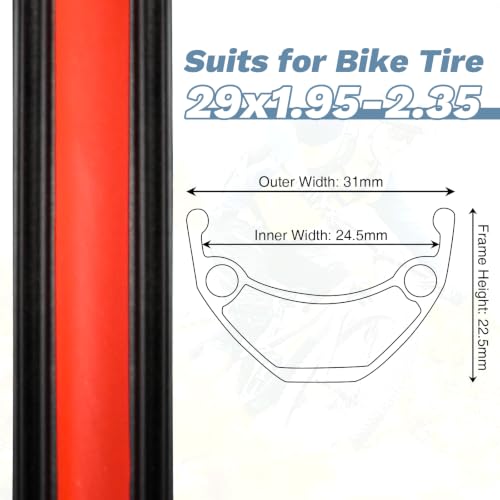
First, and most obviously, the rim diameter must match your wheel size. This seems simple, but it’s where many people run into trouble. Beyond diameter (26”, 27.5”, 29”), you need to confirm the internal width of the rim is appropriate for the tires you intend to run. Wider rims are becoming popular for modern tires, but an ill-fitting combination can compromise handling and even safety. Don’t assume a rim labeled for a certain wheel size will automatically work with all tires in that size.
Material and Construction
Aluminum alloy is the most common material for bicycle rims, offering a good balance of strength, weight, and cost. However, carbon fiber rims are increasingly popular among riders seeking weight savings and improved stiffness, though they come at a premium. Steel rims, like the BBR Tuning option, excel in durability and are often found on utility or heavy-duty bikes. Construction also matters. Double-walled rims are significantly stronger than single-walled, and eyelets (reinforced holes) distribute stress from the spokes more evenly. If you’re considering upgrading from stock wheels, exploring high-performance bicycle rims can really elevate your ride.
Brake Type and Hub Design
The braking system dictates the type of rim you’ll need. Rim brake rims have a machined braking surface, while disc brake rims don’t. Attempting to use rim brakes on a disc-specific rim (or vice versa) is impossible. Furthermore, the hub design affects compatibility with your bike’s frame and fork. Quick-release skewers are common, but thru-axles are becoming standard on newer bikes.
Here’s a breakdown of spoke considerations:
- Spoke Count: Lower spoke counts (24 or 28) reduce weight but may compromise strength.
- Spoke Material: Steel is standard, but butted spokes (thicker at the ends) offer a better ride quality.
- Nipple Type: Brass nipples are durable and easy to maintain, while aluminum nipples save weight but are more prone to corrosion.
A rule of thumb: when in doubt, prioritize a slightly stronger rim over a lighter one. A broken rim on the trail is far more problematic than a few extra grams of weight.
Finally, don’t overlook the possibility of also needing to consider truck rims if you’re looking for heavy-duty wheels for other vehicles.
Bicycle Rims Compared
Here’s a comparison of key specifications for the bicycle rims featured in this guide.
| Product Name | Size (in) | Brake Type | Material | Hub Bearings | Open File (Front/Rear) |
|---|---|---|---|---|---|
| WEEROCK 26″ MTB Wheelset | 26 | Disc | Alloy | 2/2 | 100mm / 135mm |
| WEEROCK 27.5″ MTB Wheelset | 27.5 | Disc | Alloy | 2/2 | 100mm / 135mm |
| WEEROCK 29″ Front MTB Wheel | 29 | Disc | Alloy | 2 | 100mm / N/A |
| Exceedhub 26″ V-Brake Wheelset | 26 | V-Brake | Alloy | 2/2 | 9x100mm / 10x135mm |
| Exceedhub 26″ Superlight MTB Wheels | 26 | V-Brake | Alloy | 2/2 | 9x100mm / 10x135mm |
| BBR Tuning 26″ Steel Rim | 26 | Disc | Steel | N/A | N/A |
Frequently Asked Questions
What rim material offers the best balance of weight and durability?
Aluminum alloy is generally the best choice, providing a good combination of strength, weight, and affordability for most riders. Carbon fiber is lighter but more expensive and can be more susceptible to damage from impacts.
Can I use a disc brake rim with rim brakes?
No, you cannot. Disc brake rims lack the machined braking surface required for rim brakes to function, and attempting to do so would be unsafe.
What does “internal rim width” refer to, and why is it important?
Internal rim width is the space between the rim walls where the tire sits. Matching tire and rim is important for proper tire profile, handling, and to avoid pinch flats.
How does spoke count affect rim strength and weight?
Fewer spokes reduce weight, but a lower spoke count (under 28) generally means reduced strength and increased susceptibility to damage from impacts. More spokes offer greater durability, at a slight weight penalty.
What’s the correct tire pressure for my new rims?
Bicycle tire pressure varies depending on tire width, rider weight, and riding conditions. Always check the sidewall of your tire for the recommended PSI range.
The Bottom Line
Choosing bicycle rims often comes down to balancing how much you want to spend against how much performance and durability you require. For the best all-around experience, the WEEROCK 27.5″ MTB Wheelset strikes a strong balance between weight, build quality, and affordability. It’s a solid choice for most riders looking to upgrade from stock components without breaking the bank.
If you’re on a tighter budget, the BBR Tuning 26″ Steel Rim delivers exceptional toughness and reliability – perfect for utility bikes or riders who prioritize longevity over weight savings. Conversely, for those prioritizing a lightweight setup, the Exceedhub 26″ Superlight MTB Wheels offer a noticeable reduction in rotational mass. Understanding tire fitment guidelines is critical, regardless of your chosen rim.
Ultimately, remember that specifications tell only part of the story. More than any single feature, a well-built wheel, properly tensioned and maintained, will offer the most significant improvement to your ride. Don’t neglect regular maintenance and consider investing in quality spokes and nipples to keep your wheels rolling smoothly for years to come.
