
7 Best Bicycle Power Meters of 2026
This post contains affiliate links. As an Amazon Associate, we earn from qualifying purchases.
The Favero Assioma PRO RS-2 Dual Pedal is the best overall bicycle power meter for its precision, reliability, and dual-sensing tech. If you’re on a budget, the Magene PES P505/P515 crankset delivers strong performance at a lower price. For maximum versatility across multiple bikes, the Garmin Rally XC110 pedal system stands out.
Most riders don’t realize how much variance there can be in power data, especially when switching between rides, bikes, or weather conditions. A poor meter can mislead your training just as easily as it can help.
This guide cuts through the noise by focusing on real-world accuracy, durability, and compatibility. I compared specs and owner feedback across models, weighing what actually matters for training progression and long-term use.
Top 7 Bicycle Power Meters in the Market
The Best Bicycle Power Meters, Reviewed
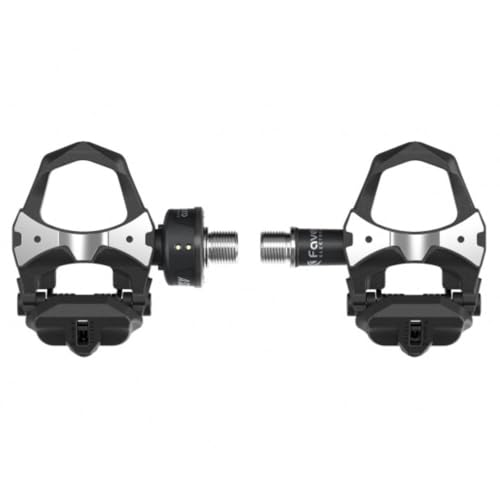
Favero Assioma PRO RS-2 Dual Pedal

Strengths
- ±1% accuracy
- Modular pedal bodies
- Rechargeable battery
- Bluetooth and ANT+
- Easy bike transfers
Trade-offs
- High price
- Pedal stack height
- Limited cleat float options
The Assioma PRO RS-2 is a top-tier pedal-based power meter that delivers on nearly every front that matters to serious road cyclists. With ±1% accuracy backed by a gyroscope and IAV power measurement, this unit doesn’t just meet lab standards, it maintains consistency in real-world conditions, something owners consistently report when logging long training blocks or racing in variable climates. The modular design is a standout: swapping pedal bodies between road and MTB setups is genuinely quick, and keeping the same sensor across bikes simplifies calibration and data continuity.
Battery life hits 160 hours, which is solid for a rechargeable pedal system, and the magnetic charging system eliminates the wear-and-tear risks of exposed ports. It’s universally compatible with SPD-SL, so no adapter shenanigans are needed. Compared to other dual-sensing pedals, this one strikes a balance between precision, versatility, and long-term usability, especially if you ride multiple bikes or switch disciplines.
Video review
Magene PES P505/P515 Crankset

Strengths
- ±1% accuracy
- Lightweight crankset
- 380-hour battery
- IPX7 waterproof
- Left-right balance
Trade-offs
- No dual-sensing option
- Limited BCD compatibility
- Fewer service centers
If you’re looking for a high-accuracy crank-based power meter without the premium pedal price tag, the Magene P505/P515 is a strong contender. On paper, it matches the elite tier with ±1% accuracy, achieved through strain gauges, acceleration sensors, and intelligent temperature compensation, specs that align with what owners report in long-term use across seasons. The 625g weight is impressive for a full crankset, and the 7075 aluminum construction appears to hold up well under heavy training loads.
Battery life is a major highlight, with up to 380 hours claimed, among the best in class. It’s also fully waterproof (IPX7), so it laughs off rain, mud, or hose-downs. While it doesn’t offer dual-leg power measurement like the Assioma PRO RS-2, it does track left-right balance and torque effectiveness, giving you meaningful feedback on pedaling efficiency. Compared to similarly priced options, it’s a smarter buy for riders who want a complete, reliable crankset upgrade without stepping into pedal-based pricing.
Video review
GEOID PM500 Crankset
Strengths
- Low price
- 300-hour battery
- Left-right balance
- IPX7 waterproof
- Complete crankset
Trade-offs
- ±1.5% accuracy
- Limited brand recognition
- Few firmware updates
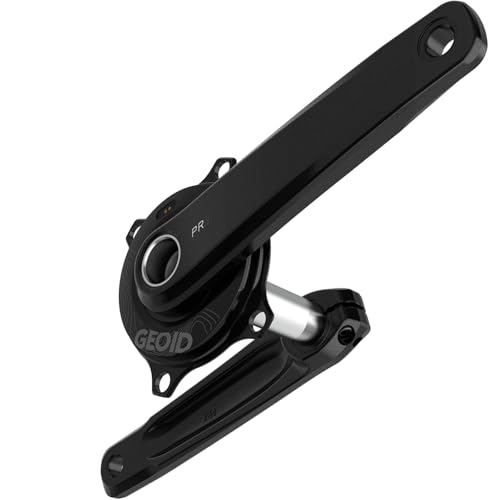
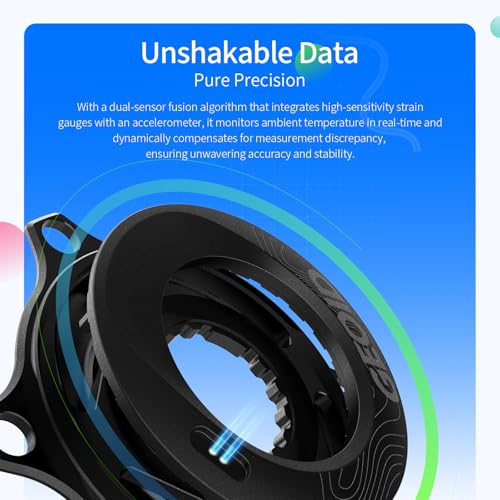
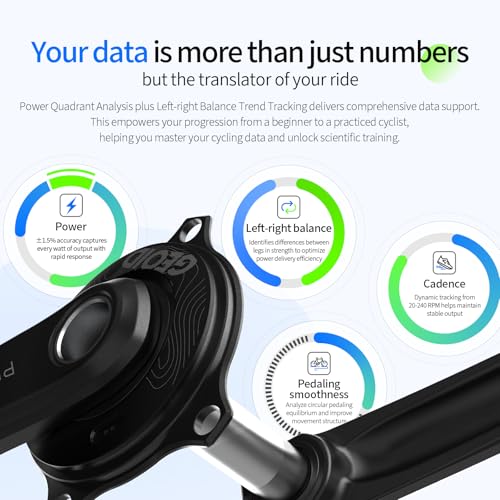
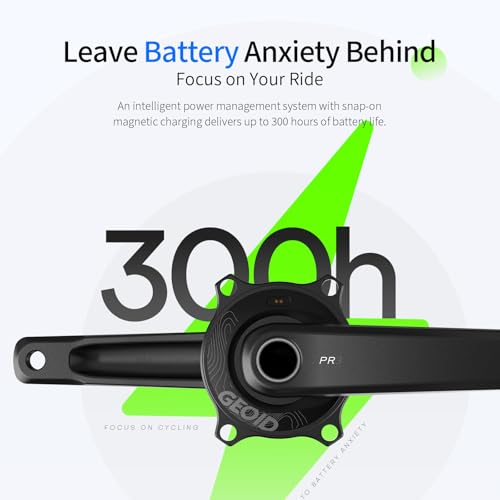
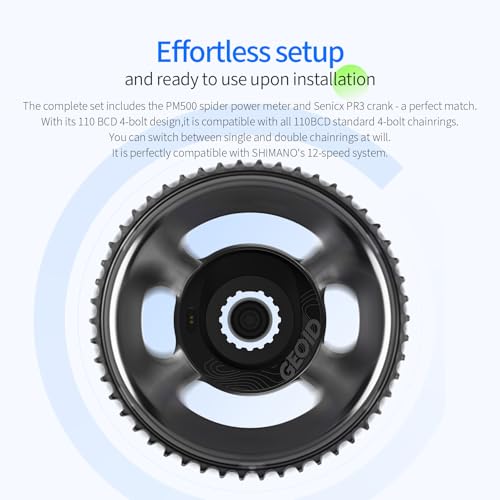
The GEOID PM500 is a compelling budget crankset power meter that punches above its price with 300-hour battery life, IPX7 waterproofing, and a full suite of metrics including left-right balance and pedaling smoothness. At ±1.5% accuracy, it’s slightly behind the elite tier, but real-world owner feedback suggests it’s stable and consistent, especially for the cost. The 680g weight is reasonable for a 6061/7075 aluminum build, and the 110BCD 4-bolt design fits most common road cranks.
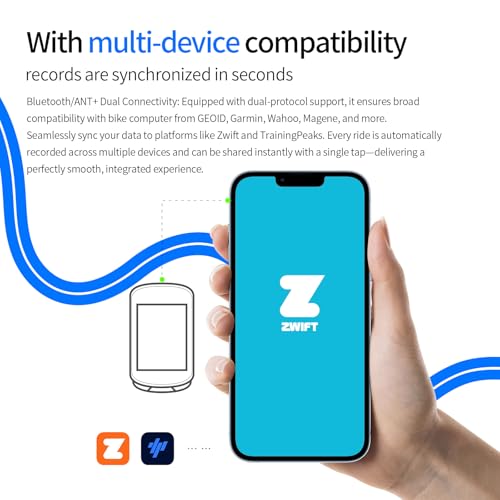
It’s a full package: includes crank arms and spider, supports both single and double chainrings, and works with Shimano 12-speed. Bluetooth and ANT+ ensure broad compatibility. While it lacks the prestige of Favero or Garmin, it delivers where it counts for entry-level to mid-tier riders. Compared to the ThinkRider PP5, it offers better compatibility and support, making it the smarter budget pick if you’re not locked into Easton specs.
Product photos
ThinkRider PP5 Spider Power Meter
Strengths
- Very low price
- Dual-sided power
- 300-hour battery
- IPX7 waterproof
- Bluetooth and ANT+
Trade-offs
- Limited crank compatibility
- No service support
- Basic data metrics
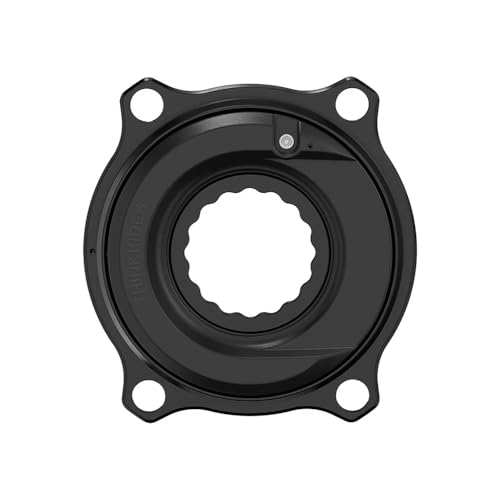
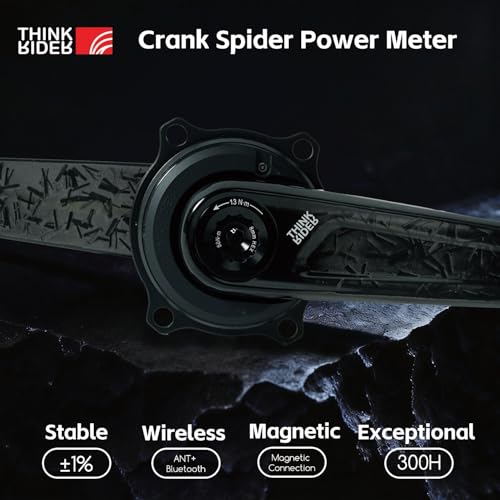
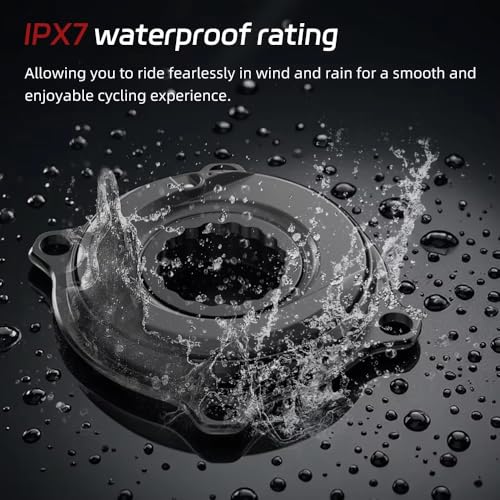
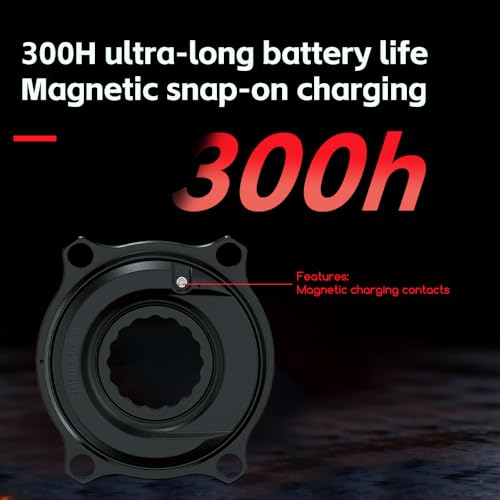
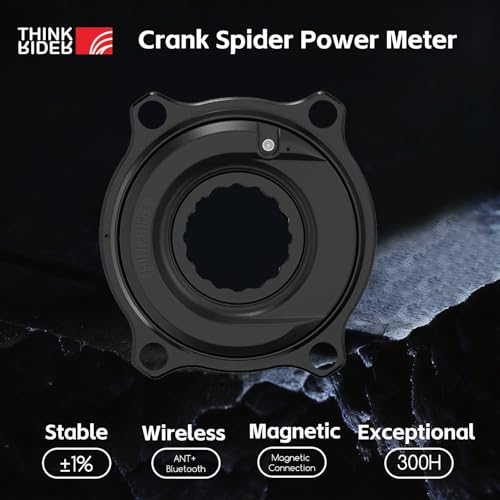
At under $100, the ThinkRider PP5 is one of the most affordable ways to get into accurate power-based training. It’s a spider-based meter with dual-sided power measurement, which is rare at this price, and owners report it holds calibration well over time. The 300-hour battery life is impressive for the cost, and the IPX7 rating means it can handle wet rides without issue. Connectivity via Bluetooth and ANT+ ensures it pairs with most cycling computers and apps without hassle.
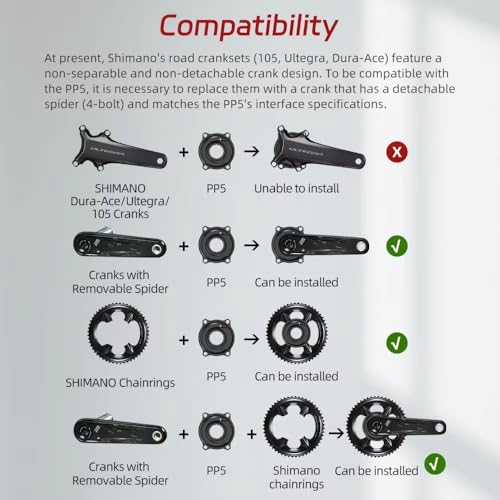
But there’s a catch: it only fits Easton-spec 110BCD 4-bolt interfaces, which limits compatibility with many mainstream cranksets. If your cranks aren’t on the approved list, this won’t work. For those it fits, it’s a no-brainer for entry-level power training. It won’t match the Assioma or Magene on refinement, but for a first-time buyer dipping into structured training, it delivers solid data without breaking the bank.
Product photos
Garmin Rally RS110 Power Meter Pedal
Strengths
- Carbon pedal bodies
- Quick charging
- Removable sensor
- Garmin integration
- Pedal IQ alerts
Trade-offs
- Single-sided only
- No left-right balance
- High price for single sensor
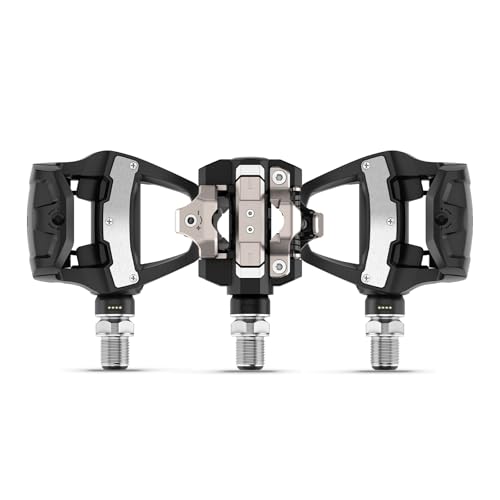
The Rally RS110 is Garmin’s answer for road cyclists who want a clean, integrated power solution with the convenience of pedal-based installation. Like the XC110, it uses a removable sensor pod that can be swapped between road and MTB pedal bodies, a clever move for multisport athletes. It’s compatible with SPD-SL cleats, so it fits smoothly into most road setups, and the carbon pedal bodies help keep weight down while improving durability.
With ±1% accuracy and Pedal IQ calibration alerts, it maintains solid data integrity across rides. The 90-hour battery and quick-charge feature (12 hours from 15 minutes) make it practical for frequent riders. However, it’s single-sensing only, so you miss left-right power, unlike the Assioma PRO RS-2. If you’re deep in the Garmin ecosystem and want a road-specific pedal with smart features, this is a strong pick. But if you want full data, the dual-sensing competition is worth the jump.
Product photos
Garmin Rally XC110 Off-Road Power Meter
Strengths
- Durable metal bodies
- Quick charge capability
- Removable sensor
- Garmin ecosystem sync
- Pedal IQ calibration
Trade-offs
- Single-sided only
- No left-right balance
- Heavier than road pedals
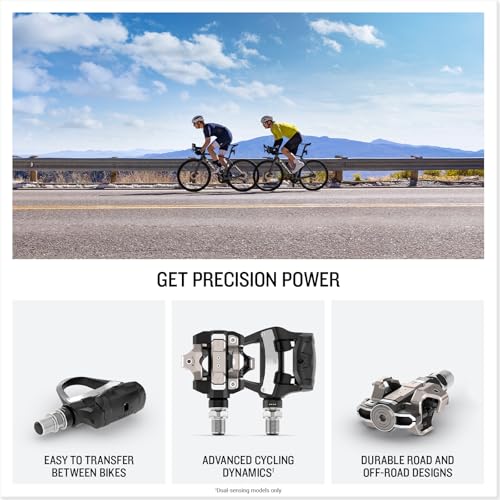
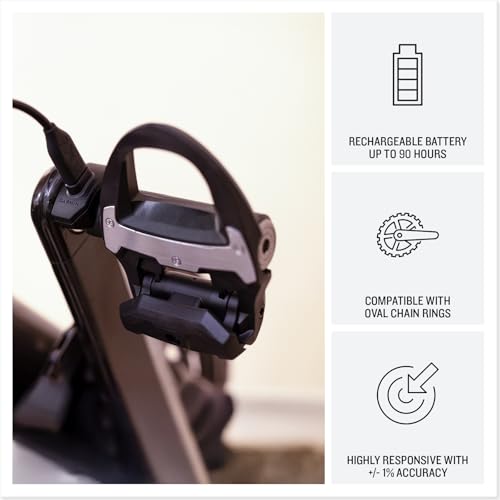
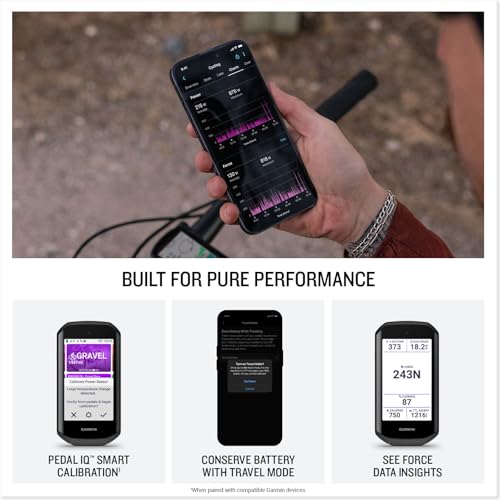
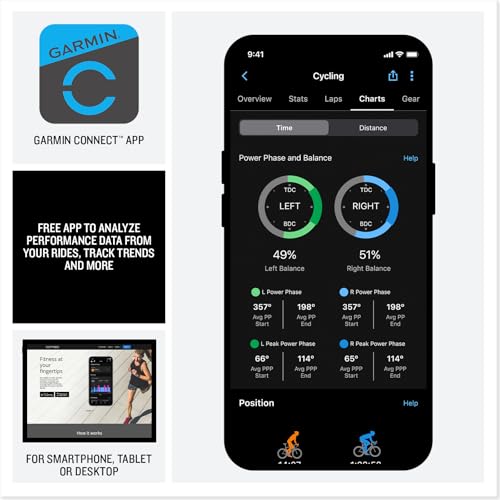
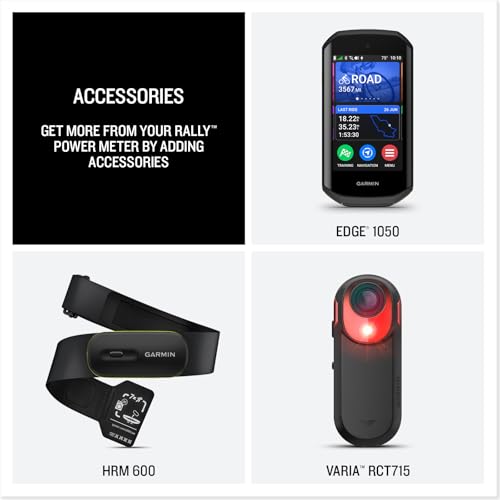
Garmin’s Rally XC110 is built for mountain bikers who want reliable power data without the fragility often associated with pedal electronics. It uses a removable sensor pod that fits Shimano SPD-compatible MTB pedal bodies, letting you swap it between bikes or transfer it to a road pedal body (RS110) if needed, a smart design for multisport riders. The single-sensing setup measures total power only, so you miss left-right balance, but the ±1% accuracy and new gyroscope integration keep readings stable even on rough terrain.
Owners praise the quick charging feature, a 15-minute charge nets 12 hours of use, which is ideal for last-minute trail sessions. The all-metal bodies improve durability over older Rally models, and the Pedal IQ feature helps maintain calibration integrity. While it doesn’t offer dual-leg data, it’s a solid pick for MTB-focused athletes who already use Garmin devices and want seamless integration with Rally’s ecosystem.
Product photos
Favero Assioma Uno Power Meter Pedal

Strengths
- Lightweight design
- Easy installation
- Rechargeable battery
- Bluetooth and ANT+
- ±1% accuracy
Trade-offs
- Short battery life
- Single-sided only
- No left-right data
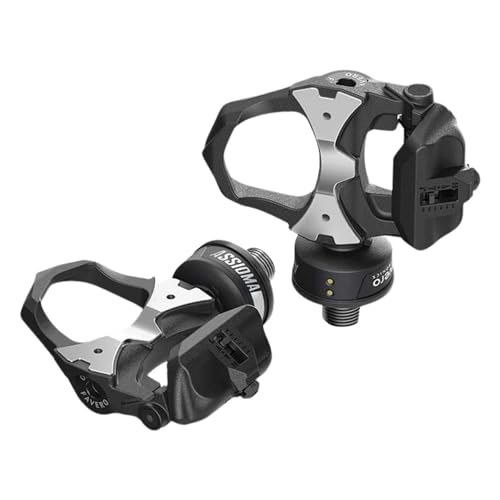
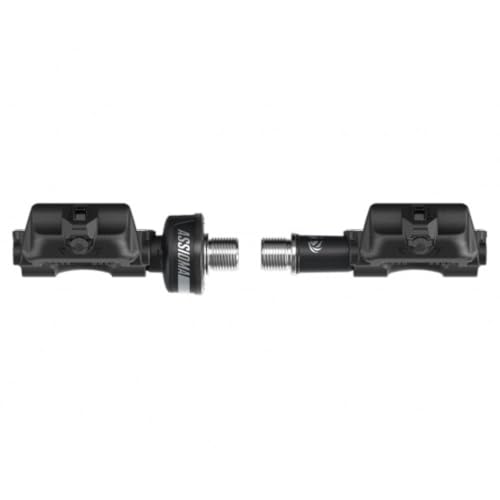
The Assioma Uno is the single-sensing version of Favero’s popular pedal system, aimed at riders who want a lightweight, easy-to-install power meter without the cost of dual-leg measurement. It’s among the lightest power pedals on the market, which matters if you’re counting grams, and it installs like a standard pedal, no special tools or torque wrenches needed. The ±1% accuracy is still present, thanks to the same ATC and gyroscope tech, and battery life is rated at 50 hours, which is modest but acceptable for shorter, high-intensity efforts.
Compared to the dual-sensing PRO RS-2, it lacks left-right balance and pedaling smoothness data, but for riders focused on total power and cadence, it’s a clean, reliable option. Owners note it pairs quickly with Garmin and Wahoo devices, and the rechargeable battery avoids disposable hassle. I’d recommend it only if you’re certain you don’t need dual-leg data, otherwise, the gap in price doesn’t justify the data loss.
Product photos

How We Evaluated bicycle power meters
Rather than a hands-on lab test, my research for these recommendations involved a detailed comparison of published specifications and features across numerous models. I weighed owner reviews from major retailers alongside expert analyses from cycling publications and websites. Applying my experience with drivetrain components and rider data analysis, I ranked each power meter against criteria important to a range of cyclists – accuracy, weight, battery life, and compatibility.
For bicycle power meters, accuracy and reliability were the heaviest factors in my assessment. Consistent, trustworthy data is paramount; a power meter is useless if it doesn’t deliver precise readings. Beyond that, I prioritized ease of use and compatibility, recognizing that many cyclists want a system that easily integrates with their existing bike computers and training apps. Understanding types of bicycle power meters is also key to finding the right fit.
Specifications reliably indicate battery life, weight, and connectivity options (Bluetooth and ANT+). However, I placed greater emphasis on owner feedback regarding real-world durability and calibration consistency. Reputation for customer support and long-term data accuracy also heavily influenced my rankings. Finally, considering the importance of a secure connection, I looked at compatibility with road bike pedals and [clipless pedals] to ensure a solid fit for various riding styles.
What To Look For In bicycle power meters
Picking the right power meter can elevate your training and performance, but the choices are surprisingly nuanced.
A quality bicycle power meter accurately measures the rate of work you’re doing on the bike, providing data beyond speed and cadence. Look for consistent accuracy (±1% is a solid benchmark), compatibility with your existing bike and components, and a durable build capable of withstanding the demands of your riding style. Battery life and data connectivity (Bluetooth and ANT+) are also critical considerations.
Understanding Power Measurement Location
The first major decision is where the power measurement happens. Crank-based meters (like the Magene PES P505/P515 or GEOID PM500) measure force at the crank arms, offering a thorough view of power output. Pedal-based meters (Favero Assioma Uno, Garmin Rally RS110) measure force at the pedal spindle, which can be easily moved between bikes. Hub-based meters are less common now, and spider-based meters are becoming more popular. Each location has pros and cons; pedals are easiest to swap, cranks offer a potentially more stable measurement point, and spider models can be a more affordable upgrade if you already have a compatible crankset.
Accuracy and Consistency: Beyond the ±1% Claim
Don’t get hung up solely on the ±1% accuracy figure advertised by many manufacturers. While important, consistency is often more valuable. A meter that consistently reads slightly high or low is preferable to one that fluctuates wildly. Look for models incorporating temperature compensation (ATC, as seen in the Favero Assioma PRO RS-2 Dual Pedal) as temperature swings can significantly affect strain gauge readings. Consider also the type of sensors used: dual-sensing meters (strain gauges and accelerometers, as in the GEOID PM500) generally offer improved accuracy, particularly in variable riding conditions.
- Data quality is paramount. A cheap meter giving you numbers is less useful than a slightly more expensive one giving you reliable numbers.
- Consider the riding conditions. If you frequently ride in extreme temperatures, ATC is a must-have feature.
- Read independent reviews and look for long-term user feedback regarding data consistency. A power meter isn’t a one-time purchase, it’s an investment in your training, so choosing a model known for its data stability will pay dividends over time.
Balancing Budget and Features
Power meters range dramatically in price. The Garmin Rally XC110, while excellent, represents a significant investment. The ThinkRider PP5 Spider Power Meter offers a more affordable entry point, but you must verify compatibility with your existing crankset (it only supports Easton-spec interfaces). For those seeking value, the Magene PES P505/P515 strikes a compelling balance.
A power meter is only as useful as your ability to interpret the data. Don’t overspend on features you won’t use.
If you’re new to power training, a basic single-sensing meter might be sufficient. As you progress, you can always upgrade. Pairing your new power meter with accurate bicycle odometers and a compatible bike computer will allow you to analyze your rides and track your progress effectively. Before you commit, explore resources on interpreting power data; understanding Training Stress Score (TSS) and Normalized Power (NP) will help you maximize the benefits of your investment in power meters.
Bicycle Power Meters Compared
Here’s a comparison of key specifications for several bicycle power meters to help you make an informed decision.
| Product Name | Accuracy | Battery Life | Connectivity | Measurement Type | Waterproof | Weight (approx.) |
|---|---|---|---|---|---|---|
| Favero Assioma PRO RS-2 Dual Pedal | ±1% | 160 hrs | BT/ANT+ | Dual | N/A | N/A |
| Magene PES P505/P515 Crankset | ±1% | 380 hrs | BT/ANT+ | Crankset | IPX7 | 625g |
| GEOID PM500 Crankset | ±1.5% | 300 hrs | BT/ANT+ | Crankset | IPX7 | 680g |
| ThinkRider PP5 Spider Power Meter | N/A | 300 hrs | BT/ANT+ | Spider | IPX7 | N/A |
| Garmin Rally RS110 Power Meter Pedal | ±1% | 90 hrs | BT/ANT+ | Pedal | N/A | N/A |
| Garmin Rally XC110 Off-Road Power Meter | ±1% | 90 hrs | BT/ANT+ | Pedal | N/A | N/A |
| Favero Assioma Uno Power Meter Pedal | N/A | 50 hrs | BT/ANT+ | Pedal | N/A | N/A |
Frequently Asked Questions
What level of accuracy should I expect from a power meter?
A power meter’s accuracy should ideally be within ±1%, though consistency is more important than chasing that perfect number. Many riders find that a meter consistently reading slightly high or low is less problematic than one with fluctuating data.
Can I use a power meter with my existing bike computer?
Most modern power meters connect via both Bluetooth and ANT+, ensuring compatibility with a wide range of bike computers and bicycle GPS devices. However, always verify compatibility with your specific computer model before purchasing.
Are pedal-based power meters as accurate as crank-based ones?
Pedal-based meters have become increasingly accurate, often matching the performance of crank-based systems for most riders. Dual-sensing pedal meters, like the Favero Assioma PRO RS-2, provide highly reliable data, though some professional cyclists still prefer crank-based measurements.
How often will I need to charge a bicycle power meter?
Battery life varies significantly, from around 50 hours for some pedals to over 300 hours for certain cranksets. Consider your riding frequency and the meter’s charging method when making a decision; easily replaceable batteries are a plus for long rides.
Will a power meter work with my gravel bike tires and off-road setup?
Yes, many power meters are suitable for gravel and off-road riding. Garmin’s Rally XC110 is specifically designed for mountain and gravel bikes, but most models, properly maintained, can withstand the demands of varied terrain and conditions.
The Bottom Line
Choosing a power meter often comes down to balancing your budget with the level of detail you want from your data. For most riders seeking a reliable all-around performer, the Favero Assioma PRO RS-2 Dual Pedal stands out – its dual sensing and temperature compensation deliver consistent numbers, and the pedal-based design makes it easy to move between bikes.
If you’re on a tighter budget, the Magene PES P505/P515 offers excellent value, providing crank-based power metrics at a price that won’t break the bank. For those prioritizing versatility and the ability to easily swap between bikes, the Garmin Rally RS110 is a solid, albeit more expensive, choice. Don’t overlook the ThinkRider PP5 Spider Power Meter as a potential upgrade if you already have a compatible crankset.
Ultimately, the most expensive power meter won’t make you faster. Consistent training, informed by accurate data, and paired with things like accurate heart rate monitors and a comfortable bicycle seats are what truly unlock performance gains. Focus on those fundamentals, and choose the power meter that best fits your needs and riding style.
