
8 Best Beginner Hardtail Mountain Bikes 2026
This post contains affiliate links. As an Amazon Associate, we earn from qualifying purchases.
The Eastern Alpaka 29” is the best overall beginner hardtail, offering solid aluminum frame geometry and enough suspension travel for real trail use. If you’re on a tighter budget, the CYBIC 26” Steel Frame MTB delivers surprising durability for rougher rides, while the WEIZE 29” Aluminum Hardtail gives strong value for those prioritizing lighter weight and larger wheels.
Most new riders just want a bike that’s fun, tough, and won’t fall apart after a few trail outings. The problem is, plenty of entry-level hardtails cut corners on suspension, brakes, or frame quality, leaving you frustrated or stuck with upgrades fast.
This guide cuts through the noise by focusing on real-world reliability, frame design, and components that matter, based on specs, owner experiences, and what actually works when you hit the dirt. These picks give you a smart starting point without wasting money on flaws you’ll regret.
Top 8 Beginner Hardtail Mountain Bikes in the Market
The Best Beginner Hardtail Mountain Bikes, Reviewed
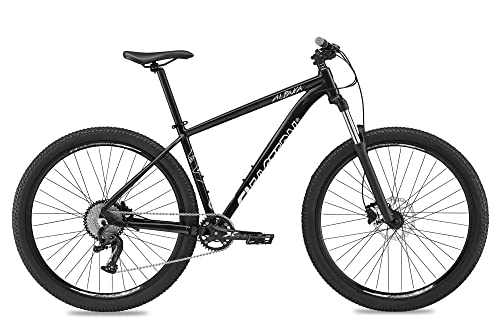
Eastern Alpaka 29″ Hardtail
Strengths
- 29″ wheels for roll-over ease
- Hydroformed aluminum frame
- 5-year frame warranty
Trade-offs
- Only 9 speeds
- Limited local dealer support
- Heavier fork setup
This is the bike I’d recommend if you’re ready to grow into mountain biking. The 29-inch wheels roll over obstacles with ease, and the hydroformed 6061 aluminum frame is both light and stiff, key for efficient power transfer. With 130mm of suspension travel, the Eastern fork outguns every other bike here, and the 9-speed drivetrain, while not flashy, uses dependable components.
Owners highlight the sealed hubs as a major win for longevity, especially in wet climates. The 5-year frame warranty is exceptional at this price tier, showing Eastern stands behind the build. Compared to the budget 21-speed models, it’s simpler in gearing but superior in chassis quality. I’d take fewer gears and better wheels any day. This is the only bike here that feels like a real foundation for progression.
Video review
Mongoose Grafton 26″ Bike

Strengths
- Aluminum frame
- Knobby 2.3″ tires
- Mechanical disc brakes
Trade-offs
- Basic suspension fork
- Inconsistent shifting
- Overpriced for spec
The Mongoose Grafton lands in that awkward middle ground, priced higher than entry-level bikes but not delivering the components or frame refinement to justify it. On paper, the 26-inch wheels and aluminum frame suggest trail-readiness, and owners do appreciate the confident grip from the 2.3-inch knobby tires. The mechanical disc brakes and 21-speed trigger shifters are functional, but real-world feedback points to sluggish shifting and brake pads that wear fast.
I’d expect better from a brand with Mongoose’s history. The suspension fork soaks up small bumps, but it’s basic and unadjustable, no lockout, no rebound control. Compared to similarly priced options, this bike feels like it’s banking more on nostalgia than performance. It’s not a bad hardtail for light trail use, but it doesn’t stand out in a crowded field.
Video review
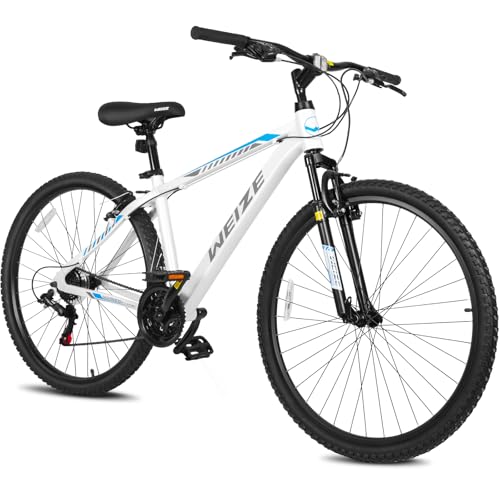
WEIZE 29″ Aluminum Hardtail
Strengths
- Affordable price
- 29″ aluminum wheels
- Trigger shifters
Trade-offs
- Basic suspension fork
- No disc brakes
- Limited warranty
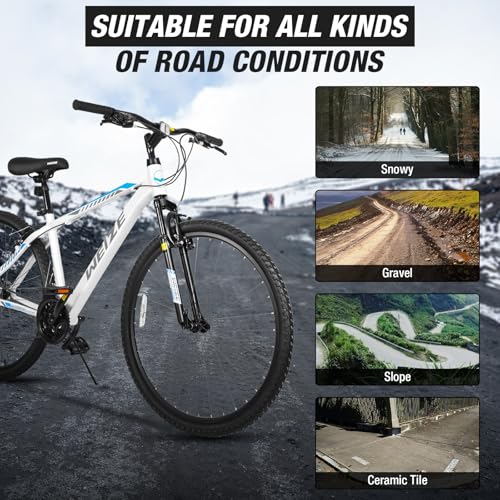
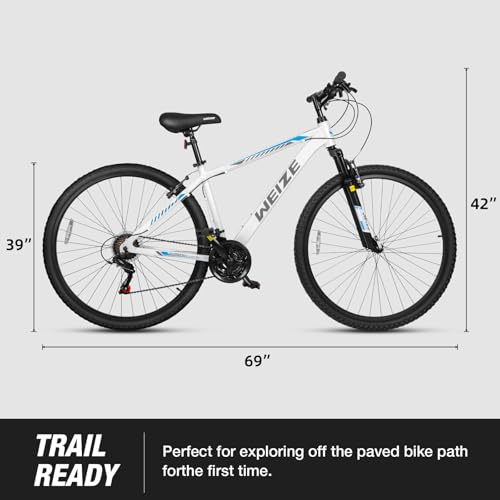
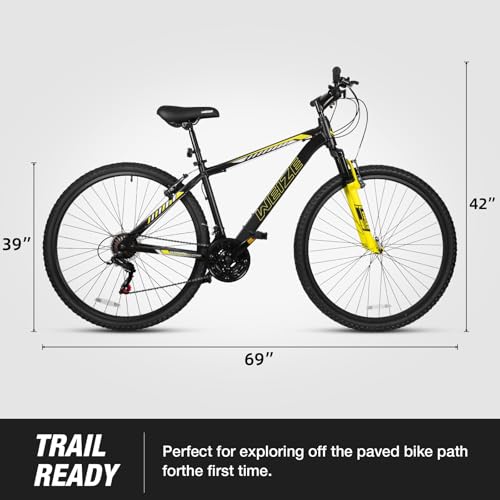
This WEIZE model is the value king. At under $200, it gives you a 6061 aluminum frame, 29-inch wheels, and trigger shifters, features that matter most for real trail use. The larger wheels roll better over roots and rocks than 26-inch alternatives, and the trigger shifters offer more precision than twist models at this price. Owners report it handles assembly well and holds up to regular trail use with minimal maintenance.
It doesn’t have disc brakes or a high-end fork, but it delivers exactly what beginners need: reliability, good geometry, and room to grow. Compared to the Huffy or AVASTA, it feels more like a real mountain bike. For the price, it’s hard to beat. My recommendation? Start here, then upgrade components later.
Product photos
CYBIC 26″ Steel Frame MTB
Strengths
- Steel frame durability
- Disc brakes front and rear
- CPSC certified
Trade-offs
- Heavy steel frame
- Sluggish on climbs
- Basic component spec
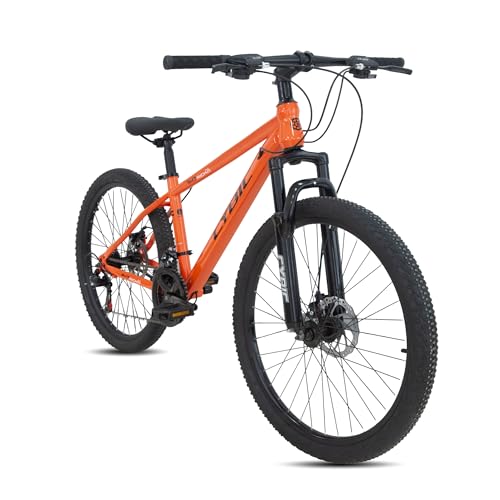
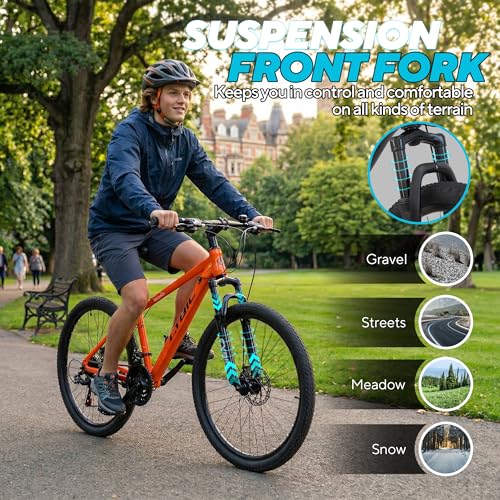
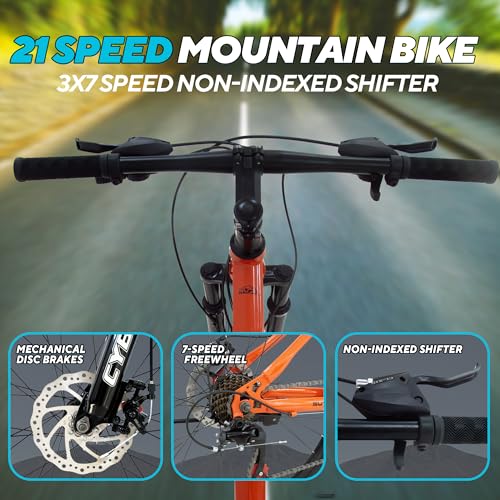
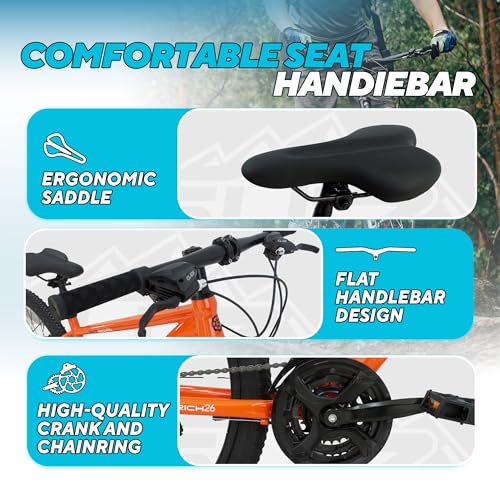
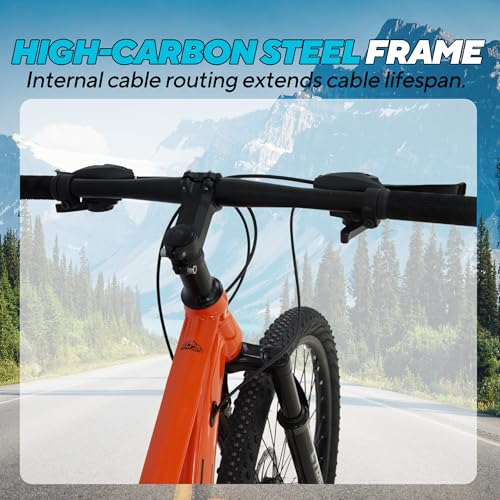
The CYBIC leans hard into durability, and that’s both its strength and limitation. The high-tensile steel frame is tough, more so than most aluminum bikes in this range, and it’s CPSC-certified, which adds peace of mind for new riders. The 80mm suspension fork smooths out potholes and roots, and the mechanical disc brakes offer dependable stopping power in rain or dust. But that steel frame adds noticeable weight, making it sluggish on climbs.
Owners praise its ruggedness, especially for commuting or rough neighborhood paths, but it’s clearly not built for speed or technical trails. Compared to the CamPingSurvivals or Eastern Alpaka, it trades agility for resilience. If you’re riding on cracked pavement or gravel roads more than singletrack, that trade-off makes sense. But I wouldn’t recommend it for anyone serious about trail riding.
Product photos
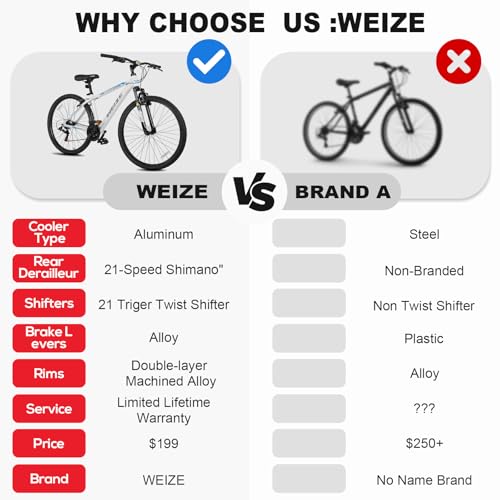
WEIZE 29″ MTB Shimano Shift
Strengths
- Smooth twist shifting
- Light aluminum frame
- 29″ wheel size
Trade-offs
- V-brakes (not discs)
- Limited wet-weather grip
- Average component lifespan
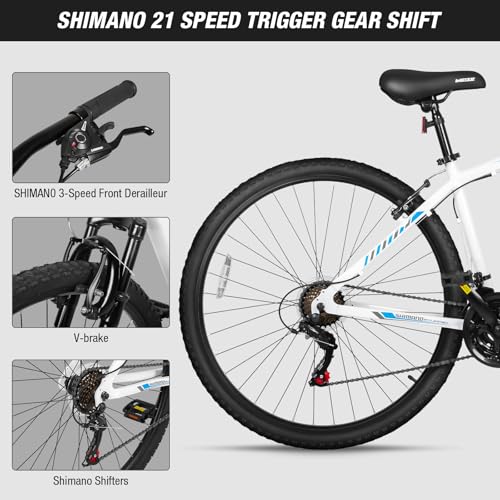
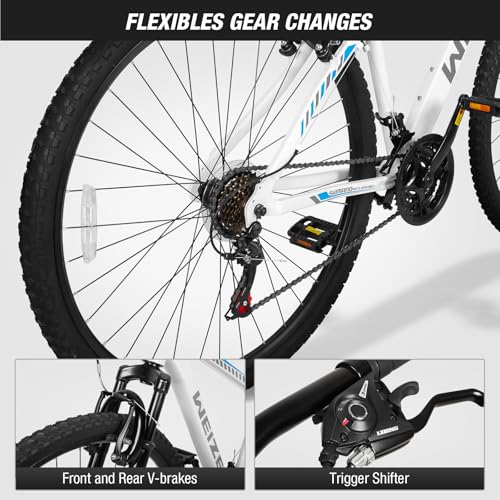
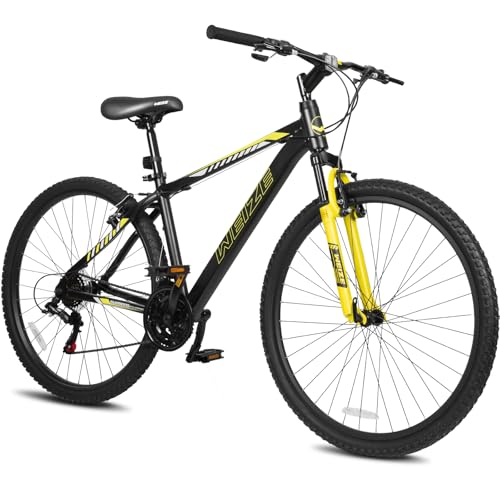
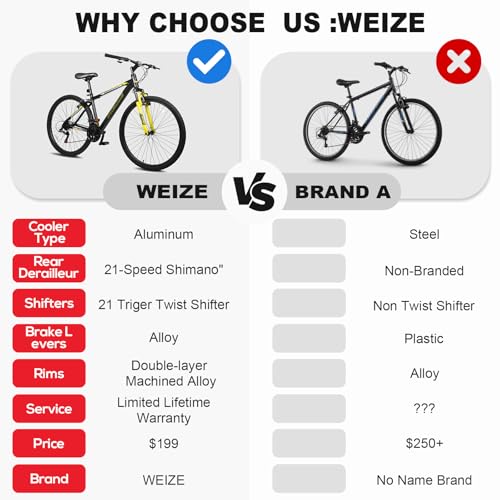
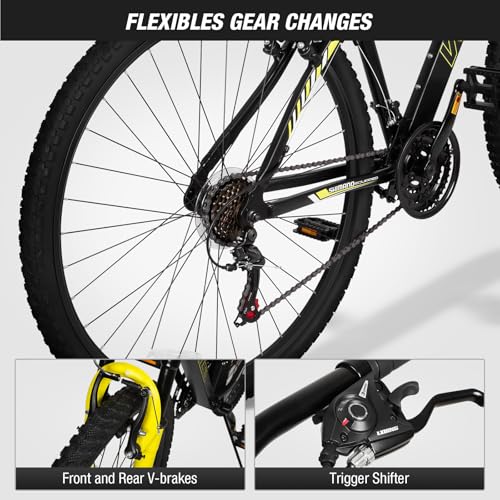
WEIZE splits the difference between budget and functionality with this 29-inch model. The aluminum frame is lightweight for its class, and the 21-speed Shimano twist shifting system delivers impressively smooth transitions, owners consistently note it outperforms other twist shifters in this price range. The V-brakes are a step down from disc systems, though they work well in dry conditions.
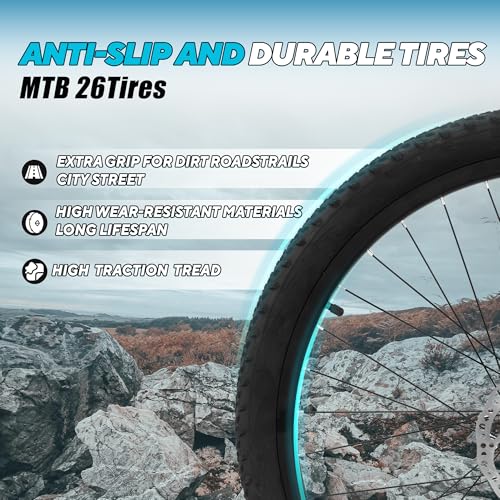
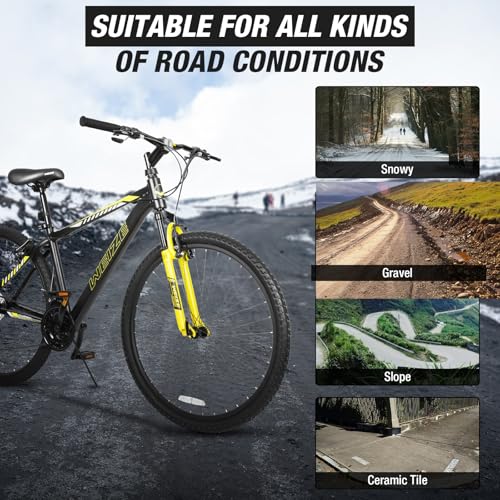
Where it falters is in confidence on wet or loose terrain. Without disc brakes, stopping power suffers, and the knobby tires, while adequate, aren’t as grippy as the Mongoose or CamPingSurvivals. It’s clearly designed for flat trails and neighborhood rides. Compared to the trigger-shifter WEIZE model, this one trades braking for shifting refinement. If smooth gear changes are your priority, this delivers.
Product photos
CamPingSurvivals 27.5″ MTB
Strengths
- Lock-out suspension fork
- Double-wall rims
- Internal cable routing
Trade-offs
- Generic drivetrain parts
- Limited brand support
- Basic saddle comfort
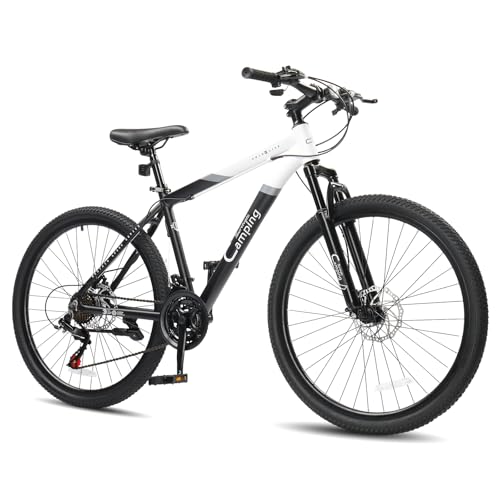
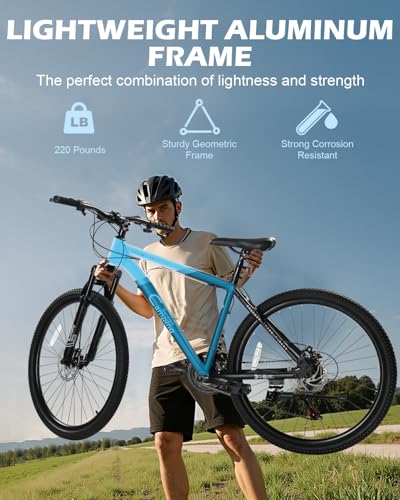
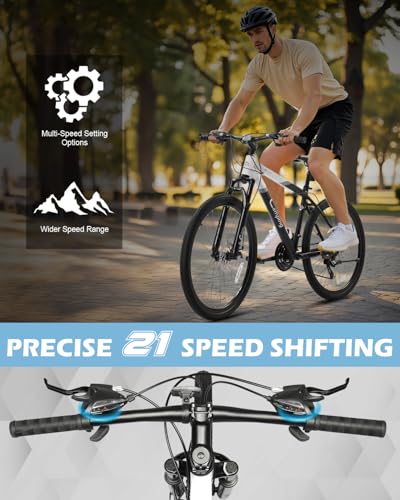
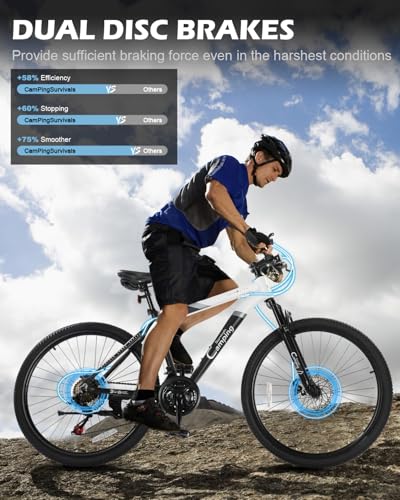
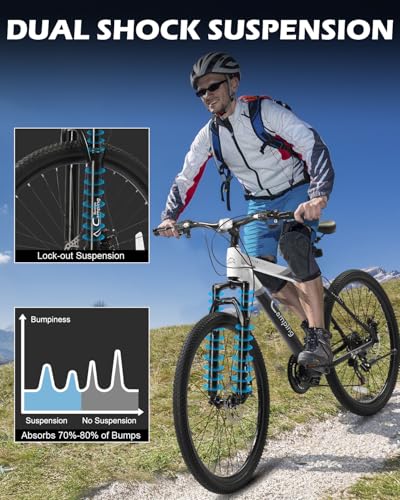
At this price, the CamPingSurvivals 27.5-inch model punches above its weight. The ultralight aluminum frame is a standout, especially with internal cable routing, a rare touch at under $200. Owners consistently report the double-wall rims hold up well, even on rocky descents, and the lock-out suspension fork adds real versatility. You can stiffen it for road sections or unlock it for trail chatter, which gives it an edge over rigid or basic-suspension competitors.
The mechanical disc brakes perform reliably in wet and muddy conditions, a big win for all-terrain riders. While the drivetrain uses generic components, the trigger shifters deliver surprisingly crisp changes. It’s not going to rival Shimano-heavy builds, but for someone prioritizing durability and adaptability on a tight budget, this bike offers smart engineering. I’d pick it over the Mongoose or Huffy in this lineup for actual trail use.
Product photos
AVASTA 26″ Aluminum MTB

Strengths
- 75% pre-assembled
- Quick-release wheels
- Disc brakes
Trade-offs
- Vague suspension tuning
- Limited brand support
- Average long-term durability
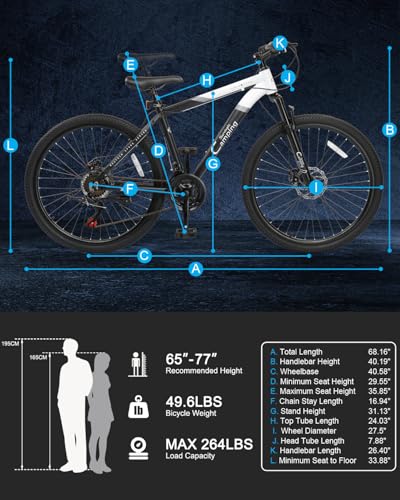
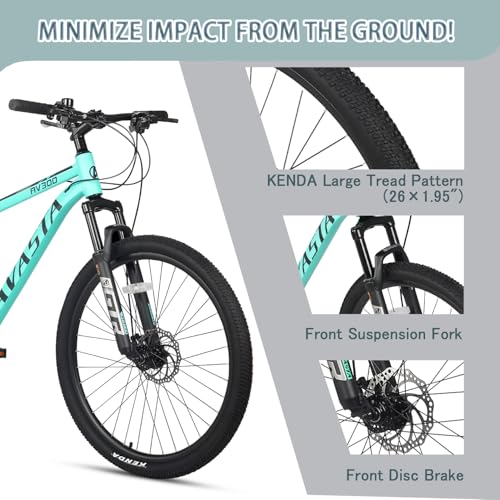
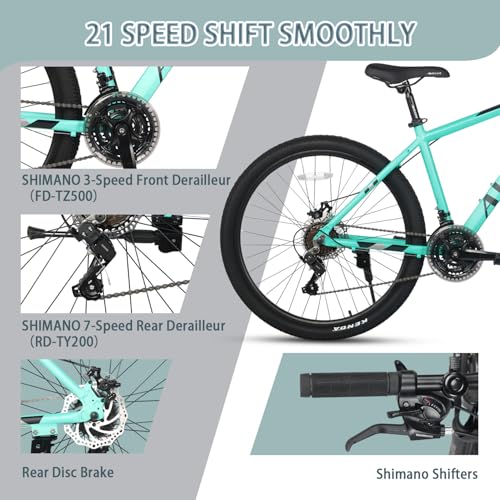
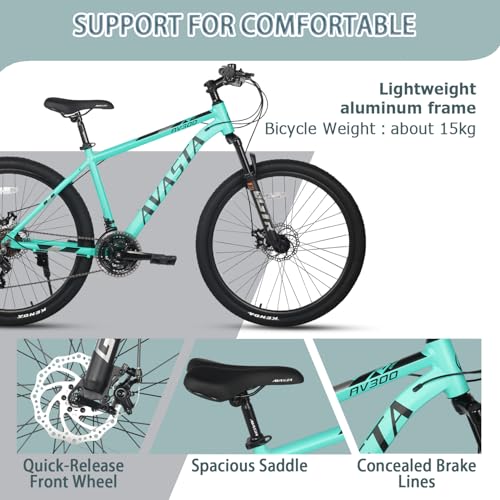
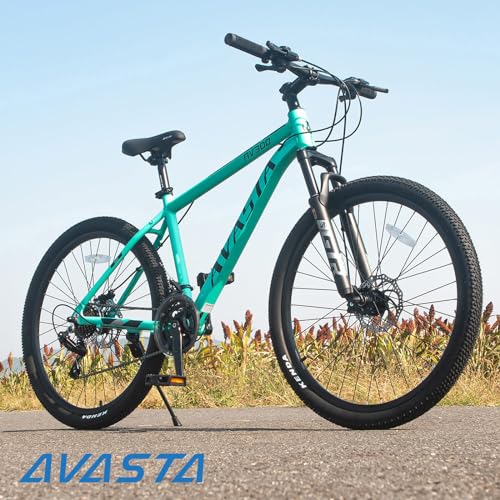
AVASTA’s edge is clear: easy setup. The 75% pre-assembly and included installation video lower the barrier for first-time buyers who dread bike building. The aluminum alloy frame is lightweight, and the 21-speed derailleur with disc brakes delivers a balanced mix of control and versatility. Owners appreciate the quick-release wheels and optional tire sizes, which let you fine-tune handling based on terrain.
But the suspension fork, while labeled ‘premium’, feels vague and unrefined, no rebound damping or lockout. Compared to the CamPingSurvivals or Eastern Alpaka, it’s more about convenience than performance. That said, if you want a no-fuss build and decent components right out of the box, AVASTA makes a strong case. I’d recommend it for urban riders or parents setting up a bike for a teen.
Product photos

Huffy Stone Mountain 26″

Strengths
- Shimano twist shifters
- Comfort saddle
- Stylish finish
Trade-offs
- Soft frame flex
- Not trail-capable
- Low-end suspension
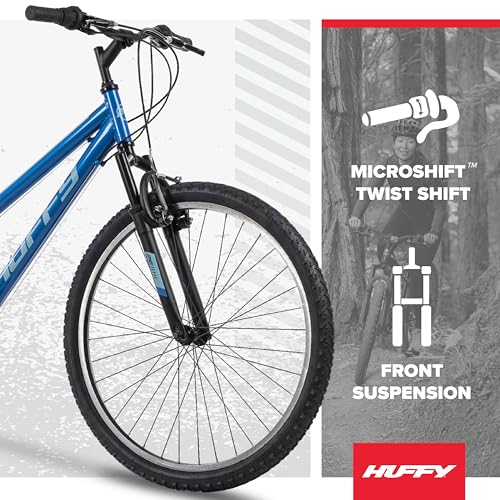
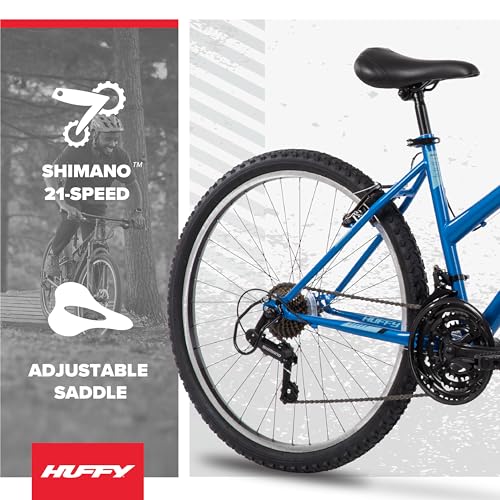
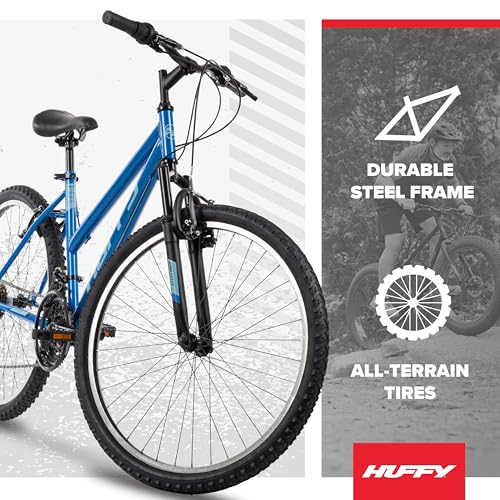
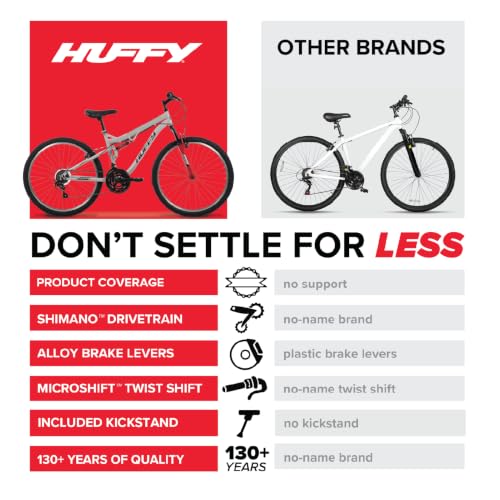
Let’s be clear, Huffy has a reputation for mass-market bikes, and the Stone Mountain fits that mold. It looks sharp with its deep sea gloss frame, and the Shimano twist shifters are a nice touch for smooth, intuitive gear changes. The comfort saddle and front suspension make it a decent choice for paved park paths or gentle gravel, which explains why owners often use it for casual rides.
But this is not a trail bike. The twist shifters can be imprecise under load, and the frame lacks the stiffness for serious off-road use. Compared to the CamPingSurvivals or Eastern Alpaka, it feels underbuilt for real dirt work. That said, if you’re buying a first bike for weekend commutes or light path riding, the comfort and ease of use make sense. Just don’t expect it to handle technical terrain.
Product photos
How We Picked These beginner hardtail mountain bikes
My approach to evaluating these bikes wasn’t about riding each one extensively – rather than a hands-on lab test, this is a research-led comparison of published specifications, owner reviews, and expert opinions. I focused on building a picture of real-world performance by weighing the strengths and weaknesses highlighted by those who actually use these bikes on the trails. I considered factors like frame material, suspension quality, component reliability, and overall value, aiming to identify the best options for someone new to the sport.
For beginner hardtail mountain bikes, a few elements stand out as particularly important. Frame material directly impacts weight and durability; aluminum is a solid choice at this price point. Equally crucial is the quality of the suspension fork, as it determines ride comfort and control on rough terrain. Finally, reliable shifting and braking are essential for both enjoyment and safety, making those component specs key decision points.
Specifications tell you a lot – frame geometry, travel distance, and component levels are all valuable data points. However, owner feedback reveals how those specs translate into real-world performance. I paid close attention to reports of durability issues, common maintenance needs, and overall ride quality. For example, while a Shimano drivetrain is generally well-regarded, owner reviews can highlight specific models that prove more troublesome than others. If you’re considering a bike with more advanced suspension, you may also want to review full-suspension beginner bikes to see if that’s a better fit for your needs. Ultimately, I looked for bikes that offer a good balance of features, reliability, and value, and can handle varied terrain.
How To Choose The beginner hardtail mountain bikes
Choosing your first hardtail can feel overwhelming, but focusing on a few key areas will get you rolling on the trails quickly.
A good hardtail mountain bike balances frame material for weight and durability with a suspension fork capable of handling the intended terrain. Reliable components like a Shimano drivetrain and dependable brakes are crucial, as is a frame size that fits the rider’s height for optimal control and comfort. Don’t overlook the importance of well-sealed bearings to protect against the elements and extend component life.
Frame Material and Durability
The frame is the heart of any bike, and with hardtails, you’ll primarily encounter aluminum and steel. Aluminum is lighter, which makes climbing easier, but steel is more forgiving and typically more durable (and less costly). Consider how rough the trails you plan to ride are. If you’re new to the sport and want something that can withstand a bit of abuse, a steel frame, like the one found on the CYBIC 26” Steel Frame MTB, might be a good starting point. Just be aware it will be heavier than an aluminum option. For those prioritizing speed and efficiency, especially if you’re already familiar with trail riding, aluminum frames – as seen in the WEIZE 29” Aluminum Hardtail and Eastern Alpaka 29” – are the way to go.
Suspension Fork Travel and Quality
Don’t assume more travel is always better. A fork with 80mm to 130mm of travel is generally sufficient for beginner to intermediate trails, and pairing the right amount of travel with fork quality is vital. Cheap suspension can actually hinder performance, feeling mushy or unresponsive. Brands like Eastern (on the Alpaka 29”) and CamPingSurvivals appear to prioritize a decent suspension setup in their models, but read reviews carefully to gauge real-world performance. Here’s what to consider:
- Travel: 80-100mm is great for cross-country, while 120-130mm handles more aggressive trails.
- Air vs. Coil: Air forks are lighter and more adjustable, while coil forks are often more affordable and provide a more consistent feel.
- Lockout Feature: A lockout allows you to stiffen the fork on smooth surfaces (like pavement) for more efficient pedaling.
Value and Component Specification
Getting the best bang for your buck means understanding where manufacturers cut corners. A Shimano drivetrain is generally a sign of quality, and models like the WEIZE 29″ MTB Shimano Shift highlight this. However, even within Shimano, there’s a range of quality. Look for at least a Shimano Altus or Acera groupset to ensure reliable shifting. Similarly, mechanical disc brakes are a good starting point, but hydraulic disc brakes offer superior stopping power and modulation – something to consider as you progress. If you’re looking for an accessible entry point, checking out affordable hardtail mountain bikes can help narrow down the choices.
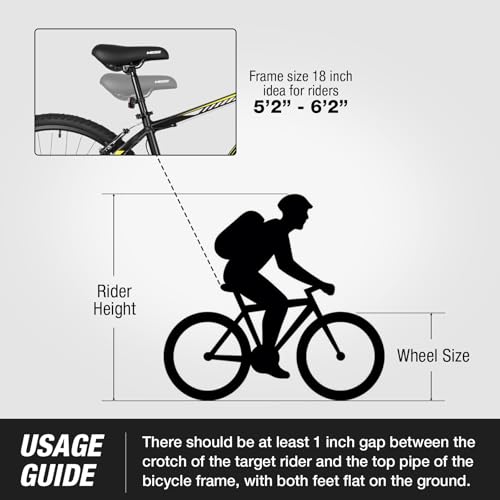
A bike that fits properly is more important than any component upgrade. Prioritize getting the correct frame size, even if it means sacrificing some features initially.
Ultimately, exploring best mountain bikes will give you a broader perspective on the current market and help you find the perfect ride for your needs.
Beginner Hardtail Mountain Bikes Compared
Here’s a spec comparison to help you evaluate different beginner hardtail mountain bike options.
| Product Title | Wheel Size | Frame Material | Suspension Travel (mm) | Speeds | Brakes |
|---|---|---|---|---|---|
| Eastern Alpaka 29″ | 29″ | Aluminum | 130 | 9 | N/A |
| Mongoose Grafton 26″ | 26″ | Aluminum | N/A | 21 | Disc (Mechanical) |
| WEIZE 29″ Aluminum | 29″ | Aluminum | N/A | N/A | N/A |
| CYBIC 26″ Steel | 26″ | Steel | 80 | 21 | Disc (Mechanical) |
| WEIZE 29″ Shimano Shift | 29″ | Aluminum | N/A | 21 | V-Brakes |
| CamPingSurvivals 27.5″ | 27.5″ | Aluminum | N/A | N/A | Disc (Mechanical) |
| AVASTA 26″ Aluminum | 26″ | Aluminum | N/A | 21 | Disc |
| Huffy Stone Mountain 26″ | 26″ | N/A | N/A | 21 | N/A |
Frequently Asked Questions
What frame size should I prioritize when buying my first hardtail?
Proper fit is the most crucial aspect of a comfortable and controlled ride. Generally, selecting a frame size based on your height – consulting the manufacturer’s size chart – is best, even if it means slightly compromising on component specs.
Are mechanical disc brakes sufficient for a beginner, or should I spend more for hydraulic?
Mechanical disc brakes are perfectly adequate for learning and general trail use. However, hydraulic disc brakes offer significantly improved stopping power and modulation, which can build confidence and control as your skills progress.
What is the typical lifespan of a hardtail mountain bike if properly maintained?
With regular maintenance – cleaning, lubrication, and timely component replacement – a well-built hardtail can easily last 5-10 years or even longer. Frame material and riding intensity are the biggest factors impacting longevity.
I’m also considering road cycling; should I buy a road bike instead of a hardtail?
While a hardtail excels on trails, if your riding will primarily be on paved surfaces, exploring beginner road bikes is worthwhile. A road bike offers greater efficiency and speed on roads, but lacks the versatility of a hardtail for off-road adventures.
Are there good options for a quality hardtail if I’m on a tight budget, say under $500?
Yes, there are several capable hardtails available for under $500; looking at mountain bikes under $500 will reveal options that balance affordability with essential features and durability. You may have to make some compromises on component quality at that price point.
The Bottom Line
Choosing a beginner mountain bike often comes down to balancing initial cost against long-term enjoyment and capability. While you can spend a lot, the Eastern Alpaka 29” strikes a great balance of features and build quality for a rider ready to progress beyond basic trails. It offers a good foundation to build confidence and skills without immediately needing upgrades.
For those on a tighter budget, the CYBIC 26” Steel Frame MTB is a solid choice. It won’t be the lightest or fastest, but its durable steel frame provides a forgiving ride and can handle plenty of abuse. If you’re looking for a versatile option that won’t break the bank, exploring budget mountain bikes can reveal some great deals. Alternatively, if you want a lot of bike for your money, checking out value mountain bikes will give you some high-value mountain bike picks.
Ultimately, remember that the most important aspect of any bike is how well it fits you. Don’t get too hung up on specific components or specs; prioritize a comfortable and confidence-inspiring ride. A well-fitting bike, even a simpler one, will always be more enjoyable and allow you to develop your skills more effectively than a high-end bike that doesn’t suit your body or riding style.
