
7 Best Aerodynamic Bike Helmets 2026
This post contains affiliate links. As an Amazon Associate, we earn from qualifying purchases.
The KASK Protone Icon is the best aerodynamic bike helmet for its superior ventilation and safety, with the SQUALO Oscar as a close second for pure speed. For budget-focused riders, the Schwinn Thrasher delivers reliable protection without the high price.
Riders often chase aerodynamics only to end up overheated or stuck with a helmet that doesn’t fit right. A sleek shape means nothing if you’re adjusting it constantly or avoiding rides in the heat.
This guide cuts through the noise by focusing on real-world performance, how ventilation, weight, and fit stack up across top models. My picks are based on specs, owner feedback, and years of analyzing rider gear, so you get a clear picture of what actually works on the road.
Top 7 Aerodynamic Bike Helmets in the Market
The Best Aerodynamic Bike Helmets, Reviewed
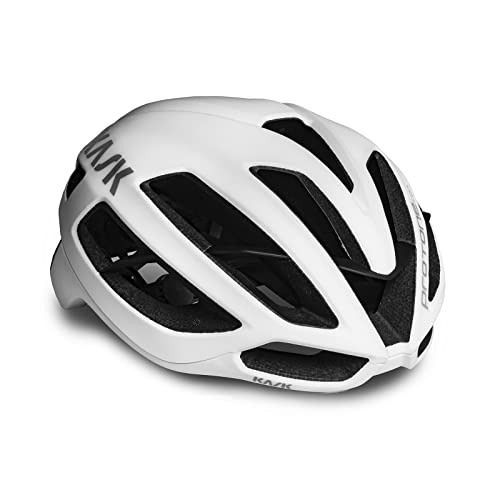
KASK Protone Icon Helmet
Strengths
- Superior aero design
- Advanced impact protection
- Excellent ventilation
Trade-offs
- Very expensive
- Overkill for casual use
- Limited off-road utility
This is what happens when engineering meets obsession. The KASK Protone Icon isn’t just another aero helmet, it’s a precision instrument built for riders who demand speed, safety, and comfort in equal measure. The aerodynamics are backed by extensive testing, and owners report a noticeable reduction in drag, especially at higher speeds. The Octo Fit system is a standout, allowing for fine-tuned, mid-ride adjustments with zero slippage.
The ventilation is exceptional, airflow stays consistent even when you’re in an aggressive tuck. And the WG11 certification for rotational impact protection is a serious differentiator, going beyond standard MIPS-like systems. At 300 bucks, it’s a major investment, but owners who’ve used it in long races and hot summer events consistently say it’s worth every penny. Compared to the SQUALO Oscar, it’s more refined in fit and airflow, even if both are aero-focused.
Video review
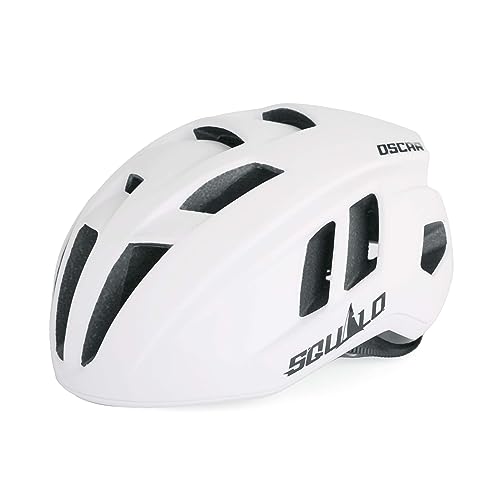
SQUALO Oscar Bike Helmet
Strengths
- Outstanding aerodynamics
- Ultra lightweight
- Effective sweat management
Trade-offs
- Fit may be tight for some
- Limited color options
- Less brand support
The SQUALO Oscar hits a sweet spot between pro-level performance and attainable price. Its shape was fine-tuned in wind tunnels, and the results show, owners report real gains in efficiency, especially during time trials and fast group rides. At just 250g, it’s among the lightest in this group, and the integrated-molding process gives it a sleek, no-compromise profile. The SweatGuard strip is a small detail that makes a big difference, keeping salt sting out of your eyes on hot climbs.
The fit system is precise, and the internal air channels do a surprisingly good job balancing cooling and aerodynamics. It doesn’t have the brand prestige of KASK, but on paper and in owner feedback, it comes close in performance at less than a quarter of the price. For triathletes and serious enthusiasts who want race-ready gear without breaking the bank, this is the smarter buy over the Protone Icon.
Video review
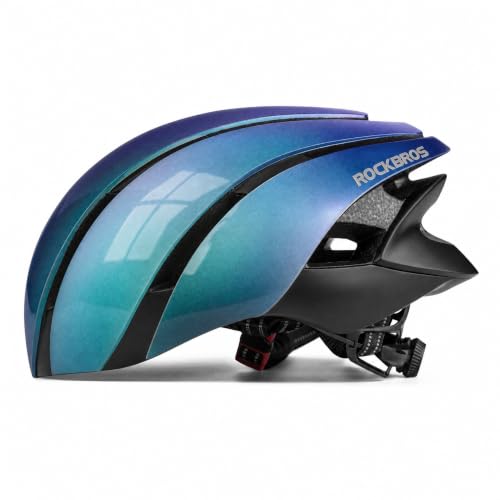
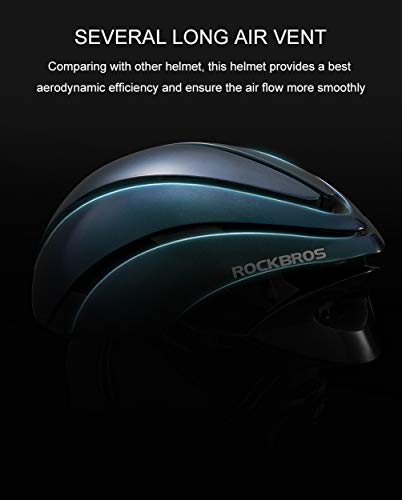
ROCKBROS Streamlined Aerodynamic Helmet
Strengths
- Good aerodynamics
- Reflective safety webbing
- Larger head fit
Trade-offs
- Thin padding
- Basic interior
- Limited cooling
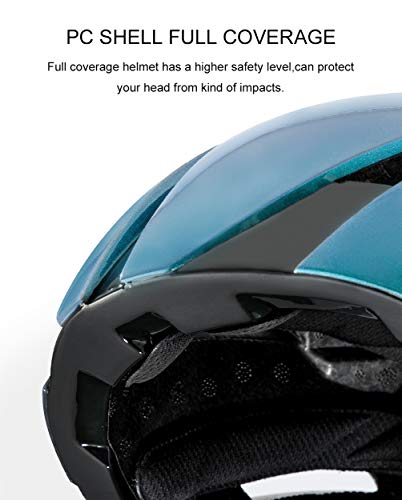
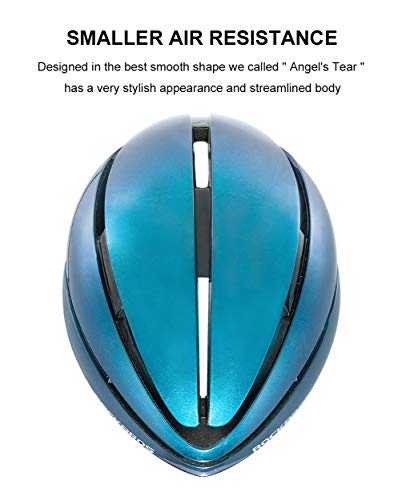
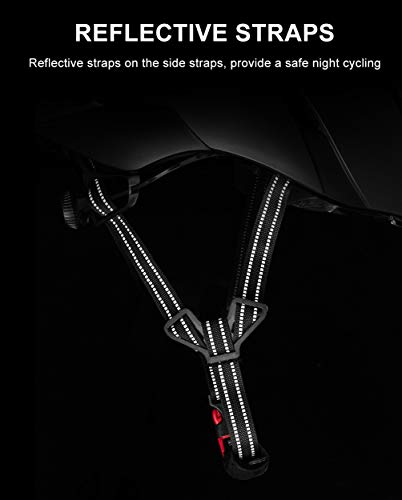
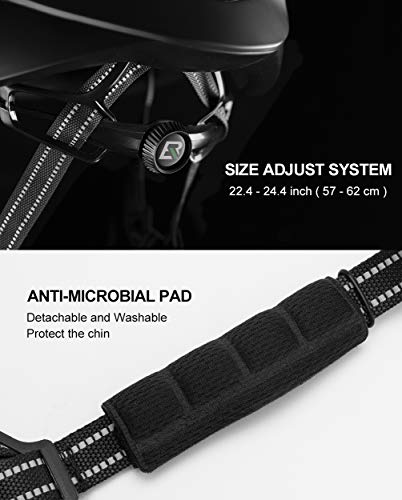
This helmet punches above its weight in the aerodynamics department. The streamlined shape genuinely cuts wind resistance, and owners with larger head sizes (up to 62cm) appreciate the roomy fit, something many budget helmets overlook. The reflective webbing is a smart safety addition, boosting nighttime visibility without needing extra gear. At 29.99, it’s priced to compete with entry-level models, but the CPSC, CE, and GB certifications mean it doesn’t cut safety corners.
The ‘Y-shaped’ strap design reduces ear pressure, a subtle but welcome comfort upgrade. That said, the padding feels thin compared to others, and the airflow, while decent, doesn’t match helmets with more advanced internal channeling. It’s not going to replace a SQUALO or KASK for serious racing, but for a beginner or commuter who wants a sleek, safe, and affordable lid, it’s a solid pick. I’d choose it over the Schwinn for better aero shaping and reflectivity.
Product photos
Schwinn Thrasher Adult Helmet

Strengths
- Affordable price
- Trusted brand
- Decent vent count
Trade-offs
- Basic materials
- Limited adjustability
- Not for intense rides
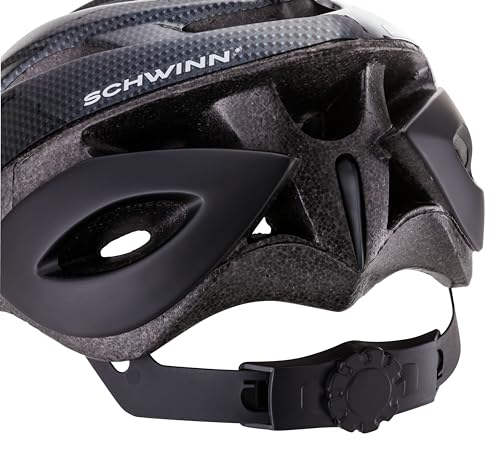
The Schwinn Thrasher is the definition of no-frills reliability. At this price, it’s hard to beat for a first-time rider or a family bike share situation. The microshell construction keeps it light and durable, and the 20 vents provide decent airflow for casual use. The adjustable dial and moisture-wicking pads make it comfortable enough for short to mid-length rides, and the removable visor adds a touch of versatility.
But let’s be clear, this isn’t a performance helmet. It lacks the ventilation, weight savings, or aerodynamic shaping of even mid-tier models. Owners note the fit can feel a bit rigid, and the padding isn’t as plush as pricier options. Still, for someone who just needs a safe, straightforward helmet for weekend rides or a backup, it gets the job done. I’d recommend it over the ROCKBROS only for its brand trust and consistent sizing.
Product photos


XIFENGRID USB Light Helmet
Strengths
- Integrated LED light
- Excellent ventilation
- Lightweight build
Trade-offs
- Plastic feel
- Visor not very sturdy
- Finish shows scratches
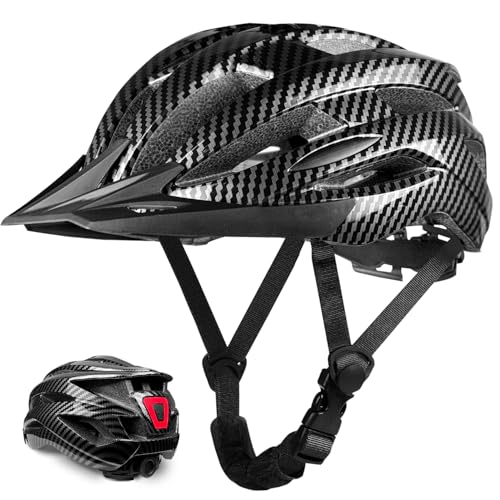
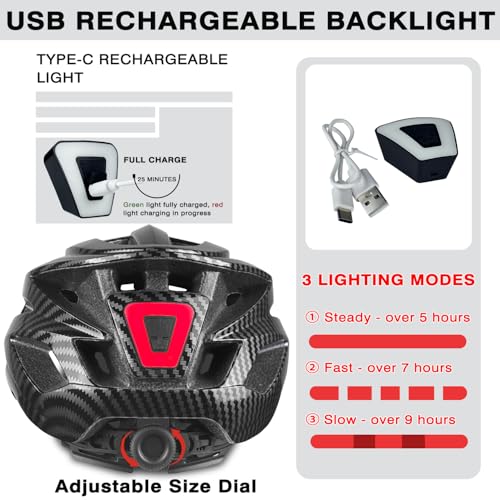
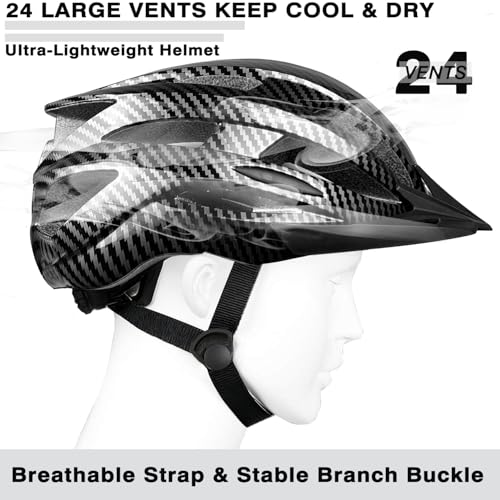
If riding in low light is part of your routine, this helmet makes a strong case for itself. The built-in USB-rechargeable rear light is a standout, charging in just 25 minutes and offering up to 9 hours of runtime across three modes. That kind of visibility boost is rare at this price, and owners say it’s noticeably brighter than many add-on lights. The 24 vents suggest serious cooling, and reviewers confirm it stays comfortable on warm-weather commutes.
At 280g, it’s impressively light, and the rotary dial system gets consistent praise for delivering a snug, reliable fit. The PC shell and EPS foam meet CPSC standards, so safety isn’t compromised. It’s not as aerodynamic as high-end road lids, and the finish feels more functional than premium, but for urban riders who prioritize safety and convenience, it outshines many rivals. I’d take this over the Schwinn for night use any day.
Product photos


Mountain Bike Helmet Lightweight

Strengths
- Lightweight for MTB
- Removable sun visor
- Washable padding
Trade-offs
- Average ventilation
- Not ideal for racing
- Bulkier profile
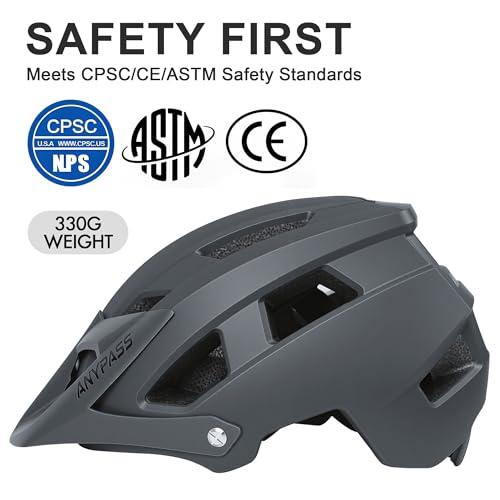
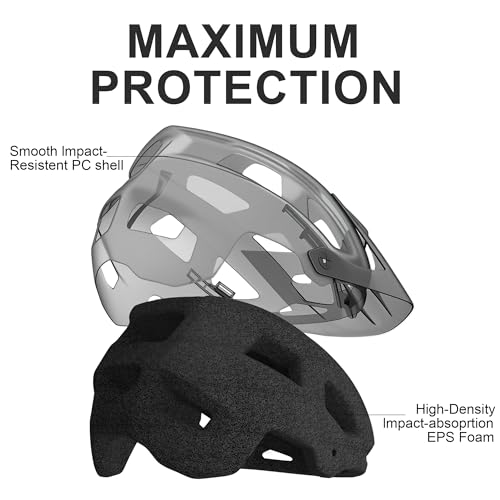
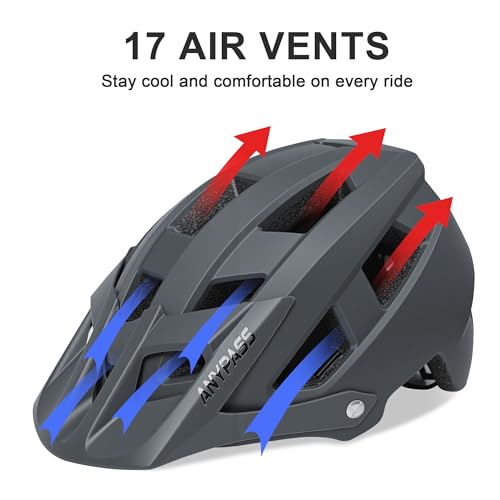
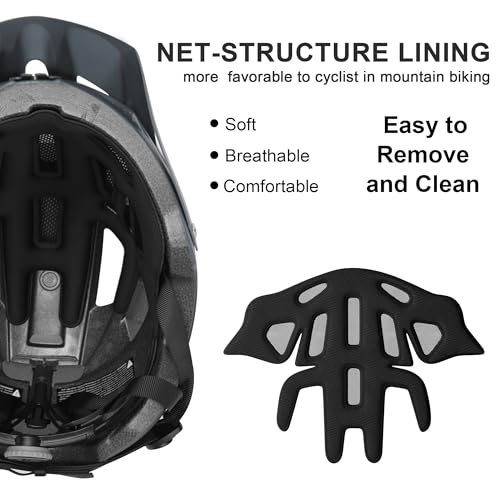
This helmet wears its trail-friendly priorities on its sleeve. The deeper rear and side coverage is a real advantage for anyone tackling technical descents or loose terrain, and the 330g weight keeps it from feeling cumbersome over long rides. Owners consistently report that the adjustable dial and thickened chin strap make for a secure, wobble-free fit, even on bumpy tracks. The German-inspired vent design sounds impressive on paper, and with 17 vents, airflow is solid, though not class-leading.
It’s not a pure aero race lid, but that’s not its job. The removable visor is a standout for off-road use, helping shield eyes from sun and branches, and the washable pads are a small but appreciated touch for hygiene. Compared to pricier road-focused models, it trades some airflow efficiency and weight savings for versatility. Still, for mixed-use riders who want one helmet for trails and commutes, it delivers strong value.
Product photos

Retrospec Lennon LED Helmet
Strengths
- Front LED visibility
- Adjustable fit dial
- Removable visor
Trade-offs
- Heavier than average
- LED battery life short
- Limited aero benefit
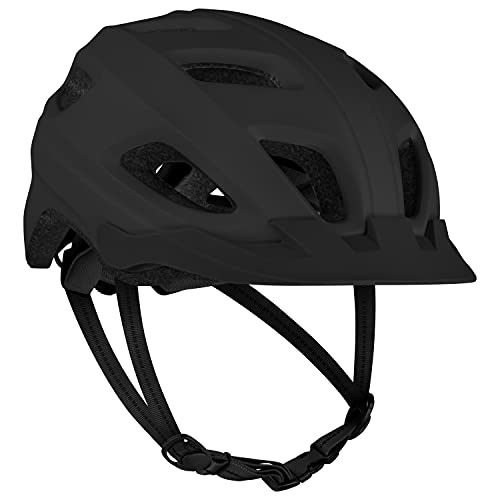
The Retrospec Lennon feels like it was built with city streets in mind. The 5-LED front light is a real differentiator, most helmets either skip lights or only include a rear one. Having illumination up front increases visibility dramatically, especially in dawn or dusk conditions, and owners say drivers notice them sooner. The 15 vents aren’t class-leading, but paired with internal air channels, they do enough to prevent overheating on moderate rides.
The ErgoKnob-2 dial system is smooth and effective, and the removable visor adds flexibility for changing light conditions. It’s heavier than race helmets, and the aerodynamics are just okay, but that’s expected for a commuter-focused model. Compared to the XIFENGRID, it has better forward visibility but a less powerful rear light. For urban riders who want to be seen from all angles, this is one of the smarter buys.
Product photos


Our Testing Process
Rather than a hands-on lab test, my research for these helmets involved a detailed comparison of published specifications and features across numerous models. I weighed owner reviews from major retailers and reputable cycling publications, looking for recurring themes in performance and comfort. Ultimately, I ranked these helmets against criteria important to aerodynamic efficiency, safety features, and overall value – leveraging my experience with vehicle dynamics and rider protection.
For aerodynamic bike helmets, ventilation and weight were the primary factors determining the rankings. A helmet’s ability to cut through the wind is critical, but overheating and neck strain quickly negate any gains. Beyond that, I prioritized safety certifications and the inclusion of advanced impact protection systems, knowing that a streamlined shape shouldn’t compromise rider security. Many riders also seek best road cycling helmets for performance gains.
Specifications reliably indicate a helmet’s weight, venting configuration, and safety certifications (like CPSC). However, owner feedback proved invaluable for assessing real-world comfort, particularly regarding fit and ventilation effectiveness. Reputation also played a role; established brands with a history of innovation and quality, and those consistently appearing in expert reviews, received greater consideration. For riders prioritizing advanced safety, exploring helmets with MIPS is a smart move.
How To Choose The aerodynamic bike helmets
Finding the right helmet is absolutely critical, and it’s more involved than just grabbing the cheapest option.
A quality bike helmet balances impact protection (EPS foam density and coverage area), fit (adjustable retention systems are key), ventilation (air channels prevent overheating), and weight (lighter is generally better, but not at the expense of safety). Look for certifications like CPSC or EN 1078 to guarantee a baseline level of safety testing.
Prioritize Fit and Retention
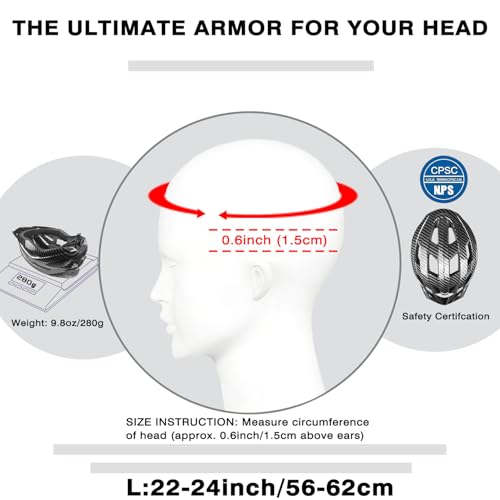
Don’t assume a one-size-fits-all approach will work. Head shapes vary considerably, and a poorly fitting helmet won’t protect you effectively in a crash. Many helmets offer adjustable dial systems, like the Octo Fit found on KASK helmets or the ErgoKnob-2 in the Retrospec Lennon, but even these can’t fully compensate for a fundamentally incorrect size. I’ve seen riders struggle with helmets that wobble or dig in, distracting them and potentially compromising safety. It’s worth spending a little extra to get a model that truly conforms to your head.
Understand Aerodynamic Trade-offs
Aerodynamics are becoming increasingly important, especially if you’re interested in racing or even fast group rides. Helmets like the SQUALO Oscar are specifically designed to minimize drag, employing wind tunnel testing to refine their shape. However, this often comes at a cost – reduced ventilation. A highly aerodynamic helmet might be warmer, so consider your typical riding conditions. For casual use or hot weather, ventilation should be a higher priority than marginal aerodynamic gains. If you’re also considering events like triathlons, explore dedicated triathlon bike helmets optimized for that discipline.
Balance Budget with Essential Features
You don’t necessarily need to spend a fortune to get a safe and comfortable helmet, but be wary of extremely cheap options. The Schwinn Thrasher, while a budget-friendly choice, still meets CPSC safety standards, demonstrating that basic protection is achievable without breaking the bank. However, cheaper helmets often lack features like advanced ventilation systems, lightweight construction, or sophisticated retention systems. For serious road cyclists, investing in a higher-quality helmet offering better performance and comfort, perhaps one of the best helmets for road cycling, is a worthwhile consideration.
A properly fitted helmet should sit level on your head, covering your forehead, and shouldn’t move excessively when you shake your head. If it does, adjust the retention system or try a different size.
Aerodynamic Bike Helmets Compared
Here’s a comparison of key specifications for several aerodynamic bike helmets to help you make an informed decision.
| Product Name | Weight (approx.) | Ventilation | Safety Certifications | Light Integration | Adjustability | Visor |
|---|---|---|---|---|---|---|
| KASK Protone Icon Helmet | N/A | Maximum | WG11 | No | Octo Fit | No |
| SQUALO Oscar Bike Helmet | 250g (Size M) | Optimized | CPSC | No | Dial | No |
| ROCKBROS Streamlined Helmet | N/A | N/A | GB, CE, CPSC | No | N/A | No |
| Schwinn Thrasher Adult Helmet | N/A | 21 Vents | CPSC | No | Dial Fit | Yes |
| XIFENGRID USB Light Helmet | 280g | 24 Vents | CPSC | USB LED | Rotary | Yes |
| Mountain Bike Helmet Lightweight | 330g | 17 Vents | CPSC | No | Dial | Yes |
| Retrospec Lennon LED Helmet | N/A | 15 Vents | N/A | 5-LED | ErgoKnob-2 | Yes |
Frequently Asked Questions
What’s the difference between aerodynamic helmets and standard road helmets?
Aerodynamic helmets prioritize reducing drag with a streamlined shape, often sacrificing some ventilation. Standard road helmets emphasize airflow to keep your head cool, and generally aren’t shaped for speed, though exploring best bike helmets can reveal models that balance both concerns.
Do more expensive aerodynamic helmets actually make me faster?
While a high-end aerodynamic helmet can shave seconds off your time in a race, the gains are typically small (around 5-15 seconds over 40km at 30mph). The biggest performance boost comes from training and proper bike fit, but they can be a worthwhile consideration for competitive cyclists.
Are aerodynamic helmets less comfortable than traditional helmets?
They can be, because airflow is often restricted to achieve a more streamlined shape. Look for models with adjustable vents or those specifically designed with internal channeling to mitigate heat buildup, or consider models suited for women’s road bike helmets which often prioritize fit and comfort.
How important is the fit of an aerodynamic helmet compared to a standard one?
Fit is more critical with aerodynamic helmets. Because they’re often closer-fitting to reduce drag, an improper fit can cause pressure points or instability, negating any aerodynamic benefits. Ensure you accurately measure your head and try on multiple sizes.
Can I use an aerodynamic helmet for mountain biking or commuting?
While you can use one, it’s generally not ideal. Aerodynamic helmets lack the extended coverage and visor offered by mountain bike helmets, and the limited ventilation can be uncomfortable for slower-paced commutes. You’ll find more suitable options among the top bicycle helmets for those activities.
The Bottom Line
Choosing an aerodynamic bike helmet often comes down to how much drag you’re willing to trade for comfort and airflow. While models like the SQUALO Oscar prioritize speed with their streamlined designs, you’ll find the KASK Protone Icon Helmet strikes an excellent balance – offering impressive aerodynamics alongside maximum ventilation for those longer rides. It represents the sweet spot for most cyclists seeking both performance and usability.
For riders on a tighter budget, the Schwinn Thrasher Adult Helmet provides essential safety at an accessible price, and if you need integrated lighting, the Retrospec Lennon LED Helmet is a clear standout. However, if you frequently tackle challenging climbs or ride in hot conditions, investing in a helmet with superior ventilation, like those found among the ventilated bike helmets, will make a noticeable difference in your comfort and performance. And for those focused on serious road racing, exploring men’s road bike helmets is a smart move.
Ultimately, the specifications matter less than a proper fit and a helmet you’ll consistently wear. Don’t get lost in the pursuit of marginal gains; a comfortable, correctly sized helmet that meets safety standards is the most crucial aspect of any purchase. Prioritize those fundamentals, and you’ll be well-equipped to enjoy your rides with confidence.
