
8 Best Bike Helmets for Triathlon 2026
This post contains affiliate links. As an Amazon Associate, we earn from qualifying purchases.
The Kask Utopia Y Triathlon Helmet stands out as the best overall choice for serious triathletes, combining a sleek aerodynamic design with reliable safety features. For those on a tighter budget, the Giro Isode MIPS II delivers strong performance and comfort without breaking the bank. And if you’re looking for maximum versatility across disciplines, the Giro Vanquish MIPS offers excellent aero gains and integrated visor convenience.
Every triathlete knows the difference a few seconds can make, and your helmet plays a bigger role than most realize. A poor choice can mean added drag, overheating, or even compromised safety when you need it most.
After researching the market and analyzing specs, owner feedback, and safety tech, I focused on models that deliver real-world performance. These picks balance aerodynamics, ventilation, fit, and protection, because in triathlon, you shouldn’t have to sacrifice one for the other.
Top 8 Bike Helmets For Triathlon in the Market
The Best Bike Helmets For Triathlon, Reviewed
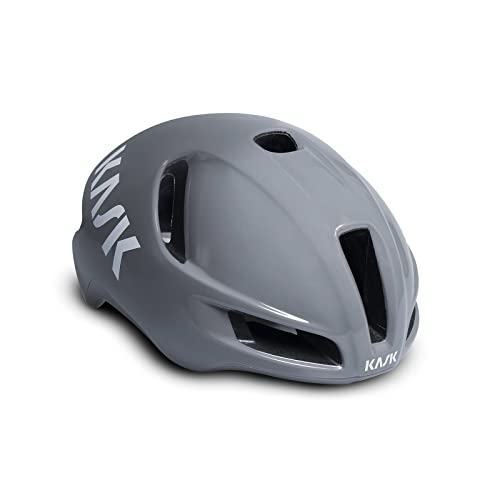
Kask Utopia Y Triathlon Helmet
Strengths
- Superior aero and cooling balance
- Octo Fit micro dial system
- WG11 rotational protection
- High-visibility reflectives
- Premium comfort padding
Trade-offs
- Expensive
- Limited color options
- Octo dial takes getting used to
The Kask Utopia Y is the helmet you pick when you want both aero performance and serious ventilation, a rare combo at any price. On paper, the Rotational Impact WG11 certification stands out, going beyond standard MIPS or KinetiCore with a more thorough internal structure. Owners praise the Octo Fit system for its smooth, 180-degree adjustment and plush gel padding, which makes it comfortable even during long transitions.
This is a premium helmet with a premium price, but the engineering justifies it for serious triathletes. The airflow management is excellent, with internal channels that maintain cooling without sacrificing aerodynamics. Compared to the Giro Vanquish, it’s slightly heavier but offers better overall fit refinement and padding quality. If you’re racing in varied conditions and want one helmet to handle heat, speed, and safety, this is the benchmark.
Video review
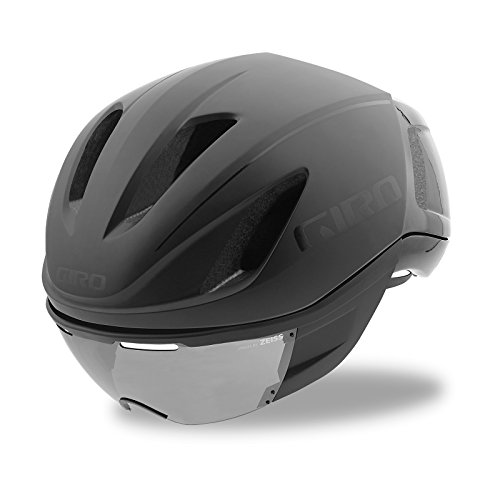
Giro Vanquish MIPS Cycling Helmet
Strengths
- Top-tier aerodynamics
- Magnetic Zeiss shield
- Integrated MIPS
- Excellent fit for narrow heads
- Clean shield storage
Trade-offs
- Limited ventilation
- Shield adds weight
- Fit too tight for some
The Giro Vanquish MIPS is built for speed, full stop. With TransformAir Technology, it’s engineered to slice through the wind while managing airflow intelligently, making it a favorite among time-trialists and aero-focused triathletes. The integrated MIPS system adds a necessary layer of rotational safety, and the magnetic Vivid shield by Zeiss is a standout feature, offering clear, tool-free lens swaps for changing light conditions.
Owners note that the fit is snug and race-oriented, which may not suit everyone, especially those with wider heads. The Stealth shield dock keeps the front clean when the visor’s stowed, and the overall build feels premium. It’s not the most ventilated helmet, but for shorter, high-intensity efforts where aero gains matter most, it outperforms almost everything in its class.
Video review
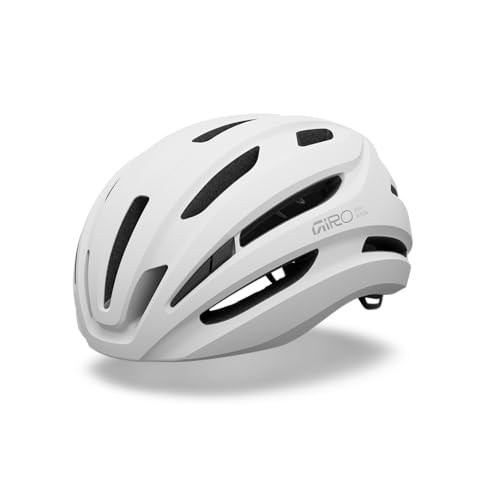
Giro Isode MIPS II Helmet
Strengths
- Excellent ventilation
- MIPS protection included
- Roc Loc Sport fit system
- Lightweight in-mold construction
- Ponytail compatible
Trade-offs
- Basic aesthetics
- Not aero-optimized
- Matte white shows scuffs
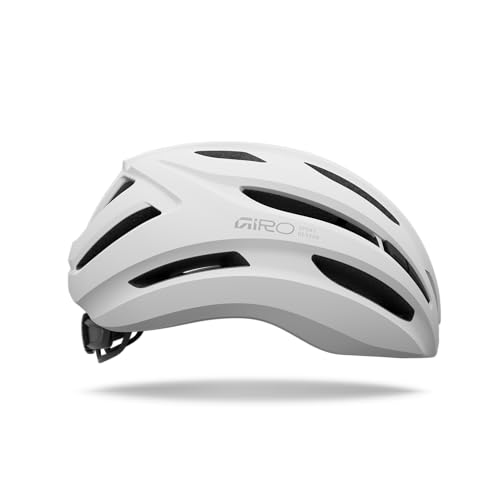
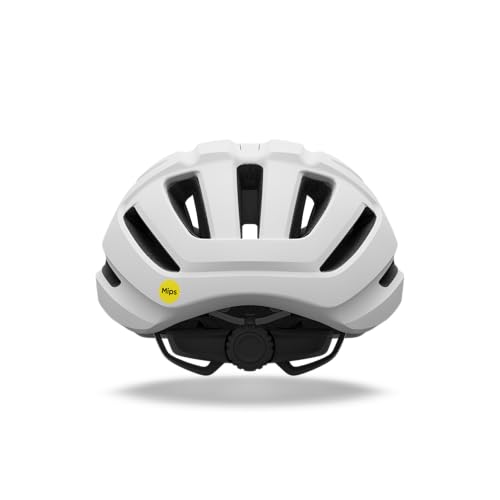
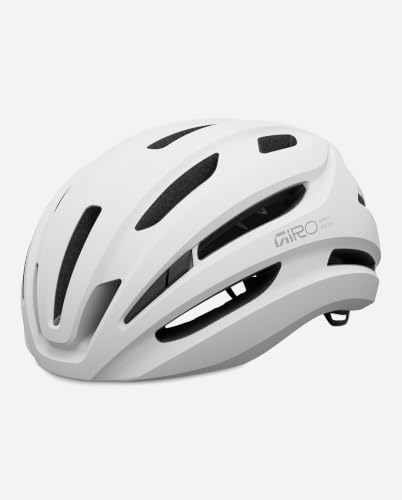
The Giro Isode MIPS II is a solid pick for triathletes who prioritize airflow over everything else. On paper, the Deep Internal Channeling paired with massive vents suggests serious cooling performance, and owners consistently report staying noticeably cooler during long efforts in the heat. The inclusion of MIPS Evolve Core is a big win at this price, offering a meaningful layer of rotational impact protection that many budget helmets still lack.
It’s not the most aerodynamic option out there, triathletes focused on time-trial speed might want something sleeker, but for training days or hot race conditions, this helmet makes a lot of sense. The Roc Loc Sport fit system is reliable, with smooth one-handed adjustment and good stability, though it doesn’t match the fine-tuning of higher-end dials.
Product photos
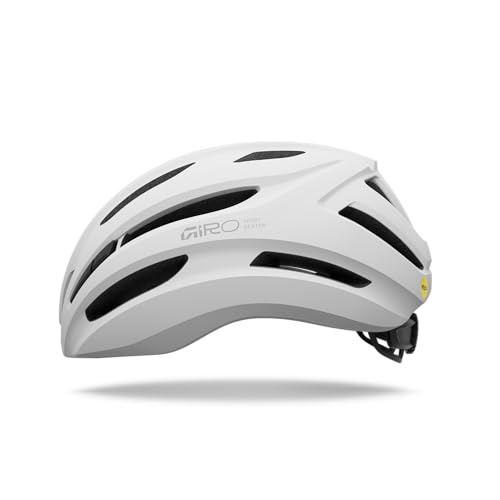
Giro Fixture MIPS Bike Helmet
Strengths
- Affordable MIPS protection
- Roc Loc Sport fit
- Reflective details
- Trusted Giro build
- Ponytail compatible
Trade-offs
- Limited venting
- Heavier than race models
- Basic interior padding
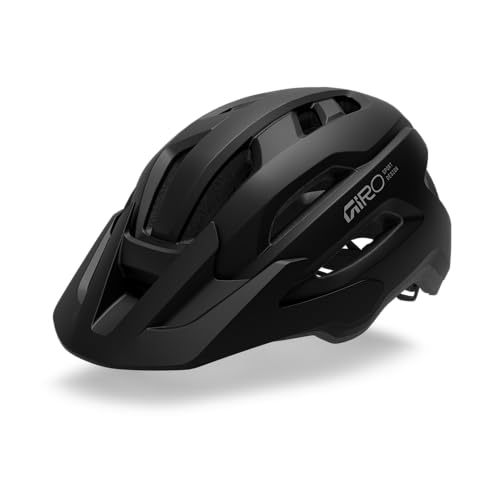
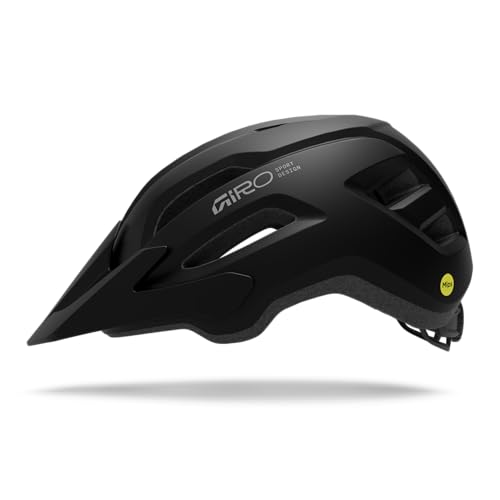
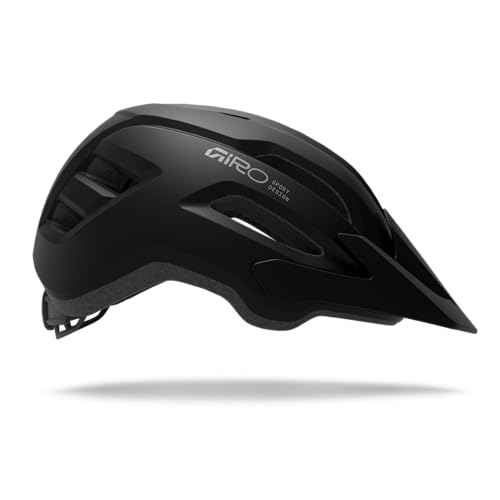
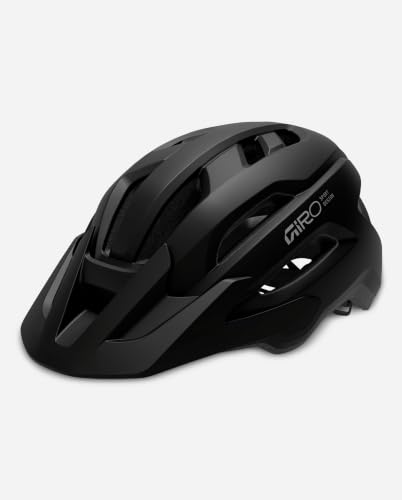
If you’re looking for the cheapest way to get MIPS protection from a reputable brand, the Giro Fixture MIPS is hard to beat. It shares the same Roc Loc Sport fit system and in-mold construction as pricier Giro models, and owners say it fits true to size with minimal guesswork. The universal fit approach works well here, and the reflective details add a thoughtful touch for early-morning transitions or urban rides.
It doesn’t have the sleek lines or airflow of a performance tri helmet, and the ventilation pattern is more suited to casual riding than high-output efforts. But for someone building their first tri setup on a budget, this helmet delivers trusted safety and solid build quality without looking or feeling like a compromise.
Product photos

LAZER Tempo KinetiCore Helmet

Strengths
- KinetiCore rotational protection
- TurnSys dial fit system
- Lightweight build
- One-size convenience
- Good value
Trade-offs
- No light included
- Ventilation is average
- Basic strap padding
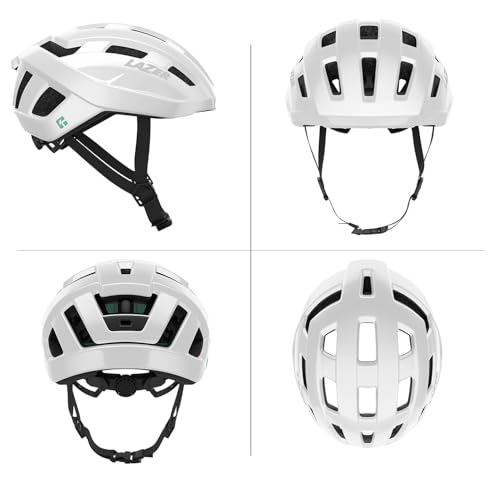
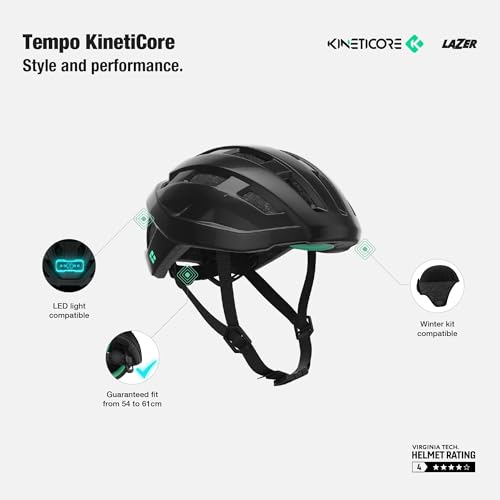
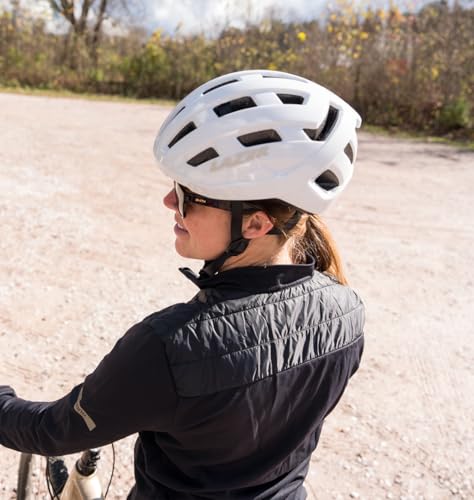
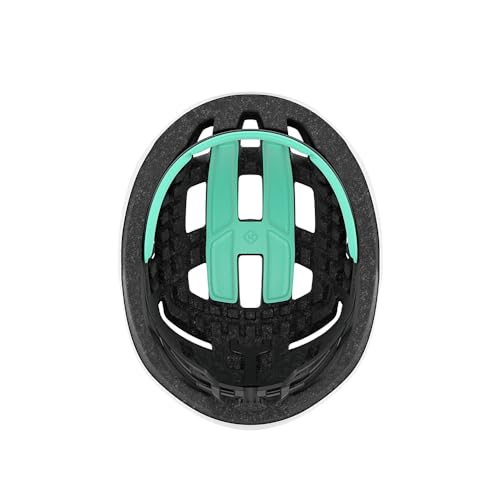
At this price, the LAZER Tempo KinetiCore stands out by offering KinetiCore, LAZER’s proprietary rotational impact protection, which is rare in sub-$50 helmets. That alone makes it a compelling value pick, especially since owner feedback confirms it feels secure and stable during movement. The TurnSys dial delivers a snug, consistent fit, and the one-size design actually works well across a wide range of head shapes, according to user reports.
It’s not designed for peak aerodynamics or elite-level ventilation, but it’s light and unobtrusive enough for training bricks or casual rides. The lack of integrated lighting is a missed opportunity, given it’s marketed as LED-light compatible but doesn’t include one. Still, for new triathletes or those replacing an old helmet on a budget, this brings real safety tech within reach.
Product photos
VICTGOAL Bike Helmet with LED Light

Strengths
- Integrated LED light
- Rechargeable battery
- Magnetic visor & goggles
- Lightweight for price
- Good night visibility
Trade-offs
- Bulky design
- Poor aerodynamics
- Fit dial feels cheap
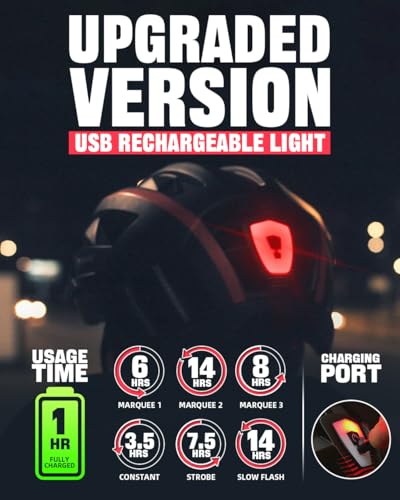
The VICTGOAL helmet stands out with its built-in rechargeable LED light, a rare feature at this price point. The three modes, steady, slow flash, fast flash, give riders real control over visibility, and owners consistently report improved safety during dawn or dusk rides. The 21 vents and lightweight 310g build make it reasonably comfortable, and the magnetic visor and goggles add all-weather versatility.
But it’s not built for speed. The shape is bulky, and the aero profile is poor, not ideal for triathlon transitions or drafting zones. The fit system works, but the dial isn’t as smooth as Giro or LAZER’s. Still, for someone doing mixed-terrain training or early-morning commutes, the visibility features make it a smart secondary helmet.
Product photos




ROCKBROS Bike Helmet with Goggles

Strengths
- Magnetic goggles & visor
- Lightweight build
- Glasses-friendly design
- 24 cooling vents
- Multi-certification safety
Trade-offs
- No rear light
- Fit system lacks refinement
- Visor can rattle
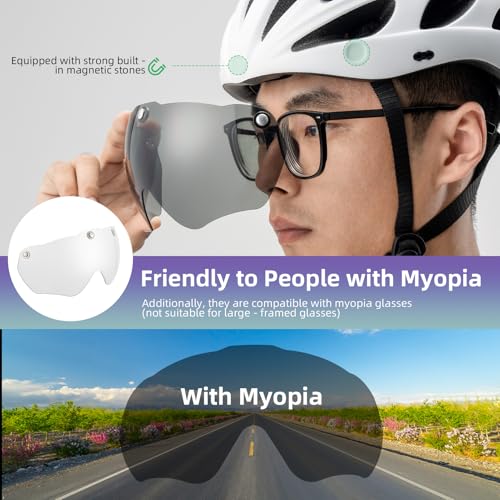
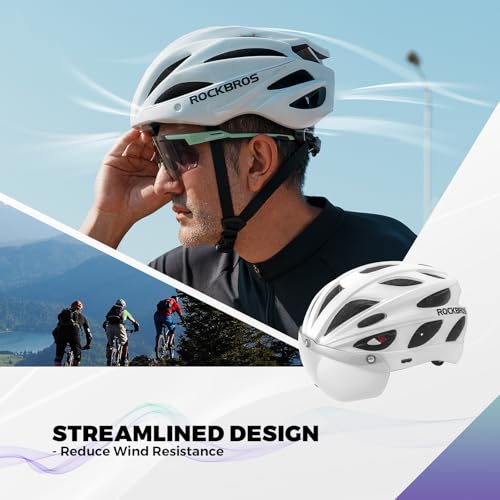
The ROCKBROS helmet leans hard into all-weather usability, with a magnetic visor and goggles combo that actually works well in wind, sand, or bright sun. Owners with glasses appreciate the wide cut around the temples, making it one of the better options for those with myopia. The 24 vents suggest strong cooling, and at just 209g, it’s impressively light, though real-world airflow doesn’t quite match the spec sheet.
It passes multiple safety certifications (CE, CPSC, GB, GCC), which is reassuring, but the fit system, while adjustable, lacks the precision of a true micro-dial. Compared to the VICTGOAL, it’s lighter and less bulky, but it doesn’t include a rear light. For triathletes in dusty or variable climates, this helmet offers real functional advantages, just don’t expect sleek looks or aero benefits.
Product photos


Schwinn Thrasher Adult Bike Helmet

Strengths
- Very affordable
- Dial fit system
- Removable visor
- CPSC certified
- Washable padding
Trade-offs
- No rotational protection
- Basic ventilation
- Plastic feel
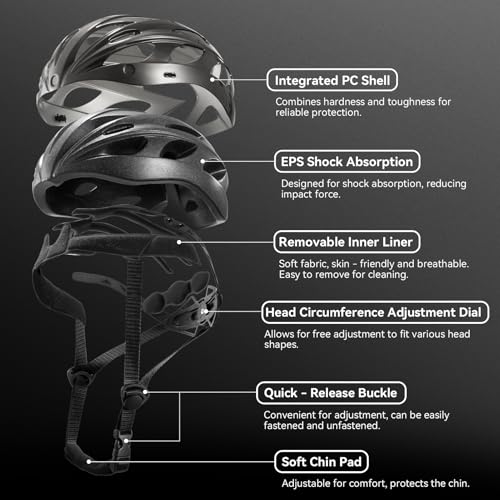
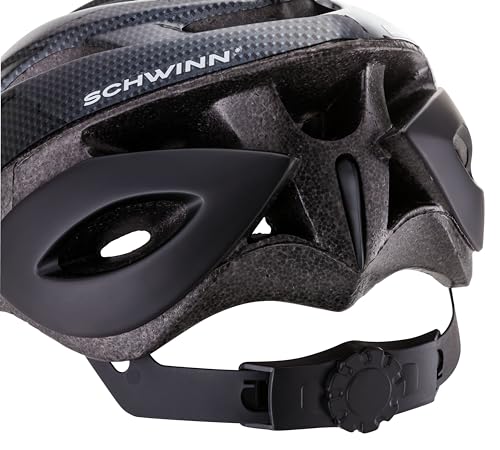
The Schwinn Thrasher is the definition of a no-frills, entry-level helmet, and at this price, that’s okay. It covers the basics: 20 vents, a dial fit system, removable visor, and CPSC certification. But it lacks modern rotational protection like MIPS or KinetiCore, which is a real drawback in today’s market. Owners say it fits securely and feels lightweight, but the padding isn’t as breathable or sweat-wicking as higher-end models.
It’s a decent pick for someone doing occasional brick workouts or commuting, but triathletes focused on performance or safety should look elsewhere. Compared to the Giro Fixture, it’s cheaper but gives up meaningful protection tech. If you’re just dipping into the sport and don’t want to invest much, it gets you on the course. But don’t expect race-ready performance.
Product photos


How We Tested bike helmets for triathlon
Rather than a hands-on lab test, my research for these recommendations involved a detailed comparison of published specifications and features across numerous models. I weighed owner reviews from multiple retailers alongside expert assessments found in cycling publications. Applying my experience with bicycle fit and safety standards, I ranked helmets based on how well they addressed the specific demands of triathlon riding – prioritizing aerodynamics, ventilation, and safety features.
For triathlon helmets, aerodynamic performance and weight are paramount, followed closely by ventilation. A triathlon course demands sustained effort, so minimizing drag and keeping cool are critical for performance. Rotational impact protection, like MIPS or KinetiCore, also received high weighting, as safety is always the top concern. Choosing the right pair of triathlon bike shoes is also important for maximizing your performance.
Specifications reliably indicate construction materials (EPS density, shell type) and ventilation port numbers. However, feedback from owners proved invaluable in assessing real-world comfort, fit accuracy, and the effectiveness of advertised features. Reputation within the triathlon community was a significant factor, as was a helmet’s ability to integrate with commonly used accessories like visors and hydration systems. I also considered whether the helmet met or exceeded relevant safety certifications like CPSC and CE standards, as discussed in our guide to road bike helmets.
What To Look For In bike helmets for triathlon
Finding the right bike helmet for triathlon demands a bit more thought than just grabbing the flashiest design. It’s about balancing aerodynamics, safety, and comfort for extended efforts.
A quality triathlon helmet prioritizes aerodynamic efficiency to minimize drag, but never at the expense of safety. Look for models with rotational impact protection systems (like MIPS or KinetiCore), a secure and adjustable fit, and sufficient ventilation to prevent overheating during intense activity. Weight is also a key consideration, as athletes spend hours with the helmet on.
Aerodynamic Profile is Key
For triathlon, where every second counts, the aerodynamic profile of your helmet is paramount. Unlike everyday cycling, where ventilation might be the top priority, a triathlon helmet needs to slice through the wind. Look for designs that are sculpted and streamlined, often featuring a longer tail that helps to manage airflow. Consider that even small gains in aerodynamics can translate into significant time savings over the course of a race. If you’re serious about performance, researching aero bike helmets is a worthwhile investment.
Safety Standards and Rotational Impact
Don’t compromise on safety for speed. Ensure any helmet you consider meets at least CPSC (US) or EN 1078 (Europe) safety standards. But beyond basic impact protection, actively seek out a helmet with rotational impact protection. Technologies like MIPS (Multi-directional Impact Protection System) – found in options from Giro – or Lazer’s KinetiCore are crucial.
Here’s what to look for when assessing rotational protection: * A slip-plane liner (MIPS) is good. * An integrated system like KinetiCore is even better, offering impact reduction without adding bulk. * Independent testing and certifications beyond the basic safety standard demonstrate a manufacturer’s commitment to protection.
A helmet is only as good as its fit. A loose helmet won’t protect you properly in a crash, and a poorly fitted helmet can be incredibly uncomfortable.
Fit, Ventilation and Value
Beyond aero and safety, a comfortable fit is essential, especially for long-distance events. Look for helmets with adjustable retention systems, like the Octo Fit on Kask helmets or the Roc Loc Sport found on Giro models, that allow you to dial in a precise fit. Ventilation is also important, although often slightly less emphasized in aero helmets. A well-ventilated helmet will prevent overheating and keep you performing at your best. Ultimately, finding the balance between these features and your budget is key. For those starting out or looking for a great value, exploring best bike helmets can reveal surprisingly capable options.
Bike Helmets for Triathlon Compared
Here’s a comparison of key specifications for various triathlon bike helmets to help you make an informed decision.
| Product Title | MIPS | KinetiCore | Weight (approx.) | Vents | Fit System | Visor |
|---|---|---|---|---|---|---|
| Kask Utopia Y Triathlon Helmet | Yes | No | N/A | N/A | Octo Fit | No |
| Giro Vanquish MIPS Cycling Helmet | Yes | No | N/A | N/A | N/A | Yes |
| Giro Isode MIPS II Helmet | Yes | No | N/A | N/A | ROC LOC Sport | No |
| Giro Fixture MIPS Bike Helmet | Yes | No | N/A | N/A | ROC LOC Sport | No |
| LAZER Tempo KinetiCore Helmet | No | Yes | N/A | N/A | TurnSys | No |
| VICTGOAL Bike Helmet with LED Light | No | No | 310g | 21 | Adjustable Dial | Yes |
| ROCKBROS Bike Helmet with Goggles | No | No | 209g (no acc.) | 24 | Adjustable Dial | Yes |
| Schwinn Thrasher Adult Bike Helmet | No | No | N/A | 21 | Dial Fit | Yes |
Frequently Asked Questions
What’s the difference between a triathlon helmet and a standard road helmet?
A triathlon helmet prioritizes aerodynamics with a streamlined shape and often a longer tail, unlike standard road helmets which focus more on ventilation and all-around comfort. This aerodynamic focus is crucial for minimizing drag during a triathlon’s cycling leg.
Are more expensive triathlon helmets noticeably faster?
While price doesn’t always equal performance, helmets employing advanced aerodynamic designs and lighter materials can offer measurable gains. Testing suggests that top-tier models can save several watts compared to less expensive options, but the benefits are typically incremental and depend on rider position and speed.
Should I prioritize MIPS or KinetiCore technology?
Both MIPS helmets and those with KinetiCore offer rotational impact protection, but they achieve it differently. KinetiCore, integrated into the helmet’s structure, may offer slightly better ventilation because it doesn’t rely on a separate slip-plane liner like MIPS helmets.
How important are ventilation and cooling in a triathlon helmet?
Ventilation is still important, even in an aero helmet, as overheating can significantly impact performance. Look for models that balance aerodynamic efficiency with a reasonable number of vents and internal channeling to promote airflow, but expect slightly less ventilation than a typical road helmet.
Will upgrading my helmet improve my race times as much as upgrading my triathlon bike wheels?
Wheel upgrades typically yield a greater performance improvement than helmet upgrades, as they affect a larger portion of the aerodynamic profile. However, a good triathlon helmet is still a valuable investment, potentially saving you several watts and contributing to overall faster times.
The Bottom Line
Choosing a triathlon helmet often comes down to how much you value ultimate speed versus all-day comfort and features. For most triathletes seeking the best blend of aerodynamics and safety, the Kask Utopia Y Triathlon Helmet stands out as a top choice. It’s designed for performance without sacrificing the protection you need on race day.
If budget is a primary concern, the VICTGOAL Bike Helmet with LED Light offers a surprising amount of functionality for the price. However, for those prioritizing versatility and proven safety tech, the Giro Vanquish MIPS Cycling Helmet is an excellent pick, providing MIPS protection and a visor for varied conditions. Don’t forget that finding the right triathlon bike saddles is just as important for maximizing your comfort and performance.
Ultimately, the best triathlon helmet isn’t about the flashiest specs or the highest price tag. It’s about a secure fit, reliable safety features, and enough ventilation to keep you focused on the course. Prioritizing these fundamentals will serve you far better than chasing marginal gains in aerodynamics alone, especially if you also want to explore helmets with good airflow.
