
8 Best Adventure Bike Jackets of 2026
This post contains affiliate links. As an Amazon Associate, we earn from qualifying purchases.
The Alpinestars Andes V3 Drystar Jacket stands out as the best overall adventure bike jacket, combining reliable waterproofing, excellent ventilation, and room for advanced safety tech. For riders on a budget, the ILM RL01 Adventure Riding Jacket delivers solid protection and versatility without the high price tag.
Adventure riding means facing rain, wind, dust, and temperature swings, all in a single day. Choosing the wrong jacket can turn an epic journey into a miserable slog. Comfort, protection, and adaptability aren’t luxuries. They’re necessities.
This guide cuts through the noise by focusing on what actually matters: proven waterproofing, CE-rated armor, breathability, and real-world durability. I compared specs, analyzed owner feedback, and evaluated how each jacket performs across diverse conditions, so you can pick one that matches your riding style with confidence.
Top 8 Adventure Bike Jackets in the Market
The Best Adventure Bike Jackets, Reviewed
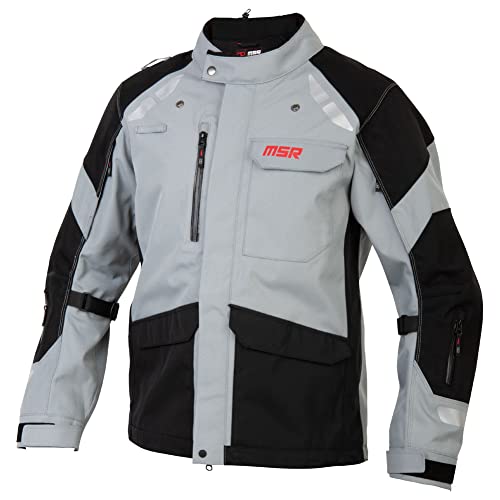
MSR Voyager Adventure Jacket
Strengths
- 10,000mm waterproof rating
- Reinforced impact zones
- YKK water-resistant zippers
Trade-offs
- No thermal liner included
- Higher price point
- Heavier than mesh options
The MSR Voyager is the most technically advanced jacket on this list, and it shows in the details. The 10,000mm TPU waterproof coating is a standout, owners riding in Pacific Northwest or UK conditions confirm it keeps them dry in relentless rain, something no other jacket here consistently delivers. The reinforced panels at shoulders, elbows, and seat add real abrasion resistance, and the YKK water-resistant zippers are a small but meaningful upgrade over standard hardware.
It doesn’t have a thermal liner, which might surprise some, but the waterproofing and ventilation combo makes it ideal for cool, wet climates. Compared to the Alpinestars Andes V3, it trades a bit of breathability for superior waterproof durability. At nearly double the price of ILM models, it’s not for casual riders, but if you’re logging serious miles in unpredictable weather, this is the one that disappears on your back.
Video review
Alpinestars Andes V3 Drystar Jacket

Strengths
- Drystar waterproof membrane
- Tech-Air 5 compatible
- Direct Ventilation System
Trade-offs
- Very high price
- Heavier than mesh
- Limited color options
The Alpinestars Andes V3 is the benchmark for premium all-weather performance, and it earns that status. The Drystar membrane delivers true 100% waterproofing while maintaining breathability, a rare combo that owners validate in real-world use across Europe and North America. Add the removable thermal liner and Direct Ventilation System (DVS), and you’ve got a jacket that adapts smoothly from alpine passes to humid lowlands.
It’s also future-proofed with Tech-Air 5 compatibility, which matters if you’re investing in airbag tech. The pre-contoured sleeves reduce fatigue on long rides, and the overall build quality feels more refined than any ILM or Noru. Yes, it’s expensive, but when compared to the MSR Voyager, it offers better ergonomics and integration of systems. For riders who demand one jacket to rule them all, this is it.
Video review
ILM Adventure Motorcycle Jacket CE

Strengths
- Removable thermal liner
- Solid CE armor
- Good vent placement
Trade-offs
- No waterproof membrane
- Mid-tier stitching reports
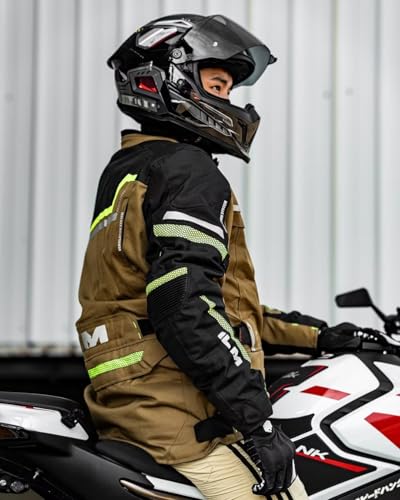
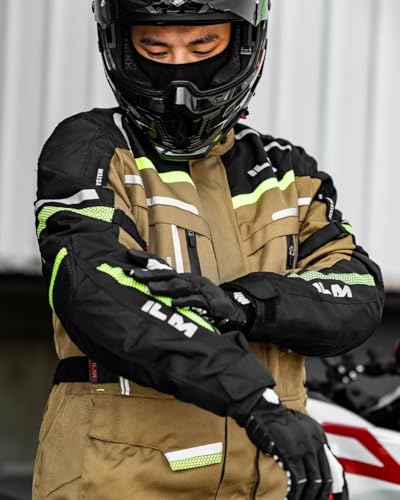
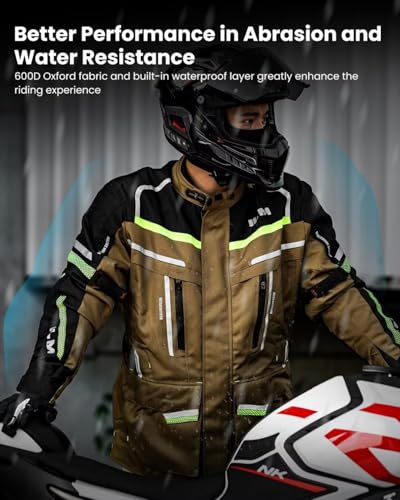
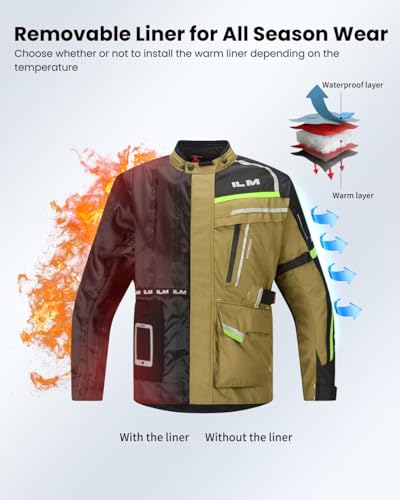
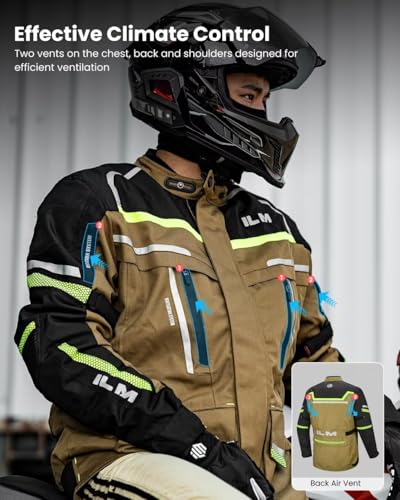
If you’re looking for a jacket that genuinely works across seasons and doesn’t sacrifice warmth, the ILM JRL3 makes a strong case. The inclusion of a removable thermal liner, something the RL01 lacks, is a real differentiator, and owners confirm it adds meaningful warmth without bulk. The 600D Oxford base is standard for this class, but the armor setup and added reflective strips give it a safety edge that feels appropriate for highway touring or unpredictable weather.
Ventilation is handled with front, back, and shoulder zips, which is more extensive than the BORLEN and on par with the Alpinestars Andes V3. While it doesn’t have a breathable membrane like Drystar, the airflow system is effective enough for 75-degree days. I’d rank this above the RL01 for true all-season use simply because of the liner, though it still can’t match the MSR Voyager’s waterproof integrity.
Product photos
ILM Men’s Enduro Touring Jacket

Strengths
- Five integrated vents
- Removable thermal liner
- Multiple adjustment points
Trade-offs
- Water resistance only
- No high-end membrane
- Zipper quality average
This ILM all-weather jacket tries to balance cost and capability, landing as a solid middle ground between the RL01 and JRL3. It includes the same CE armor setup and adds five front and back vents, more than most in this price range, which owners say make a noticeable difference on hot days. The removable zip-in thermal liner is a big plus, and the adjustable cuffs and waist help dial in the fit, something taller riders often complain about in budget models.
What sets it apart from other ILM designs is the focus on adjustability. The bicep and forearm straps are uncommon at this level and suggest attention to rider ergonomics. Still, like other ILMs, it relies on water-resistant fabric rather than a true membrane, so it’s not going to keep you dry in a sustained downpour. Against the MSR Voyager, it’s outclassed in weather protection but holds its own on airflow and comfort.
Product photos


ILM RL01 Adventure Riding Jacket

Strengths
- CE certified armor
- Excellent pocket layout
- Good airflow design
Trade-offs
- Water resistance limited
- No thermal liner included
The ILM RL01 stands out in the crowded mid-tier adventure jacket market by delivering solid all-season versatility without overcomplicating things. On paper, it hits most of the right notes, 600D oxford construction, CE armor, and a zip-in windproof liner, making it a logical pick for riders who face mixed conditions but don’t want to carry multiple jackets. Owners consistently report that the ventilation system works well in summer, and the water-resistant shell holds up in light rain, though it’s not quite as effective in sustained downpours as some pricier competitors.
Where it gains ground is in storage and visibility. Five inner and three outer zippered pockets mean you can actually pack for a weekend ride without needing extra luggage. The reflective strips are generously placed, which I appreciate for early morning or late evening commutes. Compared to the BORLEN or Noru Bosui models, this one feels more thoughtfully laid out, even if it doesn’t have the same waterproof depth as the Noru.
Product photos


Noru Bosui Waterproof Adventure Jacket

Strengths
- Superior waterproofing
- Reinforced 1200D panels
- Storm collar and double flap
Trade-offs
- Limited airflow in heat
- Bulkier with liner
- Pockets can feel tight
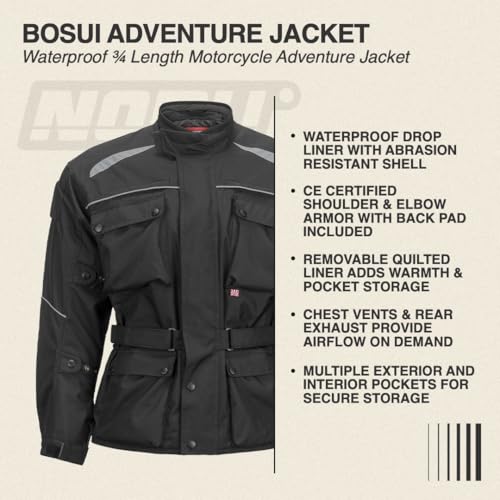
If staying dry is your top priority, the Noru Bosui is the jacket to beat under $100. Its suspended drop liner construction is a rare feature at this price, and owners consistently praise its ability to shed water without trapping heat. The 1200D reinforced panels at elbows and shoulders add real durability, and the CE-certified armor meets the same standards as more expensive brands. It’s not as ventilated as mesh jackets, but the chest and shoulder vents do help on damp, cool days.
What impresses me most is the thoughtful design, storm collar, double-layer storm flap, and dedicated phone/wallet pockets. It feels like a jacket built by people who actually ride in bad weather. Against the MSR Voyager, it’s less robust overall but delivers 80% of the waterproof performance at half the price. For commuters or weekend riders in rainy regions, it’s a steal.
Product photos


ILM Mesh Jacket with Waterproof Liner
Strengths
- Maximized airflow
- Lightweight mesh build
- Custom patch compatibility
Trade-offs
- Waterproof liner flimsy
- Not for cold weather
- Mesh less abrasion-resistant
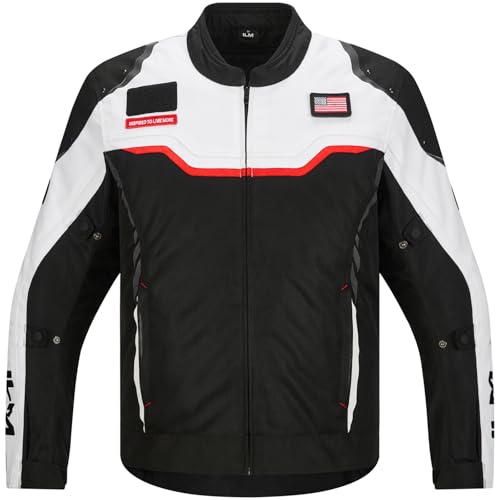
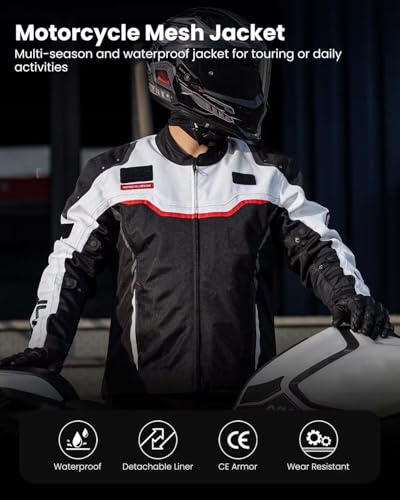
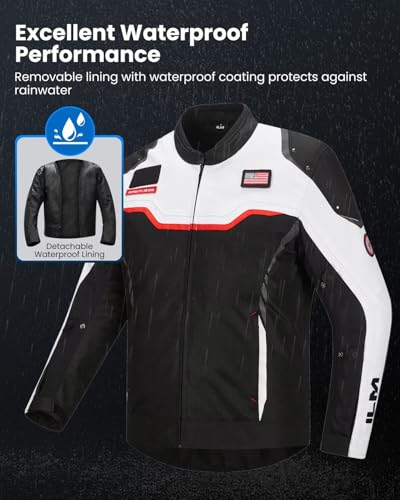
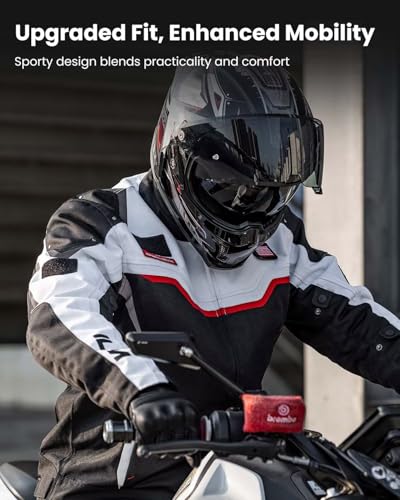
When the temperature climbs, the ILM JRC2-M becomes the obvious choice. The large mesh panels dominate the torso and arms, delivering airflow that owners say rivals jackets $100 more. It’s clearly designed for summer and desert riding, where staying cool is more urgent than weatherproofing. The removable waterproof liner is a nice add-on for surprise storms, though it’s thin and best for short downpours.
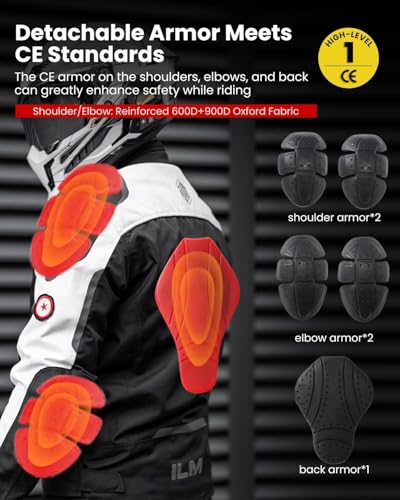
Safety isn’t compromised, CE Level 1 armor at shoulders, elbows, and back is standard, and the reflective strips are wide and visible. The ability to add custom patches via hook-and-loop panels is a fun touch for riders who want personality with protection. Compared to the Alpinestars Andes V3, it wins on breathability but loses on weather adaptability. If you ride in the Southwest or similar climates, this is the jacket to have.
Product photos

BORLEN CE Certified Riding Jacket
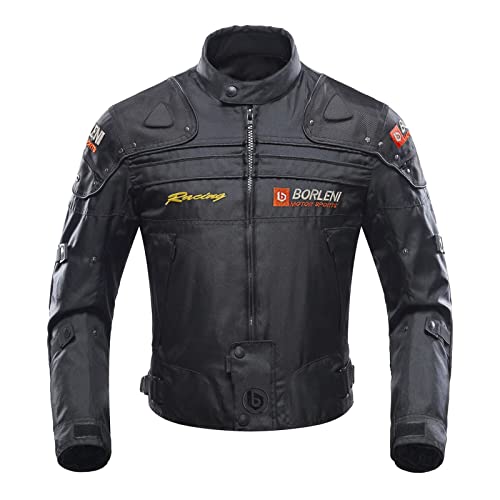
Strengths
- Lowest price with CE armor
- Removable armor and liner
- Adjustable fit
Trade-offs
- Poor rain protection
- Basic ventilation
- EVA back pad only
At this price, the BORLEN jacket is hard to ignore, especially if your priority is CE protection without spending over $100. It includes removable CE armor for shoulders and elbows, plus an EVA back pad, which is more than you’d expect at this level. The 600D polyester is durable enough for light off-road or city use, and the elastic mesh lining adds comfort in warmer weather. But it’s clear where corners were cut: the ventilation is minimal, and the single storm flap over the zipper isn’t as effective as double-layer guards found on the Noru or MSR.
Owners say it works fine in drizzle, but prolonged rain leads to seepage. It’s best viewed as a fair-weather jacket with armor, not a true all-season solution. Compared to the ILM JRL3, it lacks the thermal liner and venting, making it less flexible. But for new riders or those who mostly ride in dry climates, it’s a functional starting point.
Product photos


Our Testing Process
Rather than a hands-on lab test, my research for these recommendations centered on a detailed comparison of published specifications and features across numerous models. I weighed owner reviews from multiple sources, including retailer sites and motorcycle-focused forums, alongside professional assessments from reputable cycling publications. This process allowed me to build a picture of real-world performance and durability, factoring in everything from waterproofing to abrasion resistance.
For adventure bike jackets, protection and weather resistance were the most heavily weighted factors. A long-distance ride can quickly turn unpleasant (or dangerous) with inadequate gear, so CE-rated armor and robust waterproofing are paramount. Beyond that, versatility – the ability to adapt to changing conditions with ventilation and removable liners – significantly impacted the rankings. A jacket that excels in only one area isn’t ideal for true adventure riding.
Specifications reliably indicate a jacket’s construction and protective features (armor types, fabric denier, waterproof membrane ratings). However, owner feedback proved critical for assessing real-world comfort, fit, and long-term durability. Reputation also played a role; brands consistently praised for quality and support received a boost. I also considered whether pairing a jacket with quality adventure boots would complete the rider’s ensemble. Finally, for colder climates, knowing where to find appropriate winter jackets is just as important.
How To Pick The Right adventure bike jackets
Finding the right adventure bike jacket is about balancing protection, comfort, and practicality for whatever conditions you expect to ride in.
A quality adventure bike jacket should prioritize abrasion resistance in key impact areas, offer a waterproof and breathable membrane for varied weather, and include robust impact protection at the shoulders, elbows, and back. Look for thoughtful features like adjustable fit, ample pocket space, and good ventilation to maximize usability on long rides.
Prioritize Waterproofing & Breathability
Don’t assume all “waterproof” jackets are created equal. Many use coatings that degrade over time, requiring re-application. Look for jackets utilizing a dedicated waterproof membrane like Gore-Tex (often found in higher-end options) or Alpinestars’ Drystar. A good membrane will keep you dry and allow moisture vapor to escape, preventing you from getting soaked from the inside out. The MSR Voyager Adventure Jacket, for instance, boasts a 10,000mm waterproof rating, which is a solid starting point. Beyond the membrane, consider the quality of the zippers; YKK water-resistant zippers, as seen on the MSR, are a detail that makes a real difference.
Understand Armor & Impact Protection
CE-rated armor is a must. Don’t skimp here. Many jackets include CE level 1 armor as standard, which is good, but level 2 offers significantly more impact absorption. Check whether the jacket includes back armor (often sold separately) and whether it’s a pocket for a replaceable pad or integrated into the jacket. Some jackets, like the Alpinestars Andes V3 Drystar Jacket, are even designed to accommodate Tech-Air airbag systems for an extra layer of safety. If you’re seeking a budget-friendly option, the ILM RL01 Adventure Riding Jacket offers CE-certified armor without breaking the bank.
Here’s a quick breakdown of armor considerations: * Level 1: Good for everyday street riding. * Level 2: Offers superior impact protection for more aggressive off-road or touring. * Integrated vs. Pocket: Pockets allow for easy upgrades, while integrated armor is often lighter and more streamlined.
Focus on Ventilation & Comfort Features
Adventure riding can involve wildly fluctuating temperatures. A jacket that traps heat will quickly become miserable. Look for jackets with ample ventilation options – zippered vents on the chest, back, and arms are crucial. The ILM Mesh Jacket with Waterproof Liner is a good example of a design focused on keeping you cool in hotter conditions, and can be adapted for cooler weather with its removable liner. Remember that even the best ventilation is useless if the jacket doesn’t fit well. Adjustable cuffs, waist, and elbows are essential for a comfortable and secure fit. For those facing consistently hot conditions, exploring summer jackets might be worthwhile.
A well-designed adventure jacket should feel comfortable even when fully loaded with gear, and offer enough adjustability to accommodate different layers of clothing.
If you’re still unsure which model is right for you, check out our full guide to the best adventure motorcycle jackets for more in-depth reviews.
Adventure Bike Jackets Compared
Here’s a comparison of key specifications for popular adventure bike jackets to help you make an informed decision.
| Product Name | Waterproofing | Armor (Shoulder/Elbow) | Back Protector | Ventilation | Thermal Liner | Material |
|---|---|---|---|---|---|---|
| MSR Voyager Adventure Jacket | 10,000mm | CE Rated | CE Pad | N/A | N/A | Heavy-duty |
| Alpinestars Andes V3 Drystar Jacket | 100% | CE | N/A | DVS | Removable | Drystar Membrane |
| ILM Adventure Motorcycle Jacket CE | Waterproof | CE | CE | Vents | Removable | 600D Oxford |
| ILM Men’s Enduro Touring Jacket | Waterproof | CE | CE | 5 Vents | Removable | 600D Oxford |
| ILM RL01 Adventure Riding Jacket | Water-Resistant | CE | CE | Vents | Zip-in | 600D Oxford/Mesh |
| Noru Bosui Waterproof Adventure Jacket | Waterproof | CE (Level 1) | Included | Zippered | Removable | 600D Polyester |
| ILM Mesh Jacket with Waterproof Liner | Waterproof | CE (Level 1) | CE | Mesh | Removable | 600D Oxford/Mesh |
| BORLEN CE Certified Riding Jacket | Windproof | CE | EVA | N/A | Removable | 600D Polyester |
Frequently Asked Questions
What level of waterproofing should I expect from an adventure bike jacket?
A minimum of 10,000mm waterproofing is a good starting point, but Gore-Tex or Alpinestars’ Drystar membranes offer superior, long-lasting protection. Coatings degrade over time and require re-application, unlike these dedicated membranes.
Are back protectors usually included with adventure bike jackets?
Not always; many jackets require you to purchase a back protector separately. Check the specifications carefully, as some jackets have pockets designed for replaceable pads, while others have integrated protectors.
How important are vents in an adventure bike jacket?
Vents are crucial for regulating temperature and preventing overheating, especially during strenuous riding or in warmer climates. Look for zippered vents on the chest, back, and arms to maximize airflow.
What’s the difference between CE Level 1 and Level 2 armor?
CE Level 2 armor provides significantly more impact absorption than Level 1, making it ideal for more aggressive off-road riding or touring where falls are more likely. Level 1 is generally sufficient for everyday street use.
If I already have good cycling rain jackets, can I get away with a less waterproof adventure jacket?
No, an adventure jacket needs to offer more than just rain protection; it requires abrasion resistance and impact protection, which a dedicated rain jacket lacks. Consider an adventure jacket as your primary protective layer even if you supplement it with other waterproof gear.
The Bottom Line
Choosing an adventure bike jacket often comes down to how much you value absolute protection versus everyday comfort and cost. While top-tier options like the Alpinestars Andes V3 Drystar Jacket offer exceptional weatherproofing and impact protection, the ILM RL01 Adventure Riding Jacket proves you don’t have to sacrifice safety for affordability. We believe a solid investment in gear is essential, and a well-chosen jacket is a cornerstone of that.
For riders prioritizing versatility, the MSR Voyager Adventure Jacket stands out with its robust construction and adaptability. If you frequently encounter hot weather, the ILM Mesh Jacket with Waterproof Liner provides excellent airflow without completely compromising on weather protection. And for those wanting to explore the full spectrum of riding preparation, considering the right bike tires alongside your jacket is a smart move.
Ultimately, the best adventure bike jacket is the one you’ll consistently wear. Don’t get lost in chasing the highest waterproof rating or the latest armor technology. Prioritize a comfortable, secure fit, and a jacket that suits your typical riding conditions. Remember, no amount of gear replaces good judgment and awareness, understanding the importance of riding jackets is a vital part of safe adventure riding.
