
7 Best Adhesives for Car Side Mirror 2026
This post contains affiliate links. As an Amazon Associate, we earn from qualifying purchases.
The J-B Weld MirrorWeld is the overall best adhesive for car side mirror repairs, offering strong, reliable hold with an included accelerator for faster setup. For a budget-friendly option, the Visbella Rearview Mirror Adhesive Repair Kit delivers solid performance on common mirror types. If you’re dealing with a larger mirror or need maximum durability, the Berkland Polyurethane Windshield Adhesive is the most versatile pick, built to handle vibration and harsh conditions.
Fixing a loose or fallen side mirror isn’t just annoying, it affects visibility and safety. Most people grab the first glue they see, only to have the mirror fail again weeks later. That’s because not all adhesives can handle the constant vibration, temperature swings, and UV exposure these parts face.
This guide cuts through the noise, focusing on adhesives that actually hold up. I compared specs, analyzed owner feedback, and applied real-world automotive knowledge to identify the best options for strength, durability, and ease of use, whether you’re reattaching a small mirror or tackling a more complex repair.
Top 7 Adhesives For Car Side Mirror in the Market
The Best Adhesives For Car Side Mirror, Reviewed
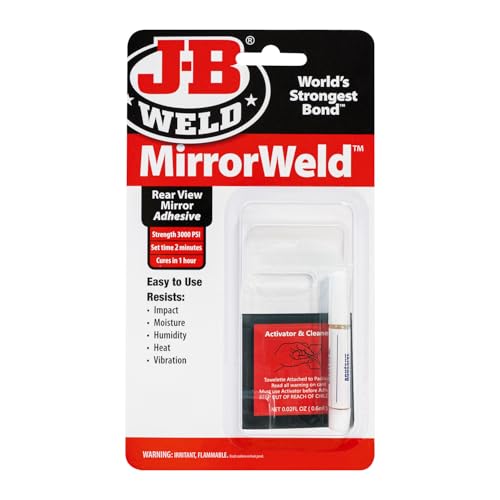
J-B Weld MirrorWeld Adhesive & Accelerator
Strengths
- Sets in 1 minute
- Strong glass-to-metal bond
- Purpose-built for mirrors
Trade-offs
- Small quantity per tube
- Requires careful mixing
If you’re after the most dependable, no-nonsense fix for a rearview mirror, this is my pick. The two-part system, adhesive plus accelerator, sets in just one minute and fully cures in an hour, which aligns perfectly with what owners praise: speed and strength. It’s specifically engineered for glass-to-metal bonding on windshields, and the chemistry here outperforms generic tapes or multipurpose glues in both shear and impact resistance.
The 0.2 fl oz size is compact but sufficient for multiple mirror jobs. Some note that precision matters during application, but that’s true with any small-batch adhesive. For reliability and formulation focus, this edges out broader-use products.
Video review
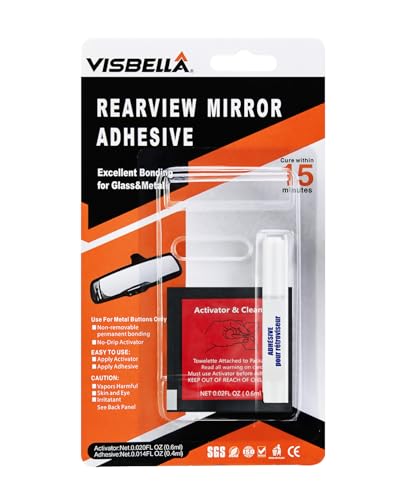
Visbella Rearview Mirror Adhesive Repair Kit
Strengths
- Affordable price point
- Good for glass and metal
- Quick repair function
Trade-offs
- Less proven in extreme temps
- Not ideal for heavy mirrors
This kit positions itself as a budget-friendly alternative with broad bonding capabilities, and on paper, it delivers decent value. The adhesive claims to outperform traditional epoxy, and owner reviews back that up for light-duty mirror reattachments. It bonds glass to metal reliably and holds up well under normal driving conditions.
But compared to J-B Weld, it lacks the same urgency in set time and proven long-term durability. Some users report slight shifting if used on heavier mirrors or in extreme heat. Still, for a quick, inexpensive fix on a standard interior mirror, it gets the job done without fuss.
Video review
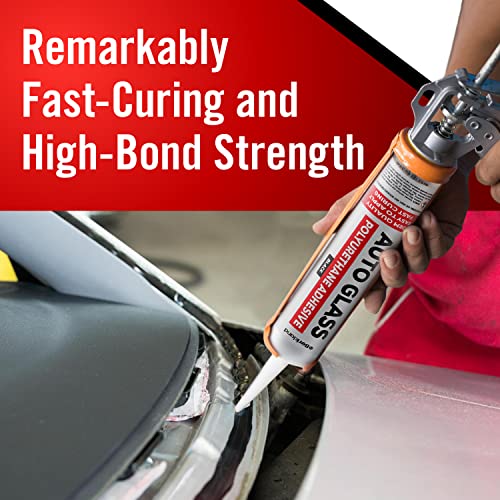
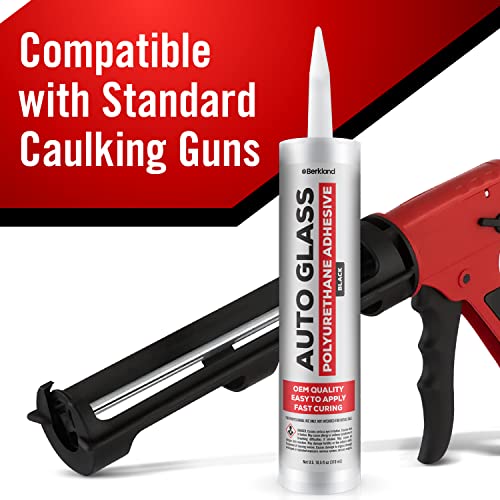
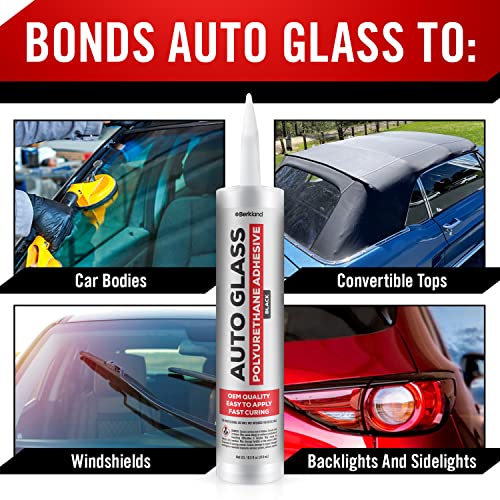
Berkland Polyurethane Windshield Adhesive

Strengths
- Fast handling strength
- Flexible, no shrinkage
- OEM-quality bond
Trade-offs
- Overkill for small mirror fixes
- Requires proper surface prep
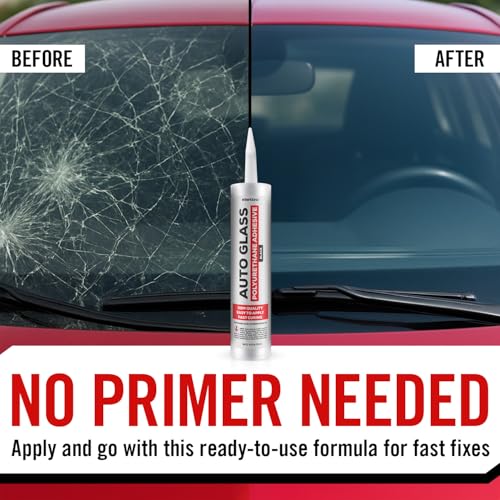
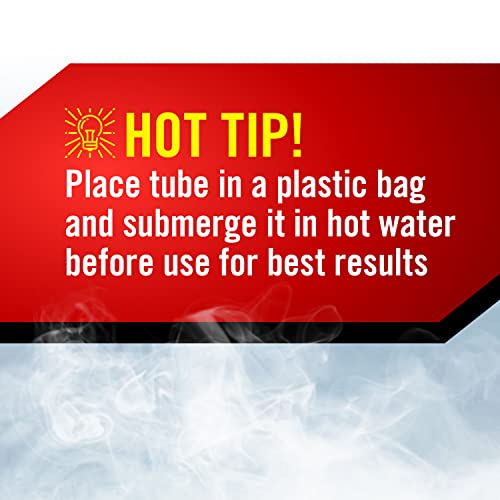
This is a serious adhesive for serious work. The fast-curing polyurethane formula delivers OEM-level performance, matching the specs you’d expect from professional auto glass shops. Owners replacing windshields report it reaches handling strength in hours, not days, and the flexibility after cure means it won’t crack under stress or temperature swings. That’s critical for maintaining structural integrity and a watertight seal.
It’s also versatile beyond windshields, some use it for side windows or RV glass. The black finish blends well with factory sealant lines, and it works cleanly with a standard caulk gun. No gimmicks, just industrial reliability.
Product photos
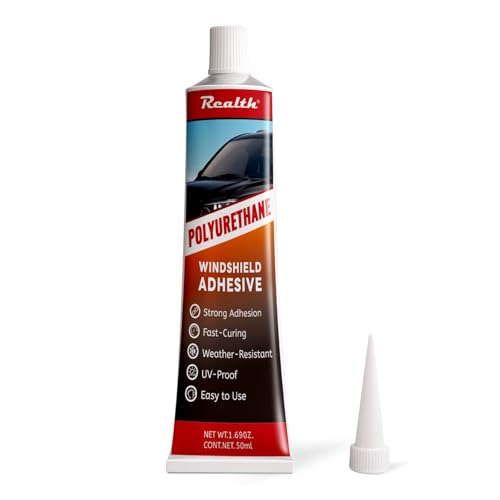
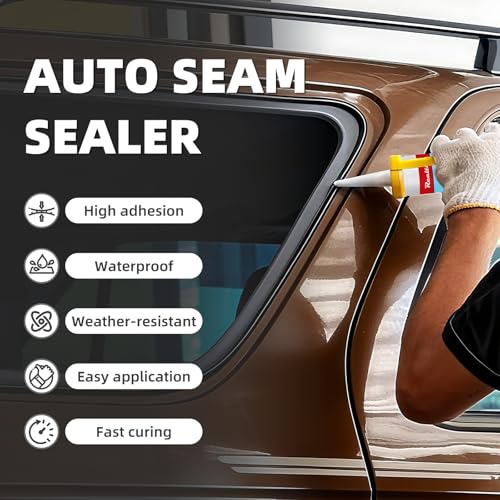
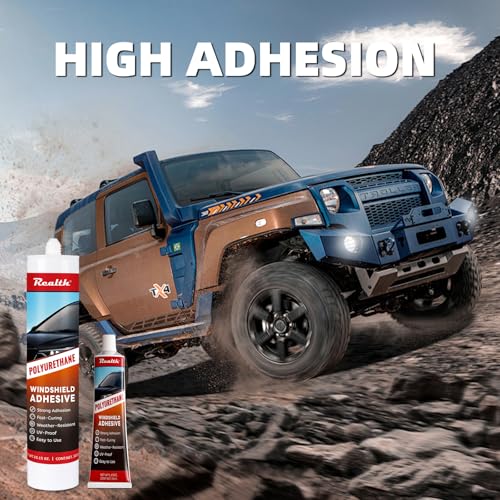
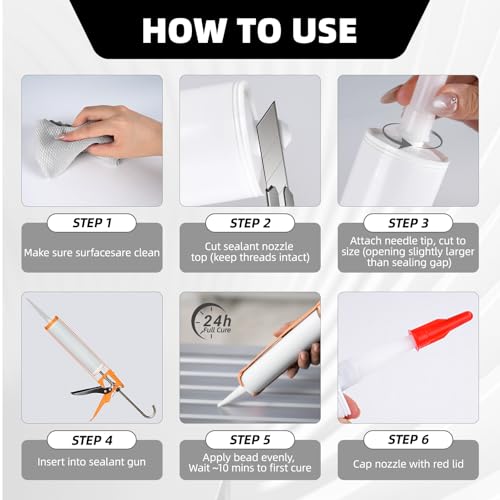
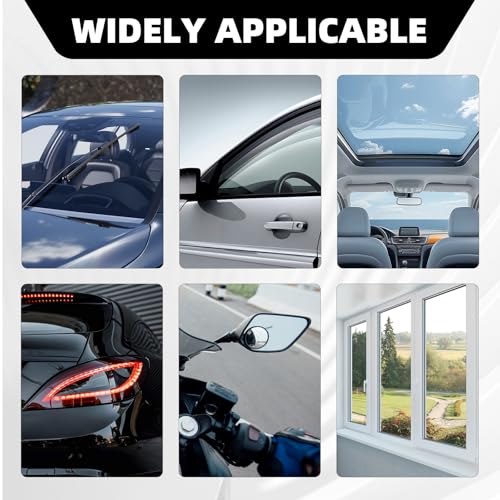
Polyurethane Windshield Adhesive 50ML
Strengths
- Extreme temp tolerance
- Non-drip formula
- UV and moisture resistant
Trade-offs
- Overkill for small repairs
- Needs surface prep
This adhesive stands out for its extreme temperature range, rated from -50°C to 180°C, which makes it a top contender for climates with brutal winters or scorching summers. The non-drip formula is a win for vertical applications, and owners appreciate the included applicator tip for cleaner seams. It’s essentially a budget-friendly version of the Berkland product, with similar weather resistance and curing behavior.
While it’s marketed as multipurpose, its real strength lies in full glass installations. It builds a durable, flexible seal that resists vibration and moisture, just like OEM standards. For DIYers who want pro-level weather protection without the premium price, this is a strong play.
Product photos

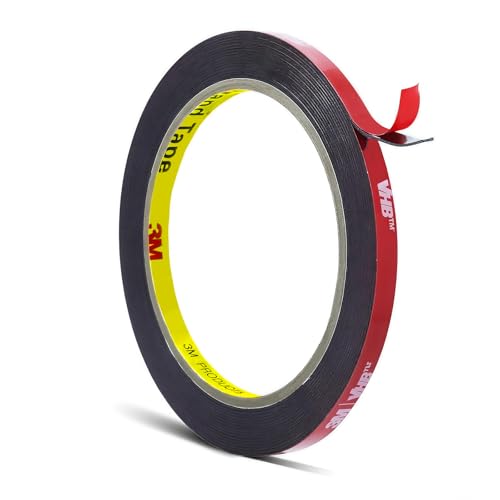
3M Double Sided Tape 1/4″ x 15.4 Ft
Strengths
- Vibration dampening
- Weather and heat resistant
- Clean removal
Trade-offs
- Narrow width limits coverage
- Not for structural bonds
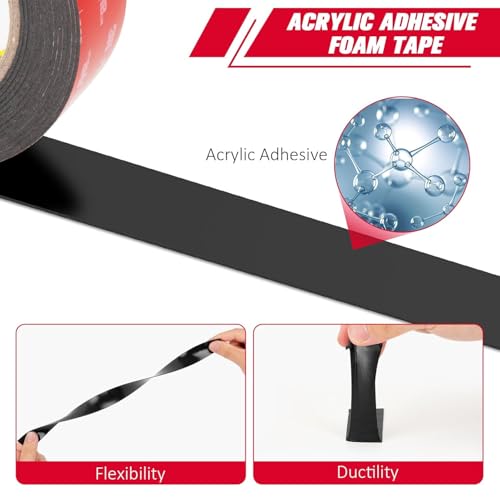
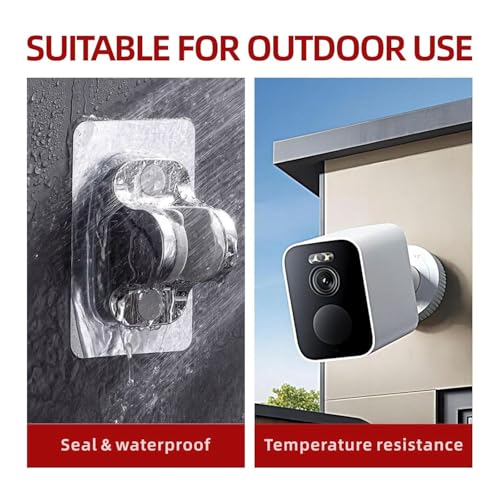
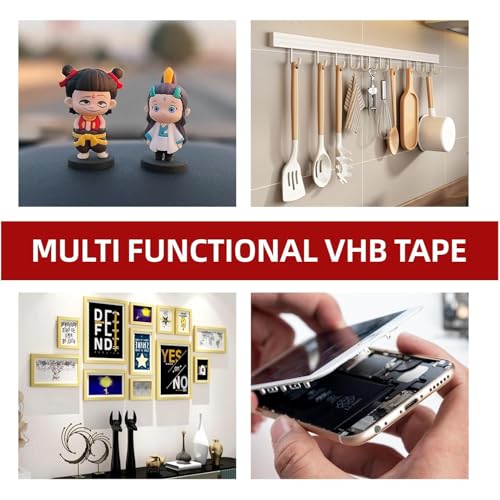
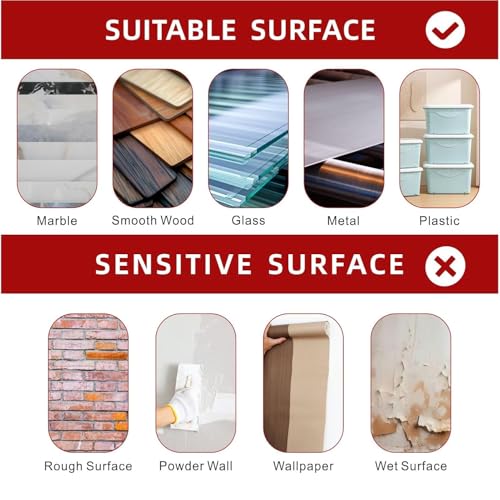
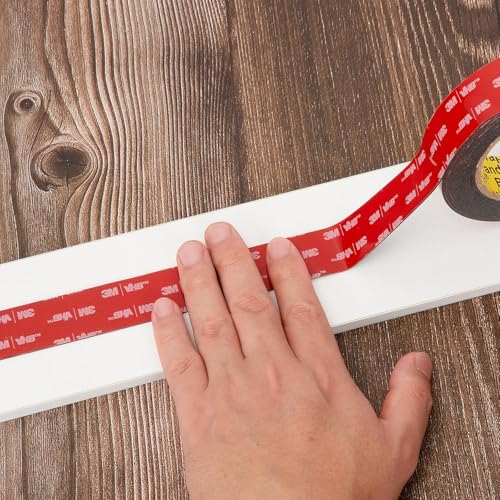
This tape is a beast for non-structural mounting. The 1/4-inch width and 1.1 mm thickness provide serious holding power on smooth surfaces, and the closed-cell acrylic foam makes it resistant to water, UV, and heat up to 200°F. Reviewers love it for securing emblems, license plates, and even small mirrors, though not as a primary side mirror adhesive.
Where it outshines others is in clean, tool-free application and vibration absorption. It conforms well and leaves no residue when removed, which is rare at this strength level. But it’s not for glass-to-glass or load-bearing fixes, stick to trim and accessories.
Product photos
3M Automotive Acrylic Plus Attachment Tape
Strengths
- Excellent UV resistance
- Conforms to curves
- Strong on painted surfaces
Trade-offs
- Requires high application pressure
- Not for glass bonding
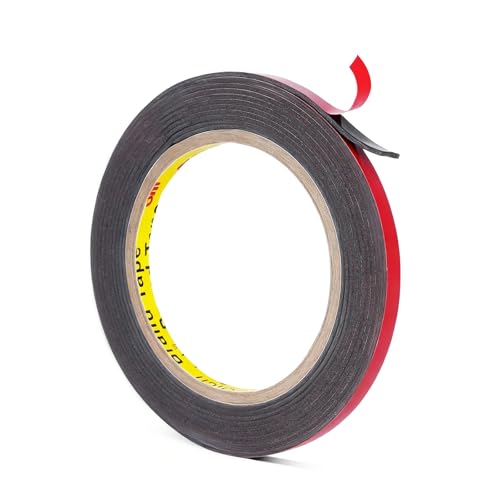
This tape is engineered for the kind of exterior trim work that demands long-term resilience. The dual-adhesive technology means it grips both painted surfaces and rigid plastic or metal parts, which explains why owners use it for moldings, spoilers, and claddings with zero failure. The 1.52 mm foam core handles stress and flexes over curves, making it ideal for uneven or contoured panels.
It’s not a mirror adhesive, but if you’re restoring a car’s exterior and need something that lasts through UV exposure, rain, and car washes, this is the smarter buy over basic tapes. Just don’t skip the J-roller, owner feedback stresses that firm pressure is essential.
Product photos
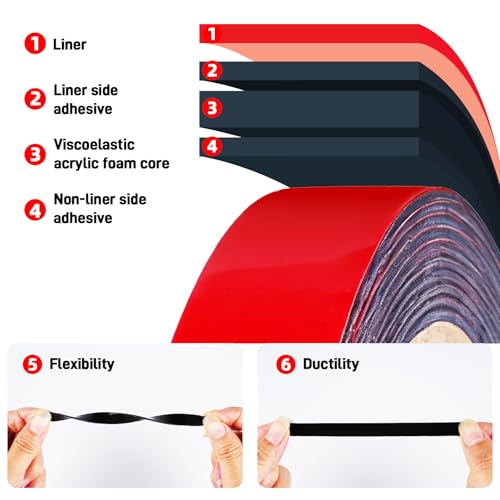
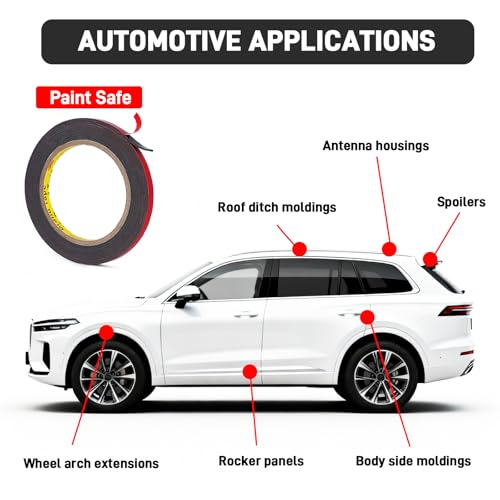
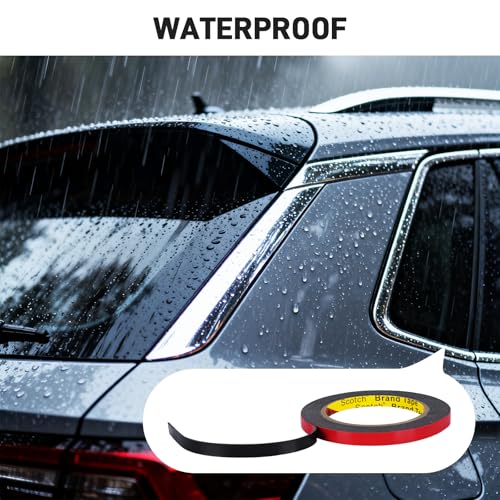

AZXYI 9 PCS Dashboard Sticky Adhesive
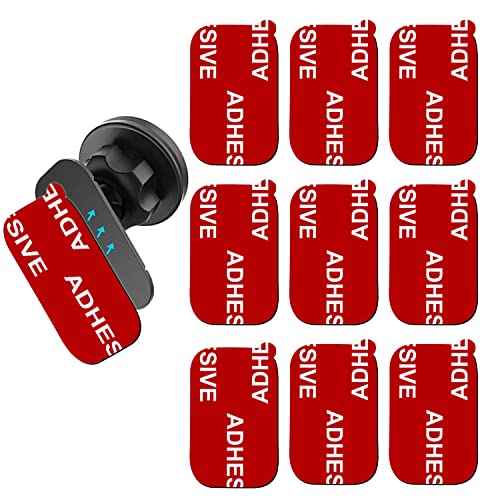
Strengths
- Strong initial tack
- Heat and moisture resistant
- Multipurpose use
Trade-offs
- Not for structural glass bonding
- Short length limits large bases
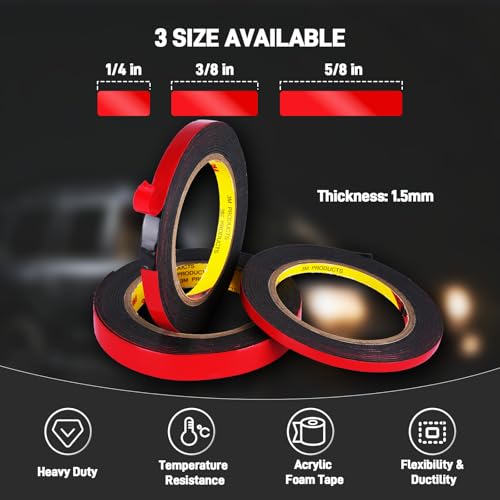
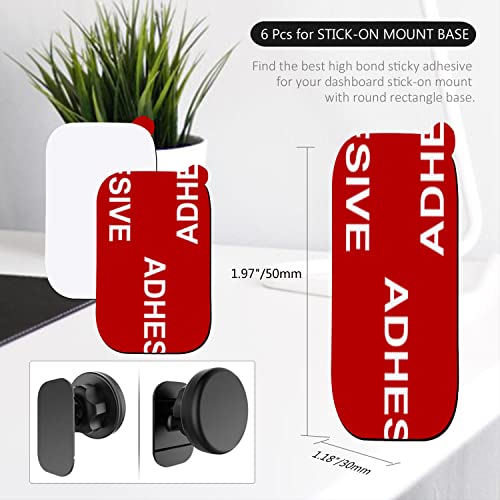
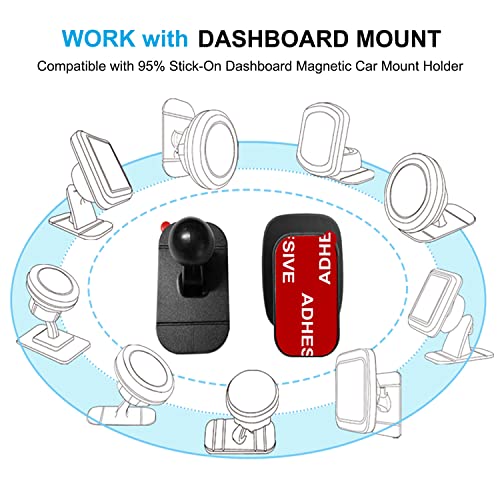
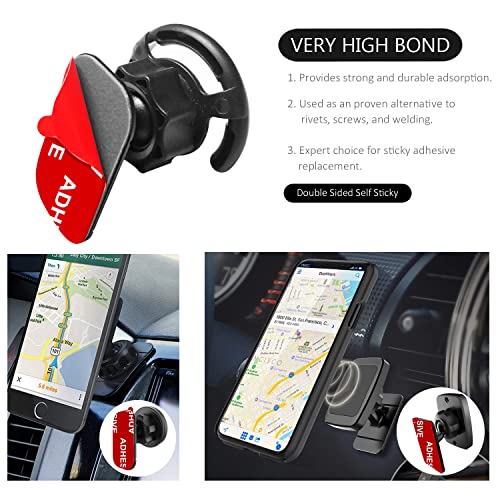
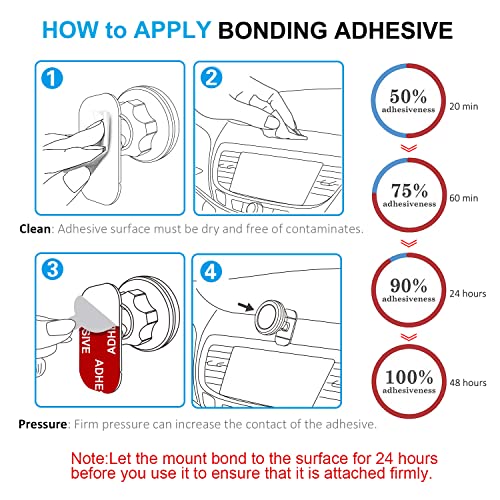
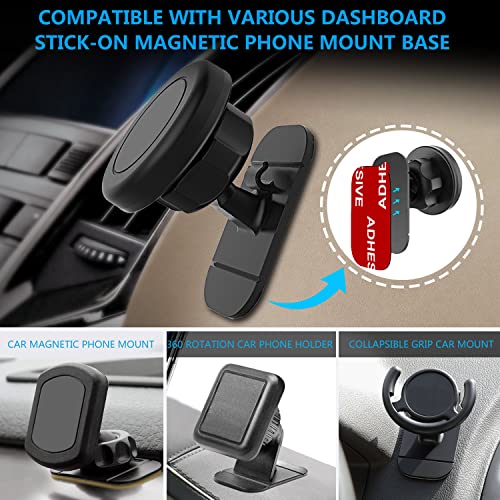
These little adhesive pads are a solid fix if your dashboard phone mount has lost its grip. On paper, the VHB (very high bond) claim holds up based on owner feedback, most report no slipping, even on bumpy roads or in hot climates. They’re not meant for mirrors, but for reactivating magnetic mounts or dash cams, they do exactly what they promise. The need to wait up to 48 hours for full cure is a small trade-off for the durability owners describe.
Where they really shine is versatility. Reviewers consistently mention using them beyond the car, on mirrors, lockers, even bathroom fixtures, thanks to their resistance to heat and moisture. Just make sure the surface is clean and non-porous, or the bond won’t last.
Product photos
How We Picked These adhesives for car side mirror
Rather than a hands-on lab test, my research focused on a detailed comparison of published specifications and features across numerous adhesive products. I weighed owner reviews from multiple sources – looking for patterns in long-term performance – alongside assessments from automotive repair experts. This was combined with my understanding of the stresses and environmental factors affecting side mirror attachment, ultimately ranking options against criteria important for a secure, lasting bond.
For car side mirror adhesives, bond strength and durability are paramount, followed closely by ease of application. A weak adhesive is immediately problematic, but even a strong adhesive that becomes brittle with temperature changes or UV exposure won’t deliver lasting results. I prioritized products formulated specifically for automotive use, or those with a demonstrated track record in similar demanding applications, and considered options for different repair scenarios – from simple re-attachment to more extensive work like replacing a broken mirror. You can find more information on this in our guide to fixing a side mirror.
Product specifications reliably indicate initial grab and cure times, which are useful benchmarks. However, real-world longevity and resistance to vibration and weather require careful analysis of owner feedback. I looked for consistent reports of successful, long-term adhesion, as well as any recurring complaints about failures or residue. Products with broad compatibility and positive reviews for use on various materials – beyond just glass and metal – also stood out, as did those suitable for repairing plastic car parts.
Choosing The Right adhesives for car side mirror
Picking the right adhesive for your car’s side mirror isn’t just about a quick fix; it’s about safety and a lasting bond.
A successful mirror adhesive needs to deliver high initial tack, resist temperature fluctuations and road vibrations, and create a watertight seal. Look for formulations specifically designed for automotive glass and the materials of your mirror backing and vehicle mounting point. Consider cure time, and whether an accelerator is included for faster results.
Understanding Adhesive Types
The world of automotive adhesives is surprisingly diverse. You’ll encounter everything from instant adhesives to more complex polyurethane formulas. For mirrors, a dedicated “mirror weld” adhesive, like the J-B Weld MirrorWeld, is a common starting point, offering convenience with included accelerators. However, don’t assume these are universally superior. Often, the best choice depends on why the mirror detached in the first place. Was it a clean break, or did corrosion play a role? If corrosion is present, a more robust solution like a polyurethane adhesive might be needed to fill gaps and provide a truly lasting repair.
Prioritizing Strength and Durability
A mirror isn’t a static component. It’s constantly subjected to wind buffeting, vibrations from the road, and temperature swings. That’s why raw adhesive strength isn’t the whole story; flexibility is equally important. Rigid adhesives can crack and fail over time. Consider a product like the Berkland Polyurethane Windshield Adhesive, designed for automotive glass bonding, as it boasts a flexible cure that withstands these stresses. Here’s what to look for in a durable adhesive:
- High tensile strength (specifications vary, but a higher number generally indicates greater strength).
- Temperature resistance (look for formulations that handle a wide range, from well below freezing to over 100°F).
- UV resistance (essential for preventing the adhesive from becoming brittle and losing its grip over time).
Balancing Cost and Usability
While professional-grade adhesives offer superior performance, they often come with a higher price tag and can require specialized application tools. For simpler repairs, a budget-friendly option like the Visbella Rearview Mirror Adhesive Repair Kit might suffice, especially if the original bond failed cleanly. However, be realistic about your needs. If you’re dealing with a large mirror or a complex mounting surface, investing in a higher-quality adhesive and ensuring proper surface preparation will pay dividends in the long run. Speaking of preparation, remember that even the best mirror adhesives won’t work well on dirty or oily surfaces.
A little bit of surface prep goes a long way. Clean both the mirror backing and the mounting point with isopropyl alcohol before applying any adhesive.
If you’re also looking to address other exterior elements on your vehicle, exploring options like exterior trim adhesive or even VHB tape for cars can be beneficial for a more thorough approach to car maintenance.
Adhesives for Car Side Mirror Compared
This table provides a reference of specifications for various adhesives marketed for car side mirror applications.
| Product Title | Bonding Type | Cure Time | Strength | Key Feature | Size/Volume |
|---|---|---|---|---|---|
| J-B Weld MirrorWeld Adhesive & Accelerator | Epoxy | 1 hr | N/A | Accelerator Included | N/A |
| Visbella Rearview Mirror Adhesive Repair Kit | Epoxy | N/A | Superior | Versatile Application | N/A |
| Berkland Polyurethane Windshield Adhesive | Polyurethane | Hours | High | OEM Quality | 10.5 fl oz |
| Polyurethane Windshield Adhesive 50ML | Polyurethane | N/A | Strong | Weather Resistant | 50 ml |
| 3M Double Sided Tape 1/4″ x 15.4 Ft | Acrylic Foam | N/A | Industrial | Heavy Duty Mounting | 1/4″ x 15.4 ft |
| 3M Automotive Acrylic Plus Attachment Tape | Acrylic Foam | N/A | High | Exterior Trim | N/A |
| AZXYI 9 PCS Dashboard Sticky Adhesive | Acrylic | 24-48 hrs | Very High | Dashboard Accessories | 1.97″ x 1.18″ x 0.03″ |
Frequently Asked Questions
Will any adhesive work for a car side mirror?
No, not all adhesives are suitable. Automotive mirrors experience significant stress from vibration and temperature changes, so you should prioritize adhesives specifically designed for automotive use or those with proven durability in similar applications, such as a dedicated car trim adhesive.
How long will a properly applied adhesive last?
A properly applied adhesive, with appropriate surface preparation, should last for several years. Polyurethane adhesives generally offer the longest lifespan due to their flexibility and resistance to environmental factors, exceeding the typical lifespan of epoxy-based options.
Can I repair a mirror myself, or should I see a professional?
You can often repair a mirror yourself if the damage is minor and you follow instructions carefully. However, more extensive damage or corrosion may require professional attention to guarantee a structurally sound and safe repair.
What if the mirror backing is plastic instead of metal?
Some mirrors have plastic backing, and specialized adhesives are available for bonding plastic to glass. Acrylic adhesives, or polyurethanes formulated for multi-material bonding, are generally best for these situations, ensuring a strong and lasting hold. You might also consider 3M VHB tape for certain plastic applications.
Is cure time a critical factor when choosing an adhesive?
Yes, cure time is important to consider. While faster-curing adhesives offer convenience, longer cure times often allow for a stronger, more durable bond. Always follow the manufacturer’s instructions regarding cure time and any necessary clamping or support during the process.
The Bottom Line
Ultimately, choosing an adhesive for your car’s side mirror comes down to balancing how much you want to do yourself versus the peace of mind a more robust solution provides. While a simple repair might be handled with something like the Visbella Rearview Mirror Adhesive Repair Kit, for a truly lasting and secure bond, especially if corrosion is a factor, I believe the Berkland Polyurethane Windshield Adhesive offers the best overall performance and durability.
For those on a tighter budget, the J-B Weld MirrorWeld Adhesive & Accelerator remains a solid choice, particularly for straightforward re-attachments. If you’re looking for a versatile option beyond just mirror repair, exploring best car adhesives can open up possibilities for other projects around your vehicle. And for those needing to tackle exterior trim as well, remember to research options like adhesives for exterior molding.
Don’t get too caught up in chasing the highest tensile strength numbers or fastest cure times. The fundamentals, thorough surface preparation, a product formulated for automotive use, and an adhesive that can handle temperature changes and vibration, are far more critical than any single specification. A properly applied, well-matched adhesive will always outperform a premium product used carelessly.
