
8 Best Adhesives for Car Trim 2026
This post contains affiliate links. As an Amazon Associate, we earn from qualifying purchases.
The best adhesive for car trim depends on the job, but 3M Plastic and Emblem Adhesive stands out as the top overall pick for its reliability and clean finish, while Amazing Goop Trim Repair Gel is ideal for flexible, vibration-prone areas. If you’re on a budget, 3M Auto Exterior Tape delivers solid performance without the cost.
Fixing loose or damaged car trim isn’t just about looks, it’s about keeping water, dirt, and noise out. Too many people grab the first glue they see, only to watch the trim fall off months later. After comparing the field and reviewing owner feedback, I focused on adhesives that deliver real-world durability, flexibility, and proper material compatibility.
This guide breaks down the top options based on what actually matters: long-term hold, resistance to weather and vibration, and ease of use. These picks reflect what’s proven to work across forums, repair shops, and real driving conditions.
Top 8 Adhesives For Car Trim in the Market
The Best Adhesives For Car Trim, Reviewed
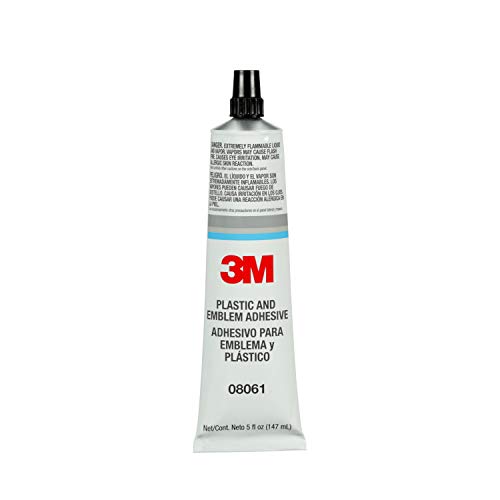
3M Plastic and Emblem Adhesive
Strengths
- Bonds to cured paint
- Dries clear
- Strong environmental resistance
Trade-offs
- Not gap-filling
- Higher price point
This is the adhesive I’d reach for if I were bonding plastic emblems, grilles, or painted trim. It’s specifically engineered for automotive plastics and fully cured paint surfaces, which means less risk of lifting or hazing. The clear dry is a big plus when you’re working on visible parts. It sets in about 15 minutes, fast enough for shop efficiency, and cures fully in 24 hours without shrinking.
Owners praise its longevity, especially on exterior badges exposed to sun and rain. Compared to super glues, it’s more forgiving and less brittle. While it’s pricier than some options, the reliability and OEM-level performance justify the cost for most pros. This isn’t a gap filler, but for flat, flush bonds, it’s hard to beat.
Video review
3M Super-Strength Molding Tape

Strengths
- Aircraft-grade strength
- Conforms to curves
- No curing time
Trade-offs
- Requires perfect surface prep
- Permanent, hard to remove
This is the heavy-duty tape in the lineup, 3M’s VHB technology in a convenient roll. At half an inch wide and 15 feet long, it’s built for long side moldings or roof rails. The adhesive conforms to curved and textured surfaces, which is rare for tapes, and holds firm even in extreme temps. Reviewers note it outlasts liquid adhesives in some cases because there’s no cure failure or drips.
It’s aircraft-grade bonding without tools or mess. Compared to the smaller 38582 tape, this one has real shear strength and is used by body shops for full panel attachment. The downside? Surface prep is critical, any dirt or oil kills the bond. But when done right, it’s nearly irreversible.
Video review
Amazing Goop Trim Repair Gel

Strengths
- Flexible bond
- Paintable finish
- Water and chemical resistant
Trade-offs
- Tacky during cure
- Strong odor
When I see ‘permanent strength’ on a label, I’m skeptical, until I look at the specs and owner feedback. This Goop gel adhesive delivers on that claim, especially for trim that flexes or vibrates. It’s not just strong, it stays flexible after curing, which is critical on bumpers or side moldings that move with the frame. Owners consistently report success on rubber, plastic, and metal bonds that survive washes, rain, and seasonal swings.
The fact that it’s paintable and dries clear makes it a stealth asset for clean repairs. Compared to rigid epoxies, this gel handles thermal expansion better, and its resistance to abrasion and water means it won’t flake off when scrubbed or exposed. It’s not the fastest curing, but the trade-off is a long working window and a bond that doesn’t crack under stress.
Product photos
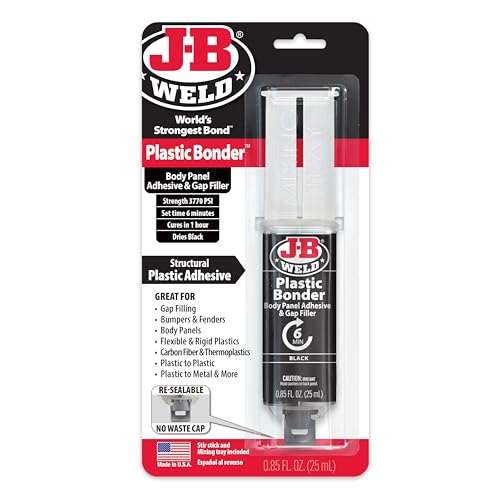
J-B Weld Plastic Bonder
Strengths
- Gap-filling capability
- High tensile strength
- Sands and shapes easily
Trade-offs
- Cures black
- Messy two-part mix
When there’s a gap to fill, say, a cracked bumper or a broken tab on a body panel, this two-part urethane from J-B Weld is the tool for the job. The 1:1 mix ratio is simple, it sets in 15 minutes, and sands smooth in half an hour. With a tensile strength of 3770 psi, it’s one of the strongest bonds in this lineup. Owners use it to rebuild missing chunks, not just glue edges.
It cures black, so it’s not invisible, but that’s a small trade for its structural capability. Compared to standard adhesives, this one acts like body filler and glue in one. It’s not for delicate trims, but for damaged panels needing reinforcement, it’s unmatched in this group.
Product photos


3M Black Super Weatherstrip Adhesive

Strengths
- Rubber-to-metal optimized
- Blends with black seals
- Fast grab, no clamping
Trade-offs
- Messy application
- Not paintable
If you’re reattaching door seals or sunroof gaskets, this 3M black adhesive is the go-to for a reason. It’s formulated specifically for rubber-to-metal bonding, and that focus shows. The consistency is thick enough to stay put but easy to brush on, and it cures into a flexible, waterproof seal that moves with the weatherstrip. Reviewers note it holds up better than generic silicones when exposed to car washes or winter salt.
The dark finish blends into black rubber, giving a factory-like appearance, something most clear adhesives can’t match. While it takes 24 hours to fully cure, it grabs quickly and doesn’t need clamping. Compared to double-sided tapes, this offers a more permanent, conformable bond on irregular edges.
Product photos
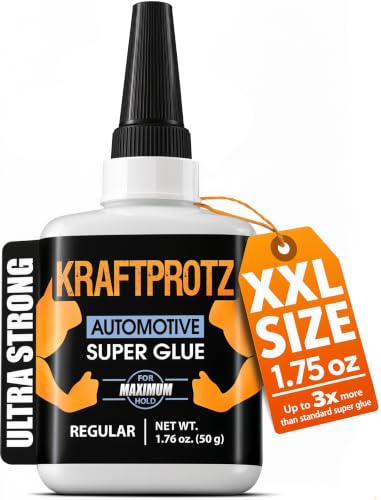
Automotive Super Glue Liquid
Strengths
- Penetrates tight gaps
- Oil and heat resistant
- Precision dropper tip
Trade-offs
- Brittle when cured
- Not for flexible parts
This isn’t your hardware store super glue. The thin cyanoacrylate formula is designed to wick into micro-cracks and tight seams, perfect for dashboard clips, headlight housings, or small interior trim tabs. German-engineered isn’t just marketing; users report longer shelf life and better performance in oily or humid environments than generic CA glues.
It bonds fast, resists vibration, and holds up to underhood heat. But it’s brittle compared to flexible adhesives, so I wouldn’t use it on anything that flexes. For quick, small fixes where precision matters, it’s the smarter buy over gels or tapes.
Product photos


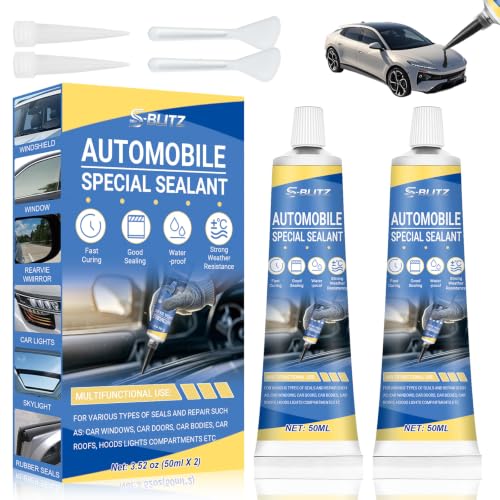
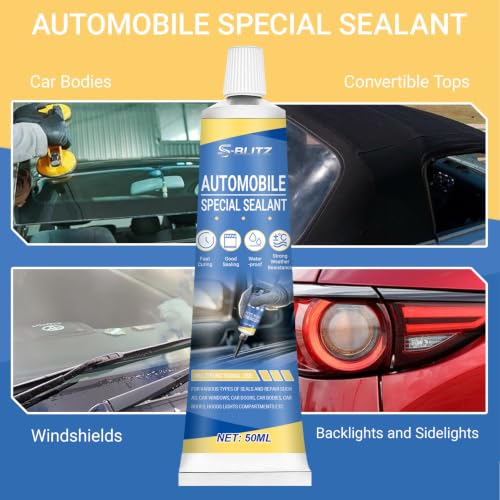
Car Trim Silicone Sealant
Strengths
- Fast initial cure
- Weather and UV resistant
- Precision applicator
Trade-offs
- Inconsistent batch quality
- Not for structural use
This silicone-based sealant punches above its price tag. On paper, it mirrors pricier OEM formulas, fast initial cure, flexibility, and solid adhesion to metal, plastic, and rubber. It’s marketed as a windshield sealant, but owners are using it successfully on door seals, sunroof gaskets, and even under-hood trim. The precision nozzle helps control flow, reducing waste.
Compared to rigid adhesives, this one handles movement well and won’t crack in freezing temps. It’s not as strong as urethane or epoxy, but for non-structural sealing jobs, that’s expected. The main downside? Some users report inconsistent viscosity between batches, suggesting quality control isn’t as tight as with established brands like 3M.
Product photos
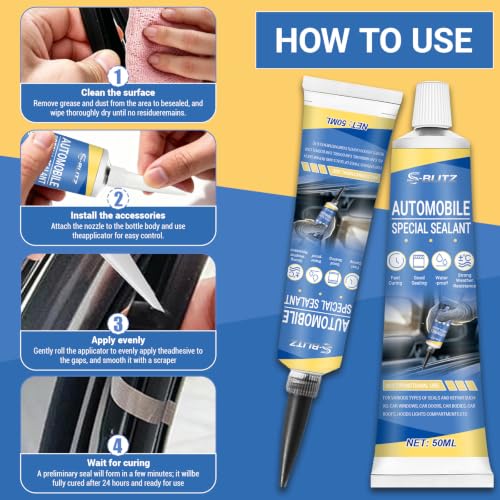
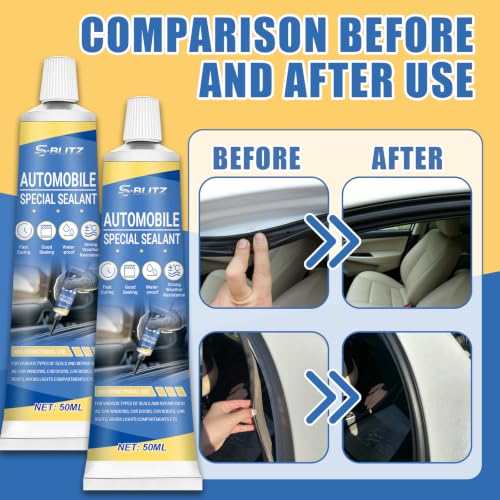
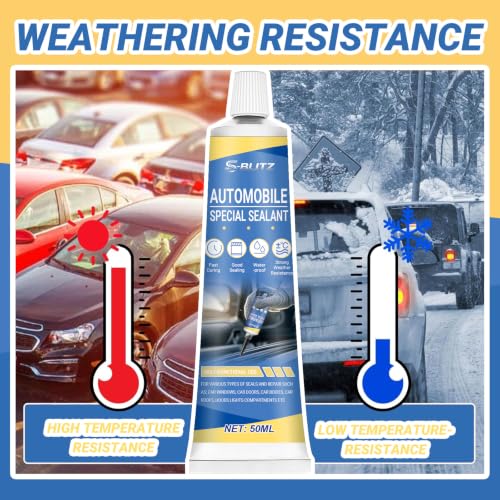
3M Auto Exterior Tape 1/4″

Strengths
- No curing time
- Vibration dampening
- Clean application
Trade-offs
- Low shear strength
- Narrow width limits use
This narrow 3M tape won’t win awards for versatility, but for small emblems or thin trim strips, it’s a clean, no-mess alternative to liquid glue. It’s part of the 3M foam tape family, so it has some cushion to dampen vibration, owners report fewer squeaks on bumpy roads. The adhesive is strong for its size, and since it’s double-sided, you avoid drips and curing time altogether.
But it’s not for heavy loads. Unlike the larger 3M VHB tapes, this one lacks the shear strength for long moldings or anything exposed to direct impact. It works best on flat, clean surfaces where appearance matters more than brute strength.
Product photos


How We Chose These adhesives for car trim
Rather than a hands-on lab test, my research focused on a detailed comparison of published specifications and features across a range of adhesives. I weighed owner reviews from multiple sources, alongside assessments from automotive repair sites and enthusiast forums. Ultimately, I ranked these products based on their suitability for common car trim applications, drawing on years of experience observing what holds up – and what doesn’t – in the automotive world.
For car trim, the most important factors are long-term durability and flexibility. A strong initial bond isn’t enough; the adhesive must withstand temperature swings, vibration, and potential exposure to moisture and cleaning chemicals. I also prioritized gap-filling capability, as trim pieces often aren’t perfectly flush. Understanding how well an adhesive handles these real-world conditions dictated my recommendations. You can find more options for related repairs using a quality car molding adhesive.
Published specifications reliably indicate tensile strength and temperature resistance. However, I placed more weight on owner feedback regarding long-term adhesion, ease of use, and whether the product truly dried clear or remained flexible as advertised. Reputation matters, too. Established brands like 3M consistently receive positive reviews for automotive applications, while newer options required more scrutiny of user reports, and I looked to see what people were using for adhesive for car moldings. For interior work, understanding the best dashboard adhesive is also key.
How To Choose The adhesives for car trim
Finding the right adhesive for car trim can be surprisingly complex. It’s not a one-size-fits-all situation, and choosing poorly can lead to frustrating re-repairs.
A successful automotive adhesive needs to deliver a strong, lasting bond that resists the elements, temperature swings, moisture, UV exposure, and constant vibration. Key factors include the materials being bonded (plastic, rubber, metal), the type of trim (heavy moldings vs. delicate emblems), and the desired flexibility of the bond. Consider whether gap-filling capability is needed, and always check for compatibility with the trim’s existing finish.
Material Compatibility Is Crucial
One of the biggest mistakes I see enthusiasts make is overlooking material compatibility. Not all adhesives play nicely with all automotive surfaces. Some are formulated specifically for plastics, while others excel at bonding rubber to metal. For example, if you’re working with a polyurethane spoiler, a cyanoacrylate (“super glue”) might seem quick and easy, but it often becomes brittle and fails over time. Instead, look for a urethane-based adhesive like J-B Weld Plastic Bonder, designed to remain flexible and handle the expansion and contraction of plastics. If your project involves bonding weatherstripping, a dedicated rubber-to-metal adhesive like 3M Black Super Weatherstrip Adhesive will provide a far superior, weatherproof seal.
Bond Strength Versus Flexibility
The strength of an adhesive isn’t everything. A rock-hard bond can actually be detrimental, especially with materials that flex or experience temperature changes. Think about door seals or interior panels; they need to move with the vehicle. A rigid adhesive here will likely crack and fail. That’s where products like Amazing Goop Trim Repair Gel shine. Its flexibility allows it to absorb vibration and accommodate thermal expansion without losing adhesion.
Here’s a quick guide to help you choose:
- For small emblems or badges: A cyanoacrylate (super glue) can work, but choose one specifically labeled for automotive use.
- For heavier moldings and exterior trim: A double-sided molding tape like 3M Super-Strength Molding Tape offers excellent holding power and conformability.
- For flexible bonds requiring some give: Consider a silicone sealant or a urethane adhesive, as these will maintain integrity through movement and temperature fluctuations.
Balancing Cost and Convenience
While professional-grade adhesives offer the best performance, they often come with a higher price tag. For smaller repairs or budget-conscious projects, a product like Car Trim Silicone Sealant can be a viable option. However, be realistic about its limitations. These budget options may require more precise application and may not offer the same level of long-term durability as premium formulations. Don’t automatically assume the most expensive adhesive is always the best choice. Sometimes, a well-chosen, less expensive option is perfectly adequate. I often recommend starting with a research into car trim glue options before committing to a purchase.
A little surface preparation goes a long way. Always clean both surfaces thoroughly with a degreaser or isopropyl alcohol before applying any adhesive. A clean surface ensures optimal bonding and prevents premature failure.
Ultimately, selecting the right adhesive requires understanding the specific demands of your project. Don’t hesitate to explore resources like our guide to exterior trim adhesives to learn more about specific product types and their applications. And remember, taking the time to choose the right adhesive can save you a lot of headaches – and re-work – down the road. For general repairs, checking out a list of automotive adhesives is a great starting point.
Adhesives for Car Trim Compared
This table summarizes key specifications for various adhesives designed for automotive trim applications.
| Product Title | Best For | Curing Time (Full) | Temperature Resistance | Bond Type | Gap Filling |
|---|---|---|---|---|---|
| 3M Plastic and Emblem Adhesive | Best Overall | 24 hours | N/A | Permanent | No |
| 3M Super-Strength Molding Tape | Best for Heavy-Duty Trim | N/A | -40F to 250F | Double-Sided | No |
| Amazing Goop Trim Repair Gel | Best for Flexible Bonds | N/A | Extreme | Flexible | No |
| J-B Weld Plastic Bonder | Best for Gap Filling | 30+ minutes | N/A | Permanent | Yes |
| 3M Black Super Weatherstrip Adhesive | Best for Weatherstripping | 24 hours | N/A | Permanent | No |
| Automotive Super Glue Liquid | Best for Small Repairs | N/A | -40F to 230F | Cyanoacrylate | Yes |
| Car Trim Silicone Sealant | Best Budget Silicone | 24 hours | Extreme | Silicone | Yes |
| 3M Auto Exterior Tape 1/4″ | Best Budget Tape | N/A | N/A | Tape | No |
Frequently Asked Questions
What adhesive is best for exterior car trim?
3M Super-Strength Molding Tape generally performs best for exterior trim due to its strong, weather-resistant bond and ability to conform to uneven surfaces. However, consider a urethane-based adhesive like J-B Weld Plastic Bonder for parts needing more flexibility.
Can I use super glue on my car’s interior trim?
While a cyanoacrylate (super glue) can work on small interior pieces, it often becomes brittle over time and isn’t ideal for areas subject to flexing or temperature changes. For more durable results, look for an adhesive for plastic parts formulated specifically for automotive interiors.
How important is temperature resistance in a car trim adhesive?
Temperature resistance is very important, as vehicles experience wide temperature swings. An adhesive unable to withstand these changes will likely lose its bond, leading to failures, especially in direct sunlight or cold climates.
Is gap-filling ability a key factor when choosing an adhesive?
Yes, gap-filling is important because trim pieces rarely fit perfectly flush. Adhesives like J-B Weld Plastic Bonder can bridge small gaps, creating a stronger and more reliable bond than those requiring a precise fit.
What’s the best way to prepare surfaces before applying adhesive?
Thoroughly cleaning both surfaces with a degreaser or isopropyl alcohol is essential for optimal adhesion. Removing dirt, grease, and wax ensures a strong, lasting bond and prevents premature failure, and is more important than the adhesive itself.
The Bottom Line
Choosing an adhesive for car trim often comes down to balancing initial cost with long-term reliability. While a quick fix might seem appealing, investing in a product formulated for automotive use – like our overall pick, 3M Plastic and Emblem Adhesive – will save you frustration and re-work down the line. It’s designed to withstand the stresses cars endure, and that’s what truly matters.
For those with specific needs, we’ve highlighted several excellent options. If you’re tackling a project involving flexible trim, Amazing Goop Trim Repair Gel is a great choice. For heavier-duty applications, 3M Super-Strength Molding Tape delivers impressive holding power. And for smaller emblems and badges, consider emblem adhesive options for a secure hold.
Ultimately, the specifications on the label are less important than understanding the environment your adhesive will be living in. Prioritize products that offer both strong adhesion and flexibility, and always remember to properly prepare the surfaces before application. A little extra effort upfront will pay dividends in a repair that lasts, and a review of trim adhesives is always a good idea before starting.
