
8 Best 6×9 Car Speakers for Bass 2026
This post contains affiliate links. As an Amazon Associate, we earn from qualifying purchases.
The Pioneer TS-A6991F stands out as the best 6×9 car speaker for bass, delivering deep, clean low-end with its 5-way design and strong RMS handling. For budget-focused buyers, the Bass Rockers BR6930 offers surprisingly powerful bass at a lower price, while the KICKER DSC6930 strikes a smart balance between punch and overall sound quality.
Most factory speakers barely scratch the surface when it comes to real bass response, they sound thin and collapse under pressure. After comparing the field, I focused on models that combine solid power handling, low frequency response, and materials built to move air without distortion. This guide cuts through the hype, using specs, owner feedback, and audio fundamentals to spotlight the 6×9 speakers that actually deliver on bass.
Top 8 6X9 Car Speakers For Bass in the Market
The Best 6X9 Car Speakers For Bass, Reviewed
Pioneer A-Series Plus TS-A6991F

Strengths
- 5-way driver separation
- Excellent frequency range
- High power handling
Trade-offs
- Expensive for coaxial
- Overkill for factory decks
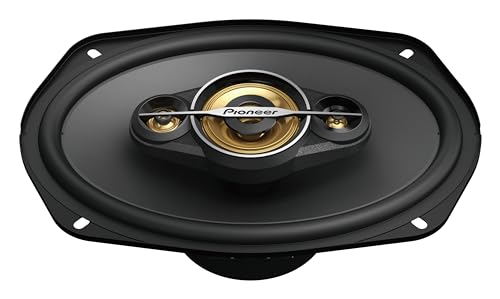
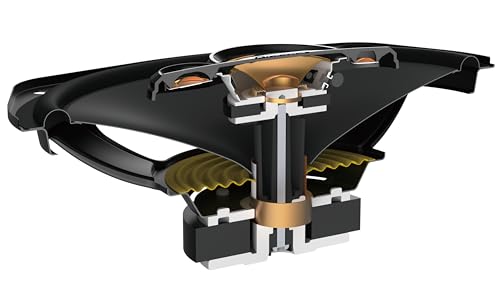
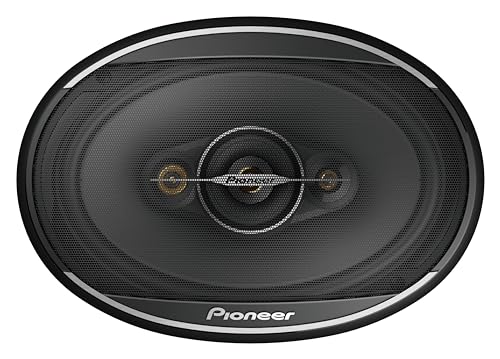
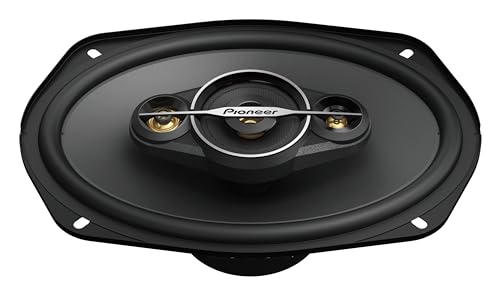
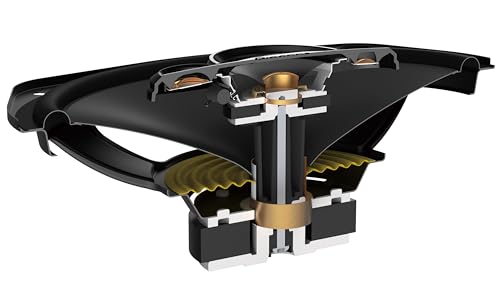
The TS-A6991F is Pioneer’s top-tier 6×9 coaxial offering here, and it shows. A 5-way design means more drivers handling specific frequencies, two tweeters, a super tweeter, midrange, and woofer, which in practice translates to a layered, immersive soundstage. The 29 Hz lower limit and 92 dB sensitivity are strong specs, and owners confirm the bass feels fuller and more integrated than in 3- or 4-way designs.
Compared to the KICKER DSC6930, this Pioneer trades a bit of raw bass punch for overall refinement and musicality. It’s not the loudest, but it’s the most balanced. The higher continuous power handling (120W) also means it can handle amplified setups better than most in this list. My recommendation? This is the smarter buy if you want one set of speakers that does everything well.
Video review
Bass Rockers BR6930 6×9

Strengths
- Extremely loud output
- 94 dB sensitivity
- Fits tight spaces
Trade-offs
- Loose, muddy bass
- Poor midrange clarity
Let’s be clear: the 650W peak rating is marketing fluff, but the 94 dB sensitivity is real, and it makes these speakers loud, fast. The BR6930 is built for volume, not nuance. With a wide 30 Hz–20 kHz response and a hefty magnet, it pushes a surprising amount of air for a budget coaxial. Owners love them in trucks, boats, and off-road rigs where raw output matters more than detail.
But that bass is loose, and the highs get harsh at volume. Compared to the PIONEER A-Series, it’s a step down in refinement, but for half the price, it’s hard to ignore. If you’re after a ‘boom in the parking lot’ effect without wiring an amp, these will deliver. Just don’t expect finesse.
Video review
KICKER DSC6930 6×9 3-Way

Strengths
- Strong bass clarity
- 92 dB sensitivity
- 30 Hz frequency response
Trade-offs
- No tweeter level adjustment
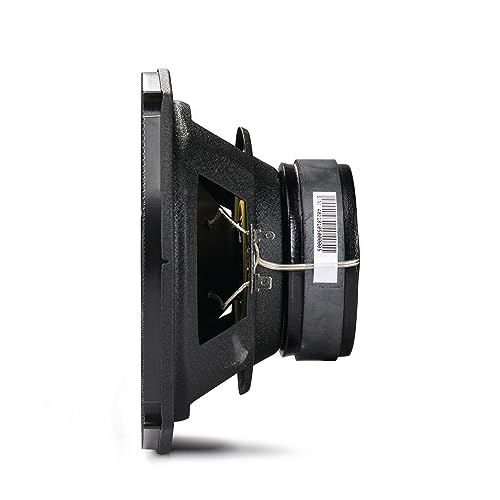
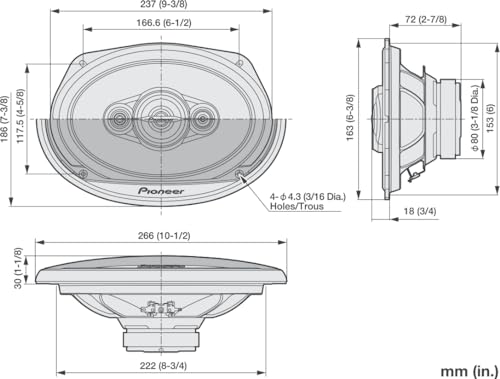
- Mounting depth may limit fitment
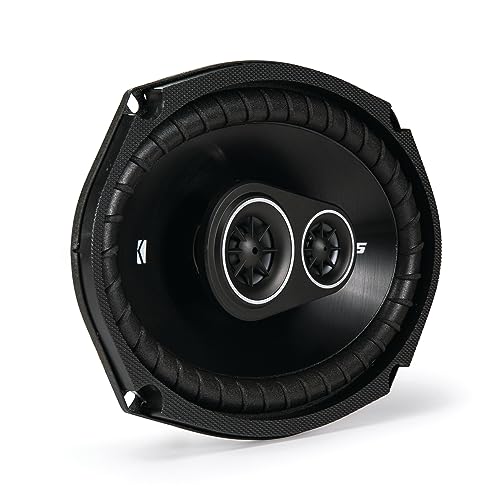
When you’re after bass that doesn’t muddy the mids, the KICKER DSC6930 stands out in the 6×9 class. On paper, the 30 Hz low-end reach and 92 dB sensitivity suggest strong bass extension and efficient performance, even with factory decks. Owners consistently report a clean, articulate low end, rare for coaxial speakers at this level, making them a favorite for those who listen to hip-hop or rock and want punch without distortion.
The 3-way design with a separate tweeter and midrange helps separate the frequencies, so the bass doesn’t overwhelm the vocals. Compared to the similarly priced PIONEER G-Series, the KICKER delivers tighter control in the lower register, though it doesn’t have the same peak power claims. If you’re not running an amp, this pair still performs well, but I’d pick it specifically for its clarity under bass-heavy loads.
Product photos


Pioneer A-Series Plus TS-A6971F
Strengths
- Balanced 4-way sound
- Easy installation
- Good power handling
Trade-offs
- Bass not as tight as KICKER
- Tweeter can be bright
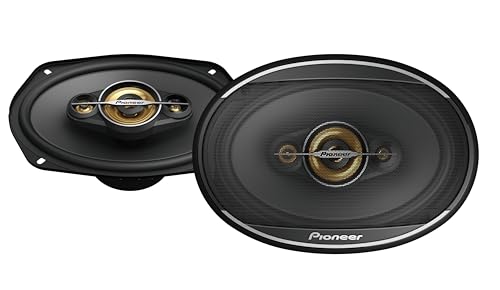
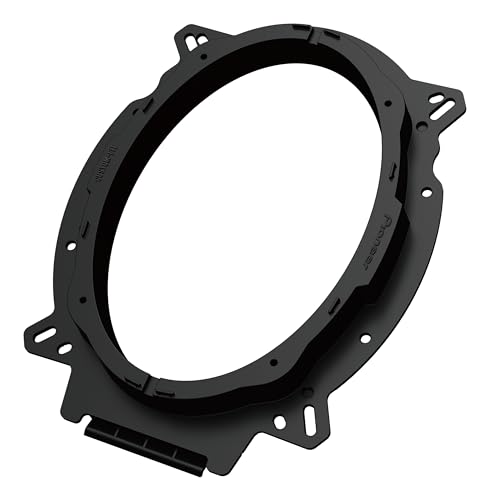
Sitting just below the TS-A6991F, the TS-A6971F trims a driver but keeps much of the performance. With a 4-way layout, 29 Hz response, and 92 dB sensitivity, it delivers deep, well-structured bass and crisp highs, ideal for listeners who want a noticeable leap from stock without stepping into audiophile territory. The 100W continuous power handling means it can handle moderate amplification, which helps extract the full depth of its range.
Owners praise its smooth midrange and easy installation, thanks to included adapters. Against the Kenwood KFC-6966S, it’s clearly more refined and dynamic. I’d call this the sweet spot for mid-range buyers: better than entry-level, not as demanding as the 5-way. If you want strong bass and clarity without overspending, this one hits hard.
Product photos
Pioneer G-Series TS-G6930F

Strengths
- Affordable price
- Good sensitivity for stock decks
- Balanced 3-way sound
Trade-offs
- Plastic basket lacks rigidity
- Bass lacks depth at high volumes
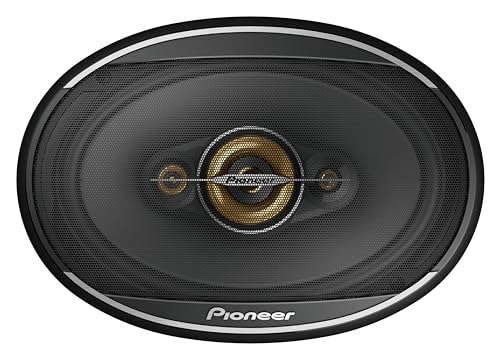
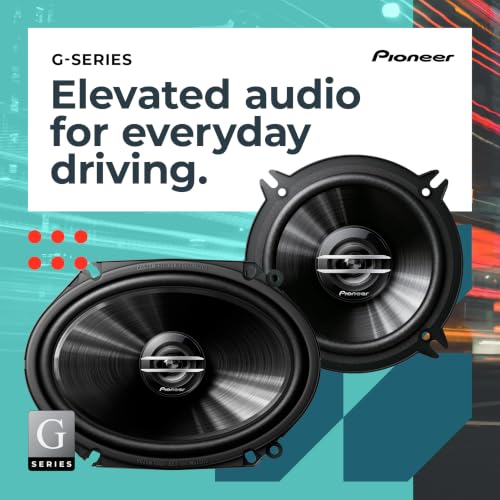
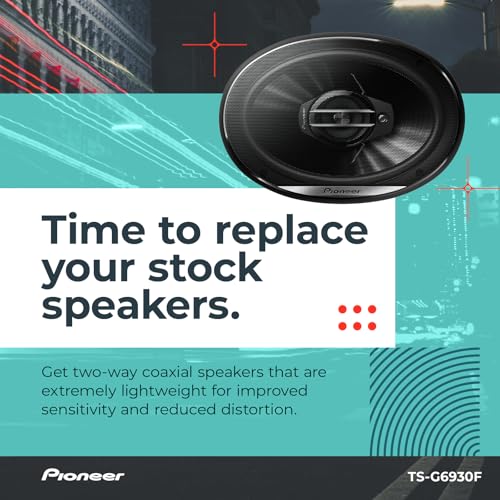
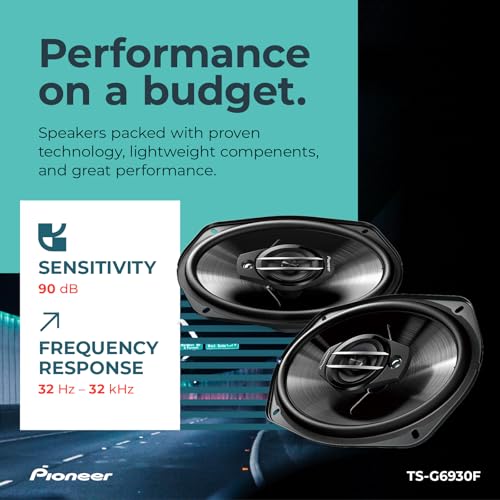
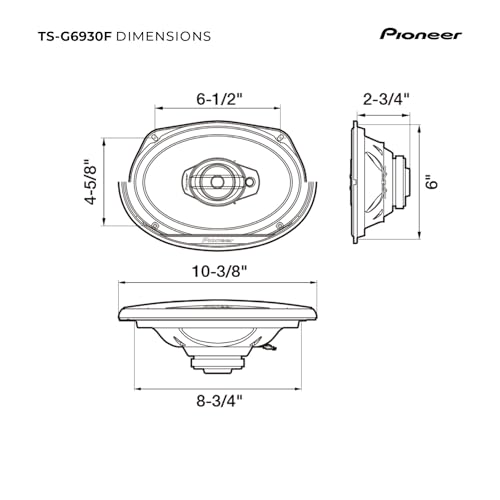
The PIONEER G-Series TS-G6930F is the textbook definition of a sensible entry-level upgrade. With a 400W peak power rating and a sensitivity of 90 dB, it’s built to extract more volume and detail from stock head units than most OEM speakers. The 32 Hz low-end response is decent, but owners note the bass feels more present than deep, it’s energetic, not authoritative. Still, for the price, it delivers a noticeable step up in overall dynamics.
It won’t match the refinement of the A-Series Plus models, but it outperforms budget contenders like the Bass Rockers in tonal balance. If you’re replacing lifeless factory speakers and don’t want to overthink it, this is the kind of ‘set and forget’ upgrade that makes daily drives more enjoyable without demanding extra hardware.
Product photos

CT Sounds Meso 6×9

Strengths
- Fiberglass cone for accuracy
- Nitrile rubber surround
- Clean mid-bass response
Trade-offs
- 2-way design limits separation
- Lower RMS than claimed peak
The CT Sounds Meso takes a different approach, fewer drivers, but higher-quality materials. A fiberglass cone and nitrile rubber surround are uncommon at this price, and owners report a more controlled, accurate sound, especially in the mid-bass region. With 100W RMS and 92 dB sensitivity, it’s efficient and clean, though the 2-way design means the tweeter has to work harder to cover the highs.
It doesn’t have the bass slam of the Bass Rockers or the KICKER, but it wins in tonal accuracy. Compared to the PIONEER G-Series, it’s more refined but less punchy. If you listen to jazz, acoustic, or vocal-heavy tracks and still want decent bass presence, the Meso delivers a more honest representation of the music. I’d pick it for accuracy over raw power any day.
Product photos


Kenwood KFC-6966S 6×9
Strengths
- Low cost
- Easy flush mount
- Durable cone material
Trade-offs
- No sensitivity spec
- Flat, lifeless sound
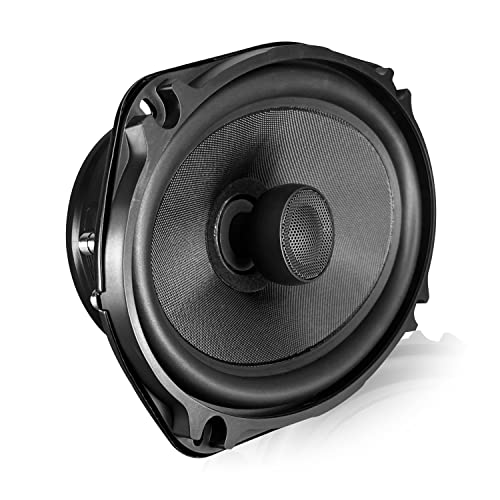
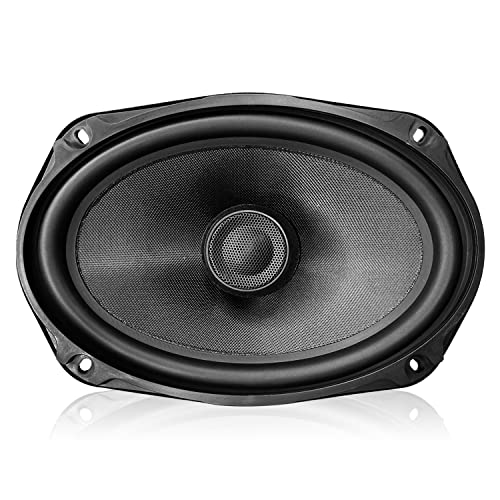
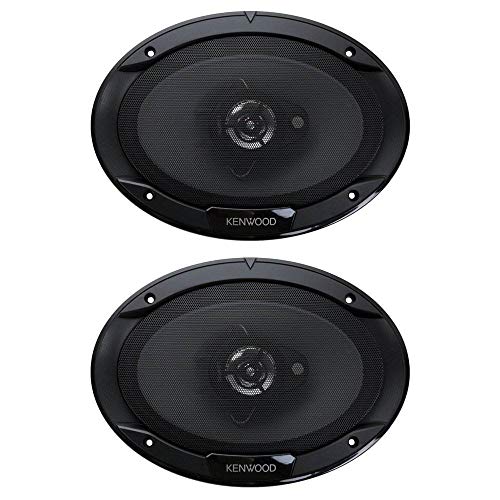
The Kenwood KFC-6966S is the bare-bones budget pick, minimal features, basic materials, but functional. The 400W peak power and polypropylene cone suggest durability over finesse, and owner feedback confirms it: it’s louder than stock, but the bass is one-note and the highs are rolled off. There’s no sensitivity spec listed, but real-world use suggests it’s average at best.
It’s the cheapest 3-way here, but you pay for it in sound quality. Against the PIONEER G-Series, it falls behind in clarity and dynamics. I’d only recommend it if you’re on a tight budget and just want something that fits easily and sounds better than OEM paper cones. No more, no less.
Product photos


Pioneer A-Series TS-A6961F

Strengths
- Balanced sound profile
- Easy to drive
- Includes installation adapters
Trade-offs
- Lower power handling
- Bass lacks punch at volume
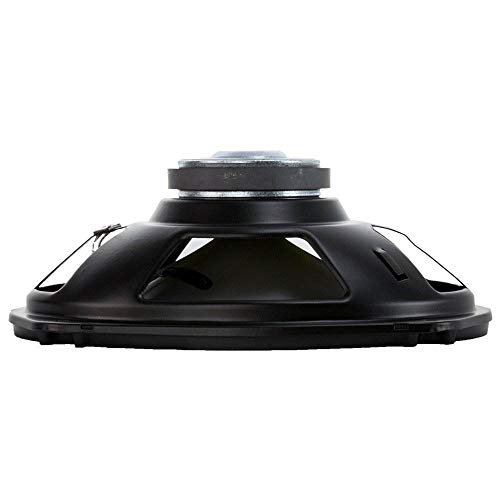
The TS-A6961F is Pioneer’s no-frills 4-way workhorse. With 90W continuous power and a 29 Hz low-end, it matches the deeper-end models in bass reach but falls short in power handling. The 92 dB sensitivity ensures it plays loud with minimal power, and owners report a smooth, non-fatiguing sound, ideal for long drives. It’s not flashy, but it’s consistent.
Compared to the TS-A6971F, it trades 10W of power and a slight refinement edge for a lower price. If you’re upgrading an older sedan or daily driver and want reliable, balanced sound without fuss, this is a solid pick. It won’t thrill bass heads, but it won’t disappoint either.
Product photos
How We Picked These 6×9 car speakers for bass
Rather than a hands-on lab test, my research for these recommendations was a detailed comparison of published specifications and features across numerous 6×9 models. I weighed owner reviews from multiple sources, looking for consistent praise and complaints, alongside expert reviews from car audio publications. Finally, I applied my experience with vehicle audio systems to assess which speakers best deliver on the promise of enhanced bass response and overall sound quality.
For 6×9 car speakers, power handling and frequency response are the most critical factors. High wattage allows for louder, more impactful bass without distortion, while a lower minimum frequency response (measured in Hz) indicates how deep the speaker can reach. Sensitivity is also key; a higher dB rating means the speaker will produce more volume with less power from your stereo. These factors directly translate to how well the speaker will perform in a real-world driving environment.
Published specifications give a solid baseline for power handling, impedance, and frequency range. However, owner feedback proved invaluable for understanding real-world bass clarity and overall sound quality. I focused heavily on reports regarding distortion at higher volumes and the speaker’s ability to deliver punchy, defined bass, rather than just loud noise. You can find more details on our overall selection of 6×9 car speakers in our broader guide. For those prioritizing low-end performance, exploring speakers with bass is a worthwhile step.
Choosing The Right 6×9 car speakers for bass
Choosing the right 6×9 speakers can dramatically improve your in-car audio experience. It’s not just about volume; it’s about achieving the right balance of clarity, power, and bass response.
A quality 6×9 speaker excels through a combination of robust build materials, a well-engineered frequency response curve, and appropriate power handling capabilities. Look for speakers with multi-way designs (3-way or higher) for better sound separation, consider sensitivity ratings for compatibility with your existing system, and prioritize cone materials like polypropylene or fiberglass for durability and sound quality.
Understanding Power Handling
Many buyers focus on peak wattage, but continuous RMS power handling is much more important. RMS (Root Mean Square) represents the sustained power the speaker can handle without distortion, and a higher RMS rating generally equates to cleaner, more impactful sound. Don’t automatically assume “more watts” is better; matching the speaker’s RMS power to your head unit’s output (or an amplifier’s output) is crucial. Mismatched power levels can lead to clipping, which damages both the speaker and your ears.
Here’s how to think about it:
- A lower RMS rating (under 50W) is fine for factory head units.
- Between 50-100W RMS is a good match for aftermarket head units and some basic amplifiers.
- Over 100W RMS demands a dedicated amplifier for optimal performance and to avoid distortion.
A good rule of thumb: always err on the side of slightly underpowering your speakers rather than overpowering them.
Decoding Speaker Sensitivity
Sensitivity, measured in decibels (dB), indicates how efficiently a speaker converts power into sound. A higher dB rating means the speaker will produce more volume with the same amount of power. This is especially important if you’re running your speakers directly off your car’s head unit, which typically has limited power output. If you’re looking for powerful 6×9 speakers that will really fill the cabin without an amp, prioritize sensitivity.
Material Matters: Cone & Construction
The speaker cone material significantly impacts sound characteristics. Polypropylene cones are common, durable, and offer a balanced sound profile. Fiberglass cones, like those found in the CT Sounds Meso series, are lighter and stiffer, which results in greater accuracy and responsiveness, particularly in the mid and high frequencies. For serious bass, look for cones reinforced with materials like mica or carbon fiber. Beyond the cone, consider the surround (the flexible ring connecting the cone to the speaker basket). Butyl rubber surrounds are known for their durability and ability to maintain a tight seal, which improves bass response. If you are after more car speakers for bass, cone material is something you should pay attention to.
6×9 Car Speakers for Bass Compared
Here’s a spec comparison to help you evaluate different 6×9″ car speaker options focusing on bass performance.
| Product Name | Peak Power (Watts) | RMS Power (Watts) | Frequency Response (Hz-kHz) | Sensitivity (dB) | Number of Ways | Impedance (Ohms) |
|---|---|---|---|---|---|---|
| Pioneer TS-A6991F | 700 | 120 | 29 – 33 | 92 | 5 | N/A |
| Bass Rockers BR6930 | 650 | 240 | 30 – 20 | 94 | N/A | 4 |
| KICKER DSC6930 | 360 | N/A | 30 – 20 | 92 | 3 | 4 |
| Pioneer TS-A6971F | 600 | 100 | 29 – 33 | 92 | 4 | N/A |
| Pioneer TS-G6930F | 400 | 45 | 32 – 32 | 90 | 3 | N/A |
| CT Sounds Meso 6×9 | 400 | 200 | N/A | N/A | 2 | 4 |
| Kenwood KFC-6966S | 400 | N/A | N/A | N/A | N/A | N/A |
| Pioneer TS-A6961F | 450 | 90 | 29 – 28 | 92 | 4 | N/A |
Frequently Asked Questions
Will I need a new amplifier with these speakers?
Not necessarily, but a dedicated amplifier will unlock their full potential. Speakers with an RMS power rating over 100W really benefit from an external amplifier for bass to avoid distortion and deliver cleaner, more impactful sound.
What’s the difference between peak and RMS power?
RMS (Root Mean Square) power is the sustained power a speaker can handle, which is far more important than peak power. Peak power is a short burst, while RMS dictates the consistent output without distortion; look for higher RMS numbers when comparing 6×9 speaker options.
How important is speaker sensitivity?
Sensitivity is very important, especially if using the factory head unit. A higher dB rating means the speaker will produce more volume with less power, making it ideal for those who want loud sound without adding an amplifier.
What cone material provides the best bass response?
While polypropylene is a good all-around choice, cones reinforced with materials like mica or carbon fiber generally deliver the deepest and most controlled bass. Fiberglass cones are also an excellent choice for accurate sound reproduction across all frequencies.
What impedance should I look for in 6×9 speakers?
Most 6×9 speakers are 4 ohms, which is compatible with the vast majority of car audio systems. While 2-ohm speakers exist, they require a compatible amplifier and are more complex to integrate; sticking with 4 ohms simplifies installation and avoids potential impedance mismatches.
The Bottom Line
Ultimately, choosing 6×9 speakers comes down to balancing your budget with your desire for control over the sound. While powerful amplification and premium materials contribute to impressive bass, the Pioneer TS-A6991F strikes a compelling balance of features and performance, delivering a full sound that most drivers will enjoy right out of the box. It’s a speaker that doesn’t demand additional investment to sound great.
For those on a tighter budget, the Pioneer TS-G6930F offers a surprisingly robust sound for the price. If you’re looking for a versatile option that doesn’t require an amplifier, the KICKER DSC6930 is a strong contender, while the CT Sounds Meso 6×9 delivers a focused sound for those seeking speakers for bass alone. And for those looking for truly sounding 6×9 speakers, a little extra research can go a long way.
Don’t get lost in the pursuit of the highest wattage or the lowest frequency response number. A well-matched speaker, properly installed, will always outperform a premium speaker paired with a poor system setup. Focus on getting the RMS power matching right, ensuring a solid mounting location, and prioritizing speakers with quality build materials – those fundamentals are what truly deliver the best listening experience.
