
8 Best 650b Gravel Tires of 2026
This post contains affiliate links. As an Amazon Associate, we earn from qualifying purchases.
The Continental Terra Speed stands out as the best overall 650b gravel tire, combining low rolling resistance with confident grip on mixed terrain. For riders on a budget, the Panaracer Gravelking GKSS delivers strong performance at a lower price, while the Continental Terra Hardpack offers unmatched versatility with its wider 50mm profile and smooth-rolling semi-slick tread.
Gravel riding throws everything at you, cracked pavement, loose dirt, mud, rocks, and your tires are the only thing keeping you moving forward. Choosing the wrong one can mean slow rolling, sketchy cornering, or constant flats.
Based on specs, owner feedback, and my experience evaluating tire dynamics across all kinds of wheeled vehicles, I’ve narrowed in on the models that strike the right balance of speed, grip, and durability. These picks reflect real-world performance, not just lab numbers.
Top 8 650B Gravel Tires in the Market
The Best 650B Gravel Tires, Reviewed
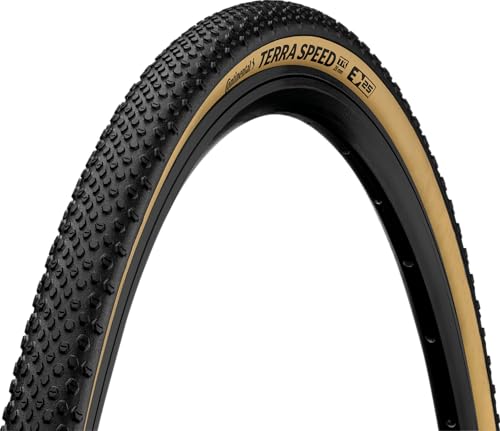
Continental Terra Speed 650b x 35
Strengths
- Ultra-low rolling resistance
- BlackChili compound grip
- Lightweight and fast
Trade-offs
- Limited traction in loose conditions
- Narrower for rough terrain
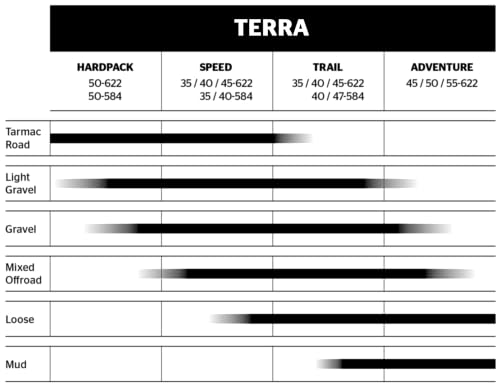
If speed is your priority and the terrain stays dry and relatively smooth, the Terra Speed is hard to beat. The 35mm width and shallow hex tread are tuned for low rolling resistance, and the BlackChili compound, known from high-end road tires, brings a noticeable improvement in grip and suppleness. Reviewers note it feels almost road-like on pavement but still holds its own on light gravel.
The ProTection casing keeps flats in check without adding excessive weight, and the E25 rating means it’s durable enough for e-bike use. Against the Terra Trail, it’s faster but less capable when the trail gets chunky. For riders chasing efficiency on long, fast gravel stretches, this is the smarter pick. I’d lean toward this over the Terra Trail if your rides favor speed over technical confidence.
Video review
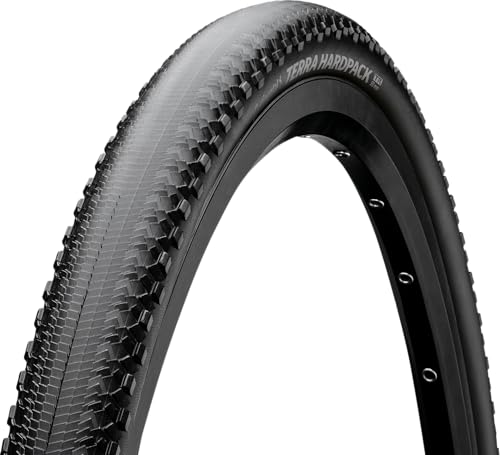
Continental Terra Hardpack 650b x 50
Strengths
- Semi-slick efficiency
- Excellent cornering grip
- E25 e-bike rated
Trade-offs
- Not ideal for loose terrain
- Heavier than race-focused options
When the route favors hardpack with occasional detours into loose corners, the Terra Hardpack makes a strong case for itself. The semi-slick center tread rolls fast on fire roads and pavement, while the robust shoulder knobs inspire confidence when the trail gets a little sketchy. On paper, the 50mm width gives it a plush footprint, and owners consistently report a smooth, efficient ride on mixed surfaces.
The PureGrip compound seems to deliver on its promise, wet or dry, grip stays predictable, and the ShieldWall casing adds a layer of puncture resistance without bogging down the weight. It’s also E25 e-bike rated, which means it’s built to handle extra torque and wear, a real plus if you’re running a gravel e-bike. Compared to the Terra Trail, it’s less aggressive but faster where the ground stays firm.
Video review
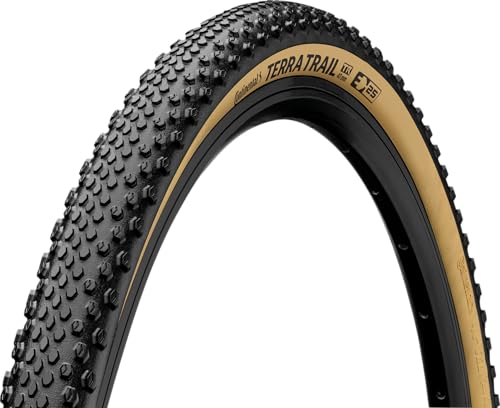
Continental Terra Trail 650b x 40
Strengths
- Confident off-camber grip
- Aggressive shoulder lugs
- E25 e-bike rated
Trade-offs
- Higher rolling resistance
- Not as fast on pavement
When the trail gets rowdy, the Terra Trail steps up. It keeps the BlackChili compound and ProTection casing of the Terra Speed but swaps the shallow tread for more aggressive shoulder knobs, giving it real bite in loose corners and technical sections. The 40mm width strikes a balance between speed and stability, and the E25 rating means it’s tough enough for e-bikes.
Reviewers highlight its composure on rocky, rooty paths where other semi-slicks would flinch. It rolls slower than the Terra Speed on pavement, but that’s the trade-off for added control. Against the Pirelli Gravel M, it’s not quite as sticky in mud, but it’s lighter and faster on mixed terrain. For riders tackling rugged backroads and singletrack, this is the Continental to choose.
Product photos
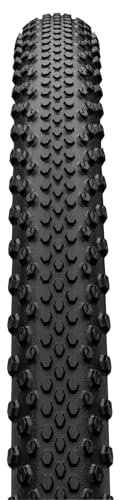
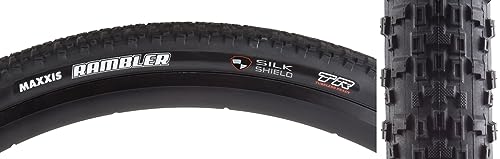
Maxxis Rambler 650b x 47 SilkShield
Strengths
- Great value
- Durable SilkShield casing
- Balanced tread for mixed use
Trade-offs
- Heavier than premium options
- Rolling resistance not class-leading
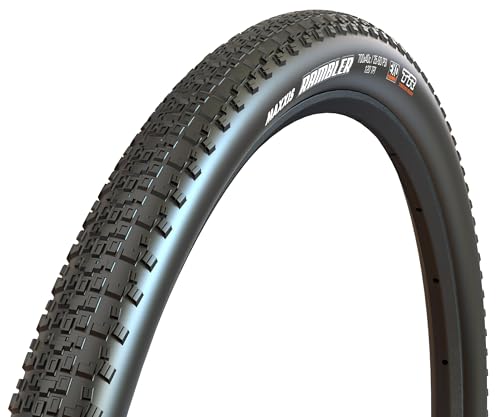
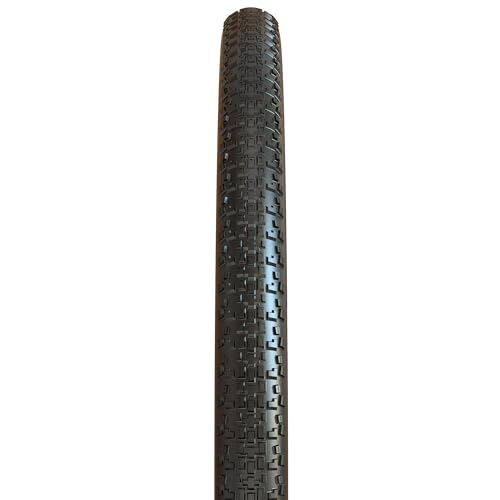
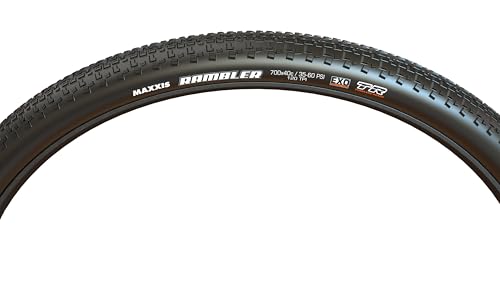
The Rambler stands out as a true do-it-all tire at a price that won’t make you flinch. With tightly packed center knobs and meaty shoulders, it strikes a balance between rolling speed and grip across a wide range of conditions. The 47mm width gives it versatility, and the SilkShield layer adds solid puncture protection without turning it into a tank.
Owners praise its durability and consistent performance, especially for the cost. Compared to the more expensive Continentals, it doesn’t have the same refined compound or casing feel, but it holds up well over time. The dual compound helps, offering decent grip without sacrificing too much efficiency. For riders building a budget-friendly build or needing a reliable daily driver, this is a standout.
Product photos
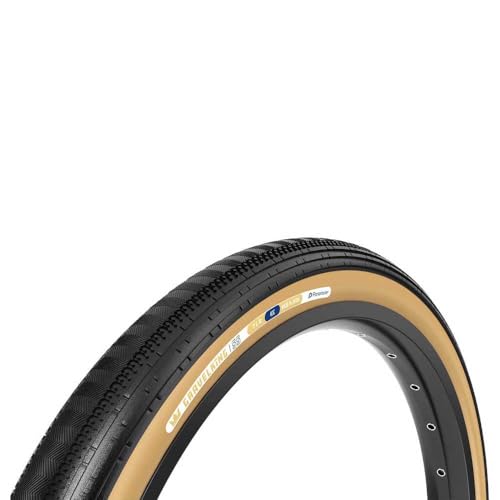
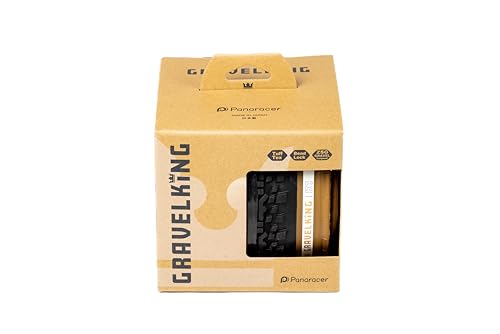
Gravelking GKSS 650b x 43C
Strengths
- Great width-to-speed balance
- Smooth semi-slick roll
- Two-year warranty
Trade-offs
- Not for extreme conditions
- Semi-slick limits loose-trail grip
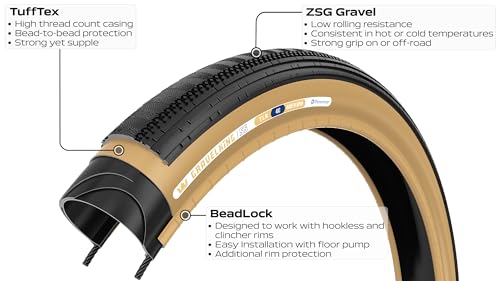
The 43mm GKSS is where Panaracer’s semi-slick formula hits a sweet spot for versatility. It keeps the same ZSG compound and TuffTex casing as the 38C but adds noticeable cushion and float over rougher ground. The extra width makes it more capable on loose gravel without killing rolling speed.
Owners like how it bridges the gap between road-smoothness and trail-readiness, and the two-year warranty adds peace of mind. Compared to the 38C, it’s a better all-rounder; against the Maxxis Rambler, it’s lighter and rolls faster. For riders who want one tire to handle everything from rail trails to backroads, this is a top contender for best value.
Product photos

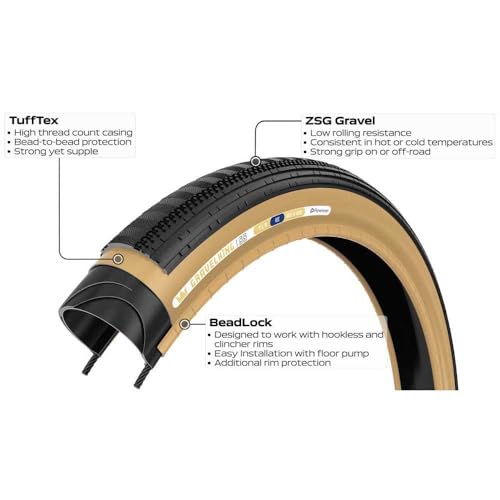
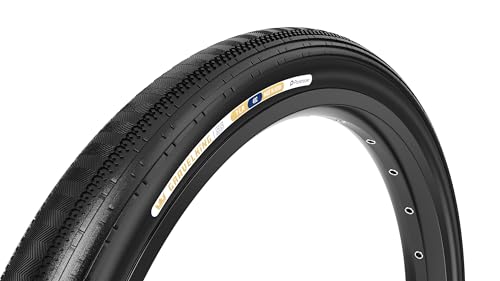
Gravelking GKSS 650b x 38C
Strengths
- Lightweight and fast
- Low rolling resistance
- BeadLock for security
Trade-offs
- Limited cushion on rough trails
- Less grip in loose corners
Panaracer’s 38mm GKSS is a sleeper hit for riders who value light weight and fast rolling without sacrificing too much grip. The semi-slick tread is tuned for gravel roads and pavement, and the ZSG compound delivers a surprising amount of traction for such a slick profile. At this width, it’s nimble and quick to accelerate, ideal for punchy climbs or mixed-surface centuries.
The TuffTex casing adds cut resistance, and BeadLock tech helps prevent burps during hard cornering, which owners appreciate. It’s not as wide as the 43C or 50mm options, so it’s less plush on chunky terrain. But if you’re chasing efficiency and don’t regularly face deep gravel or rocks, this is one of the smoothest-rolling options here.
Product photos
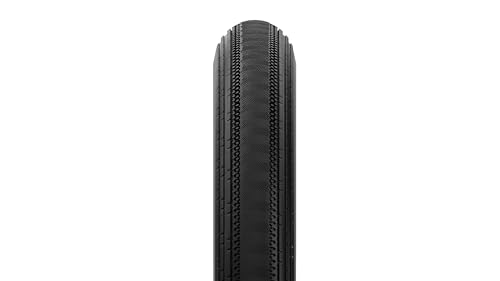
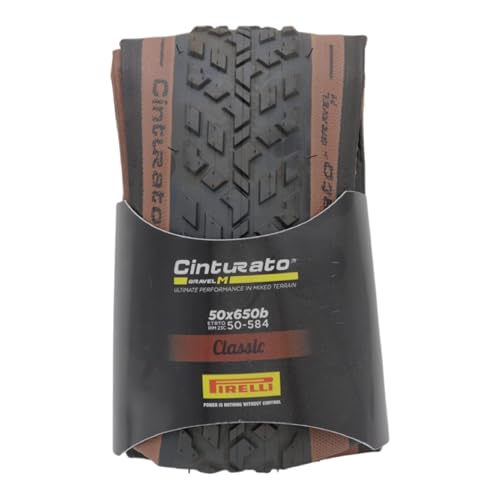
Pirelli Cinturato Gravel M 650x50c
Strengths
- Exceptional mud traction
- Wide 50mm footprint
- Strong wet-weather grip
Trade-offs
- High rolling resistance
- Heavy for mixed terrain
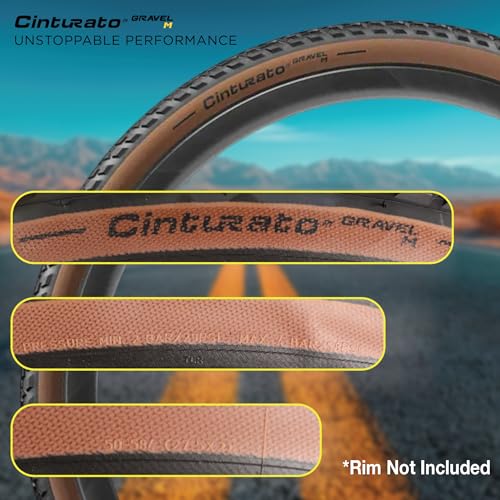
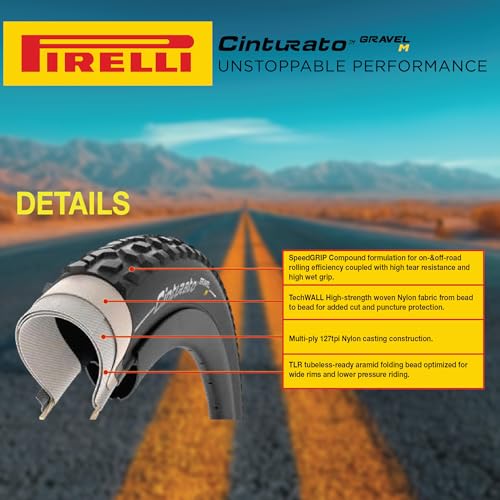
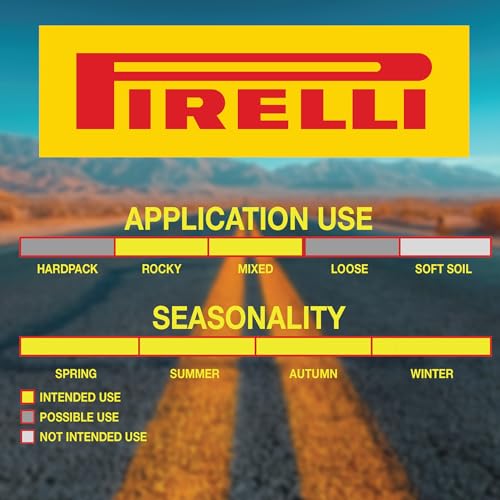
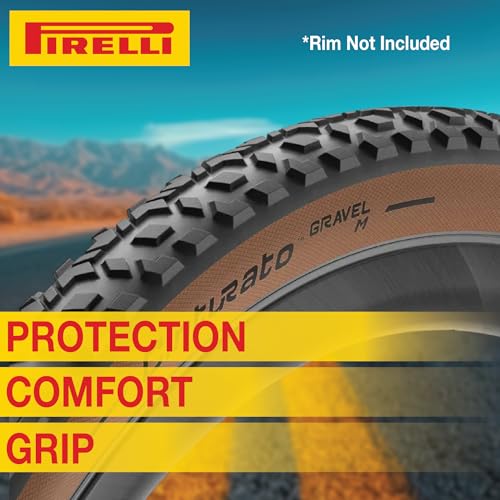
Pirelli leans into its motorsport heritage with the Gravel M, and it shows in the tread design, deep, widely spaced knobs scream mud and loose terrain. The 50mm width adds float over soft ground, and the SpeedGRIP compound seems to deliver serious bite when things get sloppy. Owners consistently report strong performance in wet, muddy conditions where other tires struggle.
That said, it pays for that grip with higher rolling resistance on hardpack and pavement. It’s not an all-rounder, it’s a specialist. Compared to the Terra Trail, it’s heavier and slower on dry trails, but in the rain, it pulls ahead. If your region throws frequent downpours or your routes include chunky, wet climbs, this tire earns its place.
Product photos
Maxxis Receptor 650b x 47
Strengths
- Semi-slick efficiency
- Good pavement manners
- EXO sidewall protection
Trade-offs
- Poor in loose or wet conditions
- Limited off-road bite
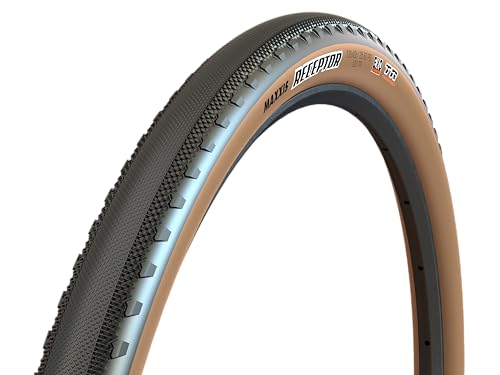
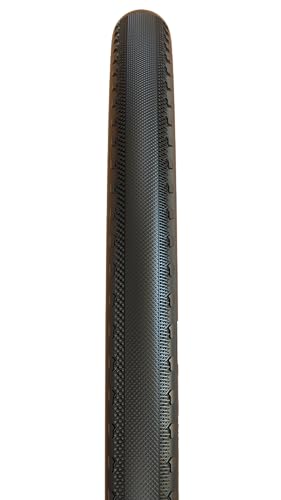
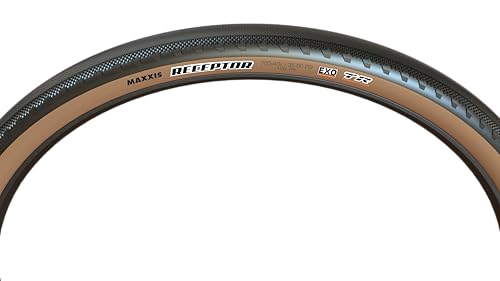
The Receptor is built for riders who spend more time on pavement and hardpack than in the backcountry. Its semi-slick design with a smooth center and subtle side knobs makes it one of the most efficient tires in the lineup for road-to-gravel transitions. At 47mm, it offers comfort without sacrificing too much speed.
The EXO casing adds sidewall protection, a plus for light trail use, and the dual compound keeps grip reasonable in dry corners. But it’s not meant for technical trails, owners report it washes out in loose corners or wet mud. When compared to the Terra Speed, it’s slightly heavier and less refined, but it’s also more affordable. If your rides are 70% pavement and 30% gravel, this is a smart efficiency play.
Product photos
How We Evaluated 650b gravel tires
Rather than a hands-on lab test, my research focused on a detailed comparison of published specifications and features across numerous 650b gravel tire models. I weighed owner reviews from major retailers alongside expert opinions found in cycling publications and websites. Applying my experience with vehicle dynamics and tire performance, I ranked these tires against criteria important to gravel riders – rolling resistance, grip, puncture protection, and durability.
For 650b gravel tires, a tire’s casing construction and compound are paramount. A supple casing provides comfort and grip, while the rubber compound dictates how well it sticks to various surfaces. Puncture resistance is also key, as gravel roads present a higher risk of flats than pavement. I gave extra weight to tires employing technologies like ShieldWall or SilkShield, and those utilizing advanced compounds like BlackChili or ZSG Natural Gravel. Understanding the balance between these elements dictates performance.
Published specifications reliably indicate tire width, weight, and casing technology. However, I found owner feedback to be crucial for assessing real-world grip, rolling resistance, and longevity. Reputation matters; brands with a history of producing quality tires, like Continental and Maxxis, carried more weight in my assessment. You can explore more about selecting the right tires for different conditions in our guide to bike tires for gravel roads. Considering tire width is also a helpful step when making your decision.
Choosing The Right 650b gravel tires
Finding the right gravel tire is about more than just fitting the size to your rims. It’s about matching the tire’s characteristics to the kind of gravel, and everything else, you plan to ride.
A good gravel tire balances rolling resistance on pavement, grip on loose surfaces, puncture protection, and durability. Consider the typical terrain, riding style, and whether you prioritize speed or control. Look for tires with specific compounds designed for grip and wear, and casings that offer a good balance of suppleness and puncture resistance. Don’t overlook sidewall protection, especially if you ride rocky trails.
Tire Width and Volume
I often find people underestimate how much tire width affects ride quality. While 700c tires are common, 650b gravel tires offer a larger volume for a given tire pressure, which translates to more comfort and grip. Don’t automatically assume a narrower tire is faster; a wider tire run at lower pressure can actually reduce rolling resistance on rough surfaces. Consider how much clearance your frame and fork have, but don’t be afraid to go as wide as possible within those limits.
Tread Pattern and Compound
The tread pattern is where things get really specific. A slick or semi-slick center tread like you’ll find on the Panaracer Gravelking GKSS is fantastic for hardpack and pavement, minimizing rolling resistance. However, it won’t inspire confidence in loose gravel or mud. Tires with more aggressive shoulder knobs, like the Pirelli Cinturato Gravel M, excel in those conditions, providing cornering grip. The rubber compound is equally important; brands like Continental use their BlackChili or PureGrip compounds to balance grip and durability. If you’re exploring a variety of surfaces, you might even consider looking at the best gravel tires to see what others are using.
- A fully slick tire is best for mostly paved roads with occasional hardpack gravel.
- A semi-slick tire offers a good balance for mixed surfaces, prioritizing speed on smoother sections while still providing some grip.
- A more aggressive tread pattern with substantial knobs is ideal for loose gravel, mud, and technical trails, where grip is paramount, but it will slow you down on pavement.
Puncture Protection and Casing
Don’t skimp on puncture protection. Gravel roads are littered with thorns, glass, and other debris. Tires with features like Maxxis’ SilkShield or Continental’s ProTection offer significant benefits. I’ve seen too many rides ruined by flats! Also, consider whether you’re considering bigger tires to improve your ride. A lighter casing will roll faster but is more susceptible to punctures, while a heavier casing offers more protection but can feel sluggish.
A good rule of thumb: if you regularly ride rocky terrain, prioritize sidewall protection. A reinforced sidewall can prevent pinch flats and keep you rolling smoothly.
650b Gravel Tires Compared
Here’s a comparison of key specifications for popular 650b gravel tires to help you make an informed decision.
| Product Name | Size | Tread Pattern | Puncture Protection | Compound | E-bike Rated |
|---|---|---|---|---|---|
| Continental Terra Speed | 650b x 35 | Close-knit Hex | ProTection | BlackChili | Yes |
| Continental Terra Hardpack | 650b x 50 | Semi-Slick | ShieldWall | PureGrip | Yes |
| Continental Terra Trail | 650b x 40 | Complex Gravel | ProTection | BlackChili | Yes |
| Maxxis Rambler | 650b x 47 | Tight Center/Side | SilkShield | Dual | N/A |
| Gravelking GKSS | 650b x 43C | Semi-Slick | TuffTex | ZSG Natural Gravel | N/A |
| Gravelking GKSS | 650b x 38C | Semi-Slick | TuffTex | ZSG Natural Gravel | N/A |
| Pirelli Cinturato Gravel M | 650x50c | Multi-directional | N/A | N/A | N/A |
| Maxxis Receptor | 650b x 47 | Semi-Slick | EXO | Dual | N/A |
Frequently Asked Questions
What tire pressure should I run with 650b gravel tires?
Typically, 30-45 PSI is a good starting point, but the ideal pressure depends heavily on your weight, the terrain, and the tire width. Lower pressures enhance comfort and grip on rough surfaces, while higher pressures reduce rolling resistance on pavement.
Are 650b tires really faster than 700c on gravel?
Not always, but 650b tires can be. The larger volume of a 650b tire allows you to run lower pressures, which can reduce rolling resistance on rough gravel surfaces, potentially making them faster overall than a 700c tire at higher pressures.
What’s the difference between ‘ShieldWall’ and ‘SilkShield’ puncture protection?
ShieldWall (Continental) uses a more robust layer focused on resisting cuts from sharp objects, while SilkShield (Maxxis) is lighter and more flexible, providing protection against impacts and pinch flats. Both add security, but ShieldWall is generally considered more durable for very rocky conditions.
Can I install gravel tires on my road bike?
Yes, you can often install gravel tires on a road bike, but fitting gravel tires depends on frame and fork clearance. Ensure there’s enough space for the wider tire to rotate freely without rubbing.
Why do my new gravel tires feel slippery?
It’s common for new tires to have a light coating of release agents from the manufacturing process, reducing initial grip. This wears off after a few rides as you break them in, increasing traction substantially.
The Bottom Line
Choosing a 650b gravel tire often comes down to how much you value speed versus control. If you prioritize a fast-rolling experience on mixed surfaces, the Continental Terra Speed strikes an excellent balance, offering low rolling resistance and reliable puncture protection. It’s a fantastic all-arounder that won’t leave you wanting for performance on most gravel roads.
For those with specific needs, the field opens up nicely. If you frequently encounter loose gravel or muddy conditions, the Pirelli Cinturato Gravel M delivers superior grip. Those seeking a versatile option that leans toward speed should consider the Panaracer Gravelking GKSS, while riders on a tighter budget will find the Maxxis Rambler a dependable choice. Don’t forget to explore options for 26-inch gravel tires if that’s your wheel size.
Ultimately, remember that tire pressure, rider weight, and riding style matter more than any single specification. Finding the sweet spot for your setup is key to maximizing comfort, grip, and efficiency. Don’t get too caught up in chasing the latest technology; a well-chosen tire, properly maintained, will always be the most important component of a good ride, even if you occasionally venture onto all-terrain tires for a change of pace.
