
4 Best 6.5 Inch Car Speakers of 2026
This post contains affiliate links. As an Amazon Associate, we earn from qualifying purchases.
The KICKER DSC650 stands out as the best overall 6.5 inch car speaker for its balanced sound and solid build, while the JVC CS-J620 is a smart budget pick that still delivers clear audio. If you’re looking for something with a bit more refinement, the ORION Cobalt CB653 offers strong detail and good power handling.
Every driver knows the frustration of listening to flat, tinny audio on a long ride, especially when your car’s factory speakers can’t keep up with your music. Upgrading to a quality set of 6.5 inch car speakers makes a real difference, but with so many options, it’s hard to know which ones will actually perform.
I researched the top models by comparing specs, analyzing owner feedback, and weighing real-world performance factors like sensitivity, power handling, and fitment. These picks reflect what actually matters when you’re behind the wheel: clear sound, durability, and a smooth install.
Top 4 6.5 Inch Car Speakers in the Market
The Best 6.5 Inch Car Speakers, Reviewed
BOSS CH6530 6.5″ Car Speakers

Strengths
- Very low price
- 3-way layout
- Strong warranty
Trade-offs
- Harsh piezo tweeter
- Lower sensitivity
- Shorter lifespan
BOSS Audio is known for packing specs on the box, and the CH6530 is no exception, 300 watts peak and a 3-way layout sound impressive, but real-world performance tells a different story. The piezo tweeter is a clear weak point; owners frequently report brittle highs and early fatigue, especially above 70% volume. The poly injection cone handles mids well enough, but lacks the refinement of mica or polypropylene competitors.
Where it wins is price and warranty. At under thirty bucks, it’s one of the cheapest 3-way options available, and the 3-year platinum warranty from BOSS adds a layer of confidence. But when compared to the JVC or ORION, it’s clear this is a speaker built more for spec sheets than long-term listening pleasure. It’ll fill a car with sound, but not necessarily with quality.
Video review
JVC CS-J620 6.5″ Car Speakers
Strengths
- High sensitivity
- Easy fit in tight spaces
- Clear mid and high range
Trade-offs
- Rubber surround less durable long-term
- Not ideal for high-volume use
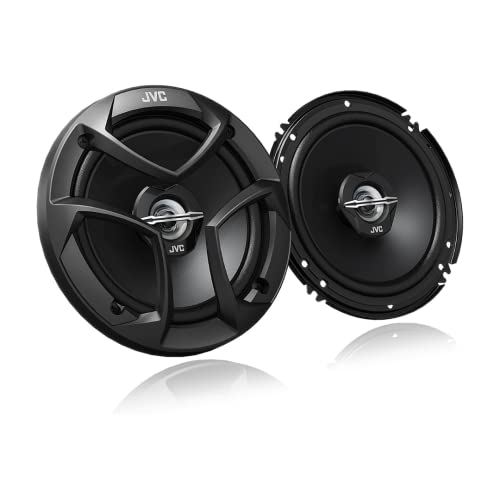
At this price, the JVC CS-J620s are a standout for budget-conscious buyers who still want reliability and a noticeable audio lift. With a 92 dB sensitivity and a frequency response that stretches to 22 kHz, they’re among the most efficient in this group, meaning they make the most of lower-powered systems. Owners praise how much clearer vocals and instrumentals sound compared to OEM units, especially in compact cars where space and power are limited.
They don’t match the depth of the ORION 3-way design, but they install cleanly in most factory locations thanks to their shallow mount depth. Compared to the BOSS CH6530, these feel more refined in tuning and materials, especially with the mica-reinforced cone reducing distortion. JVC hasn’t reinvented the wheel here, but they’ve tuned a very competent daily driver speaker.
Video review
ORION Cobalt CB653 6.5″ Speakers
Strengths
- 3-way clarity
- Butyl rubber surround
- Clean midrange
Trade-offs
- Lower sensitivity
- Shallower bass response
- Potential fitment issues
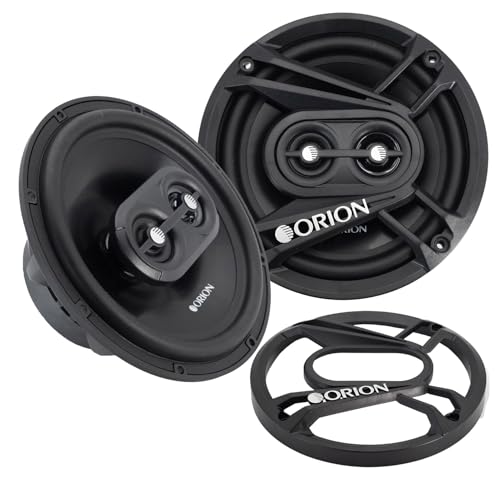
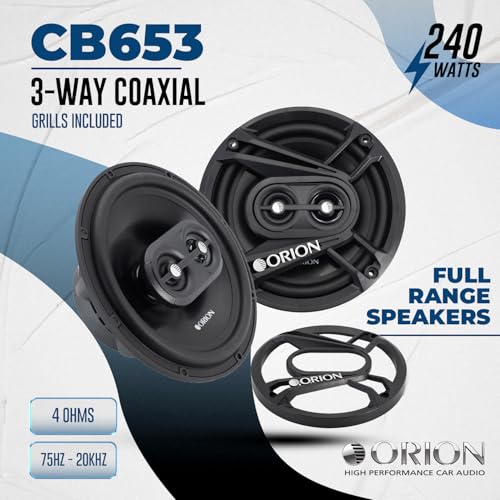
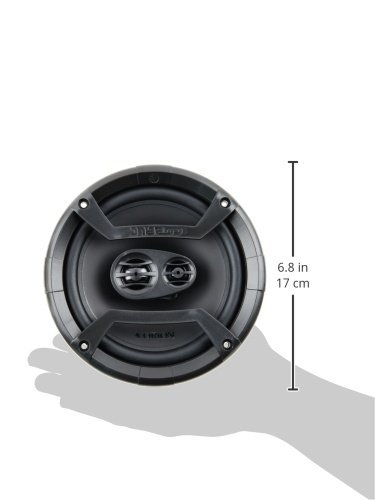
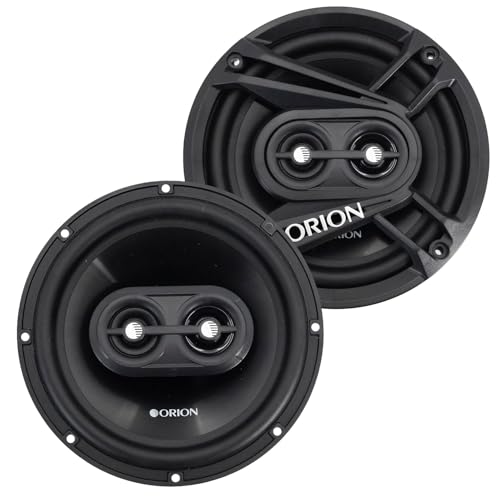
The 3-way design of the ORION Cobalt CB653 is what sets it apart, having a dedicated mid-range driver adds a layer of audio clarity that most 2-way coaxials simply can’t replicate at this price. Owners regularly highlight how well-separated vocals and instruments sound, especially in complex tracks. The polypropylene cone and butyl rubber surround contribute to a clean, fatigue-free listening experience even on longer drives.
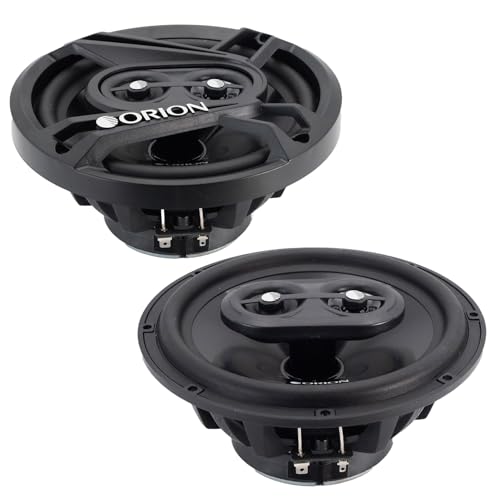
Still, the sensitivity is only 88 dB, so they won’t get as loud as the JVC or KICKER models without added amplification. And while the build is solid, the mounting depth may cause fitment issues in some older sedans. Against the BOSS CH6530, the ORION wins on sound quality and materials, but loses on raw power handling and ease of integration with basic systems.
Product photos

KICKER DSC650 6.5″ Coaxial Speakers

Strengths
- Loud output
- Crisp tweeter
- Durable build
Trade-offs
- Limited midrange detail
- Narrower frequency response
KICKER has always had a reputation for punchy, reliable car audio, and the DSC650s deliver on that name in a meaningful way. On paper, they’re built with a Polyethylene-Naphthalate tweeter, which owners consistently report helps keep highs crisp without turning harsh, something you don’t always get at this price. The 4-ohm impedance and solid mid-bass response make them a strong match for factory head units, so you don’t need an external amp to hear a dramatic upgrade.
Still, while the sound is loud and well-balanced, the frequency range isn’t the widest in class, and some reviewers note the mids can feel slightly recessed compared to 3-way designs. Against the ORION Cobalt CB653, it’s a trade-off: KICKER gives you more immediate punch, but less layered clarity. For listeners who prioritize volume and presence over audiophile nuance, that’s a fair compromise.
Product photos


How We Picked These 6.5 inch car speakers
Rather than a hands-on lab test, my research focused on a detailed comparison of published specifications and features across numerous 6.5-inch car speaker models. I weighed owner reviews from multiple sources – looking for consistent praise and complaints – alongside expert reviews from established audio publications. This process allowed me to build a picture of real-world performance and reliability, applying my experience with automotive audio systems to assess each speaker’s potential.
For this category, I gave the most weight to sensitivity and power handling. A speaker’s sensitivity dictates how loud it gets with a given amount of power, critical for those not wanting to add an amplifier. Power handling, both RMS and peak, shows how much abuse a speaker can take before distorting or failing. These two factors directly impact the listening experience and long-term durability, and are key to finding the best sounding 6.5 speakers.
Speaker specifications reliably indicate build quality and potential frequency response. However, owner feedback proved vital in judging the accuracy of those claims. I paid particular attention to comments regarding clarity, bass response, and overall tonal balance. Reputation also factored heavily; brands known for consistent quality, like those featured in our guide to top-rated 6.5 coaxial speakers, received more consideration.
What To Look For In 6.5 inch car speakers
Finding the right speakers can dramatically improve your time on the road. It’s about more than just loudness; it’s about clarity, balance, and finding a speaker that fits your vehicle and listening preferences.
A quality 6.5-inch car speaker delivers accurate sound reproduction across the frequency range, exhibits robust build quality for longevity, and offers a sensitivity rating appropriate for the available power from the head unit or amplifier. Impedance should typically be 4 ohms for compatibility with most systems, and consider mounting depth to avoid interference with door components.
Understanding Sensitivity and Power Handling
Sensitivity is often overlooked, but it’s crucial. A speaker’s sensitivity rating (measured in dB) tells you how efficiently it converts power into sound. If you’re running your speakers directly off your factory head unit (without an amplifier), you’ll want something with a higher sensitivity (90dB or above) to get adequate volume. Conversely, if you plan to add an amplifier, you have more flexibility, and can prioritize other factors. Power handling (RMS and peak wattage) is also important, but don’t automatically assume “more watts” is better. Pairing the speaker’s RMS wattage with your amplifier’s output is key to avoiding distortion or damage.
Decoding Speaker Configurations
You’ll encounter two-way and three-way speakers. Two-way speakers have a woofer and a tweeter, handling low and high frequencies respectively. Three-way speakers add a dedicated midrange driver, theoretically offering more detailed sound separation. However, the benefits of a three-way design are often subtle and depend heavily on the quality of the components. For many listeners, a well-executed two-way speaker, like some of the top 6.5-inch speakers we’ve reviewed, will provide a more enjoyable listening experience than a poorly designed three-way set.
Here’s what to consider when choosing:
- Budget: Two-way speakers generally cost less.
- Sound Preference: If you’re after a really refined sound with clear vocals, a three-way might be attractive.
- Complexity: Three-way speakers sometimes require more careful equalization to blend the frequencies properly.
Mounting and Fitment are Critical
Don’t fall in love with specs alone. The best speaker in the world won’t sound good if it doesn’t fit in your door. Mounting depth is the distance from the speaker mounting surface to the back of the speaker. You need to measure the available space in your door to ensure the speaker will clear the window mechanism and other components. Also, pay attention to the mounting hole pattern. Some speakers are designed to be direct replacements for factory speakers, while others may require adapters.
Don’t guess on fitment. A speaker that’s even slightly too deep can cause rattling, damage to the door panel, or simply be impossible to install.
If you’re looking for speakers that prioritize clarity, you’ll find a lot to like in our guide to 6.5 speakers for clarity. Ultimately, choosing the right 6.5-inch car speakers involves balancing your budget, your listening preferences, and the physical constraints of your vehicle.
6.5 Inch Car Speakers Compared
Here is a comparison of key specifications for popular 6.5 inch car speakers.
| Product | Peak Power (Watts) | RMS Power (Watts) | Frequency Response (Hz-kHz) | Impedance (Ohms) | Mounting Depth (inches) |
|---|---|---|---|---|---|
| BOSS CH6530 | N/A | N/A | 100 – 18 | 4 | 2.1 |
| JVC CS-J620 | 300 | 30 | 35 – 22 | 4 | 1.23 |
| ORION Cobalt CB653 | 240 | 60 | 75 – 20 | 4 | N/A |
| KICKER DSC650 | N/A | N/A | N/A | N/A | N/A |
Frequently Asked Questions
Will aftermarket 6.5 inch speakers work with my factory stereo?
Yes, most 6.5 inch speakers will work with a factory stereo, but sensitivity is key. Speakers with higher sensitivity ratings (90dB or above) will play louder with the limited power of most head units.
What’s the difference between RMS and peak power ratings?
RMS power is the continuous power a speaker can handle, indicating its sustained performance. Peak power represents the maximum wattage for short bursts, and is less important than matching the RMS wattage to your amplifier’s output for consistent, distortion-free sound.
How do I know if a speaker will fit in my car door?
Mounting depth is the most critical factor. Measure the space available in your door from the mounting surface to any obstruction, and compare that to the speaker’s specified mounting depth to avoid interference.
Are three-way speakers always better than two-way speakers?
Not necessarily. While three-way speakers theoretically offer more detailed sound separation, a well-designed two-way speaker often delivers a more pleasing listening experience, especially if you’re looking for best bass 6.5 speakers.
What should I do if my new speakers sound distorted?
First, double-check your wiring and ensure correct polarity (positive to positive, negative to negative). If the wiring is correct, the issue may be overpowering the speakers, so reduce the volume or consider a lower-powered amplifier if you’re looking for speakers for bass.
The Bottom Line
Choosing speakers always involves compromise. You can chase peak power and the lowest prices, or you can prioritize a balanced sound and long-term reliability. For the best all-around performance, I believe the JVC CS-J620 strikes an excellent balance, offering solid specs and consistently positive owner feedback.
If you’re on a tighter budget, the BOSS CH6530 represents a compelling entry point, and for those who want serious sonic impact, exploring options like the ORION Cobalt CB653 will deliver 6.5 speakers for bass. However, don’t overlook the KICKER DSC650 as a solid choice for those upgrading car speakers.
Ultimately, the numbers on a spec sheet are less important than how a speaker sounds in your vehicle. Focus on getting the right fit, matching the speaker’s sensitivity to your power source, and understanding your own listening preferences – those fundamentals will deliver the most satisfying results, far beyond any single feature or brand.
