
7 Best 12 Volt Electric Car Heaters of 2026
This post contains affiliate links. As an Amazon Associate, we earn from qualifying purchases.
The CYDZSW 12V 800W Car Heater stands out as the strongest performer for those who need serious heat, especially when wired directly to the battery. For easier setup, the Portable Car Heater 600W is a solid plug-in choice that balances power and safety without overloading most vehicle systems.
Cold mornings and fogged windshields are more than just annoyances, they can make driving stressful and unsafe. As someone who’s spent years digging into how vehicles really work, I know a reliable heater isn’t a luxury, it’s part of smart preparation.
This guide cuts through the noise by focusing on real specs, verified performance, and what owners actually say after months of use. I looked at power draw, safety features, airflow design, and how easy each unit is to live with, because the best heater is one you can trust when temperatures drop.
Top 7 12 Volt Electric Car Heaters in the Market
The Best 12 Volt Electric Car Heaters, Reviewed
CYDZSW 12V 800W Car Heater
Strengths
- High 800W output
- PTC ceramic heating
- Fast defrosting
Trade-offs
- Requires hardwiring
- Draws heavy current
- Wiring kit quality varies
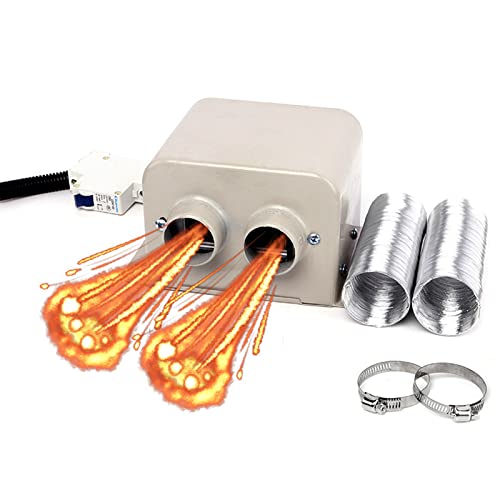
This 800W unit is the most powerful in the lineup, and that shows in owner feedback, many say it clears ice from windshields in minutes, not just fog. The PTC ceramic core helps it ramp up fast and regulate temperature safely, which is critical at this wattage. It requires direct battery connection, not a cigarette lighter, so installation is more involved. But for golf carts, older trucks, or UTVs without strong factory heat, this is the kind of brute-force fix that makes winter use possible.
The safety features, overload and insulation protection, are reassuring, given the high draw. Some users mention the wiring kit could be sturdier, but the heater itself holds up well. If you need real heat and don’t mind a little DIY, this is the one to beat. I’d take it over mid-range models when performance is essential.
Video review
Portable Car Heater 600W
Strengths
- Good heat for price
- Plug-and-play setup
- PTC safety tech
Trade-offs
- Cable strain at socket
- Not for extreme cold
- Plastic housing feels light
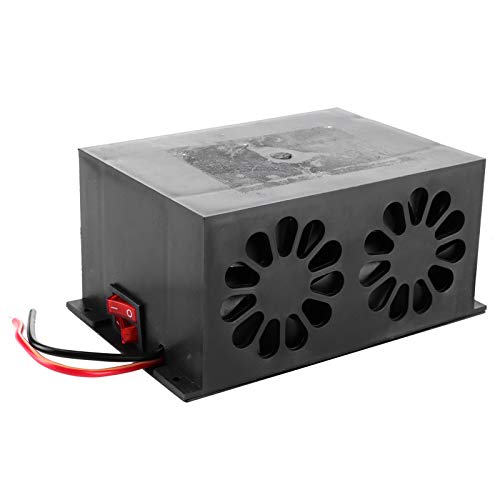
At 600W and under $26, this heater hits a sweet spot between cost and capability. It’s strong enough to warm feet and clear moderate frost, and the triple air outlets help spread heat across the lower cabin. The PTC heating element ensures it doesn’t overheat, and owners praise how quickly it warms up after a cold start. Since it plugs into the cigarette lighter, setup is simple, no splicing wires.
It’s not as powerful as the 800W hardwired models, but for most daily drivers, that’s overkill anyway. This unit delivers real warmth without complexity. My recommendation? If you’re budget-conscious but want actual heating, not just defogging, this is the smarter buy over pricier or weaker options.
Video review
12V Car Heater 200W
Strengths
- Low power draw
- 360° adjustable
- Dual heating and cooling
Trade-offs
- Weak heat output
- Not for cabin heating
- Plastic feels thin
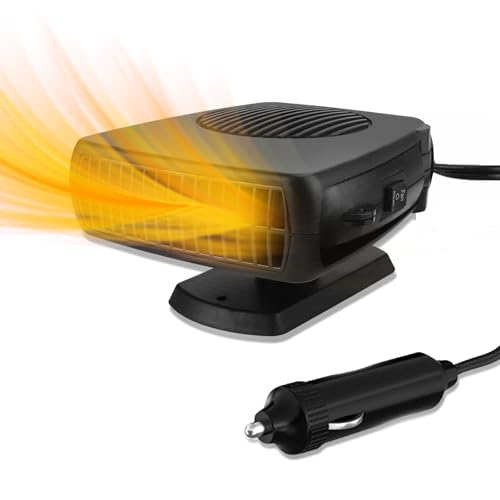
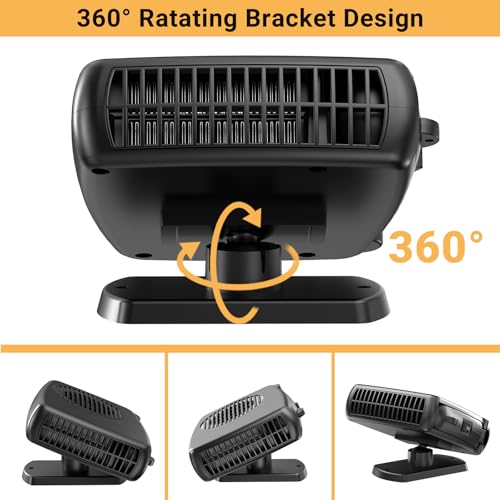
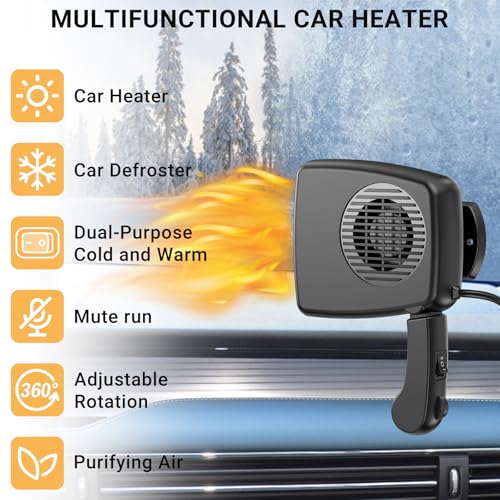
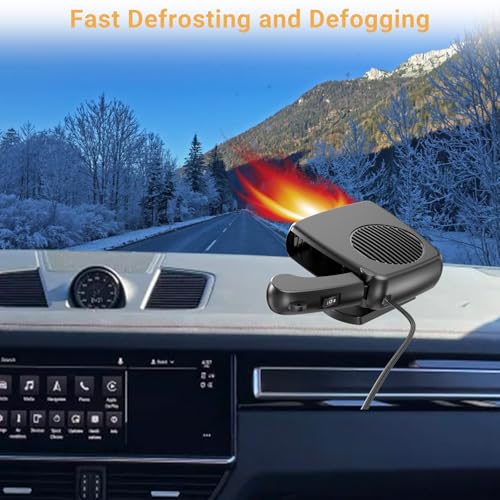
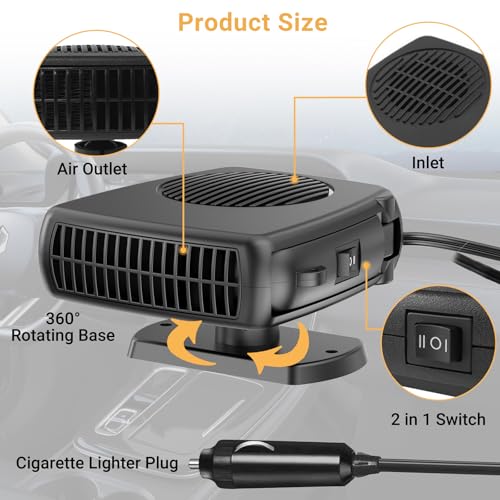
At 200W, this heater is more of a personal defogger than a cabin warmer. It’s not going to heat a whole truck cab, but it does what it’s designed for, clearing windshield fog fast. The 360° rotation and ergonomic handle make it easy to aim exactly where you need airflow, and the dual heating/cooling mode is a rare perk for a unit this size. On paper, the low wattage means it won’t strain older electrical systems, which is a win for vintage trucks or campers with marginal alternators.
Owners consistently report it’s best used as a spot defroster, especially during early morning starts. It won’t replace your vehicle’s HVAC, but it’s a solid plug-and-play aid. I’d recommend it over pricier models if your main goal is visibility, not comfort.
Product photos

Car Heater 50W 3 Hole
Strengths
- Ultra-low power use
- Near-silent operation
- Durable ABS housing
Trade-offs
- Very limited heating range
- Not for passenger warmth
- Requires hardwiring
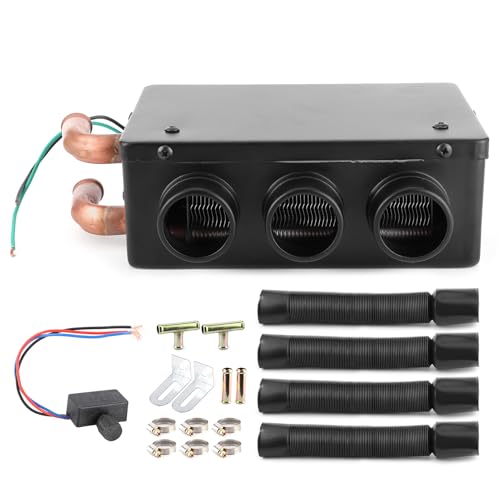
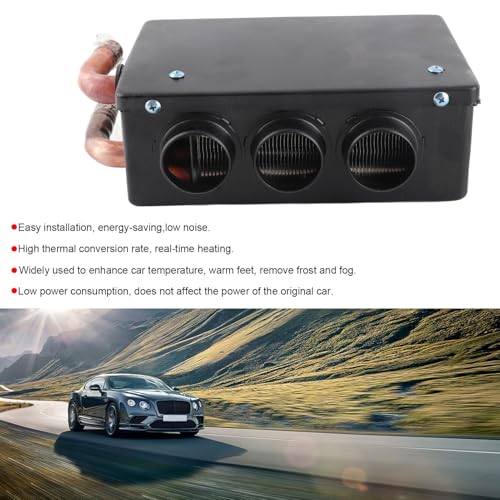
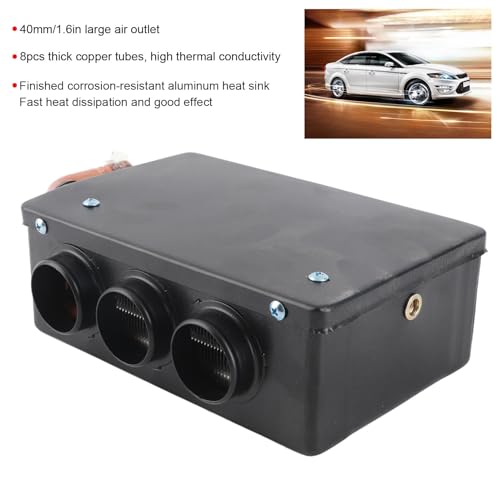
Fifty watts sounds underpowered until you realize this heater isn’t meant to warm people, it’s for maintaining airflow and preventing frost buildup in tight spaces like tractor cabs or UTVs. The specs show 300m³/h airflow and 2000kcal/h heat dissipation, which sounds efficient for such low draw. Reviewers note it’s nearly silent, a big plus for operators who spend hours in slow-moving equipment. It’s not going to melt ice, but it keeps vents clear and reduces fog over time.
Compared to higher-wattage models, this one’s niche is clear: low-and-slow heat without taxing the battery. It’s hard to beat for agricultural or utility vehicles where electrical load matters more than instant warmth. I’d pick this over brute-force heaters if you’re running long shifts on a farm rig or side-by-side.
Product photos


EVGATSAUTO 400W-600W Car Heater
Strengths
- Adjustable power modes
- Durable iron body
- Low noise
Trade-offs
- Hardwiring required
- Heats slowly on low
- Mounting options limited
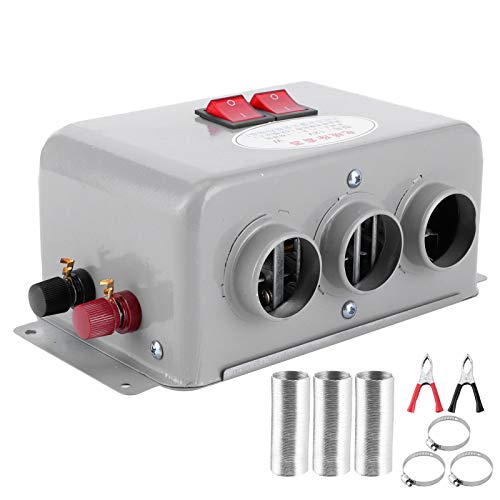
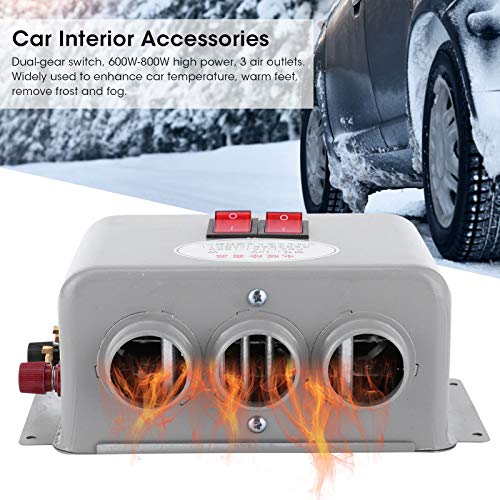
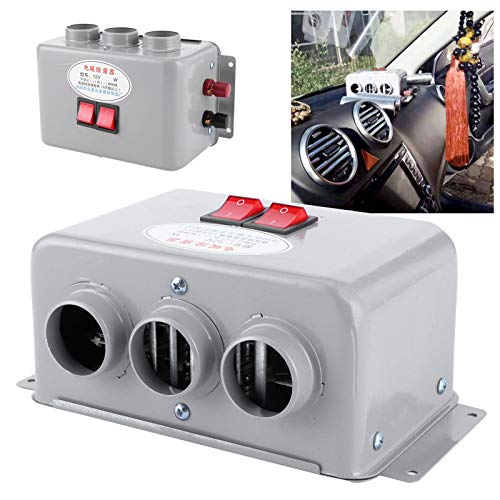
The adjustable 400W–600W range makes this heater stand out, few models let you throttle output based on conditions. On low, it sips power; on high, it delivers solid warmth. The dual-gear switch is simple, and the three air outlets spread heat decently across the lower dash. It must be hardwired, so it’s not for everyone, but that also means it can handle sustained loads better than lighter-duty plug-in units.
Iron housing adds durability, and reviewers note it runs quietly, even at full power. Compared to fixed-wattage models, this one offers more control. I’d pick it for vehicles where you need flexibility, like a work truck that sits overnight but also hauls gear in extreme weather.
Product photos


DaisyInner 500W Windshield Heater
Strengths
- Four air outlets
- Fast defogging
- Compact fit
Trade-offs
- Requires heavy gauge wire
- Installation caution needed
- Not for foot warming
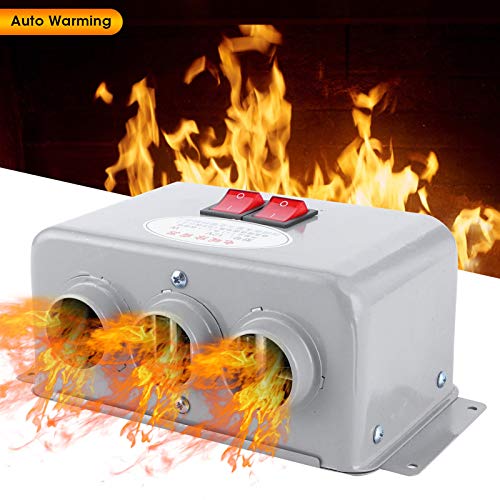
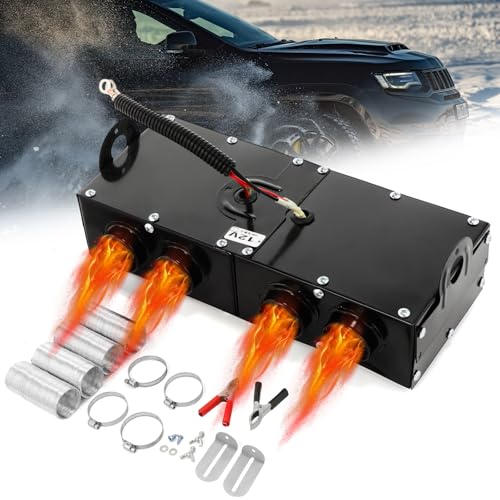
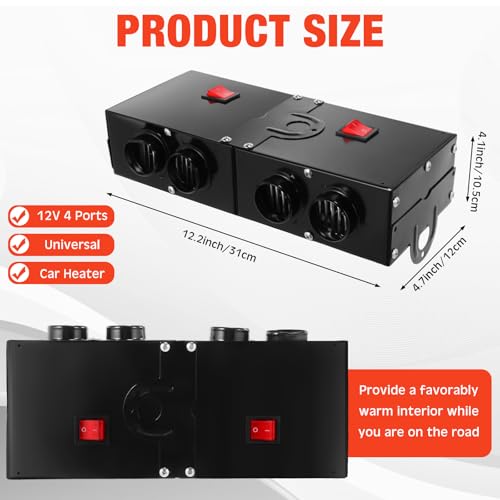
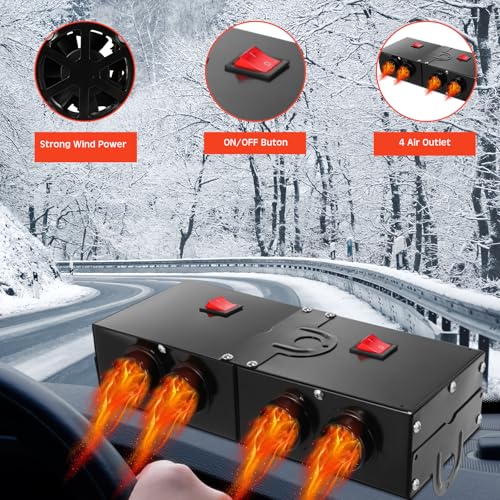
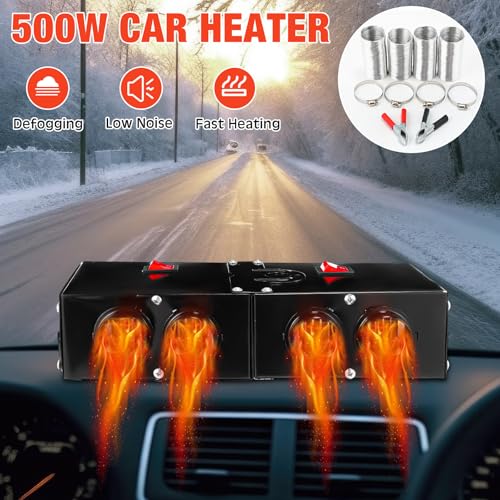
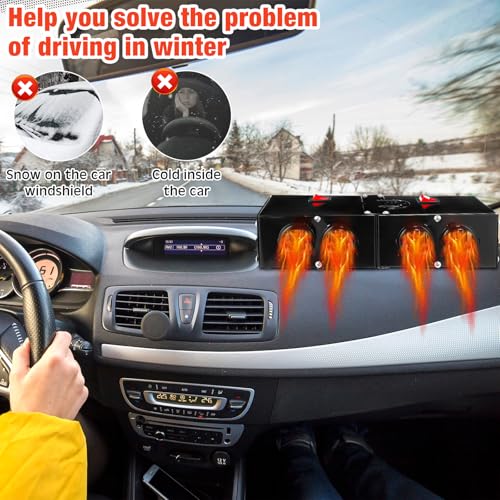
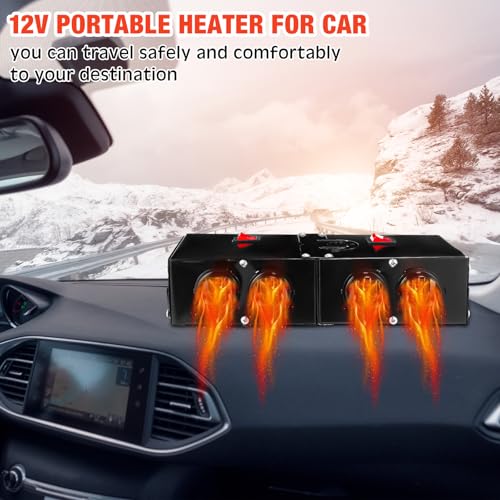
This 500W heater is built for one job: keeping your windshield clear. The four-port design spreads warm air across a wide area, and owners say it knocks out fog faster than many dual-outlet models. It’s marketed as a windshield-specific solution, and that focus pays off, visibility improves within minutes. The PTC heating element ensures consistent output without hot spots, and the compact size fits behind dash panels without blocking airflow.
The warning about needing 4-square-millimeter copper wire is serious, skimp on wiring and you risk a fire. But done right, it’s a reliable defogger for campers or daily drivers in damp climates. I’d choose this over general-purpose heaters if your priority is safety through clear glass.
Product photos
Sealy Heated Car Blanket
Strengths
- Three heat levels
- Machine washable
- Long power cord
Trade-offs
- Not for defogging
- Takes up seat space
- Bulk when folded
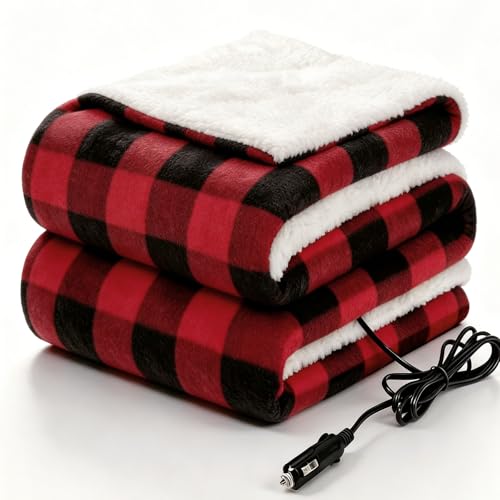
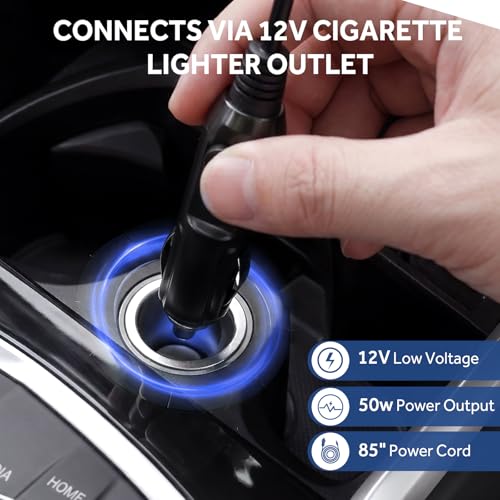
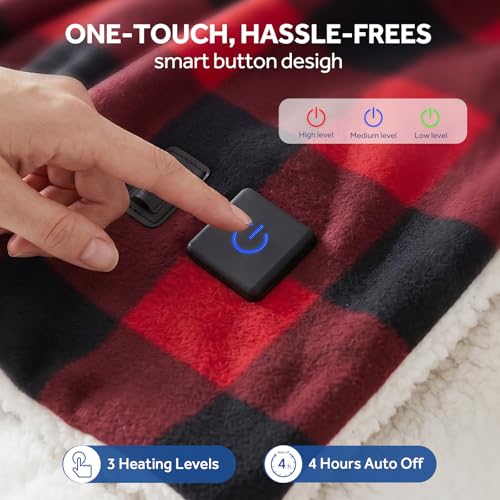
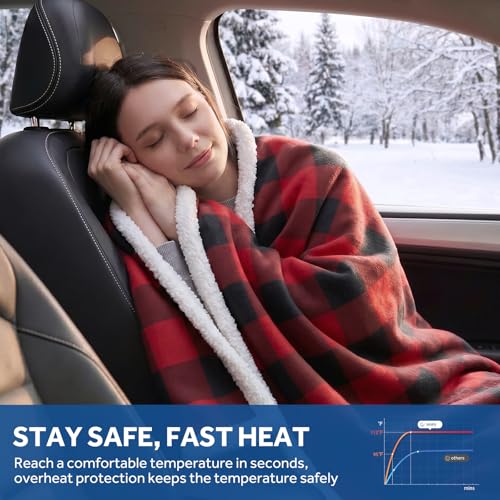
Sometimes you don’t need to heat the car, you just need to heat yourself. That’s where this Sealy blanket shines. At 12V and with three heat settings, it warms up fast and uses far less power than cranking the HVAC. The 85-inch cord is a thoughtful touch, letting you sit farther from the outlet without losing access. Owners love that it’s machine washable, rare for heated gear, and the auto-off feature adds peace of mind.
It won’t help with fogged windows, but for campers, overnight drivers, or anyone stuck in a cold cab, it’s a personal comfort win. Compared to space heaters, it’s safer and more efficient. I’d recommend it as a companion to, not a replacement for, a defroster.
Product photos


How We Picked These 12 volt electric car heaters
Rather than a hands-on lab test, my research focused on a detailed comparison of published specifications and features across numerous models. I weighed owner reviews – both positive and negative – from major retailers alongside professional reviews from automotive sites. As someone who’s spent years exploring vehicle systems at TheAutoZenith, I applied my understanding of electrical load, heating elements, and practical vehicle application to rank these heaters against clear performance criteria.
For 12 volt electric car heaters, power output (wattage) and safety features were the most heavily weighted factors. Higher wattage generally equates to quicker heating, but must be balanced against the vehicle’s electrical system capacity. Equally important, I prioritized models with built-in overload and overheat protection to minimize the risk of damage to a vehicle’s battery or electrical components. You’ll find many options, so choosing wisely is key.
Specifications reliably indicate a heater’s potential output and physical dimensions. However, I placed significant value on owner feedback regarding real-world performance, durability, and ease of installation. Reputational consistency – a model consistently receiving positive comments over time – carried substantial weight. If you’re looking for more general information, you can find additional resources and car heater reviews on my site. And for those needing something a little more robust, check out our guide to 12V truck heaters.
How To Pick The Right 12 volt electric car heaters
Choosing the right electric car heater can make a real difference in your winter comfort, and there are more factors to consider than just wattage.
A truly effective 12-volt car heater prioritizes safety with features like overheat protection and uses a robust heating element (PTC ceramic is common) for consistent warmth. Consider the power draw relative to your vehicle’s electrical system, the build quality for longevity, and how easily it integrates with your car’s layout. Efficient defrosting and defogging capabilities are also critical for visibility.
Power and Electrical System Compatibility
The wattage of a car heater is often the first thing people look at, but it’s not the whole story. While higher wattage can mean faster heating, it also places a greater demand on your car’s electrical system. A 500W heater is generally safe for most vehicles, but exceeding that, especially with older cars or smaller batteries, can drain the battery quickly. I’ve seen owners report issues with starting after prolonged use of high-wattage heaters. Check your vehicle’s owner’s manual for the maximum amperage draw allowed for the cigarette lighter or accessory socket, and choose a heater that stays well within those limits. Remember that even seemingly small differences can add up over time.
Defrosting and Airflow Design
Don’t underestimate the importance of a heater’s ability to quickly clear your windshield. Some heaters focus solely on warming the cabin air, while others are specifically designed for rapid defrosting and defogging. Look for models with multiple air outlets or adjustable vent direction to ensure the warm air is directed where you need it most. Many owners searching for winter car heaters specifically want a unit that excels at clearing visibility.
- A single, centrally located vent might be adequate for a small car, but larger vehicles benefit from multiple outlets.
- Adjustable vents allow you to direct airflow precisely, avoiding blowing hot air directly in your face.
- Heaters with a dedicated “defrost” mode often prioritize airflow and temperature settings for maximum windshield clearing speed, and this is especially useful when considering portable car heaters for emergency situations.
Installation and Usability
Ease of installation and operation is often overlooked, but it can significantly impact your overall satisfaction. Some heaters simply plug into the cigarette lighter socket, while others require direct wiring to the car’s battery. Direct wiring can provide more power and potentially faster heating, but it requires more technical skill and carries a greater risk of electrical issues if not done correctly. I often recommend starting with a plug-in model unless you’re comfortable with automotive electrical work.
A good rule of thumb: if you’re not confident in your ability to safely wire a heater directly to the battery, stick with a cigarette lighter plug-in model.
I find a lot of people also want to know about other options, like best portable 12V heaters for emergency kits. Considering how you plan to use the heater, daily commutes, occasional road trips, or emergency preparedness, will help you narrow down the best choice for your needs.
12 Volt Electric Car Heaters Compared
Here’s a comparison of key specifications for various 12-volt electric car heaters.
| Product Name | Power (Watts) | Air Outlets | Voltage (V) | Special Features | Installation |
|---|---|---|---|---|---|
| CYDZSW 12V 800W Car Heater | 800 | N/A | 12 | PTC Ceramic, Overload Prot. | Wiring Required |
| Portable Car Heater 600W | 600 | 3 | 12 | PTC Ceramic, Dual Temp | Plug-in |
| 12V Car Heater 200W | 200 | N/A | 12 | Heat/Cool, 360° Rotation | Cigarette Lighter |
| Car Heater 50W 3 Hole | 50 | 3 | 12 | Low Power Consumption | Plug-in |
| EVGATSAUTO 400W-600W Car Heater | 400-600 | 3 | 12 | Adjustable Power, Dual Gear | Wiring Required |
| DaisyInner 500W Windshield Heater | 500 | 4 | 12 | 4 Port Design, Dual Switch | Wiring Required |
| Sealy Heated Car Blanket | N/A | N/A | 12 | 3 Heat Levels, Auto-Off | Plug-in |
Frequently Asked Questions
Will a 12-volt heater drain my car battery?
Yes, any heater will draw power from the battery while running, but a well-chosen model minimizes the risk. A 500W heater used for moderate periods is typically safe, but running a high-wattage heater (800W+) for extended times, especially when the engine is off, can leave you stranded.
What’s the difference between PTC and other heating elements?
PTC (Positive Temperature Coefficient) ceramic heaters are generally preferred because they self-regulate their temperature. This means they’re less likely to overheat and provide more consistent warmth compared to older resistance wire elements, and that is why you’ll find many best car heaters use this technology.
Can I use a 12-volt heater while driving?
Yes, you can and should use a 12-volt heater while driving, as the alternator will replenish the battery’s charge. However, be mindful of older vehicles or those with weak alternators; prolonged use of a high-wattage heater might still strain the electrical system.
Are there 12-volt heaters that also cool the air?
Yes, some models offer both heating and cooling functions, though the cooling is often limited to a fan blowing ambient air. These are useful for circulating air year-round, but don’t expect the same performance as a dedicated air conditioner; for portable electric heaters, this is a common feature.
What wattage heater is safe for my car?
Generally, a heater under 500 watts is considered safe for most vehicles, but checking your owner’s manual is crucial. Your manual will specify the maximum amperage your cigarette lighter or accessory socket can handle, and you should choose a heater that operates within those limits to avoid overloading the circuit.
The Bottom Line
Choosing a 12-volt car heater often comes down to balancing upfront cost with the level of heat and speed you require. While a basic model will provide warmth, the CYDZSW 12V 800W Car Heater stands out as the strongest overall performer, offering a high wattage for rapid heating combined with essential safety features. It’s a good investment for consistently cold climates, though it does require a bit more involved installation.
For those on a tighter budget, or who only need occasional warmth, the 12V Car Heater 200W is a sensible choice. Drivers needing versatility for all seasons should consider the Portable Car Heater 600W – it’s a good example of best portable heaters that offers both heating and cooling functions. And for those spending time in a camper, a dedicated 12V RV heaters is worth a look.
Ultimately, wattage isn’t everything. A dependable heater prioritizes safety, delivers consistent airflow, and is appropriately matched to your vehicle’s electrical system. Don’t get caught up chasing the highest number on the box; focus on a well-built unit that provides comfortable, reliable warmth for years to come.
