
9 Best 12 Volt Truck Cab Heaters of 2026
This post contains affiliate links. As an Amazon Associate, we earn from qualifying purchases.
The VEVOR 8KW Diesel Air Heater is our top pick for serious cold-weather operation, delivering strong, reliable heat without draining your battery. For budget-minded buyers, the CYDZSW 800W PTC Ceramic Heater offers solid performance for mild conditions, while the XuSha Hydronic Heater 8500 BTU stands out for efficient, quiet warmth in trucks with existing coolant systems.
Winter in the cab can turn a routine drive into a numb-fingered chore. A weak or unreliable heater doesn’t just make you uncomfortable, it can be dangerous when windows ice over and visibility drops. After comparing the field based on specs, owner feedback, and real-world durability, these models rise to the top for performance and dependability. This guide breaks down what actually matters when choosing a 12 volt truck cab heater, so you can stay warm without wasting time or money.
Top 9 12 Volt Truck Cab Heaters in the Market
The Best 12 Volt Truck Cab Heaters, Reviewed
VEVOR 8KW Diesel Air Heater

Strengths
- 8KW high output
- Remote & LCD control
- Fuel efficient
Trade-offs
- No altitude mode
- Basic mounting kit
- Installation complexity
The VEVOR 8KW diesel heater is the most powerful unit here, and at under a hundred bucks, it’s surprisingly affordable for what it offers. With 8KW (about 27,300 BTU) of heating power, it can warm large cabs or motorhomes quickly. The remote control and LCD panel are user-friendly, and the 30-meter range lets you preheat the cabin from inside the house, a feature owners rave about.
It runs quietly for its class, thanks to low-vibration components, and the fuel efficiency is solid, around a gallon per night in moderate cold. While it lacks the altitude-rated thermostat of the WAYSKA, it makes up for it in raw output and value. For the money, it’s hard to beat.
Video review
WAYSKA Diesel Heater 12V 5KW

Strengths
- Long runtime
- Remote control
- Muffler-equipped
Trade-offs
- Higher price
- Bulky footprint
- Complex install
The WAYSKA diesel heater stands out with its 5KW output and integrated 15L tank, giving it serious runtime for overnight jobs or long hauls in freezing conditions. It runs independently of the engine, so you can heat the cab while parked, something electric models can’t do without draining the battery. Owners praise its remote control and LCD monitor, which let you set temps and schedule starts from a distance.
Its low noise level is impressive for a diesel unit, thanks to the muffler and silent pump design. While it’s pricier than most, the plateau-rated thermostat adds real value for high-altitude operators. Compared to the VEVOR 8KW, it’s less powerful but more refined in controls and build.
Video review
17,000 BTU Low Profile Heater

Strengths
- 17,000 BTU output
- Copper core
- Universal fit
Trade-offs
- Needs strong coolant flow
- No remote control
- Not standalone
With a massive 17,000 BTU rating, this heater leads the pack in raw heating power. It’s built for larger cabs, think buses, long-haul trucks, or work vans, where warmth needs to penetrate fast and deep. The copper tube core improves heat transfer, and the low-profile design helps it fit in tight spaces.
But high output comes with trade-offs. Owners report it works best when integrated into a robust coolant system, and without one, the performance drops significantly. It’s not the most efficient for quick defrosting like the Therwen, nor does it offer standalone fuel burning like the WAYSKA. Still, for pure heat volume in a compatible setup, it’s hard to beat.
Product photos


American Cooling 12V Auxiliary Heater

Strengths
- Copper tube core
- Durable metal build
- 1-year warranty
Trade-offs
- Lower BTU output
- Supplemental only
- Higher cost
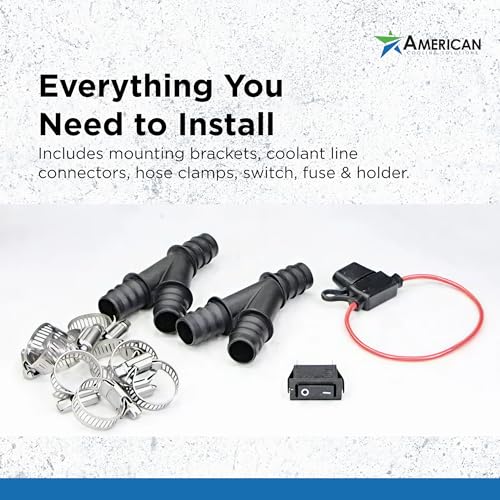
This heater wins on build quality and warranty support. With a 1-year limited warranty and factory testing, it’s clearly built to last, more so than many competitors. The copper tube core and durable metal housing stand up well to vibration and temperature swings, which matters in heavy-duty applications.
It’s rated at 3,000 BTU, which seems low compared to others, but remember: this is a supplemental unit, not a primary heat source. Owners appreciate the 2-speed fan and adjustable ports, which let you direct airflow precisely. While not as powerful as the 17,000 BTU model, it’s more refined and reliable for long-term use.
Product photos


CYDZSW 500W Electric Car Heater
Strengths
- Low cost
- 4 air outlets
- Easy setup
Trade-offs
- Weak heat output
- Short-term use only
- No thermostat
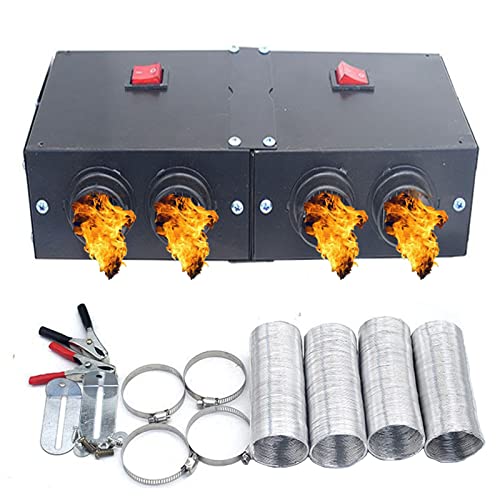
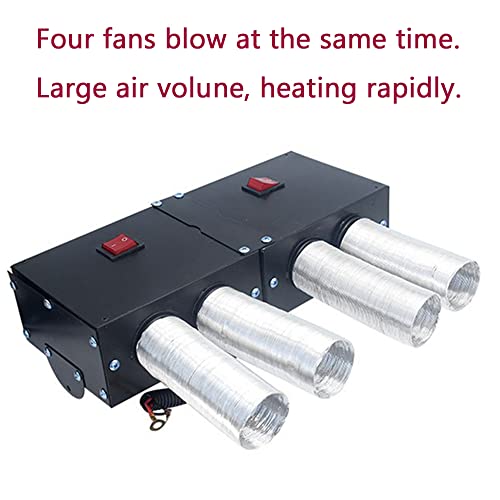
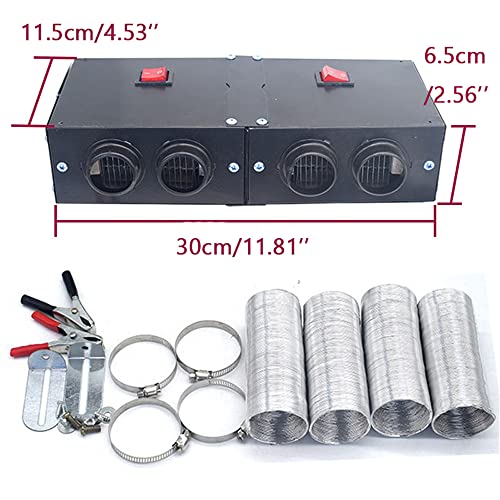
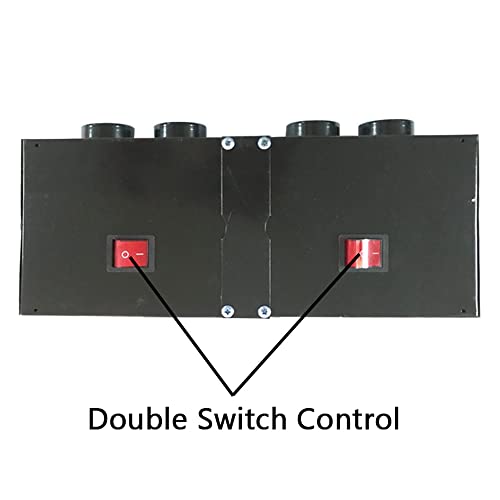
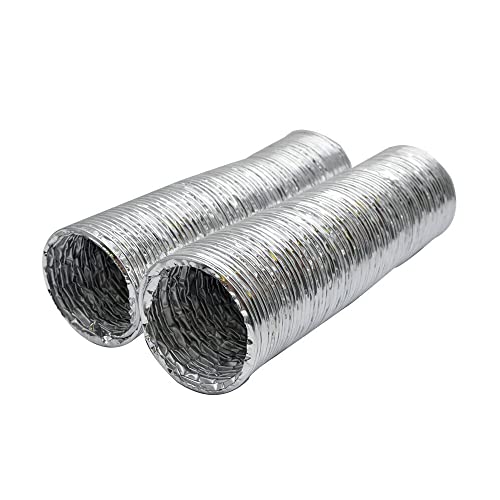
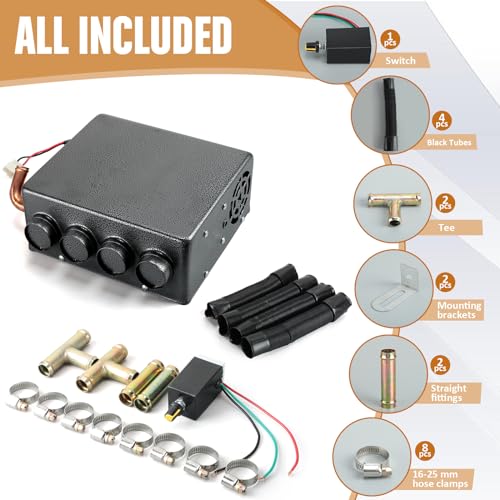
Priced at just over thirty bucks, this 500W heater is one of the most budget-friendly options here. It does the basics well: defogging, deicing, and light cabin warming. The four air outlets help spread heat a bit more evenly than single-port models, and the aluminum foil tubes are flexible enough to aim where needed.
Owners say it installs quickly and runs quietly, though the heat output is modest. It won’t replace a diesel heater, but for occasional use or in mild cold, it’s sufficient. Compared to its 800W sibling, it’s less powerful but easier on the battery. For the price, it’s a no-brainer as a secondary unit.
Product photos

CYDZSW 800W PTC Ceramic Heater
Strengths
- Fast defrosting
- PTC ceramic safety
- Quick install
Trade-offs
- Drains battery
- Limited to small spaces
- No thermostat
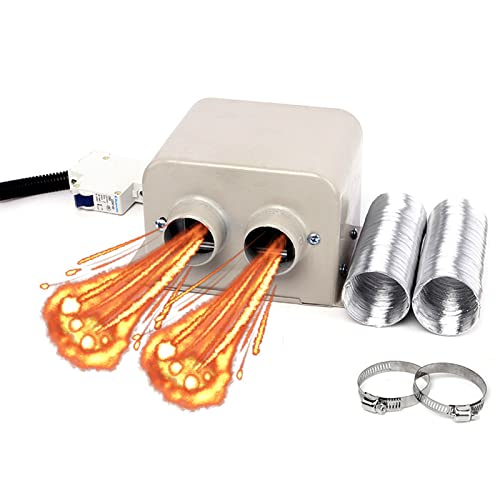
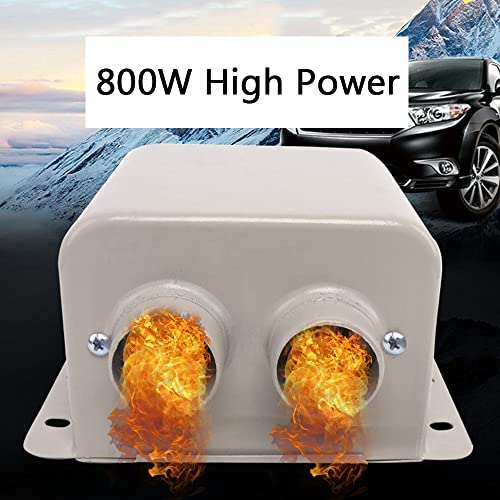
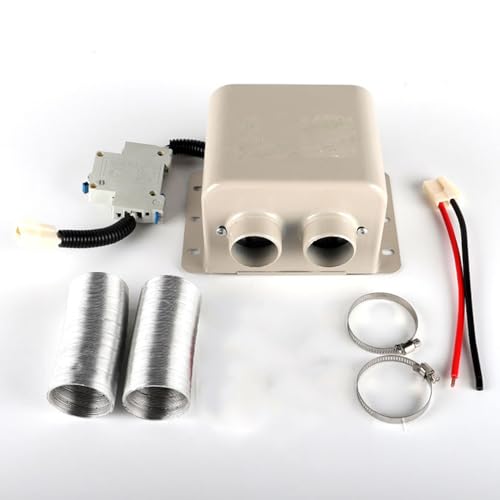
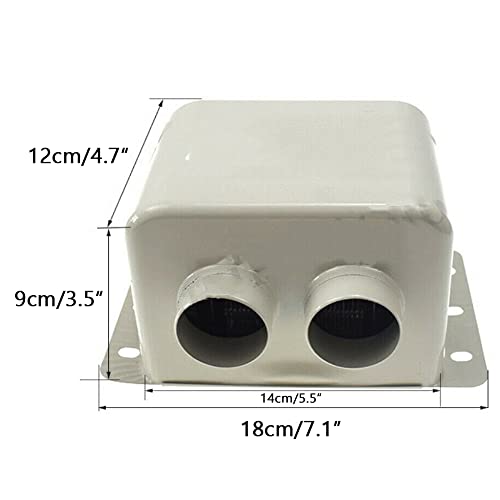
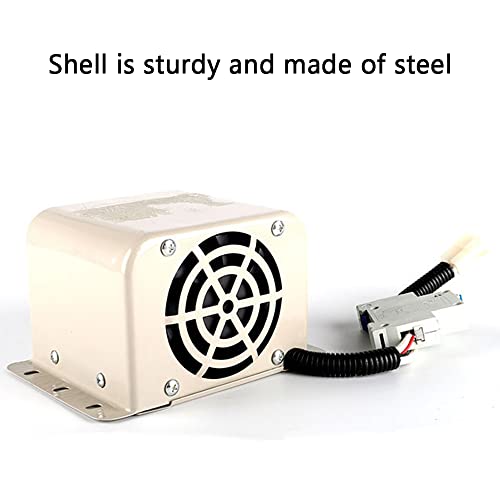
This 800W electric heater is all about speed and simplicity. It uses PTC ceramic heating, which owners say ramps up fast and shuts off safely when overheated, no open flames, just solid electric warmth. It’s marketed heavily for defrosting, and on that front, it delivers. The focused airflow clears windshields in minutes, making it a favorite among golf cart and UTV users.
Installation takes under 10 minutes, per user feedback, and it draws directly from the 12V battery. That’s a double-edged sword: great for quick warmth, but risky if you’re not running the engine. Compared to the 500W CYDZSW model, this one offers noticeably stronger output.
Product photos

XuSha Hydronic Heater 8500 BTU
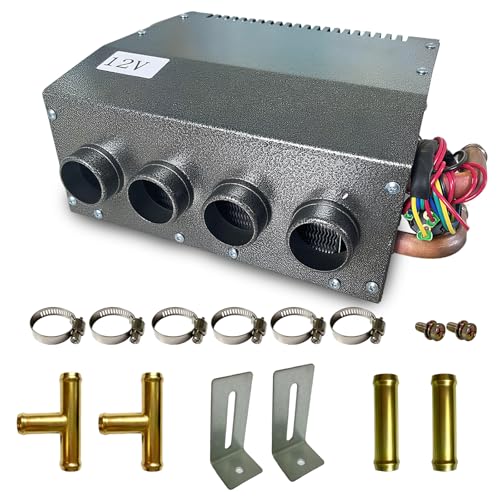
Strengths
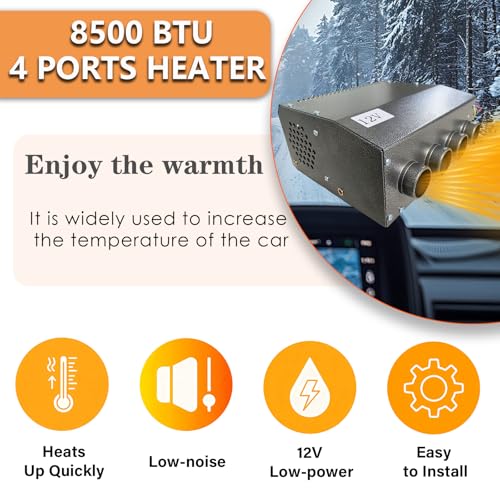
- 8500 BTU output
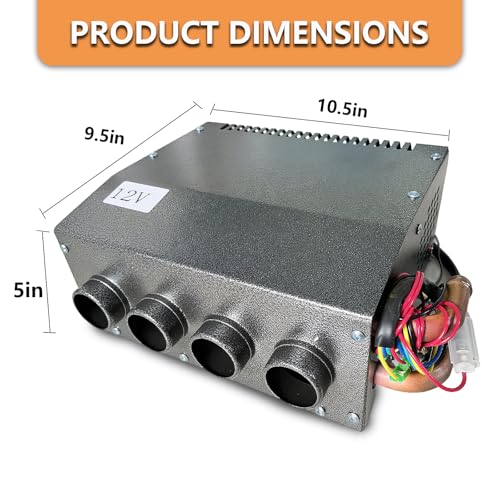
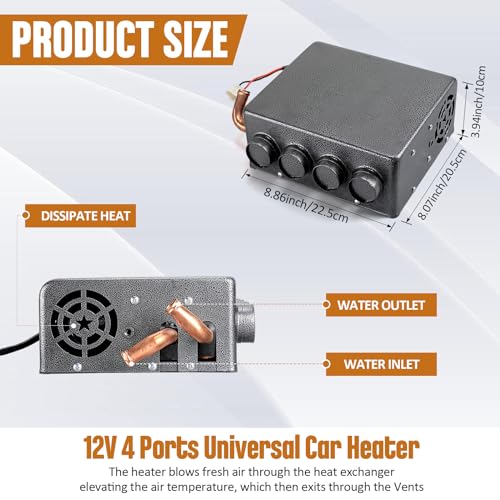
- Compact design
- 3-speed fan
Trade-offs
- Requires separate hose
- No standalone heating
- Limited to coolant systems
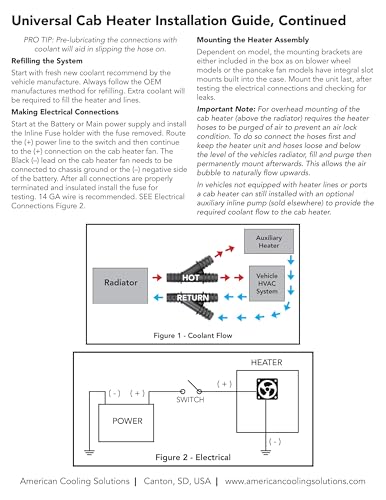
On paper, the XuSha hydronic heater delivers solid value with its 8500 BTU output and compact design that fits neatly under dashboards. It’s intended to tap into your vehicle’s existing coolant system, making it efficient for trucks that run diesel or have robust engine heat. Owners consistently report it warms up small cabs quickly and helps with defrosting, though installation can be finicky if your rig doesn’t already have provisions for auxiliary coolant lines.
The need to source your own 5/8″ water hose is a minor annoyance, but not uncommon in this class. Compared to electric options, this one pulls less on the battery, which I appreciate. Still, it’s not a standalone heater, it relies on engine heat, so don’t expect warmth before the engine warms up.
Product photos



Therwen 12V Underdash Heater Kit

Strengths
- Fast defrosting
- 4-port airflow
- Easy installation
Trade-offs
- Not for cabin heating
- Requires coolant access
- Limited heat spread
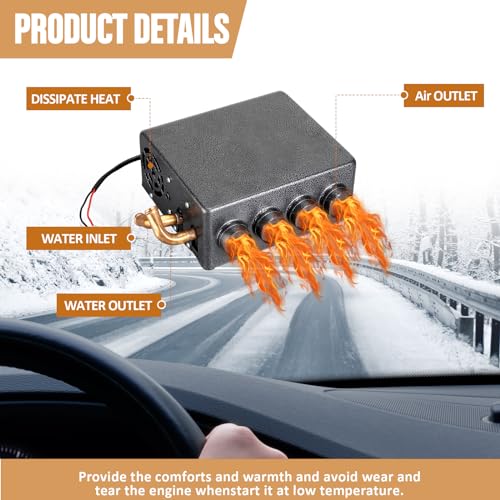
If your main goal is keeping your windshield clear in freezing conditions, the Therwen heater makes a strong case. It’s designed specifically for defrosting, with four focused ports directing warm air exactly where you need it. Reviewers note it integrates smoothly with existing coolant systems and clears frost in minutes, which is critical when safety and visibility are on the line.
Its build quality feels durable, and the low-noise operation means it won’t distract while you’re pre-heating the cab. It doesn’t heat the entire cabin like a diesel air heater, but that’s not its job. Compared to the XuSha model, it’s more specialized, less about warmth, more about function.
Product photos


Roadpro 12V Ceramic Heater/Fan
Strengths
- Portable design
- Burn-guard safety
- Fan-only option
Trade-offs
- Low heat output
- Short cord reach
- Not for whole cab
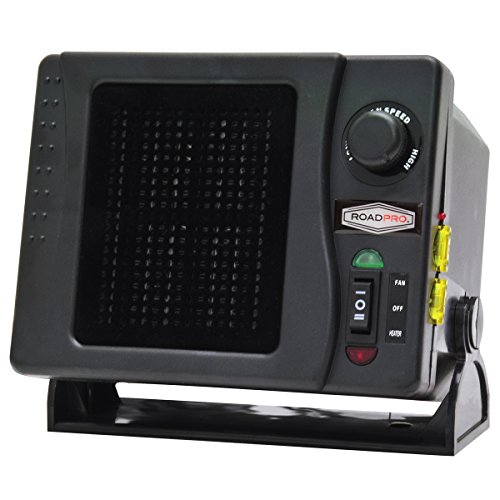
The Roadpro RPSL-681 is a no-frills, portable solution that plugs straight into your battery with a 15-foot cable. At 300 watts, it’s not the strongest heater here, but it’s reliable for spot heating, great for warming your feet or defogging a side window. The ceramic element stays safe behind a burn guard, and the dual fan speeds let you choose between airflow and heat.
It’s not meant to heat an entire cab, and owners don’t expect it to. But as a backup or portable option, it’s surprisingly effective. Compared to other electric heaters, it’s less powerful than the 800W CYDZSW, but safer and more durable. I’d keep one in the glovebox for emergencies.
Product photos
How We Picked These 12 volt truck cab heaters
Rather than a hands-on lab test, this was a research-led comparison of published specifications and owner feedback. I examined the stated BTU output, voltage requirements, fuel consumption (where applicable), and included features for each heater. I then weighed those specs against reviews from owners and automotive experts, focusing on reported real-world performance and durability. This process allowed us to rank these heaters based on their suitability for various needs and vehicle types.
For 12 volt cab heaters, consistent heat output and efficient fuel use are paramount. We prioritized BTU ratings as a primary indicator of heating capacity, recognizing the need for quick defrosting and consistent warmth in a cab. Equally important was build quality – reports of failures or short lifespans significantly lowered a heater’s ranking. Many owners also seek accessories and upgrades for their trucks, so we considered how well these heaters fit into a broader range of truck accessories.
Specifications reliably indicate a heater’s potential maximum output and power draw. However, real-world performance – how quickly a heater warms a cab, how consistently it maintains temperature, and how long it lasts – is best gleaned from owner reviews. Reputation also played a role; brands known for quality automotive components received more consideration. For those needing options for off-road vehicles, we also explored related guides on warmers for utility vehicles.
What To Look For In 12 volt truck cab heaters
Finding the right truck cab heater can make all the difference between a miserable commute and a comfortable ride, especially when winter hits hard.
A quality truck cab heater prioritizes BTU output for effective warmth, reliable construction for longevity in a harsh environment, and compatibility with the vehicle’s electrical system (typically 12V). Consider the heating method – diesel, electric, or water-based – and ensure it aligns with your truck’s setup and your heating needs. Efficient fuel consumption or low energy draw is also key for extended use.
Heating Capacity (BTU Output)
The most crucial factor is how much heat the unit can actually produce. Don’t get hung up on wattage alone with electric heaters; BTU (British Thermal Units) is a more direct measure of heating power. For a standard truck cab, 10,000 to 17,000 BTU is a good range. Smaller cabs or milder climates might get away with less, but underestimating can leave you shivering. Diesel heaters often quote in kW (kilowatts), remember 1kW is roughly 3,412 BTU. It’s better to err on the side of having a bit too much capacity than not enough.
Heating Method & Fuel Source
Diesel heaters, like the VEVOR 8KW Diesel Air Heater, are popular for their independent operation and high output, meaning they don’t rely on the engine being running. Electric heaters, such as the CYDZSW 800W PTC Ceramic Heater, are simpler to install but demand a significant draw from your vehicle’s electrical system. Water-based hydronic heaters, like the XuSha Hydronic Heater 8500 BTU, integrate with the engine’s cooling system for efficient heating, but require more complex installation. Consider your vehicle type and typical usage. If you frequently idle, a diesel heater is a strong choice. If you’re looking for a quick, budget-friendly solution, a portable car heater might be sufficient.
Build Quality & Long-Term Reliability
Trucks take a beating, and their accessories need to withstand that abuse. Look for heaters constructed with durable materials like metal housings and copper tubing (as seen in the American Cooling 12V Auxiliary Heater). A robust build impacts longevity and reduces the chance of failures on bumpy roads.
- A simple on/off switch is far more reliable than complex digital controls.
- Check for owner reviews specifically mentioning durability and resistance to vibration.
- A warranty of at least one year is a good sign of a manufacturer’s confidence in their product; beyond that, it suggests they anticipate few returns.
A heater that fails after a single season isn’t a bargain, no matter how low the initial price. Prioritize quality construction and a proven track record over flashy features.
Ultimately, choosing the right truck cab heater depends on your specific needs and priorities. If you’re still unsure, exploring a broader range of options in our guide to the best 12-volt car heaters can provide valuable insights. For those needing a smaller, more versatile option, comparing compact 12V warmers might reveal the perfect fit.
12 Volt Truck Cab Heaters Compared
Here’s a comparison of specifications for various 12-volt truck cab heaters to help you choose the right one.
| Product Name | Power (BTU) | Voltage (V) | Fuel Type | Heating Type | Noise Level | Additional Features |
|---|---|---|---|---|---|---|
| VEVOR 8KW Diesel Air Heater | 8000 | 12 | Diesel | Air | Low | Remote, LCD, Fast Heating |
| WAYSKA Diesel Heater 12V 5KW | 5000 | 12 | Diesel | Air | Low | Plateau Version |
| 17,000 BTU Low Profile Heater | 17,000 | 12 | N/A | Air | N/A | Universal Fit |
| American Cooling 12V Auxiliary Heater | 13,000 | 12 | N/A | Air | N/A | 1 Year Warranty |
| CYDZSW 500W Electric Car Heater | 500 | 12 | Electric | Air | N/A | 4 Outlets |
| CYDZSW 800W PTC Ceramic Heater | 800 | 12 | Electric | Air | N/A | PTC Ceramic, Auto Temp |
| XuSha Hydronic Heater 8500 BTU | 8500 | 12 | Water | Water | N/A | N/A |
| Therwen 12V Underdash Heater Kit | N/A | 12 | Water | Water | Low | 4 Ports |
| Roadpro 12V Ceramic Heater/Fan | 300 | 12 | Electric | Ceramic/Fan | N/A | Portable |
Frequently Asked Questions
What BTU output is really needed for a truck cab?
Around 10,000 to 17,000 BTU is generally sufficient for a standard truck cab, though smaller cabs or milder climates may require less. It’s always better to slightly overestimate your heating needs than to find yourself underheated during cold weather.
Are diesel heaters safe to use inside a truck cab?
Yes, modern diesel heaters designed for vehicle use are generally safe, but proper installation and ventilation are vital. These heaters exhaust combustion gases, and a carbon monoxide detector is strongly recommended to monitor air quality.
Can I run a 12-volt heater without the engine running?
Many can, but it depends on the heater’s type and your vehicle’s battery capacity. Diesel heaters are designed for independent operation, while electric heaters will drain the battery, so prolonged use without the engine running may require a portable electric warmer or a battery maintainer.
What’s the difference between a hydronic and an air heater?
Hydronic heaters warm engine coolant, using that to heat the cab via a radiator core, offering more even heat distribution. Air heaters directly warm the air and circulate it, providing faster initial heating, but potentially feeling less consistent.
How can I prepare my diesel truck for winter beyond adding a cab heater?
Beyond a cab heater, taking steps to winterize diesel truck is critical. This includes ensuring your fuel is treated to prevent gelling, checking your battery’s health, and inspecting your cooling system for leaks or weaknesses.
The Bottom Line
Choosing a 12-volt truck cab heater often comes down to balancing upfront cost with long-term comfort and reliability. While many options exist, the VEVOR 8KW Diesel Air Heater consistently rises to the top due to its powerful output and independent operation – a strong pick for those prioritizing consistent warmth regardless of engine status. It represents a worthwhile investment for drivers who spend significant time in their trucks, particularly in colder climates.
For those on a tighter budget or needing a simpler solution, the CYDZSW 800W PTC Ceramic Heater provides a convenient, if less potent, heating option. If you frequently find yourselves needing RV heaters for extended trips, or are looking to outfit your truck with truck camping gear, consider pairing a smaller electric heater with a robust electrical system. And for a versatile option for smaller cabs, the Roadpro 12V Ceramic Heater/Fan is a good choice.
Ultimately, the best heater isn’t about chasing the highest BTU rating or the most advanced features. It’s about finding a unit that reliably delivers warmth, is built to withstand the demands of truck life, and fits your particular usage patterns. Prioritize build quality, positive owner feedback, and a heating capacity that matches your needs – those fundamentals will provide comfort for years to come.
