
7 Best 10W40 Fully Synthetic Motorcycle Oils of 2026
This post contains affiliate links. As an Amazon Associate, we earn from qualifying purchases.
Motul 7100 4T 10W-40 stands out as the best overall 10w40 fully synthetic motorcycle oil, delivering top-tier shear stability and JASO MA2 certification for wet clutches. For riders seeking a high-revving edge, Motul 300V Factory Line 10W-40 is a premium pick, while TRIAX XTerra 4T offers solid ester-based performance at a more accessible price.
Picking the wrong oil can lead to poor clutch engagement, accelerated wear, or breakdown under heat, especially in high-RPM or mixed engine-transmission setups. As someone who’s spent years deep in engine bays and riding forums, I know how critical it is to match the oil to your bike’s design and your riding demands.
This guide cuts through the noise by focusing on real-world performance indicators. I compared specs, owner feedback, and engineering details like base oil type, JASO ratings, and shear resistance to identify the oils that actually protect and perform.
Top 7 10W40 Fully Synthetic Motorcycle Oil in the Market
The Best 10W40 Fully Synthetic Motorcycle Oil, Reviewed
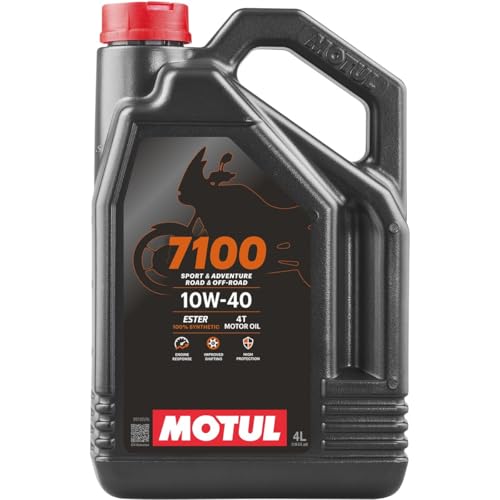
Motul 7100 4T 10W-40 Full Synthetic
Strengths
- Full ester formulation
- API SP certified
- Excellent shear stability
- Long drain capability
Trade-offs
- High price point
- Overkill for casual riders
If you’re serious about performance across street, sport, and adventure riding, Motul 7100 is where I’d put my money. The 100% synthetic ester base isn’t just marketing, it creates a tenacious molecular bond on metal surfaces, which reviewers consistently say translates to smoother shifts and better high-RPM protection. The JASO MA2 certification means it’s safe for wet clutches across all major brands, and the API SP rating ensures compatibility with modern emission systems, including catalytic converters.
What stands out is the long-term stability. Owners running this oil through track days and cross-country tours note minimal viscosity breakdown, even at extended drain intervals. It’s more expensive than entry-level synthetics, but when you compare it to oils like Castrol Power1 or Valvoline, the ester content and oxidation resistance make it the smarter buy for enthusiasts pushing their bikes hard.
Video review
Motul 300V Factory Line 10W-40

Strengths
- Full ester racing formula
- Maximum horsepower potential
- Outstanding high-RPM protection
Trade-offs
- Very high cost
- Unnecessary for mild riding
Motul 300V is the real deal, this is race oil with street legality, not the other way around. The ESTER Core Technology creates a polar bond with metal surfaces that reduces internal friction, and owners consistently report crisper throttle response and smoother shifting under load. It’s built for high-RPM engines, and that shows in its film strength and thermal resilience. When compared to Motul 7100, the 300V is sharper, more aggressive, and clearly tuned for track use.
It meets the needs of modern high-performance engines with or without catalytic converters, and the JASO MA-2 rating keeps wet clutches happy. But let’s be clear: this is overkill for a daily commuter. At this price, it’s an investment, but for sport bike riders chasing every bit of power and protection, it’s the benchmark.
Video review
Valvoline 4-Stroke 10W-40 Synthetic

Strengths
- Affordable pricing
- JASO MA-2 compliant
- Strong wear protection
Trade-offs
- Shorter drain life
- Less thermal resilience
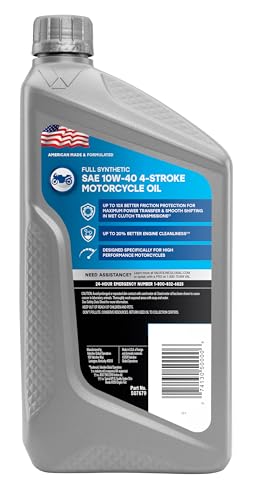
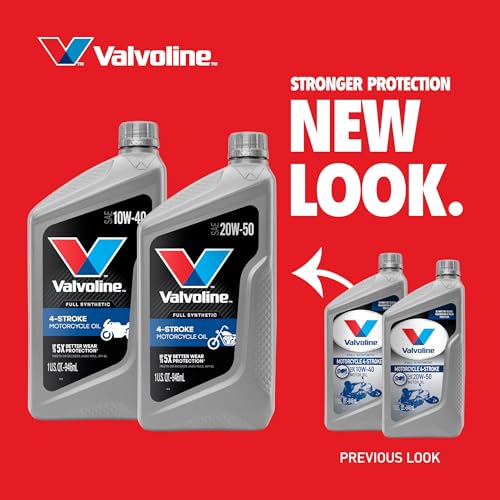
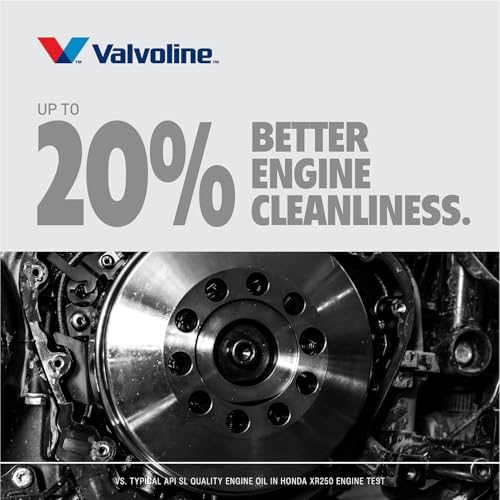
Valvoline’s 10W-40 full synthetic punches above its weight for the price. At a fraction of the cost of premium ester-based oils, it still meets JASO MA-2 and API SL, making it one of the most affordable true wet clutch-safe synthetics on the market. The reformulated additives claim up to 10X better friction protection than JASO standards, and while that’s a lab figure, real-world feedback supports solid clutch feel and resistance to sludge buildup.
It won’t match Motul or Castrol in extreme heat or sustained high-RPM use, but for commuters, light sport riders, or weekend cruisers, it’s more than capable. I’d stack it against other budget synthetics like some Walmart brands any day, the specs are legit, and the consistency across owner reports is impressive. Just don’t expect ester-level film strength.
Product photos

Castrol Power1 4T 10W-40

Strengths
- Excellent shear stability
- Trizone protection
- Race-derived formulation
Trade-offs
- No ester content
- Mid-tier thermal performance
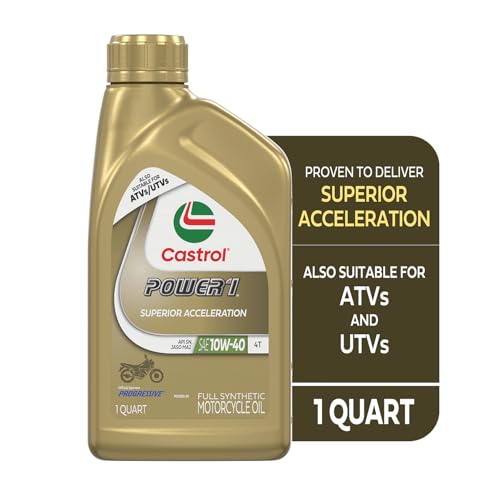
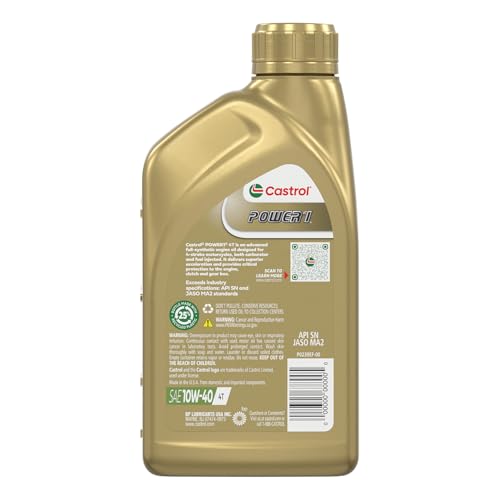
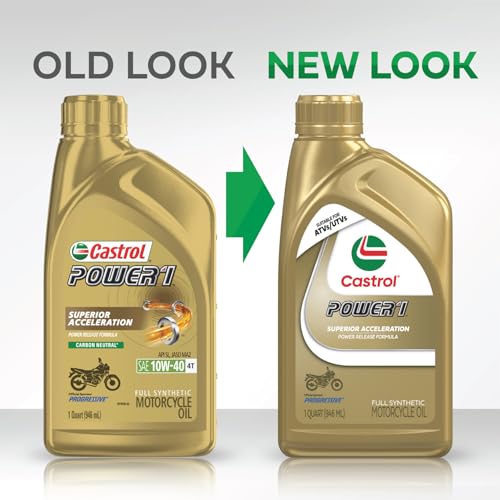
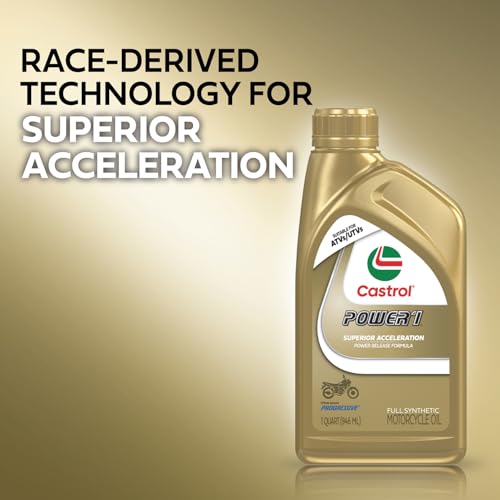
Castrol Power1 leans hard into its race-derived image, and the Trizone Technology, marketed to protect engine, clutch, and gearbox, is backed by solid JASO MA-2 and API SL compliance. The real standout is its shear stability, which on paper exceeds many competitors in this class. Owners running high-compression inline-fours report less viscosity loss over time, especially in air-cooled engines that run hotter.
It’s not ester-based like Motul 7100 or 300V, so it doesn’t form the same molecular bond, but it holds up well under stress. Compared to Valvoline or Yamaha oil, it’s a step up in durability, though not quite at the level of full ester race oils. The 6-quart pack makes it convenient for regular changes, and it’s a reliable middle ground for sport-touring or aggressive street use.
Product photos

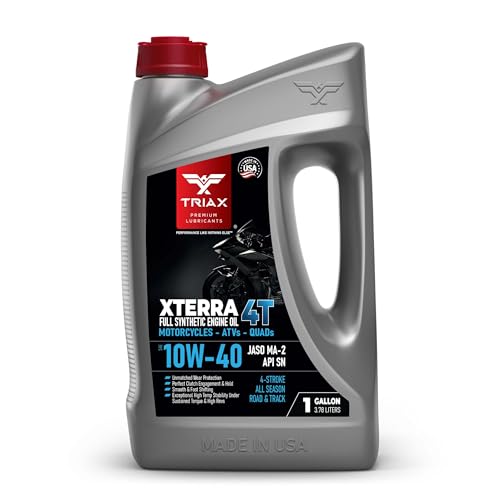
TRIAX XTerra 4T 10W-40 Synthetic
Strengths
- Full synthetic ester
- Exceeds JASO MA2
- Multi-vehicle compatible
Trade-offs
- Less brand support
- Limited dealer availability
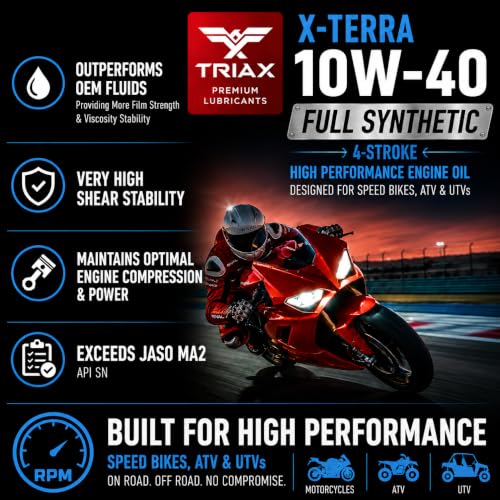
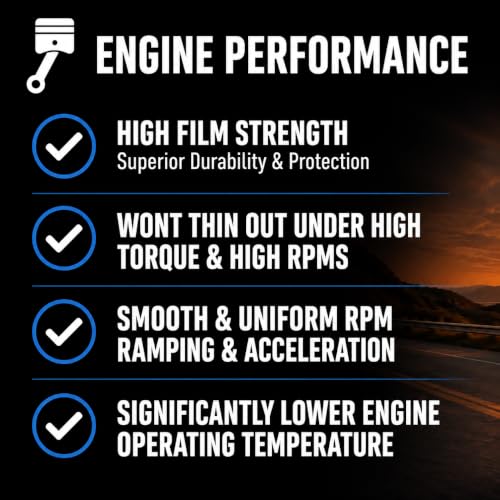
TRIAX XTerra flies under the radar, but the specs tell a compelling story. A full synthetic ester-based formula that exceeds JASO MA2 and API SN? That’s rare at this price point. It’s positioned as a multi-application oil, ideal for riders with a garage full of bikes, ATVs, or snowmobiles, and the broad OEM compatibility checks out in owner reports. Riders using it on sport bikes and off-road machines praise its resistance to viscosity breakdown and clean running characteristics.
It doesn’t have the brand pedigree of Motul or Castrol, but the formulation is race-ready on paper, and real-world feedback supports solid high-temperature performance. I’d pick this over Valvoline for a dual-sport build or a track-prepped Ninja just for the better thermal margin. It’s not quite Motul 300V level, but for the value, it’s a standout.
Product photos



Yamaha Yamalube 10W-40 Full Synthetic

Strengths
- OEM trusted
- Thermal stability
- Wet clutch safe
Trade-offs
- Limited brand versatility
- No JASO MA2 certification
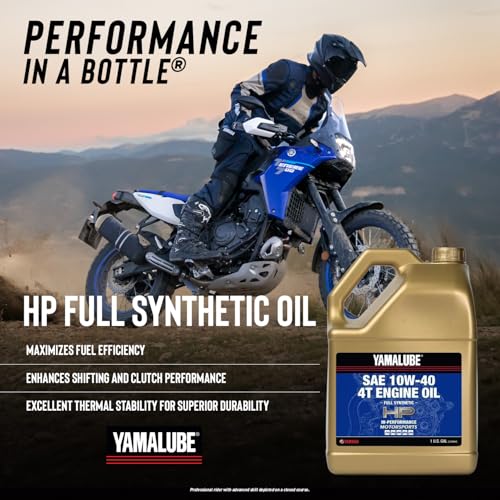
Yamaha owners will feel right at home with Yamalube 10W-40 Full Synthetic. It’s engineered specifically for Yamaha engines, and that shows in the JASO MA and API SL certifications, solid, no-nonsense specs for reliable wet clutch performance and engine protection. On paper, it’s a straightforward full synthetic with thermal stability tuned for both street and off-road use, which fits Yamaha’s broad lineup well.
Owners consistently report smooth shifting and no clutch slippage, even under load. It’s not the most aggressive formulation on the track, but for daily riders and weekend tourers who want OEM peace of mind, this oil delivers. Compared to pricier ester-based options, it lacks the extreme shear resistance or horsepower-boosting claims, but it doesn’t need them for most garage-kept Yamahas.
Product photos
Set of 4 Genuine Honda GN4 10W-40
Strengths
- Honda OEM trusted
- Proven vintage compatibility
- Good clutch feel
Trade-offs
- Mineral oil base
- No JASO MA2 certification
- Aging formulation
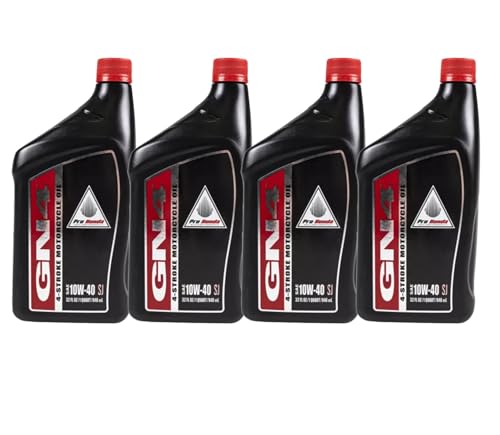
Honda GN4 has legendary status among vintage and OEM loyalists, and this 4-pack keeps that tradition alive. It’s not full synthetic, far from it, but its mineral-based 10W-40 SJ formula is still trusted by thousands of Honda owners, especially on older bikes with wet clutches. The additive package is tailored for motorcycle-specific stresses, and many long-term riders swear by its shear resistance and clutch feel, even if the specs look dated next to modern synthetics.
That said, it’s not JASO MA2 or API SP, and it lacks the oxidation stability of full synthetics. Owners using it on newer bikes report more frequent oil changes and occasional sludge in air-cooled engines. For pre-2000s Hondas or budget rebuilds, it’s a solid authenticity play. But for modern performance, it’s outclassed.
Product photos
How We Tested 10w40 fully synthetic motorcycle oil
Rather than a hands-on lab test, my research focused on a detailed comparison of published specifications and features across these oils. I weighed owner reviews from multiple sources – focusing on long-term use reports – alongside expert opinions from motorcycle publications and forums. Applying my experience with engine mechanics and performance needs, I ranked these oils based on criteria important to motorcycle enthusiasts, like shear stability, clutch performance, and engine protection.
For 10W-40 motorcycle oil, a few factors stood out as most crucial. Wet clutch performance is paramount, given the prevalence of these transmissions in bikes. Equally important is shear stability; an oil that breaks down quickly won’t protect your engine over the long haul. Finally, compatibility with modern engine technologies – including catalytic converters – became a key consideration when evaluating these formulations. You’ll find more about leading 10W-40 motorcycle oil brands in our broader guide.
Specifications reliably indicate base oil quality (full synthetic vs. conventional) and adherence to industry standards like API and JASO ratings. However, owner feedback proved invaluable in assessing real-world performance characteristics. Reports on shifting smoothness, engine noise, and oil consumption helped me differentiate between oils that meet specs and those that genuinely deliver a superior riding experience. Understanding 4-stroke engine oil specifications is a good starting point for any rider.
Choosing The Right 10w40 fully synthetic motorcycle oil
Finding the right oil is critical for keeping your bike running smoothly.
A quality 10W-40 motorcycle oil provides robust lubrication across a wide temperature range, maintains consistent viscosity under stress, and offers specific protection for wet clutches common in motorcycles. Look for oils meeting or exceeding JASO MA2 standards for wet clutch compatibility, API SP certifications for modern engine protection, and ester-based formulations for enhanced film strength and reduced friction. Consider your riding style and engine demands when evaluating options.
Viscosity and Base Oil Type
The “10W-40” designation isn’t just numbers. It indicates the oil’s flow at different temperatures, with 10W representing cold-weather viscosity and 40 representing hot-weather viscosity. For most riders, 10W-40 is a good all-around choice, but if you frequently ride in extreme temperatures, you might consider a different viscosity grade. More importantly, pay attention to the base oil. Mineral oils are the most affordable, but synthetic and especially ester-based synthetic oils offer superior protection against thermal breakdown and provide better lubrication at high RPMs. Ester-based oils, like those found in the Motul 7100 and 300V lines, create a stronger molecular bond with metal surfaces, reducing friction and wear.
Wet Clutch Performance
Motorcycle engines often integrate the clutch within the engine oil bath (wet clutch). Not all oils are compatible with this setup. A non-compatible oil can cause clutch slippage, resulting in poor acceleration and reduced control. Look specifically for oils certified to meet JASO MA or MA2 standards. These certifications guarantee the oil has the correct friction characteristics to prevent clutch slippage.
Here’s what to consider when looking at wet clutch performance: * JASO MA certification is a minimum requirement. * JASO MA2 provides even better friction control and is often preferred for high-performance bikes. * Some oils, like the Motul 7100, specifically highlight their optimized friction characteristics certified under the latest JASO MA2 (T903:2023) standard, demonstrating a commitment to updated performance criteria.
A motorcycle’s engine and transmission share lubrication, so your oil must protect both. Don’t compromise on friction modifiers or shear stability.
Value and Specific Application
While high-end synthetic oils offer superior performance, they come at a premium. For many riders, a quality synthetic blend or even a well-formulated mineral oil may be sufficient, especially for commuting or casual riding. The Valvoline 4-Stroke 10W-40 and TRIAX XTerra 4T represent good value options. However, if you’re pushing your bike to its limits – track days, aggressive street riding, or demanding off-road adventures – the investment in a top-tier synthetic like Motul 300V is worthwhile. Also, consider if you have a specific brand preference; for example, if you ride a Yamaha, the Yamaha Yamalube 10W-40 Full Synthetic is engineered to complement their engines. Understanding your needs will help you find the recommended 10W-40 motorcycle oil for your bike and riding style. It’s also worth remembering that selecting the right motorcycle engine oil is key to maximizing your bike’s performance and longevity.
10W40 Fully Synthetic Motorcycle Oil Compared
Here’s a comparison of key specifications for popular 10W40 fully synthetic motorcycle oils.
| Product Name | Viscosity | JASO MA/MA2 | API Standard | Base Oil Type | Capacity (oz) |
|---|---|---|---|---|---|
| Motul 7100 4T 10W-40 Full Synthetic | 10W-40 | MA2 (2023) | SP | Ester | N/A |
| Motul 300V Factory Line 10W-40 | 10W-40 | N/A | N/A | Ester | N/A |
| Valvoline 4-Stroke 10W-40 Synthetic | 10W-40 | MA-2 | SL | Synthetic | N/A |
| Castrol Power1 4T 10W-40 | 10W-40 | MA-2 | SL | N/A | N/A |
| TRIAX XTerra 4T 10W-40 Synthetic | 10W-40 | MA-2 | SN | Ester | N/A |
| Yamaha Yamalube 10W-40 Full Synthetic | 10W-40 | MA | SL | Synthetic | N/A |
| Set of 4 Genuine Honda GN4 10W-40 | 10W-40 | N/A | SJ | N/A | 32 (per qt) |
Frequently Asked Questions
Can I use motorcycle oil in an older bike that doesn’t specifically require synthetic?
Yes, you can, but a full synthetic 10W-40 offers superior protection, even in older engines. The improved thermal stability and shear resistance will help extend the life of the engine, though it’s not strictly necessary for bikes originally designed for conventional oil.
What does the JASO MA2 certification actually guarantee?
JASO MA2 certification guarantees the oil meets friction performance standards essential for wet clutch motorcycles, minimizing slippage and maximizing power transfer. It’s a key indicator of compatibility and performance, especially important for sportbikes and high-performance machines.
Is a more expensive oil always better?
Not necessarily. While top-tier synthetics like Motul 300V offer significant benefits for demanding riding, a quality synthetic blend or even a well-formulated mineral oil might be sufficient for casual riders. Consider your riding style and bike’s needs when choosing; you can find excellent motorcycle oil at various price points.
How often should I change my oil if I switch to a full synthetic?
While full synthetics offer extended protection, don’t drastically extend your oil change intervals. Stick to the manufacturer’s recommendations, or even shorten them slightly if you ride in harsh conditions, as maintaining fresh oil is always best practice.
Will switching to a different brand of 10W-40 motorcycle oil cause any problems?
Generally, no, but it’s wise to flush the system when switching brands, particularly if moving from a mineral to a synthetic oil. Different formulations can have varying additive packages; a complete changeover ensures you’re experiencing the full benefits of the new oil and avoiding any potential compatibility issues.
The Bottom Line
Choosing the right 10W-40 fully synthetic motorcycle oil often comes down to balancing your budget with your demands on the bike. If you want a single, well-rounded oil that won’t let you down, I recommend the Motul 7100 4T 10W-40 Full Synthetic. It consistently receives high marks for performance and protection, and its JASO MA2 (2023) certification gives peace of mind.
For those seeking value without sacrificing quality, the Valvoline 4-Stroke 10W-40 Synthetic and TRIAX XTerra 4T 10W-40 Synthetic represent excellent choices. If you prioritize specific brand compatibility or have a Yamaha, the Yamaha Yamalube 10W-40 Full Synthetic is designed to work in harmony with their engines. And for riders looking for the ultimate in performance, exploring full synthetic motorcycle oil benefits can justify the investment in a top-tier option like the Motul 300V Factory Line.
Ultimately, remember that specifications only tell part of the story. Prioritize an oil that meets JASO MA/MA2 standards to protect your wet clutch, and be sure the oil is compatible with lubricants safe for wet clutches. Beyond that, focus on shear stability and a reputable brand, those fundamentals will do more for your engine’s longevity than chasing the latest marketing hype.
