
7 Best 10W-40 Motorcycle Oils of 2026
This post contains affiliate links. As an Amazon Associate, we earn from qualifying purchases.
After comparing the field and weighing specs against real-world feedback, the Motul 7100 4T 10W-40 stands out as the best overall pick for its full synthetic formula, JASO MA2 certification, and strong performance under stress. For riders on a budget, the Valvoline 4-Stroke 10W-40 delivers reliable protection at a lower cost, while the Valvoline Full Synthetic 10W-40 offers a solid middle ground with better heat resistance and longevity.
Picking the right 10W-40 motorcycle oil isn’t just about filling the crankcase, it’s about matching the oil to your engine’s needs, your riding habits, and your bike’s design. Too many riders treat it like an afterthought, but the wrong oil can lead to poor clutch performance, increased wear, or even long-term damage.
This guide cuts through the noise by focusing on what actually matters: JASO ratings for wet clutch safety, API standards for engine protection, and real user experiences. I looked at viscosity stability, synthetic content, and additive packages to find oils that deliver where it counts, on the road and in the engine.
Top 7 10W 40 Motorcycle Oil in the Market
The Best 10W 40 Motorcycle Oil, Reviewed
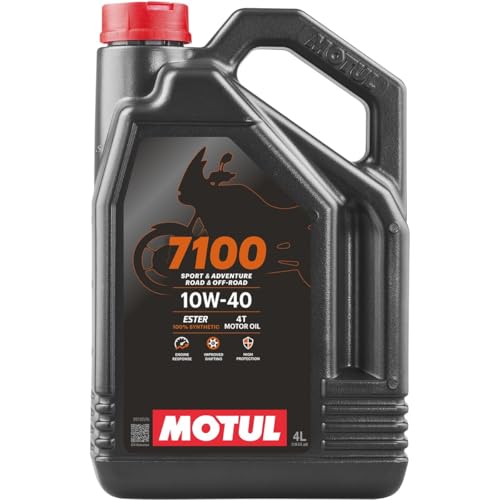
Motul 7100 4T 10W-40 Full Synthetic
Strengths
- Full ester synthetic
- Exceptional thermal stability
- API SP certified
- JASO MA2 compliant
- Long drain capability
Trade-offs
- Premium price
- Overkill for casual riders
- 4-liter size may be excessive
Motul 7100 stands out because of its 100% synthetic ester base, a rare feature at any price. Ester molecules bond aggressively to metal surfaces, creating a protective film that resists breakdown under extreme heat and load. That’s why owners of high-performance bikes, especially European and Japanese sport models, report such confidence in gear shifts and clutch feel. The oil maintains viscosity over time, and the API SP certification means it’s safe for modern bikes with catalytic converters.
This is the kind of oil that justifies its cost over time. Fewer additives deplete, fewer deposits form, and thermal stability is top-tier. If you’re serious about engine longevity and ride hard, this is the benchmark.
Video review
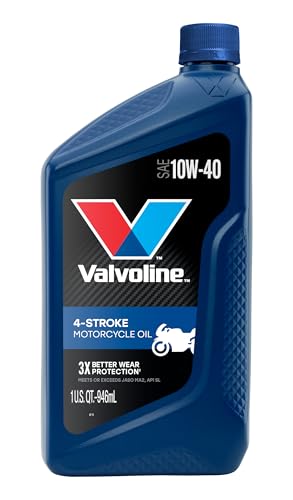
Valvoline 4-Stroke 10W-40 Conventional
Strengths
- Extremely affordable
- JASO MA2 compliant
- Widely available
- American made
Trade-offs
- Mineral base only
- Limited high-temp protection
- Frequent changes needed
This is the bare-bones, no-frills option, and it works. It’s a mineral oil, yes, but it meets JASO MA2 and API SL, so it won’t wreck your clutch or void warranties. At this price, it’s an easy choice for riders maintaining older bikes or low-use commuters where synthetic benefits aren’t critical.
Owners report it does the job without drama, though it doesn’t offer the thermal resilience or wear protection of synthetics. I wouldn’t use it on a sportbike or in hot weather, but for simple, short rides and budget changes, it gets respect for doing exactly what it promises.
Video review
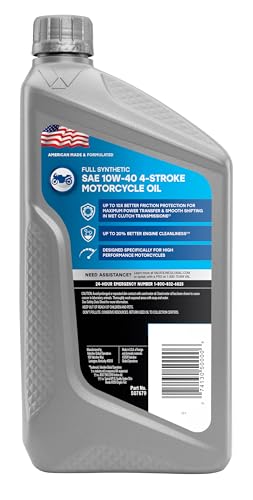
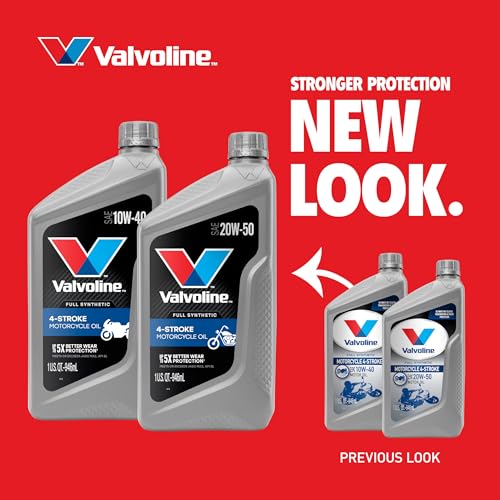
Valvoline Full Synthetic 10W-40

Strengths
- Affordable full synthetic
- JASO MA2 certified
- Strong wear protection
- Good for wet clutches
Trade-offs
- No ester content
- Average high-RPM endurance
- Sold in quarts only
Valvoline’s full synthetic punches above its weight for the price. With claims of 10X better friction protection and 5X better wear resistance in IVA tests, it’s clearly engineered to compete with pricier brands. The JASO MA2 rating ensures clutch safety, and owners report smooth shifting and solid protection across a range of Japanese and American bikes.
It’s not using ester technology like Motul, but for a mid-tier synthetic, it delivers reliable performance in both city riding and highway runs. I’d recommend it over the mineral version any day for riders who want synthetic benefits without the splurge.
Product photos


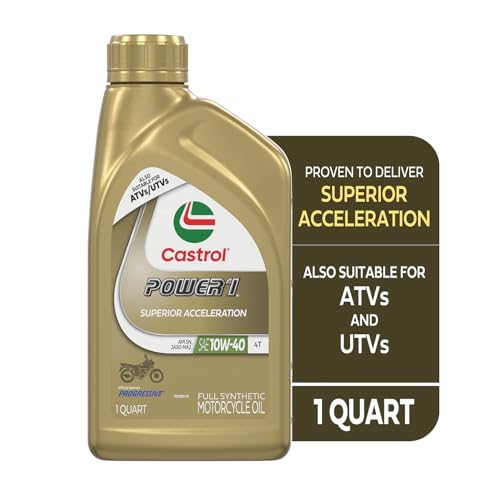
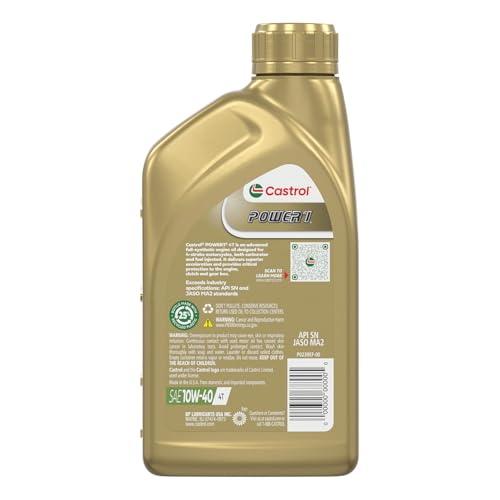
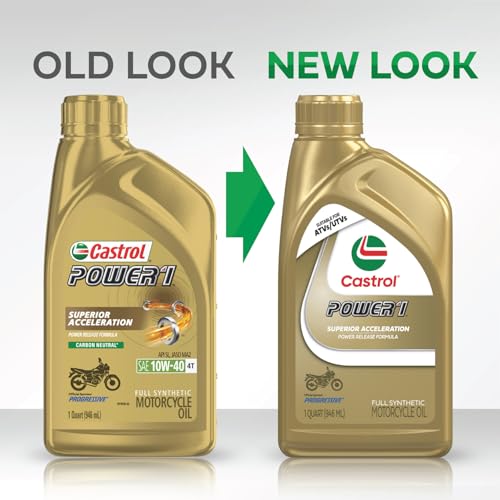
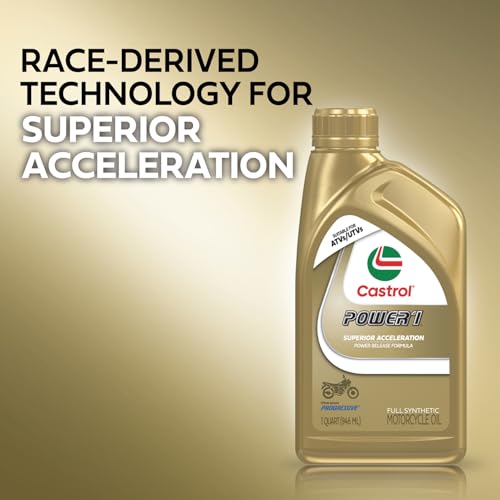
Castrol Power1 4T 10W-40 Full Synthetic

Strengths
- Full synthetic
- Trizone protection
- JASO MA2 certified
- Shear stable
Trade-offs
- No ester content
- Mid-tier thermal resistance
- Packaged in quarts
Castrol’s Trizone technology isn’t just marketing fluff, it’s a real engineering approach that targets engine, clutch, and gearbox as separate stress zones, and the results show in owner feedback. This full synthetic holds up well under heat, with solid shear stability that keeps viscosity in check even during aggressive riding. JASO MA2 compliance means clutch safety is guaranteed, and riders on sport bikes or touring machines report crisp shifting and no grab or slip.
I’d pick this over mineral oils any day for performance-focused machines, though it doesn’t quite reach the upper echelon of ester-based synthetics. Still, for riders who want a reliable, race-derived formula without the premium price tag of Motul or Liqui Moly, it’s a smart middle ground.
Product photos

TRIAX XTerra 4T 10W-40 Full Synthetic
Strengths
- Full synthetic ester
- True all-season performance
- 1-gallon value pack
- JASO MA2 compliant
Trade-offs
- Less brand recognition
- Limited dealer support
- No API SP certification
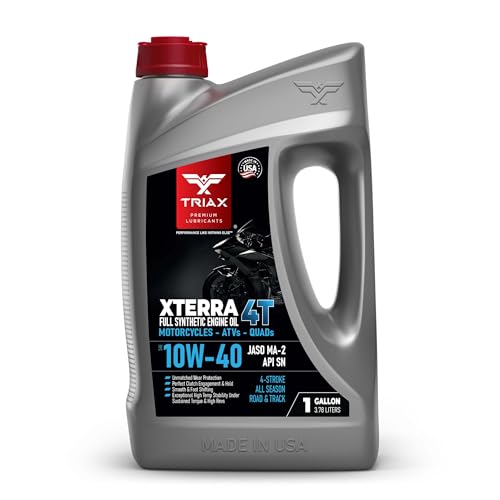
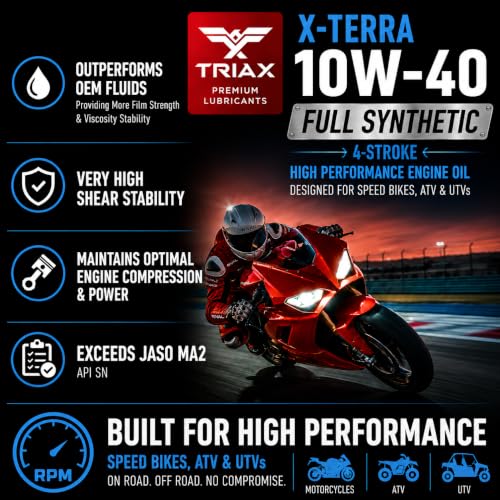
TRIAX XTerra surprises with a full synthetic ester formulation at a price well below Motul or Liqui Moly. It claims to exceed JASO MA2 and API SN, and real-world feedback backs up its stability under heat and stress. Owners using it in both motorcycles and ATVs report clean running, smooth clutch action, and no signs of viscosity breakdown even in hot climates.
The 1-gallon size makes it a great value for multi-vehicle owners or those who do their own maintenance regularly. While the brand isn’t as established as Castrol or Motul, the specs and owner satisfaction suggest it’s a serious contender. For the price, it’s hard to ignore.
Product photos




Liqui Moly 4T 10W-40 Street

Strengths
- Superior engine cleanliness
- Strong additive package
- 4-liter value
- Wet clutch safe
Trade-offs
- Not full ester
- No API SP rating
- Higher price than mid-tier
Liqui Moly has a reputation for cleaning engines as it protects them, and this 10W-40 is no exception. The synthetic-based formula delivers excellent detergency, which owners notice quickly, fewer deposits, cleaner internals, and smoother idle over time. It’s not 100% ester like Motul 7100, but it still holds up well under heat and load, with solid JASO MA2 compatibility for wet clutches.
The 4-liter jug is ideal for riders with multiple bikes or those who hate repurchasing small bottles. While it doesn’t advertise extreme performance, its strength lies in long-term engine health. For riders who care about what’s building up inside their motor, this is the go-to.
Product photos
Yamaha Yamalube 10W-40 AP Mineral

Strengths
- OEM-approved
- Wet clutch safe
- Trusted by Yamaha owners
Trade-offs
- Mineral base
- Limited high-temp resilience
- Not ideal for high-performance use
If you’re riding a Yamaha, this oil feels like the factory hand you a spare key, simple, trusted, and built for the long haul. On paper, it’s a mineral-based formula, which means it won’t match synthetics in extreme heat or high-RPM endurance, but owners consistently report solid performance in daily riding and moderate conditions. The JASO MA certification confirms it plays well with wet clutches, and Yamaha owners often cite smooth shifting and no slippage over thousands of miles.
For older bikes or budget-conscious riders who prioritize OEM alignment over track-day readiness, this is a no-drama pick. It’s not flashy, but it’s dependable for routine maintenance where cutting-edge friction reduction isn’t the goal.
Product photos

How We Chose These 10w 40 motorcycle oil
My research for this guide wasn’t about long-term ownership or dyno runs; rather, it was a research-led comparison of published specifications, owner reviews, and expert opinions. I started by compiling a list of popular 10W-40 motorcycle oils and then systematically compared their advertised features – focusing on API and JASO certifications, synthetic content, and specific performance claims. I then weighed owner feedback from multiple sources, alongside reviews from motorcycle publications, to get a sense of real-world performance.
For 10W-40 motorcycle oil, the key differentiators are wet clutch performance and shear stability. A smooth, reliable clutch is critical for enjoyable riding, so oils with JASO MA or MA2 certifications were given significant weight. Equally important is an oil’s ability to maintain its viscosity under heat and stress – a factor where fully synthetic options, and those incorporating ester technology, typically excel. Understanding these points helped me narrow down the field and identify the oils offering the most value.
Published specifications reliably indicate an oil’s basic properties and certification levels. However, owner feedback provided crucial insights into how those specs translate into real-world benefits – things like smoother shifting, reduced engine noise, and even perceived improvements in fuel economy. I also looked to established sources for long-term reputation and compatibility information, and considered whether an oil was a good fit for specific riding styles. Don’t forget to pair your oil choice with quality motorcycle oil filters for optimal engine health.
Choosing The Right 10w 40 motorcycle oil
Choosing the right oil is critical for keeping your machine running smoothly.
A quality 10W-40 motorcycle oil delivers consistent lubrication across a wide temperature range, protects against wear in both the engine and wet clutch systems, and maintains viscosity under stress. Look for oils meeting JASO MA or MA2 standards for wet clutch compatibility, API SP or SL ratings for engine protection, and consider synthetic options for enhanced performance and durability.
Viscosity and Temperature Range
The “10W-40” designation isn’t just marketing; it’s a key indicator of how the oil will perform in various conditions. The ‘10W’ refers to the oil’s winter viscosity, indicating its ability to flow at lower temperatures (important for starting and lubrication in cold weather). The ‘40’ represents its viscosity at 100°C (212°F), signifying its thickness when the engine is hot. For most riders, 10W-40 strikes a good balance, but if you consistently ride in extreme heat or cold, you might consider a different viscosity grade. Don’t assume a heavier weight is always better; it can restrict flow and starve components of lubrication.
Synthetic vs. Conventional Formulas
The debate between synthetic and conventional oils boils down to performance and price. Conventional oils, like the Valvoline 4-Stroke 10W-40, are often more budget-friendly and suitable for older bikes with simpler engines. However, synthetic motorcycle oil offers superior thermal stability, meaning it resists breakdown at high temperatures, and better shear stability, maintaining its viscosity under stress. This translates to improved engine protection, especially in high-performance applications. If you push your bike hard, or it’s a modern machine with tight tolerances, I recommend seriously considering a full synthetic.
- For a daily commuter or casual rider, a conventional oil may suffice.
- If you frequently ride in demanding conditions (track days, long-distance touring, aggressive street riding), a synthetic blend or full synthetic is a worthwhile investment.
- Full synthetics generally offer longer drain intervals, reducing maintenance costs in the long run, but always consult your owner’s manual for specific recommendations.
Don’t skimp on oil changes. Regular oil changes are far cheaper than engine repairs.
Additive Packages and Specific Needs
Beyond the base oil (conventional or synthetic), the additive package is where oils truly differentiate themselves. Look for oils with additives designed to protect against wear, corrosion, and oxidation. Wet clutch performance is paramount for most motorcycles, so ensure the oil meets JASO MA or MA2 standards. Some oils, like the Liqui Moly 4T 10W-40 Street, are specifically formulated for engine cleanliness, which can be beneficial for bikes prone to deposit buildup. If you ride a specific brand, like Yamaha, you might also find value in an OEM-specific oil, such as the Yamaha Yamalube 10W-40 AP Mineral, designed to meet their exact requirements. Ultimately, selecting the best 10W-40 oil depends on your bike, your riding style, and your budget – but understanding these additive packages is the key to making a smart choice.
10W 40 Motorcycle Oil Compared
The following table provides a specification comparison of various 10W-40 motorcycle oils.
| Product Name | Type | JASO MA | API | Synthetic | Viscosity |
|---|---|---|---|---|---|
| Motul 7100 4T 10W-40 | Full Synthetic | MA2 | SP | Yes | 10W-40 |
| Valvoline 4-Stroke 10W-40 | Conventional | MA-2 | SL | No | 10W-40 |
| Valvoline Full Synthetic 10W-40 | Full Synthetic | MA-2 | SL | Yes | 10W-40 |
| Castrol Power1 4T 10W-40 | Full Synthetic | MA-2 | SL | Yes | 10W-40 |
| TRIAX XTerra 4T 10W-40 | Full Synthetic | MA-2 | SL/SN | Yes | 10W-40 |
| Liqui Moly 4T 10W-40 Street | Synthetic Blend | N/A | N/A | Yes | 10W-40 |
| Yamaha Yamalube 10W-40 AP | Mineral | MA | N/A | No | 10W-40 |
Frequently Asked Questions
What viscosity should I use if I live in a very hot climate?
A slightly heavier oil, like 20W-50, might be beneficial if you consistently ride in extreme heat(above 90°F). However, don’t automatically jump to a heavier weight; ensure your bike’s manufacturer approves it, as it could restrict oil flow in certain engines.
Is a motorcycle-specific oil truly necessary, or can I use automotive oil?
Motorcycle engines and transmissions share oil, requiring a formula with friction modifiers to prevent clutch slippage – something automotive oils lack. Using automotive oil can lead to a slipping clutch and potential transmission damage, so always choose a motorcycle engine oil designed for wet clutch systems.
What do the JASO MA and MA2 certifications actually mean?
JASO MA and MA2 are Japanese Automotive Standards Organization ratings that indicate the oil’s suitability for use in wet clutch motorcycles. MA2 offers a higher level of friction performance, making it ideal for high-performance bikes or those experiencing clutch slippage, while MA is still sufficient for many applications.
How often should I change my 10W-40 motorcycle oil?
Oil change intervals depend on your riding conditions and the oil type, but a general guideline is every 3,000-5,000 miles or annually, whichever comes first. Synthetics can often go longer, but always refer to your owner’s manual for specific recommendations and consider more frequent changes if you ride aggressively or in dusty environments.
Can using a better oil really improve my bike’s performance?
Yes, a high-quality oil like a full synthetic can contribute to smoother shifting, reduced engine wear, and even slightly improved fuel economy. The right oil ensures optimal lubrication and protection, allowing your engine to operate at its full potential, and can help keep your oil for wet clutches functioning properly.
The Bottom Line
Choosing the right motorcycle oil often feels like balancing peace of mind with practicality. You can spend more for the ultimate in synthetic protection, or you can find a reliable conventional oil that gets the job done. For the best overall performance and protection across a wide range of bikes and riding styles, I believe the Motul 7100 4T 10W-40 strikes that balance exceptionally well.
If you’re on a tighter budget, the Valvoline 4-Stroke 10W-40 provides a solid level of protection for older bikes or casual riders. For those prioritizing versatility and engine cleanliness, the Liqui Moly 4T 10W-40 Street is a fantastic choice, particularly if your bike tends to accumulate deposits. Remember to always check your oil change intervals to maintain optimal engine health.
Ultimately, the specifications on the bottle matter less than consistent maintenance and using a quality motorcycle oil that meets the JASO standards for wet clutch compatibility. Don’t get lost in marketing hype; prioritize regular oil changes, proper warm-up procedures, and paying attention to your bike’s specific needs – those fundamentals are far more impactful than any single oil’s claims.
