
6 Best Cyclocross Tires for 2026
This post contains affiliate links. As an Amazon Associate, we earn from qualifying purchases.
The Challenge Grifo Pro Tire is the overall best cyclocross tire for most riders, delivering confident grip and reliable tubeless performance across varied conditions. For deep mud, the Michelin Power Cyclocross Mud stands out with its aggressive tread and strong puncture protection. If you’re on a budget but still want solid tubeless durability, the WTB Cross Boss Tire offers a smart balance of value and performance.
Cyclocross tires make or break your race day, they’re your only contact with the course, and conditions change fast. Choosing the wrong tread or casing can cost you traction, speed, or leave you stranded with a flat. In this guide, I break down the top options based on specs, real-world feedback, and what actually matters when you’re barreling through mud, sand, and sharp turns. We looked at grip, puncture resistance, tubeless compatibility, and how tread design matches different course types.
Top 3 Cyclocross Tires in the Market
The Best Cyclocross Tires, Reviewed
Challenge Grifo Pro Tire
Strengths
- Handmade construction
- Excellent all-conditions grip
- Smooth rolling center knobs
Trade-offs
- Premium price
- Limited mud shedding in deep slop
- Not the lightest in class
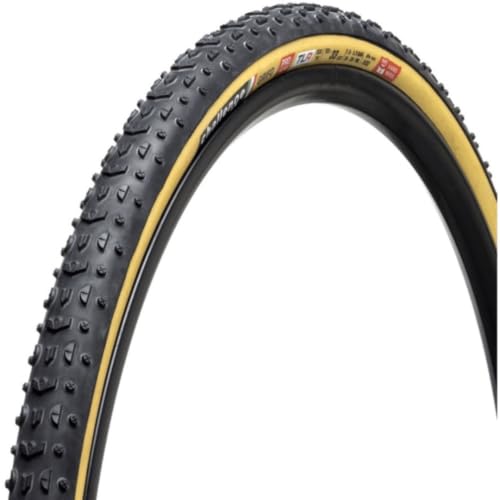
The Challenge Grifo Pro keeps coming up in conversations about the most balanced cyclocross tires on the market, and for good reason. On paper, it’s built to handle nearly every condition, dry grass, muddy ruts, rooty climbs, with a symmetrical tread that doesn’t sacrifice rolling speed for grip. The SmartSoft compound is said to offer both suppleness and durability, which owners consistently report translates to confident cornering and predictable braking, even when things get slick.
It’s not the cheapest option here, but you’re paying for a handmade, tubeless-ready tire with PPS puncture protection and a reputation for consistency across batches. Compared to others, it feels like the choice for racers who don’t want to swap tires based on the forecast. I’d pick this over more specialized options if you’re looking for one tire that handles 80% of conditions without compromise.
Video review
Michelin Power Cyclocross Mud
Strengths
- Outstanding mud traction
- Strong sidewall protection
- Reliable puncture resistance
Trade-offs
- Poor dry-condition rolling
- Loud on clean surfaces
- Less cornering precision on hard ground
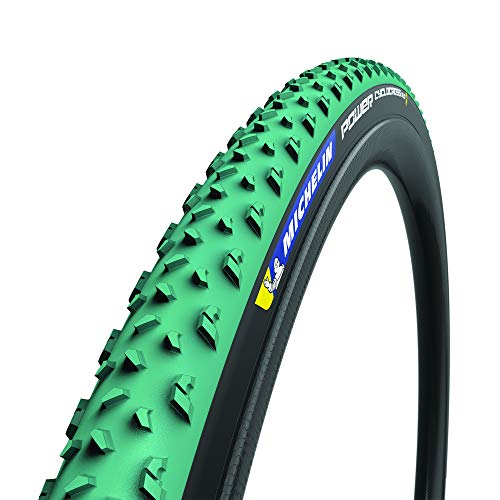
Michelin didn’t mess around with this one, they built the Power Cyclocross Mud specifically for when the course turns into a swamp. The widely spaced, aggressive lugs are designed to dig in and then release, which owners confirm works far better in thick mud than tighter treads. Bead2Bead Protek reinforcement means the sidewalls can take hits from roots and rocks without blowing out, and the 3×120 TPI casing keeps things supple despite the armor.
Where it falls short is versatility. In dry or hardpack conditions, it’s noticeably noisier and less efficient than the Grifo Pro or Cross Boss. But if you know rain is coming and the organizers haven’t canceled, this is the tire I’d lean toward. The GreenCompound rubber also gets praise for long life, which matters when you’re running high pressure and logging miles between races.
Video review
WTB Cross Boss Tire
Strengths
- Durable SG2 casing
- Effective mud shedding
- Fast rolling centerline
Trade-offs
- Heavier than some rivals
- Tread wears faster in dry conditions
- Slightly slower break-in period
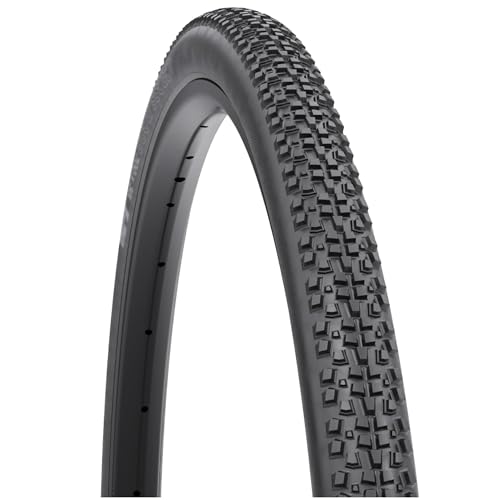
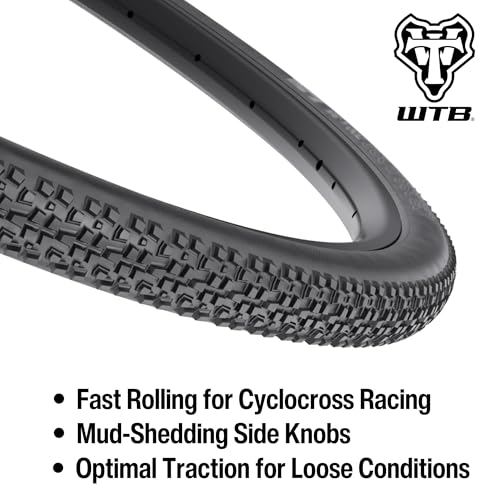
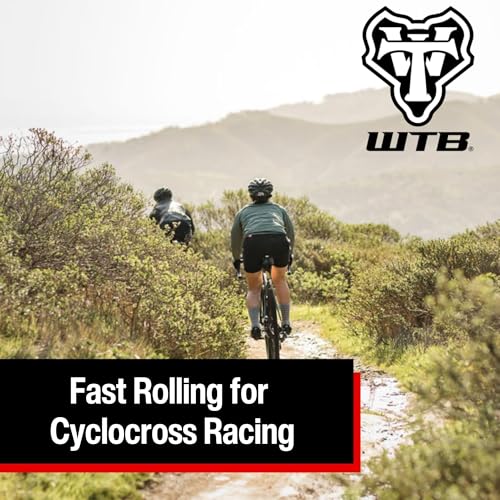
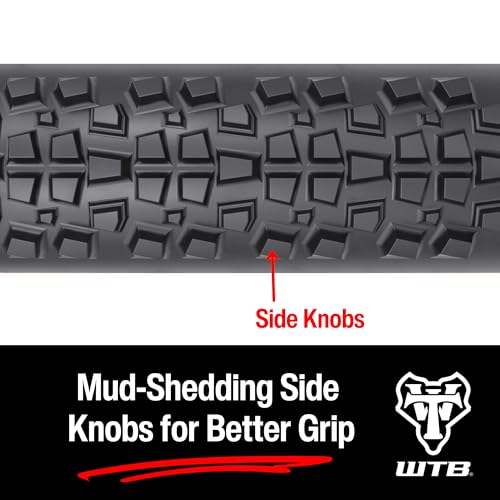
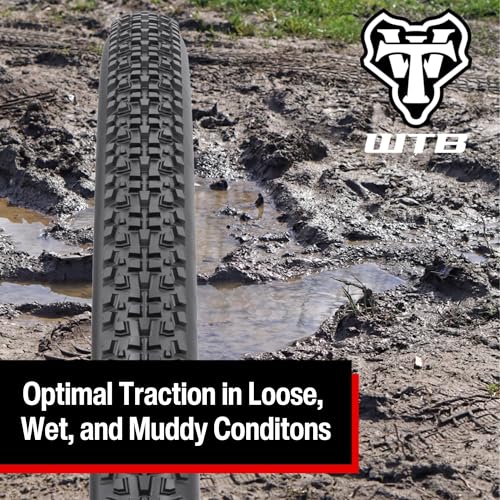
If you’re after a tire that balances speed with real-world durability, the WTB Cross Boss makes a strong case. At 35mm wide, it gives you a bit more footprint and cushion than narrower options, which reviewers say helps on looser terrain without adding excessive drag. The tightly packed center knobs do their job, rolling fast on hardpack and gravel, while the widely spaced side lugs actually clear mud better than you’d expect from a tire this efficient on pavement.
SG2 puncture protection and the Dual DNA rubber compound stand out as smart touches for riders who use their ‘cross bike beyond race day, think gravel loops or bikepacking sprints. It’s not quite as nimble in tight corners as the Challenge, but for someone who wants one tire for training, racing, and exploring, this is a smarter buy than more race-tuned models.
Product photos

How We Chose These cyclocross tires
My approach to evaluating cyclocross tires, as with anything at TheAutoZenith, began with a thorough comparison of published specifications and features. I then weighed those details against owner reviews from multiple retailers and expert opinions found in cycling publications. It’s a research-led process, rather than a hands-on lab test, allowing me to build a picture of real-world performance and durability. Ultimately, I ranked tires based on how well they deliver on the core needs of cyclocross racing and riding.
For cyclocross, grip and puncture resistance are paramount. A tire that doesn’t hold traction in varied conditions, mud, grass, hardpack, simply won’t perform. Equally important is durability; a race can be ruined by a single flat. I prioritized tires that demonstrated a strong balance of these traits, alongside a reasonable weight to maintain speed. Understanding the nuances of choosing the right tire, especially when considering conditions, can be similar to thinking about whether tires for winter conditions are right for your vehicle.
Specifications reliably reveal construction details like TPI (threads per inch) which influences suppleness and rolling resistance, and the type of puncture protection employed. However, owner feedback provides crucial insight into how these features translate to actual performance. Reports on tread wear, sidewall integrity, and real-world grip in specific conditions heavily influenced my assessment. While specs tell you what a tire is, reviews tell you how it performs, and often highlight issues not apparent on a datasheet – a bit like considering if low-profile tires are a practical choice for snowy roads.
What To Look For In cyclocross tires
Selecting the right cyclocross tire can be surprisingly complex. It’s about more than just knobby tread; it’s a balancing act of speed, grip, durability, and how well it plays with tubeless setups.
A quality cyclocross tire prioritizes low rolling resistance for efficient power transfer, aggressive side knobs for confident cornering in loose terrain, and robust puncture protection against the inevitable hazards of the course. Consider casing construction (TPI), rubber compound, and tubeless compatibility as key factors impacting performance and ride feel.
Tread Pattern & Course Conditions
The most obvious consideration is the tread. Cyclocross courses vary wildly, from hardpack and grass to deep mud and rocky sections. A tire designed for one condition will struggle in another. For truly versatile performance, look for a tire with closely spaced center knobs for speed on smoother surfaces, combined with more aggressive shoulder knobs for grip in corners and softer ground. The Challenge Grifo Pro consistently appears as a top pick for its ability to handle a broad range of conditions, but don’t automatically assume “all-rounder” means it’s best for your local courses. If you frequently encounter deep mud, something like the Michelin Power Cyclocross Mud, with its widely spaced lugs, will be a better choice.
Tubeless Readiness & Puncture Protection
Running tubeless is almost standard practice in cyclocross now, allowing for lower pressures and improved traction, plus a significantly reduced risk of pinch flats. But not all “tubeless ready” tires are created equal. Look for tires that specifically mention a robust bead design and compatibility with common sealant types. Puncture protection is equally important. Cyclocross courses are littered with sharp objects. Technologies like Michelin’s Bead2Bead Protek or Challenge’s PPS add layers of defense without dramatically increasing weight or rolling resistance. It’s also worth considering that even with excellent puncture protection, a tire’s casing plays a huge role.
- A higher TPI (threads per inch) casing, like the 120 TPI found in the Michelin Power Cyclocross Mud, generally offers more supple ride quality and lower rolling resistance.
- A wider casing (33mm or 35mm) provides increased volume for lower pressures and better comfort, but can sometimes feel less precise on hardpack.
- The WTB Cross Boss represents a strong value proposition, offering tubeless readiness and SG2 puncture protection at a more accessible price point, though some riders may find its tread pattern less versatile than premium options.
Durability & Rubber Compound
Cyclocross tires take a beating. The rubber compound significantly impacts both grip and longevity. Softer compounds offer more grip, especially in wet conditions, but wear out faster. Harder compounds last longer but may struggle for traction on slick surfaces. Dual-compound tires, like those from WTB, attempt to strike a balance, using a harder compound in the center for rolling efficiency and a softer compound on the shoulders for cornering grip. This is where considering your riding style comes into play; if you’re hard on equipment or ride frequently, prioritizing a durable compound might be wise. It’s similar to the trade-offs you see when considering all-terrain tires for a truck – a focus on longevity can impact performance in specific conditions.
Don’t skimp on tires. A good set of cyclocross tires is a worthwhile investment, as they directly impact your speed, confidence, and enjoyment on the course.
Cyclocross Tires Compared
Here’s a comparison of key specifications for popular cyclocross tire options.
| Tire Title | Size | Tech (Tubeless) | Width (mm) | Best For | Puncture Prot. |
|---|---|---|---|---|---|
| Challenge Grifo Pro Tire | 700×33 | Yes | 33 | All-Around | PPS |
| Michelin Power Cyclocross Mud | 700x33C | Yes | 33 | Mud | Bead2Bead |
| WTB Cross Boss Tire | 700×35 | Yes | 35 | Durability/Traction | SG2 |
| Challenge Grifo Pro 700×33 | 700×33 | Yes | 33 | All-Round | PPS |
| Michelin Power Cyclocross Mud | 700x33C | Yes | 33 | Puncture Resist. | Bead2Bead |
| WTB Cross Boss 700×35 | 700×35 | Yes | 35 | Tubeless Value | SG2 |
Frequently Asked Questions
What tire pressure is generally recommended for cyclocross?
Typically, riders run between 25-30 PSI, but the ideal pressure depends heavily on rider weight, course conditions, and whether you’re running tubeless. Lower pressures increase grip and comfort, but go too low and you risk pinch flats or damaging the rim – finding the sweet spot is key.
Are wider cyclocross tires always better?
Wider tires (33mm-35mm) can improve comfort and provide a larger contact patch for better grip, but [tire size] isn’t universally better. A narrower tire might feel more precise on hardpack courses, and wider tires can sometimes be slower rolling on smoother surfaces.
How much difference does TPI (threads per inch) really make?
A higher TPI generally results in a more supple casing, lowering rolling resistance and improving ride quality. While the difference isn’t massive, a tire with 120 TPI will typically feel faster and more comfortable than one with 60 TPI, all else being equal.
Can I use cyclocross tires for gravel riding?
Yes, many cyclocross tires perform well on gravel, especially those with a more versatile tread pattern like the Challenge Grifo Pro. However, dedicated gravel tires often prioritize durability and puncture resistance over outright speed, making them a better long-term choice if you spend most of your time on gravel.
What’s the benefit of tubeless sealant in cyclocross tires?
Tubeless sealant instantly seals small punctures, preventing flats and allowing you to continue racing or riding. It also allows you to run lower tire pressures for increased grip and comfort, and can significantly improve [winter traction] compared to traditional tubes.
The Bottom Line
Choosing cyclocross tires often comes down to how much you value control versus convenience. A tire like the Challenge Grifo Pro offers a fantastic balance, making it a strong all-around performer for varied courses, but it asks you to consider conditions and potentially swap tires. Ultimately, though, the ideal tire is the one that inspires confidence and keeps you rolling – and that’s often worth a bit of extra investment.
For those prioritizing specific needs, the Michelin Power Cyclocross Mud excels in truly sloppy conditions, while the WTB Cross Boss presents a compelling value. If you’re seeking tubeless readiness and solid puncture protection without breaking the bank, the Cross Boss is a smart choice. Conversely, if you frequently find yourself on hardpack with only occasional mud, sticking with the Challenge Grifo Pro will likely provide the best blend of speed and grip.
At the end of the day, remember that specifications are just numbers. A supple casing, effective puncture protection, and a tread pattern suited to your local courses are all vital, but they’re secondary to a tire’s ability to connect you to the ground. Don’t get caught up chasing the lightest weight or the newest technology; focus on finding a tire that inspires confidence and allows you to ride comfortably, and consider what winter tire benefits can teach us about adapting to challenging conditions, it’s about the right tool for the job.
