
8 Best Electric Car Charging Stations 2026
This post contains affiliate links. As an Amazon Associate, we earn from qualifying purchases.
The ChargePoint HomeFlex stands out as the best overall electric car charging station for its reliable performance and robust smart features, while the IYILO Level 2 offers strong value as a budget-friendly pick with fast charging and a long cable. For versatility, the SEGUMA Level 1/2 covers both voltage types and fits tighter spaces.
Choosing the right EV charger can be confusing, especially when you’re balancing speed, safety, and long-term usability. Many buyers don’t realize how much their home’s electrical setup affects what charger they can actually use.
This guide cuts through the noise by focusing on what matters: real charging speed, safety certifications, and smart features that add real value. I compared specs, analyzed owner feedback, and prioritized models that deliver consistent performance and peace of mind.
Top 7 Electric Car Charging Stations in the Market
The Best Electric Car Charging Stations, Reviewed
ChargePoint HomeFlex Level 2 EV Charger

Strengths
- Reliable app and support
- Nationwide charging network
- Cold-weather ready cable
Trade-offs
- High price point
- No native Tesla/NACS support
- No adjustable amperage beyond 40A
The ChargePoint HomeFlex sits at the top not because it’s the fastest or cheapest, but because it’s the most complete package. It delivers up to 45 miles of range per hour (at 40A), supports J1772 vehicles natively, and plugs into a NEMA 14-50, so no hardwiring needed. But where it truly pulls ahead is ecosystem: the ChargePoint app is polished, integrates with smart home systems, and gives access to a massive public network of over 274,000 stations. That kind of connectivity isn’t matched by budget brands.
Owners consistently praise its reliability and customer support, which is backed by a strong brand reputation. It’s also one of the few with cold-weather-tested cables, making it a solid pick for northern climates. Yes, it’s expensive, and yes, it lacks native Tesla compatibility, but if you drive a non-Tesla EV and want seamless integration, proven durability, and unmatched support infrastructure, this remains the gold standard. I’d still lean toward IYILO for Tesla owners, but for everyone else, this is my recommendation for long-term peace of mind.
Video review
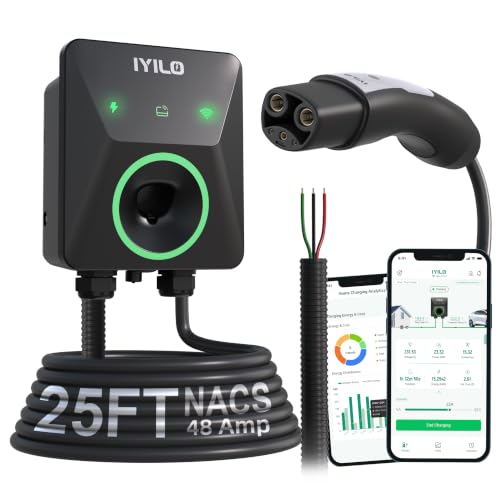
IYILO Level 2 EV Charger for Tesla
Strengths
- Native NACS (Tesla) connector
- Overheat protection with auto-throttle
- Utility program compatibility
Trade-offs
- Expensive vs J1772 alternatives
- No support for non-NACS vehicles
- App limited to 2.4GHz Wi-Fi
For Tesla and NACS-equipped vehicle owners, this IYILO charger is one of the few true native NACS (J3400) Level 2 units that skips the adapter hassle. That alone gives it major appeal, no more losing or forgetting your J1772-to-Tesla dongle. It pushes up to 48 amps, delivering around 46 miles of range per hour, which is top-tier for home charging. The NTC temperature sensor in the connector is a standout feature, actively monitoring heat and throttling power if things get too hot, a real safety win for frequent charging.
It’s also one of the few chargers actively integrating with utility incentive programs like ComEd and PSEG, which could mean rebates or lower rates. The app supports TOU scheduling, OTA updates, and even RFID access for multi-user homes. Smart Power Management lets two units share a circuit, which is huge for families with multiple Teslas. Yes, it’s pricey, but when you factor in future-proofing and native NACS support, it’s worth considering over adapter-dependent models.
Video review
EVDANCE Level 2 EV Charger 40Amp

Strengths
- Adjustable current settings
- Clear TFT screen
- Weather-resistant (IP66)
Trade-offs
- Build quality inconsistent
- No native app for remote control
- Requires NEMA 14-50 outlet
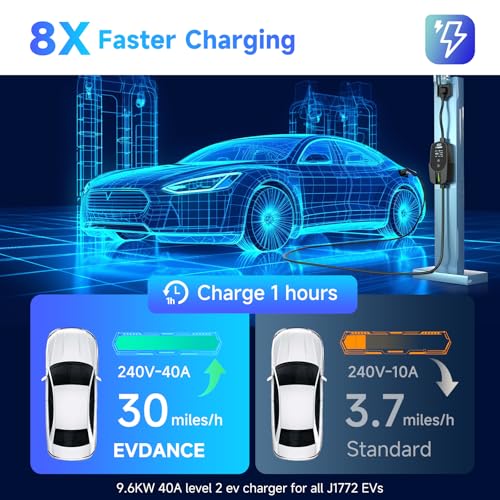
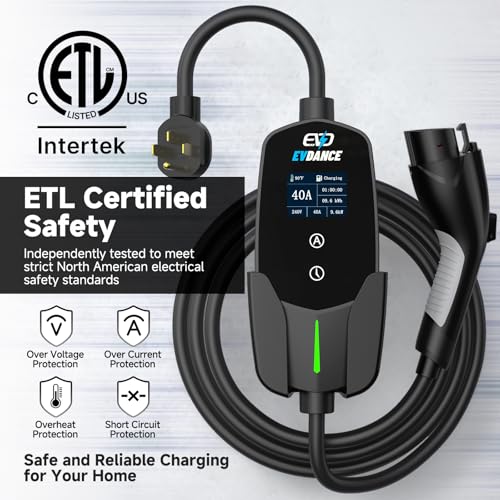
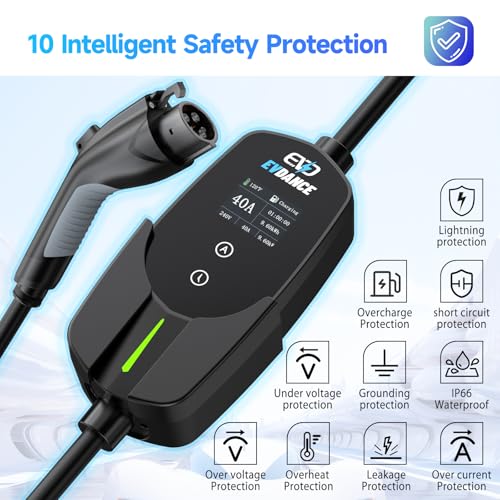
If you’re stepping into Level 2 charging without wanting to hardwire a unit, this EVDANCE model makes a compelling budget-friendly case. With a NEMA 14-50 plug, it taps into common 240V outlets and pushes up to 40 amps, delivering around 8 times the speed of Level 1. That means most EVs gain 30–40 miles per hour, plenty to top up overnight. The adjustable amperage (from 10A to 40A) is a smart touch, letting you avoid tripping breakers in shared circuits.
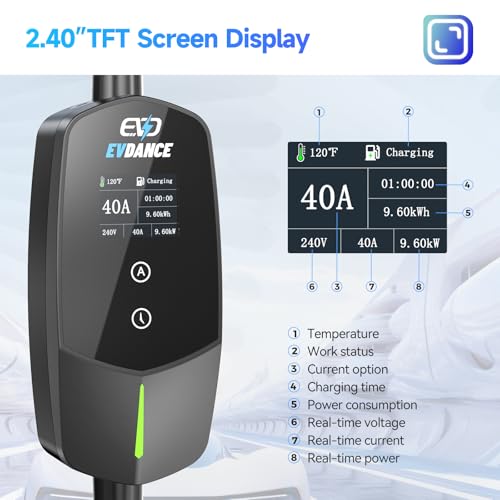
Reviewers highlight the 2.4-inch TFT display as unusually helpful for a charger at this price, showing real-time power draw, voltage, and session time. The delay start function also helps cut costs by syncing with off-peak rates. Build quality gets mixed feedback, some praise the IP66 rating and weather tolerance, while others mention the casing feels a bit lightweight. Still, when stacked against pricier brands, it holds its own. I’d pick this over the ChargePoint HomeFlex if you don’t need networked features and just want raw value.
Product photos

AIMILER Level 2 EV Charger 48A
Strengths
- High-speed 48A output
- Durable 25ft cable
- Smart app and touchscreen
Trade-offs
- Wi-Fi setup issues reported
- Requires strong 2.4GHz signal
- Installation complexity at max amperage
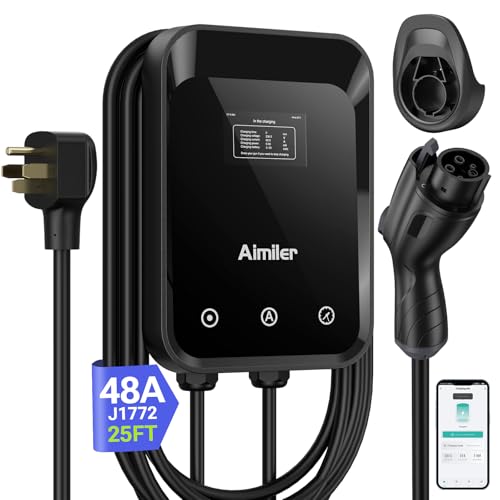
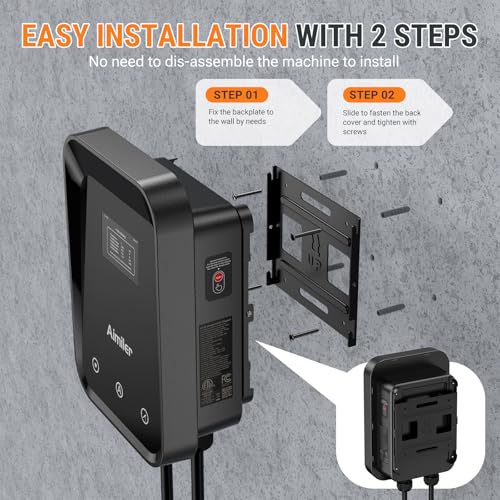
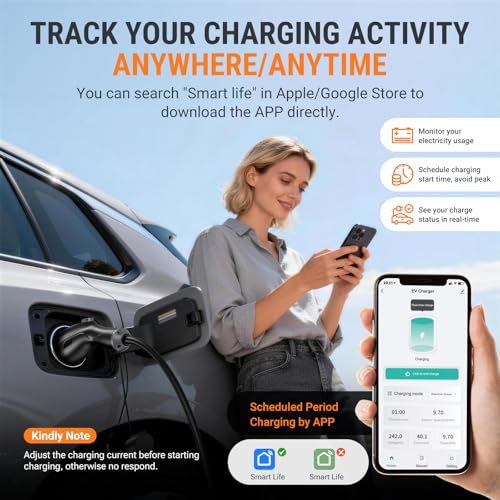
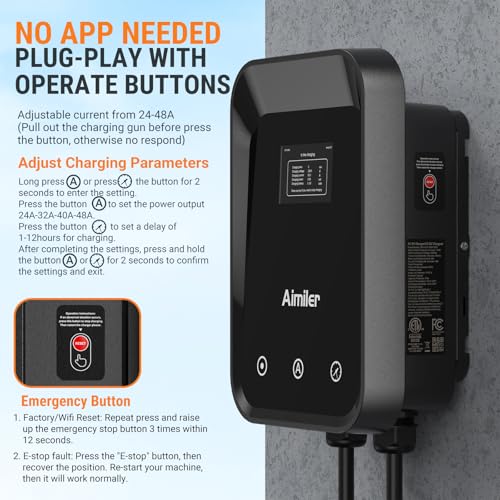
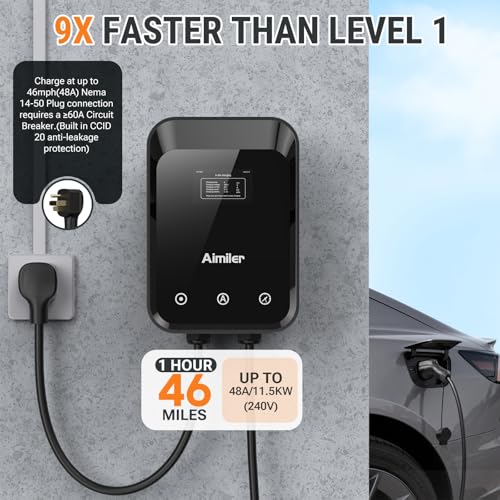
This AIMILER unit is built for speed and precision. With support for up to 48 amps, it edges close to the top end of residential charging capacity, especially when hardwired. Even on a NEMA 14-50 plug, it delivers 40A, giving roughly 38 miles of range per hour. That kind of throughput matters if you drive a lot or own a large-battery EV like a Lucid or Mustang Mach-E. The adjustable amperage via app or touchscreen gives real flexibility, and the 25-foot cable is military-grade tough, rated for over 10,000 insertions.
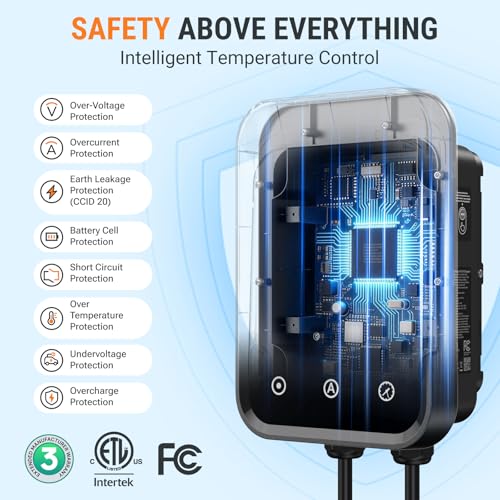
The inclusion of ETL certification and NEMA Type 4 protection signals serious engineering, though owner reports suggest the Wi-Fi setup can be finicky unless you stick to 2.4GHz networks. Some users had trouble reconnecting after phone changes, but the factory reset process fixes it. Compared to the EVDANCE, this one offers more power headroom and better durability, making it a smarter long-term buy if you’re charging daily. It doesn’t have the ChargePoint ecosystem, but it outguns most in raw specs.
Product photos
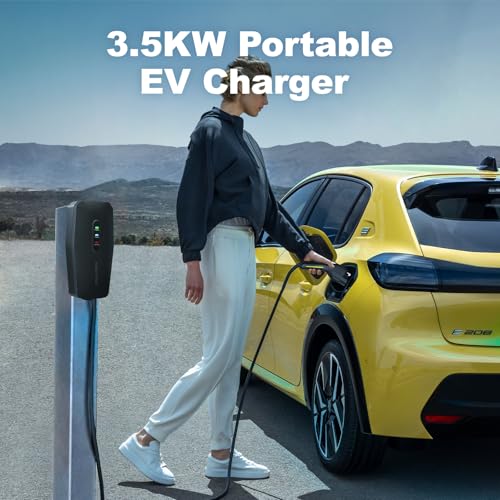
VDLPOWERVP Level 1&2 EV Charger
Strengths
- Low cost
- Dual voltage support
- Compact and portable
Trade-offs
- Basic LED interface
- No app or smart controls
- Limited to 16A output
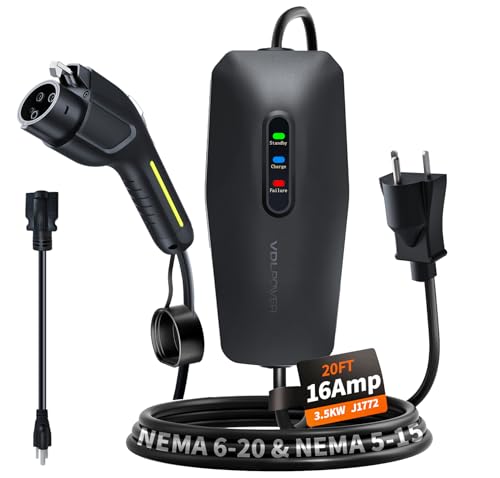
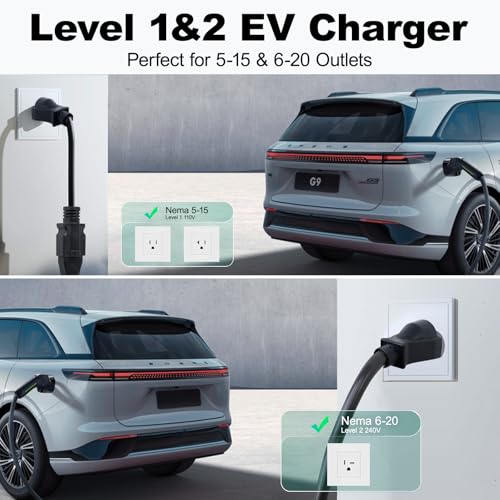
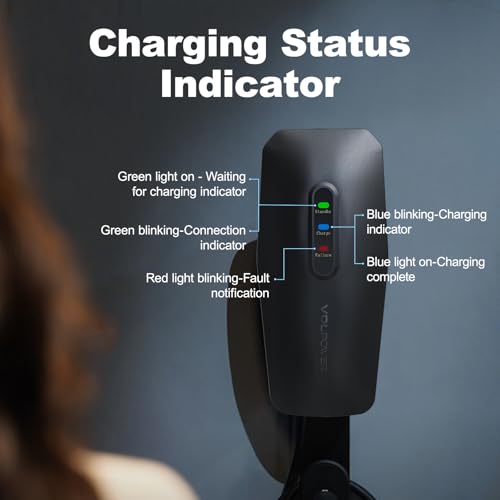
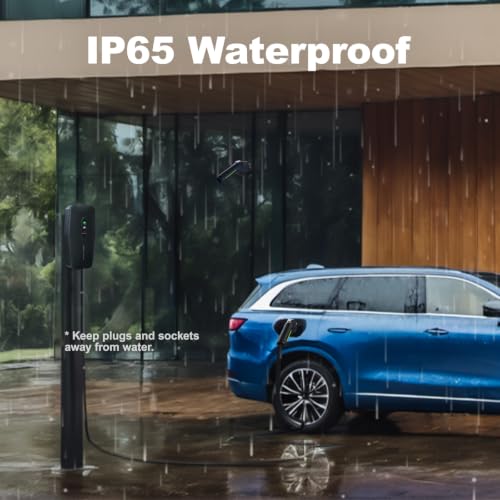
This VDLPOWERVP unit is the definition of no-frills portability. At under $100, it’s one of the most affordable ways to get both Level 1 and Level 2 charging in a single compact package. Plug it into a 120V outlet for slow top-offs or switch to 240V via the NEMA 6-20 for four times the speed. The 20-foot cable strikes a good balance between reach and manageability, and the IP65-rated control box handles rain and dust without issue.
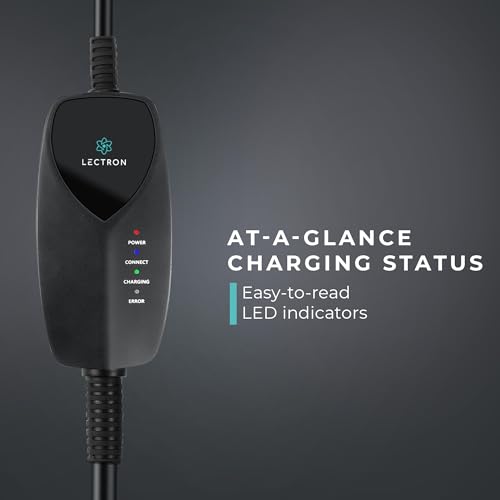
It won’t impress with tech, the LED indicators are basic, and there’s no app or scheduling, but it gets the job done. Reviewers note it’s become a favorite trunk charger for road trips or visiting family, where outlet types vary. Compared to the Lectron, it lacks smart features but wins on price and dual-voltage flexibility. If you need a dependable backup without spending much, this is the smarter buy.
Product photos

Lectron EV Charger with APP Control

Strengths
- App control
- J1772 universal compatibility
- Portable with carrying case
Trade-offs
- Slow Level 1 charging only
- Wi-Fi can be finicky
- Not for long-range EVs
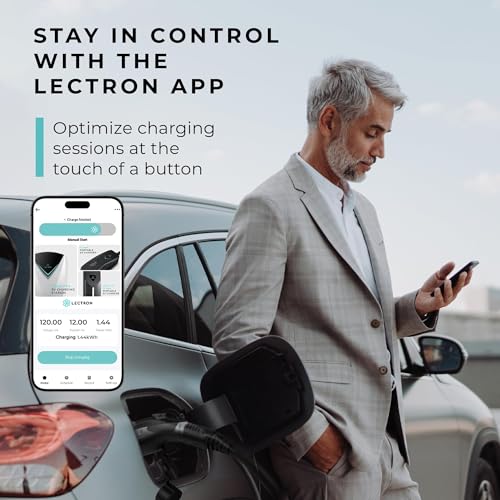
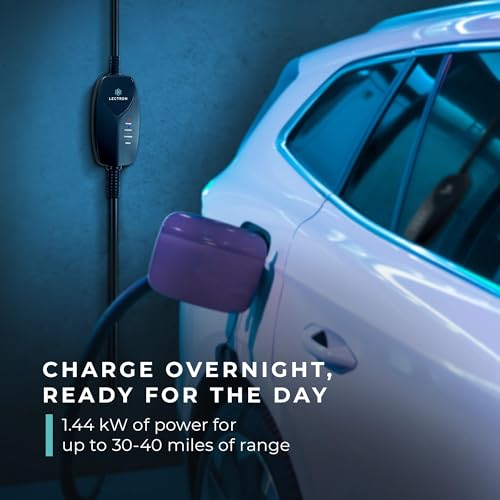
This is a solid pick if you’re after smart features without stepping up to Level 2. On paper, it’s a Level 1 charger running off a standard 120V outlet, so don’t expect speed, it delivers about 30–40 miles of range overnight, which works fine for plug-in hybrids or daily commuters with modest needs. Where it stands out is the app integration, letting you schedule charges and monitor sessions remotely, something rare at this tier.
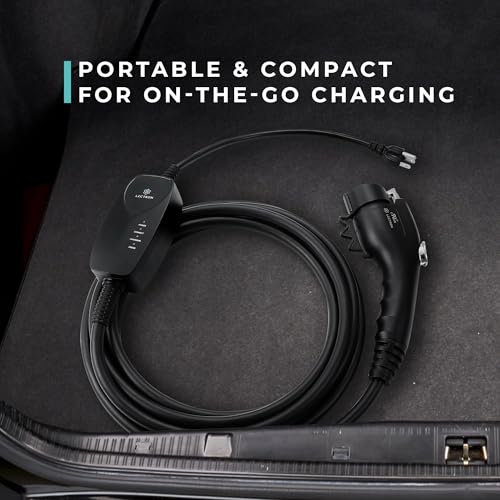
Owners consistently report the app works reliably, though some note occasional disconnects on unstable Wi-Fi. The build feels durable for a portable unit, and the IP65 rating adds peace of mind for outdoor use. But let’s be clear: this isn’t for pure EV drivers needing fast turnaround. It’s best as a backup or for those who want smarter control over slow charging. Compared to basic Level 1 cords, this one brings modern convenience to an otherwise sleepy category.
Product photos
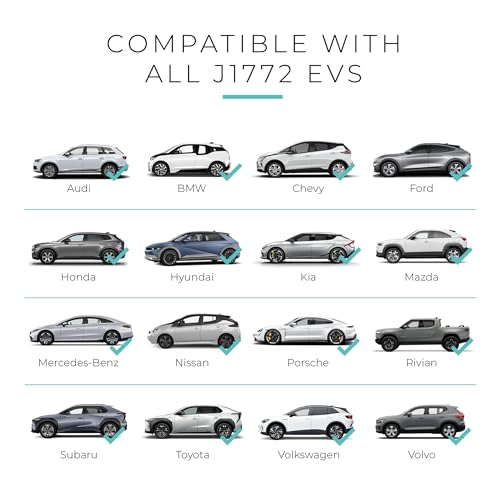
SEGUMA Level 1/2 EV Charger 16Amp

Strengths
- 25-foot cable
- Dual Level 1/2 compatibility
- Weather-resistant (IP66)
Trade-offs
- Max 16A limits speed
- NEMA 6-20 less common in homes
- No app or smart features
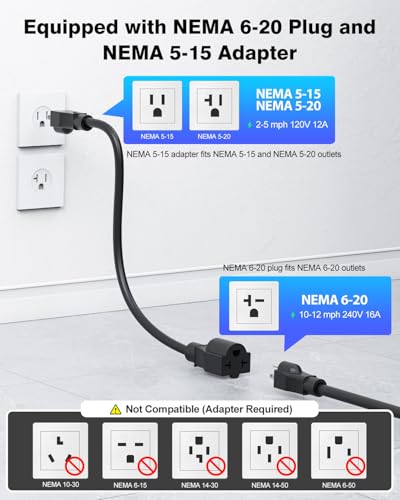
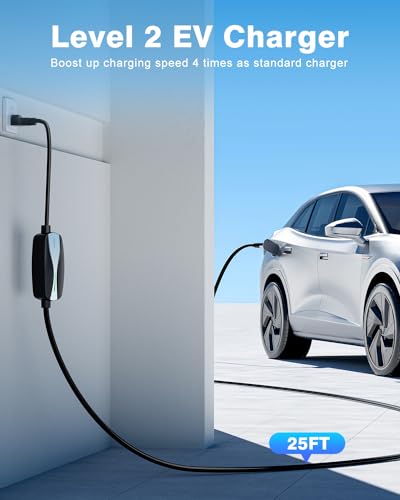
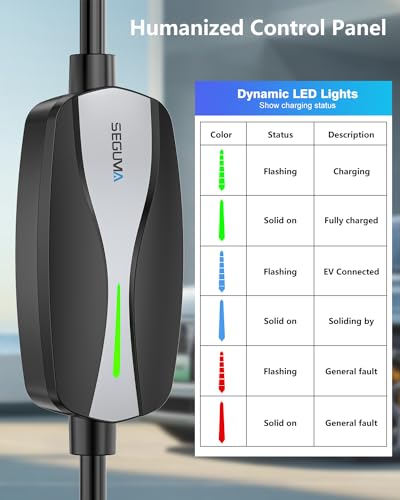
What this SEGUMA charger lacks in peak speed, it makes up for in versatility and cable length. The 25-foot cord is among the longest in class, making it a go-to for larger garages or awkward parking spots where reach matters. It runs on either 120V (Level 1) via included adapter or 240V (Level 2) through a NEMA 6-20 plug, offering flexibility few others match at this price. You won’t get blistering speeds, just 16A max, but that’s still four times faster than basic Level 1, enough for daily top-ups.
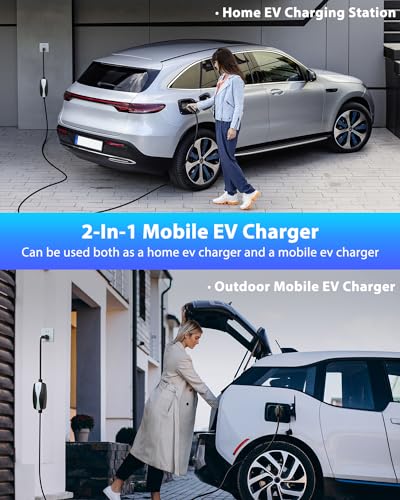
The dual-voltage design means you can use it almost anywhere: a regular wall outlet at a friend’s house or a dryer outlet while traveling. Owners appreciate the IP66-rated housing and solid LED indicators, though some note the plug feels a bit stiff during connection. Compared to the VDLPOWERVP, it has a longer cord and slightly better weather resistance. For occasional travelers or secondary chargers, this is a stealthy strong choice.
Product photos

How We Evaluated electric car charging stations
To arrive at our recommendations, I focused on a research-led comparison of specifications, owner reviews, and expert opinions. Rather than a hands-on lab test of each unit, I analyzed published data regarding charging speeds, safety features, and smart functionality. I then weighed this against feedback from owners regarding real-world reliability and ease of use, as well as assessments from trusted automotive publications. Ultimately, my goal was to identify chargers that represent the best balance of performance, safety, and value for a range of EV owners.
For electric car charging stations, three factors proved most decisive. Charging speed – specifically, the ability to deliver Level 2 charging efficiently – was paramount. Equally important was safety, considering the high voltages involved; certifications like UL and ETL were heavily weighted. Finally, smart features like app control and scheduling became a key differentiator, offering convenience and potential cost savings. If you’re looking to stay comfortable while waiting for a charge, you might also consider a good electric car heater.
Specifications reliably indicate maximum charging rates and compatibility with different EV models. However, owner feedback proved crucial in assessing the long-term durability and real-world usability of each charger. Reputation, as reflected in consistently positive reviews, helped separate truly reliable units from those with potential issues. I also looked for brands that offered strong customer support and warranties, as this is a key indicator of confidence in their product. Finding the right EV charger can be a daunting task, so I aimed to simplify the process with this research.
How To Pick The Right electric car charging stations
Choosing the right charging station is key to a smooth EV ownership experience. It’s more than just plugging in; it’s about speed, convenience, and ensuring your vehicle, and your home’s electrical system, remain safe.
A good electric car charging station balances charging speed with safety features, offers compatibility with a broad range of EVs, and provides smart functionality like scheduling and energy monitoring. Prioritize UL or ETL certification, consider your vehicle’s charging capabilities, and assess your home’s electrical capacity before making a decision.
Understanding Charging Levels & Speed
The first thing to grasp is that not all chargers are created equal. Level 1 charging, using a standard 120V outlet, is incredibly slow, think miles of range added per night, not per hour. Level 2, requiring a 240V outlet (like those used for dryers), dramatically speeds things up, often adding 20-30 miles of range per hour. When comparing stations, look beyond the headline “Level 2” and examine the amperage. Higher amperage (40A, 48A) translates to faster charging, but also requires a dedicated circuit of the appropriate size. Don’t assume a higher amperage charger will automatically work; your home’s electrical panel must support it. If you’re considering a high-speed option, consulting with a qualified electrician is essential.
Prioritizing Safety & Certifications
Safety isn’t an area to cut corners. Cheap chargers lacking proper certifications can pose a fire risk or damage your vehicle’s battery. Look for stations with UL or ETL listings, indicating they’ve been independently tested to meet safety standards. Beyond the listing itself, examine the features. Overcurrent, overvoltage, and overheating protection are essential. Some chargers, like the IYILO, even incorporate temperature sensors directly into the connector to prevent damage from excessive heat. It’s also worth considering the build quality of the cable; a robust, well-insulated cable is a sign of a more durable product. Before upgrading your setup, be sure to check out our guide to the [best home charging station] for more details.
Smart Features & Future-Proofing
While a basic charger will get the job done, smart features can significantly enhance your ownership experience. App control, found in models like the Raylix, allows you to schedule charging during off-peak hours (saving you money), monitor energy usage, and receive notifications when your car is fully charged. Some chargers, like the AIMILER, also offer adjustable amperage, allowing you to tailor the charging speed to your needs and your circuit capacity.
Here’s a breakdown of why those smart features matter:
- Convenience: Remote scheduling means never coming downstairs to a fully charged car.
- Cost Savings: Off-peak charging can lower your electricity bill.
- Data Tracking: Understanding your energy consumption can help you optimize your charging habits.
A smart charger isn’t just about convenience; it’s about being proactive with your energy use and ensuring your EV fits smoothly into your lifestyle.
Finally, don’t forget about the little things, like cable length. A longer cable, like the 25ft cable on the SEGUMA, offers greater flexibility in parking and charging locations. And if you’re prepared for road trips, a quality [car tire pump] is a must-have addition to your EV toolkit.
Electric Car Charging Stations Compared
Here’s a comparison of key specifications for popular electric car charging stations to help you make an informed decision.
| Product Name | Voltage (V) | Max Current (A) | Connector Type | Cable Length (ft) | Smart Features | Waterproof Rating |
|---|---|---|---|---|---|---|
| ChargePoint HomeFlex | 240 | 50 | J1772 | N/A | App Control | N/A |
| IYILO Level 2 | 240 | 48 | NACS | 25 | App Control | N/A |
| EVDANCE Level 2 | 240 | 40 | J1772 | N/A | Limited | IP66 |
| AIMILER Level 2 | 240 | 48 | J1772 | N/A | App Control | N/A |
| Raylix 2026 Upgraded | 120/240 | 16 | J1772 | N/A | App Control | IP65 |
| VDLPOWERVP Level 1/2 | 120/240 | 16 | J1772 | 20 | Limited | IP65 |
| Lectron EV Charger | 120 | 12 | J1772 | N/A | App Control | IP65 |
| SEGUMA Level 1/2 | 120/240 | 16 | J1772 | 25 | Limited | IP66 |
Frequently Asked Questions
What amperage level is best for home charging?
A 40-amp or 48-amp Level 2 charger will generally provide the fastest home charging speeds, but your home’s electrical panel and wiring must be able to support that load. Many homes can easily accommodate a 30-amp circuit, offering a good balance of speed and compatibility.
Are all Level 2 chargers compatible with every EV?
Most Level 2 chargers use the J1772 connector, which is standard for nearly all EVs sold in North America. However, Tesla is increasingly adopting the NACS (North American Charging Standard) connector, so if you drive a Tesla, you’ll want to specifically look for a charger with NACS compatibility or an adapter.
What does IP66 or IP65 waterproof rating actually mean?
These ratings indicate the level of protection against dust and water. IP66 means the charger is dust-tight and can withstand powerful water jets, making it suitable for outdoor use. IP65 protects against dust and water spray from any direction.
If I live in an apartment, what charging options do I have?
Apartment dwellers often rely on Level 1 charging using a standard outlet, which is slow but viable overnight. Some apartments are installing Level 2 chargers for residents, or you may be able to work with your landlord to install a dedicated charger (though this usually requires covering the installation costs). A good electric air pump is still a good investment for maintaining proper tire pressure, regardless of your charging setup.
Beyond the charger itself, what other equipment might I need?
Depending on your existing electrical setup, you may need to have a 240V outlet installed by a qualified electrician. You might also want to consider a wall mount for the charger to keep it organized and protected, and a dedicated circuit breaker to ensure electrical safety. Don’t forget a quality car jack for routine maintenance.
The Bottom Line
Choosing an electric car charging station often comes down to balancing upfront cost with long-term convenience and capability. While budget-friendly options exist, the IYILO Level 2 consistently struck me as the strongest all-around performer, offering a good blend of charging speed, safety certifications, and smart features – a solid investment for most EV owners.
For those prioritizing affordability, the VDLPOWERVP Level 1/2 provides a reliable, if basic, charging solution. If you frequently travel and want the flexibility of a longer reach, the SEGUMA Level 1/2 is a good pick. And for those who want to maximize convenience and control, the Raylix 2026 Upgraded with its app-based scheduling is a standout. Don’t forget to keep your tires properly inflated with a quality tire air compressor for optimal efficiency!
Ultimately, the “best” charger isn’t about the highest amperage or the most features. It’s about finding a unit that matches your driving habits, your home’s electrical capacity, and your comfort level with technology. Prioritize safety, ensure compatibility with your vehicle, and remember that a well-maintained EV benefits from a reliable and appropriately sized charging setup – and a warm cabin in winter with a good 12V car heater.
