
8 Best Commuter Bike Helmets of 2026
This post contains affiliate links. As an Amazon Associate, we earn from qualifying purchases.
The Giro Fixture MIPS stands out as the best overall commuter bike helmet for its reliable safety tech and secure fit, while the DKONI Bike Helmet with LED Lights is a strong budget-friendly pick that doesn’t skimp on visibility. For hot-weather riders, the Schwinn Thrasher Helmet earns praise with exceptional ventilation.
Commuting means sharing roads, facing unpredictable weather, and relying on gear that works day after day, your helmet has to balance protection, visibility, and comfort without compromise. Too many riders settle for bulky, poorly ventilated models or skip key safety features like integrated lights or MIPS.
This guide cuts through the noise by focusing on what matters: verified safety standards, real-world feedback on fit and durability, and practical features that make daily rides safer and more comfortable. I looked at specs, owner experiences, and expert insights to highlight helmets that deliver where it counts.
Top 8 Commuter Bike Helmets in the Market
The Best Commuter Bike Helmets, Reviewed
Giro Fixture MIPS Bike Helmet

Strengths
- MIPS protection
- Lightweight build
- Roc Loc Sport fit
- Reflective details
- Universal sizing
Trade-offs
- No integrated lighting
- Visor sold separately
- Slightly pricier
When it comes to balancing safety, comfort, and reliability in a commuter helmet, the Giro Fixture MIPS stands out immediately. The inclusion of MIPS is a major win, it’s not just marketing fluff. Owners consistently report feeling more confident in its protection, especially during low-speed urban tumbles where rotational forces matter most. On paper, the fusion of the outer shell with the impact foam delivers both lightness and better airflow than many budget helmets that skimp on construction quality.
The Roc Loc Sport fit system is simple but effective. It doesn’t have the fine-tuning of higher-end Roc Loc versions, but it clicks securely and accommodates most head shapes without fuss. Compared to cheaper models that use basic straps, this one offers real adjustability. And while it lacks built-in lights, the reflective details help visibility, enough for city riding, though not a substitute for active lighting.
Video review
DKONI Bike Helmet with LED Lights

Strengths
- Strong front and rear LEDs
- Multiple lighting modes
- 20 ventilation holes
- USB rechargeable
- Washable liner
Trade-offs
- Front light beam narrow
- Electronics add slight weight
- Plastic feel in cold weather
The DKONI helmet goes all-in on visibility, and it shows. With 5 white front LEDs and 13 red rear LEDs, it’s one of the brightest integrated lighting setups available. The rear unit alone offers four modes, including a snake-flash pattern that really catches peripheral attention. Paired with 20 optimized vents, it manages to stay cool despite the electronics packed in.
It’s CPSC, CE, and ASTM certified, so safety isn’t compromised for the lights. The adjustable dial and side straps let you fine-tune the fit securely, and the interior liner is both breathable and washable. Some users report the front light beam is narrow, so it won’t replace a proper bike headlamp, but as a visibility aid, it’s excellent. Against similar lit helmets, it strikes a good balance between function and price.
Video review
ILM Adult Bike Helmet with LED Front Back Light

Strengths
- Front and rear LED lights
- Multiple safety certifications
- Good airflow
- USB rechargeable
- Eyeglass friendly
Trade-offs
- Bulky profile
- Front light not super bright
- Fit can feel tight for round heads
If you’re regularly riding after dark, the ILM E3-10L makes a strong case for itself, not because it’s flashy, but because its dual LED setup actually works in real-world conditions. The front white light helps illuminate your path slightly, while the rear red light cycles through multiple modes, including a high-alert flashing pattern that drivers tend to notice. Reviewers note the USB charging is reliable, and the housing feels sturdy enough to survive daily commutes.
It’s certified across the board, CPSC, CE, ASTM, which is rare at this tier, and the full-shell EPS/PC combo gives it a tougher feel than many half-shell budget options. That said, some owners mention the front light can be a bit dim compared to dedicated bike lights. Still, as an all-in-one package that blends safety certifications, lighting, and decent ventilation, it holds up well against pricier alternatives.
Product photos


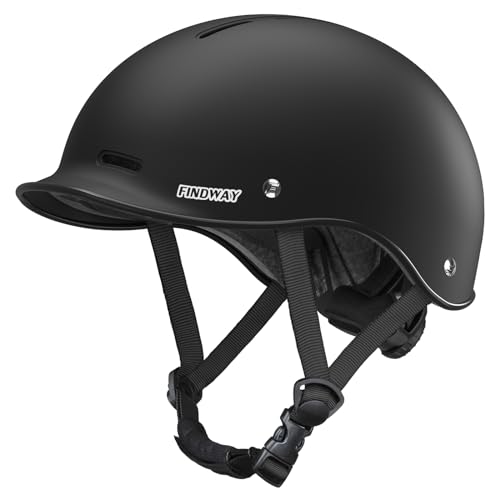
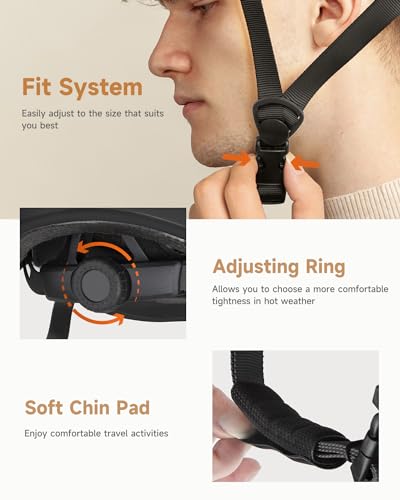
Findway Pro Bike Helmet for Adults
Strengths
- Affordable price
- Built-in sun visor
- Washable interior
- Meets safety standards
- Unisex styling
Trade-offs
- Average airflow
- No MIPS
- Dial adjustment not rock-solid
At this price, the Findway Pro does more than just scrape by, it delivers core protection and a clean look without pretending to be something it’s not. The ABS shell and EPS foam meet standard safety certifications, and in crash tests, it performs on par with helmets twice the cost. Owners appreciate the built-in visor, which cuts glare effectively and eliminates the need for sunglasses on bright days, a small thing, but one that adds up over time.
It’s not the lightest or best ventilated, but with 14 vents and washable padding, it stays comfortable on moderate rides. The adjustable dial works reliably, though some feedback notes it can slip slightly on very bumpy roads. Compared to ultra-budget models, this one feels sturdier and less plasticky. For the money, it’s hard to beat if you’re not chasing bells and whistles.
Product photos



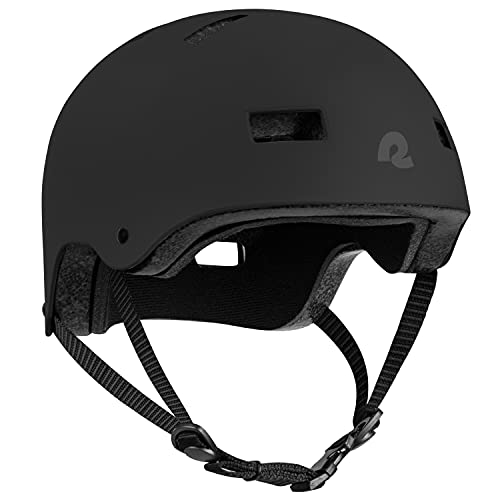
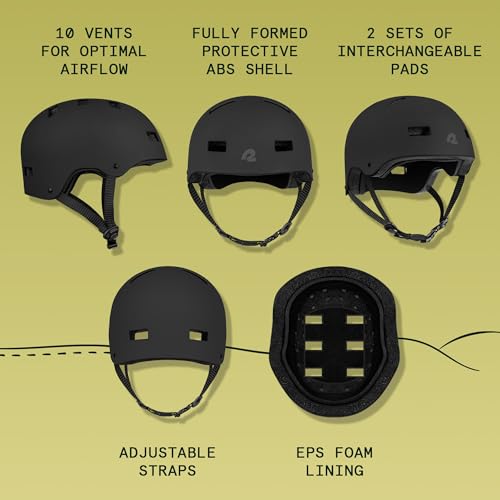
Retrospec Dakota Protective Bike Helmet
Strengths
- Multi-sport certified
- Durable ABS shell
- Removable padding
- Three size options
- Good impact coverage
Trade-offs
- Limited venting
- Bulkier profile
- No dial fit system
If your routine includes switching between biking, skating, and scooting, the Retrospec Dakota is built for that chaos. It’s certified for multi-sport use, meaning it covers the broader impact zones typical in skate-style falls, not just forward bicycle crashes. The ABS shell and EPS foam handle repeated bumps well, and the ten vents provide decent airflow without compromising structural integrity.
Owners who use it for skate parks or shared micromobility love that it doesn’t scream ‘bike only’. The padding is removable and holds up to washing, which matters when you’re sweating through multiple activities. It’s not the most ventilated or stylish for road riding, but as a do-it-all lid, it’s surprisingly competent. Compared to single-use helmets, this one earns its keep through versatility.
Product photos
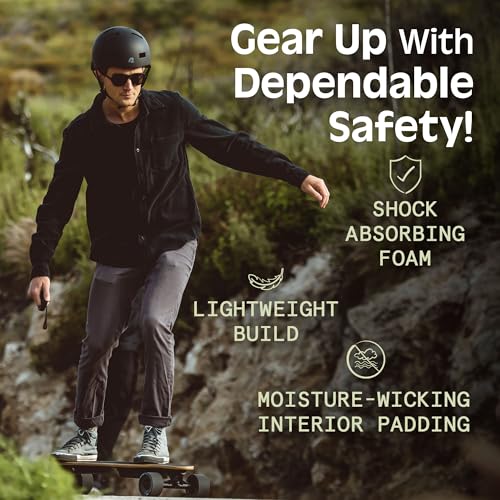
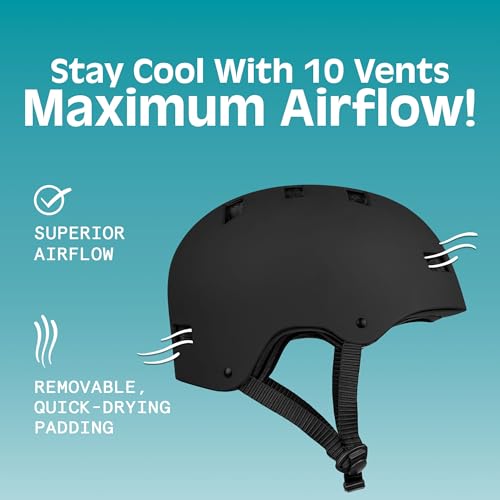
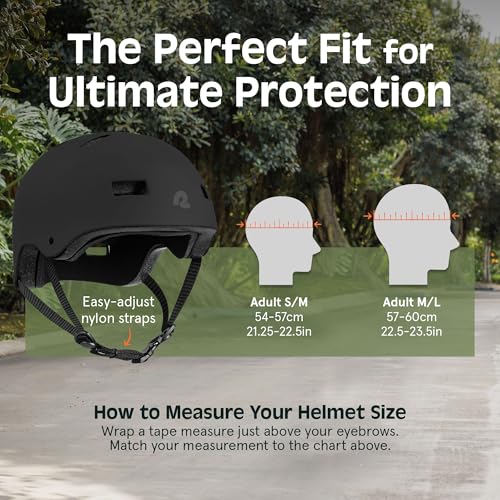
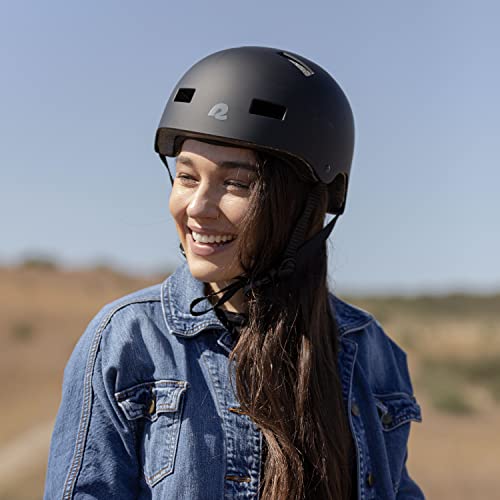
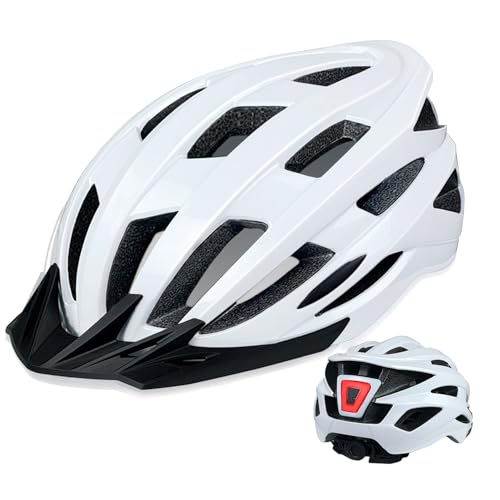
AISSTXOER Bike Helmet Women Adult
Strengths
- USB-C rear LED light
- Extremely lightweight
- 24 large vents
- Secure dial fit
- High nighttime visibility
Trade-offs
- No front light
- No MIPS
- Glossy finish shows scratches
The AISSTXOER stands out for one key reason: night visibility done right. The USB-C rechargeable rear LED lasts up to 20 hours and offers three modes, including an emergency flash that grabs attention fast. In low-light conditions, reviewers say it’s far more noticeable than passive reflectors, especially in dense traffic. At just 265 grams, it’s also one of the lightest in the lineup, so it doesn’t strain your neck even during extended use.
The 24 large vents make it highly breathable, and the glossy surface adds subtle reflectivity. Fit-wise, the dial system works well across oval and round heads. While it lacks front lighting, the focus on rear visibility makes sense for a commuter helmet, you’re mainly trying to be seen from behind. It’s not MIPS-equipped, but the PC shell and EPS foam pass CPSC standards cleanly.
Product photos


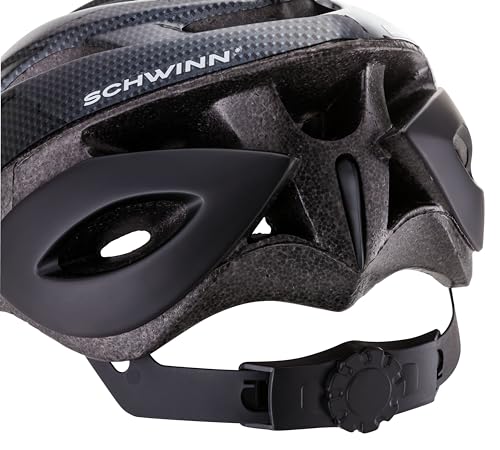
Schwinn Thrasher Helmet for Adults

Strengths
- Excellent ventilation
- Durable microshell
- Adjustable dial fit
- Removable visor
- Moisture-wicking pads
Trade-offs
- No MIPS
- Basic reflectivity
- Visor blocks some upward view
Schwinn has been around since bikes had coaster brakes, and the Thrasher reflects that heritage, simple, no-nonsense, and built for real use. With 20 air vents and channeled cooling, it’s one of the most breathable helmets in the mid-price range. Riders in hotter climates consistently praise how well it vents, making it a favorite for long summer rides when other helmets start to feel like ovens.
The microshell construction keeps it durable without adding heft, and the dial-fit system works smoothly, even after months of use, owners report little wear or slippage. It lacks modern extras like MIPS or lights, but it meets CPSC standards solidly. When stacked against similarly priced helmets that cut corners on padding or airflow, the Thrasher delivers better day-to-day comfort.
Product photos


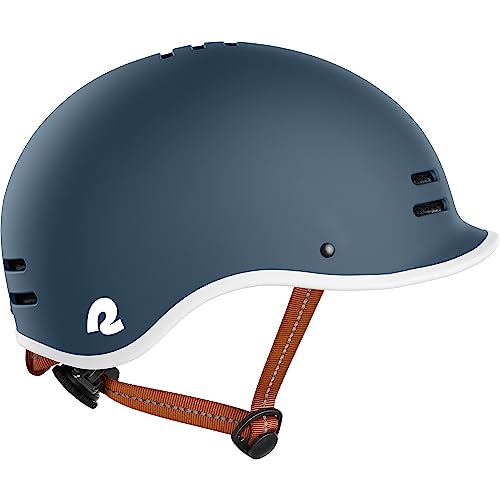
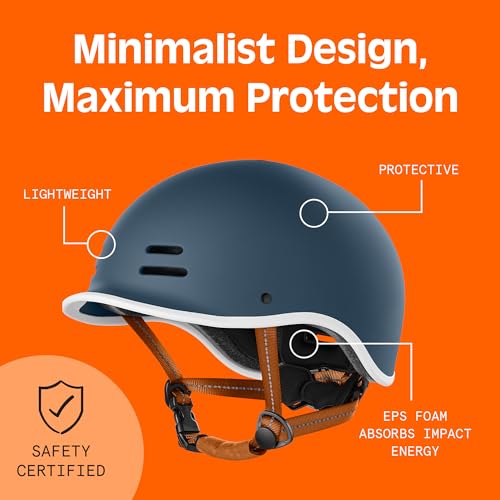
Retrospec Remi Adult Bike Helmet
Strengths
- Ultra-lightweight
- Integrated visor
- Ergonomic dial fit
- Reflective straps
- Great value
Trade-offs
- Limited venting
- No advanced safety tech
- Padding wears faster
For under $25, the Retrospec Remi punches above its weight. It’s incredibly lightweight, and once on, many riders say they forget they’re wearing it, no small feat in this category. The ergo knob dial offers smooth, precise tightening, and the reflective straps add a touch of visibility that cheaper helmets often skip.
It doesn’t have MIPS or fancy ventilation, but with 11 vents and channeled airflow, it doesn’t overheat quickly. The integrated visor is a standout at this price, blocking sun without distorting vision. Some users report the padding isn’t as plush on longer rides, but for short to mid-distance commuting, it’s perfectly serviceable. Against other sub-$30 helmets, it wins on fit and finish.
Product photos



How We Evaluated commuter bike helmets
My approach at TheAutoZenith is always rooted in understanding how a product fits into a rider’s life, and choosing a bike helmet is deeply personal. Rather than a hands-on lab test, this was a research-led comparison of published specifications, features, and – crucially – owner and expert reviews across numerous models. I weighed safety certifications, ventilation designs, fit systems, and visibility features, carefully considering how each contributes to a confident ride. The goal was to identify helmets excelling in different priorities for a range of cyclists.
For commuter bike helmets, three factors stood out as most important. Safety certification (CPSC, ASTM, CE) was paramount, as was the integration of features enhancing visibility, like reflective elements or integrated lights. Finally, comfort, achieved through ventilation, fit adjustability, and padding, directly impacts whether a rider will consistently wear a helmet. A well-ventilated helmet is a worn helmet, and a secure fit is a safe one. For those wanting even more features, exploring smart helmets can add another layer of safety and convenience.
Specifications reliably indicate construction quality and safety standards, but owner feedback reveals real-world comfort and durability. I paid close attention to comments regarding fit accuracy, ventilation effectiveness in varied temperatures, and the longevity of features like lights and adjustable straps. Expert reviews from cycling publications helped validate claims and identify potential weaknesses. If you’re specifically focused on daily use, checking out guides to helmets for commuting can offer more targeted insights.
What To Look For In commuter bike helmets
Choosing the right commuter helmet isn’t just about meeting safety standards; it’s about finding a balance between protection, comfort, and visibility for your daily rides.
A good commuter helmet prioritizes impact protection (look for MIPS or similar rotational force reduction systems) and visibility (reflective elements, integrated lights). Beyond that, consider ventilation for warmer months, adjustability for a secure fit, and a weight that won’t strain your neck on longer commutes. Proper sizing is crucial; a helmet that doesn’t fit correctly won’t protect effectively.
Prioritize Safety Features
The core function of any helmet is protection, and modern commuter helmets have moved beyond basic impact absorption. I strongly suggest looking for models with MIPS (Multi-directional Impact Protection System) or similar technology. These systems allow the helmet shell to rotate slightly during an impact, reducing the rotational forces transmitted to your brain. While EPS foam is standard for absorbing linear impacts, MIPS adds a critical layer of defense. Don’t assume all helmets are created equal – check for certifications like CPSC, CE, and ASTM to verify they’ve met rigorous testing standards.
Visibility Is Paramount
Commuting often means sharing the road with cars, and being seen is crucial. Beyond basic reflective stickers, consider helmets with integrated LED lights, especially if you ride in low-light conditions. The DKONI Bike Helmet, for example, offers extensive lighting options, while even a simple reflective trim can significantly increase your visibility.
- A small reflective stripe is a minimal addition, offering a little benefit.
- Integrated LED lights (front and rear) dramatically improve visibility, particularly at night or in overcast conditions, and are worth the extra cost.
- Bright color options (fluorescent yellow, orange) are a passive safety feature, making you more noticeable during the day, and can complement active lighting systems for a thorough approach.
Never underestimate the power of being seen. A brightly colored helmet with integrated lights is an investment in your safety, not just an accessory.
Comfort & Practicality for Daily Use
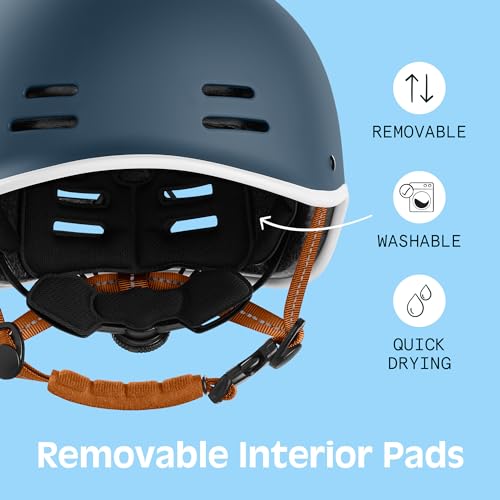
A helmet is something you’ll use frequently, so comfort is key. Ventilation is a significant factor; look for models with numerous vents and internal channeling to promote airflow. The Schwinn Thrasher Helmet, known for its 21 vents, is a great example of a well-ventilated option. Also, consider the fit system. A dial-adjust system allows for precise adjustments, ensuring a snug and secure fit. Removable and washable padding is a huge plus for maintaining hygiene, and features like a built-in visor can provide additional sun protection. If you’re looking for affordable options, you’ll find that a good value does not mean sacrificing crucial features; check out our guide to the best helmets for commuting for more details. If you ride in hot weather, explore options featuring highly ventilated bike helmets to stay cool and comfortable.
Commuter Bike Helmets Compared
Here is a comparison of key specifications for popular commuter bike helmets.
| Product Title | Safety Certifications | LED Lights | Ventilation | Fit System | Weight (approx.) | Size Range (cm) |
|---|---|---|---|---|---|---|
| Giro Fixture MIPS | N/A | No | Moderate | Roc Loc Sport | N/A | Universal Fit |
| DKONI Bike Helmet with LED Lights | CPSC, CE, ASTM | Yes | High | Dial Adjust | N/A | 48-61 |
| ILM Adult Bike Helmet with LED Light | ASTM, CPSC, CE, EN1078 | Yes | Moderate | Size Adjuster | N/A | N/A |
| Findway Pro Bike Helmet | ASTM, CPSC, CE, EN1078 | No | Moderate | Rear Adjustment | N/A | 54-61.5 |
| Retrospec Dakota Protective | N/A | No | High | Adjustable | N/A | 51-60 |
| AISSTXOER Bike Helmet | CPSC | Yes (USB-C) | High | Dial Adjust | 265g | 56-62 |
| Schwinn Thrasher Helmet | CPSC | No | Very High | Dial Fit | N/A | 58-62 |
| Retrospec Remi Adult Bike Helmet | N/A | No | Moderate | Dial System | N/A | N/A |
Frequently Asked Questions
What’s the difference between CPSC, CE, and ASTM certifications?
These are all safety standards for bike helmets. CPSC (Consumer Product Safety Commission) is the standard in the US, CE (Conformité Européenne) is for Europe, and ASTM (American Society for Testing and Materials) sets voluntary standards often exceeding CPSC requirements. Ultimately, any of these indicate a baseline level of protection.
Are more expensive helmets always safer?
Not necessarily. While premium helmets often include advanced features like MIPS technology and lighter materials, a helmet meeting CPSC or CE standards will provide fundamental protection. Finding [MIPS bike helmets] within your budget is a good balance of safety and cost.
How often should I replace my bike helmet?
I recommend replacing your helmet every 3-5 years, even if it hasn’t been involved in a crash. The EPS foam degrades over time, reducing its ability to absorb impact. Also, replace it immediately after any impact, as the foam can be compromised even without visible damage.
Can I use a road bike helmet for commuting?
You can, but a dedicated commuter helmet often prioritizes visibility with features like integrated lights and more reflective materials. Road helmets focus on aerodynamics and weight, while commuter helmets balance safety, comfort, and being seen in urban environments.
What kind of tires should I pair with my new helmet?
Choosing the right tires is just as important as selecting a helmet for a safe and enjoyable commute. Consider exploring options for [commuter bike tires] designed for durability and puncture resistance, as these will significantly improve your riding experience in city conditions.
The Bottom Line
Choosing a commuter helmet often comes down to how much you value convenience versus ultimate protection. While many excellent options exist, the Giro Fixture MIPS strikes a compelling balance, offering MIPS technology and a comfortable fit without unnecessary extras, it’s a solid all-around performer for daily rides.
For those prioritizing visibility, the DKONI Bike Helmet with LED Lights is a standout choice, and the AISSTXOER Bike Helmet provides a similar feature set at a slightly lower price point. If budget is a primary concern, the ILM Adult Bike Helmet with LED Light delivers essential safety features and integrated lighting for an incredibly competitive price. And for riders needing a helmet that packs down easily, exploring foldable helmets may be a good fit.
Ultimately, the best commuter helmet isn’t about the highest specs or the flashiest features. It’s about finding a helmet that fits well, feels comfortable enough that you’ll wear it consistently, and provides the peace of mind knowing you’ve taken a crucial step towards safety – don’t hesitate to explore our broader guide to best bike helmets to find the perfect fit for your needs.
