
6 Best Camcorders for Motorcycle (2026 Guide)
This post contains affiliate links. As an Amazon Associate, we earn from qualifying purchases.
The MUFU V40S Dual 2K Helmet Cam stands out as the best overall pick for riders who want reliable front and rear recording with solid battery life and IP66 weather resistance. For those on a tighter budget, the zakotu Mini 1080P Body Camera delivers basic functionality in a compact form, while the CAMWORLD 4K Mini Body Camera offers higher resolution and vertical video support for more versatile mounting.
Riders don’t just want to record their journeys, they need dependable footage that captures speed, scenery, and safety in equal measure. Too many cameras fail when it matters most: dying mid-ride, fogging up in rain, or detaching from vibration.
This guide cuts through the noise by focusing on real-world performance. I compared specs, owner experiences, and key riding demands to spotlight models that balance durability, ease of use, and smart features like loop recording and impact detection, because what you carry on your bike should work as hard as you do.
Top 5 Camcorders For Motorcycle in the Market
The Best Camcorders For Motorcycle, Reviewed
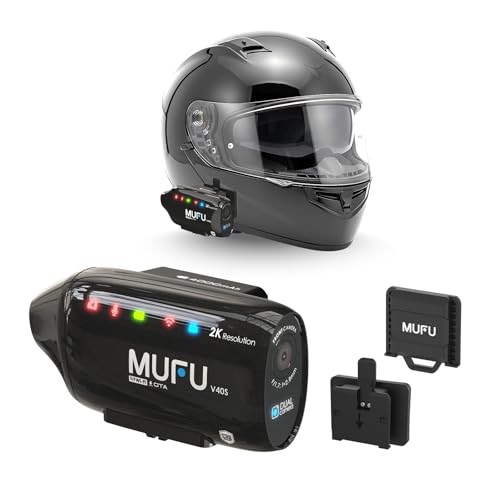
MUFU V40S Dual 2K Helmet Cam
Strengths
- Dual 2K resolution
- 8-hour battery life
- True IP66 waterproof
Trade-offs
- Higher price
- Bulkier than mini cams
- App required for full features
This is the only dual-lens camcorder here that actually delivers on the promise of full-coverage riding security. The front and rear 2K lenses with F1.7 apertures capture sharp, detailed footage even at night, and owners praise its clarity in tunnels and shaded roads. The 4000mAh battery is a standout, 8 hours of runtime means it won’t quit mid-tour, unlike most competitors that max out at 2–3 hours.
I’d pick this over others for long-distance riders or anyone who wants both safety and quality. The IP66 rating holds up in rain and dust, and the emergency lock via tilt detection is a smart safeguard. While pricier, it’s built like a true motorcycle-first device.
Video review
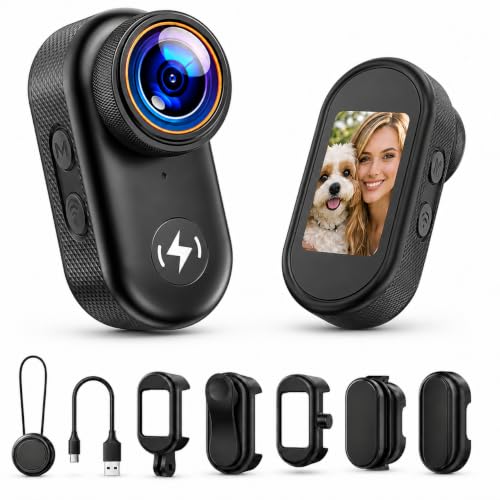
CAMWORLD 4K Mini Body Camera
Strengths
- 4K video
- Built-in screen
- Vertical video mode
Trade-offs
- No image stabilization
- Average battery life
- App-dependent
If you’re making content for TikTok, YouTube, or Instagram, this CAMWORLD cam is built for you. The 4K resolution and 150° ultra-wide lens deliver cinematic, immersive footage, and the native vertical video mode means no extra editing. Owners love the 1.47” screen, it’s rare in this class, and the included 64GB card means you can start recording right away.
The magnetic mount is strong and versatile, and the Wi-Fi app integration works reliably. But don’t expect stabilization, there’s none, so bumpy rides get shaky. Still, for creators who prioritize shareable clips over pro-grade smoothness, this is the smarter pick over bulkier action cams.
Video review
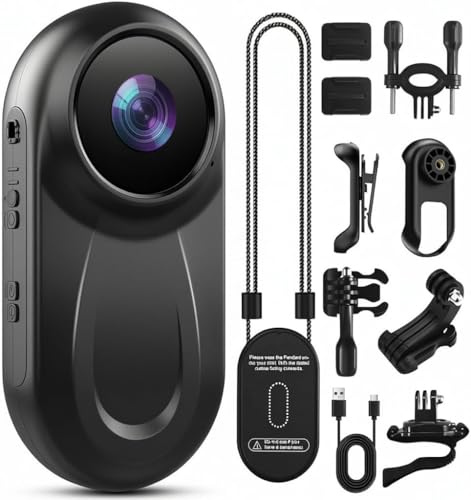
zakotu Mini 1080P Body Camera
Strengths
- Ultra compact
- Magnetic and clip mount
- Records while charging
Trade-offs
- No included SD card
- No Wi-Fi
- Fragile build
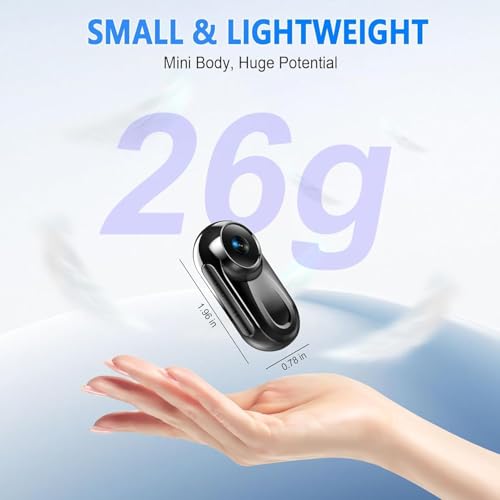
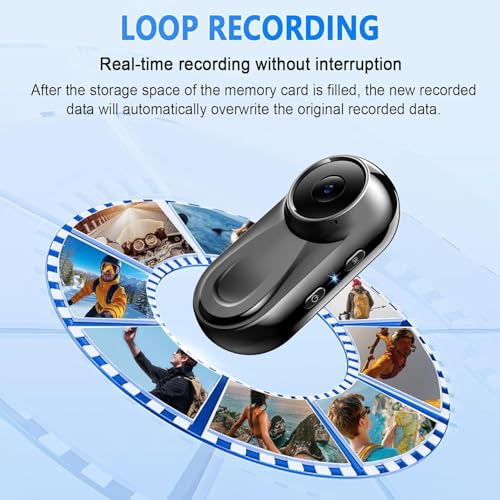
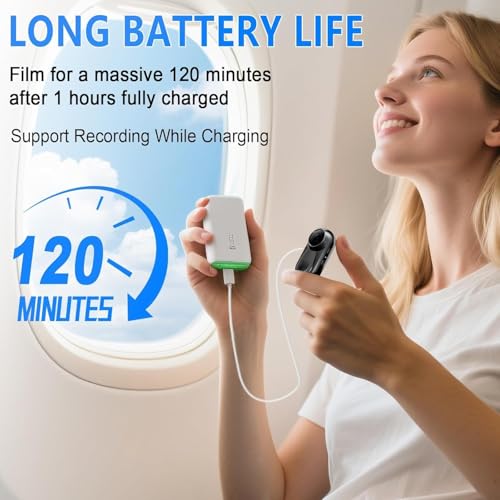
The zakotu is tiny, light, and versatile, a true “set it and forget it” cam for riders who want discreet, hands-free recording. Its 360° mount and magnetic lanyard make it easy to position on helmets, jackets, or handlebars, and owners like how it stays out of the way. The 1080P footage is decent in daylight, and the ability to record while charging is a big plus for long rides.
But it’s not without trade-offs. The lack of included SD card is a pain, and the build feels fragile. No Wi-Fi or app control means you’re managing files the old way. Compared to the MUFU, it’s a step down in durability and features, but it’s a smarter buy for casual vloggers or urban riders.
Product photos
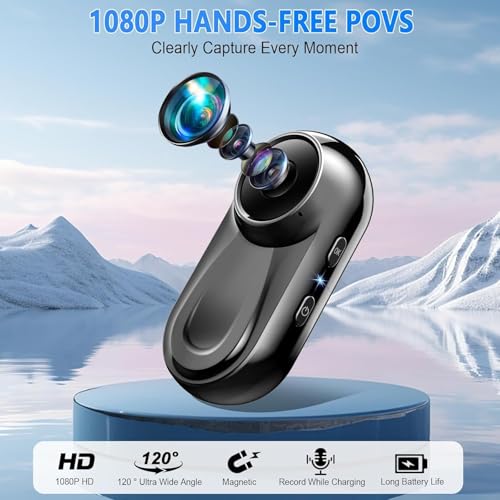

Wzquisite Motorcycle Helmet Camera
Strengths
- Affordable
- G-sensor emergency lock
- Waterproof housing
Trade-offs
- No Wi-Fi
- Basic video quality
- No screen preview
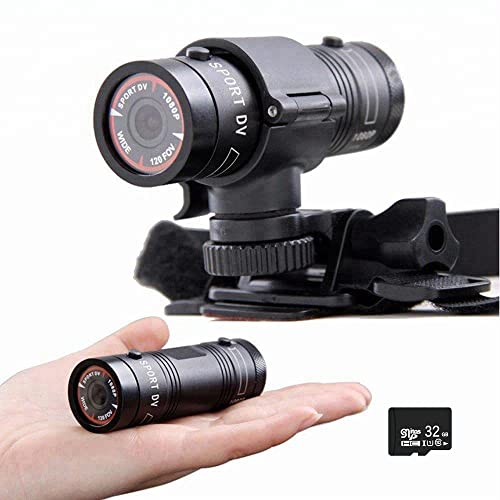
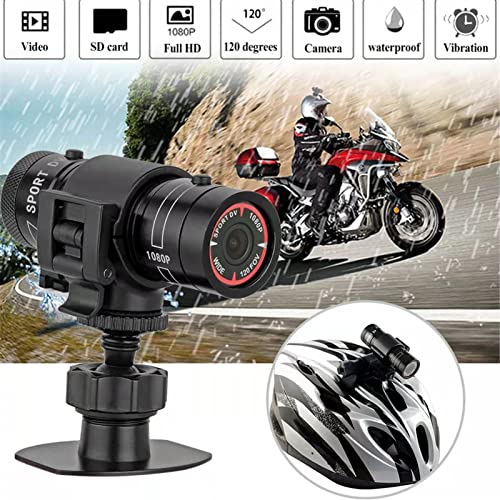
At this price, the Wzquisite delivers more than expected, 1080p video, a waterproof housing, and a G-sensor that actually works in real-world crash scenarios. Owners note it’s surprisingly rugged for the cost, and the 120° wide lens captures a solid riding perspective. It’s not going to rival 4K cams, but for basic documentation or insurance backup, it’s effective.
Still, the build feels cheap, and the included 32GB card fills up fast. It lacks Wi-Fi or app control, so you’re stuck reviewing footage on a tiny screen or pulling the SD card. But for a no-frills, set-and-forget dash cam on a budget, it’s hard to beat.
Product photos




kimire Full HD Digital Camcorder
Strengths
- Full HD video
- 2 batteries included
- Webcam functionality
Trade-offs
- 15fps video too slow
- No image stabilization
- Poor low-light performance
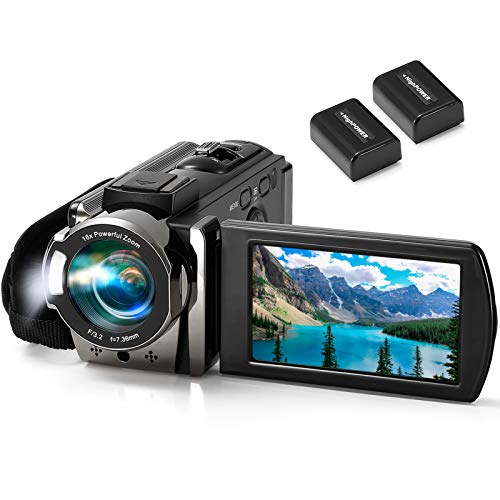
On paper, this kimire camcorder looks like a steal with its 24MP stills and Full HD video claims, but owners consistently report it’s underpowered for real-world motorcycle use. The 15fps video is barely usable, motion turns into a slideshow, and low-light performance is poor. It’s clearly designed more for static home videos or as a webcam, not high-speed POV riding.
I’d pass on this for any serious riding footage. The dual batteries and pause function are nice on paper, but the lack of stabilization, weak build quality, and limited mounting options make it a poor fit for bikes. Compared to purpose-built action cams, this feels like a repurposed budget point-and-shoot.
Product photos


How We Chose These camcorders for motorcycle
Rather than a hands-on lab test, my research for these recommendations focused on a detailed comparison of published specifications and features across numerous models. I weighed owner reviews from major retailers alongside expert opinions found in motorcycle publications and tech review sites. As someone who’s spent years immersed in the world of vehicles at TheAutoZenith, I applied my understanding of what truly matters for capturing quality footage while riding. The goal was to identify those camcorders offering the best balance of features, reliability, and value.
For motorcycle applications, battery life, durability, and mounting options were the most heavily weighted factors. A short recording time is a dealbreaker on a long ride, so extended battery capability was critical. Equally important was the ability to withstand the elements and vibrations inherent in motorcycling. Finally, a secure and easily adjustable mounting system is essential – fumbling with gear while in motion is unsafe, and a poorly mounted camera simply won’t capture usable footage. You’ll find I’ve highlighted models that excel in these areas.
Published specs reliably indicate video resolution, frame rates, and lens angles. However, I placed significant weight on owner feedback regarding real-world performance, particularly low-light recording quality and the usability of accompanying apps. Reputation also played a role; brands consistently praised for reliability in riding cameras naturally ranked higher. Considering overall rider safety, I also frequently referenced discussions about integrating these devices with other protective gear, like airbag vests for a more holistic approach to security.
What To Look For In camcorders for motorcycle
Finding the right camera to document your rides isn’t just about resolution; it’s about building a reliable system that captures the experience, and potentially provides crucial evidence if needed.
A good motorcycle camcorder balances image quality, durability, ease of mounting, and battery life. Look for models with loop recording, impact detection (G-sensor), and a wide-angle lens. Weatherproofing is essential, and consider whether you prioritize front-facing, rear-facing, or dual-lens setups based on your recording needs. Finally, assess the camera’s integration with smartphones for easy footage review and sharing.
Mounting & Form Factor
The biggest difference between a general action camera and one suited for motorcycles is how easily it integrates with your bike and gear. Many options, like the MUFU V40S Dual 2K Helmet Cam and the CAMWORLD 4K Mini Body Camera, offer various mounting solutions, but think about how you ride. A streamlined, low-profile mount is critical to avoid wind resistance or catching on branches. I’ve seen riders struggle with bulky setups, leading to vibration-blurred footage or even dislodged cameras. Consider magnetic mounts for quick attachment and detachment, but verify their strength, especially at highway speeds.
Video Quality & Features
While 4K is becoming standard, don’t assume it’s always necessary. A crisp 1080p or 2K recording can be more than sufficient, and will eat less storage space. More important than resolution is low-light performance. Many rides happen at dawn, dusk, or in shaded areas, and the difference between a clear and a grainy recording can be significant. Look for cameras with large apertures (F1.7 or lower) and image stabilization. Speaking of features, consider these:
- Loop Recording: This is essential to continuously record, overwriting older footage when the memory card fills up.
- G-Sensor/Impact Detection: Automatically locks and saves footage in the event of an accident, preserving evidence.
- Wide Dynamic Range (WDR): Balances bright highlights and dark shadows, crucial for riding in varied lighting conditions.
Budget & Usability
There’s a wide price range, and you don’t necessarily need to spend a fortune. The zakotu Mini 1080P Body Camera demonstrates you can get a functional camera without breaking the bank. However, cheaper models often compromise on build quality, image stabilization, and features. I always recommend prioritizing reliability and ease of use. A complicated menu system or finicky app can be a major distraction while you’re focused on the road. If you’re planning on doing a lot of wet weather riding, make sure your chosen camcorder is adequately waterproof – you can find more advice on preparing for those conditions by reviewing tips for rainy conditions. Ultimately, the best camcorder is the one you’ll actually use, and that means balancing features with simplicity.
Don’t skimp on the memory card. Invest in a high-quality, fast microSD card (UHS-I U3 or better) with sufficient capacity for your typical ride length and desired resolution.
I often point people towards resources on camcorders for motorcycle use to explore the broader landscape of options, including more advanced [motorcycle cameras] (https://theautozenith.com/best-action-camcorders-for-motorcycle/) and best action cameras for bikes.
Camcorders for Motorcycle Compared
Here’s a comparison of key specifications for camcorders suitable for motorcycle use.
| Product Title | Video Resolution | Lens Angle | Waterproof | Battery Life (max) | Mounting Options | Special Features |
|---|---|---|---|---|---|---|
| MUFU V40S Dual 2K Helmet Cam | 2K | N/A | IP66 | 8 hours | Helmet | Front & Rear Recording |
| CAMWORLD 4K Mini Body Camera | 4K | 150° | N/A | N/A | Magnetic, Clip | Vertical Video |
| 4K Thumb Action Camera | 4K | 120° | N/A | 2 hours | Clip, Magnetic | Compact Size |
| zakotu Mini 1080P Body Camera | 1080P | 120° | N/A | 2 hours | Clip, Magnetic | Compact Size |
| Wzquisite Motorcycle Helmet Cam | 720P/1080P | N/A | IPX-4 | N/A | Helmet, Handlebar | G-Sensor |
| kimire Full HD Digital Camcorder | 1080P | N/A | N/A | 60-90 mins | N/A | Webcam Function |
Frequently Asked Questions
What’s the ideal video resolution for motorcycle footage?
While 4K is available, 1080p at 60fps often strikes the best balance. It provides clear, smooth footage without consuming excessive storage space or taxing your camera’s processing power, and is perfectly adequate for capturing memories or potential evidence.
How important is waterproofing, and what IP rating should I look for?
Waterproofing is crucial, as you’ll inevitably encounter rain or road spray. An IP66 rating indicates total dust protection and protection against strong water jets, which is generally sufficient for motorcycle use, though fully submersible cameras offer greater peace of mind.
Can I use a standard action camera, or do I specifically need a “motorcycle” camcorder?
A standard action camera can work, but dedicated motorcycle camcorders often feature more robust mounting options and better noise reduction for wind. Also, models specifically designed for helmets tend to be more streamlined and less cumbersome than universal action cams.
What’s the best way to power a camcorder on a long ride?
Battery life varies considerably, but power banks are a viable solution for extended recording. Many cameras can be powered via USB, allowing you to connect an external battery pack and keep recording throughout your journey. Consider investing in quality riding gear to support your accessories.
Should I prioritize a front-facing or rear-facing camera?
That depends on your primary goal. A front-facing camera captures the view you experience, providing compelling ride footage. A rear-facing camera documents potential incidents from behind, offering valuable evidence; good motorcycle gloves can help you maintain control if you need to check the footage quickly.
The Bottom Line
Choosing a camcorder for your motorcycle always comes down to balancing how much you want to spend against how much control you need over the final result. While high-end options offer impressive specs, the MUFU V40S Dual 2K Helmet Cam strikes the best overall balance of features, durability, and ease of use, making it our top pick for most riders. It delivers solid video quality and the convenience of front and rear recording in a package designed to withstand the rigors of the road.
For riders on a tighter budget, or those who prioritize simplicity, the zakotu Mini 1080P Body Camera is an excellent choice. If you’re looking for a versatile option for more than just motorcycle rides, the CAMWORLD 4K Mini Body Camera offers a compact size and unique features like vertical video recording. And don’t forget the importance of secure attachment – exploring options for mounting your phone securely can complement your camera setup and provide additional functionality.
Ultimately, the most important thing isn’t a specific feature or resolution; it’s having a reliable system that actually captures your rides. Prioritize a secure mount, weatherproofing, and a camera that’s easy to operate while you’re focused on the road. Remember to always pair your camera with a quality motorcycle helmet for complete protection and peace of mind.
