
8 Best Bike Washes of 2026
This post contains affiliate links. As an Amazon Associate, we earn from qualifying purchases.
The MUC-OFF Bike Wash & Drivetrain Kit stands out as the best overall choice for riders who want a complete cleaning solution, while the Finish Line Super Bike Wash offers exceptional value for frequent riders. For quick maintenance between deep cleans, the Muc Off Waterless Wash is the most practical pick.
Washing your bike shouldn’t mean gambling with its components or spending half your weekend scrubbing. Too many riders end up using household cleaners that strip lubricants or damage finishes, leading to premature wear.
Based on specs, owner feedback, and years of studying bicycle care, I focused on formulas that clean effectively without compromising frame integrity or drivetrain health. This guide cuts through the marketing to show you which washes actually deliver, and why the right one depends on your riding habits, not just the label.
Top 8 Bike Washes in the Market
The Best Bike Washes, Reviewed
MUC-OFF Bike Wash & Drivetrain Kit

Strengths
- Complete kit
- High-quality components
- Includes tools
Trade-offs
- Expensive upfront
- Extra items may go unused
This isn’t just a wash, it’s a full care system in a box. The Nano Tech Bike Cleaner is one of the best in class, lifting dirt without scrubbing, and paired with the Bio Drivetrain Cleaner and Bio Dry Lube, it covers every phase of post-ride care. Owners love the included tools, and the MO-94 spray adds real value as a protectant.
At the price, it’s a premium bundle, but you’re paying for completeness. Compared to buying each item separately, you save time and often money. I’d pick this over standalone washes if you’re building or upgrading your toolkit. For new riders or gift-givers, it’s the most complete starting point.
Video review
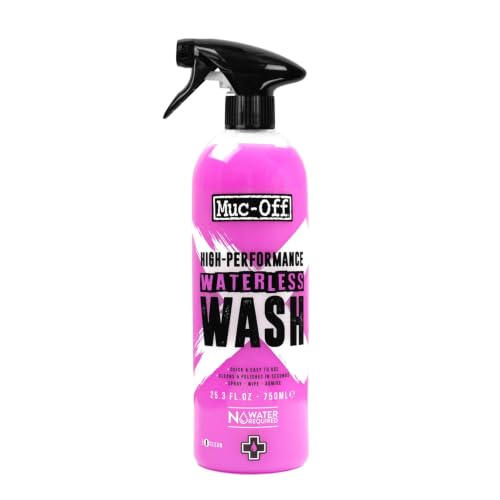
Muc Off Waterless Wash 750ml
Strengths
- No water needed
- Cleans and polishes
- Easy application
Trade-offs
- Cloth-heavy
- Not for heavy dirt
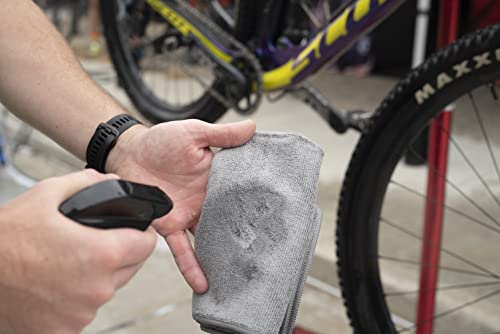
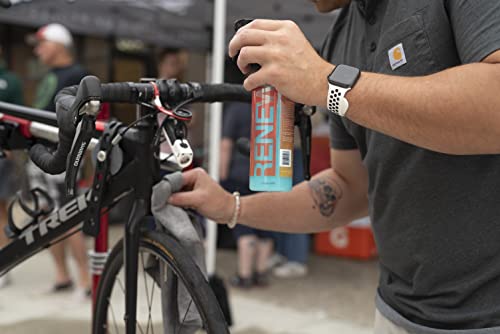
When you’re short on time or access to water, this waterless wash is about as good as it gets. The dual-action formula both lifts dirt and polishes, which owners confirm leaves a noticeable shine after a single wipe-down. It’s not meant to replace a full wash, but between deep cleans, it keeps a bike looking cared for, especially useful for e-bike owners who tend to avoid high-pressure water near electronics.
Compared to other no-rinse options, it spreads evenly and doesn’t streak if used with quality microfiber cloths. The 750ml size gives decent value, though heavy users may burn through it faster than expected. I’d choose this over traditional washes for quick touch-ups, but not for post-mud-ride recovery.
Video review
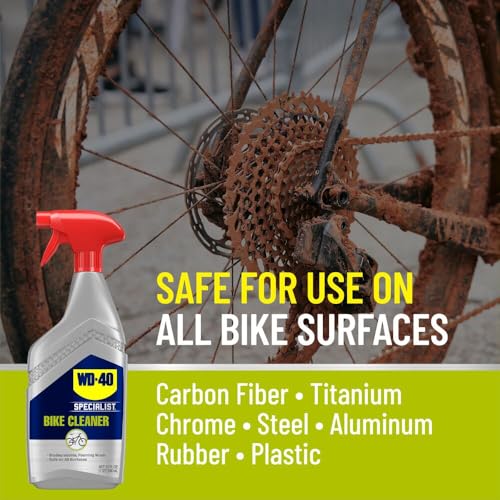
WD-40 Specialist Foaming Cleaner

Strengths
- Budget-friendly
- Foam trigger
- Safe on components
Trade-offs
- Average lather
- No extra shine
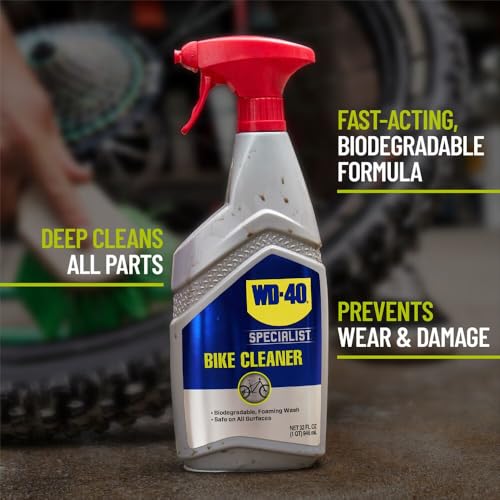
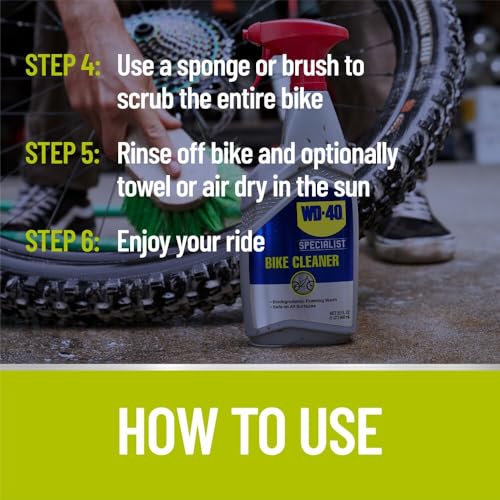
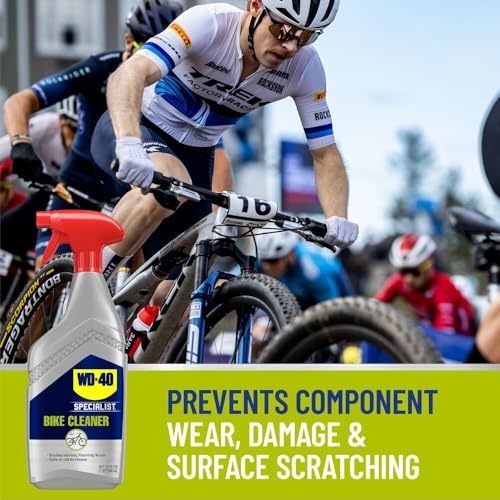
This is the workhorse of the bunch, affordable, reliable, and widely available. The foaming trigger helps it cling longer than most budget options, giving it time to break down light grease and road film. It’s safe on carbon and paint, which matters, and community feedback confirms it doesn’t eat through rubber or seals.
It won’t foam like the boutique brands, and the scent is typical chemical-clean, but it gets the job done. Compared to Finish Line or SILCA, it’s less refined, but for riders who clean bikes often and don’t want to splurge, it’s the smarter buy. I’d pick this over pricier options for routine maintenance where deep gloss isn’t the goal.
Product photos

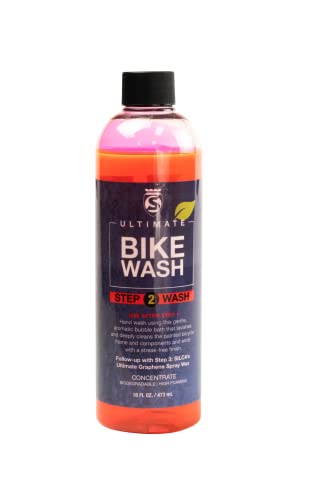
SILCA Ultimate SPA Bike Cleaner
Strengths
- Eco-friendly
- High foam
- Concentrated
Trade-offs
- Premium price
- Not for heavy mud
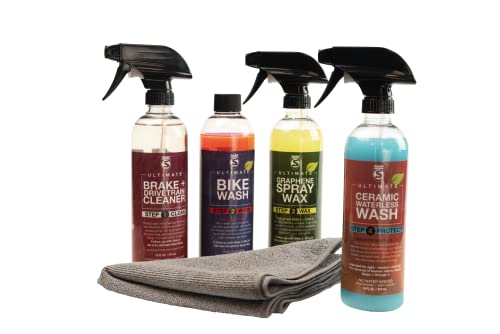
This is one of those bike washes that makes cleaning feel less like maintenance and more like a ritual. The concentrated formula means a little goes a long way, and owners consistently report a rich, stable foam that clings well and lifts grime without scratching. On paper, the eco-friendly surfactants and encapsulation tech seem like marketing fluff, but in practice, they deliver a genuinely gentle clean, especially important for riders with high-end frames or delicate finishes.
It’s not the fastest option for a muddy mountain bike, but for regular upkeep or post-ride detailing, it’s hard to beat. Compared to budget formulas, this one doesn’t just clean, it leaves a subtle sheen and a pleasant scent, which sounds trivial until you’ve used it a few times. I’d pick this over generic washes any day for a weekend refresh.
Product photos

Finish Line Super Bike Wash Gallon
Strengths
- Bulk value
- Strong cleaning
- Biodegradable
Trade-offs
- Large size
- Minimal foam
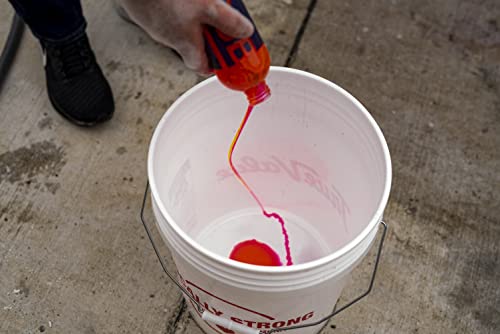
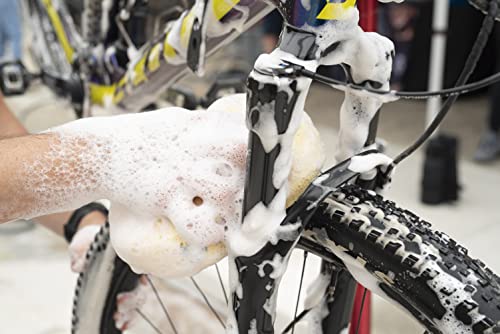
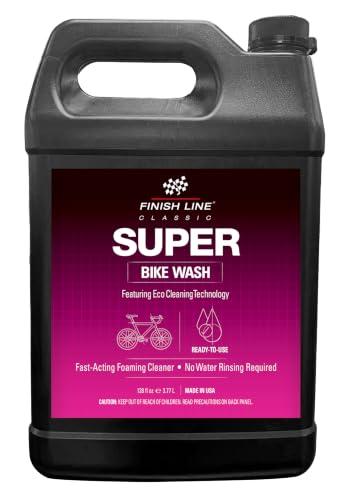
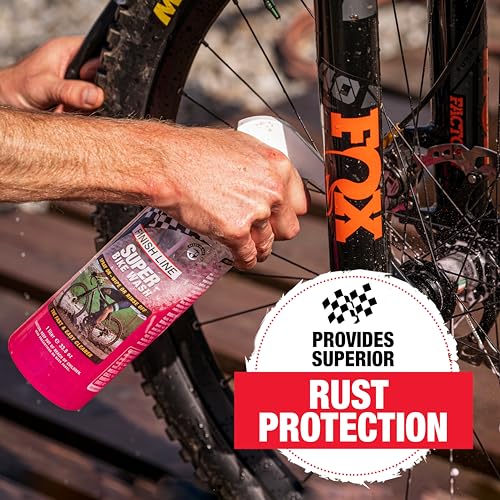
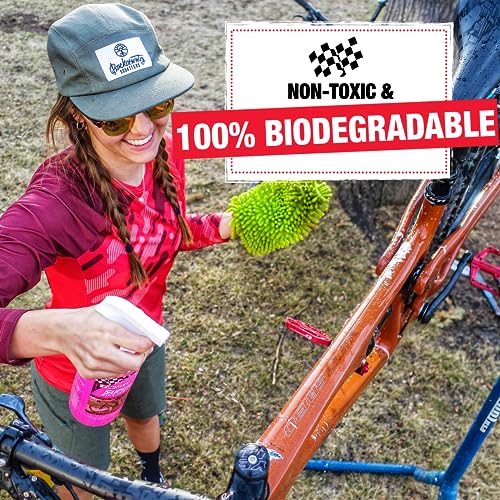
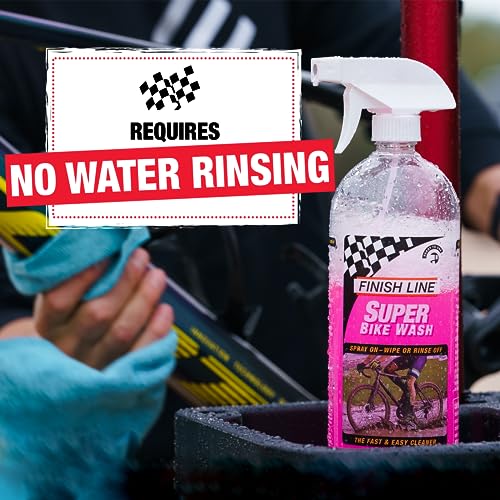
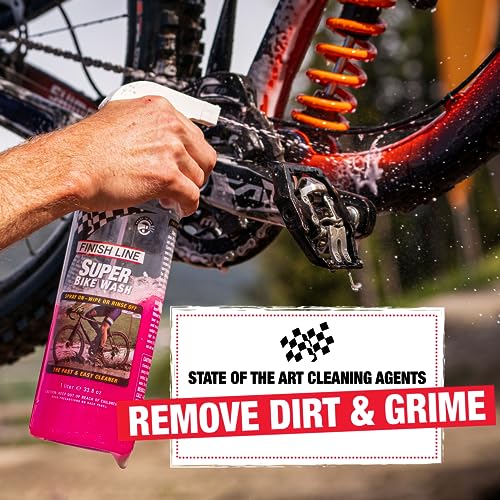
If you wash bikes often, whether one bike weekly or a fleet, this gallon jug is the most cost-effective move you can make. The five-surfactant blend works fast, and reviewers note it cuts through road grime and dried-in mud better than most concentrates. It’s biodegradable and compliant with strict environmental standards, which matters for outdoor rinses.
It doesn’t foam as much as Muc-Off or SILCA, but it doesn’t need to, this is about efficiency. Compared to smaller bottles, the value is obvious, especially for shops or families with multiple bikes. I’d choose this over single-use bottles if you’re washing more than once a month.
Product photos

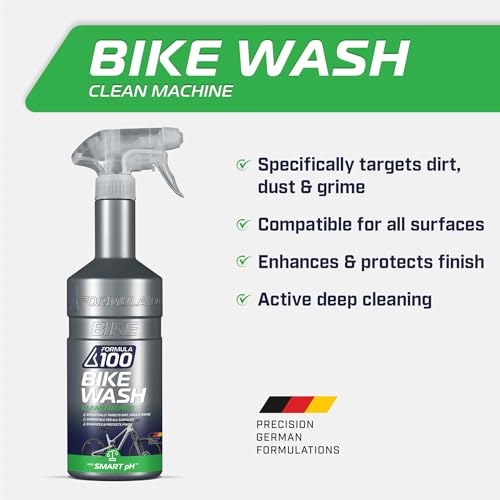
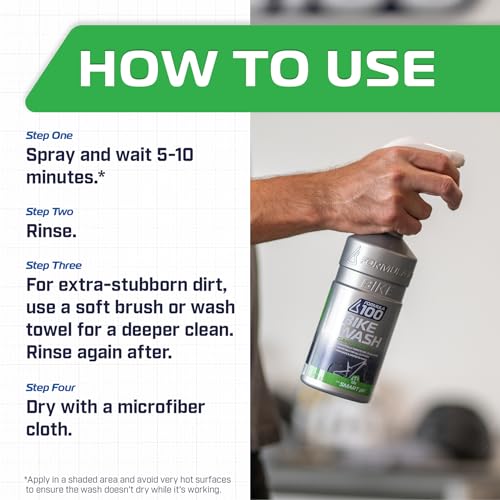
Formula 100 Clean Machine Gel
Strengths
- No-drip gel
- Sticks to verticals
- Safe on electronics
Trade-offs
- Slower rinse
- Needs brushing
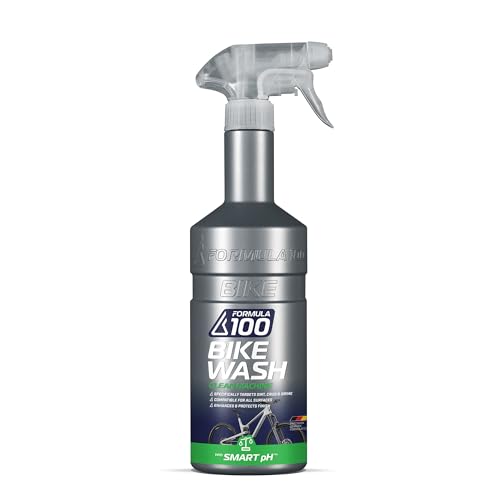
The no-run gel formula is the real deal, this stuff clings to vertical tubes, fork legs, and drivetrains without dripping, giving the cleaning agents time to break down gunk. That’s a standout for e-bikes or full-suspension MTBs with tight spaces. The Smart pH tech keeps it safe on seals and electronics, which owners appreciate, especially when cleaning mid-drive systems.
It’s not the fastest to rinse, and you’ll still need a brush for stubborn spots, but it reduces overspray and wasted product. Compared to liquid sprays, it’s more precise. I’d recommend this to e-bike riders or anyone tired of wash runoff staining their garage floor.
Product photos


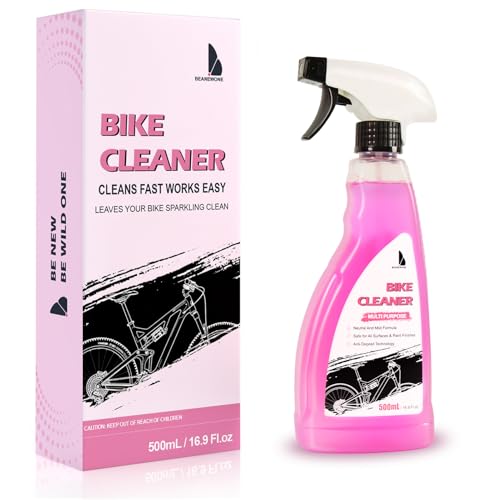
Beanewone Bike Cleaner 500mL
Strengths
- pH-neutral
- Dual spray modes
- Anti-deposit film
Trade-offs
- Smaller bottle
- Average foam
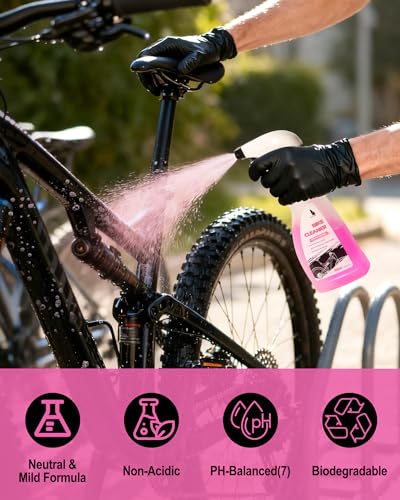
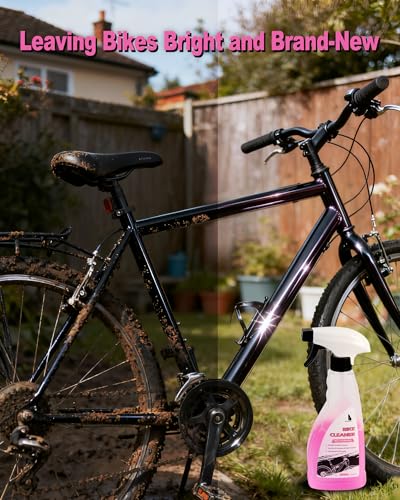
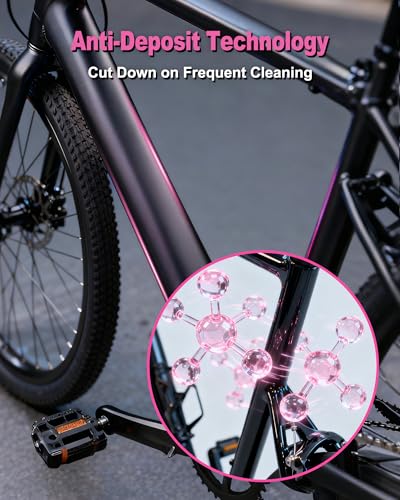
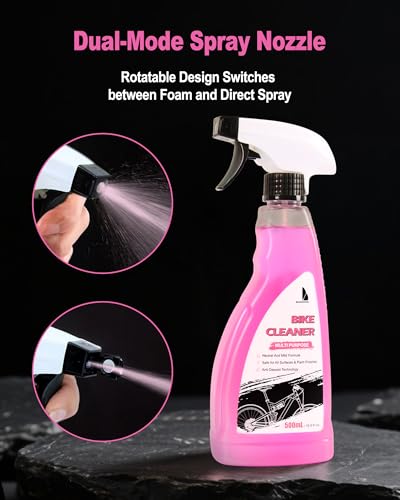
If you’re the type who worries about stripping clear coats or damaging carbon, this pH-neutral wash is a solid choice. The anti-deposit technology isn’t just buzz, it creates a protective film that reviewers say reduces grime buildup over time, which could mean fewer washes in the long run. The dual-mode nozzle is a standout, letting you switch between foam and direct spray to hit tight spots around brakes and derailleurs.
It doesn’t produce the same luxurious lather as SILCA or Muc-Off, but it gets the job done without drama. For the price, it punches above its weight, especially for road cyclists or commuters who want something safe, effective, and low-stress. I’d recommend this over harsher formulas for daily use on lighter dirt loads.
Product photos
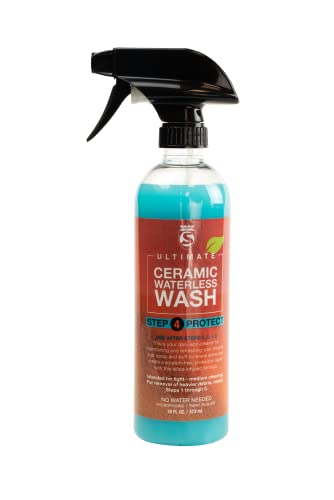
SILCA Ceramic Waterless Cleaner
Strengths
- Ceramic protection
- Long-lasting shine
- Easy wipe-on
Trade-offs
- High price
- Requires careful buffing
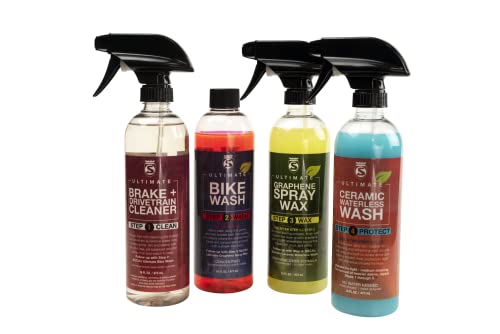
This isn’t just a cleaner, it’s a ceramic-infused detailer that builds up protection with each use. The SiO2 formulation is legit, and owners report that after a few applications, water beads more and dust slides off easier. It’s pricier than standard waterless washes, but if you’re into long-term surface protection, that premium starts to make sense.
The encapsulation tech works well on light road film, but don’t expect it to handle trail grit. Compared to Muc-Off’s waterless version, this one shines (literally) in durability of finish, though it demands more attention to wiping technique to avoid hazing. I’d recommend it to detail-oriented riders who treat their bike like a showpiece.
Product photos
How We Chose These bike washes
Rather than a hands-on lab test, my research for these bike washes centered on a detailed comparison of published specifications and features. I weighed owner reviews from multiple sources – looking for patterns in reported performance – alongside expert opinions from cycling publications. Ultimately, I ranked these products based on their suitability for different rider needs and budgets, drawing on years of experience understanding bicycle maintenance.
For bike washes, the ability to effectively lift grime without damaging delicate components and the formula’s impact on subsequent maintenance were paramount. A good wash should make future tasks like applying a lube bike chain easier, not harder. Ease of use also factored heavily; a product that requires extensive scrubbing or rinsing loses points, especially for quick post-ride cleanups.
Product specifications reliably indicate cleaning agent types and pH levels, helping assess potential harm to finishes. However, I placed greater emphasis on owner feedback regarding real-world performance – how well a wash cut through stubborn dirt, if it left streaks, and its overall value. Reputation and consistency across reviews were key indicators, especially when considering long-term protection and the need for quality recommended safety helmets after a good clean.
How To Pick The Right bike washes
Finding the right bike wash doesn’t just mean a sparkling clean ride; it means protecting your investment and ensuring optimal performance.
A truly effective bike wash goes beyond surface cleaning. It needs a formula that cuts through grime without damaging delicate components, considers environmental impact, and offers a practical application method. Look for products with specific surfactants tailored for bicycle materials, pH-neutral formulas to protect finishes, and concentrated options for value. Don’t overlook the importance of dedicated brushes and microfiber cloths to avoid scratches.
Formula & Cleaning Power
The core of any bike wash is its cleaning ability, but the type of cleaning matters. Many basic cleaners strip away all lubricants, forcing you into a full re-lube cycle after every wash. I prefer formulas that target grime specifically, leaving beneficial chain lubrication intact where possible. Look for products listing multiple surfactants – these are the compounds that actually lift dirt – and consider whether you need a dedicated degreaser alongside your wash. For example, something like the Muc-Off Bike Wash & Drivetrain Kit bundles everything you need for a thorough clean.
Material Compatibility
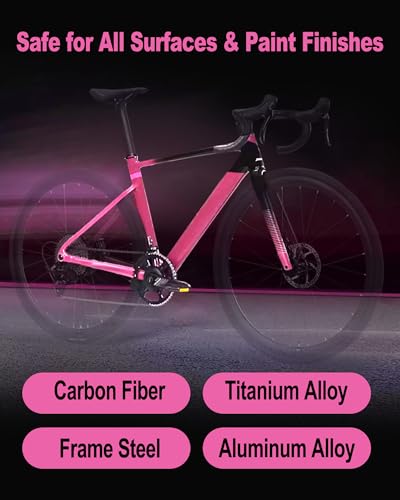
Bikes aren’t one-size-fits-all, and neither should your cleaner be. Modern bikes use a huge range of materials: carbon fiber, aluminum alloys, titanium, and various plastics. A cleaner safe for steel might actively damage a carbon fiber frame. pH-neutral formulas (around 7) are generally the safest bet, as they’re less likely to react with sensitive materials. If you’re unsure, always test the cleaner in an inconspicuous area first. Protecting your investment starts with using the right products, and this is also why checking out recommended cleaning products is a good idea.
Convenience & Value
Let’s be honest: nobody loves cleaning their bike. That’s where convenience features come into play. Waterless washes, like the Muc-Off Waterless Wash, are fantastic for quick touch-ups or when you lack access to a hose. Gel formulas, such as the Formula 100 Clean Machine Gel, cling to surfaces, minimizing run-off and maximizing cleaning time on vertical areas. Consider these factors alongside price to find the best value for your needs.
Here’s how I think about balancing these features:
- Quick touch-ups: A waterless spray is ideal.
- Deep cleaning: A concentrated formula like Finish Line Super Bike Wash offers the most bang for your buck.
- Delicate frames/components: Prioritize a pH-neutral, biodegradable option, even if it’s slightly more expensive – protecting your bike is worth it.
A clean bike isn’t just aesthetically pleasing; it runs smoother, lasts longer, and is safer to ride. Don’t skimp on the cleaning process, and always prioritize products designed specifically for bicycle components.
Finally, remember to consider your overall bicycle security. A clean bike is less likely to be targeted by thieves, but you still need secure bike locks to truly protect your ride when you’re away from it.
Bike Washes Compared
Here’s a comparison of key specifications for several bike wash products.
| Product Name | Volume | Waterless? | Biodegradable? | pH Balanced? | Ceramic? |
|---|---|---|---|---|---|
| MUC-OFF Bike Wash & Drivetrain Kit | N/A | No | N/A | N/A | No |
| Muc Off Waterless Wash 750ml | 750ml | Yes | N/A | N/A | No |
| WD-40 Specialist Foaming Cleaner | N/A | No | Yes | N/A | No |
| SILCA Ultimate SPA Bike Cleaner | N/A | No | Yes | Yes | No |
| Finish Line Super Bike Wash Gallon | 1 Gallon | No | Yes | N/A | No |
| Formula 100 Clean Machine Gel | N/A | No | N/A | Yes | No |
| Beanewone Bike Cleaner 500mL | 500ml | No | Yes | Yes | No |
| SILCA Ceramic Waterless Cleaner | 16oz | Yes | N/A | N/A | Yes |
Frequently Asked Questions
What’s the difference between a bike-specific wash and regular soap?
Bike-specific washes contain surfactants designed to lift grime common on bikes without stripping essential lubrication from the chain and other components. Regular soaps, like dish soap, can be too harsh and remove protective oils, leading to corrosion and increased wear.
Are biodegradable bike washes truly effective at cleaning?
Yes, many biodegradable formulas now offer cleaning power comparable to traditional, chemical-heavy options. Advances in surfactant technology mean you don’t need harsh chemicals to effectively break down dirt and grease, and choosing one is better for the environment.
Can I use a bike wash on all parts of my bicycle, including the brakes?
Generally, yes, but avoid directly spraying disc brake rotors or pads. While most bike washes are safe for painted surfaces and components, brake surfaces require specific cleaners to maintain optimal stopping power – cleaning those areas with a dedicated brake cleaner is best.
How often should I wash my bike?
Washing frequency depends on riding conditions and how often you ride. A light cleaning after every ride, or every few rides, prevents grime buildup, while a thorough wash is beneficial every month or after particularly muddy outings. Maintaining your best bike lights is also important for visibility.
What’s the best way to dry my bike after washing?
A microfiber cloth is ideal for drying to prevent scratches. Pay attention to hard-to-reach areas like the chain and cassette. Allowing your bike to air dry is also an option, but be sure to remove standing water to avoid water spots and corrosion, and consider a secure storage solution like one of the best bike racks once it’s dry.
The Bottom Line
Choosing a bike wash often comes down to how much time and effort you want to invest versus the level of clean you demand. For the best all-around performance and a balance of convenience and cleaning power, I consistently find myself pointing to the Muc-Off Bike Wash & Drivetrain Kit. It provides everything a rider needs for a thorough clean without requiring specialized knowledge or excessive scrubbing.
If your needs are more specific, there are excellent alternatives. For quick post-ride touch-ups or situations where a hose isn’t available, the Muc-Off Waterless Wash is hard to beat. And for those prioritizing environmentally friendly options and a gentle formula for delicate frames, the SILCA Ultimate SPA Bike Cleaner delivers a premium experience. Don’t forget to pair a clean ride with comfortable bike seats for the best possible experience.
Ultimately, the perfect bike wash isn’t about chasing the latest technology or highest price tag. It’s about consistently removing grime, protecting your bike’s components, and maintaining a smooth, enjoyable ride. Regular cleaning, paired with properly inflated tires – check out our guide to the top-rated bike pumps – will always deliver a better experience than any single product feature.
