
6 Best Bicycle Cranksets of 2026
This post contains affiliate links. As an Amazon Associate, we earn from qualifying purchases.
The DFNWSSS MTB Crankset stands out as the best overall choice for its stiffness, wide compatibility, and reliable performance across modern drivetrains, while the THALOUS 42/34/24T offers solid value for budget-conscious riders needing a durable triple setup. For those focused on track or fixed-gear use, the CYSKY 60T brings focused performance with a stiff, no-frills design.
Every rider knows the frustration of a flexy crankset sapping power or a chain that won’t stay put on rough terrain. These issues don’t just hurt efficiency, they break the flow of a good ride. As someone who’s spent years dissecting drivetrain mechanics and compatibility across all kinds of bikes, I’ve seen how the right crankset makes a tangible difference. This guide cuts through the noise, focusing on real-world performance, compatibility, and durability based on specs and owner feedback. I’ll walk you through what actually matters when choosing a crankset, so you can build or upgrade with confidence.
Top 6 Bicycle Cranksets in the Market
The Best Bicycle Cranksets, Reviewed
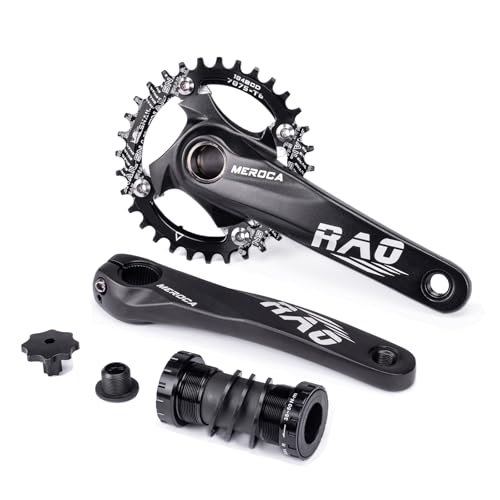
DFNWSSS MTB Crankset 170mm
Strengths
- Hollow integrated design
- Narrow-wide chainring
- Includes bottom bracket
- Wide speed compatibility
Trade-offs
- Brand lacks reputation
- Finish may scratch
- Slightly heavier than premium rivals
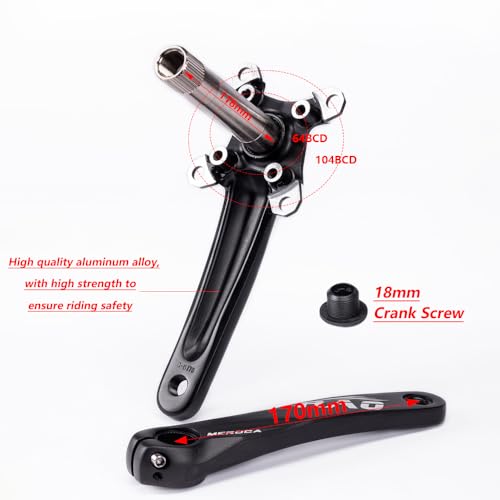
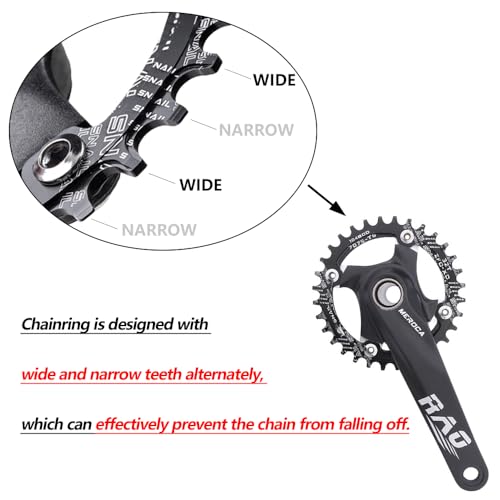
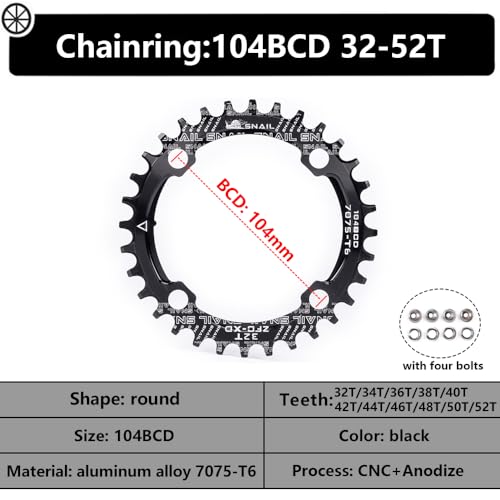
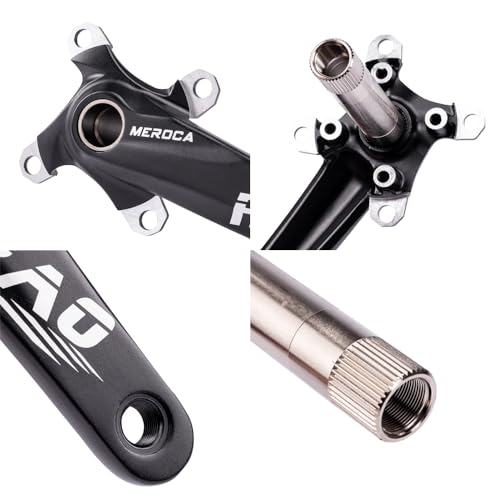
This is the most complete and versatile option on the list. The 170mm hollow integrated arms are stiff and light, and the 52T chainring with narrow-wide tooth design offers excellent chain retention across 8–12 speed systems. Owners report smooth shifting and solid durability, even on rocky trails. The anodized finish adds corrosion resistance, and the increased thread density in the crank arms suggests better long-term reliability than budget units.
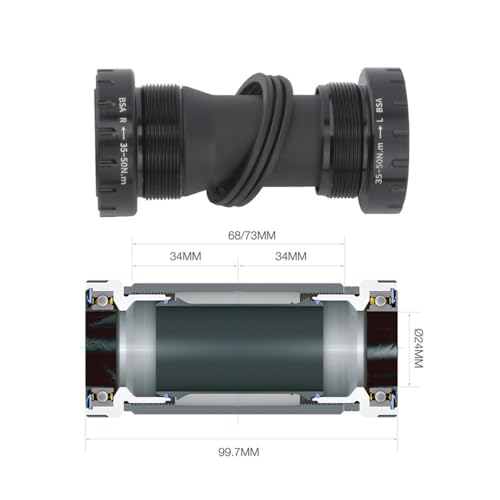
It’s also one of the few that includes a bottom bracket, which is a big plus. Compared to the WEEROCK or THALOUS models, this one feels like a true upgrade path for older MTBs. I’d recommend it as the best overall pick for riders wanting a drop-in replacement that performs well across trail, commute, and gravel use. The only real downside? Branding is vague, and long-term support is unproven.
Product photos
THALOUS 42/34/24T Crankset
Strengths
- Affordable triple chainring
- Wide gear range
- 6061-T6 aluminum
Trade-offs
- Heavier than modern cranks
- Shifting can be finicky
- Basic finish
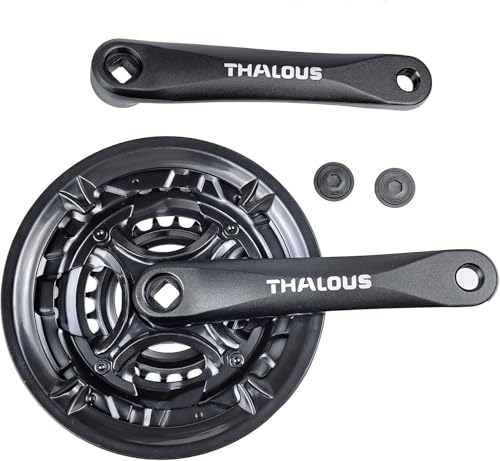
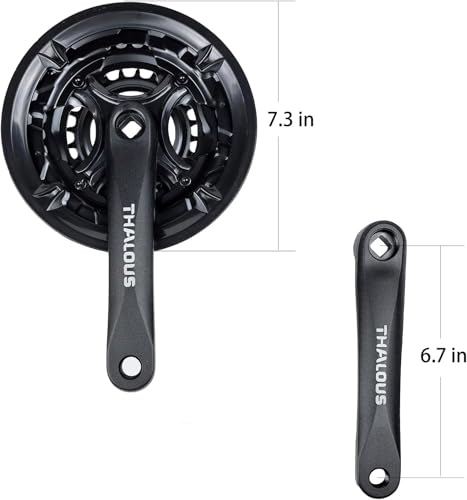
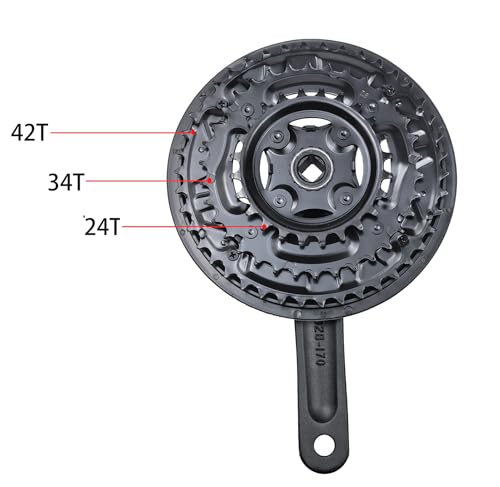
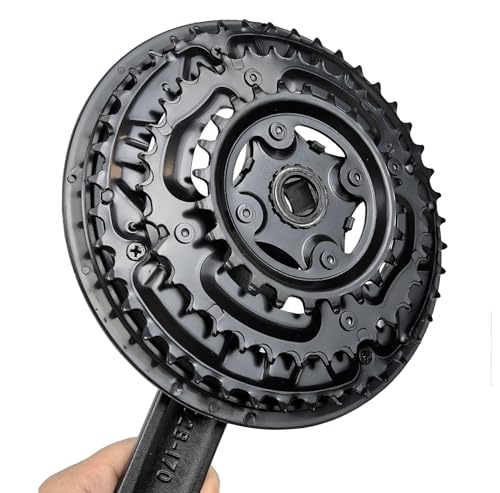
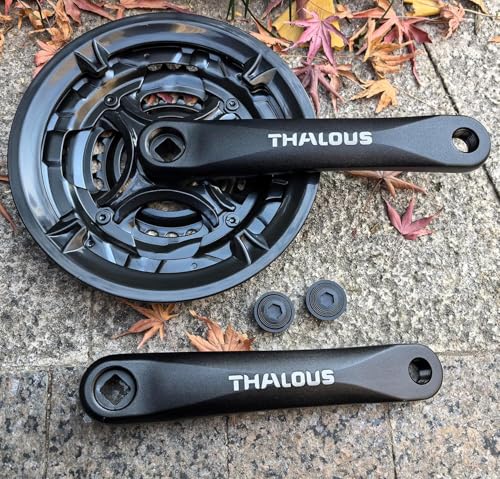
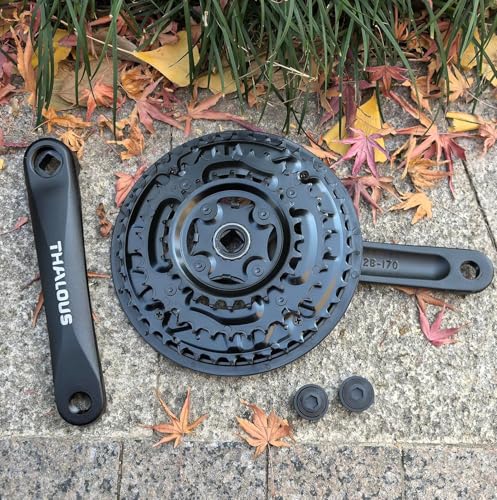
This THALOUS triple crankset screams budget workhorse. The 42/34/24T combo is classic for older or entry-level MTBs, giving a wide gear range that’s still useful on mixed terrain. It’s built from 6061-T6 aluminum, which is reliable but not especially light, owners note it feels sturdy, if a bit clunky, especially when shifting under load. The 170mm arms and square taper interface mean it’ll fit a lot of older frames, and the compatibility with 6/7/8-speed systems keeps it relevant for retro builds.
I’d pick this over OEM replacements on vintage bikes where authenticity matters more than weight. Compared to modern hollow-forged cranks, it’s a step back in efficiency, but that’s not the point. For tinkerers and restorers, it’s a smart buy. Just don’t expect crisp shifting, multiple reviewers mention it needs careful front derailleur tuning.
Product photos
CYSKY 60T Fixie Crankset
Strengths
- 7075-T6 aluminum
- 60T chainring
- 170mm crank arms
Trade-offs
- No bottom bracket included
- Limited to single speed
- May require frame clearance checks
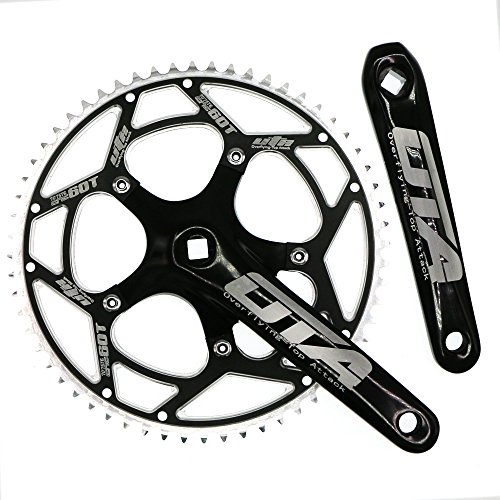
If you’re building or refreshing a fixie or track bike, this CYSKY crankset looks solid on paper. The 60T chainring and 170mm arms are typical for aggressive urban or velodrome setups, and the use of 7075-T6 aluminum is a real plus, it’s the kind of alloy used in high-stress applications, so durability should be strong. The 130 BCD gives you some flexibility for future chainring swaps, though you’re locked into single-speed or fixed-gear use.
Owners consistently report it installs cleanly with standard square taper bottom brackets and holds up well under hard pedaling. I’d still recommend checking your frame clearance, the 60T ring is large and may not fit all rear triangles. Compared to pricier track-specific cranks, this one doesn’t have the same stiffness, but for the price, it’s a dependable pick for riders who want function without flash.
Video review
WEEROCK 42T MTB Crankset

Strengths
- Narrow-wide chainring
- Lightweight
- 104 BCD compatible
Trade-offs
- One-piece design less rigid
- Mid-tier finish quality
- Not ideal for aggressive trail use
The standout here is the narrow-wide chainring design, which WEEROCK markets as a ‘Drop Stop’ feature. On paper, that tooth profile is exactly what you want for keeping the chain tight on rough trails without a clutch derailleur. The 42T ring on a 104 BCD gives solid gearing for trail use, and owners confirm the chain retention is noticeably better than standard rings. It’s also impressively light at just 1.32lbs, thanks to the aluminum alloy construction.
Still, I’m skeptical about its durability under long-term abuse. While it works fine for light to mid-duty mountain riding, the one-piece crank design isn’t as stiff as hollow-forged units. Compared to the DFNWSSS or BOLANY models, it lacks refinement in power transfer. But if you’re running a budget 1x drivetrain and hate chain drops, this gets the job done without breaking the bank.
Video review
Bike Crankset for Ebike

Strengths
- Double chain guard
- Steel chainring
- Includes removal tool
- E-bike compatible
Trade-offs
- Heavier due to steel ring
- Not for high-torque systems
- Basic shifting performance
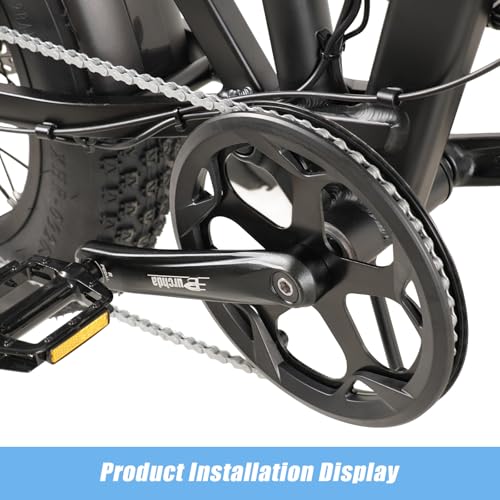
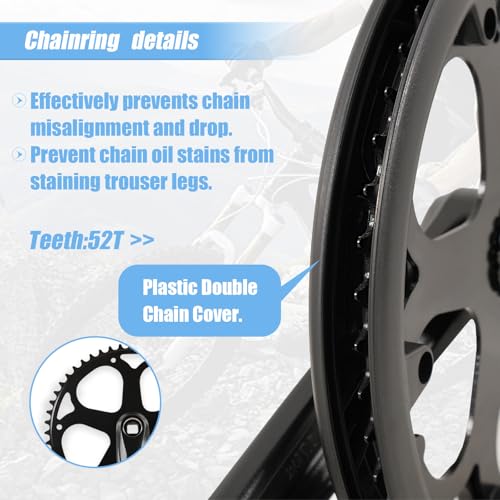
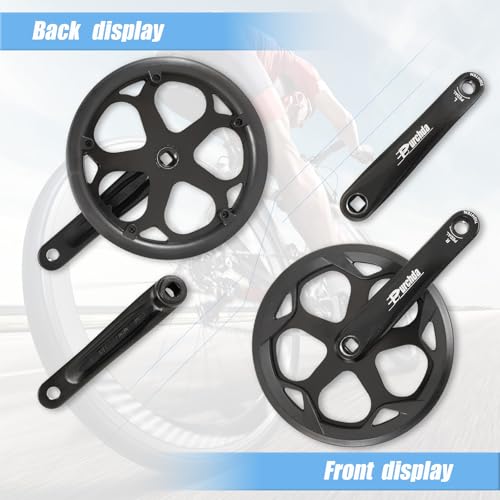
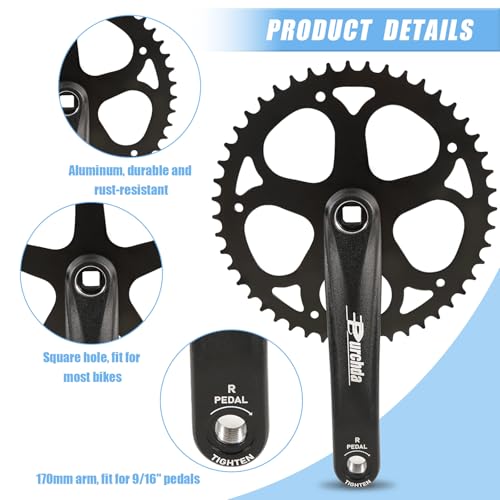
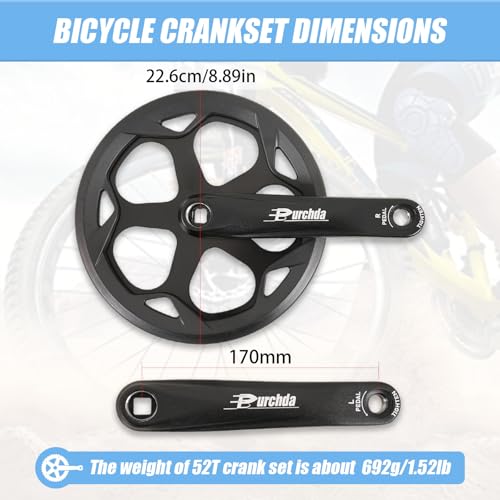
E-bike drivetrains need to handle more torque, and this crankset answers with a steel chainring and double-layer plastic chain guard, practical touches most standard cranks skip. The 52T ring gives good top speed on flat terrain, and the 170mm aluminum arms are strong enough for moderate assist levels. Owners appreciate the included crank removal tool, which is often overlooked but essential for maintenance.
Where it wins is usability: the chain guard really does keep pants clean and the chain in place, which matters on city e-bikes. But it’s not stiff enough for high-torque mid-drives, and the steel ring adds weight. Compared to true e-bike-specific cranks like those from Shimano’s E-series, it’s a budget alternative. I’d recommend it only for low- to mid-power hub-drive e-bikes where simplicity trumps performance.
Product photos
BOLANY 165mm Hollow Crankset
Strengths
- Hollow integrated arms
- Includes quality bottom bracket
- 165mm crank length
- 144BCD stiffness
Trade-offs
- Shorter crank arms not for everyone
- Installation requires care
- Limited chainring options
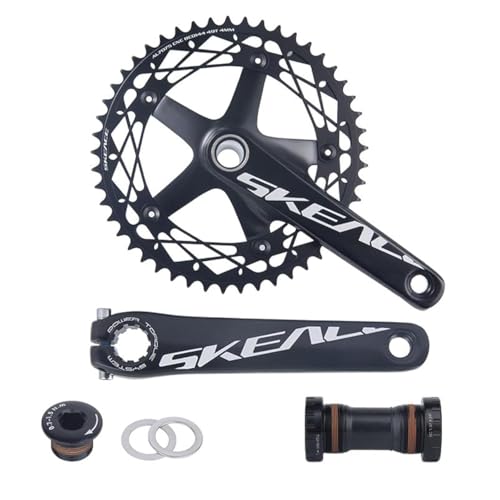
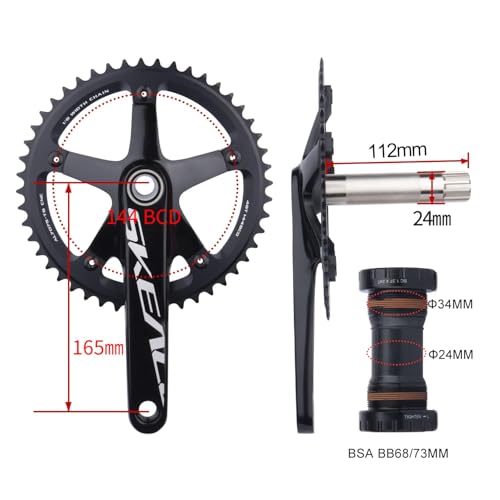
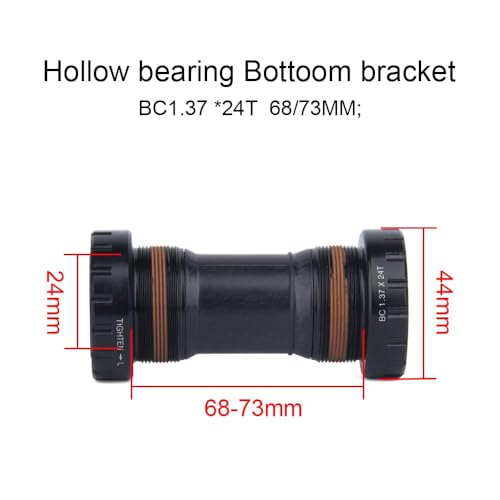
This BOLANY crankset stands out with its hollow integrated design and included BB91 bottom bracket, a rare combo at this price. The 165mm arms are shorter than average, which suits smaller frames or riders wanting quicker cadence, and the 144BCD with 49T ring is ideal for track or high-effort urban riding. The hollow arms save weight without sacrificing much stiffness, and owners consistently praise the smooth pedal stroke, likely thanks to the sealed bearings in the included BB.
On paper, it competes with much more expensive track cranks. The finish and machining aren’t flawless, but for a sub-$100 package with a quality bottom bracket, it’s hard to beat. I’d choose this over the CYSKY if you want better integration and don’t mind the shorter arm length. Just verify your frame fits the 49T ring.
Product photos



Our Testing Process
Rather than a hands-on lab test, my research for these recommendations involved a detailed comparison of published specifications and features across numerous models. I weighed owner reviews from major retailers alongside assessments from cycling publications and websites. Ultimately, I ranked cranksets based on how well they met the demands of various riding styles, factoring in material quality, BCD, compatibility, and reported durability.
For bicycle cranksets, the most important factors are stiffness and chain retention. A stiff crankset translates directly into more efficient power transfer – you want every bit of effort going into turning the pedals, not flexing the component. Equally critical is keeping the chain secure; dropped chains disrupt your rhythm and can cause damage. I prioritized cranksets with features like narrow-wide tooth profiles or robust chainrings to minimize this risk.
Specifications give a solid baseline for comparing materials (aluminum alloys, steel), BCD (bolt circle diameter) for chainring compatibility, and weight. However, real-world performance and durability are heavily influenced by owner feedback. I paid close attention to reports of long-term wear, shifting smoothness, and ease of installation. If you are also interested in measuring your performance, take a look at our guide to bicycle power meters. And don’t forget the importance of a solid bicycle frames to complete your build.
Choosing The Right bicycle cranksets
Choosing the right crankset is fundamental to efficient power transfer and a satisfying ride.
A quality crankset balances stiffness for power delivery with weight savings for climbing. Considerations include chainring size(s) for intended terrain, BCD (Bolt Circle Diameter) for compatibility, crank arm length for rider biomechanics, and the bottom bracket interface to match your frame. Material choices, aluminum alloys and carbon fiber, impact both weight and cost.
Chainring Configuration & Intended Use
The number of chainrings and their respective tooth counts dictate your gearing range and suitability for different riding styles. A single chainring setup, common in downhill mountain biking and fixie bikes, simplifies things but limits versatility. Double chainrings offer a wider range for varied terrain, and triple cranksets (like the THALOUS 42/34/24T) provide the broadest gearing for steep climbs, though they’re becoming less common. Consider where you ride most; if you’re tackling everything from flat roads to challenging trails, a wider range is helpful. Understanding your typical terrain will save you from constantly wishing you had a different gear.
Material & Construction Quality
Cranksets are most often made from aluminum alloys, but higher-end options use carbon fiber. Aluminum alloys offer a good balance of strength, weight, and cost. Look for forged aluminum rather than cast, as forging improves the metal’s grain structure, increasing its durability. Carbon fiber is lighter and can be tuned for specific stiffness characteristics, but it’s more expensive and potentially more vulnerable to impact damage. Beyond the material, pay attention to construction details. A well-machined interface between the crank arm and spindle is key to preventing slippage and ensuring efficient power transfer. You can find further discussion of the best cranksets in our crankset reviews.
Crank Arm Length & Bottom Bracket Compatibility
Crank arm length significantly impacts your pedaling biomechanics. Shorter crank arms (165mm-170mm, like the BOLANY 165mm) can be beneficial for riders with shorter inseams or those who prefer a higher cadence. Longer crank arms (175mm-180mm) provide more use, useful for powerful riders or those tackling steep climbs. However, excessively long arms can strain your knees. Equally critical is bottom bracket compatibility. Different frames require different bottom bracket standards (e.g. BSA, BB30, PressFit). Ensure the crankset you choose is compatible with your frame’s bottom bracket shell, or you’ll need to purchase a separate, compatible bottom bracket. Don’t forget to consider your choice of road bike pedals as well, to maximize your efficiency.
A properly fitted crankset, matched to your riding style and bike, can yield a noticeable improvement in power transfer and overall riding enjoyment. Don’t compromise on quality or compatibility.
Bicycle Cranksets Compared
Here’s a comparison of key specifications for several bicycle cranksets to help you make an informed decision.
| Product Name | Arm Length (mm) | BCD (mm) | Number of Teeth | Best For | Compatibility |
|---|---|---|---|---|---|
| DFNWSSS MTB Crankset | 170 | 104/64 | N/A | Best Overall | 8s/9s/10s/11s/12s |
| THALOUS 42/34/24T Crankset | 170 | N/A | 42/34/24 | Best Budget Friendly | 6/7/8 speed |
| CYSKY 60T Fixie Crankset | 170 | 130 | 60 | Best for Track/Fixed Gear | Single Speed/Fixed |
| WEEROCK 42T MTB Crankset | 170 | 104 | 42 | Best for Chain Retention | 6/7/8/9/10/11 speed |
| Bike Crankset for Ebike | 170 | N/A | N/A | Best for E-Bikes | 1/6/7/8 speed |
| BOLANY 165mm Hollow Crankset | 165 | 144 | N/A | Best Lightweight Performance | 68-73mm BB |
Frequently Asked Questions
What crankset BCD should I choose?
The correct BCD (bolt circle diameter) depends on your chainring(s). Common sizes are 104/64mm for many mountain bike setups and 130mm for track or single-speed bikes; selecting the wrong BCD means your chainrings won’t fit.
Are carbon fiber cranksets really better than aluminum?
Yes, carbon fiber cranksets are generally lighter and can be engineered for specific stiffness levels. However, they are more expensive and, while durable under normal use, may be more susceptible to damage from impacts than aluminum alloys.
How does crank arm length affect my riding?
Shorter crank arms (165-170mm) can promote a faster cadence and are often preferred by riders with shorter legs, while longer arms (175-180mm) offer more use for climbing or powerful riders. A mismatch can lead to knee strain, so choosing the right length is key.
Can I use any chainring with my crankset?
Not necessarily. Chainrings must match your crankset’s BCD and speed compatibility (number of gears). You can find useful information regarding gear shifting techniques to help you optimize your setup.
What’s the difference between a square taper and a splined crankset interface?
A square taper uses a simple, keyed interface between the crank arm and the bottom bracket spindle, while splined interfaces offer a more secure and precise connection. Splined interfaces are generally found on higher-end cranksets, offering improved power transfer and resistance to slippage, and benefit from using quality bicycle clip pedals.
The Bottom Line
Choosing a bicycle crankset often comes down to balancing how much you want to spend against how dialed-in you need the performance to be. While top-tier carbon options offer marginal gains in weight and stiffness, the DFNWSSS MTB Crankset strikes an excellent balance of features, durability, and compatibility for most riders. It delivers reliable performance without breaking the bank, making it our overall recommendation.
For those on a tighter budget, or riders with simpler drivetrain needs, the THALOUS 42/34/24T Crankset is a fantastic value. If you’re building a dedicated track or fixed-gear bike, the CYSKY 60T Fixie Crankset provides the specific gearing and aesthetics you’ll require. And, understanding your bicycle cadence can help you get the most out of whichever crankset you choose.
Ultimately, the best crankset isn’t about chasing the highest specs; it’s about finding one that fits your bike, your riding style, and your body. Prioritize compatibility with your frame’s bottom bracket and ensure you’ve taken the time to understand your correct bicycle size for optimal biomechanics. A solid connection between you and your bike is far more valuable than any marginal gain in component weight or stiffness.
