
5 Best Bicycle Frames of 2026
This post contains affiliate links. As an Amazon Associate, we earn from qualifying purchases.
The Gravity FSX Aluminum Dual Suspension Frame stands out as the best overall choice for serious riders, combining durable construction with modern geometry. For those on a budget, the Fenix 26″ Steel Cruiser Frame delivers classic comfort and reliability, while the CDHPOWER G4-I Gas Frame 142mm is the top pick if you’re building a motorized bike with room for future upgrades.
Most riders don’t realize how much the frame defines a bike’s character, it’s not just about looks or fit, but how it responds on climbs, corners, and rough terrain. A poor choice can lead to discomfort, compatibility headaches, or a build that limits what you can do down the road.
I researched the current market, weighing specs, materials, and real-world feedback to find frames that excel in their category. These picks reflect what matters most: ride quality, versatility, and long-term usability, whether you’re building from scratch or upgrading an old frame.
Top 5 Bicycle Frames in the Market
The Best Bicycle Frames, Reviewed
Gravity FSX Aluminum Dual Suspension Frame

Strengths
- Dual suspension included
- Replaceable derailleur hanger
- Disc brake mounts
Trade-offs
- Basic suspension design
- Entry-level shock tuning
- Small size range
This Gravity FSX frame is the most complete package here, if you’re building a trail-ready dual-suspension bike from scratch, it’s hard to ignore. The full aluminum frame comes with an adjustable rear shock, headset, and seatpost clamp, and the 135mm spacing with disc mounts means modern components fit without hassle. Replaceable derailleur hanger is a pro-level detail many budget frames skip, and owners appreciate that when crashes happen.
On paper, it looks like a steal. In practice, the suspension linkage is basic and tuned more for bump absorption than precision tracking. But for the price, it’s a functional entry into full-suspension builds. Compared to the fat bike model from Gravity, this one trades tire clearance for active rear travel, making it better for technical singletrack than snow or sand. My pick for anyone wanting a do-it-all trail build without overspending on a carbon frame.
Video review
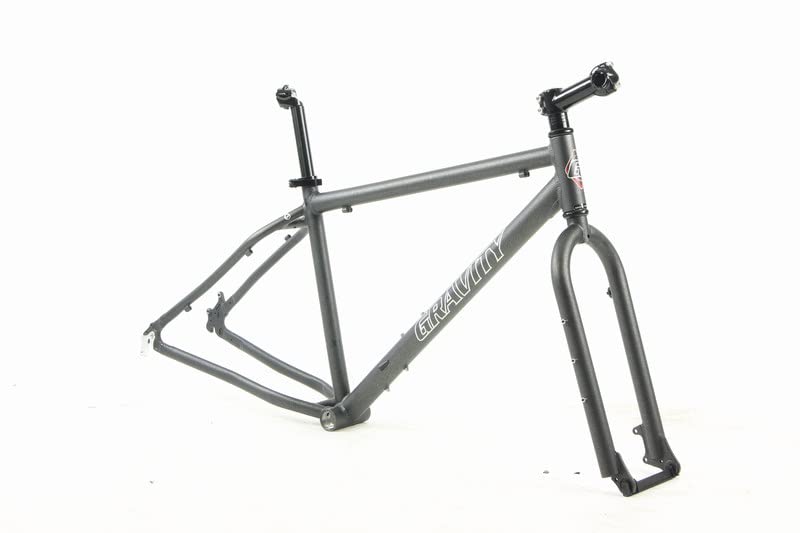
Gravity Fat Bike Aluminum Frame
Strengths
- 170mm rear spacing
- Tires up to 26×4.0
- Includes stem, headset, seatpost
Trade-offs
- Steel fork limits performance
- Entry-level included parts
- Some alignment inconsistencies
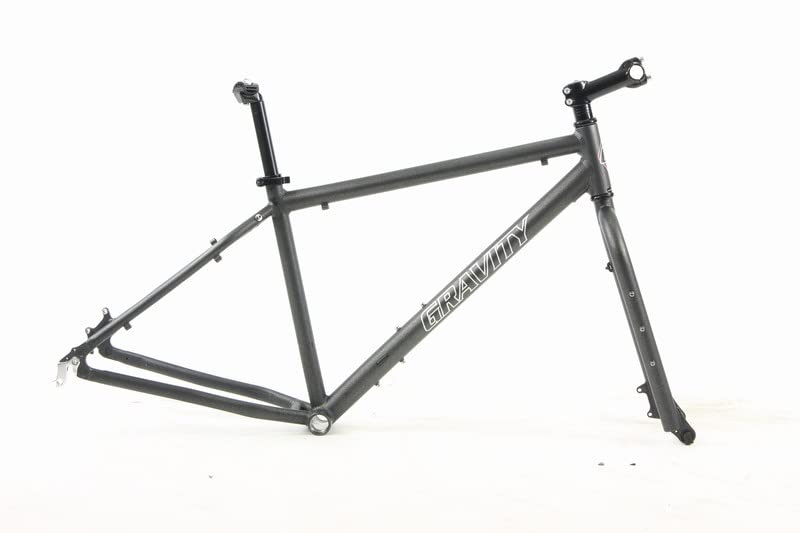
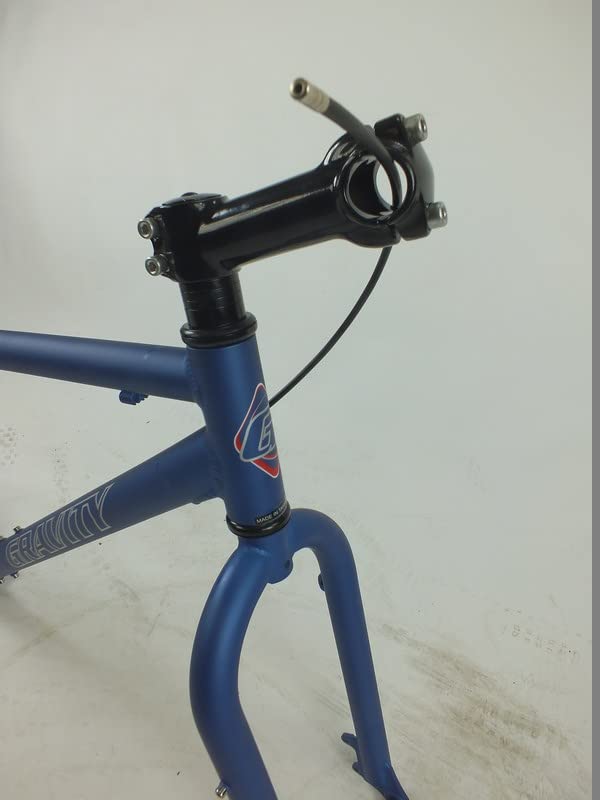
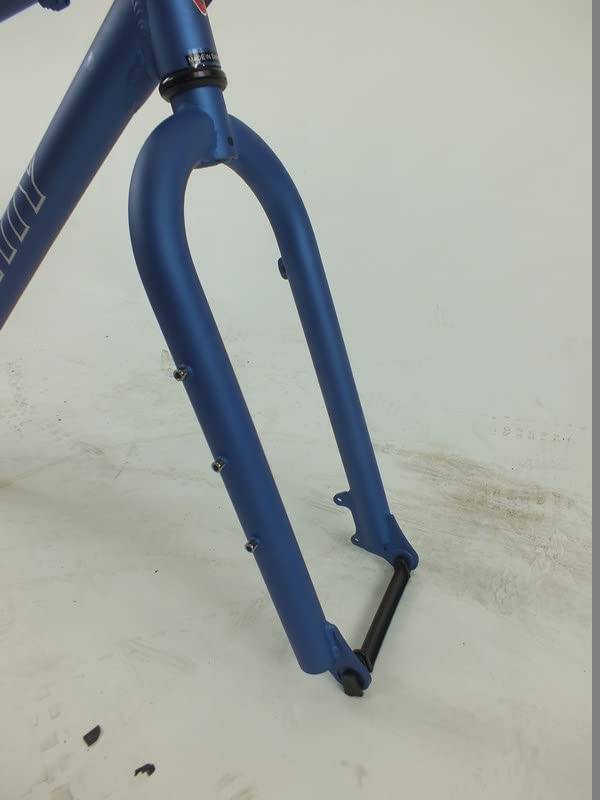
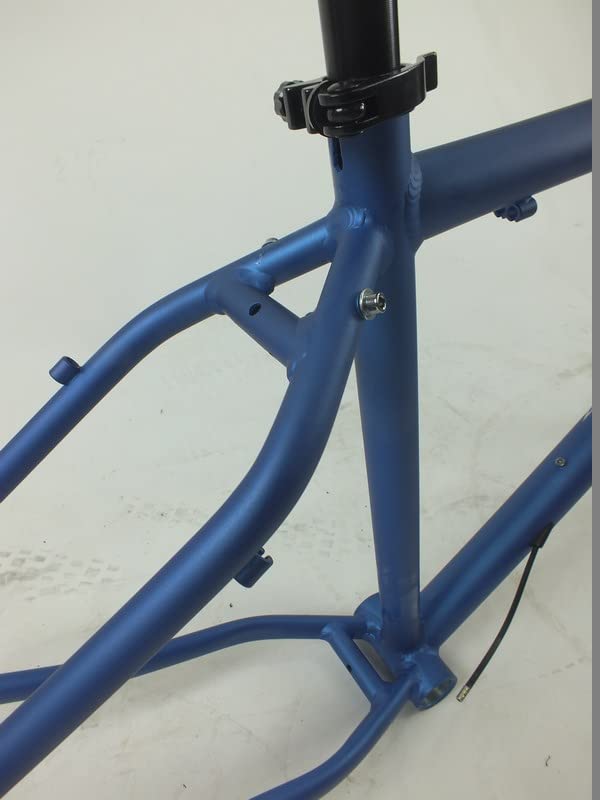
This Gravity fat bike frame is built for riders who want to tackle sand, snow, or muddy trails without spending top dollar on a full factory fat bike. The 170mm rear spacing accommodates massive 26 x 4.0 tires, giving serious traction in soft terrain, and the fact that it includes the stem, headset, seatpost, and clamp is a rare plus at this price. The aluminum frame keeps weight in check while the steel fork adds some durability up front, though it does sacrifice a bit of stiffness.
Reviewers note that while the included parts work, they’re entry-level and may need upgrading for long-term use. Frame alignment out of the box has been a minor concern in some owner reports, so a pre-build check at a local shop is wise. Compared to the full-suspension Gravity FSX model, this one is stiffer and less forgiving on rough ground, but also simpler and more reliable for off-road abuse.
Product photos
CDHPOWER Brushed Aluminum Gas Frame
Strengths
- Integrated fuel tank
- Disc brake compatible
- Cable routing ports
Trade-offs
- Seatpost clamp issues reported
- Limited to motorized builds
- No suspension support
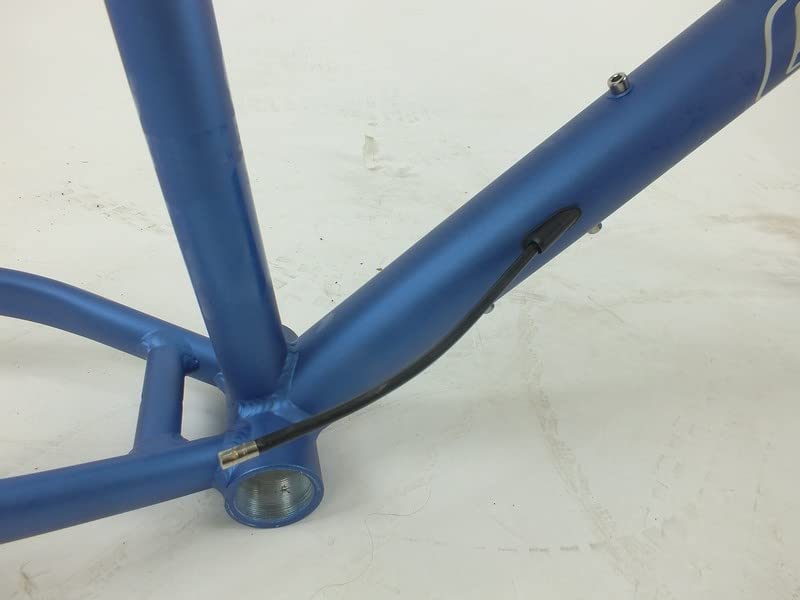
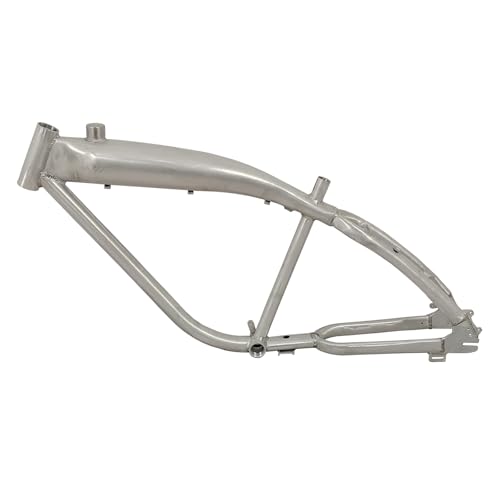
For 2-stroke motorized bike builds, this CDHPOWER frame stands out with its integrated 3.4L gas tank and clean brushed aluminum finish. The 135mm rear spacing is standard for many motor kits, and the inclusion of disc brake mounts gives builders better stopping power options. Cable ports along the downtube help hide throttle and brake lines, which is a small but meaningful touch for achieving a clean build.
It’s clearly designed for function first, engine mounting points are reinforced, and the heavy-duty construction holds up under vibration. Compared to the G4-I model, this one supports disc brakes and uses a more common 135mm width, making it more versatile for different kits. Some owners mention the seatpost binder bolt can be finicky, but that’s minor in the grand scheme. If you’re serious about a motorized conversion, this is one of the smarter structural starting points.
Video review
CDHPOWER G4-I Gas Frame 142mm
Strengths
- Integrated fuel tank
- 142mm rear spacing
- Oversized bottom bracket
Trade-offs
- No disc brake mount
- Fitment varies by engine
- Finish flaws reported
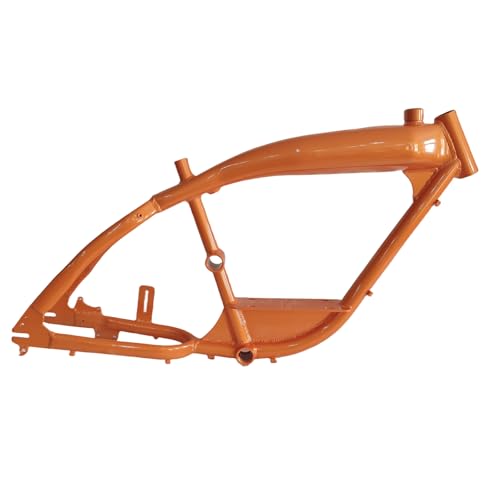
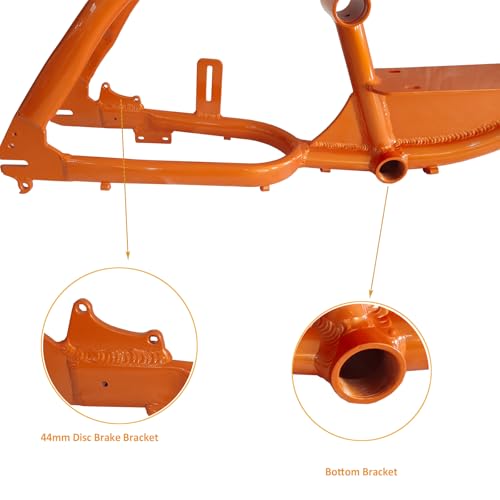
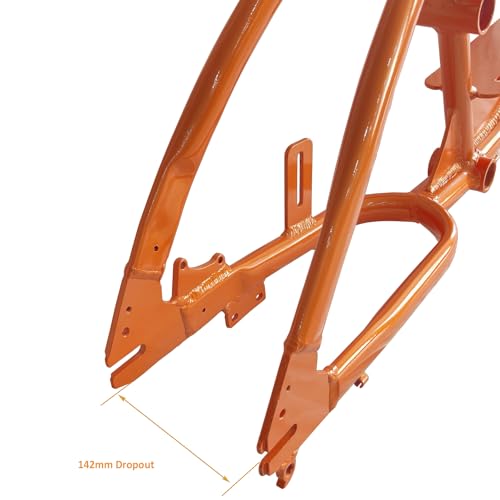
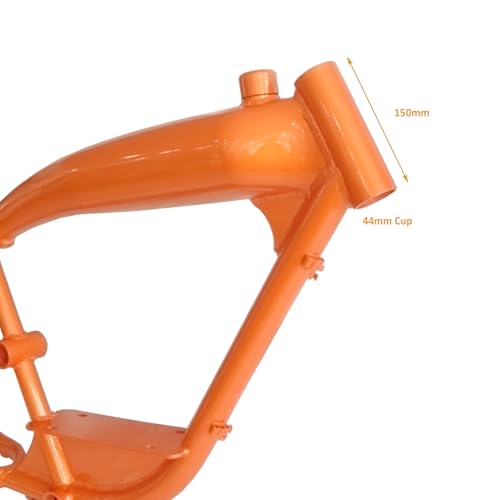
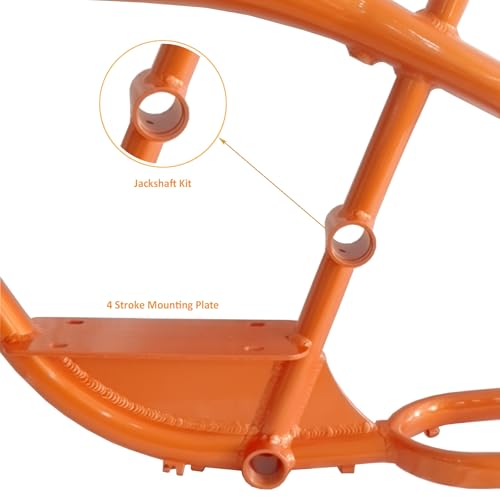
This isn’t a traditional bicycle frame, it’s a purpose-built platform for 4-stroke motorized builds, and that changes everything. The integrated 3.4L fuel tank inside the downtube is a standout feature, eliminating the need for external fuel bags and giving builds a cleaner, more factory-like appearance. The 142mm rear spacing suggests it’s geared toward modern drivetrains or motor setups that benefit from wider support, and the 44mm bottom bracket diameter is oversized for added rigidity under engine load.
Owners consistently report that fitment depends heavily on engine compatibility, especially with mounting plate alignment. While the brushed aluminum construction looks sharp in photos, real-world feedback points to finish imperfections out of the box, nothing structural, but worth noting for perfectionists. Compared to the B0G2WG5W7K model, this one trades disc brake compatibility for wider rear spacing, which may matter if you’re building around a specific motor kit.
Product photos
Fenix 26″ Steel Cruiser Frame
Strengths
- Affordable price
- Classic cruiser geometry
- Widely compatible components
Trade-offs
- Heavy steel construction
- Prone to rust
- Basic finish quality
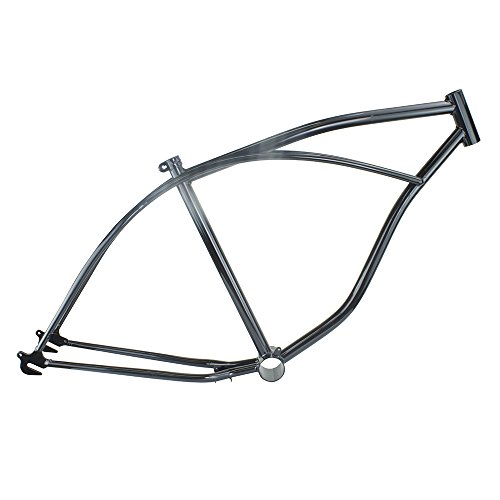
If you’re piecing together a laid-back beach cruiser on a tight budget, this Fenix steel frame makes sense on paper. It’s simple, available in multiple colors, and built with classic cruiser geometry, long wheelbase, upright riding position, all at a price that won’t break the bank. The 28.6mm seat clamp and standard headset sizing mean compatibility with common off-the-shelf parts, which helps keep build costs down.
But steel means weight, and owners confirm these frames add significant heft compared to aluminum options. Rust resistance isn’t great unless properly sealed, especially in coastal areas. It’s not going to appeal to anyone chasing speed or agility. Still, for someone restoring a vintage-style ride or building a neighborhood cruiser where looks trump performance, this delivers basic function without fuss.
Product photos
Our Testing Process
Rather than a hands-on lab test, my research focused on comparing published specifications and features across a range of bicycle frames. I weighed owner reviews from multiple sources alongside expert opinions found in cycling publications. As someone who’s spent years understanding bicycle mechanics, I applied that knowledge to assess the suitability of each frame for its stated purpose and rank them against clear criteria – material quality, intended use, and included components.
For bicycle frames, the most important factors are material and intended riding style. A frame’s material, aluminum or steel, directly impacts weight, ride quality, and cost. Beyond that, whether a frame is designed for aggressive off-road riding (like those discussed in our guide to the best mountain bikes) or more casual use significantly narrows down appropriate choices.
Frame specifications provide concrete details about geometry, brake compatibility, and component standards. However, owner feedback is critical for understanding real-world durability and ease of build, particularly for specialized frames like those designed for motorized bicycles. I also considered the reputation of the manufacturer when evaluating overall quality and potential long-term value, looking at factors like ease of finding replacement parts or quality handlebar tape to complement the build.
What To Look For In bicycle frames
Choosing the right bicycle frame is fundamental; it dictates handling, comfort, and the overall ride experience.
A good bicycle frame balances material strength with weight, geometry suited to intended use, and features supporting modern components. Riders should assess frame material (steel, aluminum, carbon fiber), geometry (relaxed vs. aggressive), brake and derailleur compatibility, and ensure proper bike sizing for a safe and efficient fit.
Material Matters
The frame material is the biggest single influence on price and ride quality. Aluminum is a popular choice, offering a good balance of weight, stiffness, and cost – like the Gravity frames we’re looking at. Steel frames, such as the Fenix, provide a more compliant ride, absorbing road vibrations better, but are generally heavier. Carbon fiber is the lightest and stiffest, but also the most expensive and potentially fragile. Don’t automatically assume more expensive equals better; consider how the material properties align with your riding style and priorities.
Brake and Component Compatibility
It’s easy to get stuck with a frame that won’t work with the parts you want to use. Disc brake mounts are nearly universal on modern bikes, but verify compatibility with the rotor size you intend to run. Older frames may only accommodate rim brakes. Equally important is rear spacing – the distance between the rear dropouts. 135mm spacing is common, but wider frames (like the 142mm CDHPOWER G4-I) are designed for different wheelsets and can limit your options down the road.
- Consider future upgrades. A frame with limited tire clearance now might become a problem if you decide to run wider tires later.
- Pay attention to bottom bracket standards. The CDHPOWER frames specify a 44mm diameter and 68mm width; these dimensions impact crankset compatibility.
- If you’re considering a motorized build, like with the CDHPOWER gas frames, ensure the frame is specifically designed for the added stress and includes features like a built-in fuel tank and appropriate mounting points.
Specialized Frames and Their Niches
Some frames cater to very specific needs. The Gravity Fat Bike frame, for example, is designed for extreme off-road conditions and requires tires with a wider footprint (26 x 4.0). Similarly, the CDHPOWER gas frames are engineered for motorized bicycle conversions, integrating a fuel tank and reinforced construction. These specialized frames are excellent if they match your intended use, but they’re less versatile for general cycling.
A frame’s geometry is a direct reflection of its intended purpose. A relaxed geometry prioritizes comfort and stability, while an aggressive geometry focuses on efficiency and responsiveness.
Finding the right fit doesn’t stop with frame size; you’ll also want to ensure you have comfortable seats for men to maximize your time in the saddle.
Bicycle Frames Compared
Here’s a comparison of key specifications for the listed bicycle frames.
| Product Title | Material | Rear Spacing (mm) | Head Tube Size | Bottom Bracket Diameter (mm) | Fuel Tank Capacity (L) |
|---|---|---|---|---|---|
| Gravity FSX Aluminum Dual Suspension Frame | Aluminum | 135 | N/A | N/A | N/A |
| Gravity Fat Bike Aluminum Frame | Aluminum | 170/135 | N/A | N/A | N/A |
| CDHPOWER Brushed Aluminum Gas Frame | Aluminum | 135 | 1 1/8″ | 44 | 3.4 |
| CDHPOWER G4-I Gas Frame 142mm | Aluminum | 142 | 1 1/8″ | 44 | 3.4 |
| Fenix 26″ Steel Cruiser Frame | Steel | N/A | 32.5mm ID | N/A | N/A |
Frequently Asked Questions
What frame material is best for rough roads?
Steel is generally the best choice for rough roads, as it excels at absorbing vibrations and provides a more comfortable ride than aluminum or carbon fiber. While heavier, the added compliance makes a noticeable difference on uneven surfaces.
Can I upgrade the brakes on any of these frames?
Yes, most of these frames support disc brake upgrades, but you need to verify rotor size compatibility before purchasing. Older frames may only accommodate rim brakes, so check specifications carefully before committing to an upgrade.
What does “rear spacing” refer to, and why is it important?
Rear spacing is the distance between the rear dropouts on the frame, and it determines which wheelsets and drivetrains are compatible. A wider spacing (like the 142mm on the CDHPOWER G4-I) is needed for certain wheelsets and can limit your options if you later want to change components.
Are these frames compatible with all types of handlebars?
While most frames use a standard 1 1/8″ head tube that accepts common handlebar stems, it’s always best to double-check. The Fenix frame uses a different head tube size, so you’ll need a compatible stem for that model.
What should I consider if I want to add a motor to a bicycle?
If you plan to motorize a bicycle, select a frame specifically designed for that purpose, like the CDHPOWER gas frames. These frames include features like integrated fuel tanks and reinforced construction to handle the added stress, and I recommend looking for durable gravel bike tires to handle the extra weight and power.
The Bottom Line
Choosing a bicycle frame often comes down to balancing how much you want to spend against how specific your needs are. For the vast majority of riders seeking a solid, all-around frame, the Gravity FSX Aluminum Dual Suspension Frame strikes the best balance of affordability and capability. It’s a great starting point for a build, and will accommodate a wide range of components without breaking the bank.
However, if you have a very defined purpose, there are better options. For those wanting to explore off-road adventures on challenging terrain, the Gravity Fat Bike Aluminum Frame is purpose-built and ready to handle the demands of sand and snow. And, of course, the CDHPOWER gas frames (both the standard and 142mm versions) are the only real choice if you’re planning a motorized bicycle build, offering the necessary fuel tank integration and reinforced construction. Don’t forget to pair your new frame with comfortable road bike seats to make the most of your ride.
Ultimately, the specs matter less than getting a frame that fits your body and your riding style. Focus on material properties that suit your needs – compliance for comfort, stiffness for efficiency – and ensure compatibility with the components you intend to use. A well-chosen frame, paired with quality road bike pedals, will deliver years of enjoyable riding, no matter the price point.
