
8 Best ATV Helmet Communication Systems of 2026
This post contains affiliate links. As an Amazon Associate, we earn from qualifying purchases.
The JESIMAIK R16 Pro stands out as the best overall ATV helmet communication system, delivering strong noise cancellation and reliable 2km range for group rides. For riders on a budget, the Fodsports FX-S offers solid core functionality at a fraction of the cost, while the XGP X10 excels in large-group versatility with mesh networking for up to 10 riders.
ATV riders know how hard it is to communicate over engine roar and trail noise, yelling across helmets just doesn’t work, and hand signals only go so far. A dependable communication system changes that, turning chaotic rides into coordinated adventures.
This guide cuts through the hype by focusing on real-world performance, comparing specs and user feedback to highlight systems that deliver clear audio, rugged build quality, and ease of use where it matters most, in the dirt, wind, and mud of actual trail conditions.
Top 8 Atv Helmet Communication Systems in the Market
The Best Atv Helmet Communication Systems, Reviewed
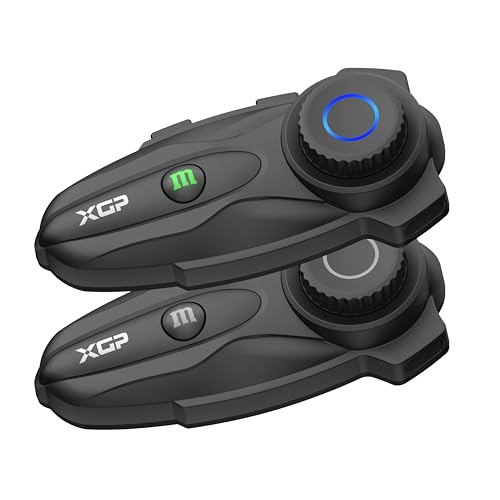
XGP X10 10-Rider Mesh Intercom
Strengths
- 3 km mesh range
- Full audio multitasking
- Superior sound quality
Trade-offs
- Premium price
- No FM radio
The XGP X10 is the most complete package for serious ATV groups. With mesh 3.0, 3 km range, and support for 10 riders, it’s engineered for large, spread-out crews where communication can’t afford to drop. The dual Qualcomm chips enable full multitasking, GPS, music, and intercom all at once, and owners consistently praise the seamless switching. Audio is rich and well-tuned, with deep bass and clear highs thanks to the 40mm Hi-Fi drivers, making it one of the few systems that feels great for both talk and music.
It’s not the cheapest, but it delivers where it counts: reliability, range, and ease of use. Large glove-friendly buttons and cross-brand compatibility mean it works well in mixed groups. Compared to the NYTALK X10, it feels more polished, with better audio and a wider temperature tolerance. For riders who lead or frequently join group ATV expeditions, this is the system to beat.
Video review
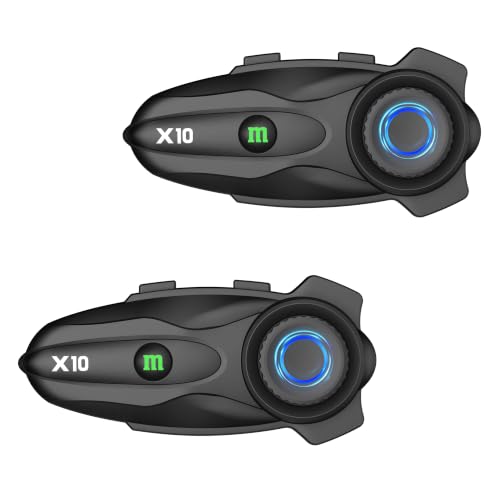
NYTALK X10 10-Rider Mesh System
Strengths
- Mesh 3.0 connectivity
- 10-rider support
- One-click pairing
Trade-offs
- No music sharing
- Mid-tier audio depth
If you’re running with a big crew over rough terrain, the NYTALK X10 brings mesh 3.0 tech at a competitive price, and that matters. With a 3 km intercom range and support for 10 riders, it’s clearly designed for organized trail groups or ATV tours where staying connected is critical. Owners praise its one-click pairing and consistent cross-brand compatibility, real wins when you’re mixing gear. The dual-core Bluetooth 5.3 allows multitasking, meaning you can run GPS and intercom at the same time, which is still not universal in this class.
Audio quality is strong but not class-leading. The 40mm speakers deliver clear sound, but bass response is modest compared to systems like the JESIMAIK R16 Pro. Still, for the balance of range, group size, and ease of use, it hits a sweet spot. It doesn’t have music sharing or FM radio, but if your main goal is seamless group comms, those omissions are easy to forgive.
Video review
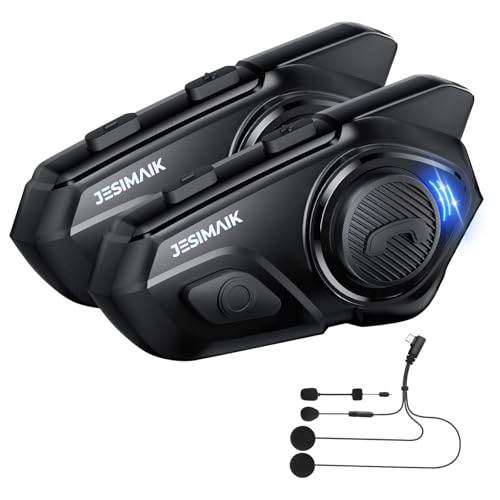
JESIMAIK R16 Pro 10-Way Intercom
Strengths
- 2KM intercom range
- True audio multitasking
- Excellent noise cancellation
Trade-offs
- Clunky companion app
- Steep learning curve
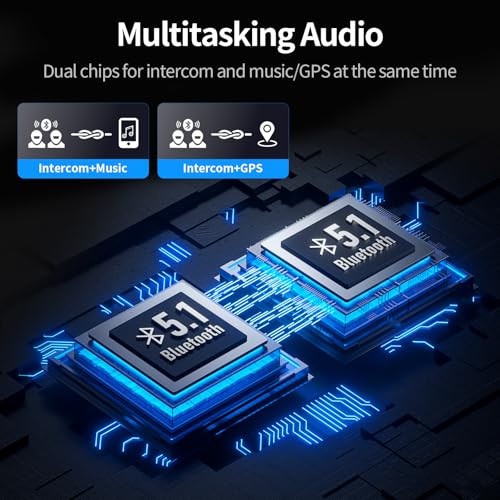
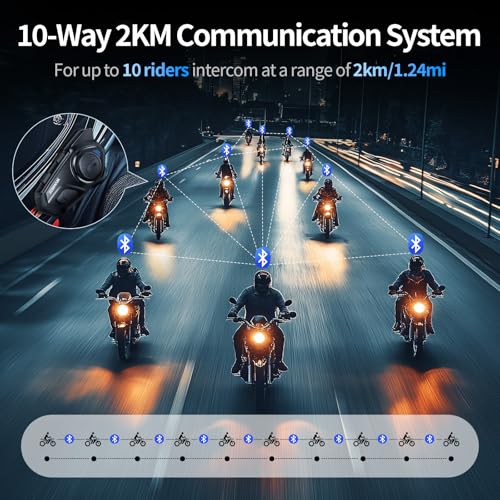
JESIMAIK’s R16 Pro pushes range to the front with a claimed 2KM (1.24 miles) intercom distance, and owner reports suggest it delivers in wide-open areas. That makes it a standout for desert riders or those covering large off-road spreads where signal dropouts are common. It runs on dual Qualcomm chips, enabling true multitasking, music, GPS, and intercom all at once, and that’s a real advantage over cheaper units that force you to choose.
The 99% noise reduction claim is aggressive, but consistent feedback confirms it handles wind and engine noise better than most in this range. Audio is rich, with customizable sound profiles, and the IP67 rating holds up in muddy, wet conditions. It’s not the easiest to set up, and some users note the app can be clunky, but overall, it’s a high-performance unit for serious trail teams.
Product photos
Cardo Systems Spirit Dual Pack

Strengths
- Superior sound quality
- Reliable universal pairing
- OTA software updates
Trade-offs
- No multitasking
- Dated feature set
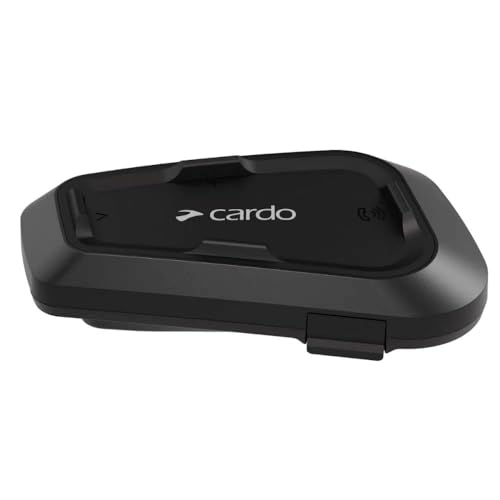
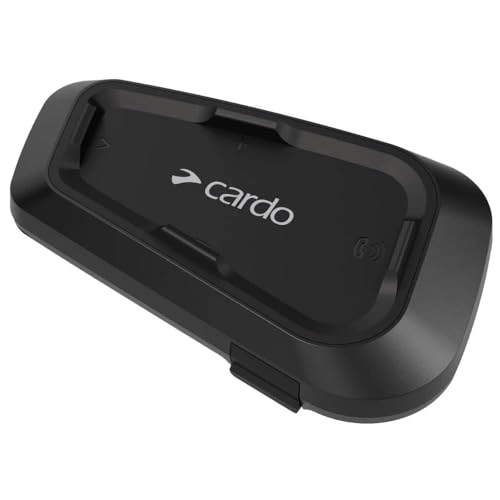
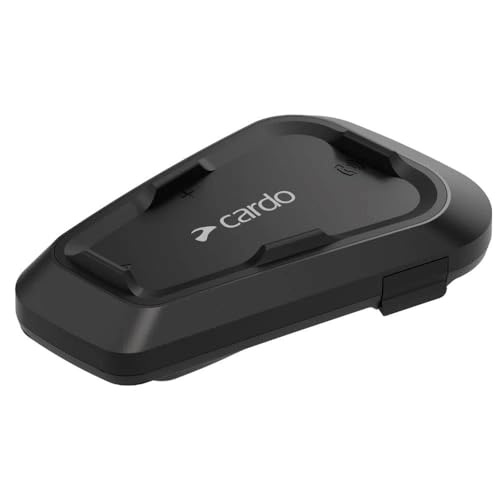
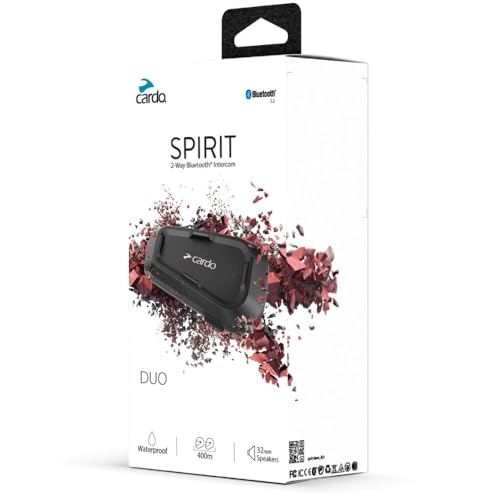
Cardo has long been a leader in motorcycle comms, and the Spirit carries that reputation with best-in-class sound tuning and seamless universal pairing. It doesn’t boast the longest range or biggest group size, but what it does, crystal-clear audio and rock-solid cross-brand connectivity, it does exceptionally well. Owners consistently rate the sound quality as warm, balanced, and immersive, outperforming even higher-priced competitors in real listening tests.
The lack of multitasking is a notable gap: you can’t run intercom and music at the same time, which feels outdated next to mesh 3.0 systems. And while the over-the-air updates are a nice touch, they can’t compensate for missing core features. It’s a refined product, but it’s playing catch-up in functionality. For pure audio lovers, it’s still a top pick, but not the most versatile.
Product photos

LEXIN G2P 6-Rider Intercom

Strengths
- Long battery life
- FM radio included
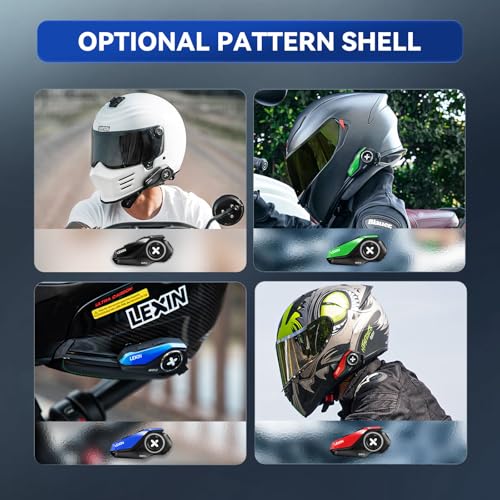
- Customizable shells
Trade-offs
- No mesh network
- Limited group scalability
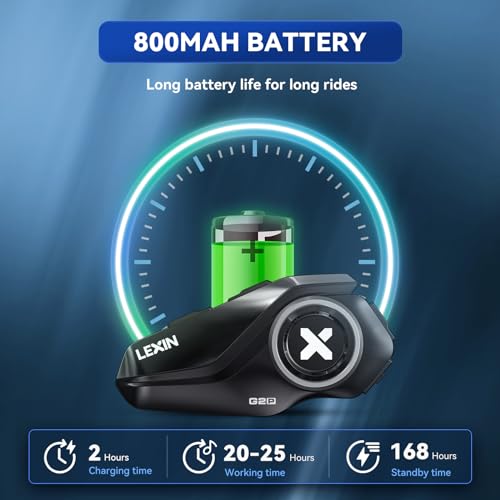
The LEXIN G2P stands out in the ATV helmet comms game with its impressive 25-hour battery life and smart customization options. On paper, it’s built for riders who want long sessions without constant recharging, and owners consistently report that the 800mAh battery delivers as promised, even in cold, off-road conditions. The inclusion of FM radio and voice assistant support adds a layer of utility that not all budget units offer, making it a solid pick for solo adventurers or small groups who value simplicity and endurance.
Where it falters slightly is range and mesh capability. While it supports 6 riders within 1000 meters, it doesn’t use mesh networking, so communication can break down in rugged terrain where signal relays matter. Compared to mesh-based systems like the XGP X10, it’s less reliable for large or spread-out groups. But for straightforward pairings or small crews on predictable trails, it’s a dependable, feature-rich option.
Product photos


Fodsports FX-S BT 5.4 Headset
Strengths
- Ultra lightweight
- Affordable price
- Dual phone pairing
Trade-offs
- Average audio quality
- No mesh networking
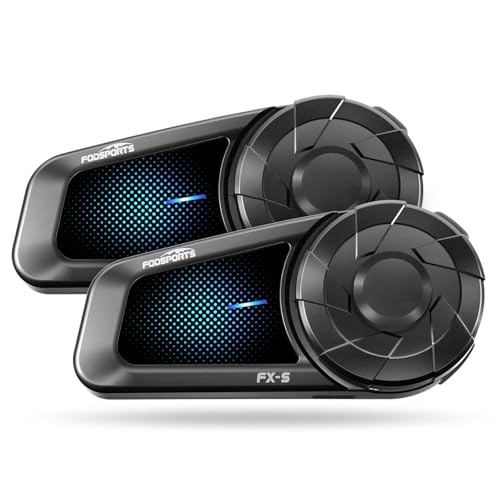
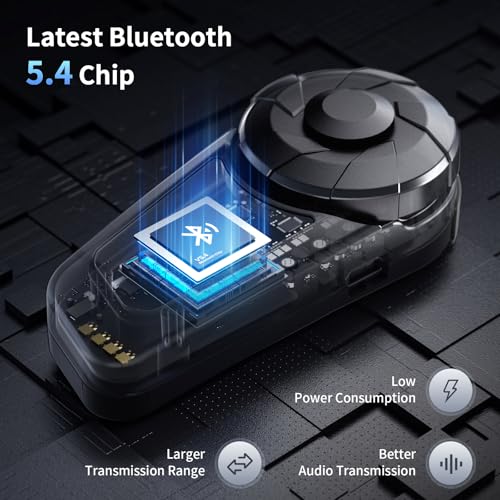
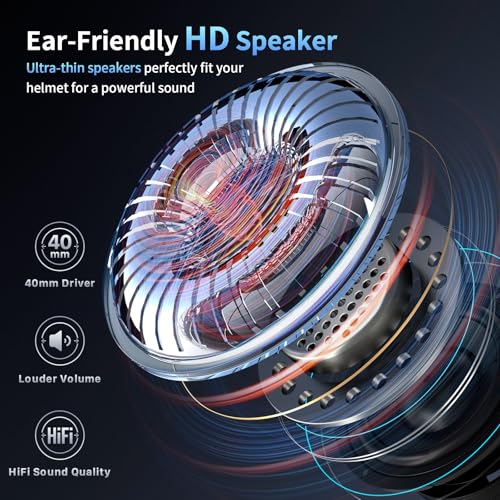
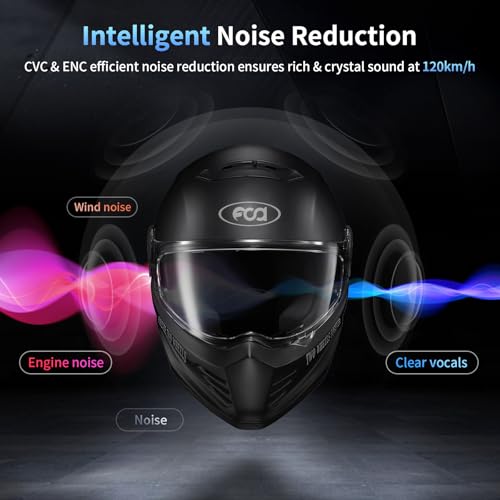
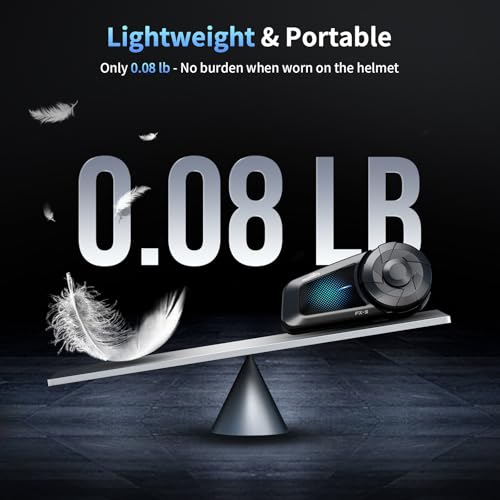
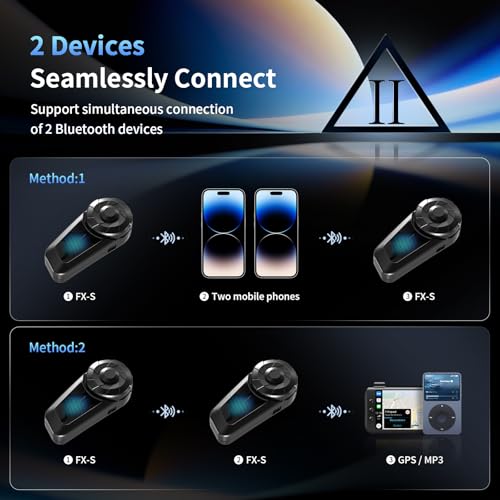
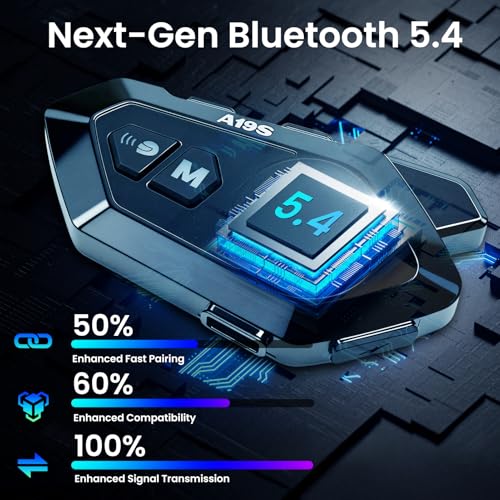
The Fodsports FX-S is the smart budget pick, light, capable, and priced to move. At under $80 for a pair, it delivers Bluetooth 5.4 stability, IP67 protection, and solid 1000m range for two riders. The 0.08-pound weight is a real advantage for long rides, and owners say it disappears on the helmet. It supports two phone connections, which is rare at this price, and the CVC/DSP noise cancellation works well enough for trail speeds up to 60 mph.
It doesn’t support mesh or large groups, and audio is functional but not rich, bass is thin compared to JESIMAIK or XGP. But for riders on a tight budget who still want reliable comms and basic multitasking, it’s hard to beat. When stacked against the Khptop, it offers better integration and a more responsive interface, even if the battery life isn’t quite as extreme.
Product photos
JESIMAIK R18 Lite 2-Way Intercom
Strengths
- Excellent noise reduction
- Music sharing
- FM radio included
Trade-offs
- No multitasking
- Intercom/music conflict
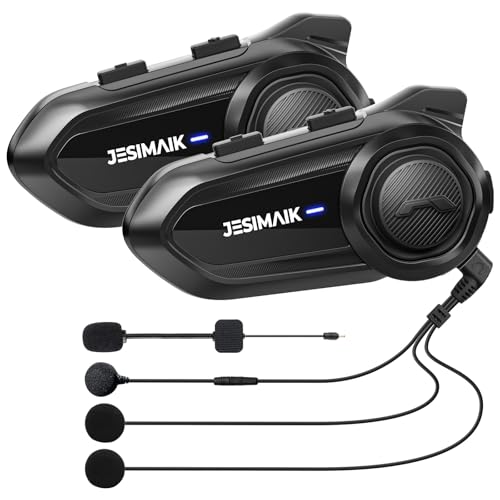
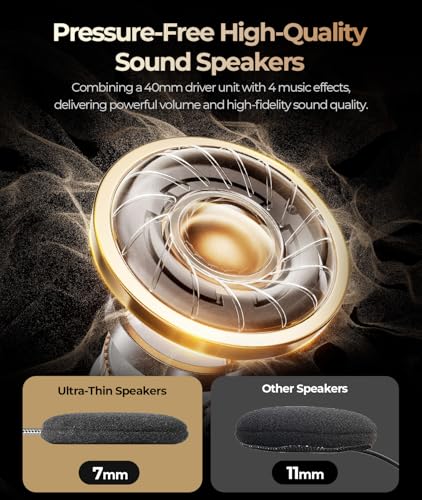
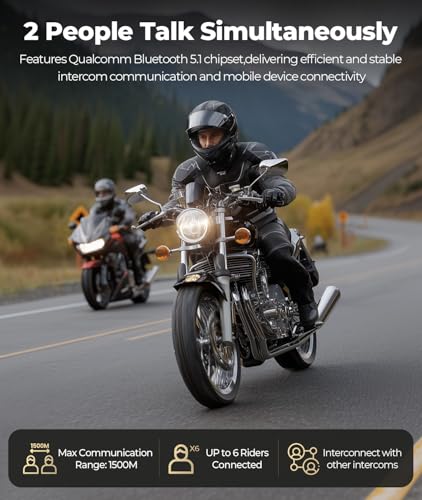
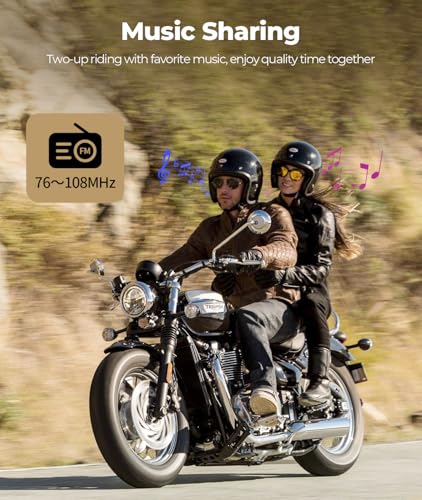
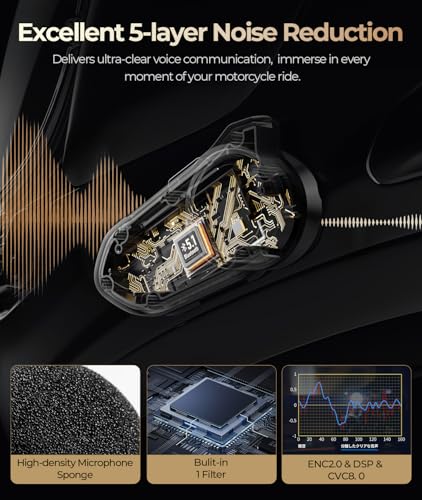
This JESIMAIK model zeroes in on noise cancellation and rider comfort, and it shows. With CVC8.0, DSP, and layered mic foam, owners confirm it cuts wind roar significantly, especially at highway speeds. The 7mm ultra-thin speakers reduce ear pressure, a subtle but meaningful win for long trail days. It also brings rare features at this price: music sharing for couples and built-in FM radio, both of which get positive feedback for enhancing solo and duo rides.
But it can’t multitask, intercom and music are mutually exclusive, which hurts its utility. The 25-hour intercom life is decent, but not class-leading. Against the Fodsports or Khptop, it trades battery and range for comfort and noise control. If you ride in consistently windy conditions or want to share tunes with a partner, it’s a strong contender. Otherwise, the limitations may outweigh the perks.
Product photos

Khptop BT 5.4 Helmet Headset
Strengths
- Extreme battery life
- Lightweight build
- Easy installation
Trade-offs
- No multitasking
- 2-rider limit
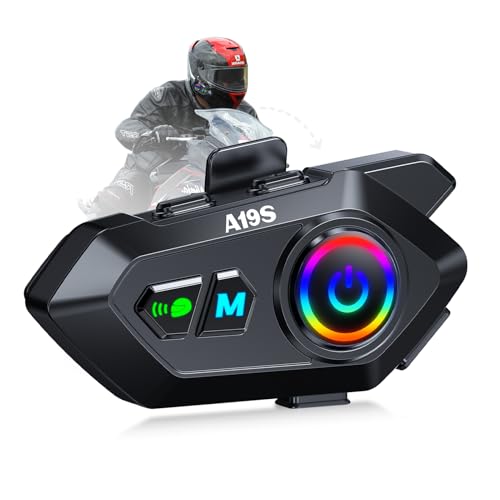
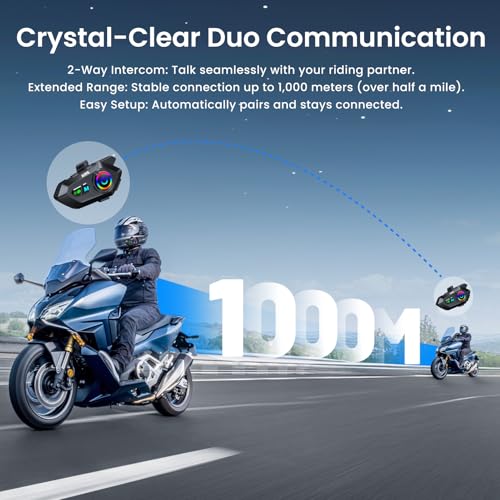
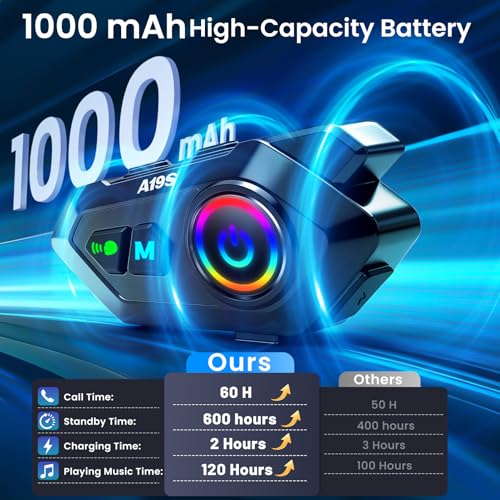
At this price, the Khptop unit is a surprising powerhouse for solo or duo riders who want simplicity and endurance. The headline here is the 60-hour talk time, owners confirm it lasts through multi-day trips without issue. Bluetooth 5.4 brings solid stability, and the 1000-meter range in open terrain checks out in real-world feedback. It’s not flashy, but it’s effective: plug-and-play setup, includes both boom and hard mics, and fits nearly any helmet without fuss.
But it’s strictly a two-rider system, and it lacks multitasking, no GPS or music while on intercom. That makes it a tough sell for group trail rides or navigation-heavy trips. Compared to the Fodsports or LEXIN units, it trades features for battery life and lightweight design. If you’re a weekend warrior riding with one partner, it’s a no-brainer. For anything more complex, look elsewhere.
Product photos

How We Picked These atv helmet communication systems
My approach to evaluating ATV helmet communication systems centered on a detailed comparison of published specifications and features across numerous models. I weighed these technical details against extensive owner reviews and assessments from trusted motorcycle and powersports publications. Rather than a hands-on lab test, this is a research-led comparison designed to identify the systems offering the best balance of performance, features, and value for a range of riders. Ultimately, I ranked these systems based on how well they met key criteria for ATV use.
For ATV riders, reliable range and robust noise cancellation are paramount. I prioritized systems offering a minimum intercom range of 1km, recognizing the potential for riders to spread out on trails. Equally important was the level of noise reduction technology employed, as ATVs generate significant engine and wind noise. Battery life also factored heavily; a long-lasting system is crucial for extended rides, and I placed a higher value on those exceeding 15 hours of talk time. You can find more information about choosing the right gear for your ATV, including the best ATV tires, in our other guides.
Specifications clearly define things like Bluetooth version, battery capacity, and waterproof rating. However, real-world performance – particularly sound quality and noise cancellation effectiveness – is best gleaned from owner feedback. I paid close attention to recurring themes in reviews, noting consistent praise or complaints about clarity, ease of use, and durability. Reputable expert reviews provided valuable context and validation, helping me assess the accuracy of owner reports and identify systems with consistently positive reputations in the wider world of helmet communication systems.
How To Pick The Right atv helmet communication systems
Finding the right communication setup for your ATV can dramatically improve group rides and overall enjoyment. But there’s more to it than just grabbing the cheapest unit; the best systems balance range, sound quality, and reliability in a rugged package.
A strong ATV helmet communication system prioritizes clear audio transmission, even at speed and over engine noise. Look for Bluetooth 5.3 or newer for stable connections, robust waterproofing (IP67 or higher is ideal), and a user-friendly interface that’s operable with gloves. Consider how many riders you typically travel with and choose a system with sufficient connectivity.
Range and Rider Capacity
When it comes to ATV communication, range is often the first thing people consider. While some systems boast impressive distances, remember those figures are typically tested in optimal conditions. Real-world range is affected by terrain, trees, and other obstructions. For most group ATV rides, a reliable 1-2 kilometer range is sufficient, but if you regularly ride in very open areas with large groups, look at mesh intercom systems like the XGP X10 or NYTALK X10, which can support up to 10 riders and offer extended connectivity. Don’t overspend on range you won’t realistically use.
Sound Quality and Noise Cancellation
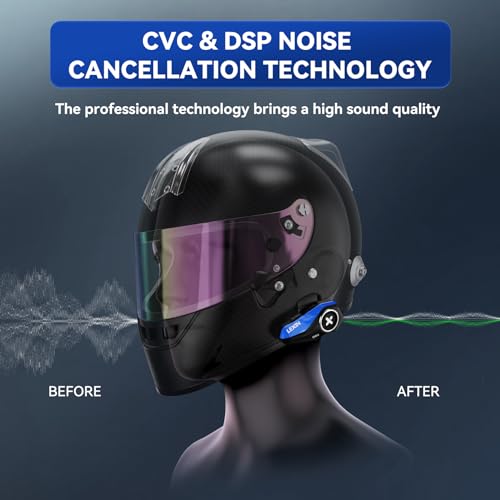
Clear communication is paramount, and that means prioritizing sound quality and noise cancellation. ATVs are loud machines, so a system that can effectively filter out wind and engine noise is essential. The JESIMAIK R16 Pro and R18 Lite heavily emphasize noise reduction, using multiple layers of tech to combat distractions.
- Basic noise cancellation (like CVC) is a good start, but look for systems incorporating DSP (Digital Signal Processing) for more advanced filtering.
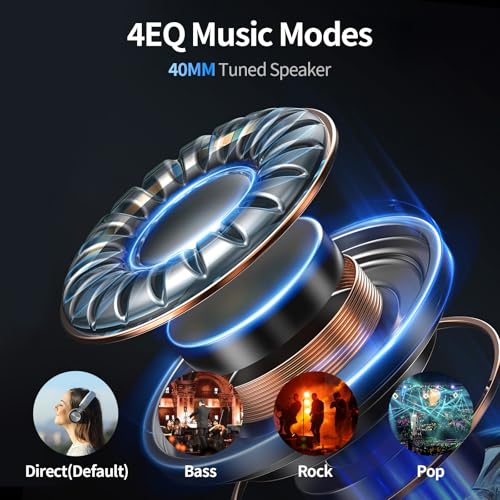
- Speaker quality matters too. 40mm drivers are common, but the tuning of those speakers is crucial. Some systems offer customizable EQ settings to tailor the sound to your preference.
- Microphone placement is key. Boom mics generally offer better clarity than integrated mics, especially in noisy environments. However, boom mics can sometimes be less comfortable or interfere with some helmet designs.
A good rule of thumb: if you can’t easily understand your riding partners at 30-40 mph, the system’s noise cancellation isn’t up to par.
Value, Usability, and Ruggedness
A feature-packed system is useless if it’s a pain to operate. Look for systems with large, glove-friendly buttons, and intuitive controls. The Cardo Systems Spirit Dual Pack is known for its ease of use and universal compatibility. Consider how easy the unit is to install in your helmet. Some come with multiple mounting options and microphone styles to accommodate different helmet types. And, let’s be real, you’re using this on an ATV, so ruggedness is vital. If you’re unsure about the best helmet to pair with your new system, understanding the differences in ATV helmets can help you make an informed choice. Ultimately, the best system balances features, usability, and durability at a price you’re comfortable with. The LEXIN G2P offers a lot of features for the price, while the Fodsports FX-S provides a surprisingly capable experience on a budget. If you’re still unsure about choosing a helmet to house the system, take some time to research options.
ATV Helmet Communication Systems Compared
Here’s a comparison of key specifications for popular ATV helmet communication systems to help you find the right fit.
| Product Name | Bluetooth Version | Max Riders | Max Range (km) | Battery Life (hrs) | Waterproof |
|---|---|---|---|---|---|
| XGP X10 | 5.3 | 10 | 3 | 15-18 | IP67 |
| NYTALK X10 | 5.3 | 10 | 3 | 15-18 | IP67 |
| JESIMAIK R16 Pro | N/A | 10 | 2 | N/A | IP67 |
| Cardo Systems Spirit Dual Pack | N/A | N/A | N/A | N/A | Waterproof |
| LEXIN G2P | 5.1 | 6 | 1 | 25 (music) | IP67 |
| Fodsports FX-S | 5.4 | 2 | 1 | N/A | IP67 |
| JESIMAIK R18 Lite | 5.1 | 2 | 1.5 | 30 (music) | IP67 |
| Khptop BT 5.4 | 5.4 | 2 | 1 | 60 (talk) | IPX7 |
Frequently Asked Questions
What Bluetooth version should I prioritize for a stable connection?
Bluetooth 5.3 or newer is what you should aim for. Newer versions offer improved stability, lower latency, and greater energy efficiency, all of which translate to a more reliable connection during your rides.
Is a mesh intercom system truly necessary for ATV use?
Mesh intercom systems are beneficial if you frequently ride with larger groups (6+ riders) or in areas with significant terrain obstructions. These systems create a more robust network, extending range and maintaining connectivity where traditional Bluetooth might struggle.
What waterproof rating is sufficient for an ATV helmet communication system?
An IP67 rating or higher is ideal for protection against the elements. ATVs operate in dusty and potentially wet conditions, and this level of waterproofing ensures your system can withstand splashes, rain, and mud without failing.
How important are speaker drivers (measured in mm) when choosing a system?
While 40mm drivers are common, the quality and tuning of the speakers are more critical than their size. A well-tuned smaller driver will often deliver clearer audio than a larger, poorly optimized one.
Where can I find more information about choosing the right helmet to pair with a communication system?
Understanding the differences in ATV helmets is a good starting point. This guide will help you ensure compatibility and optimal performance of your chosen communication setup.
The Bottom Line
Choosing an ATV helmet communication system often comes down to balancing how much control you want over features against how much fuss you’re willing to deal with during setup and operation. For most riders, the XGP X10 strikes that balance perfectly, offering a strong range, good rider capacity, and a reputation for reliable performance in tough conditions. It’s a system that delivers consistent quality without demanding a steep learning curve.
If budget is a primary concern, or you simply need a capable two-rider setup, the Fodsports FX-S and JESIMAIK R18 Lite are excellent choices. For those prioritizing versatility and ease of use, the Cardo Systems Spirit Dual Pack remains a top contender, and offers seamless pairing with a wide range of helmets. Don’t forget that a quality system is only as good as the power source behind it; exploring the best ATV batteries can help you keep the good times rolling.
Ultimately, the best system isn’t about the highest number of features or the longest range. It’s about clear communication, dependable operation, and the peace of mind knowing you can stay connected with your riding partners. Prioritize a solid Bluetooth connection, effective noise cancellation, and a rugged design, those fundamentals matter far more than any spec sheet. You can also explore our guide to the best motorcycle communication systems for additional options to consider.
