
7 Best All Weather Tires for Cars 2026
This post contains affiliate links. As an Amazon Associate, we earn from qualifying purchases.
The Goodyear Assurance All-Season stands out as the best overall all-weather tire for most cars, delivering strong performance across seasons with solid tread life. For budget-minded drivers, the Barkley Everlast All Season offers reliable year-round capability at a lower price, while the Forceum Octa brings sharper handling for sportier vehicles.
Choosing the right all-weather tire means cutting through marketing hype to find one that actually performs when the roads get wet, slushy, or lightly snow-covered. As someone who’s spent years studying how tires interact with real driving conditions, I know that consistency and durability matter more than peak performance on paper.
This guide breaks down the top options based on specs, owner feedback, and long-term reliability. We looked at tread design, rubber compounds, warranty coverage, and real-world reports on noise, grip, and wear to help you pick a set that won’t let you down, no matter the season.
Top 7 All Weather Tires For Cars in the Market
The Best All Weather Tires For Cars, Reviewed
Goodyear Assurance All-Season Tire

Strengths
- Long 65,000-mile warranty
- Excellent wet/dry grip
- Quiet and smooth ride
Trade-offs
- H-speed rating limits performance use
- Slightly higher price
- Not for deep snow
Goodyear’s Assurance line has been a benchmark in the all-season category for years, and this 205/55R16 version continues that legacy. With a 65,000-mile tread warranty and lifetime tread wear coverage under certain conditions, it’s built to last. The optimized tread pattern and large shoulder blocks deliver confidence in both wet and dry, owners consistently praise its predictable handling and low noise.
It’s not the sportiest tire here, speed rating is H, so it’s capped at 130 mph, but for most drivers, that’s more than enough. Compared to the Fullway or Kenda, it feels more refined, with better feedback and a plusher ride. The wide grooves evacuate water well, and the multiple biting edges help in light snow. If you want one tire that does everything well without compromise, this is it.
Video review
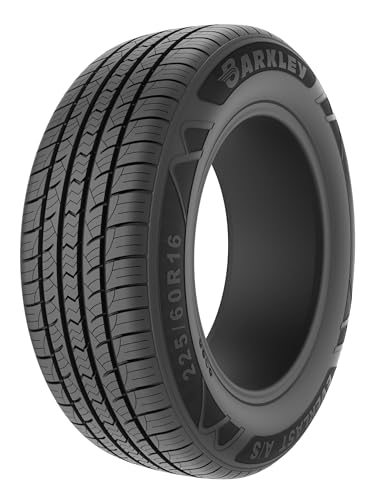
Barkley Everlast All Season Tire
Strengths
- Extremely affordable
- Long tread warranty
- Quiet for the price
Trade-offs
- Soft handling
- Poor winter performance
- Limited brand service network
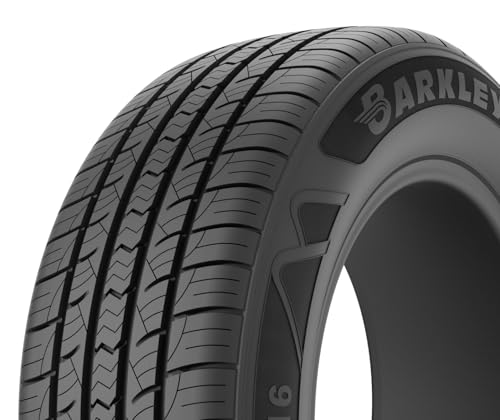
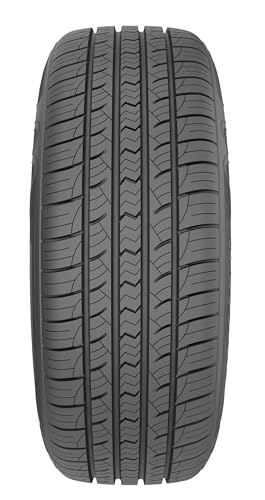
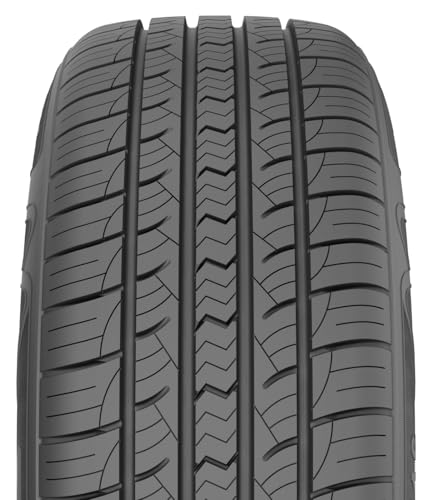
At this price, the Barkley Everlast is hard to ignore. For under $55 a tire, you’re getting a 55,000-mile tread warranty and a UTQG 600AA rating, impressive on paper. The symmetric tread with variable pitch sequencing is designed to reduce noise, and owners say it delivers a smoother ride than expected for a budget tire.
But value has trade-offs. While it handles wet roads adequately, the lack of sipe density shows in slippery conditions. Dry grip is acceptable for commuting, but hard cornering reveals noticeable body roll and delayed response. Compared to the Kenda or Goodyear, it’s a step down in refinement. Still, for a spare set or a daily driver in a warm climate, it’s a smart, thrifty pick.
Product photos
Kenda Kenetica Touring A/S
Strengths
- 60,000-mile warranty
- Strong wet traction
- Even wear
Trade-offs
- Average dry grip
- Slight road noise
- Softer steering feel
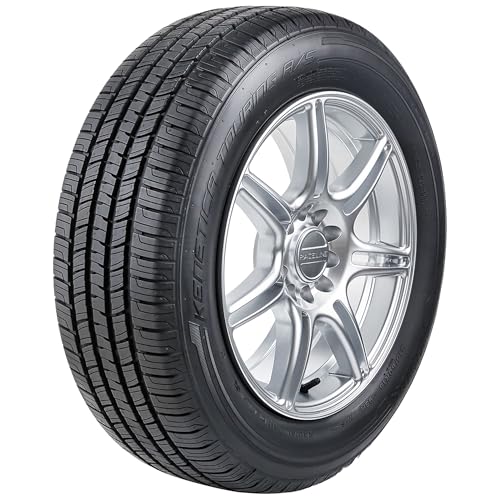
Kenda isn’t a household name in all-season tires, but the Kenetica Touring A/S makes a strong case with a 60,000-mile tread warranty, the longest in this group. That alone makes it a standout for high-mileage drivers. The symmetric tread with high sipe density promises better wet and light snow grip, and reviewers confirm it outperforms expectations in rain.
The computer-optimized design helps reduce uneven wear, and the tie bars add stability in dry corners. It’s not as quiet as the Goodyear, but it’s close. Where it falls short is steering precision, feels a bit numb compared to the Fullway or Forceum. Still, for drivers racking up highway miles, the longevity and consistent wear make it a smarter long-term buy than some flashier options.
Video review
Travelstar UN99 All Season Tire

Strengths
- Quiet ride
- Strong warranty
- Good wet traction
Trade-offs
- Average dry handling
- Not for harsh winters
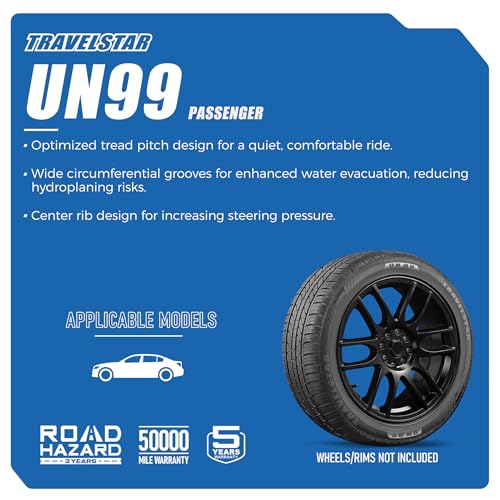
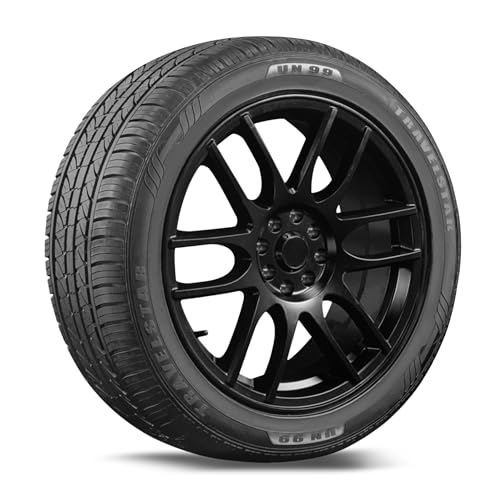
On paper, the Travelstar UN99 looks like a solid contender for drivers who want peace of mind with a full warranty suite. The 5-year limited warranty, 50,000-mile tread life, and road hazard coverage since 2025 suggest confidence from the manufacturer. That kind of protection isn’t common at this tier, and for cautious buyers, it’s a big plus.
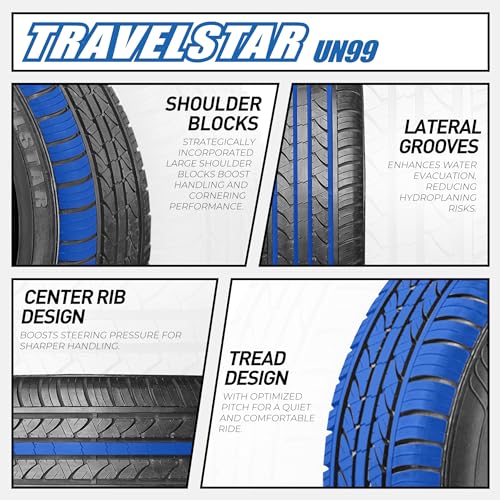
Owners consistently report a quiet ride, thanks to the variable pitch design and four wide circumferential grooves that also help fight hydroplaning. It’s M+S rated, so light snow traction is expected, but I wouldn’t push it in serious winter conditions. Compared to pricier names like Goodyear, it holds up decently in wet grip, but dry handling feels more utilitarian than sharp. If warranty coverage tops your list, this one deserves a look.
Product photos
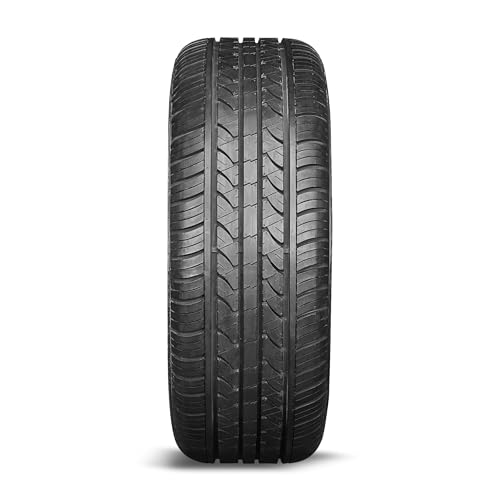

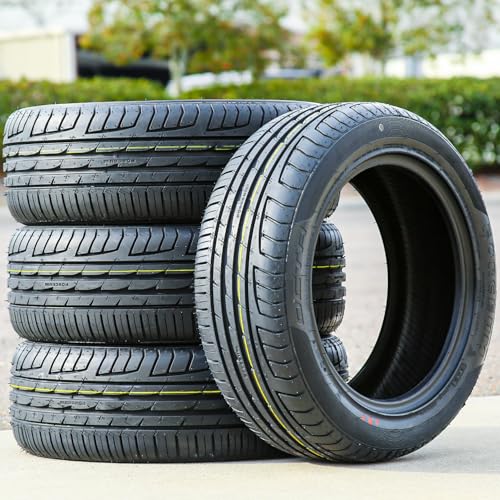
Forceum Octa All Season Tire
Strengths
- High speed rating
- XL load capacity
- Responsive steering
Trade-offs
- Noisy on rough pavement
- Limited snow traction
- Stiff ride
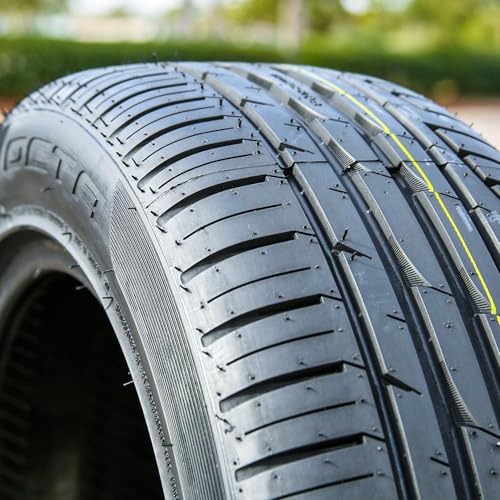
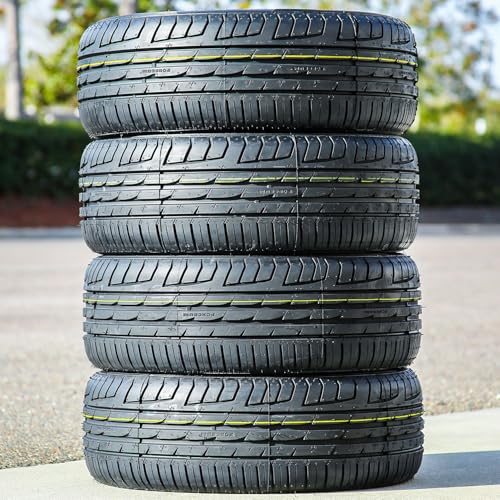
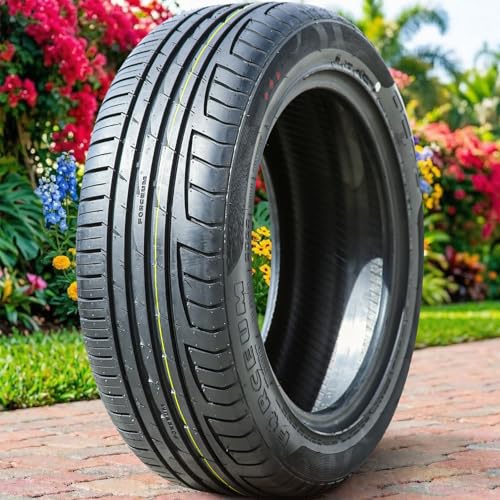
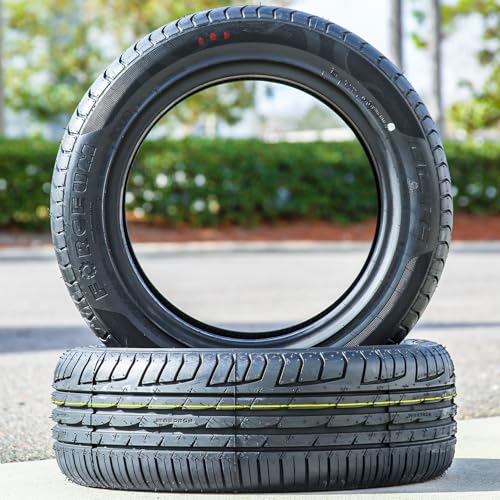
The Forceum Octa stands out with a W speed rating, certified for speeds up to 168 mph, which is unusual for an all-season tire in this segment. That, plus the XL (extra load) rating, suggests it’s built for drivers who want a sportier edge without stepping into true summer tire territory. The UTQG 400AA treadwear rating hints at decent longevity, though real-world feedback shows mixed results on actual wear life.
It’s marketed as high performance, but owners report it’s more “enthusiast-adjacent” than track-ready. The steering is responsive, and the symmetric tread does a fair job in rain, but winter performance is limited despite the M+S tag. Compared to the Fullway HP108, it’s stiffer and noisier, fine for drivers who prioritize grip over comfort. I’d recommend it for sport compacts or tuned sedans in mild climates.
Product photos
Starfire Solarus AS All-Season
Strengths
- Cooper-built reliability
- Good fuel efficiency
- M+S rated
Trade-offs
- Moderate road noise
- Soft handling
- Ride can feel bouncy
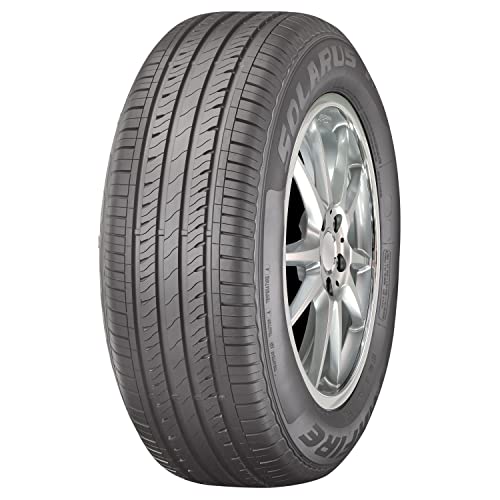
The Starfire Solarus AS is a budget-friendly option with a surprising pedigree, built by Cooper, which gives it some credibility in the value segment. For larger sedans, crossovers, or older SUVs needing 17-inch tires, this tire delivers decent all-season manners without breaking the bank. The 50,000-mile tread warranty is in line with expectations, and M+S rating means it can handle light snow without embarrassment.
Reviewers note it’s not the quietest tire on the market, and steering response is soft, typical for touring tires at this price. But for highway commuting and city driving, it’s competent. I’d pick this over no-name imports if you’re fitting a larger vehicle and want something reliable without overspending. Just don’t expect razor-sharp cornering.
Product photos


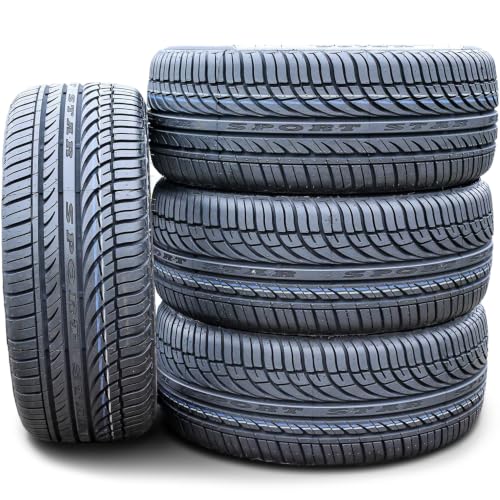
Fullway HP108 205/55R16
Strengths
- Balanced performance
- Good wet grip
- V-speed rated
Trade-offs
- Moderate noise levels
- Not for harsh winters
- Limited snow rating
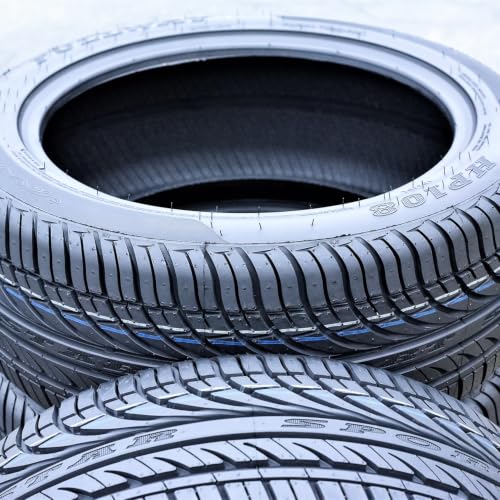
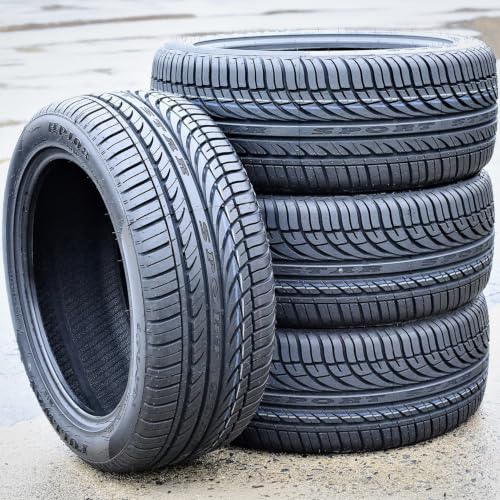
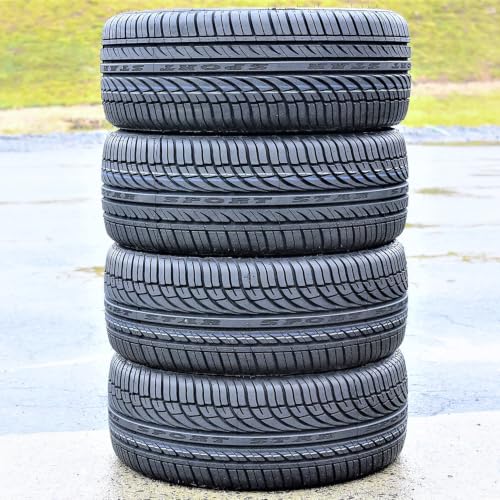
The Fullway HP108 sits in the sweet spot between budget and performance. With a UTQG 380AA rating and V-speed rating, it’s built for drivers who want more than basic transportation but aren’t ready to pay premium prices. The tread design borrows cues from higher-end performance all-season tires, and owners report confident grip in wet and dry conditions.
It’s not as quiet as the Goodyear or Travelstar, and the ride can get busy on cracked pavement. But steering is direct, and the 91V load/speed combo works well for sport compacts and sport sedans. Compared to the Forceum, it’s less extreme but more balanced. If you’re upgrading from basic touring tires and want noticeable improvement without overspending, this is a solid middle ground.
Product photos
How We Chose These all weather tires for cars
My approach to evaluating all-weather tires for cars involved a detailed comparison of published specifications and features, combined with careful consideration of owner reviews and insights from trusted automotive publications. Rather than a hands-on lab test, this is a research-led comparison. I weighed different models against a set of criteria important to drivers seeking year-round capability and value, looking for patterns in reported performance.
For all-weather tires, tread life and wet/snow traction are paramount. A tire’s ability to deliver consistent grip in varying conditions directly impacts safety, and a longer tread life provides long-term value. Beyond those, warranty coverage became a key differentiator; a strong warranty signals manufacturer confidence. I also considered noise levels, as a quiet ride significantly enhances the driving experience, and looked at options like all-season performance tires for those prioritizing handling.
Specifications reliably indicate a tire’s construction and intended use (speed and load ratings, tread pattern design). However, real-world performance – particularly how a tire behaves in actual snow or heavy rain – is best assessed through owner feedback. I gave particular weight to consistent reports regarding treadwear, ride comfort, and handling characteristics, and cross-referenced this with professional reviews. For those needing more robust options, exploring all-weather truck tires can be a good alternative.
How To Pick The Right all weather tires for cars
Choosing the right set of all-weather tires is about more than just grabbing the cheapest option. It’s a blend of understanding your typical driving conditions, your vehicle’s needs, and what features genuinely contribute to year-round safety and convenience.
A quality all-weather tire balances dry and wet grip, offers reasonable snow capability, and prioritizes longevity. Key metrics include UTQG ratings (treadwear, traction, temperature), M+S (mud and snow) designation, and the manufacturer’s mileage warranty. Look for tires with optimized tread patterns featuring siping for wet/snow traction and robust shoulder blocks for dry handling.
Tread Pattern and Compound
The tread pattern is where all-weather tires distinguish themselves. Unlike dedicated winter tires, which prioritize deep snow grip, all-weather tires aim for competence across a wider range of conditions. A good tire will have circumferential grooves to evacuate water and slush, preventing hydroplaning, and a high sipe density (those small slits in the tread blocks) to create biting edges for better grip on wet or lightly snow-covered roads. The rubber compound itself is critical; it needs to stay pliable enough in colder temperatures to maintain traction, but durable enough to resist excessive wear in warmer months. I often suggest looking at tires like the Kenda Kenetica Touring A/S, which balances these characteristics well.
Warranty and Tread Life
Mileage warranty is a significant indicator of a manufacturer’s confidence in their product. While it doesn’t guarantee a tire will last that long – driving habits play a huge role – a longer warranty generally suggests a more durable compound and construction. However, don’t automatically equate the highest mileage warranty with the best value. Consider the tire’s price and overall performance. For example, the Travelstar UN99 boasts a thorough warranty package, but it’s essential to weigh that against its performance metrics compared to, say, the Goodyear Assurance All-Season Tire.
Here’s how warranties can break down: * A basic warranty (e.g., 36,000 miles) covers manufacturing defects. * A treadwear warranty (e.g., 50,000 miles) covers premature wear. * Some tires, like the Travelstar, include a road hazard warranty, protecting against damage from potholes or debris.
Don’t chase the longest mileage warranty if it means sacrificing wet or snow grip. Prioritize a balance of durability and capability.
Performance and Vehicle Type
Are you after all-weather performance tires for a sporty sedan or a family SUV? The answer dictates the importance of certain features. For higher-performance vehicles, look for tires with stiffer sidewalls and more aggressive tread patterns, like the Forceum Octa, designed for better handling and cornering stability. For everyday passenger vehicles, comfort and fuel efficiency might be higher priorities. If you frequently encounter severe winter conditions, even all-weather tires may fall short. In those cases, considering dedicated winter tires (and reading our guide to all-weather performance tires) is crucial. Also, it’s good to know how these tires perform in the snow, and reading a guide on winter capabilities of all-weather tires can help you decide.
All Weather Tires for Cars Compared
Here’s a comparison of key specifications for popular all-weather tires.
| Tire Model | Tread Life (miles) | Speed Rating | Load Index | UTQG | M+S Rated |
|---|---|---|---|---|---|
| Goodyear Assurance All-Season | 65000 | N/A | N/A | N/A | Yes |
| Barkley Everlast All Season | 55000 | N/A | N/A | N/A | Yes |
| Kenda Kenetica Touring A/S | 60000 | N/A | N/A | N/A | Yes |
| Travelstar UN99 All Season | 50000 | N/A | N/A | N/A | Yes |
| Forceum Octa All Season | N/A | W | 94 | 400AA | N/A |
| Starfire Solarus AS All-Season | 50000 | N/A | N/A | N/A | Yes |
| Fullway HP108 205/55R16 | N/A | V | 91 | 380AA | N/A |
Frequently Asked Questions
What tire pressure should I use with all-weather tires?
Always refer to the sticker on your driver’s side doorjamb for the manufacturer’s recommended tire pressure; it’s generally between 32 and 35 PSI, but varies by vehicle. Using the correct pressure optimizes handling, tread life, and fuel efficiency.
Are all-weather tires really a good substitute for winter tires?
While all-weather tires offer improved snow traction compared to all-season tires, they aren’t a complete replacement for dedicated winter tires in areas with severe snowfall or icy conditions. All-weather tires prioritize versatility, while winter tires maximize grip in extreme cold and snow.
How do UTQG ratings help me choose?
UTQG (Uniform Tire Quality Grading) provides ratings for treadwear (higher number = longer life), traction (AA, A, B, C – AA is best), and temperature resistance (A, B, C – A is best). These ratings offer a standardized comparison, but owner reviews are equally important.
What’s the difference between all-season and all-weather tires?
All-weather tires are designed for year-round use including light to moderate snow, signified by the 3PMSF (Three-Peak Mountain Snowflake) symbol. All-season tires are better suited for warmer climates and offer limited snow performance; they don’t carry the 3PMSF marking. You can explore best car tires for more options.
Can I use all-weather tires on a sports car?
Yes, but prioritize tires designed for performance driving, like the Forceum Octa. Look for all-weather tires with a higher speed rating (W or V) and stiffer sidewalls to maintain handling and stability. You may also want to consider top-rated tires for cars with a focus on performance.
The Bottom Line
Choosing all-weather tires often comes down to balancing initial cost with long-term performance and peace of mind. While you can find budget-friendly options, the Goodyear Assurance All-Season stands out as the strongest overall performer, offering a blend of durability, comfort, and capable all-weather traction that justifies its price for most drivers.
For those prioritizing value, the Travelstar UN99 provides a compelling package with its robust warranty and respectable performance metrics. If you need a tire that’s versatile enough for spirited driving, the Forceum Octa delivers enhanced handling characteristics, and for sedan owners seeking reliable performance, exploring best tires for sedans is a smart move.
Ultimately, the numbers on a sidewall or a mileage warranty aren’t as crucial as finding a tire that suits your driving style and local conditions. Prioritize a consistent reputation for wet and snow grip, and remember that a well-maintained tire, properly inflated and rotated, will always outperform a premium tire that’s neglected.
