
7 Best All Weather Performance Tires of 2026
This post contains affiliate links. As an Amazon Associate, we earn from qualifying purchases.
The Yokohama Geolandar CV 4S stands out as the best all weather performance tire for its balanced grip, solid winter credentials, and quiet ride, while the Fullway HP108 offers a strong budget-friendly option in multiple sizes, and the Bridgestone WEATHERPEAK brings trusted durability for SUVs and crossovers.
Choosing the right all weather performance tire isn’t just about surviving winter, it’s about confidence in rain, grip on dry pavement, and longevity over thousands of miles. Too many drivers end up with tires that claim to do it all but fall short when temperatures drop or the roads get slick.
This guide cuts through the hype. I looked at specs, owner feedback, and brand reputation to find models that truly deliver across seasons. You’ll learn what to prioritize, like the 3PMSF symbol, tread compound, and UTQG ratings, and how to match the right tire to your vehicle and driving needs.
Top 7 All Weather Performance Tires in the Market
The Best All Weather Performance Tires, Reviewed
Yokohama Geolandar CV 4S

Strengths
- Snowflake certified
- 60k mile warranty
- Quiet ride
Trade-offs
- Higher price point
- Slightly heavier
If I had to pick one all-weather tire for a modern crossover or midsize SUV, the Yokohama Geolandar CV 4S would be near the top of my list. It’s one of the few in this group with the Three Peak Mountain Snowflake certification, meaning it’s genuinely capable in winter, owners in the Northeast and Midwest confirm solid snow and ice performance. Add in a 60,000-mile treadwear warranty, which is impressive for an all-weather SUV tire, and you’ve got a strong blend of safety and longevity.
The tread design focuses on even wear and noise reduction, and it shows, reviewers consistently praise its quiet operation compared to other all-terrain or rugged SUV tires. Ride comfort is smooth, and the 98V rating means it’s stable at highway speeds. While it’s not a performance tire, it tracks well and inspires confidence in rain or slush. For most SUV owners, this is the easy pick.
Video review
Milestar MS932 Sport

Strengths
- Low cost
- Deep 10/32 tread
- Good wet handling
Trade-offs
- No snowflake rating
- Ride can be stiff
The Milestar MS932 Sport is a no-frills, budget-conscious all-season tire that delivers where it counts, handling stability and tread life. At just over $70 each, it undercuts most competitors while still offering a 10/32 tread depth, which is deeper than average and hints at longer wear. The wide circumferential ribs and siping pattern are designed to enhance cornering grip and water dispersion, and reviewers confirm it tracks straight and feels composed on wet roads.
It’s not flashy, and ride comfort isn’t class-leading, but for a commuter car or older sedan needing reliable traction year-round, this tire makes sense. It doesn’t carry the Three Peak Mountain Snowflake badge, so I’d hesitate to recommend it for true winter zones. But for mild climates where snow is occasional, this is a smart, economical upgrade over worn OEM tires.
Video review
Bridgestone WEATHERPEAK

Strengths
- 8 Peak Snowflake certified
- Quiet ride
- Strong wet grip
Trade-offs
- Limited size availability
- Higher cost
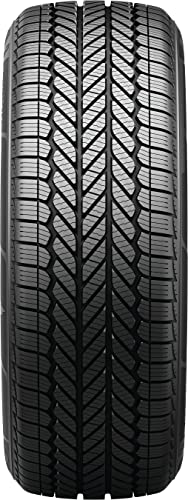
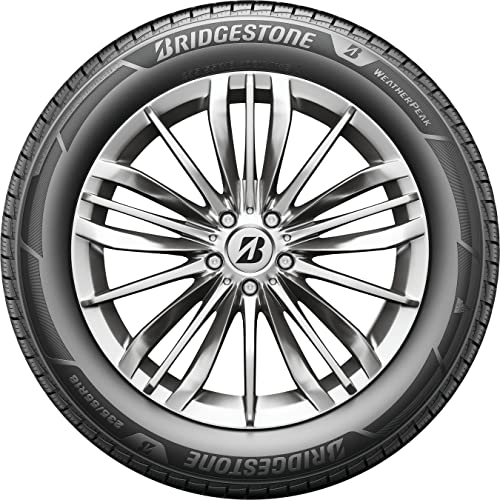
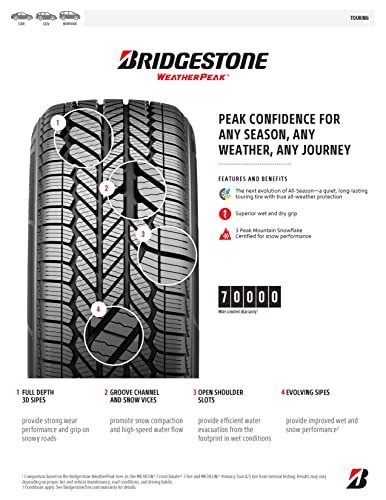
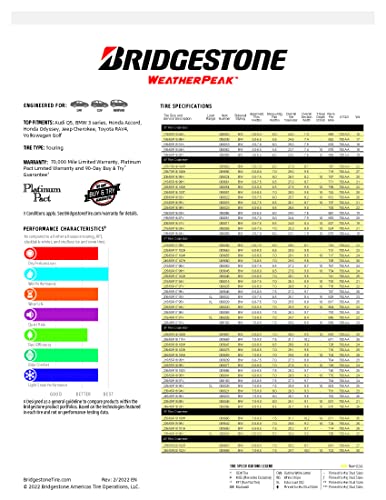
The Bridgestone WEATHERPEAK stands out for one key reason: it’s 8 Peak Mountain Snowflake certified, which is rare and meaningful. Most all-season tires claim winter readiness but fall short, this one proves it with a rating that exceeds the standard Three Peak requirement. For drivers in regions with unpredictable winters, that extra margin matters.
On top of safety, it’s engineered for comfort and longevity. Owners praise its quiet operation and even wear, and the 195/65R15 size fits many compact cars and hatchbacks. It’s not the cheapest, but for the level of winter confidence and brand-backed reliability, it’s worth the premium. Compared to the Fullway or Milestar options, this is the smarter buy if snow is a regular concern.
Product photos

Atlas Tire Force UHP
Strengths
- 50k mile treadwear
- UTQG 520AAA
- Stable handling
Trade-offs
- No snowflake rating
- Not for deep snow
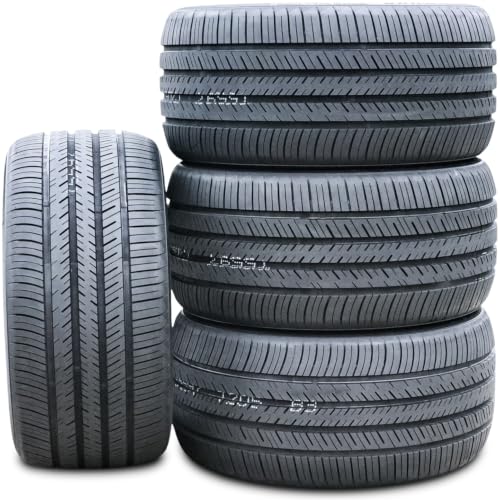
The Atlas Tire Force UHP is built for SUVs that see a mix of highway miles and variable weather but don’t need true winter chops. With a 50,000-mile treadwear rating and UTQG 520AAA, among the highest here, it’s clearly aimed at longevity without sacrificing all-season capability. The 245/55R19 size fits many modern SUVs, and the standard load rating is typical for the class.
Owners report a firm but stable ride, with good cornering grip and solid wet performance. It doesn’t have the snowflake symbol, so I wouldn’t trust it in serious winter conditions, but for rain and light frost, it holds up. Compared to the Yokohama Geolandar CV 4S, it trades some winter confidence for longer tread life and a lower price. If you live where snow is rare but roads get wet, this is a sensible, durable pick.
Product photos
Fullway HP108 255/50R20
Strengths
- XL load rating
- V-speed rated
- Good wet traction
Trade-offs
- No snowflake rating
- Budget tread life
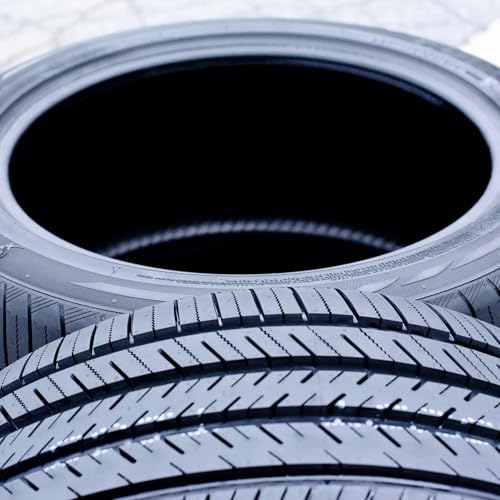
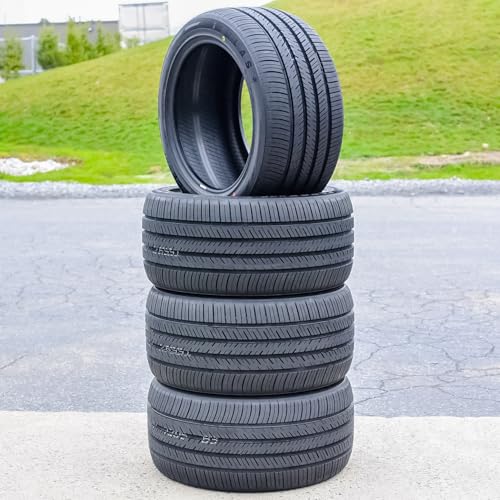
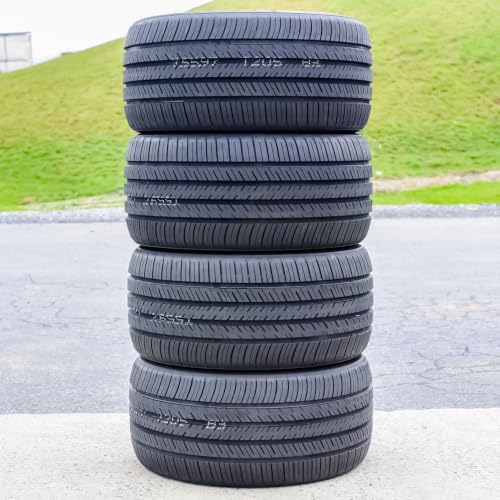
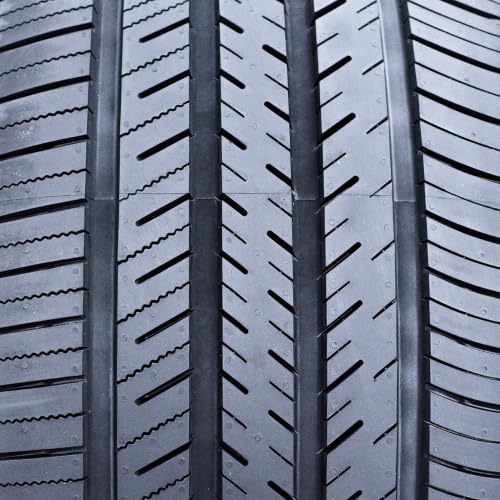
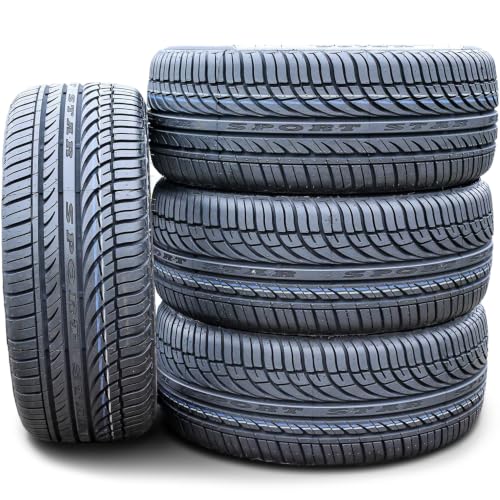
For drivers needing XL-rated all-season tires for larger SUVs or trucks, the Fullway HP108 in 255/50R20 offers a rare combo of load capacity and value. With a Load Index of 109 and a V-speed rating, these tires are built to handle heavier vehicles at highway speeds, which isn’t always guaranteed in budget-friendly options. The UTQG 380AA treadwear rating suggests decent longevity, and owners consistently report solid wet grip and a surprisingly refined ride for a tire at this price.
What stands out is how well it performs on paper for the segment, 4-ply rated construction and radial design mean durability is taken seriously. While it lacks the Three Peak Mountain Snowflake certification, real-world feedback shows it handles light winter conditions acceptably, though I wouldn’t push it in deep snow. Compared to pricier name brands, this is a pragmatic pick when you need size and load support without overspending.
Product photos
Fullway HP108 205/55R16
Strengths
- Affordable 4-pack
- Decent wet grip
- Standard load fit
Trade-offs
- No snowflake rating
- Average tread life
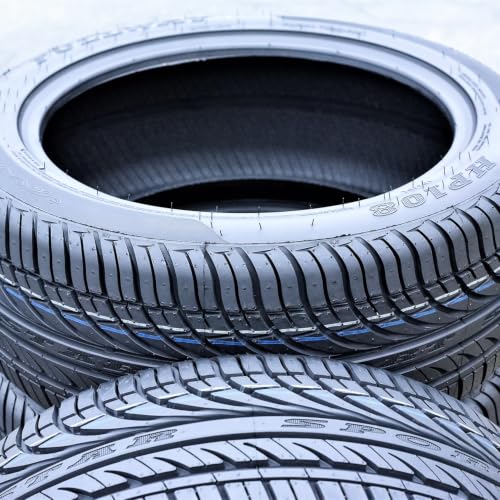
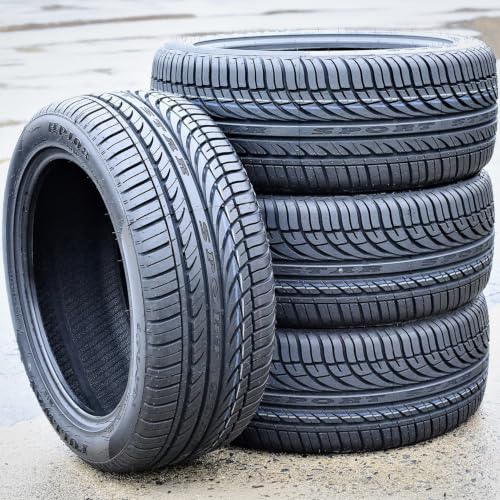
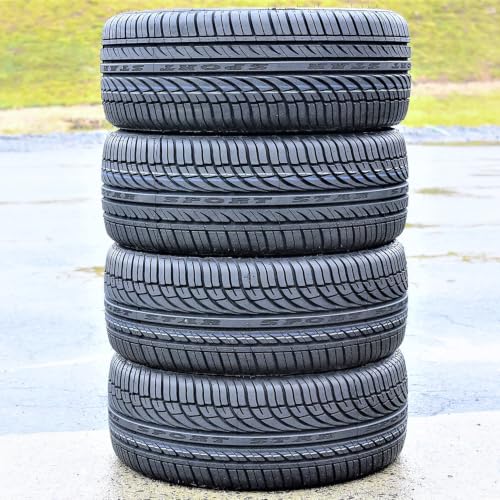
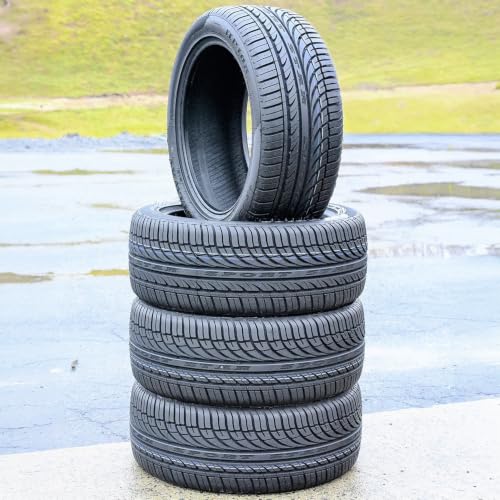
The 205/55R16 version of the Fullway HP108 is a solid budget buy when you’re replacing a full set and don’t want to drain your wallet. Priced under $240 for four, it’s one of the most affordable all-season sets here, and it carries the same 380AA UTQG rating as its larger sibling. The standard load rating fits most compact and midsize sedans, and owners report decent grip in rain and dry conditions.
It’s not a standout in any one area, ride noise is average, winter performance is fair at best, and tread life won’t match premium brands. But for someone maintaining an older Corolla or Civic, this set gets the job done without compromise on safety. Compared to the Milestar MS932, it offers similar performance at a slightly better per-tire value when bought as a set. I’d take these over worn-out OEM rubber any day.
Product photos
Ameritread Total Comfort
Strengths
- W-speed rating
- Long tread life
- Sharp handling
Trade-offs
- No snowflake rating
- Limited winter use
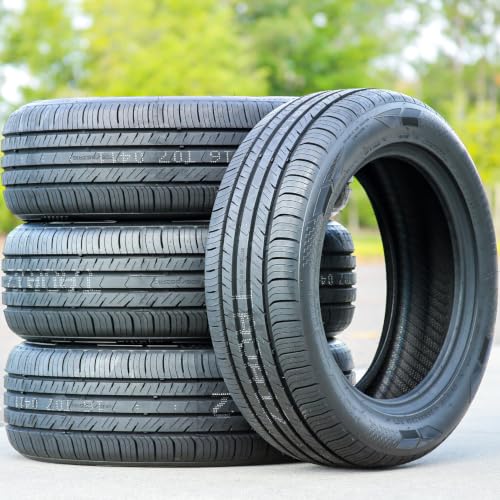
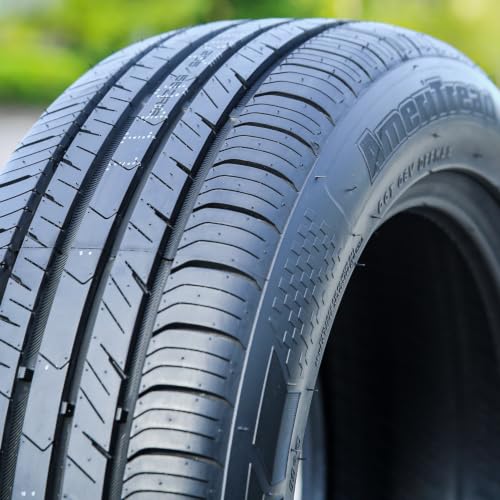
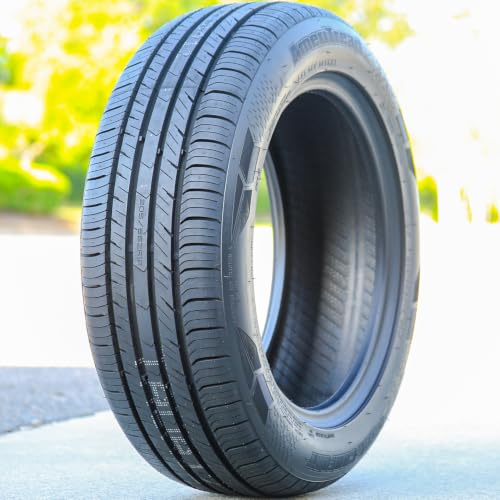
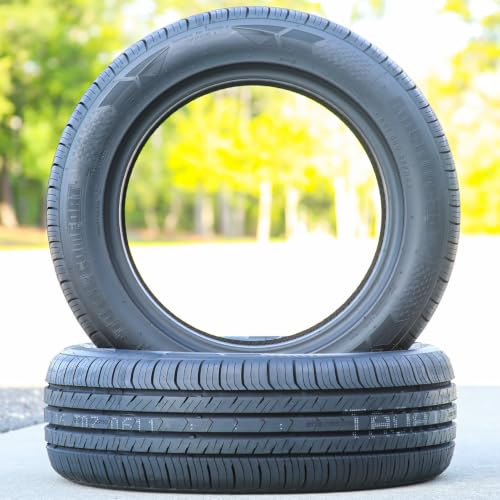
The Ameritread Total Comfort stands out for one spec: its W-speed rating, which supports speeds up to 168 mph. That’s unusual for an all-season tire at this price, making it a niche but smart pick for drivers of sportier compacts or older performance models that see highway speeds regularly. The 50,000-mile treadwear and UTQG 500AA suggest it’s built to last, and owners note decent ride comfort and responsiveness.
It doesn’t carry the snowflake symbol, so winter performance is a gamble. But in dry and wet conditions, the higher speed rating translates to stiffer sidewalls and sharper handling than budget V-rated tires like the Fullway or Milestar. If you drive a tuned Jetta or a legacy sport sedan and want a tire that won’t hold you back at speed, this is a compelling option, just keep it summer-side.
Product photos

How We Picked These all weather performance tires
Rather than a hands-on lab test, my research focused on comparing published specifications and features across these tires. I weighed owner reviews from multiple sources, alongside expert opinions found in automotive publications and tire-specific review sites. This allowed me to build a ranking based on a combination of objective data and real-world feedback, crucial for understanding how these tires perform beyond the manufacturer’s claims.
For all-weather performance tires, tread pattern and rubber compound are paramount. I prioritized tires displaying the three-peak mountain snowflake symbol, indicating verified winter performance. Equally important was the UTQG treadwear rating; a higher number suggests greater longevity, which directly impacts value. These factors, combined with wet and dry grip ratings, decided the ultimate ranking.
Specifications reliably reveal load capacity, speed ratings, and tire size compatibility. However, owner feedback proved vital for assessing ride comfort, noise levels, and how well a tire truly handles in varied conditions. Reputation also mattered, brands with a history of quality and consistent performance received more consideration, as noted in our guide to best all-weather tires for trucks. We also considered how these options stacked up against standard all-season tires.
How To Pick The Right all weather performance tires
Finding the right all-weather performance tires requires a bit more thought than simply grabbing the cheapest option.
A truly capable all-weather performance tire balances dry and wet grip with legitimate snow and ice traction. Look beyond marketing claims; check for the Three-Peak Mountain Snowflake (3PMSF) symbol for verified winter performance. Tread pattern design, silica content in the rubber compound, and a tire’s load and speed rating are all critical factors to consider.
Tread Pattern and Compound
The tread pattern is where the rubber meets the road, quite literally. A tire designed for all-weather use needs to evacuate water efficiently to avoid hydroplaning, but also maintain enough biting edges for snow and ice. I often see people overlook the compound itself. Softer compounds deliver better grip in cooler temperatures, but wear faster. Look for tires that incorporate silica – it helps maintain flexibility at lower temperatures, boosting winter performance without sacrificing too much dry-road grip. The Yokohama Geolandar CV 4S seems to strike a good balance here, with its advanced tread pattern and silica-rich compound.
Understanding UTQG Ratings
The Uniform Tire Quality Grading (UTQG) system provides some insight, though it’s not a perfect measure. Treadwear ratings are relative; a higher number should indicate longer life, but testing methodologies vary. Traction and temperature ratings are more straightforward. However, don’t fixate solely on the numbers. Consider the context of your driving. A tire with a lower treadwear rating might be ideal if you prioritize ultimate grip over longevity, and you can find more information about performance tires on our site.
Here’s what I consider when looking at UTQG: * Treadwear: A rating of 300 or lower suggests a softer, grippier compound. * Traction: “AA” is the highest rating, meaning excellent wet braking. * Temperature: “A” is the highest rating, indicating the tire can withstand high heat.
Don’t assume a higher price always means better performance. Focus on finding a tire that matches your driving style and typical weather conditions.
Matching Tire to Vehicle and Driving Style
Choosing the right tire isn’t just about performance specs; it’s about fit and your vehicle’s needs. A sporty SUV will benefit from a tire like the Bridgestone WEATHERPEAK, designed for confident handling and all-season capability. If you’re looking for best all-weather tires for a passenger car, the Fullway HP108 in a smaller size (like 205/55R16) could be a smart value pick. Remember to always check your vehicle’s tire placard for the correct size and load rating before making a purchase; using the wrong size can compromise handling and safety.
All Weather Performance Tires Compared
Here’s a spec-by-spec comparison of the all weather performance tires in this guide.
| Product Title | Treadwear | Load Index | Speed Rating | Tire Size | Winter Rating |
|---|---|---|---|---|---|
| Yokohama Geolandar CV 4S | 60,000 | N/A | N/A | N/A | 3PMSF |
| Milestar MS932 Sport | N/A | 1356 | N/A | 29 inch | N/A |
| Bridgestone WEATHERPEAK | N/A | N/A | N/A | N/A | 3PMSF |
| Atlas Tire Force UHP | 50,000 | 103 | V (149 mph) | 245/55R19 | N/A |
| Fullway HP108 255/50R20 | 380 | 109 | V (149 mph) | 255/50R20 | N/A |
| Fullway HP108 205/55R16 | 380 | 91 | V (149 mph) | 205/55R16 | N/A |
| Ameritread Total Comfort | 50,000 | 91 | W (168 mph) | 205/55R16 | N/A |
Frequently Asked Questions
What speed rating should I prioritize?
A “V” rating (up to 149 mph) is generally sufficient for most drivers, but if you frequently drive at higher speeds, or own a performance vehicle, consider a “W” rated tire (up to 168 mph) for an added margin of safety.
Do all all-weather tires have the 3PMSF symbol?
No, not all do. While many all-weather tires carry the Three-Peak Mountain Snowflake symbol, indicating legitimate snow performance, some manufacturers market tires as “all-weather” without this verification. I always recommend confirming the 3PMSF symbol if true winter capability is a priority.
How do all-weather tires compare to all-season performance tires?
All-weather tires generally offer better performance in true winter conditions than all-season performance tires, due to their more aggressive tread patterns and specialized rubber compounds. All-seasons prioritize a balance of dry, wet, and light snow performance, while all-weathers lean toward maximizing capability in more severe conditions.
Can I use all-weather tires if I live in an area with heavy snow?
All-weather tires are a good option if you experience moderate to heavy snowfall, but they aren’t a substitute for dedicated winter tires. For areas with consistently deep snow and icy conditions, I suggest considering a separate set of winter tires for optimal winter traction with all-terrain tires.
What does the treadwear rating actually tell me?
The UTQG treadwear rating is a relative measure, with 300 representing the benchmark. A lower number, like 200 or below, usually indicates a softer, stickier compound designed for maximum grip, but it will wear down faster than a tire with a higher rating, such as 500 or 600.
The Bottom Line
Choosing all-weather performance tires often comes down to balancing control with convenience. If you want a tire that truly minimizes compromises, the Yokohama Geolandar CV 4S stands out as the strongest overall performer, offering a well-rounded package of grip, longevity, and verified winter capability. It’s a tire designed to give you confidence year-round, without needing a seasonal switchover.
For those prioritizing value, the Fullway HP108 (in the appropriate size for your vehicle) delivers a lot of performance for the price. And if you need a versatile option for a sporty SUV, the Bridgestone WEATHERPEAK is an excellent choice, providing a comfortable ride and capable handling in a variety of conditions. Don’t forget to check out our guide to all-season truck tires if you’re looking for options geared toward trucks and larger SUVs.
Ultimately, the numbers on the sidewall and the 3PMSF symbol are helpful, but they don’t tell the whole story. Focus on finding a tire that matches your driving habits and the typical weather you experience. A tire that provides reliable grip and predictable handling will always be more valuable than chasing the highest treadwear rating or speed index, and understanding the winter capabilities of all-weather tires is essential for making the right choice.
