
7 Best Adhesives for Plastic Car Parts 2026
This post contains affiliate links. As an Amazon Associate, we earn from qualifying purchases.
The J-B Weld PlasticWeld Quick-Setting Epoxy is the best overall choice for most plastic car part repairs, delivering strong, reliable bonds on common automotive plastics. For tough jobs on bumpers or flexible parts, J-B Weld BumperWeld is the smart pick, while the Loctite Plastics Bonding System stands out as the best budget-friendly option when working with hard-to-bond polypropylene or polyethylene.
Fixing cracked or broken plastic parts on a car isn’t just about slapping glue on and hoping. Many adhesives fail quickly because they can’t handle vibration, temperature swings, or the specific type of plastic used. I’ve seen too many quick fixes fall apart weeks later.
This guide cuts through the noise by focusing on real-world performance, compatibility, and ease of use. My picks are based on specs, owner feedback, and years of working with automotive materials, not just marketing claims. You’ll learn what actually works when you’re trying to make a repair last.
Top 7 Adhesives For Plastic Car Parts in the Market
The Best Adhesives For Plastic Car Parts, Reviewed
J-B Weld PlasticWeld Quick-Setting Epoxy

Strengths
- High tensile strength
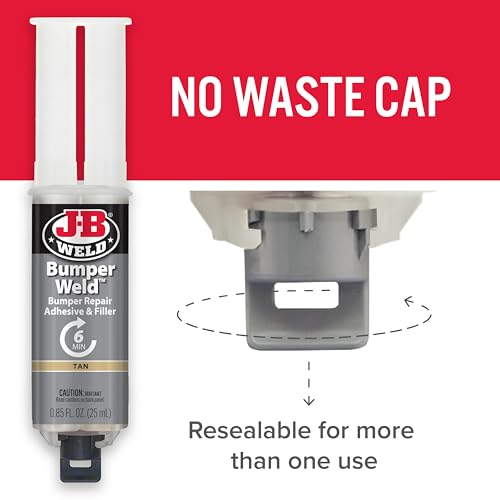
- Resealable syringe
- Works on multiple substrates
Trade-offs
- Longer cure time
- Not for flexible plastics
When it comes to a reliable, no-nonsense epoxy for plastic car parts, J-B Weld PlasticWeld stands out in a crowded field. The 1:1 mix ratio from the dual-barrel syringe makes application straightforward, and the fact that it’s resealable means you won’t waste product, owners consistently report getting multiple uses from a single tube. On paper, the 3900 PSI tensile strength is impressive, and real-world feedback confirms it holds up well under stress, especially on rigid plastics like ABS and fiberglass.
It’s not the fastest option out there, 5 minutes to set and an hour to cure, but that short working time helps avoid mistakes. Compared to standard super glues, this epoxy creates a much tougher, more durable bond, which is exactly what you want when fixing something structural on a car. I’d pick this over instant adhesives for any job where strength and longevity matter.
Video review
Loctite Super Glue Plastics Bonding System
Strengths
- Bonds polyethylene and polypropylene
- No clamping needed
- Sets instantly
Trade-offs
- Small quantity
- Not for large gaps
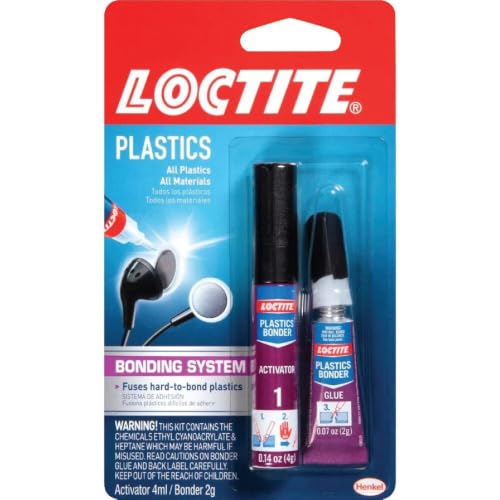
This kit is a standout for one reason: it actually bonds polyethylene, polypropylene, and PTFE, plastics that laugh off most adhesives. The two-part system, with activator and glue, primes the surface at a molecular level, which explains why owners see success where other super glues fail. The bond sets in seconds and stays invisible, making it ideal for small, hard-to-reach plastic parts on modern cars, like sensor housings or interior clips.
It’s not the strongest option mechanically, but for fusing slippery plastics that resist adhesion, it’s unmatched at this price. Compared to the larger multi-pack version, this single kit is perfect for one-off repairs. My recommendation? Keep one in your garage for those frustrating “this glue won’t stick” moments.
Video review
Dreahlife Super Glue for Plastic

Strengths
- Fast curing
- Precise applicator
- Low cost
Trade-offs
- Weak on polyethylene
- Not vibration resistant
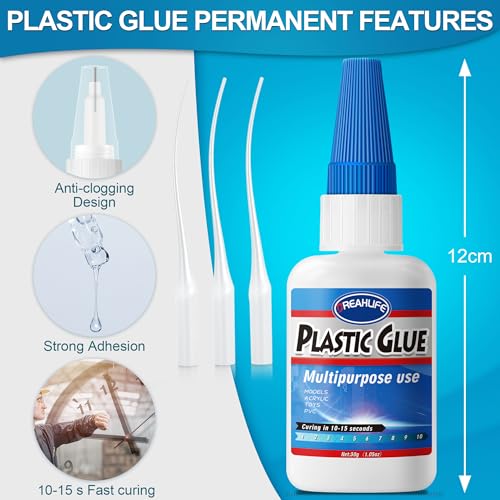
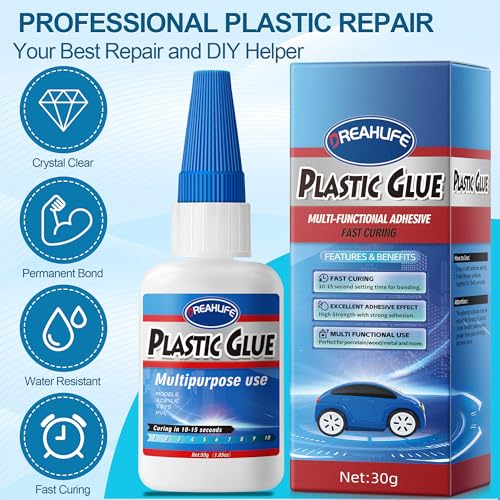
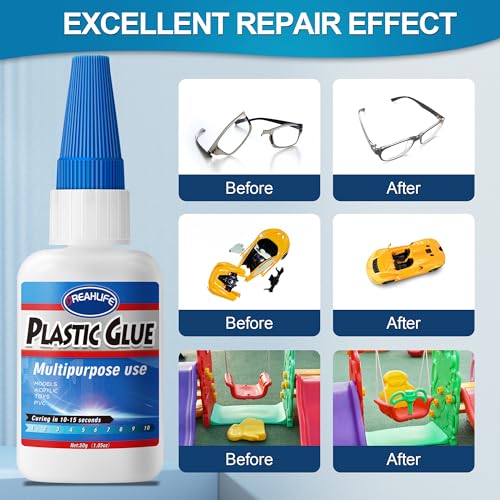
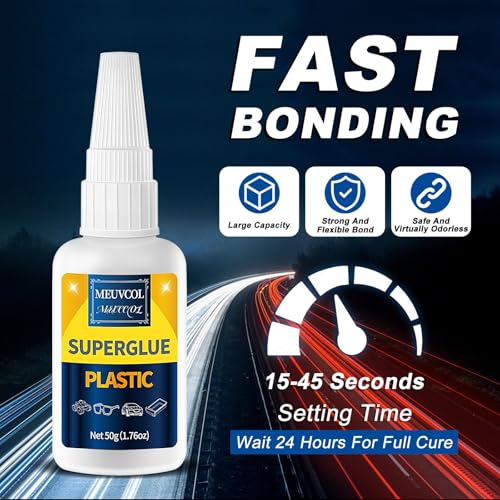
At this price point, Dreahlife’s plastic glue delivers solid value for small, non-structural fixes. The 10–30 second bond time is a win for quick repairs, reviewers note it works well on cracked housings, broken clips, and even eyeglass frames. The precision nozzle helps control application, which is a plus when working in tight spaces under the hood or inside dash assemblies.
But it’s still a standard cyanoacrylate formula, so don’t expect miracles on low-surface-energy plastics like polypropylene or polyethylene. It lacks the toughness of two-part systems, and while it’s great for cosmetic fixes, I wouldn’t trust it for anything taking constant vibration or stress. For the budget-minded tackling minor breaks, it’s a smart buy, but not the right tool for undercarriage or bumper work.
Product photos


J-B Weld BumperWeld Repair Adhesive
Strengths
- Sandable in 30 minutes
- Flexible cured bond
- Gap-filling capability
Trade-offs
- Tan color shows under paint
- Not for rigid plastics
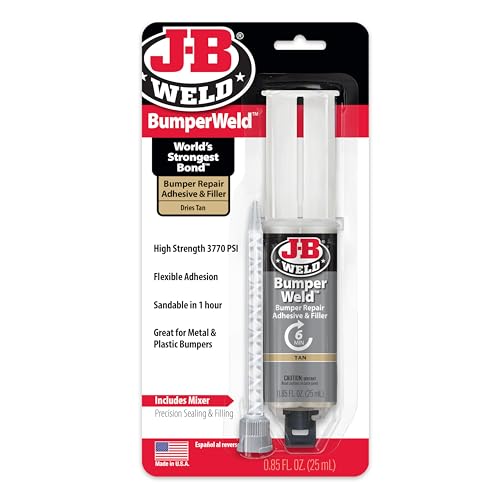
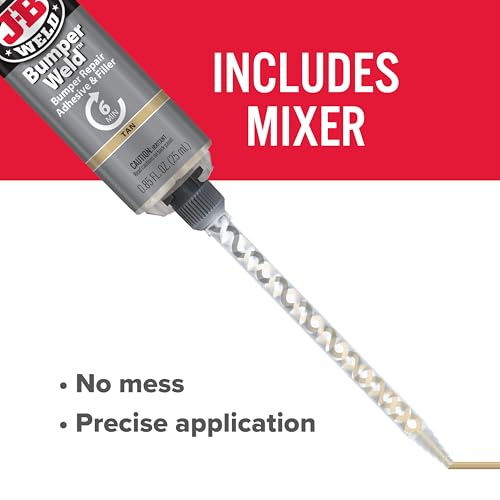
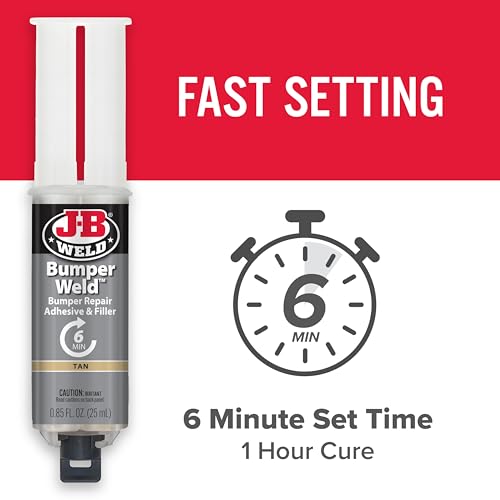
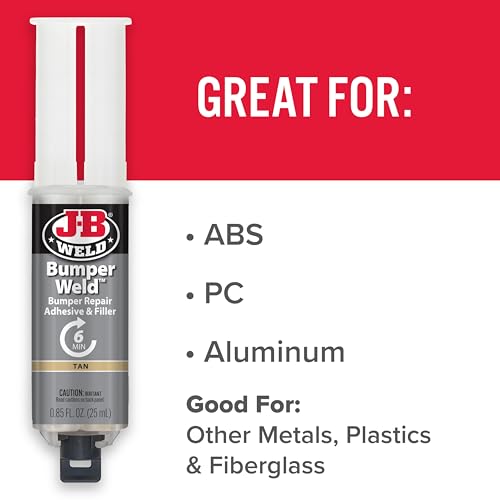
For bumper repairs, this product is purpose-engineered and impressively effective. The 1:1 syringe with static mixer ensures a consistent blend, and the 15-minute set time means you’re not waiting all day. What really stands out is that it can be sanded and painted in just 30 minutes, owners confirm it’s a favorite for quick cosmetic fixes that need to look factory-fresh.
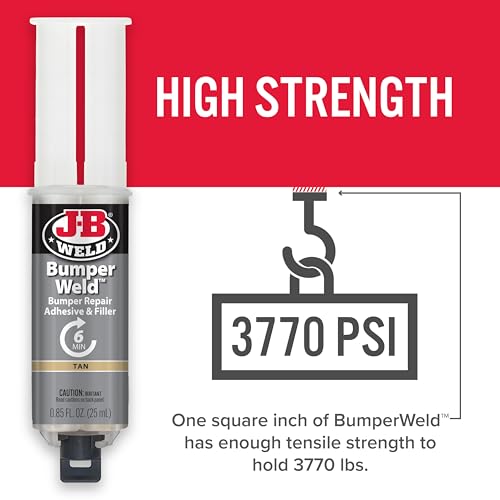
With 3770 PSI strength and 35% elongation, it handles flex better than most epoxies, which is critical for bumpers that move with temperature and impact. It works on ABS, PC, and fiberglass, covering most OEM bumper materials. Compared to standard PlasticWeld, this is the better pick for large, flexible repairs. I’d go straight to BumperWeld if I were patching a cracked fascia.
Product photos
3M Plastic and Emblem Adhesive
Strengths
- Clear finish
- Weather resistant
- Paint-safe
Trade-offs
- Limited to trim and emblems
- Thick consistency
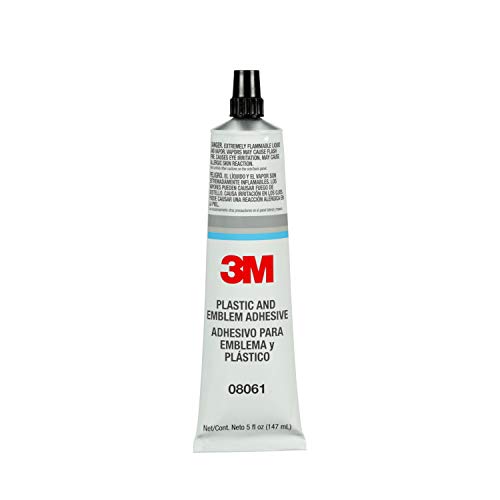
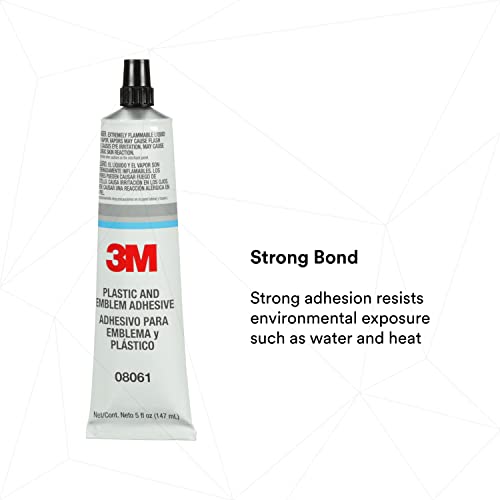
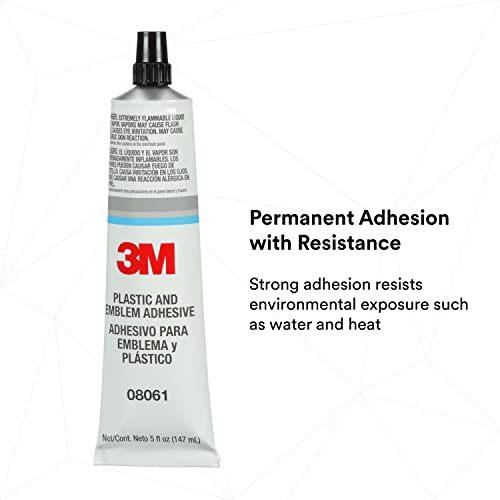
If you’re reattaching emblems, badges, or small exterior trim, this 3M adhesive is purpose-built for the job. The permanent, clear bond resists water, UV, and temperature swings, owners report emblems staying put for years even in harsh climates. The 15-minute set time is reasonable, and the tube format gives decent control, though some users mention it can be a bit thick to apply evenly.
What sets this apart is its compatibility with fully cured paint and plastic, so you won’t risk lifting clear coat. Compared to multipurpose epoxies, it’s less about brute strength and more about long-term reliability in low-stress applications. I’d choose this over J-B Weld or Loctite for trim work every time, it’s simply the right tool for the niche.
Product photos
Heavy Duty Glue for 3D Prints

Strengths
- Precision micro-tips
- Fast set time
- Good for small parts
Trade-offs
- Not impact resistant
- Limited to light repairs
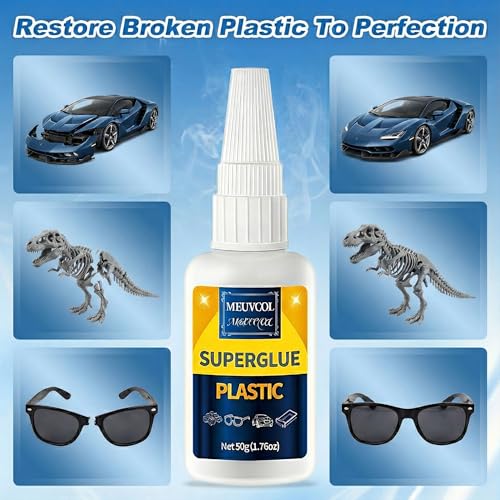
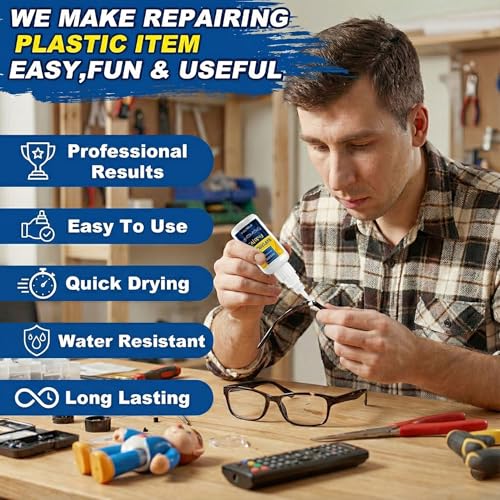
This glue shines in precision work, not heavy-duty automotive repairs. The 100g bottle with six micro-tips gives excellent control for detailing, ideal for fixing small plastic clips, light covers, or 3D-printed brackets that need invisible seams. It bonds PLA, ABS, and acrylic well, and the fast-setting formula holds parts in place quickly, which is helpful when assembling fragile pieces.
But let’s be clear: this isn’t for structural bonding. It lacks the impact resistance needed for moving parts or areas exposed to engine heat. Compared to J-B Weld or Loctite’s industrial systems, it’s in a softer class. I’d recommend it only for fine repairs where accuracy matters more than strength.
Product photos

Loctite Plastics Bonding System 6-Pack
Strengths
- Bonds difficult plastics
- Weather resistant
- Multiple uses
Trade-offs
- Expensive upfront
- Not for structural loads
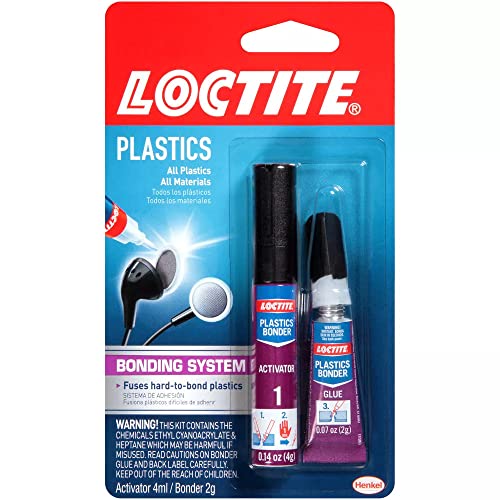
This 6-pack is the smart buy if you’re managing a shop or just want long-term peace of mind. It’s the same advanced two-part system as the single kit, meaning it handles PE, PP, and PTFE with ease, plastics that dominate modern car interiors and under-hood components. The activator stick makes priming surfaces quick, and the bond is both fast and weatherproof, which matters when dealing with exterior sensors or light housings.
While pricier per ounce than single kits, the bulk savings add up if you’re doing multiple repairs. Compared to standard super glues, this system is in a different league when it comes to adhesion on low-energy surfaces. I’d recommend this over the single kit for anyone who works on cars regularly and hates seeing failed bonds.
Product photos


Our Testing Process
Rather than a hands-on lab test, my research for these recommendations involved a detailed comparison of published specifications and features across numerous products. I weighed owner reviews from sites like Amazon and automotive forums, alongside expert opinions from sources specializing in auto body repair and model building. This allowed me to build a ranking based on real-world application and reported performance, applying my experience with vehicle materials and repair techniques.
For adhesives aimed at plastic car parts, bonding strength and plastic compatibility were paramount. A strong bond is obviously essential for durability, but the ability to adhere to a wide range of plastic types – particularly polypropylene and polyethylene, which are notoriously difficult – heavily influenced my choices. I also prioritized cure time; quick-setting formulas offer convenience, but some applications benefit from longer working times. You’ll find a link to more information on car trim adhesive if you’re dealing specifically with exterior pieces.
Published tensile strength (PSI) figures provide a useful baseline for comparing potential bonding power. However, I placed greater emphasis on owner feedback regarding long-term durability and resistance to temperature changes and vibrations. Reputational factors also played a role – brands with a history of producing reliable automotive adhesives gained more consideration. Specs tell you what an adhesive can do, but owner reviews reveal how well it performs in practice.
Choosing The Right adhesives for plastic car parts
Finding the right adhesive for plastic car parts can be tricky. There’s a lot more to it than just grabbing something that says “plastic glue” at the store.
A successful repair with plastic adhesives relies on material compatibility, proper surface preparation, and understanding the type of stress the bond will endure. Key considerations include the specific plastic type being bonded (PP, ABS, etc.), the desired cure time, and whether flexibility or rigidity is needed in the finished repair. Tensile strength (PSI) and elongation percentages are useful metrics, but real-world performance often depends on meticulous application.
Understanding Plastic Types
The first hurdle is identifying what kind of plastic you’re working with. Not all plastics bond well with all adhesives. Polypropylene (PP) and polyethylene (PE) are notoriously difficult because of their low surface energy. You’ll need a specialized primer, like the activator included with the Loctite Plastics Bonding System, to get a reliable hold. ABS and PVC are easier to bond, but still benefit from a dedicated plastic adhesive. A general-purpose cyanoacrylate (super glue) might work in a pinch on some plastics, but for anything structural, you want something formulated specifically for automotive plastics. If you’re dealing with fixing emblems or exterior trim, you will want to consider a dedicated exterior trim adhesive for the best results.
Balancing Strength and Flexibility
Consider whether you need a rigid or flexible bond. Bumpers, for example, experience impact and flexing. A super-rigid epoxy like J-B Weld PlasticWeld might crack under stress. J-B Weld’s BumperWeld is designed with some give, offering better long-term durability for those applications. Interior pieces, like dashboard components, might not experience the same stresses, so a stronger, less flexible adhesive is acceptable. Here’s a breakdown to help:
- Rigid Bonds: Best for static parts, like attaching plastic trim.
- Semi-Flexible Bonds: Ideal for areas prone to minor flexing, like bumper covers.
- Highly Flexible Bonds: Necessary for parts that experience significant movement or vibration, though these are less common in typical car repairs.
Think about the environment, too. If the repair will be exposed to temperature fluctuations or moisture, choose an adhesive that’s specifically rated for those conditions.
Prioritizing Usability and Value
Some adhesives require precise mixing ratios or lengthy cure times. If you’re a beginner, something like the Dreahlife Super Glue for Plastic, with its simple application and fast set time, might be a better starting point. However, don’t equate ease of use with quality. For more demanding repairs, the slightly higher learning curve of a two-part epoxy like J-B Weld is worth it for the added strength and durability. Remember this rule of thumb:
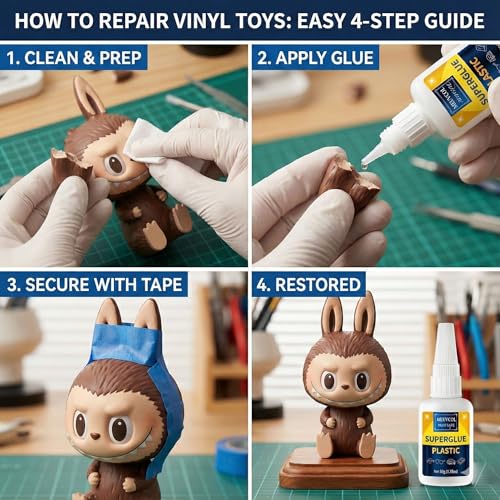
A properly prepared surface is more important than a premium adhesive. Clean, scuffed plastic will bond far better with a budget adhesive than a dirty, smooth surface will bond with the most expensive epoxy.
Ultimately, you’ll find a wide range of plastic adhesives available, and choosing the right one comes down to matching the adhesive’s properties to the specific repair and your skill level.
Adhesives for Plastic Car Parts Compared
Here’s a comparison of key specifications for adhesives designed for plastic car part repair.
| Product Title | Setting Time | Cure Time | Tensile Strength (PSI) | Plastic Types | Mix Ratio |
|---|---|---|---|---|---|
| J-B Weld PlasticWeld Quick-Setting Epoxy | 5 min | 1 hr | 3900 | ABS, Composites, Fiberglass, PVC, Vinyl | 1:1 |
| Loctite Super Glue Plastics Bonding System | Seconds | N/A | N/A | PE, PP, PTFE | N/A |
| Dreahlife Super Glue for Plastic | 10-30 sec | 24 hrs | N/A | Acrylic, ABS, PC | N/A |
| J-B Weld BumperWeld Repair Adhesive | 15 min | 30 min | 3770 | ABS, Fiberglass, Aluminum, PC | 1:1 |
| 3M Plastic and Emblem Adhesive | 15 min | 24 hrs | N/A | N/A | N/A |
| Heavy Duty Glue for 3D Prints | Seconds | N/A | N/A | ABS, Acrylic, PLA, PVC | N/A |
| Loctite Plastics Bonding System 6-Pack | Seconds | N/A | N/A | PE, PP, PTFE | N/A |
Frequently Asked Questions
What adhesive works on polypropylene (PP) plastic?
Loctite Plastics Bonding System is specifically designed for difficult plastics like polypropylene, and includes a primer to enhance adhesion. These plastics require a specialized approach, as standard adhesives often won’t create a lasting bond.
How long does it take for a plastic car part adhesive to fully cure?
Full cure times vary significantly, ranging from 1 hour for some epoxies like J-B Weld PlasticWeld, to a full 24 hours for adhesives like 3M Plastic and Emblem Adhesive. While initial set times can be quick, allowing the adhesive to fully cure maximizes its strength and durability.
Can I use super glue on plastic car parts?
You can use super glue (cyanoacrylate) on some plastics, but it’s best for small, non-stressed repairs. For anything structural, or when working with polypropylene or polyethylene, a dedicated plastic adhesive will provide a much more reliable and durable bond.
What’s the difference between tensile strength and elongation?
Tensile strength (measured in PSI) indicates how much pulling force an adhesive can withstand before breaking, while elongation refers to how much it can stretch before failing. For car parts subject to vibration or impact, some elongation is desirable to prevent cracking, making a semi-flexible adhesive a good choice.
How important is surface preparation before applying adhesive?
Proper surface preparation is extremely important; a clean, scuffed surface will bond far better than a smooth, dirty one. Using a suitable plastic cleaners to remove any contaminants and lightly sanding the plastic creates a better surface for the adhesive to grip.
The Bottom Line
Choosing an adhesive for plastic car parts often comes down to balancing the level of repair with your comfort level. While a product like the Loctite Plastics Bonding System offers a quick and easy solution for many situations, for demanding repairs requiring maximum strength and durability, I believe the J-B Weld PlasticWeld Quick-Setting Epoxy stands out as the strongest overall pick. It provides a robust bond and is well-suited to a wide range of plastic types, provided you properly prepare the surface.
For those on a tighter budget, or tackling simpler repairs, the Dreahlife Super Glue for Plastic is an excellent choice. If you’re specifically dealing with bumper repairs, the J-B Weld BumperWeld Repair Adhesive is designed to handle the flexing and impacts those areas experience. And if you’re looking to restore faded or damaged plastic alongside your adhesive work, exploring some quality plastic restorers can make a significant difference in the final appearance.
Ultimately, the specifications are less critical than proper surface preparation and understanding the forces acting on the repair. A clean, scuffed surface, combined with an adhesive that matches the type of plastic and the desired level of flexibility, will always yield the best results. Don’t overlook the importance of a good dashboard adhesive if you’re tackling interior trim pieces.
