
Best Cheap Sports Cars for Sale Under $10,000 – Expert Picks
This post contains affiliate links. As an Amazon Associate, we earn from qualifying purchases.
Cheap sports cars are defined by a sub-$10,000 purchase price and a focus on rear-wheel drive, manual transmissions, and lightweight chassis. The Mazda MX-5 Miata is the default answer, but the Scion FR-S, Ford Mustang V6, Nissan 350Z, and older gems like the Toyota MR2 Spyder and Pontiac Fiero all fit the bill with specific trade-offs in reliability, cost, and driving character.
The $10,000 ceiling is the line where depreciation has done most of its work on mass-produced enthusiast cars, but where major mechanical failures still cost more than the car’s value. Your goal is to find a functional car.It’s to find a platform where the known problems have cheap, documented fixes.
What follows is a breakdown of the real market. We’ll cover the proven picks under $10,000, the sub-$5,000 projects, the non-negotiable inspection checklist, and the maintenance schedules that keep these cars from becoming money pits.
Key Takeaways
- The Mazda MX-5 Miata (NA/NB generations) is the cheapest reliable sports car, with vast parts availability and simple mechanics.
- Always budget 30-50% of the purchase price for immediate repairs, tires, and deferred maintenance on any sub-$10,000 car.
- Scion FR-S/Subaru BRZ models from 2013-2016 require a pre-purchase valve spring recall check using the NHTSA safety recall notice for VIN verification.
- Avoid modified cars unless you can verify the quality of the work; stock examples are always a safer financial bet.
- Sourcing the OEM service manual for your specific model is the single best investment for DIY maintenance and repair cost avoidance.
The $10,000 Rule of Thumb
Your budget is the single biggest filter. At this price, you are buying a used car that has lived a full life. The question isn’t if it needs work, but what work it needs and how much that costs.
Common mistake: Spending the entire budget on the purchase. On a $7,000 car, immediately plan for $2,000-$3,500 in tires, brakes, fluids, belts, and addressing any leaks or worn suspension components. If you can’t afford that reserve, you can’t afford the car.
The sweet spot for a driving-ready, decent-example sports car currently sits between $6,000 and $9,500. This range includes clean NB-generation Miatas, higher-mileage but solid Nissan 350Zs, and V6-powered Ford Mustangs from the 2005-2010 era. These are disposable items in an economic sense. You drive them, maintain them, and when a major failure like a transmission or engine happens, you weigh the repair cost against the car’s value. This reality makes the cost and availability of parts the most critical spec.
| Car Model | Typical Price Range | Biggest Cost Advantage | Immediate Check |
|---|---|---|---|
| Mazda MX-5 Miata (NA/NB) | $5,000 – $9,000 | Ubiquitous, cheap parts. Engine can be replaced for <$1,500. | Frame rail rust, soft top condition, clutch shudder. |
| Scion FR-S / Subaru BRZ | $8,000 – $10,000 | Modern chassis, excellent handling. | Valve spring recall status, oil consumption, throwout bearing noise. |
| Nissan 350Z | $6,000 – $9,000 | Strong V6 power, solid drivetrain. | Oil gallery gaskets (pre-2006), rear differential bushings, tire wear. |
| Ford Mustang (V6, 2005-2010) | $4,000 – $7,000 | Cheap power, huge aftermarket. | Rear axle seals, front control arm bushings, body panel alignment. |
This table is about matching the car’s known failure points to your tolerance for repair complexity and cost. A Miata’s rust issue is a deal-breaker but easy to spot.A 350Z’s internal oil gallery gasket is a $2,000+ engine-out job that isn’t visible on a test drive.
The Default Pick: Mazda MX-5 Miata
If you want one answer and you plan to work on the car yourself: a Mazda MX-5 Miata. The first-generation NA (1990-1997) and second-generation NB (1999-2005) are the relevant cheap sports cars.
The 1.8L engine in the NB is more robust than the NA’s 1.6L, but both are simple, non-interference four-cylinders that are nearly impossible to kill with basic maintenance. According to the 2016 Mazda MX-5 maintenance schedule, the factory calls for oil changes at a maximum interval of 12 months or 10,000 miles, even with their flexible monitoring system. Ignoring that and following a strict 5,000-mile oil change schedule is the cheapest insurance you can buy.
The parts ecosystem is the Miata’s secret weapon. Every single wear item, from brake pads and rotors to complete convertible tops and suspension kits, is available from multiple vendors at rock-bottom prices. You can replace the entire clutch assembly for under $400 in parts. This changes the financial math completely. A repair that would total another car is just a weekend project on a Miata.
The 2017 Mazda MX-5 owner’s manual includes a vital edge case: if the vehicle is operated in very dusty or sandy areas, clean and replace the air filter more often than recommended. If you’re looking at a car from a dry, dusty region, factor a full intake system inspection into your offer.
Where do Miatas fail? Rust. The rocker panels just ahead of the rear wheels trap moisture and rot from the inside out. Poke them with a screwdriver. Check the frame rails underneath the car. Any softness or bubbling here is a structural cancer that costs more to fix than the car is worth. Walk away. A worn-out engine is a $1,500 problem. Rust is a corpse.
The Modern Choice: Scion FR-S / Subaru BRZ
The Scion FR-S (and its twin, the Subaru BRZ) redefined the affordable sports car segment in 2013. By 2024, early examples have depreciated squarely into our budget. They offer a level of chassis precision and modern reliability that older cars can’t match.
They also come with one non-negotiable pre-purchase inspection item: the valve spring recall. In November 2018, Subaru filed a defect report for certain 2013 model year cars, noting that valve springs may fracture and cause engine failure. The recall campaign, J02, affected approximately 25,300 vehicles in the U.S. You must verify the Vehicle Identification Number (VIN) against the official NHTSA recall notice and confirm the repair was completed with documentation. A 2013 FR-S without this completed is a ticking time bomb you cannot afford.
Assuming the recall is closed, the FA20 boxer engine has other quirks. It’s known for mild oil consumption, check the dipstick and look for blue smoke on a cold start. The manual transmission’s throwout bearing is a weak point; listen for a chirping or squealing noise when the clutch pedal is depressed. These are known issues with known, if somewhat involved, solutions.
The payoff is a driving experience that feels two decades newer than a Miata. The electric power steering is sharp, the chassis is rigid, and the low center of gravity from the boxer engine layout gives it a planted, neutral feel. For a daily-driven sports car that still needs to feel modern, the FR-S/BRZ is the current king of the under-$10,000 hill.
The American V8 Alternative (And Its V6 Sibling)
The Ford Mustang is the outlier here. A cheap V8 Mustang from the 1999-2004 “New Edge” era is absolutely a sports car, but it trades finesse for brute force. The 4.6L V8 is reliable but underwhelming by modern standards. The live rear axle chassis can be skittish over bumps. What you’re buying is the sound and the sensation, not the lap time.
For our budget, the smarter American play is often the V6 Mustang from the subsequent 2005-2010 generation. This “S197” platform introduced a fully independent rear suspension, a massive improvement in ride and handling. The 4.0L V6 is durable, if not exciting, and these cars are plentiful and cheap.
Where this goes sideways: Buying a modified V8 Mustang with questionable suspension work. Lowering springs and cheap shocks on a live-axle car create a punishing, unpredictable ride. A stock V6 is always a better starting point than a botched V8.
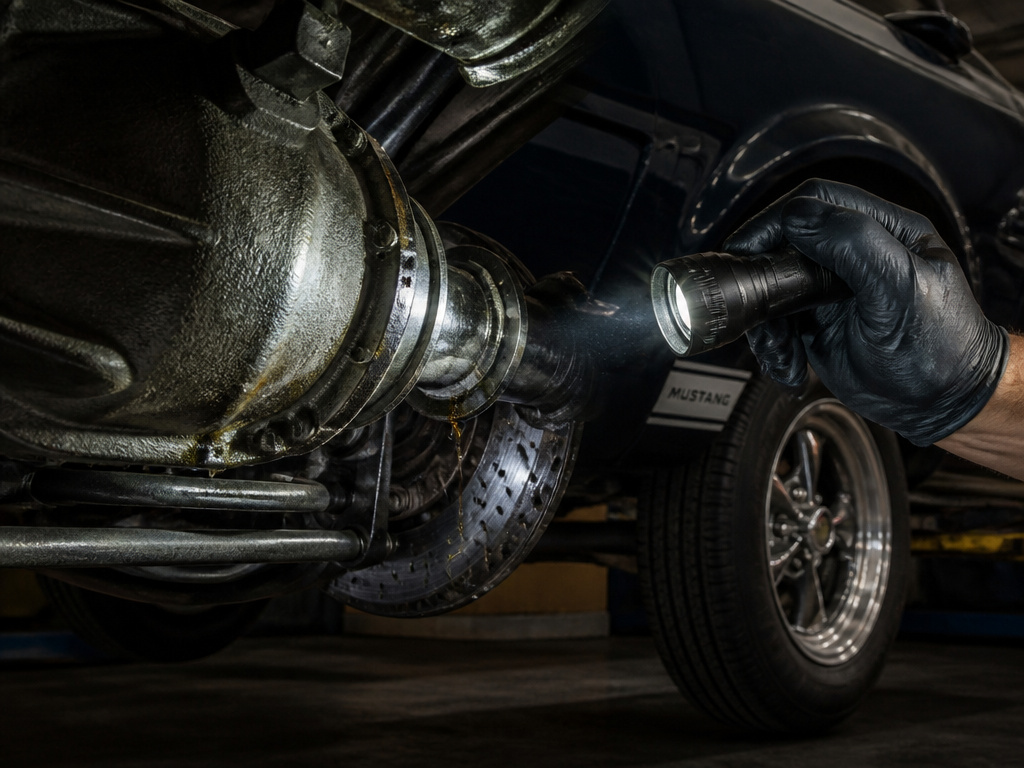
Maintenance is straightforward, and parts are as cheap as those for a Miata. Watch for rear axle seal leaks, a common issue that drips gear oil onto the rear brakes. Listen for clunks from the rear on acceleration, which point to worn differential bushings. Check the fitment of the front bumper and fenders; these cars are often lightly wrecked and poorly repaired. As with any used car, history is everything.
The Under-$5,000 Bargain Bin

If your budget is truly tight, the sub-$5,000 market exists. It is the realm of projects, high-mileage survivors, and forgotten oddballs. Your mechanical aptitude must be high, and your patience higher.
The Toyota MR2 Spyder (2000-2005): The third-generation MR2 is a mid-engine, lightweight roadster that handles brilliantly. It’s plagued by a potential engine failure (the “pre-cat” issue on early models) that can be preemptively solved. Parts are rarer than for a Miata. If you find a well-sorted one, it’s a purist’s delight.
The Pontiac Fiero (1984-1988): The 1988 Fiero GT with the V6 and revised suspension is a genuine classic. It’s a mid-engine, plastic-bodied two-seater. Cooling system failures gave them a bad reputation, but a properly maintained example is reliable. You buy this for the novelty and the surprisingly good chassis, not for ease of repair.
The Nissan 350Z (2003-2006): Early, high-mileage Zs dip into this range. You are buying an engine and transmission wrapped in a worn interior and tired suspension. Budget immediately for the oil gallery gasket replacement on 2003-2005 models. If you can do the work yourself, it’s a lot of car for the money.
At this price, condition is everything. A $4,500 car that needs $3,000 in work is a worse deal than a $7,500 car that needs nothing. Your inspection must be ruthless. Pull a spark plug to look for coolant intrusion (head gasket). Check the color of the automatic transmission fluid (it should be red, not brown). Look for fresh undercoating that might be hiding rot.
The Inspection Checklist You Actually Need
Forget generic used car checklists. For a cheap sports car, these five points decide the deal.
- Fluid Forensics: Check every fluid. Oil on the dipstick should be amber, not black or milky. Coolant in the overflow tank should be clean and the correct color (green, orange, or blue, mixing types causes gelation). Brake fluid should be clear, not dark brown. Dark fluid means neglected hydraulics.
- The Cold Start Test: Arrive before the seller starts the car. A cold engine reveals everything. Listen for excessive valve train noise (tapping) that quiets down as oil circulates. Watch the exhaust for blue smoke (oil) or white smoke (coolant) that disappears when warm. This is the only way to detect worn piston rings or valve seals.
- Suspension Load Test: Push down hard on each corner of the car. Let go. It should rebound once and settle. If it bounces like a boat, the shocks are dead, a $600+ fix. Listen for clunks over bumps during the test drive, indicating worn ball joints or control arm bushings.
- Drive Line Lash: With a manual transmission, find an empty lot. From a slow roll in 2nd gear, gently accelerate, then suddenly lift off the throttle. A loud clunk from the rear indicates excessive play in the differential or driveshaft U-joints. It’s a wear item, but it tells you how hard the car’s been driven.
- Get It Hot: Drive the car until the temperature gauge is fully warmed. Then, find a safe place to stop and idle for five minutes. Listen for cooling fans to cycle on. Watch the temperature gauge for any creep upward. This tests the cooling system under load, a failure point on every high-performance engine.
This process takes 45 minutes. It will scare away a shady seller and give you the leverage to negotiate on specific, identified faults. Never buy a sports car you haven’t driven from cold to fully hot.
Running Costs: Insurance, Tires, and DIY
The purchase price is the entry fee. The real cost of ownership is in the ongoing bits. A common question on enthusiast forums is about sports car insurance costs. For these older, low-value cars, liability-only coverage is often surprisingly cheap. Get a quote before you buy.
Tires are your single largest recurring performance expense. These cars are designed around good rubber. Skimping on tires ruins the handling and safety. Budget for a set of high-quality all-season tires or summer performance tires every 2-3 years. A set for a Miata runs $400-$600; for a Mustang or 350Z, it’s $600-$900.
The financial salvation is the DIY repair. These are simple, mechanical cars. Changing your own oil, brakes, and spark plugs saves hundreds per year. The cornerstone of this is the factory service manual. Not a Haynes or Chilton guide, the actual OEM manual. It has the torque specs, the wiring diagrams, and the factory procedures. You can often find them as PDFs online for your specific model year. This $50 investment pays for itself the first time you tackle a job deeper than an oil change.
Frequently Asked Questions
What is the cheapest reliable sports car?
The Mazda MX-5 Miata is the cheapest reliable sports car. Its combination of simple engineering, massive parts availability, and a robust aftermarket means repairs are inexpensive and well-documented. A running, driving NB-generation Miata (1999-2005) can be found for $5,000, and it will be more reliable than any other car at that price point.
Are cheap sports cars expensive to maintain?
They can be, if you pay a shop for every service. Labor rates are the killer. If you learn to perform basic maintenance yourself, oil changes, brake pads, fluid flushes, the parts costs for cars like the Miata, Mustang, or 350Z are very low. The key is proactive care; fixing small problems before they become big, expensive ones.
Is the Scion FR-S a good first sports car?
Yes, the Scion FR-S is an excellent first sports car, provided you verify the valve spring recall has been completed. Its modern safety features, predictable handling at the limit, and comfortable interior make it a great daily driver. It’s more expensive to buy and repair than a Miata, but it feels a generation newer.
What should I avoid when buying a cheap sports car?
Avoid heavily modified cars, rusty cars, and automatics (unless you specifically want one). Modifications often indicate hard driving and can mask serious problems. Rust is structural and uneconomical to repair properly. Automatic transmissions in these older sports cars are usually less robust, less engaging to drive, and hurt resale value within the enthusiast market.
How do I check for accident damage?
Look for paint overspray on rubber seals, mismatched panel gaps, and VIN stickers on the inside of the fenders, hood, and trunk lid. If a sticker is missing or doesn’t match the dashboard VIN, the panel has been replaced. Run a vehicle history report, but understand it only shows reported incidents. Your eyes are the best tool.
The Bottom Line
A cheap sports car is a trade. You trade modern comforts, absolute reliability, and a pristine finish for the raw, mechanical joy of driving. Your success depends on picking the right platform for your skills, inspecting with a skeptical eye, and embracing the upkeep as part of the hobby.
The Mazda MX-5 Miata remains the safest, most logical choice. The Scion FR-S brings modern dynamics into the budget. The American V8 offers a sensory experience no four-cylinder can match. Whichever you choose, buy on condition, not emotion. Have your cash reserve ready. Then go drive the wheels off it. That’s the whole point.
