
8 Best Extension Cords for Tesla Charging 2026
This post contains affiliate links. As an Amazon Associate, we earn from qualifying purchases.
The Autodecor 21ft 48A Tesla Extension is the best overall pick for most owners, combining strong amperage with solid build quality. For budget-conscious buyers, the LZSTEC 21ft 40A Charging Cable offers reliable performance at a lower price, while the EVDANCE 40ft 50A Extension stands out as the top choice for those needing maximum reach without sacrificing safety.
Charging your Tesla shouldn’t mean wrestling with unsafe or underpowered extension cords. Too many people grab whatever’s in the garage, risking overheating or slow charging because they don’t realize how much current these systems draw.
This guide cuts through the confusion by focusing on what actually matters: amperage rating, wire gauge, connector security, and real-world durability. I compared specs and owner feedback across top models to find cords that won’t just work, but work safely and consistently, whether you’re extending your home charger or plugging in on the road.
Top 8 Extension Cords For Tesla Charging in the Market
The Best Extension Cords For Tesla Charging, Reviewed
Autodecor 21ft 48A Tesla Extension

Strengths
- 48A near-full power
- IP66 waterproof rating
- UL-certified materials
Trade-offs
- Not full 50A
- No port door control
- Slight learning curve for setup
Autodecor’s 48A extension hits a sweet spot between performance and price. It’s not quite 50A, but 48A is close enough for nearly all real-world Tesla charging scenarios. The build quality is strong, UL-certified thermoplastic exterior, silver-plated copper, and an IP66 rating when connected, meaning it’s well-protected against rain and snow. Owners appreciate the included carrying bag and note the plug fits smoothly without excessive force, which helps preserve the car’s charge port over time.
It’s compatible with all Tesla Level 1/2 chargers and models, including Cybertruck, and works at campsites or hotels with NACS stations. While it doesn’t control the charge port door, that’s standard. Compared to the bokman and WenStorm 50A models, this one trades a bit of headroom for better value. If you’re not maxing out a 50A circuit, this is the smarter buy.
Video review
Otytkgo 16.4ft 50A Tesla Cord

Strengths
- Budget 50A option
- Thick 20.5mm cable
- Includes storage bag
Trade-offs
- Short 16.4FT length
- Strict connection sequence
- No charge port button control
At 16.4 feet, this Otytkgo cable is the shortest here, but it’s also one of the most affordable 50A options. It supports full 50A/12kW charging and uses silver-plated copper with a thick 20.5mm TPE jacket, which helps with heat dissipation and durability. The IP55 rating means it’s usable outdoors, though not quite as rugged as IP66 models. Owners like the included storage bag and note it works reliably with Wall Connectors and Mobile Links.
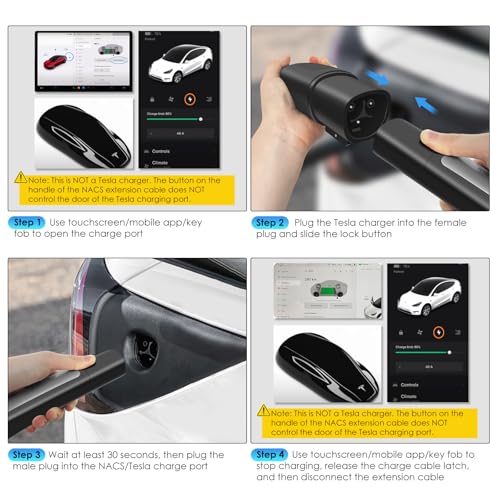
The downside? The strict connection order, charger first, wait 30 seconds, then plug into the car, is more rigid than most. Some users report failed handshakes if timing isn’t perfect. Compared to the WenStorm or Autodecor models, it feels a bit more finicky. But if you need a budget 50A extension and have a short run, it gets the job done.
Product photos
bokman 21ft 50A Tesla Extension

Strengths
- 50A full power support
- IPX5 all-weather rating
- Secure lock prevents unplugging
Trade-offs
- No charge port button control
- Slightly stiff plug fit reported
- Not for Superchargers
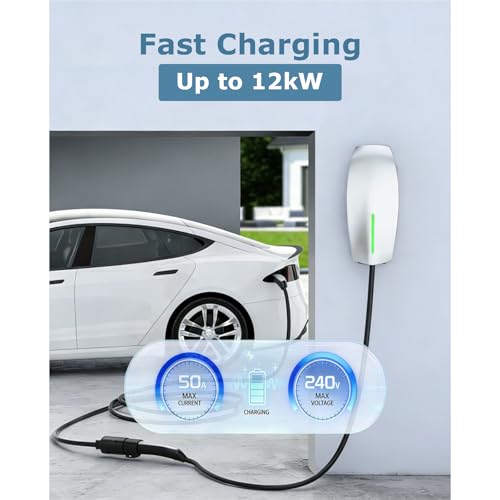
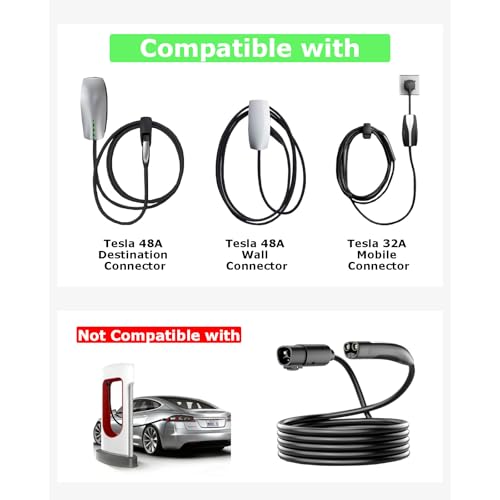
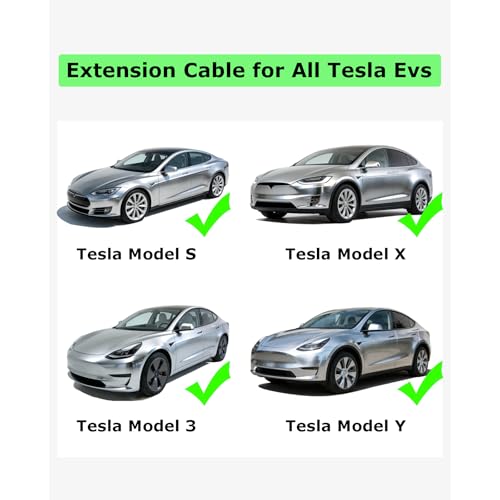
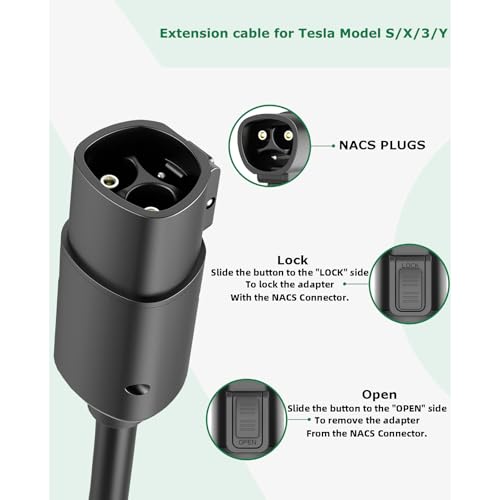
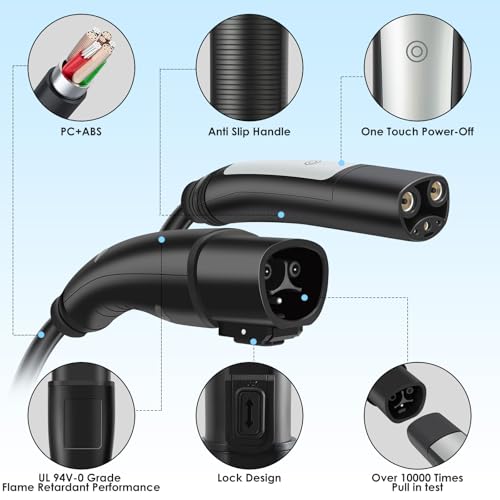
This 50A, 21-foot NACS extension cord from bokman is built for Tesla owners who want full-power charging without compromise. On paper, it supports the full 50A/12kW output, which means no throttling when paired with a Wall Connector or high-amp Mobile Link. The IPX5 rating and wide temperature tolerance suggest solid all-weather reliability, and owners consistently report using it safely in rain and snow. Where it stands out is in its secure locking design, once plugged in, you must stop charging via the app or touchscreen before disconnecting, which prevents accidental yanking but requires a change in habit.
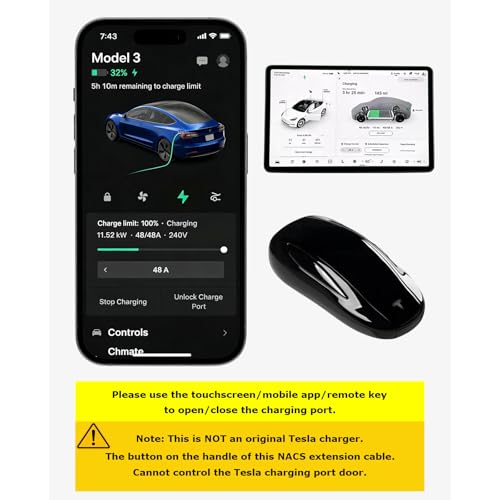
Still, the lack of charge port door control via the handle button is a common limitation across most extensions, not unique to bokman. It’s worth noting that this isn’t a standalone charger and won’t work with Superchargers, but that’s expected in this category. Compared to thinner 10 AWG cables, this one likely uses thicker conductors, though bokman doesn’t explicitly state the gauge.
Video review
POWGRN 25ft 50A RV/EV Cord
Strengths
- Low-cost 50A option
- ETL certified
- Flexible in cold
Trade-offs
- Not NACS plug
- Requires adapter for Tesla
- No smart features
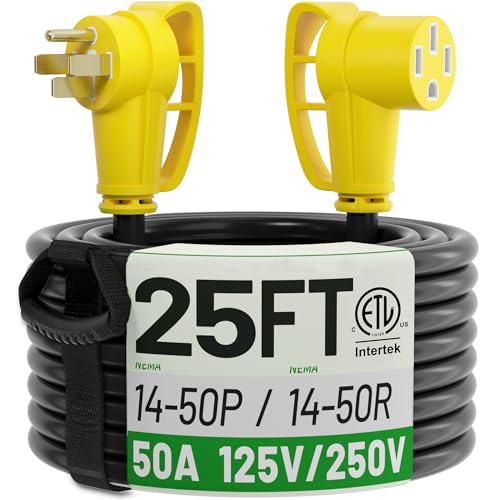
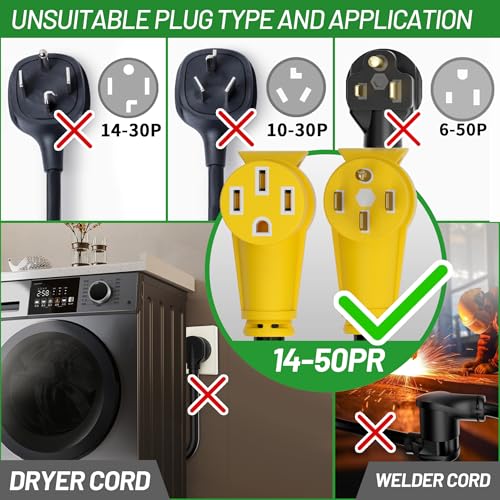
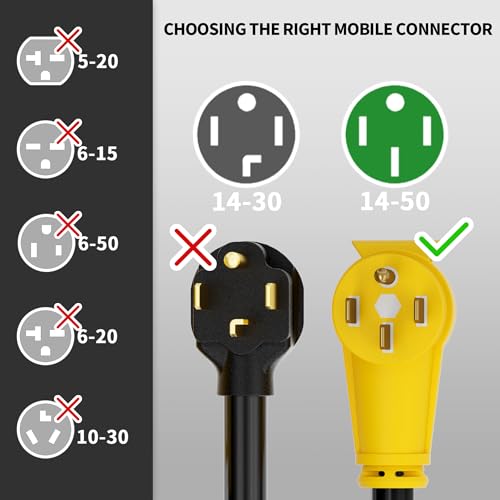
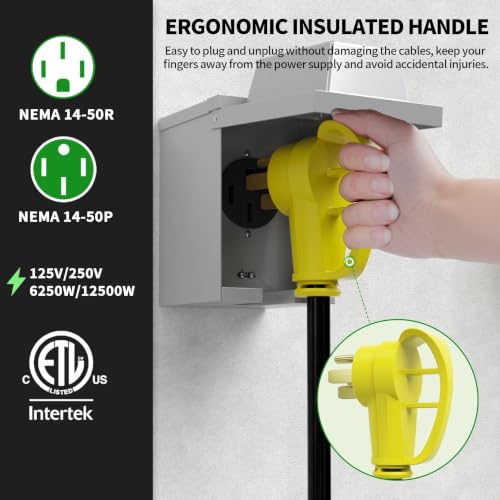
This POWGRN cord isn’t Tesla-specific, it’s a NEMA 14-50 extension, which means it works with any EV or RV using that plug type. At 25 feet and 50A, it’s a solid value, especially for occasional use or backup. The ETL certification and IP65 rating suggest decent safety and weather resistance, and the pure copper core helps with conductivity. It’s flexible even in cold weather, and the insulated handles make plugging easier.
But here’s the catch: it’s not a NACS extension. You’d need an adapter to use it with a Tesla, which adds complexity and potential failure points. So while it’s a great RV cord, it’s not ideal as a primary Tesla solution. Compared to dedicated NACS extensions, it’s less convenient and not plug-and-play. But if you also own an RV or need a multi-use cord, this makes sense.
Product photos


WenStorm 21ft 50A NACS Cable
Strengths
- True 8 AWG copper core
- Stays flexible in cold
- Reduces port wear
Trade-offs
- No carrying bag
- No charge port button control
- Slightly heavier than others
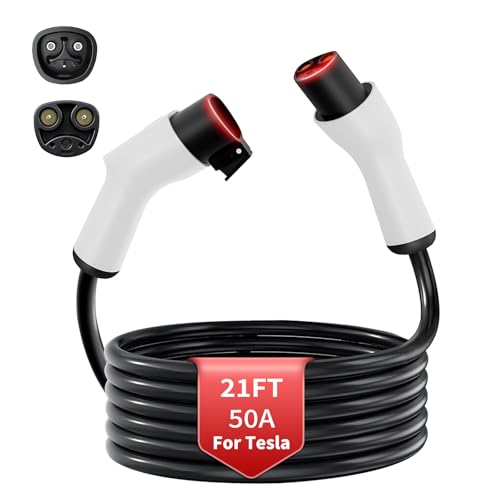
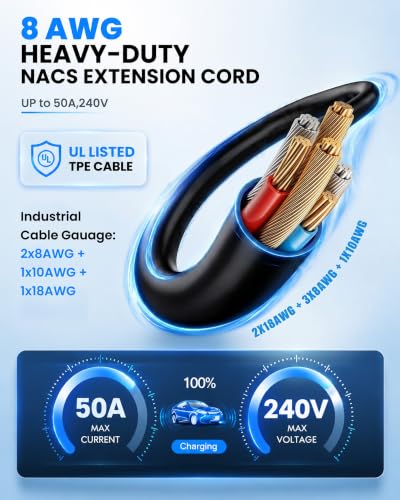
WenStorm makes a strong case for itself with a true 8 AWG pure copper core, this is the real deal for minimizing resistance and heat. Most competitors use 10 AWG, which can run hotter under 50A loads, so this upgrade matters for safety and long-term reliability. The 21-foot cable supports full 50A/12kW charging, and the PC/ABS jacket stays flexible even in freezing temps, which owners confirm in winter climates. The plug design also reduces wear on the car’s port, a subtle but important detail for frequent users.
It’s not flashy, but it’s overbuilt in the right places. The IP66 equivalent protection and smooth connector fit make it a top-tier choice for those who prioritize engineering over extras. Compared to EVDANCE or bokman, it doesn’t include a bag, but the build justifies the price. If you’re running overnight charges or live in a cold area, this is the one to get.
Product photos

EVDANCE 40ft 50A Extension
Strengths
- 40FT long reach
- IP66 weather resistance
- Carrying case included
Trade-offs
- Premium price for length
- No charge port door control
- Potential voltage drop at max load
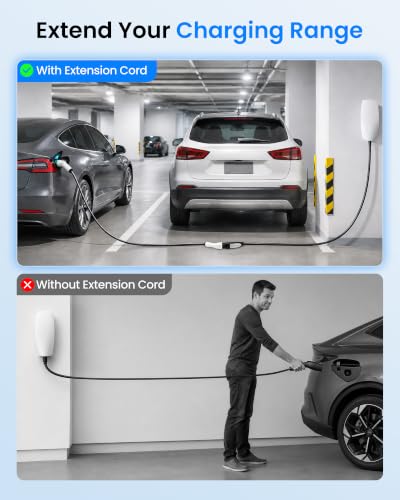
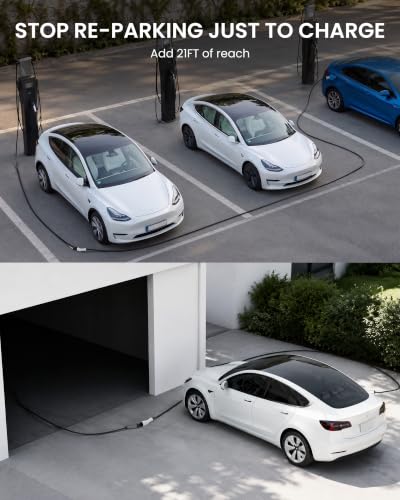
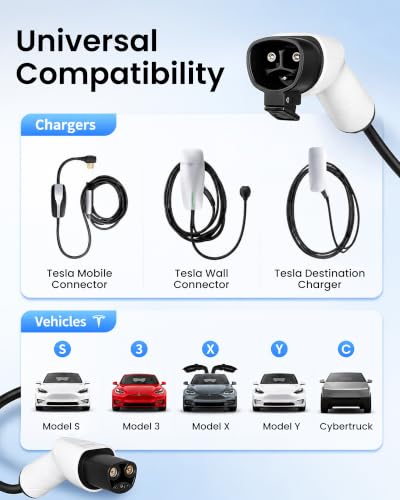
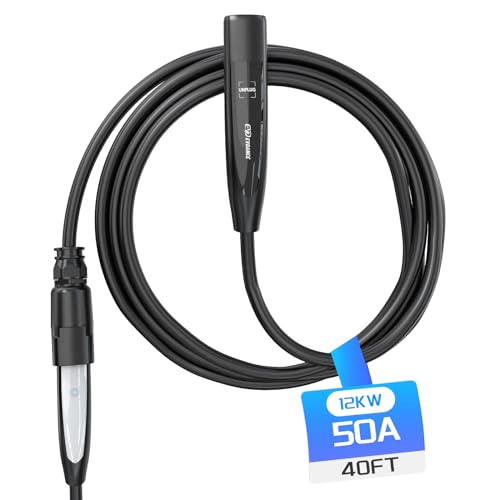
At 40 feet, this EVDANCE extension is the longest option here, making it ideal for tricky parking setups or distant outlets. It supports 50A/12kW charging, so on paper it matches the output of a Wall Connector, and the IP66 rating means it’s well-sealed against dust and water. The TPE jacket and silver-plated copper are solid upgrades over basic PVC, and reviewers note it stays flexible even in cold climates. What’s interesting is that while the button doesn’t open the charge port, it can be used to release the connector, something not all extensions offer.
The included carrying case is a nice touch, and the 1-year warranty adds peace of mind. But at this length, voltage drop becomes a real concern if your circuit is already near its limit. For most home setups, it should be fine, but I’d recommend this only if you actually need the reach. The price reflects the length and build, but it’s not overbuilt, just well-executed for its role.
Product photos

EVDANCE 21ft 40A Tesla Cord
Strengths
- Budget-friendly 40A option
- IP66 weatherproof
- Includes carrying bag
Trade-offs
- Max 32A continuous
- No charge port door control
- Not for 50A circuits
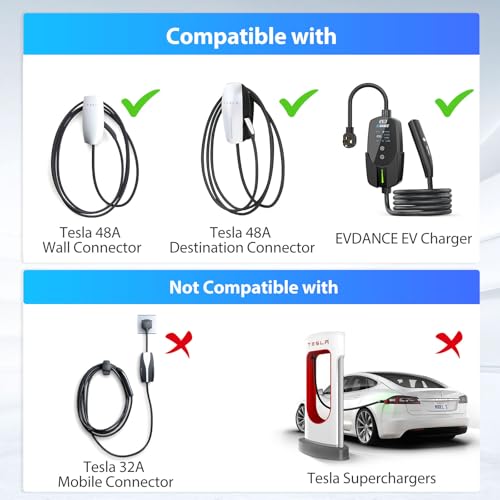
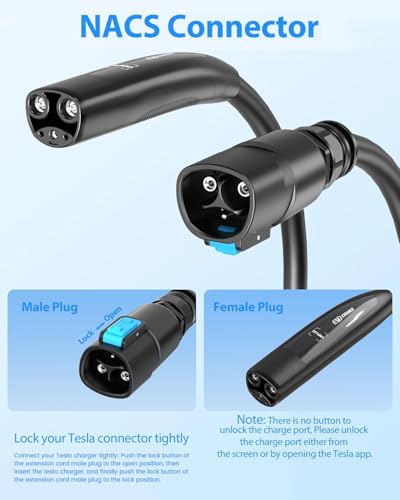
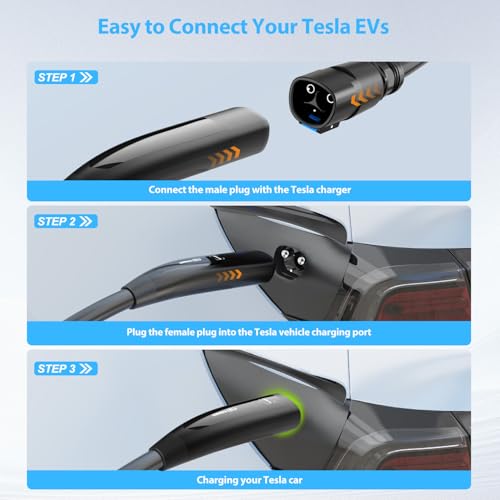
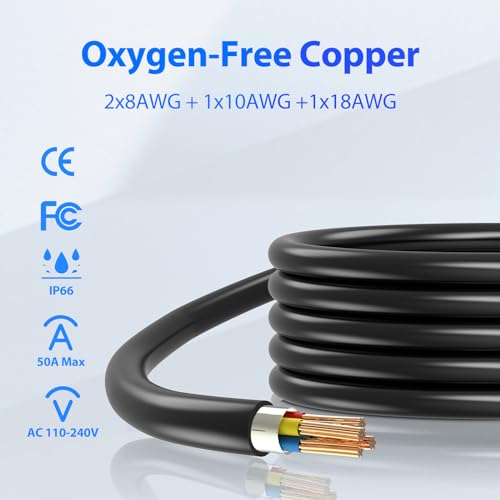
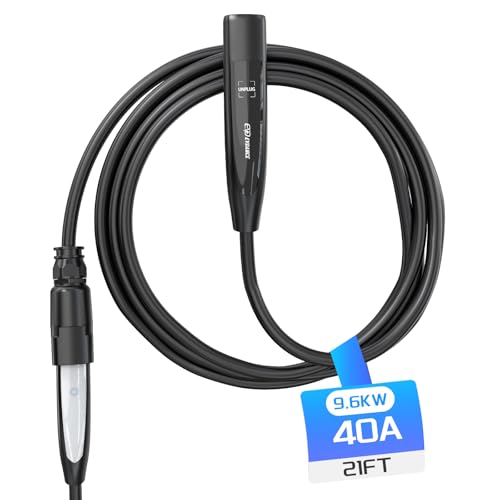
This 40A EVDANCE model is one of the most affordable in the 21-foot range, and it delivers solid value. It supports 32A continuous (7.68kW), which is plenty for overnight charging on most Teslas. The IP66 rating and TPE jacket mean it’s durable and weather-ready, and the included carrying bag makes storage easy. One standout feature: the button can release the connector from the car, which is rare at this price. It’s not compatible with Superchargers, but that’s expected.
Compared to the LZSTEC 40A model, this one feels slightly more refined, with smoother plug mechanics and better strain relief. It’s not for 50A setups, but if you’re using a 48A or lower circuit, this is all you need. For the price, it’s hard to beat.
Product photos
LZSTEC 21ft 40A Charging Cable
Strengths
- Affordable 40A option
- Durable TPE construction
- IP55 weather resistance
Trade-offs
- Requires strict connection order
- No charge port button control
- Lower max amperage than 50A models
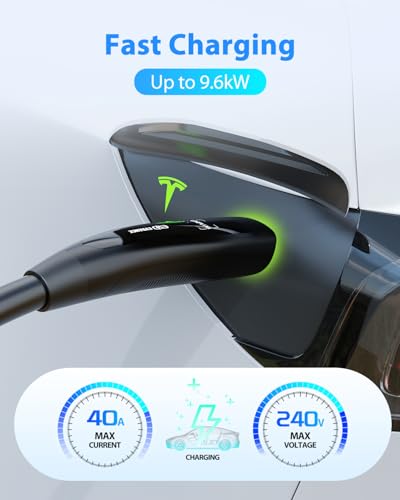
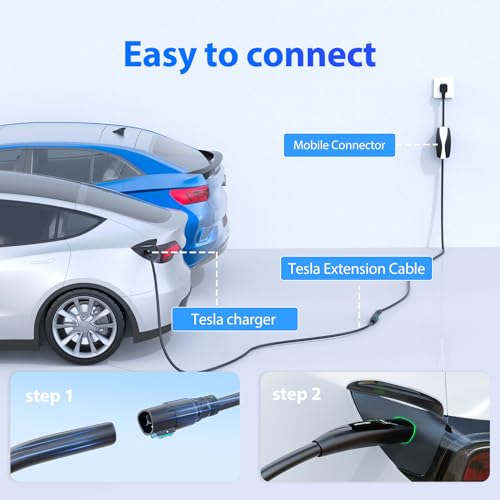
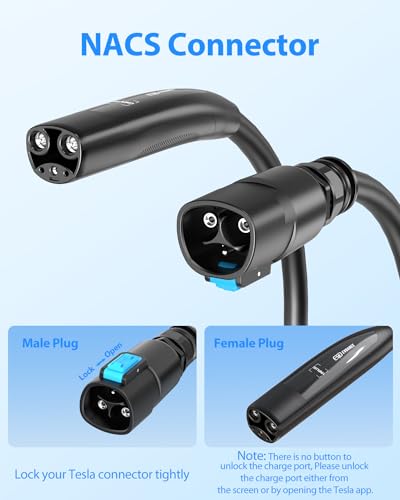
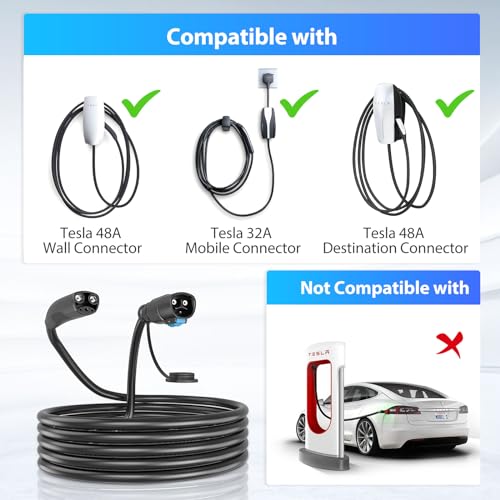
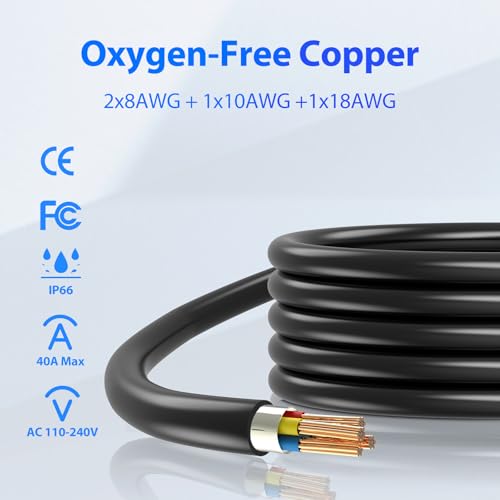
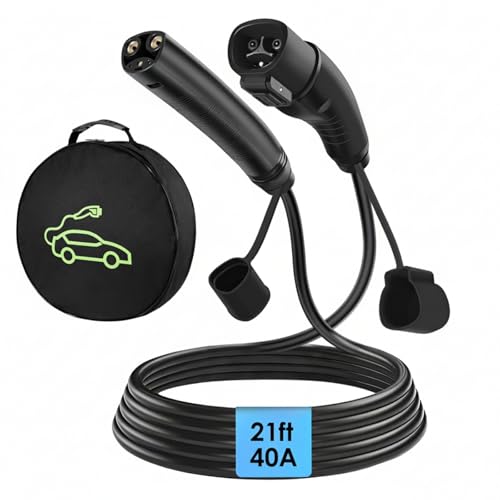
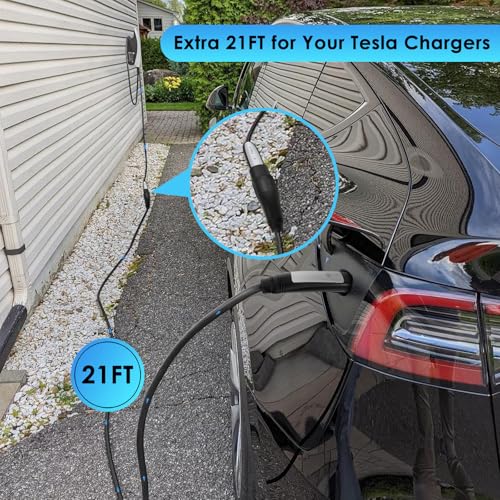
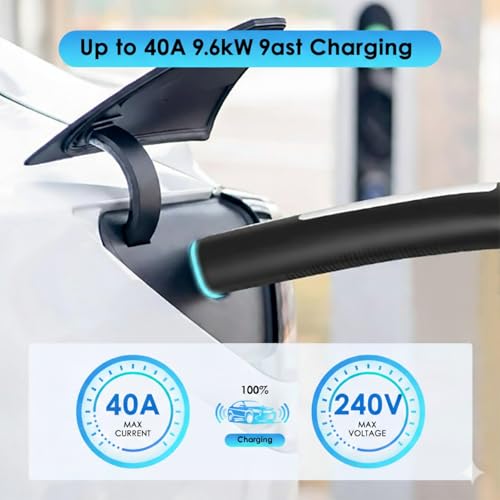
LZSTEC delivers a no-frills 40A extension at a very competitive price. It’s rated for 9.6kW and built with 5-micron silver-plated copper and TPE insulation, which helps with durability and conductivity. The IP55 rating means it’s decently weather-resistant, though not quite as robust as IP66 models. What stands out is the 10,000-cycle durability testing claim, owners report it holding up well over time, even with frequent use. The 21-foot length is practical for most garages, and it works with all Tesla Level 1/2 chargers and NACS EVs.
One caveat: you must connect the extension to the charger first, then the car, or the handshake fails. That’s a known issue with passive extensions, but it’s a real usability quirk. Compared to 50A models, this limits your max charging speed, but for most daily use, 40A is more than enough. It’s a smart pick if you’re not pushing your Wall Connector to its limit.
Product photos

How We Evaluated extension cords for tesla charging
My approach at TheAutoZenith is always to balance real-world understanding with detailed specification analysis. Rather than a hands-on lab test of each extension cord – which would be impractical – I focused on a research-led comparison of published specifications, owner reviews from sites like Amazon and Tesla forums, and insights from other automotive publications. I weighed these factors to create a ranking based on performance, safety, and value for different charging scenarios.
For Tesla extension cords, I prioritized amperage capacity and build quality above all else. A higher amperage (40A or 50A) allows for faster Level 2 charging, and a robust build, particularly with quality copper and weather resistance, is crucial for long-term reliability and safety, especially considering these cords will often be used outdoors. Beyond that, length and ease of use (like portability) were also significant factors. Finding a solution that works well with a Tesla mobile charger is a common need for many owners.
Specifications reliably tell you the maximum amperage and voltage a cord can handle. However, owner feedback proved vital in determining real-world performance and durability. Reports of overheating, connector fit issues, or premature failures were heavily weighted. Reputation mattered too; brands consistently praised for quality in the broader EV accessory space scored higher. Understanding where to find reliable charging stations is also key to maximizing the benefit of a quality extension cord.
What To Look For In extension cords for tesla charging
Finding the right extension cord for your Tesla isn’t as simple as grabbing one from the garage. These aren’t your standard appliance cords; a mismatch can lead to slow charging, safety hazards, or even damage to your vehicle’s charging system.
A quality Tesla extension cord is built with appropriately thick wiring (typically 8 or 10 AWG) to handle the amperage, uses durable and weatherproof materials for outdoor use, and has a secure connector design to prevent accidental disconnection. Prioritize safety certifications like UL listing and consider the length needed for your specific charging location.
Amperage and Cable Gauge
The most critical factor is matching the cord’s amperage rating to your charging setup. Most Tesla owners using Level 2 charging will need a 40A or 50A cord. Don’t skimp here. A cord rated lower than your charger’s output will overheat and potentially cause a fire. More importantly, the gauge of the wire within the cord dictates how much current it can safely handle. While 10 AWG is acceptable for 40A circuits, I strongly recommend 8 AWG for 50A applications, especially over longer distances, to minimize heat buildup. The WenStorm 21ft 50A NACS Cable specifically highlights its true 8 AWG construction, a feature that offers a significant margin of safety.
Connector Quality and Safety Features
The connector itself is surprisingly important. Lower-quality connectors can develop loose connections, leading to arcing and heat. Look for cords with robust, secure locking mechanisms. Some, like the bokman 21ft 50A Tesla Extension, include a secure locking mechanism that prevents accidental unplugging, a definite plus for outdoor use. Be aware that many extensions lack a button to release the charge port door; you’ll need to use your Tesla app or manually open it. The LZSTEC 21ft 40A Charging Cable clearly notes this limitation upfront, which is appreciated. If you’re still setting up your home charging, you may also want to explore options for a dedicated Tesla home charger to simplify the process.
Length, Portability, and Value
Consider how you’ll use the extension cord. A shorter cord (16-21ft) is fine for minor reach extensions, but if you need to charge across a large driveway or at public charging stations, a longer cord like the EVDANCE 40ft 50A Extension will be invaluable.
Here’s how to think about length: * 16-21ft: Good for tight spaces or minor reach adjustments. * 25-30ft: Offers more flexibility for typical driveway charging scenarios. * 40ft+: Best for long-distance reach or frequent use at various public locations.
Don’t automatically assume the longest cord is best; it adds bulk and can be harder to manage. If you need a versatile option for both home and travel, look for a cord that includes a carrying bag, like the Autodecor 21ft 48A Tesla Extension. And, if you’re considering an extension cord for your Tesla’s mobile charger, be sure to check out our guide to the best extension cords for a broader overview.
Don’t let convenience compromise safety. Always connect the extension cord to the charger first, then to the vehicle, to allow the Tesla’s charging system to properly initialize.
Extension Cords for Tesla Charging Compared
This table provides a specification comparison of various extension cords designed for Tesla charging.
| Product Title | Length (ft) | Amperage | AWG | Waterproof Rating | Connector Type | Charge Port Button Control |
|---|---|---|---|---|---|---|
| Autodecor 21ft 48A Tesla Extension | 21 | 48A | N/A | IP66 | NACS | No |
| Otytkgo 16.4ft 50A Tesla Cord | 16.4 | 50A | N/A | IP55 | NACS | No |
| bokman 21ft 50A Tesla Extension | 21 | 50A | N/A | IPX5 | NACS | No |
| POWGRN 25ft 50A RV/EV Cord | 25 | 50A | N/A | IP65 | NEMA 14-50 | N/A |
| WenStorm 21ft 50A NACS Cable | 21 | 50A | 8 | N/A | NACS | No |
| EVDANCE 40ft 50A Extension | 40 | 50A | N/A | IP66 | NACS | Yes |
| EVDANCE 21ft 40A Tesla Cord | 21 | 40A | N/A | IP66 | NACS | Yes |
| LZSTEC 21ft 40A Charging Cable | 21 | 40A | N/A | IP55 | NACS | No |
Frequently Asked Questions
What amperage extension cord do I really need for my Tesla?
Generally, a 40A or 50A cord is recommended for Level 2 Tesla charging. However, I advise leaning toward 50A, especially with longer cord lengths, to minimize heat buildup and future-proof your setup.
Are all “Tesla compatible” extension cords created equal?
No, they are not. Many cords advertise compatibility but differ significantly in wire gauge, connector quality, and safety certifications. A truly reliable cord will use 8 AWG wiring for 50A applications and have a robust, weatherproof connector.
Can I use a standard extension cord from my garage with my Tesla?
While technically possible in an emergency, it’s not advisable. Standard extension cords aren’t built to handle the sustained high amperage draw of Tesla charging and pose a fire risk. Investing in a dedicated Tesla extension cord is a much safer option.
What does “NACS” mean when looking at Tesla extension cords?
NACS stands for North American Charging Standard, Tesla’s charging connector. Most newer Tesla extension cords now use NACS, making them directly compatible with Tesla vehicles without needing a Tesla adapter.
What’s the best way to store an extension cord when not in use?
Coiling the cord loosely and storing it in a dry, shaded location is best. Avoid tight bends or kinks, which can damage the internal wiring. For cords used frequently while traveling, consider one that comes with a dedicated carrying bag to protect it and keep it organized, you might also want to explore a dedicated home EV charger for simplified regular use.
The Bottom Line
Choosing an extension cord for your Tesla often comes down to balancing convenience with peace of mind. While a cheaper cord might seem appealing, the potential risks of overheating or damage to your vehicle’s charging system aren’t worth the savings. For most owners, the WenStorm 21ft 50A NACS Cable strikes the best overall balance, offering a robust 8 AWG construction and a reliable connection for consistent Level 2 charging.
If you specifically need a longer reach or require a charge port release button, the EVDANCE 40ft 50A Extension is an excellent choice, and the EVDANCE 21ft 40A Tesla Cord provides a convenient button for those who prefer it. For owners already equipped with a NEMA 14-50 outlet and looking for a dedicated solution, the POWGRN 25ft 50A RV/EV Cord is a solid option to consider alongside a Tesla Level 2 charger.
Ultimately, remember that the amperage rating and cable gauge are far more crucial than any extra feature. Prioritize safety and a secure connection above all else. Don’t hesitate to invest in a quality cord, or even explore installing a dedicated Tesla charger, to ensure reliable and worry-free charging for years to come.
