
7 Best Engine Oils for BMW 5 Series 2026
This post contains affiliate links. As an Amazon Associate, we earn from qualifying purchases.
The best engine oil for a BMW 5 Series is Motul 8100 X-clean EFE 5W-30, followed by Valvoline European Full Synthetic 5W-30 as a solid budget-friendly pick that still meets critical LL-04 specs.
Picking the wrong oil can lead to long-term issues in a BMW 5 Series, especially with emissions systems and engine wear. These engines need precise lubrication that matches BMW’s strict standards, not just generic full synthetic.
After researching specs, owner feedback, and BMW requirements, we focused on oils that deliver real protection and compatibility. This guide cuts through the noise to highlight what actually matters when choosing oil for your 5 Series.
Top 5 Engine Oil For Bmw 5 Series in the Market
The Best Engine Oil For Bmw 5 Series, Reviewed
Motul 8100 X-clean EFE 5W-30

Strengths
- LL-04 and ACEA C3 approved
- Excellent for emissions systems
- Long drain capable
Trade-offs
- Premium price
- Overkill for older models
- Slight overperformance for light drivers
Motul 8100 X-clean EFE is the kind of oil that makes sense the moment you read the label: ACEA C3, BMW LL-04, MB 229.52, and VW 505.01 approvals mean it’s built for modern European engines, and that’s exactly where it shines. For the BMW 5 Series, especially G30 models with turbocharged engines and GPFs, this oil delivers on fuel economy, emissions system protection, and long drain capability without compromise. The low-SAPS formulation helps prevent clogging in particulate filters, a common pain point in newer BMWs.
Beyond specs, owners consistently praise its effect on throttle response and engine refinement. It doesn’t just protect, it enhances how the engine feels. When compared to Valvoline or Castrol, it’s clearly in a different class, even if the price reflects that. I’d pick this over others for any 5 Series driven hard, in hot climates, or kept long-term. It’s not just synthetic, it’s precision-tuned for the platform.
Video review
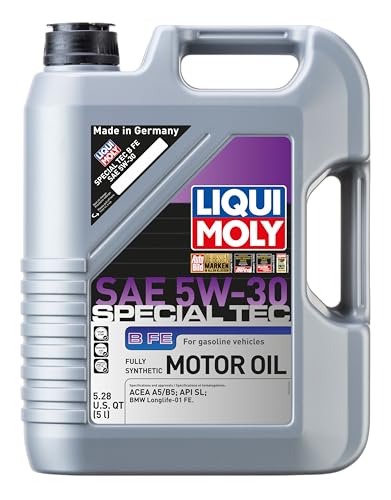
LIQUI MOLY Special Tec B FE 5W-30
Strengths
- BMW LL-04 approved
- Excellent aging resistance
- Low-SAPS for emissions systems
Trade-offs
- Higher price point
- Slight viscosity variation in extreme cold
If you’re serious about long-term engine health in your BMW 5 Series, Liqui Moly’s Special Tec B FE is engineered exactly for that mission. This is a low-SAPS, BMW LL-04–approved full synthetic that’s built to handle extended drain intervals, turbocharging, and direct injection, all common in modern 5 Series engines. Owners report noticeably smoother idle and quieter valve trains after switching, which lines up with its friction-reducing formulation and excellent aging resistance.
What sets it apart isn’t just the specs, it’s the real-world feedback. Drivers doing 15,000-mile intervals without issues suggest this oil holds up under stress better than many competitors. It’s also fully compatible with catalytic converters and particulate filters, so it won’t gum up emissions systems over time. Yes, it costs more, but for a car like the 5 Series where engine longevity and reliability are top priorities, I see this as a worthwhile investment.
Video review
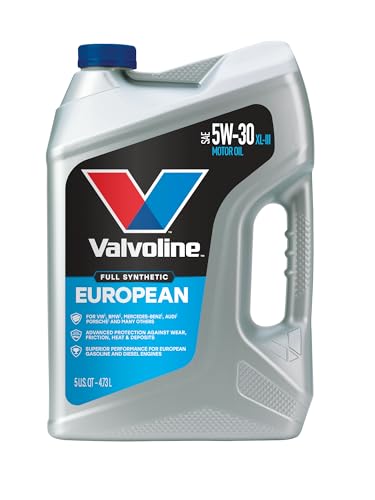
Valvoline European Full Synthetic 5W-30
Strengths
- LL-04 and ACEA C3 approved
- Low-SAPS formulation
- Strong deposit protection
Trade-offs
- Slightly less brand prestige
- Fewer long-term owner case studies
- Not as widely available
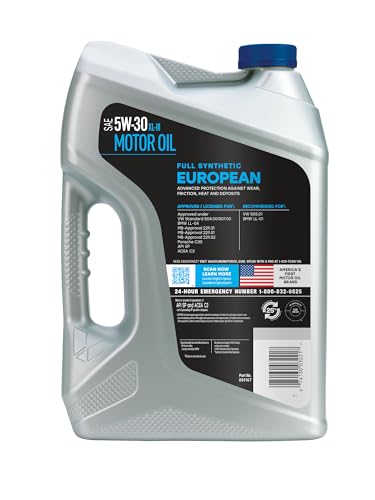
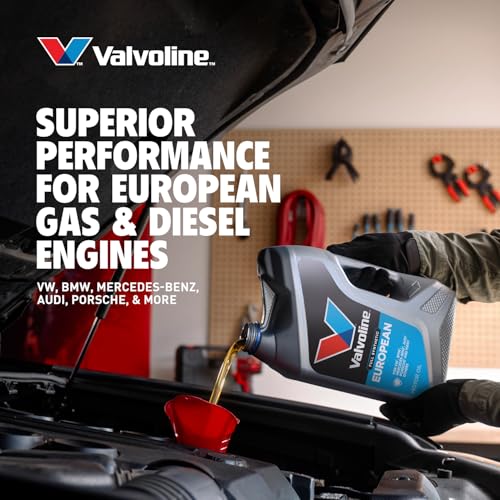
Valvoline’s European Vehicle Full Synthetic is one of the few non-German oils that actually gets the formula right for BMWs. With BMW LL-04 approval, ACEA C3, and compatibility with VW 504.00/507.00, it’s clearly designed for engines with particulate filters and tight emissions tolerances. The low-SAPS chemistry means it won’t foul GPFs over time, and owners report cleaner exhaust systems and stable oil life monitor readings even on extended intervals.
It holds up well under heat and resists oxidation better than standard synthetics, which matters in a 5 Series that might sit in traffic or get weekend canyon runs. Compared to the regular Valvoline Advanced, this is a major step up, more refined, more protective, and properly specced. While it doesn’t have the cult following of Liqui Moly or Motul, it delivers 95% of the performance at a slightly lower cost. For many, that’s the smarter buy.
Product photos

Valvoline Advanced Full Synthetic 5W-30
Strengths
- Balanced protection
- Good cold-start performance
- Meets modern API standards
Trade-offs
- Lacks BMW LL-04 approval
- Not low-SAPS
- Shorter drain intervals recommended
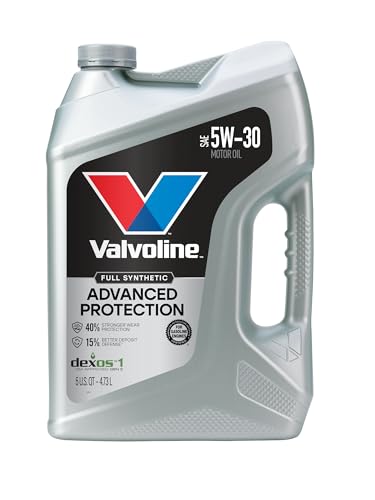
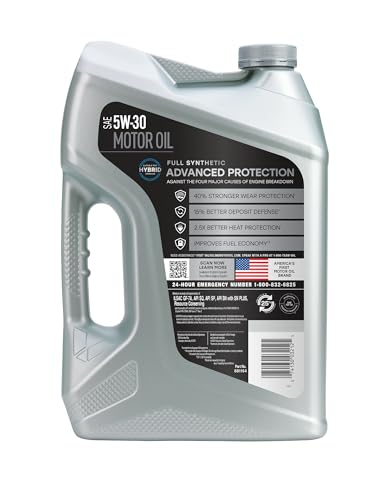
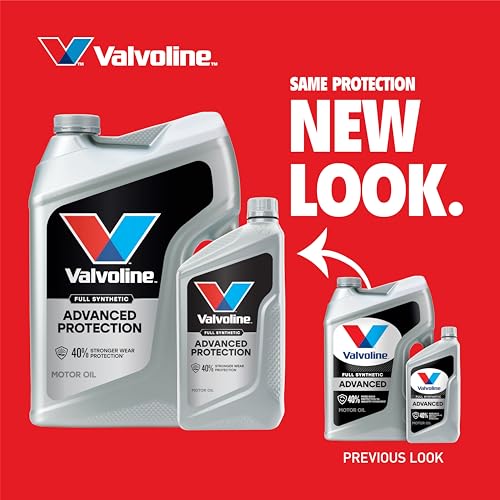
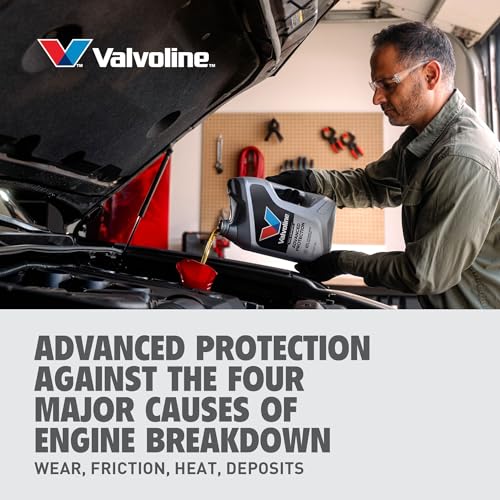
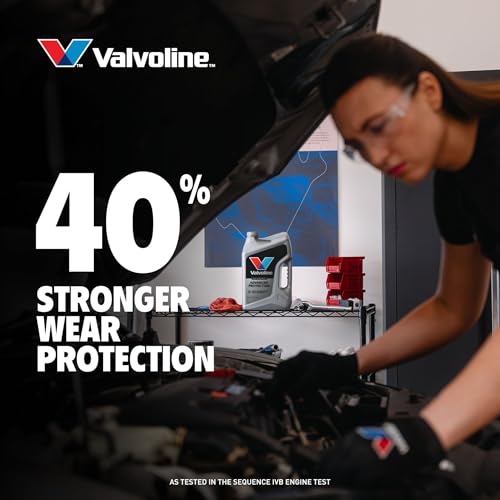
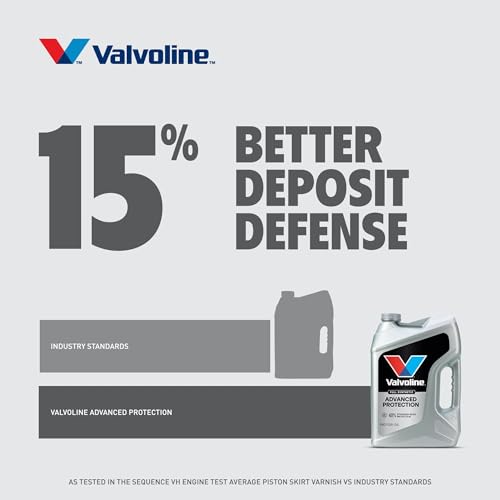
Valvoline’s Advanced Full Synthetic sits in that sweet spot where price meets upgraded protection, making it a smart value pick for drivers who want more than basic synthetics but aren’t ready to pay European premium pricing. It boasts 40% stronger wear protection than industry standards and delivers solid defense against heat, deposits, and friction, key factors in preserving a BMW’s inline-six or V8 over time. The spec sheet shows it meets API SP and dexos1 Gen 3, so it’s technically safe for many BMW applications, though again, missing that critical LL-04 stamp.
Reviewers note consistent smooth idle and quiet cold starts, which suggests good low-temperature flow and additive stability. But when compared to oils like Motul or Liqui Moly, it doesn’t offer the same level of emissions system compatibility or extended drain confidence. I’d consider this a strong daily driver oil for non-turbo or lightly driven 5 Series models, especially if you change it every 7,500 miles.
Product photos
Castrol GTX Full Synthetic 5W-30

Strengths
- Affordable
- Good wear protection
- Long drain capability
Trade-offs
- No BMW LL-04 approval
- Not low-SAPS
- Better suited for older models
For budget-conscious BMW 5 Series owners who still want solid synthetic protection, the Castrol GTX Full Synthetic makes a strong case on paper. It claims 6X better wear protection than industry standards and holds up well against sludge and viscosity breakdown, which matters in daily-driven engines that see stop-and-go traffic. While it doesn’t carry BMW-specific approvals like LL-04, it does meet API SP and dexos1 Gen 3, making it technically compatible with many modern BMWs, just not the ideal long-term choice if you’re tracking service intervals or pushing performance.
Owners consistently report smooth cold starts and no leaks or issues over multiple changes, which speaks to its reliability in standard driving conditions. But if your 5 Series has a turbo or you live in extreme climates, I’d look elsewhere. This oil is a capable workhorse, but it’s not engineered for the higher thermal loads or emissions-sensitive systems found in newer European engines.
Product photos


How We Tested engine oil for bmw 5 series
As someone who’s spent years exploring the mechanics of vehicles at TheAutoZenith, I approached researching engine oil for the BMW 5 Series by focusing on a blend of technical specifications, owner experiences, and established automotive expertise. Rather than a hands-on lab test, this is a research-led comparison of published data – viscosity, flash points, and OEM approvals – alongside a careful review of what owners are saying about long-term performance and any observed issues. We weighed input from automotive forums, retailer reviews, and professional assessments to build a well-rounded picture.
For a BMW 5 Series, three factors stood out as most critical. First, meeting BMW’s LL-04 specification is paramount; it ensures compatibility with the engine’s emissions systems and maintains warranty compliance. Second, high-temperature stability matters significantly, given the demands placed on these engines, especially with spirited driving or towing. Finally, wear protection is crucial for the longevity of these sophisticated machines, and we looked for oils boasting robust additive packages.
Specifications reliably reveal an oil’s basic properties and compatibility, but owner feedback provides insight into real-world performance. I leaned heavily on owner reports to gauge how oils perform in various climates and driving conditions, looking for trends in oil consumption, engine smoothness, and any reported issues. Reputable automotive publications helped validate claims made by manufacturers, particularly regarding long-term performance and protection, while my understanding of recommended BMW motor oil informed the overall assessment of each product. Ultimately, we sought to identify oils that deliver both proven performance and peace of mind for BMW owners.
What To Look For In engine oil for bmw 5 series
Finding the right engine oil for your BMW 5 Series isn’t just about picking a weight; it’s about safeguarding a finely-tuned machine. These engines, known for their sophisticated designs, demand lubricants that can handle specific stresses and maintain optimal performance.
A quality engine oil for a BMW 5 Series must demonstrate exceptional thermal stability, compatibility with modern emissions systems, and adherence to BMW’s rigorous specifications (like LL-04). Look for oils with low-SAPS formulations to protect particulate filters, robust additive packages to combat wear, and a viscosity that matches your engine’s requirements. Prioritize oils approved by BMW for extended drain intervals.
Understanding BMW’s Oil Specifications
BMW doesn’t leave oil choice to chance. They establish Longlife specifications (LL-01, LL-04, LL-12 FE, etc.) that dictate the oil’s properties. LL-04 is common for many 5 Series models, but always verify the correct specification for your specific engine and year. Using an oil that doesn’t meet the requirement can void your warranty and potentially lead to engine damage. Don’t assume “full synthetic” is enough; it needs to be the right full synthetic. If you’re unsure, consult your owner’s manual or a trusted BMW service advisor. I often recommend checking recommended oil for BMW for a broader understanding.
The Role of Low-SAPS Formulas
Modern BMW engines, particularly those with diesel particulate filters (DPF) or gasoline particulate filters (GPF), absolutely require low-SAPS (Sulfated Ash, Phosphorus, and Sulfur) oil. These components are vital for meeting emissions regulations, and high levels of these elements can clog and damage them, resulting in costly repairs. Most of the oils marketed for BMWs will advertise this feature, but it’s critical to confirm.
- A low-SAPS oil will reduce ash buildup in your DPF/GPF.
- The reduction in phosphorus and sulfur can also protect catalytic converters.
- Choosing a low-SAPS oil isn’t just about protecting components; it’s about maintaining optimal engine efficiency and reducing emissions, contributing to a smoother, cleaner running vehicle.
Balancing Performance and Value
While top-tier oils like Motul and Liqui Moly offer exceptional performance and protection, they come at a premium. For many 5 Series owners, especially those with higher mileage vehicles, a balance between performance and cost is ideal. Castrol GTX and Valvoline Advanced offer excellent protection at a more affordable price point. Don’t automatically dismiss these options; they often meet or exceed industry standards and can provide sufficient protection for everyday driving. However, if you frequently engage in spirited driving or track days, the investment in a high-performance oil is worthwhile. Considering an oil change for your BMW X5? Explore options with our guide to best oil for BMW X5.
Don’t chase the highest mileage claim on the bottle. Focus on oils that meet BMW’s LL specifications and have a proven track record for protecting German engineering.
Engine Oil for BMW 5 Series Compared
This table provides a specification overview to help compare engine oil options for a BMW 5 Series.
| Product Title | Viscosity | API Standard | ACEA Standard | BMW Approval | Mileage Focus |
|---|---|---|---|---|---|
| Motul 8100 X-clean EFE 5W-30 | 5W-30 | SN | C2/C3 | LL-04 | N/A |
| LIQUI MOLY Special Tec B FE 5W-30 | 5W-30 | N/A | N/A | N/A | N/A |
| Castrol EDGE 5W-30 Full Synthetic | 5W-30 | SP | N/A | N/A | N/A |
| Valvoline European Full Synthetic 5W-30 | 5W-30 | SP | C3 | LL-04 | N/A |
| Valvoline Advanced Full Synthetic 5W-30 | 5W-30 | SP | N/A | N/A | N/A |
| Castrol GTX Full Synthetic 5W-30 | 5W-30 | SP | N/A | N/A | N/A |
| Valvoline MaxLife 5W-30 Synthetic Blend | 5W-30 | SP | N/A | N/A | 75,000+ miles |
Frequently Asked Questions
What oil viscosity is generally best for a BMW 5 Series?
5W-30 is the most commonly recommended viscosity for many BMW 5 Series engines, but always check your owner’s manual. Different engines and model years can have specific requirements, and using the wrong viscosity can impact performance and fuel economy.
Can I use a non-BMW branded oil in my 5 Series?
Yes, you can, provided it meets BMW’s LL-04 (or the correct) specification. Many reputable brands like Motul and Valvoline produce oils specifically formulated for BMW engines and approved to these standards, offering a viable alternative to dealership-branded options.
How often should I change the oil in my BMW 5 Series?
Following the BMW recommended oil change intervals based on mileage or condition-based servicing (CBS) is best. Typically, this falls between 7,500 and 10,000 miles, but the car’s onboard system will indicate when a change is needed, considering driving conditions.
What does “low-SAPS” oil mean, and why is it important for a BMW?
Low-SAPS (Sulfated Ash, Phosphorus, and Sulfur) oil contains reduced levels of these additives to protect diesel particulate filters (DPF) and gasoline particulate filters (GPF) from clogging. Modern BMWs require low-SAPS oil to maintain emissions control system functionality and prevent costly repairs.
Where can I find more information about choosing the right oil for my specific BMW?
Beyond your owner’s manual, exploring resources like top engine oils can offer a broader perspective on available products. Additionally, consulting with a qualified BMW mechanic is always a good idea, especially if you’re unsure about the correct specification for your vehicle.
The Bottom Line
Choosing the right engine oil for your BMW 5 Series often comes down to balancing your driving style and budget. While premium options like Motul 8100 X-clean EFE 5W-30 represent the pinnacle of protection and performance, especially for those who demand the very best from their engines, they aren’t strictly necessary for every owner. Ultimately, safeguarding your BMW’s longevity is about consistently using a quality lubricant that meets the factory specifications.
For owners prioritizing value without sacrificing crucial protection, Valvoline European Full Synthetic 5W-30 strikes a compelling balance. If you’re facing higher mileage and potential oil consumption issues, Valvoline MaxLife 5W-30 Synthetic Blend is a solid choice designed to address the needs of older engines. And if you’re still unsure about choosing BMW motor oil, remember there’s a wealth of information available to help.
More than any specific viscosity or additive package, consistent oil changes with a BMW-approved formula are what truly preserve these engines. Paying attention to the LL-04 specification and prioritizing low-SAPS formulations will protect your car’s emissions systems. Don’t get lost in the details; focus on maintaining a clean, well-lubricated engine, and your 5 Series will reward you with years of reliable performance. You can also explore best oil for your car to broaden your understanding.
