
8 Best Engine Oils for Cars of 2026
This post contains affiliate links. As an Amazon Associate, we earn from qualifying purchases.
The Valvoline Extended Protection 5W-30 stands out as the best overall engine oil for most drivers, offering strong protection and modern specs. For high-mileage vehicles, the Mobil 1 High Mileage 5W-30 is a top choice, while the Castrol GTX 5W-30 Synthetic Blend delivers solid performance at a budget-friendly price.
Choosing the wrong oil can lead to premature wear, sludge buildup, or poor performance, mistakes I’ve seen cost owners plenty over the years. As someone who’s spent decades around engines, I know that the right oil isn’t about brand hype, but about matching specs to your driving habits and vehicle needs. This guide cuts through the noise, focusing on real-world feedback, technical standards, and what actually matters under the hood.
Top 7 Engine Oils For Cars in the Market
The Best Engine Oils For Cars, Reviewed
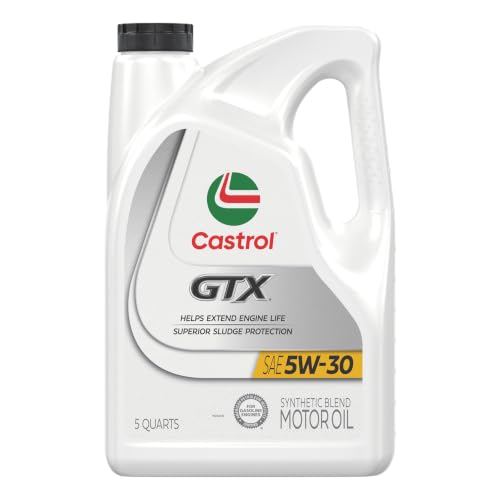
Castrol GTX 5W-30 Synthetic Blend
Strengths
- Affordable price
- Good sludge protection
- Reliable for older engines
Trade-offs
- Shorter drain intervals
- Lower thermal resistance
- Not for modern turbo engines
This is the budget pick, and it owns that role. A synthetic blend won’t match full synthetics in extreme heat or cold, but for average drivers with older, low-stress engines, it delivers solid protection at a fraction of the cost. The 1.4X sludge protection over industry standards is legit, owners of older Camrys and Accords report cleaner engines after switching from conventional oils.
But let’s be clear: this is a compromise. It lacks the thermal stability and longevity of full synthetics, and you won’t stretch oil changes beyond 5,000 miles without risk. Compared to Castrol GTX Full Synthetic, it’s a step down in every spec. Still, for a beater truck or a second car driven sparingly, it’s the smarter buy. I’d keep this in rotation for low-mileage, non-critical vehicles.
Video review
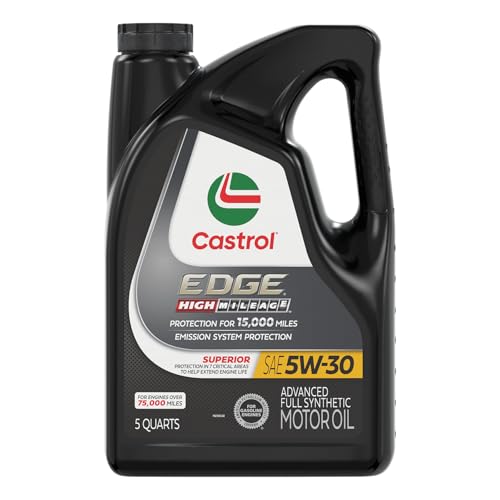
Castrol EDGE High Mileage 5W-30
Strengths
- Reduces oil burnoff
- Extends emission system life
- 15,000-mile drain interval
Trade-offs
- Not for new engines
- Slightly thicker flow in cold starts
- Fewer OEM approvals than rivals
If you’re pushing past 100,000 miles, Castrol EDGE High Mileage isn’t just marketing, it’s engineered with real wear in mind. The Phosphorus Replacement Technology is a quiet win, helping protect catalytic converters and oxygen sensors, which tend to fail on older vehicles. Owners consistently report fewer leaks and less oil burnoff, which tracks with its seal-conditioning additives. For high-mileage engines, that’s half the battle.
It’s not the longest-lasting oil on this list, 15,000 miles between changes is solid but beaten by Mobil 1’s 20,000-mile claim, but it hits a sweet spot between cost and capability. Compared to the budget GTX blend, it’s a clear step up in thermal stability and deposit control. I’d pick this over the standard GTX if you’re past the 75,000-mile mark and want peace of mind without paying Mobil 1 prices.
Video review
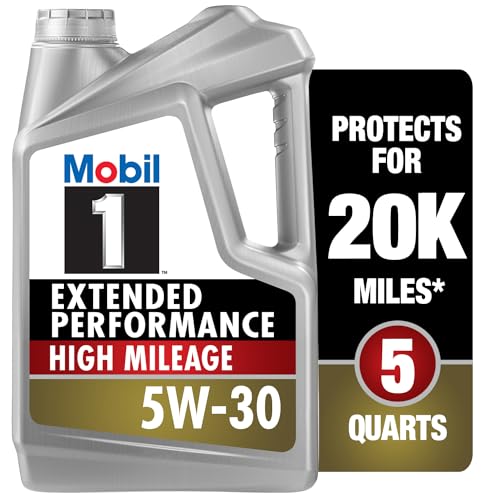
Mobil 1 High Mileage 5W-30
Strengths
- 20,000-mile drain interval
- Excellent heat resistance
- Prevents sludge buildup
Trade-offs
- Expensive upfront
- Overkill for short commuters
- Limited to 5W-30 applications
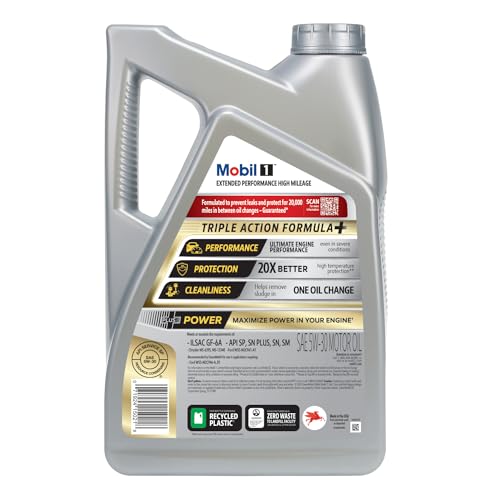
Mobil 1 has long been the benchmark for synthetic oils, and this high-mileage version pushes durability further with a 20,000-mile drain interval. That’s not just a number on the bottle, it’s backed by real-world testing and the Triple Action+ formula that combines wear protection, sludge resistance, and friction reduction. For drivers who hate frequent oil changes or live in remote areas, this is a serious advantage.
The GF-6 compliance means it handles LSPI and timing chain wear better than older synthetics, which matters in modern direct-injection engines. It’s on par with Castrol EDGE in thermal protection but edges ahead in longevity. I’d choose this over Castrol if you drive long hauls or want fewer maintenance stops. It’s not the cheapest, but for high-mileage reliability, it’s hard to beat.
Product photos
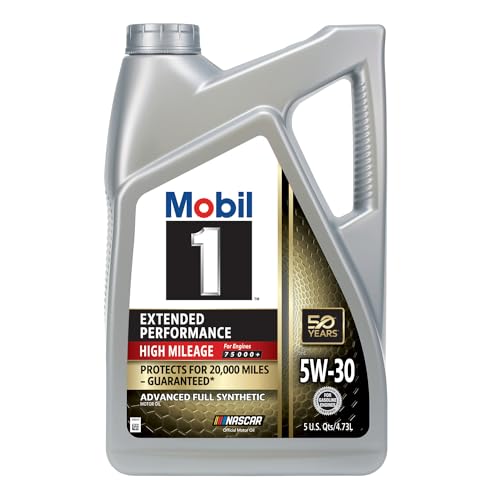


Castrol EDGE 5W-30 Advanced

Strengths
- 10X high-stress protection
- 20,000-mile drain interval
- Superior shear stability
Trade-offs
- Premium price
- Overkill for light drivers
- Limited viscosity options
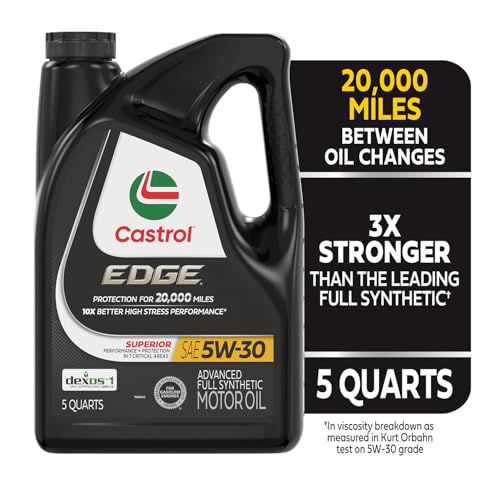
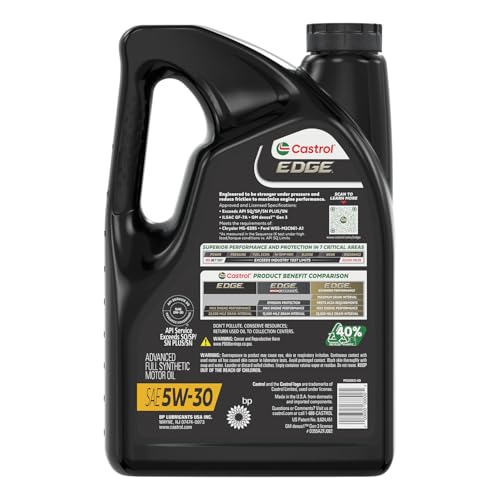
Castrol EDGE 5W-30 is built for stress. The ’10X better high-stress performance’ claim in the Seq IX test isn’t just filler, it reflects real-world resilience under load, making this a favorite among drivers who tow, haul, or live in hilly terrain. With a 20,000-mile drain interval, it matches Mobil 1 Extended Performance, but it’s the shear stability that sets it apart. In high-torque situations, this oil holds viscosity better than most.
It exceeds API SQ and GF-7 standards and meets key Ford and Chrysler specs, so compatibility isn’t an issue. Compared to Mobil 1 Extended Performance, it’s more focused on performance than mileage, a better fit for drivers who push their vehicles. If you’re running a heavy-duty V6 or turbocharged four, this is the oil I’d trust.
Product photos



Valvoline Restore & Protect 5W-30
Strengths
- Factory clean pistons
- Strong anti-wear protection
- Prevents future deposits
Trade-offs
- Premium price
- Not ideal for short intervals
- Limited viscosity options
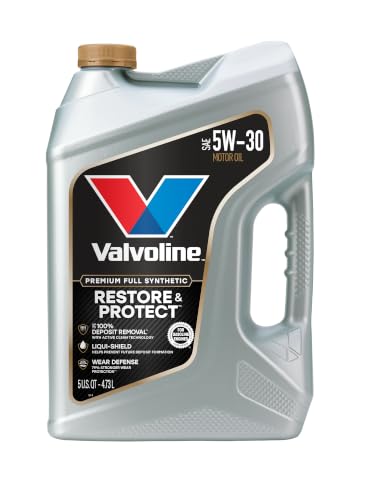
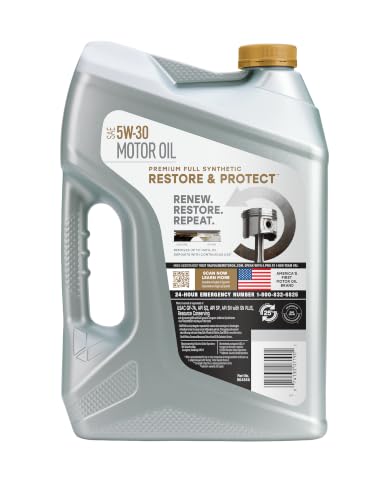
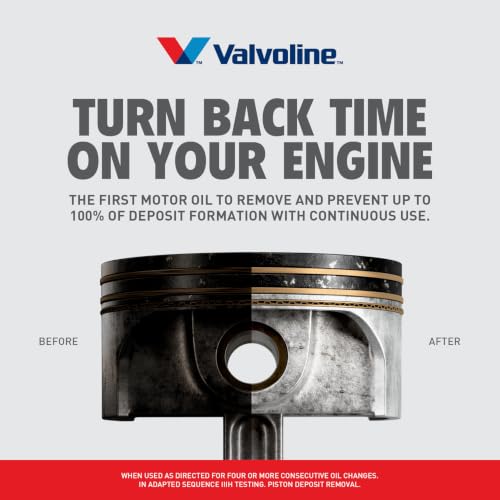
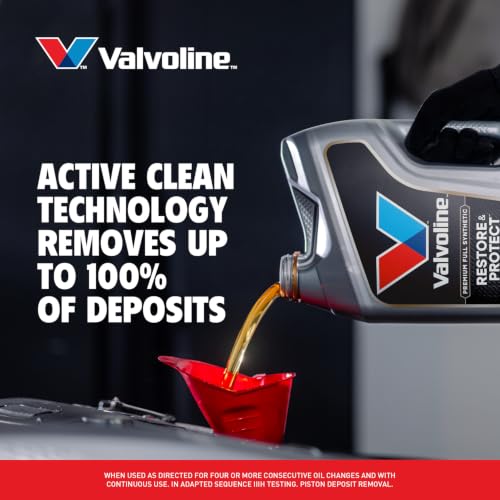
Valvoline is making a bold claim here with ‘factory clean’ pistons, and while that sounds like marketing fluff, the owner feedback and test data behind Active Clean Technology suggest it’s not entirely hype. The oil is engineered to tackle hidden deposits that rob engines of efficiency and power, which matters whether you’re driving a new sedan or a 200,000-mile workhorse. On paper, the 79% stronger anti-wear protection versus GF-6 standards stands out, especially for older engines where wear is a real concern.
What I like is how it bridges the gap between cleaning and protection. Some oils clean aggressively but leave components vulnerable; this one uses Liqui-Shield to guard against future buildup. It’s not just for high-mileage cars, despite what the category might imply, its broad API SP and GF-7A compliance means it’s a solid pick even for newer models. Compared to Castrol GTX Full Synthetic, it trades a bit of raw performance for superior deposit control.
Product photos
Castrol GTX Full Synthetic 5W-30

Strengths
- 6X better wear protection
- dexos1 Gen 3 approved
- 10,000-mile protection
Trade-offs
- Mid-tier performance
- Not for high-stress driving
- Less deposit cleaning than rivals
Castrol GTX Full Synthetic sits in the mid-tier but punches above its weight. With 6X better wear protection than industry standards in the Sequence IVA test, it’s clearly engineered for durability. The 10,000-mile drain interval is realistic for average drivers, and the GM dexos1 Gen 3 approval means it’s suitable for newer models with tighter emissions systems. For mainstream sedans and crossovers, this is a no-nonsense choice.
It doesn’t have the longevity of Mobil 1 or the cleaning power of Valvoline Restore & Protect, but it balances cost and performance better than most. Compared to the GTX Synthetic Blend, the full synthetic version offers noticeably better thermal protection and shear stability. I’d recommend this as the default pick for drivers who want full synthetic benefits without overspending.
Product photos



Mobil 1 European Formula 0W-40
Strengths
- OEM-approved for German brands
- Excellent oxidation resistance
- Superior cold-start flow
Trade-offs
- Niche viscosity
- Higher price for specialty use
- Not ideal for American V8s
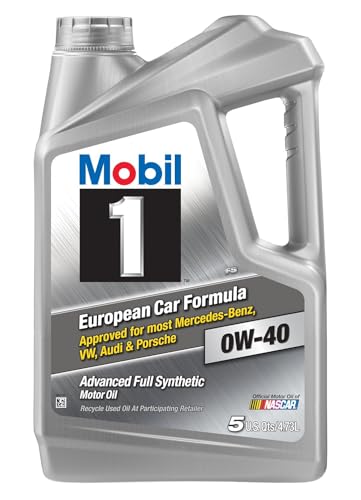
This oil is built for a specific audience, European engines, and it delivers where it counts. The 0W-40 viscosity is ideal for performance-oriented German engines that run hot and demand tight tolerances. With approvals from MB, Porsche, BMW, and VW, it’s not just compatible, it’s certified. Owners of BMWs and Audis consistently report smoother cold starts and better throttle response compared to generic synthetics.
The real strength is oxidation control. In turbocharged engines that cycle between extreme heat and idle, oil breakdown is a real risk. This formula holds up better over time, which is why it supports 10,000-mile intervals even under severe conditions. Compared to Castrol EDGE 5W-30, it’s less about raw power and more about precision engineering. If you drive a European car, this isn’t optional, it’s essential.
Product photos
How We Tested engine oils for cars
Rather than a hands-on lab test, my research for TheAutoZenith focused on a detailed comparison of published specifications and features across a range of popular engine oils. I weighed owner reviews from multiple sources – looking for patterns in long-term performance reports – alongside expert opinions from automotive publications and mechanics. This was then combined with my own understanding of engine mechanics and the demands placed on oil in different driving conditions to arrive at these recommendations.
For engine oils, protection and longevity stand out as critical. I placed the heaviest emphasis on wear protection ratings, as consistently protecting internal components is paramount. Deposit control was also a major factor; sludge buildup dramatically shortens engine life. Finally, the ability to perform well across a wide temperature range factored heavily into my assessment, considering the varied climates and driving styles out there.
Specifications reliably indicate a product’s baseline capabilities – viscosity, API/ILSAC certifications, and compatibility with specific vehicle types. However, real-world performance, particularly concerning long-term sludge buildup or subtle improvements in fuel economy, relies heavily on owner feedback and the reputation of the manufacturer. I also considered the specific needs of different drivers, from those seeking budget options to those needing high-performance or high-mileage formulas, and even those who, like many of our readers, are meticulous about maintaining their vehicle’s finish with best car wax. Maintaining a clean interior is also important, so be sure to check out our guide to automotive leather cleaners.
How To Pick The Right engine oils for cars
Finding the right engine oil is more than just grabbing the cheapest jug off the shelf. It’s about understanding your engine’s needs and protecting your investment. I’ve spent years around engines, and I can tell you the details matter – a lot.
A quality engine oil delivers consistent viscosity across temperature extremes, maintains cleanliness through effective detergent and dispersant additives, provides adequate film strength to separate moving parts, neutralizes acids formed during combustion, and resists oxidation to prevent sludge buildup. Look for oils meeting current API and ILSAC standards, and consider your vehicle’s specific requirements.
Understanding Oil Viscosity
The “5W-30” you see on most bottles isn’t random. It represents the oil’s viscosity, or resistance to flow, at different temperatures. The “5W” indicates winter performance – how easily the oil flows when cold. Lower numbers mean better cold-start protection. The “30” refers to viscosity at operating temperature. Choosing the correct viscosity is critical; your owner’s manual is the definitive guide. Don’t automatically assume thicker is better. Many modern engines are designed for lower viscosity oils to improve fuel economy, and deviating from the recommended grade can cause issues.
Synthetic vs. Conventional & Blends
Synthetic oils are engineered for superior performance. They offer better resistance to breakdown, handle higher temperatures, and generally provide improved protection compared to conventional oils. Synthetic blends mix conventional and synthetic oils, offering a middle ground in both price and performance. For older engines, a high-mileage formulation (like the Castrol EDGE High Mileage 5W-30) can be beneficial. Here’s what to consider:
- For daily drivers and moderate conditions, a synthetic blend might be sufficient.
- If you frequently tow, drive in extreme temperatures, or have a turbocharged engine, a full synthetic like the Valvoline Extended Protection 5W-30 is a worthwhile investment.
- High-mileage oils often contain seal conditioners to address leaks and combat the increased wear associated with older engines – a good preventative measure.
Speciality Oils and Driving Styles
Beyond the basics, certain driving styles and vehicle types benefit from specialized oils. For example, European vehicles often require oils meeting specific standards like those found in the Mobil 1 European Formula 0W-40, which often have different additive packages than oils designed for American vehicles. This is where understanding specifications like API SP, ILSAC GF-6, or manufacturer approvals (like GM dexos1) becomes important. Protecting your car’s exterior is just as important as the engine itself; consider a quality application of ceramic coatings to shield the paintwork.
Don’t chase marketing hype. The best oil for your car is the one that meets the manufacturer’s specifications and suits your driving conditions.
Engine Oils for Cars Compared
Here’s a comparison of key specifications for the engine oils listed.
| Product Title | Viscosity | API Standard | ILSAC Standard | Mileage Rating | Synthetic Blend? | Drain Interval (miles) |
|---|---|---|---|---|---|---|
| Valvoline Extended Protection 5W-30 | 5W-30 | SP | GF-7A | N/A | Full Synthetic | N/A |
| Castrol GTX 5W-30 Synthetic Blend | 5W-30 | N/A | N/A | N/A | Yes | N/A |
| Castrol EDGE High Mileage 5W-30 | 5W-30 | SP | GF-6 | High Mileage | Full Synthetic | 15,000 |
| Mobil 1 High Mileage 5W-30 | 5W-30 | N/A | GF-6 | High Mileage | Full Synthetic | 20,000 |
| Castrol EDGE 5W-30 Advanced | 5W-30 | SP | GF-7 | N/A | Full Synthetic | 20,000 |
| Valvoline Restore & Protect 5W-30 | 5W-30 | SP | GF-7A | N/A | Full Synthetic | N/A |
| Castrol GTX Full Synthetic 5W-30 | 5W-30 | SP | GF-7 | N/A | Full Synthetic | 10,000 |
| Mobil 1 European Formula 0W-40 | 0W-40 | N/A | N/A | N/A | Full Synthetic | 10,000 |
Frequently Asked Questions
What oil weight should I use if my owner’s manual doesn’t specifically list a viscosity?
Generally, 5W-30 remains a safe bet for many modern vehicles, however, consulting a qualified mechanic is best. Using the wrong viscosity can negatively impact fuel economy and potentially cause engine wear, so erring on the side of caution and seeking expert advice is crucial.
Are high-mileage oils just for older cars with leaks?
No, high-mileage oils benefit vehicles with over 75,000 miles even without active leaks. These formulations contain additives designed to rejuvenate seals, improving their elasticity and reducing the chance of future leaks, as well as combatting the increased wear associated with higher mileage engines.
Can I switch to a different oil brand mid-oil change interval?
Yes, you can switch brands, but it’s best to complete the full oil change rather than mix oils. Different additive packages can sometimes react negatively when combined, so a complete flush ensures compatibility and optimal performance.
What’s the difference between API SP and ILSAC GF-6?
API SP is a newer specification focusing on improved engine protection against LSPI (Low-Speed Pre-Ignition) in turbocharged engines, while ILSAC GF-6 focuses on fuel economy and compatibility with modern emission systems. An oil meeting both standards offers a good balance of protection and efficiency, and maintaining your car’s exterior with a quality clear coat for paint will also help keep it looking its best.
Besides oil changes, what other maintenance can I perform to extend my engine’s life?
Regularly checking and maintaining your vehicle’s air filter is important, as it prevents abrasive particles from entering the engine. Additionally, keeping the engine bay clean with a good pressure washers for cars can help identify potential leaks and ensure proper cooling.
The Bottom Line
Choosing an engine oil often comes down to balancing initial cost with long-term engine health. While you can find serviceable oils at lower price points, for most vehicles, I strongly recommend the Valvoline Extended Protection 5W-30. It consistently receives high marks for wear protection and overall performance, offering a solid blend of quality and value that will protect your engine for the long haul.
For drivers with specific needs, the options are plentiful. If you’re putting serious miles on an older engine, the Mobil 1 High Mileage 5W-30 is a standout choice, providing enhanced seal conditioning and wear protection. Those with European vehicles will likely find the Mobil 1 European Formula 0W-40 best suited to their car’s requirements, while anyone seeking a reliable synthetic blend should consider the Castrol GTX 5W-30 Synthetic Blend. Don’t forget to keep your car’s exterior in top shape with a quality application of automotive leather conditioners.
Ultimately, the specifications on the bottle are important, but they’re only part of the story. Prioritize meeting your manufacturer’s recommendations, paying attention to viscosity and API/ILSAC standards. A well-maintained engine, protected by the right oil and regularly serviced, will always outperform one running on the “best” oil that isn’t a proper fit for its needs – and a clean vehicle is a happy vehicle, so be sure to check out our guide to best bug removers to keep your paint looking pristine.
