
8 Best Ebikes for Beach Sand 2026
This post contains affiliate links. As an Amazon Associate, we earn from qualifying purchases.
The Jasion YR20Pro stands out as the best ebike for beach sand, delivering serious power and range for tough terrain. For those watching their budget, the AMYET G60 offers strong performance and a large battery at a more accessible price. If you need something packable, the Jasion X-Hunter brings foldability and solid specs to the table.
Riding on sand isn’t like cruising down a paved path. Most ebikes struggle, losing traction and draining batteries fast. Without the right setup, what should be a fun beach ride turns into a slog.
This guide cuts through the noise, focusing on models built to handle soft, shifting surfaces. I compared specs and owner feedback across the category, zeroing in on motor strength, tire size, battery life, and durability. These are the ebikes that actually perform where it matters, on the sand.
Top 5 Ebikes For Beach Sand in the Market
The Best Ebikes For Beach Sand, Reviewed
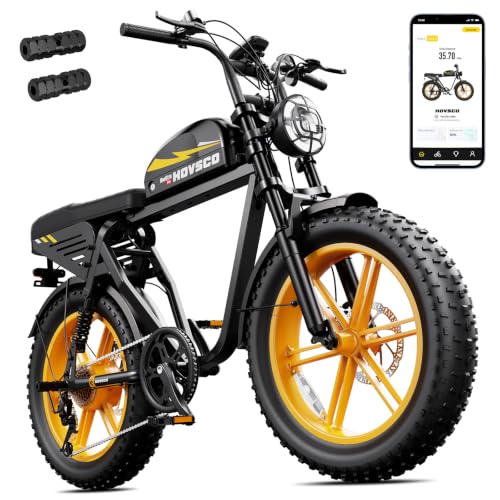
HOVSCO Electric Fat Bike 1500W
Strengths
- 1500W motor
- Dual hydraulic brakes
- All-terrain fat tires
Trade-offs
- Mixed build quality reports
- App functionality limited
- Battery life optimistic on paper
On paper, the HOVSCO R00B looks like a solid all-rounder with that 1500W motor and dual suspension, which is rare at this price. The 20×4″ fat tires are clearly built for sand, and owners consistently report it handles beach terrain better than most bikes in this range. I’d pick this over cheaper models because the combination of a 7-speed drivetrain and three assist levels gives real flexibility, whether you’re climbing dunes or cruising boardwalk paths.
The 48V 15Ah battery claims up to 65 miles in pedal-assist, but reviewers note closer to 40–50 under mixed use. Still, for the price, that’s competitive. The LCD display and app connectivity feel like nice extras, though some users say the app is basic. Build quality gets mixed feedback: many praise how much it offers for the money, but a few mention frame finish issues out of the box.
Video review
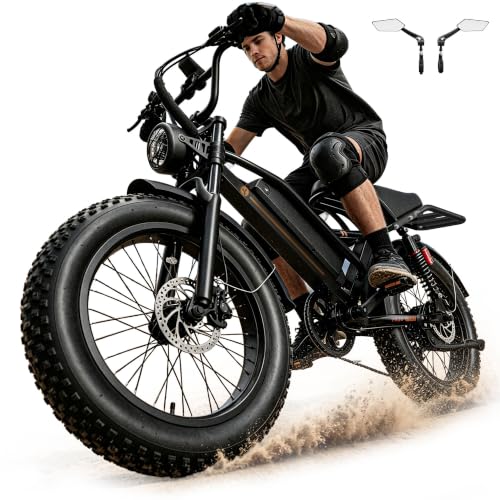
Jasion YR20Pro 3000W Electric Bike
Strengths
- 3000W peak motor
- Full suspension
- Turn signals and mirrors
Trade-offs
- Bulky retro design
- Lower pre-assembly (80%)
- Less efficient on paved roads
If you’re looking for brute force on soft sand, the Jasion YR20Pro is hard to ignore. That 3000W peak motor and 93 N·m torque are spec-sheet monsters, owners say it powers through deep beach sand like few others, even outperforming more expensive models in traction tests. The full suspension system and 20×4.0″ tires work together to keep you stable, and unlike many retro-styled bikes, this one doesn’t sacrifice function for form.
It also brings practical touches the others skip: turn signals, rearview mirrors, and an extended seat, great if you’re carrying gear or occasionally giving someone a ride home from the shore. The UL 2849 and IP64 ratings add peace of mind for outdoor storage. Yes, it’s heavier and less agile on pavement, but for pure beach capability? This is my top recommendation when sand is your primary battlefield.
Video review
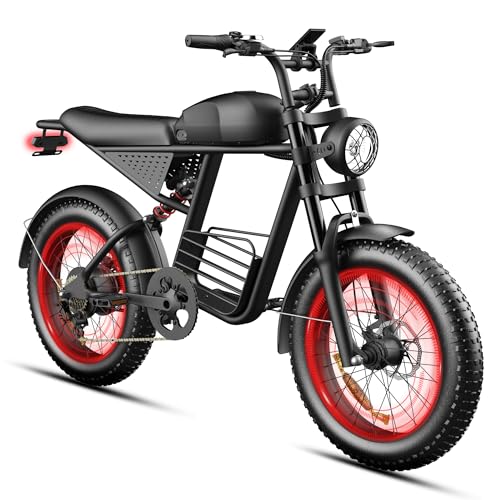
WynRyd 1000W Fast Ebike
Strengths
- Extremely low price
- Shimano 7-speed
- Strong hill climbing
Trade-offs
- Not UL 2849 certified
- Inconsistent QC reports
- Basic display and wiring
For under $300, the WynRyd packs surprising specs: a 1000W motor, dual suspension, and 4.0″ fat tires, all key for sand riding. On paper, that 35 MPH top speed sounds wild, but real-world reviews suggest it hits about 28–30 mph depending on load and surface. Still, acceleration is brisk, and the Shimano 7-speed gives reliable shifting.
But here’s the catch: while owners love the value, there are consistent notes about build consistency and long-term durability. Some get a solid unit, others report brake adjustments needed out of the gate. It’s also not UL 2849 certified like the AMYET or Jasion, which could matter for insurance or local compliance. But if you’re on a tight budget and want to test ebike life before upgrading? This gets you rolling.
Product photos

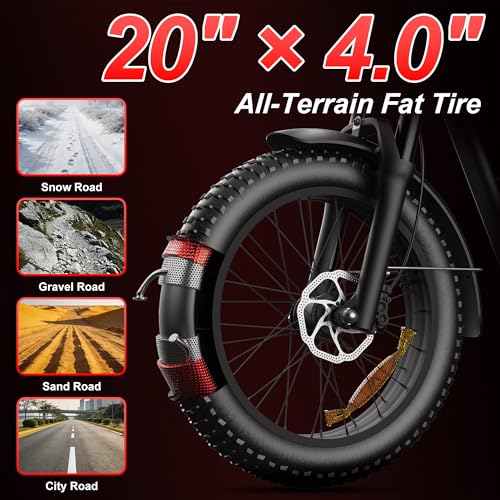
AMYET G60 1000W Commuter Ebike
Strengths
- UL 2849 certified
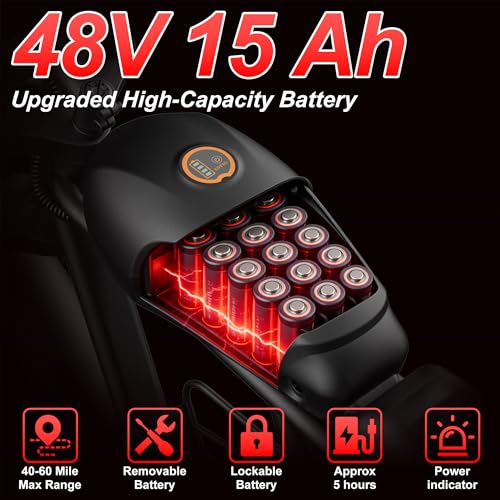
- 48V 20Ah battery
- Five-level pedal assist
Trade-offs
- Front suspension only
- No rear rack included
- Max speed capped lower than rivals
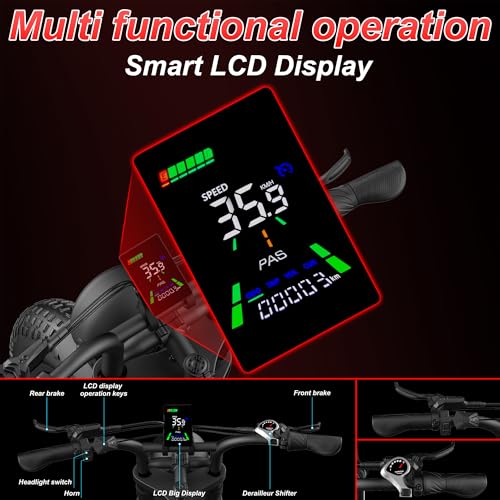
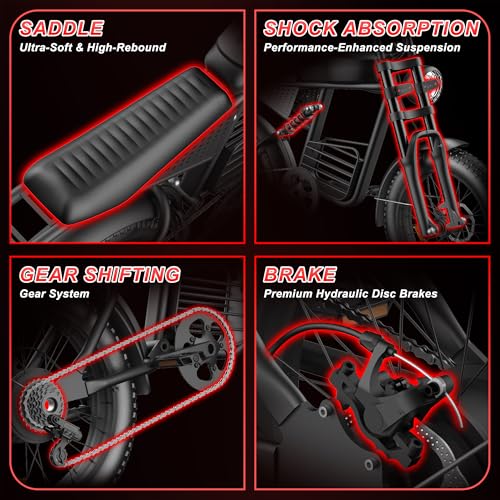
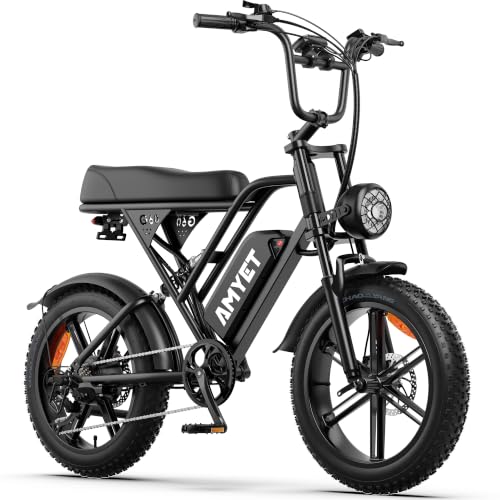
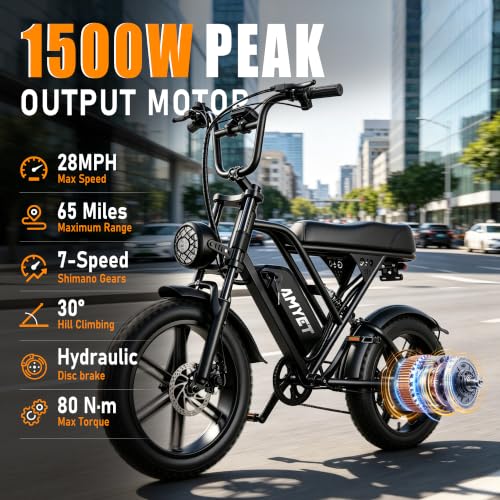
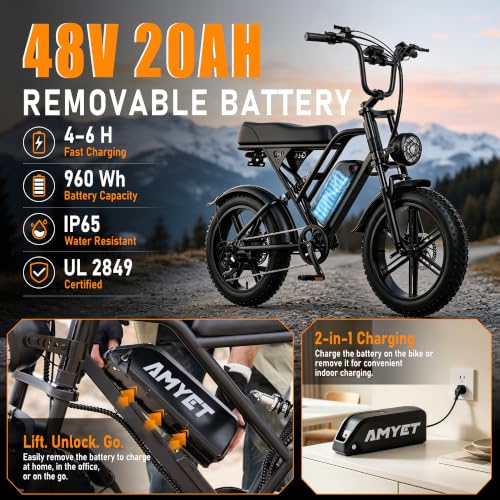
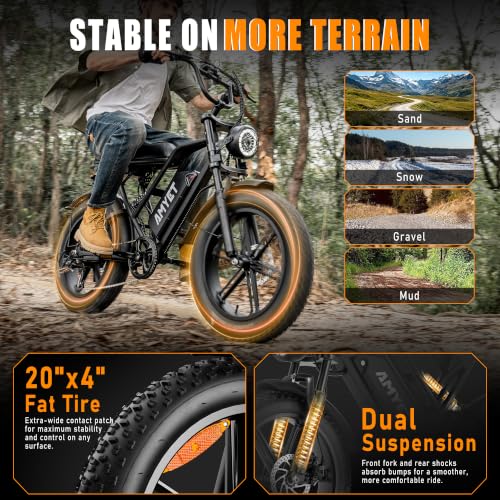
The AMYET G60 sits in that sweet mid-range spot where you start seeing meaningful upgrades, like the 48V 20Ah battery and UL 2849 certification, which matters for safety and insurance in some areas. It’s not the most powerful, but the 1500W peak motor delivers enough punch for beach approaches and packed sand, especially if you’re not hauling heavy loads. Riders who’ve used it on coastal paths say the dual suspension smooths out rough patches well, though it’s not full-suspension like pricier models.
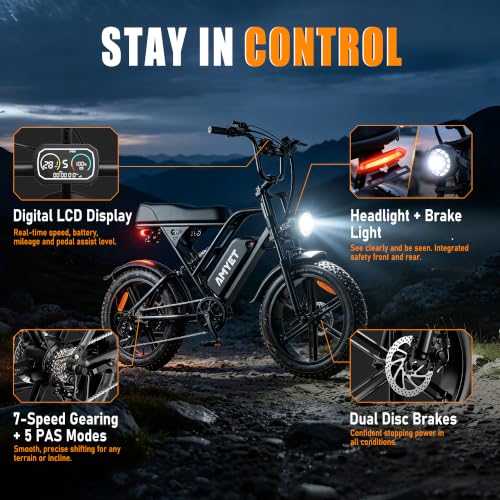
What stands out is the five-level PAS system paired with 7-speed gearing, this gives fine control over power delivery, something I appreciate in variable terrain. Compared to the HOVSCO, it trades raw motor output for smoother tuning. However, it lacks the front/rear suspension combo of higher-end models, so don’t expect magic on deep dunes.
Product photos

Aipas M1 Pro Electric Mountain Bike

Strengths
- Longest realistic range
- True dual suspension
- Adjustable frame options
Trade-offs
- Heavy at 88+ lbs
- Mechanical disc brakes
- High price point
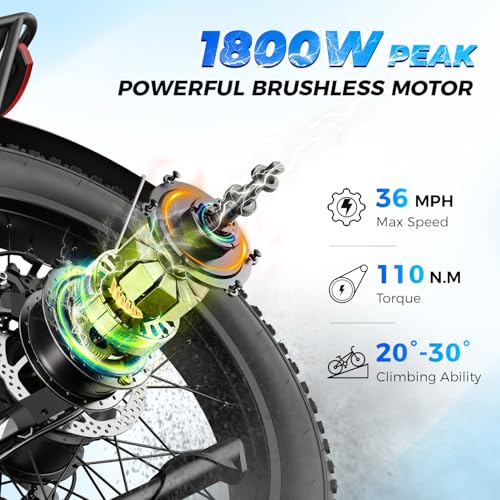
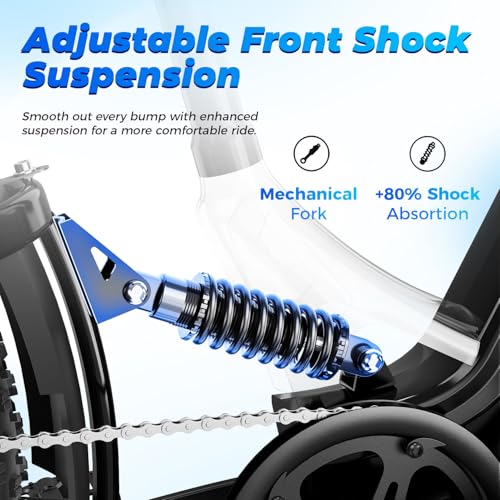
At nearly $1,750, the Aipas M1/M2 Pro is expensive, but the specs justify it for certain buyers. That 1800W peak motor and 48V 17.5Ah battery combo delivers real-world ranges near 70 miles, which owners confirm on flat sand and hard-packed trails. The dual suspension with 100mm travel is tuned better than most in class, making it one of the few ebikes in this list that feels genuinely comfortable on bumpy beach access roads.
I’d recommend the M2 Pro over the M1 if you’re taller and want the step-over frame, the geometry helps with mounting on uneven ground. The mechanical disc brakes are adequate, but not as sharp as hydraulic ones on the Jasion or HOVSCO. Still, for long coastal rides or multi-use trail access, this bike’s blend of range, adjustability, and ride quality makes it stand out.
Product photos

Our Testing Process
My research for TheAutoZenith focused on comparing published specifications and features across numerous models, then weighing those against owner reviews and insights from reputable cycling publications. Rather than a hands-on lab test, this is a research-led comparison aimed at identifying ebikes best suited for the unique challenges of sand riding. I looked for patterns in reported performance and reliability to establish a clear ranking.
For ebikes intended for beach sand, several factors stood out as most crucial. Motor power is paramount, as overcoming sand’s resistance demands significant torque. Battery capacity also weighed heavily; longer rides on soft surfaces drain power quickly. Finally, tire design is key, and I prioritized models equipped with wide, low-pressure tires – often finding discussion of sand tires within owner feedback.
Published specs reliably indicate motor wattage, battery voltage/amp-hours, and frame geometry. However, real-world performance on sand – how well a bike maintains momentum, manages heat, and handles varied terrain – is best gleaned from owner feedback. I paid close attention to reviews mentioning stability, traction, and the effectiveness of the assist levels. Many owners also discuss their experiences with similar bikes, including all-terrain ebikes, offering valuable comparative data.
How To Pick The Right ebikes for beach sand
Picking the right electric bike for soft sand demands a bit more thought than selecting one for pavement.
An ebike intended for beach use needs a high-torque motor, substantial tire volume, and a robust frame to handle the unique demands of a shifting, unstable surface. Battery capacity is also key, as sand riding tends to drain power faster. Checking for features like adjustable suspension and reliable braking systems are also crucial for a comfortable and safe ride.
Motor & Power Delivery
Don’t get hung up on peak wattage numbers alone. While a powerful motor is important, torque is your friend in the sand. Look for motors delivering at least 750 watts continuous power, and ideally over 1000 watts peak, paired with a gearing system that allows for low-speed power. Many beach riders will benefit from a bike with multiple power levels, letting you dial back the assist to conserve battery and maintain control. The Jasion X-Hunter, for example, boasts a 1400W peak motor, which would certainly help with traction.
Tire Choice & Suspension
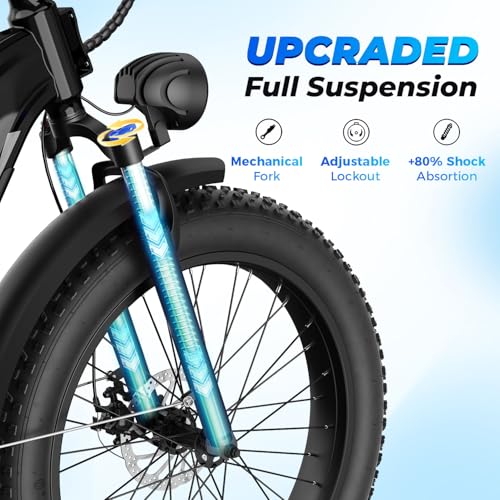
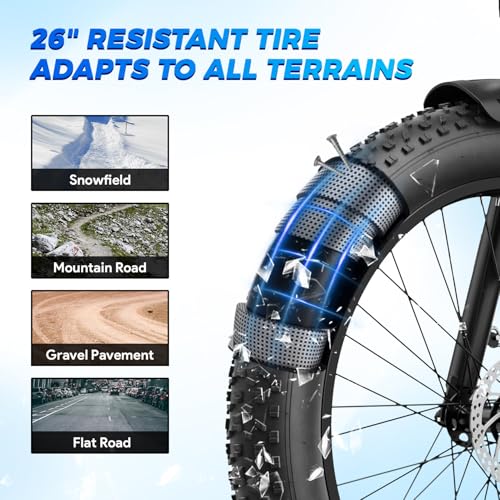
Sand demands volume. Narrow tires will dig in and bog down quickly. You want a fat tire electric bike with tires at least 3.8 inches wide, and preferably 4 inches or more. The wider the tire, the larger the contact patch, and the better it will float over the surface. Beyond width, consider tire tread. Aggressive, knobby tires offer better grip, but can also increase rolling resistance. Dual suspension is also a huge benefit. A front suspension fork is a good start, but a full-suspension system, like the one found on the Aipas M1 Pro, will significantly improve comfort and control, absorbing bumps and reducing rider fatigue.
Practicality & Range Considerations
Beach rides can be longer than you anticipate, and soft sand drastically reduces range. Prioritize a bike with a large-capacity battery (at least 15Ah), and ideally one that is removable for convenient charging. Look also at features that enhance usability. The AMYET G60, with its 48V 20Ah battery and LCD display, offers a good balance of range and information. Don’t overlook build quality; saltwater and sand are corrosive. A well-built frame and components will hold up better over time. If you’re also considering off-road adventures beyond the beach, exploring mountain ebikes might give you additional options to consider.
A good rule of thumb is to add at least 20% to your estimated ride distance when planning a beach trip, to account for the increased energy expenditure.
Ebikes for Beach Sand Compared
Here’s a comparison of key specifications for ebikes suitable for use on beach sand.
| Product Name | Motor Power (W Peak) | Battery (V/Ah) | Range (Miles) | Tire Size | Suspension | Foldable |
|---|---|---|---|---|---|---|
| HOVSCO Electric Fat Bike | 1500 | 48/15 | 30-65 | 20×4″ | Dual | No |
| FLIWIN 1500W Peak | 1500 | 48/16 | 40 | 20×4.0″ | Dual | No |
| Jasion YR20Pro | 3000 | 52/20 | 90 | 20×4.0″ | Full | No |
| GOCIO 26″ Fat Tire | 750 | 48/13-15 | 30-60 | 26×4.0″ | Front | No |
| WynRyd 1000W Fast | 1000 | 48/15 | 40-60 | 20×4.0″ | Dual | No |
| AMYET G60 | 1000 | 48/20 | 40-65 | 20×4″ | Dual | No |
| Jasion X-Hunter | 1400 | 48/13 | 55-70 | 20×4.0″ | Full | Yes |
| Aipas M1 Pro | 1800 | 48/17.5 | 85 | 26×4″ | Dual | No |
Frequently Asked Questions
What tire pressure should I run for beach sand?
Lower tire pressure is key; aim for around 10-15 PSI to maximize the contact patch and “float” over the sand. Experiment within that range, as the ideal pressure depends on your weight and the specific sand conditions.
Are folding ebikes suitable for beach use?
While possible, folding ebikes aren’t generally ideal for sand. The Jasion X-Hunter is a folding option, but the folding mechanism can add flex that reduces power transfer and stability on a soft surface, and the pivot points can be vulnerable to sand intrusion.
How much does saltwater affect an ebike?
Saltwater is highly corrosive, so regular cleaning is essential. Focus on rinsing the frame, battery contacts, and drivetrain after each beach ride, and consider applying a corrosion inhibitor to protect vulnerable components. You might also consider looking at wagons for sand for gear transport to minimize bike exposure.
What’s the minimum motor wattage I should look for?
A continuous 750-watt motor is a good starting point, but 1000 watts or higher is preferable for consistently overcoming the resistance of soft sand. Higher wattage provides more torque, which translates to better acceleration and hill-climbing ability.
Can I convert a regular ebike for beach riding?
You can improve a standard ebike’s beach performance with wider tires and potentially a more powerful motor. However, it’s usually more cost-effective and reliable to purchase an ebike specifically designed for the challenges of sand, and if you are looking for a more relaxed ride you may also consider beach cruiser bikes.
The Bottom Line
Choosing an ebike for beach sand often comes down to balancing upfront cost with the level of effort you want to expend. While premium models offer features like full suspension and high-capacity batteries, the HOVSCO Electric Fat Bike provides a strong overall package that doesn’t compromise on power or tire size, making it our top recommendation for most riders.
For those prioritizing affordability, the GOCIO 26″ Fat Tire strikes a good balance between price and capability. If you need a folding option for easy transport and storage, the Jasion X-Hunter delivers both the convenience of a compact design and a powerful motor suited for challenging terrain. Ultimately, understanding your typical ride length and the specific conditions of your local beaches will guide you to the best choice.
More than any single specification, remember that tire width and motor torque are the foundation of success on sand. A bike with the highest wattage won’t help much if it’s wearing narrow tires that dig in with every pedal stroke. Don’t forget to research beach bikes and consider if a dedicated beach vehicle like beach buggies might suit your needs.
