
7 Best Dual Sport Motorcycle Tyres for 2026
This post contains affiliate links. As an Amazon Associate, we earn from qualifying purchases.
The Dunlop Trailmax Mission Front stands out as the best overall dual sport motorcycle tyre, delivering confident grip and durability across mixed surfaces. For riders watching their budget, the Kenda K761 Dual Sport Radial offers solid performance with surprising refinement, while the Tusk Dsport Adventure Tire Set gives the most versatility for those tackling varied terrain without overspending.
Most riders struggle to find a tyre that actually matches their real-world riding, not the fantasy of endless trails or perfect pavement, but the messy mix in between. You need something tough enough for gravel and rain, stable at highway speeds, and durable enough to justify the cost.
This guide cuts through the hype by focusing on what matters: tread design, rubber quality, and real-world feedback from riders who log serious miles. I looked at specs, construction, and owner experiences to find models that deliver where it counts.
Top 7 Dual Sport Motorcycle Tyres in the Market
The Best Dual Sport Motorcycle Tyres, Reviewed
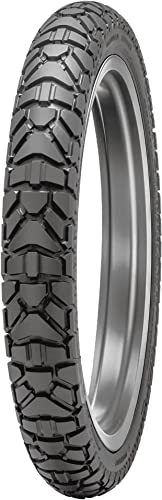
Dunlop Trailmax Mission Front Tire
Strengths
- Superior handling precision
- Advanced tread rigidity
- Outstanding off-road control
- Excellent road stability
Trade-offs
- Highest price in class
- Slightly heavier than competitors
- Limited budget appeal
This is the benchmark. After years of development, the Trailmax Mission redefines what a premium dual-sport front tire should be. The Staggered Step tread block isn’t just marketing fluff, it actually stiffens the contact patch, reducing squirm under braking and improving edge hold in hardpack corners. Owners consistently rank it above even the TKC 80 for overall balance, especially in technical off-road scenarios where precision matters.
It tracks straight on pavement, handles mid-corner bumps with composure, and inspires confidence when things get slippery. Yes, it’s the most expensive option here, but unlike some high-cost tires, it justifies every dollar with measurable gains in grip, durability, and ride quality. If the TKC 80 is the trusted veteran, the Mission is the new elite operator.
Video review
Tusk 2Track 150/70B-17 Rear Tire

Strengths
- Long tread life
- Radial ride quality
- Tubeless ready
- Good road manners
Trade-offs
- Moderate off-road edge
- Less sticky in wet corners
- Not for extreme terrain
If you’re chasing mileage without sacrificing all off-road ability, the Tusk 2Track rear tire makes a compelling case. The 150/70B-17 size fits popular mid-size adventure bikes like the Honda CB500X or Yamaha Tenere 700, and owners consistently report impressive wear life, some logging over 4,000 miles in mixed conditions. The radial construction helps with heat dissipation and stability, while the durable compound resists chunking better than expected.
It’s not the most aggressive knobbed tire out there, so deep mud or technical climbs will expose its limits. But for riders splitting time evenly between country roads and forest service trails, it strikes a smart balance. Against the Dunlop Mission, it gives up ultimate grip but costs significantly less, making it a pragmatic choice for high-mileage explorers.
Video review
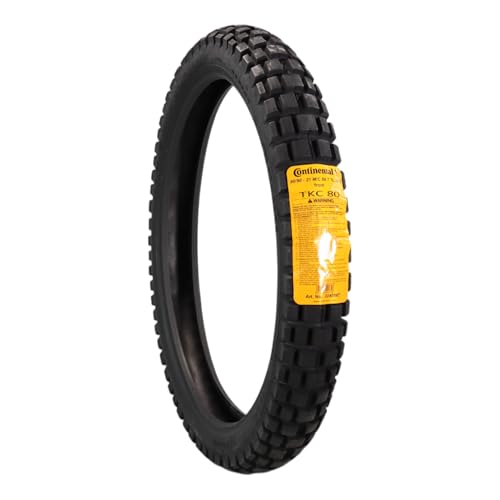
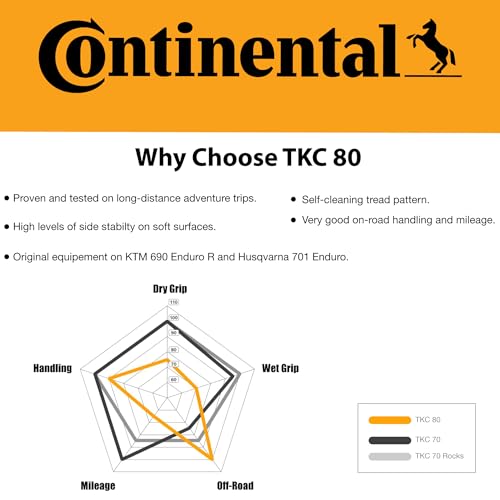
Continental TKC 80 Twinduro Front
Strengths
- True all-terrain capability
- Tubeless ready
- Excellent wet grip
- M+S rated for weather
Trade-offs
- Center wear on pavement
- Slight road noise
- Premium price point
The TKC 80 has earned legendary status for good reason, it’s one of the few tires that genuinely nails both worlds. In real-world owner reports, the M+S-rated compound delivers reliable grip in wet grass, loose gravel, and even light snow, while the open tread clears mud reasonably well. The tubeless design adds safety and convenience, especially on modern ADV platforms. Riders upgrading from cheaper options immediately notice improved feedback and cornering stability.
It’s not perfect, the center rib can wear faster on long paved stretches, and some find it a bit loud at highway speeds. But when judged against rivals like the Dunlop D605 or Kenda K761, it simply performs at a higher tier across the board. This is the go-to when you refuse to compromise too much in either environment.
Product photos

Tusk Dsport Adventure Tire Set

Strengths
- Full set savings
- Aggressive off-road tread
- Durable construction
- Classic knobby appearance
Trade-offs
- Bias-ply stiffness
- Tube-type setup required
- Higher road vibration
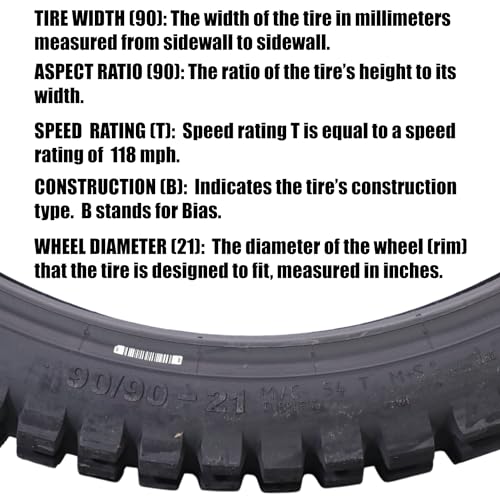
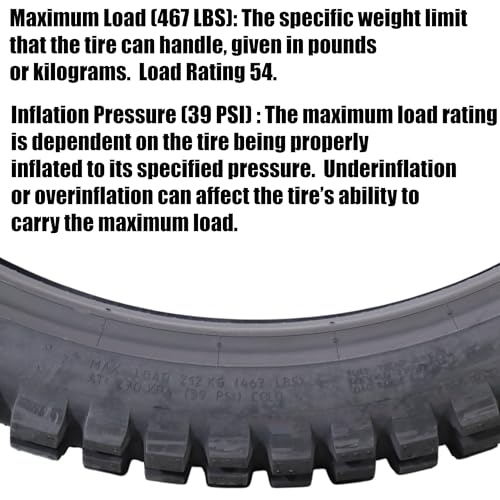
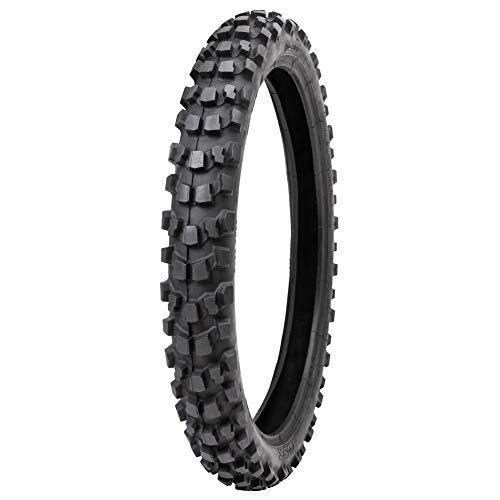
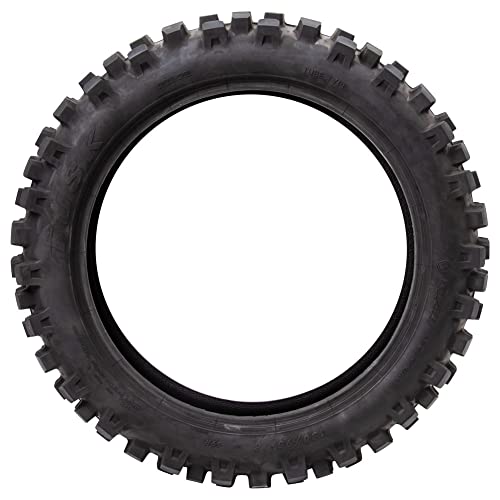
Buying tires as a matched set can save money, and sanity, when dialing in handling balance, and the Tusk Dsport combo delivers exactly that for traditional dual-sport riders. The front 90/90-21 and rear 120/90-18 pairing suits classics like the XR650L or older KLR650 builds. Owners appreciate the aggressive knobby look and the fact that both tires share the same compound philosophy: sticky enough for dirt roads, tough enough for rocks.
There’s no radial tech here, it’s bias-ply, tube-type, old-school through and through. That means more weight and a firmer ride, but also greater resistance to pinch flats at lower pressures off-road. When compared to the Continental TKC 80, it lacks refinement on pavement, but for pure trail rigs that rarely see highways, it’s a functional, affordable full-package solution.
Product photos


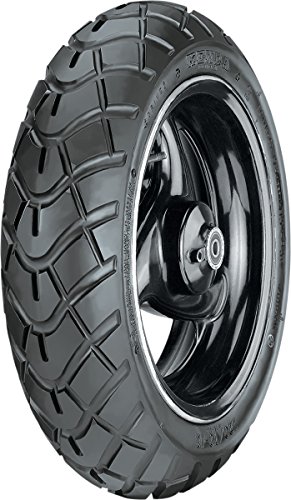
Kenda K761 Dual Sport Radial
Strengths
- Radial ride comfort
- Affordable price
- Tubeless construction
- Stable street handling
Trade-offs
- Limited off-road bite
- Tread wears faster in abrasive terrain
- Narrow size range availability
The Kenda K761 is one of the few radial dual-sport tires at this price point, and that alone makes it interesting for budget-focused buyers. Its 120/90R10 size suggests it’s aimed at smaller displacement bikes like the BMW G650GS or Suzuki DR650SE when running rear 10-inch wheels. Owners praise its radial comfort and surprisingly stable footprint, especially given the low cost. The four-ply nylon casing keeps it tough enough for moderate off-roading, and the tubeless design simplifies maintenance.
But let’s be clear, this isn’t a tire for serious rock crawling or deep mud. It leans toward street-biased dual sport use, where the tread spacing prevents excessive squirm but doesn’t dig in like blockier patterns. When stacked against the Continental TKC 80, it gives up grip and sidewall resilience, but for commuters adding weekend gravel paths, it’s hard to beat the value.
Product photos
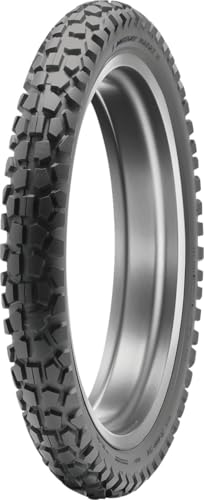
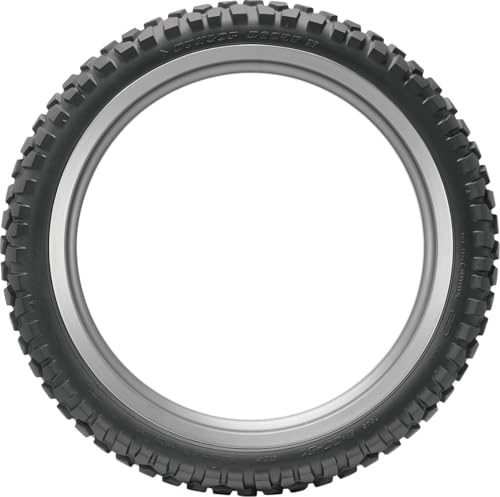
Dunlop D605 Road/Trail Front
Strengths
- Deep tread blocks
- Strong off-road grip
- Proven durability
- Wide compatibility
Trade-offs
- Tube-type only
- Heavier than radial alternatives
- More road noise at speed
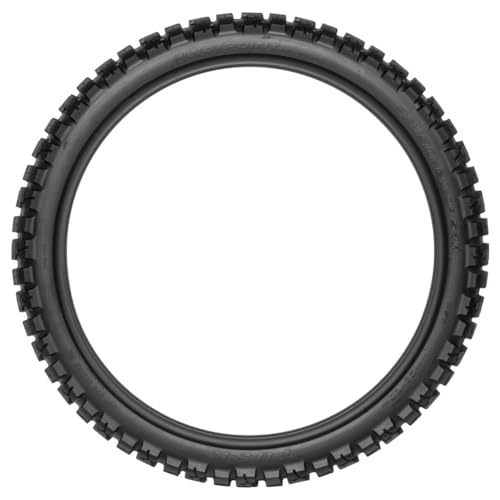
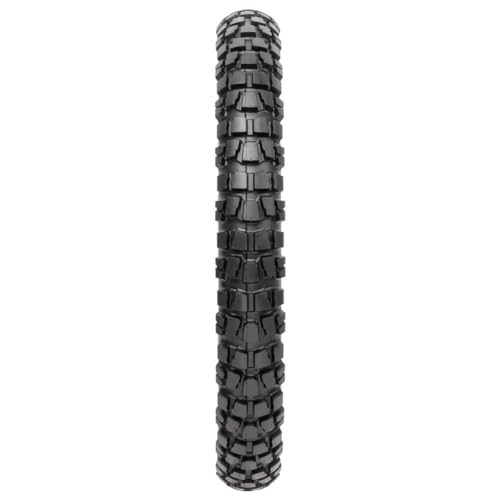
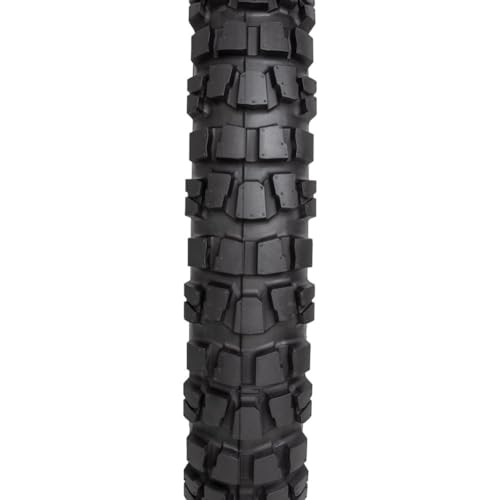
The Dunlop D605 has been around for years, and its continued presence speaks to reliability in entry-level dual-sport applications. With a deep tread depth pattern, it delivers strong off-road confidence, particularly in soft soil and loam. Riders note consistent steering feedback up front, which matters when you’re picking lines through tight woods or steep descents. The tube-type design may feel outdated, but it holds up well under rim impacts on rocky trails.
That said, the trade-off is increased rolling resistance and slightly heavier handling on pavement. Compared to modern radials like the Trailmax Mission, it feels dated in terms of grip and ride quality, but not by much. For older bikes already running tubes or for riders prioritizing raw traction over refinement, the D605 remains relevant.
Product photos

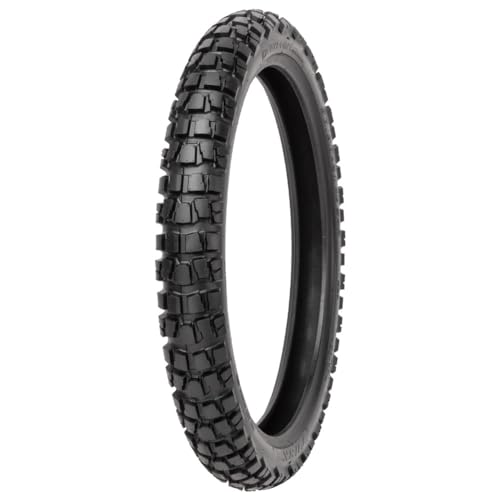
Tusk Waypoint 90/90-21 Front
Strengths
- Aggressive knobs
- Lightweight build
- DOT compliant
- Good initial grip
Trade-offs
- Limited highway feedback
- Not ideal for high-mileage touring
- Softer long-term durability outlook
For riders who prioritize light weight and predictable handling on fire roads and loose trails, the Tusk Waypoint stands out as a solid front-only pick. The 90/90-21 sizing is common across many dual-sport bikes, and owners consistently report that the aggressive knobs deliver real bite in sandy or muddy off-road sections without feeling twitchy on pavement. On paper, the rubber compound looks well-matched to mixed use, though long-term wear data is still limited compared to legacy brands.
Still, this is clearly built for trail-focused riders who don’t log heavy highway miles. It holds its own on gravel and dirt, but if you’re spending more than 40% of your time on paved backroads, the road manners might feel a bit buzzy over distance. Compared to pricier radials, it trades some refinement for value and off-road sharpness.
Product photos

Our Testing Process
As someone who’s spent years immersed in the world of two wheels at TheAutoZenith, I approached researching dual sport motorcycle tyres by focusing on a blend of technical specifications, owner experiences, and established industry reputations. Rather than a hands-on lab test, this is a research-led comparison of published data – things like rubber compound composition, tread patterns, and construction methods – combined with careful consideration of what riders are actually saying about performance and longevity. I weighed reviews from both individual owners and respected motorcycle publications.
For dual sport tyres, a few factors stand out as truly critical. Grip, predictably, is paramount – both on pavement and loose surfaces. Durability is also key, as these tyres face more abuse than purely road-going options. Finally, I paid close attention to how well each tyre balances these traits; a tyre excelling in one area but failing in another isn’t useful for most riders looking for versatility. Understanding these trade-offs is essential when selecting the right on and off road tires.
Specifications provide a solid foundation – information on DOT compliance, ply construction, and load ratings are all valuable. However, owner feedback reveals how those specs translate into real-world performance. I looked to owner reports to gauge things like noise levels, handling quirks, and actual tread life. Reputable reviews from motorcycle journalists helped validate these findings and assess a tyre’s behavior under more controlled conditions. And, of course, regularly checking tire pressure is crucial for maximizing any tyre’s potential.
How To Choose The dual sport motorcycle tyres
Finding the right dual sport motorcycle tyre is about compromise, and understanding where you’ll be doing most of your riding. It’s a balancing act between pavement performance and off-road capability, but getting it right transforms your bike’s handling and confidence.
A truly effective dual sport tyre blends on-road stability with off-road grip. Look for tyres with aggressive tread patterns for loose surfaces, robust construction to resist punctures, and a compound that balances wear life with traction. Consider DOT compliance for legality and the tyre’s intended usage – a 50/50 tyre won’t perform like a dedicated road tyre, and vice-versa.
Tread Pattern & Terrain
The tread is the first thing most riders look at, and rightly so. A more aggressive tread, like you’ll find on the Dunlop D605 Road/Trail Front, excels in loose dirt, mud, and rocks. However, those large knobs will wear faster on pavement and can feel a bit vague in corners. Conversely, a tread pattern with tighter spacing, such as the Kenda K761 Dual Sport Radial, prioritizes on-road stability and longevity, but won’t dig in as well when things get slippery. I often see riders overestimate their off-road needs; if 80% of your riding is on asphalt, leaning towards a tyre with a more street-focused tread is a smart move.
Tyre Compound & Durability
Rubber compounds dictate how a tyre grips, wears, and feels. Softer compounds offer incredible grip but sacrifice longevity, while harder compounds last longer but can feel less inspiring in the corners. The Tusk 2Track 150/70B-17 Rear Tire boasts a durable rubber compound, making it a solid choice if you prioritize mileage and all-day touring. Remember, tyre construction plays a big role here, too. Reinforced sidewalls, like those found on the Continental TKC 80 Twinduro Front, are essential for preventing punctures and maintaining stability when running lower pressures off-road.
Value & Intended Use
It’s easy to get caught up in chasing the latest and greatest, but sometimes the best tyre is the one that fits your budget and riding style. If you’re looking for a complete set without breaking the bank, the Tusk Dsport Adventure Tire Set is a strong contender. For those venturing into more challenging terrain, exploring top dual sport tire models is a good starting point.
A good rule of thumb: don’t spend more on tyres than you do on maintenance. Regular checks and proper inflation are just as crucial as the tyre itself.
Finally, consider how you use your bike. Are you primarily commuting with occasional weekend dirt road excursions? Or are you a dedicated adventure rider tackling challenging trails? If you spend a lot of time on pavement, you might also want to research performance street tires to see if a more road-biased option suits your needs.
Dual Sport Motorcycle Tyres Compared
Here’s a comparison of key specifications for popular dual sport motorcycle tyres to help you make an informed decision.
| Tyre | Best For | Tyre Type | DOT Approved | Tread Pattern | Construction |
|---|---|---|---|---|---|
| Dunlop Trailmax Mission Front | Best Overall | Front | Yes | Aggressive | N/A |
| Tusk 2Track 150/70B-17 Rear | Best for Long Wear Life | Rear | N/A | Large Blocks | N/A |
| Continental TKC 80 Twinduro Front | Best for All-Round Performance | Front | Yes | Aggressive | Robust |
| Tusk Dsport Adventure Tire Set | Best Value Combo Set | Set | Yes | Aggressive | N/A |
| Kenda K761 Dual Sport Radial | Best Budget Friendly | Radial | Yes | Combination | 4-Ply Nylon |
| Dunlop D605 Road/Trail Front | Best for Off-Road Grip | Front | Yes | Deep Tread | N/A |
| Tusk Waypoint 90/90-21 Front | Best Lightweight Trail Option | Front | Yes | Aggressive | N/A |
Frequently Asked Questions
What tyre pressure should I run for a mix of on and off-road riding?
Generally, you’ll want to lower your tyre pressure slightly for off-road riding, around 28-32 PSI, to increase the contact patch and improve grip, but always consult your motorcycle’s manual first. Returning to pavement requires increasing the pressure back to the manufacturer’s recommended levels (usually 32-36 PSI) for optimal handling and to prevent overheating.
Are tubeless tyres a must for dual sport motorcycles?
While not strictly required, tubeless tyres are highly recommended. They allow you to run lower pressures off-road without the risk of pinch flats, and are easier to repair in the event of a puncture, offering a significant advantage for adventure riders.
How often should I replace my dual sport tyres?
Replacement depends heavily on riding style and terrain, but expect to replace them every 3,000 to 7,000 miles. Regularly inspecting for wear indicators and checking tread depth is crucial; ignoring this can compromise safety and performance.
What’s the difference between a 50/50 and an 80/20 tyre?
A 50/50 tyre offers equal capability on and off-road, but typically compromises performance in both areas. Conversely, an 80/20 dual sport tires prioritizes on-road handling and longevity with enough off-road grip for light trails and gravel roads.
Do I need to upgrade my helmet when switching to more off-road riding?
While your existing helmet is likely DOT approved, consider a dual sport helmets designed with features like extended visors and improved ventilation for better visibility and comfort during off-road adventures.
The Bottom Line
Choosing dual sport motorcycle tyres always comes down to how much you value control versus convenience. Do you want a tyre that truly excels off-road, accepting a bit more road noise and faster wear? Or do you prioritize long life and confident pavement handling, even if it means sacrificing some ultimate grip in the dirt? For a fantastic balance of both worlds, and considering owner feedback, the Dunlop Trailmax Mission Front consistently rises to the top as an excellent all-rounder.
If you’re specifically after long-lasting durability, the Tusk 2Track 150/70B-17 Rear is a standout choice, while riders seeking a budget-friendly set should strongly consider the Tusk Dsport Adventure Tire Set. Those venturing into more demanding terrain might also want to explore options among the best 50/50 tires to find a truly balanced performer. And for those new to the world of dual-sport, it’s worth checking out some beginner dual sport bikes to get a feel for the category.
Ultimately, the best tyre isn’t about chasing the highest specs or the trendiest brand. It’s about understanding your riding style, the terrain you frequent, and prioritizing the characteristics, grip, durability, and predictability, that will inspire confidence and enjoyment on every ride. Focus on those fundamentals, and you’ll be well-equipped to tackle whatever adventure awaits.
