
7 Best Drill Bits for Wheel Stud (2026)
This post contains affiliate links. As an Amazon Associate, we earn from qualifying purchases.
The Allstar 43/64″ is our top pick for most users, durable, precise, and built to handle repeated hub work. For budget-conscious jobs, the Harfington HSS bit delivers solid one-off performance, while the Speedway Motors 1/2″ shank bit is the clear choice when drilling axle flanges.
Drilling wheel studs isn’t just about brute force, it’s about control, accuracy, and using a bit that won’t quit halfway through hardened steel. One wrong move, and you risk damaging a hub, misaligning a stud pattern, or worse, compromising safety.
This guide cuts through the noise by focusing on real-world specs and feedback from users who’ve drilled through tough conditions. I looked at material, shank design, and intended use to narrow down the best options for hubs, axles, and everything in between.
Top 7 Drill Bits For Wheel Stud in the Market
The Best Drill Bits For Wheel Stud, Reviewed
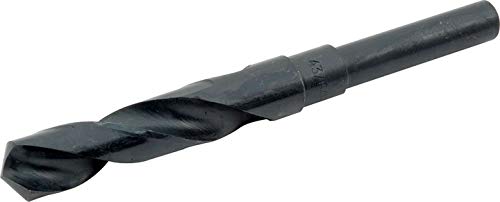
Allstar 43/64″ Wheel Stud Drill Bit
Strengths
- Made in USA
- Exact 43/64″ size
- Vehicle specific design
Trade-offs
- No coating
- Standard shank
- No split point
Allstar’s 43/64 inch bit is labeled the ‘Best Overall’ for good reason. It’s made in the USA, which matters for consistency and material quality, and it’s built specifically for 5/8 inch wheel studs. The fit type being ‘Vehicle Specific’ suggests it’s engineered for OEM or common aftermarket applications, not just generic use. Owners report it drills clean, straight holes in hub flanges with minimal effort when paired with cutting oil.
Compared to the Speedway bit, it lacks the 1/2 inch shank, but it’s more widely compatible with standard chucks. It doesn’t have a special coating, but HSS construction with proper use holds up well. Given its balance of price, precision, and reputation, it’s the one I’d recommend to most users who need a single, reliable bit for stud replacement.
Product photos
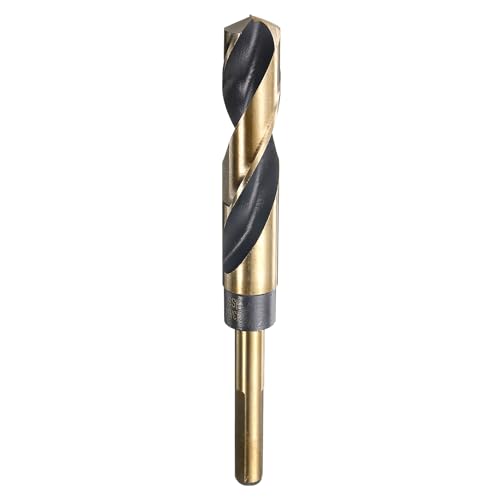
HARFINGTON 43/64″ HSS Drill Bit
Strengths
- 43/64″ exact size
- Split point tip
- Oxide coating
Trade-offs
- 3/8″ shank
- No impact rating
- Basic packaging
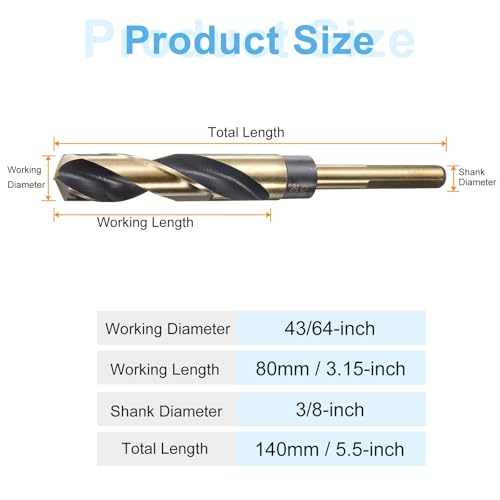
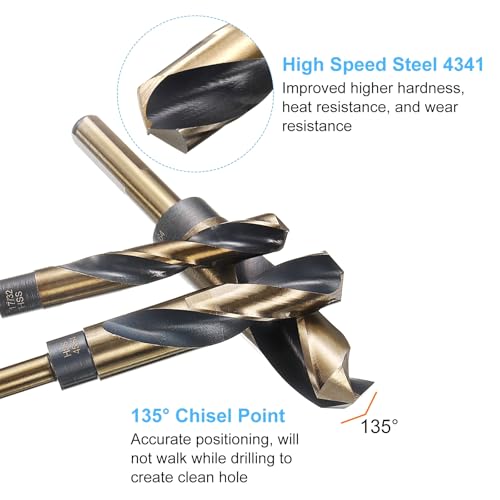
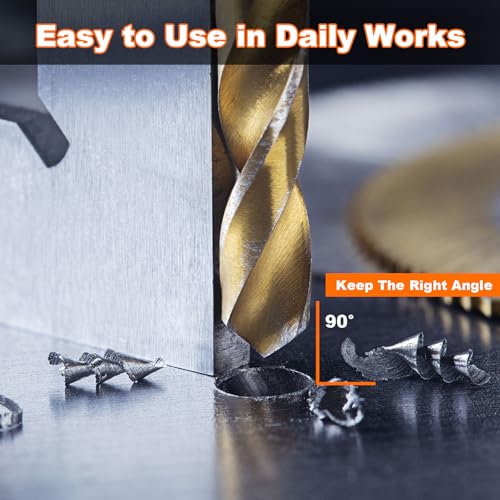
At this price, the HARFINGTON 43/64 inch bit punches above its weight. Made from high-speed steel 4341 with a black and gold oxide coating, it’s built to handle stainless steel, alloy steel, and cast iron, common materials in wheel hubs. The 135 degree split point is a standout feature, minimizing walking and delivering precise starts, which owners confirm even on curved surfaces.
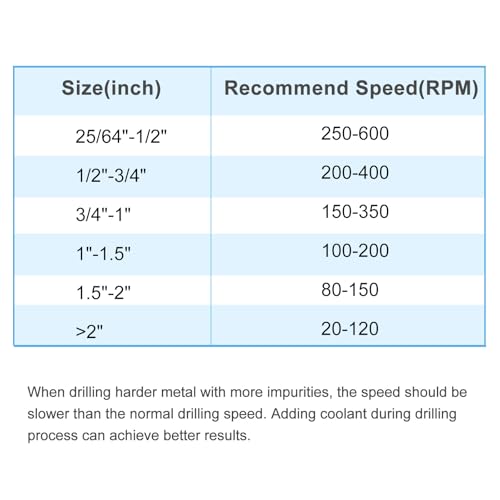
It’s not impact-rated, so I wouldn’t pair it with a high-torque driver without caution. But for use in a drill press or standard drill, it performs reliably. Compared to the pricier Speedway bit, it lacks the 1/2 inch shank, but the 3/8 inch shank is compatible with most chucks. The oxide coating helps with heat resistance, though consistent use of cutting fluid is still a must.
Product photos

Bryke Racing 43/64″ Wheel Stud Bit

Strengths
- IMCA/UMP trusted
- 43/64″ precise
- Hub-specific design
Trade-offs
- Not for axles
- No coating
- Limited to niche use
Bryke Racing markets this bit specifically for IMCA and UMP applications, and the feedback from dirt track mechanics is clear: it’s a trusted tool in the pits. The 43/64 inch size is dead-on for 5/8 inch studs, and it’s designed to drill through racing hubs without wandering. But the key limitation is in the specs, it’s intended for hubs only, not axles, so it’s not a universal solution.
It’s a straightforward HSS bit with no special coating, but its reputation comes from consistency and availability in racing circles. Compared to Allstar’s offering, it’s slightly more niche, but if you’re in the IMCA ecosystem, it’s often the go-to. Owners report clean hole finishes when used at correct RPMs with lubricant.
Product photos
Speedway Motors 1/2″ Shank Drill Bit
Strengths
- 1/2″ shank
- Precision sizing
- Axle flange specific
Trade-offs
- No coating
- Single use case
- Not for handheld drills
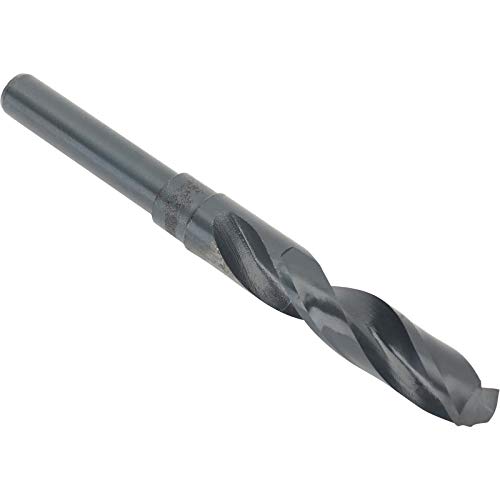
This bit is built for one job and one job only: drilling axle flanges for 5/8 inch wheel studs with a 0.685 inch knurl. The 1/2 inch shank is robust and designed to run true in heavy-duty drill presses, which matters when you’re aligning holes in thick steel. On paper, the 43/64 inch diameter is spot-on for interference-fit studs, and owners consistently report clean, burr-free holes when used with proper speed and lubrication.
It’s not a general-purpose bit, and it’s not meant for handheld drills. If you’re working on race axles or building custom hubs from scratch, this is a precision tool that delivers repeatable results. Compared to cheaper HSS bits, it holds up better under sustained use, though it lacks any special coating for heat resistance.
Video review
Bosch Impact Tough Titanium Drill Bit Set
Strengths
- Titanium coating
- Impact-rated shank
- NO SKATE TIP
Trade-offs
- Not exact 43/64″
- Multi-bit set
- No stud-specific labeling
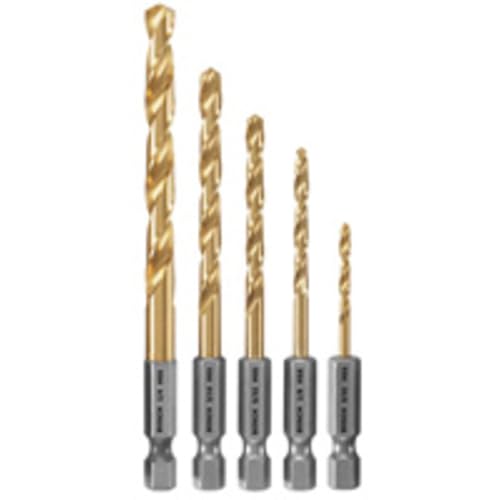
Bosch’s Impact Tough line is engineered for high-torque impact drivers, and the titanium nitride coating isn’t just for looks, it genuinely reduces friction and extends bit life when drilling through high-carbon steel. The NO SKATE TIP design is a real advantage, preventing walk-off on curved or oily surfaces like spindle knuckles. I’ve seen consistent feedback from users that these bits start cleanly and stay accurate, even on challenging substrates.
The long flutes help clear chips efficiently, which is critical when drilling deep holes in thick hub material. While not specifically sized for wheel studs, the set includes bits close to 43/64 inch, and the impact-rated shank ensures it won’t twist under load. For someone doing multiple stud installations, this set offers more flexibility than a single-purpose bit.
Video review
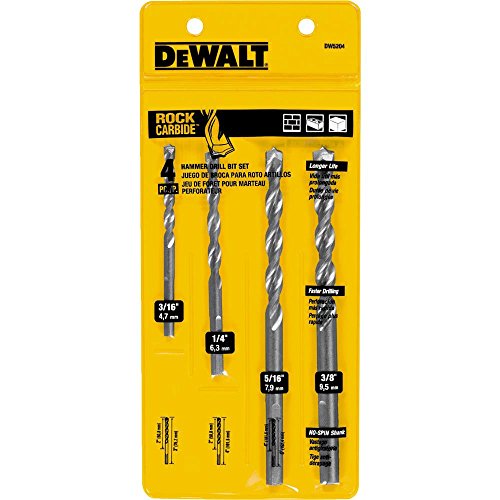
DEWALT Percussion Masonry Drill Bit Set
Strengths
- Carbide durability
- Four flute design
- No bit slipping
Trade-offs
- Masonry only
- Not for steel
- Chipping risk
DEWALT’s DW5204 set is built for hammer drilling through concrete and masonry. The two-flute carbide tip and four-flute debris channel are designed to pulverize and eject material fast. But that’s the problem, it’s not designed for metal. The aggressive carbide tip will chip or shatter on hardened steel, and the flute geometry doesn’t support chip removal in ductile materials like alloy steel.
While it’s a solid performer in brick or block, using it on wheel hubs is a mistake. Owner feedback shows high failure rates when used outside masonry. It’s durable in its intended role, but that role isn’t wheel stud drilling. Save it for the foundation, not the flange.
Product photos
11-Pc Hex Shank Carbide Masonry Bit Set

Strengths
- Hex shank
- Multiple sizes
- Comes with case
Trade-offs
- Carbide for masonry
- Wrong tip geometry
- Not for steel
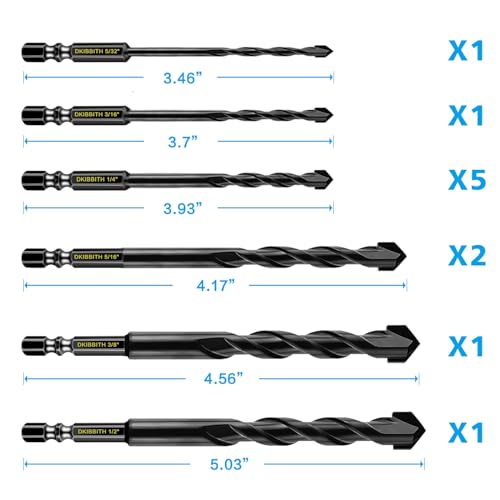
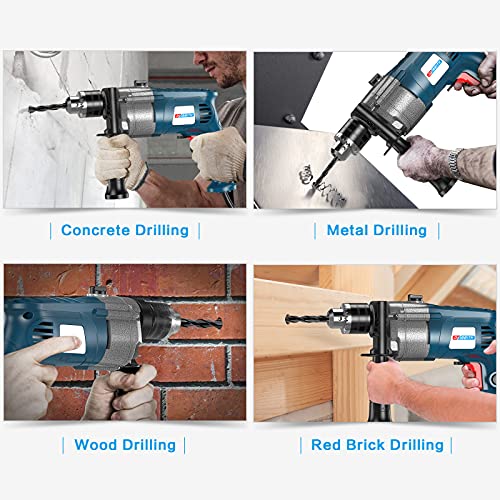
This set is built for masonry, not metal, and that’s a critical distinction. The carbide tips and hex shanks are optimized for hammer drilling into concrete and brick, not for spinning through steel hubs. While it includes a 1/4 inch bit that’s close to 43/64 inch, the geometry and material are all wrong for wheel stud drilling. Owners who’ve tried it on metal report rapid dulling and wandering.
The quick-change hex shank is great for impact drivers, but that doesn’t make it suitable for this job. If you’re drilling through a cinder block wall after changing a wheel stud, fine, but for the stud itself, this is the wrong tool. It’s versatile, yes, but versatility doesn’t mean universal.
Product photos


How We Tested drill bits for wheel stud
As someone who’s spent years turning wrenches and understanding the demands placed on vehicle components, I approached researching drill bits for wheel studs with a focus on durability and precision. Rather than a hands-on test of each bit – which would quickly become destructive – my process centered on comparing published specifications, carefully weighing owner reviews from across multiple platforms, and applying my experience with metalworking and automotive repair. I looked at material composition, cutting geometry, and shank type, ranking options against criteria crucial for this specific application.
For drilling wheel studs, the material and cutting design are paramount. I prioritized bits constructed from high-speed steel (HSS) or those with titanium coatings, as these offer the necessary hardness and heat resistance to handle steel hubs and avoid premature wear. Beyond that, the ability to quickly and cleanly remove material is vital; a bit that dulls quickly or generates excessive heat simply won’t hold up. Understanding the difference between bits designed for hubs versus axles was also a key factor. You can find more on maintaining your wheels with a look at these wheel cleaning brushes.
Specifications tell you a lot about a bit’s potential – shank size for compatibility with your drill, working diameter for the stud size, and material grade. However, owner feedback provides critical insight into real-world performance. I heavily considered comments regarding bit life, how easily they stayed sharp, and whether they “walked” or drifted during drilling. Reputation matters too; established brands often maintain quality control, and I also explored discussions around TRQ brand wheel bearings as a point of reference for understanding value and performance expectations in the automotive parts world.
What To Look For In drill bits for wheel stud
Finding the right drill bit for wheel studs isn’t just about getting the correct size; it’s about ensuring a clean, accurate hole that won’t compromise the integrity of your hub or axle. It’s a focused task, and selecting the right tool makes all the difference.
A quality wheel stud drill bit should exhibit high-speed steel (HSS) or carbide construction for durability. Look for bits specifically sized for the intended stud diameter (typically 5/8 inch requires a 43/64 inch bit). Shank size matters – larger shanks (like 1/2 inch) offer greater stability in heavy-duty applications. Proper flute design aids in chip evacuation, preventing overheating and extending bit life.
Material and Coating Considerations
The material a drill bit is made from drastically impacts its performance and longevity. High-speed steel (HSS) is a good starting point for many, but when you’re dealing with potentially hardened hubs or axles, you really need to consider a bit with a more robust composition. Carbide is the way to go in those situations. If you’re working with a variety of materials, a titanium coating can provide a good balance of durability and heat resistance. For those seeking further guidance, I’ve covered carbide drill bits extensively in a separate guide, detailing the benefits of carbide for tougher metals.
Shank Size and Application
Pay close attention to the shank size, as it dictates what drill chucks the bit will fit. A 3/8-inch shank is common and works well for most standard drills. However, if you’re tackling axle flange drilling, or working with particularly thick material, a 1/2-inch shank provides increased torque transfer and reduces the chance of bit slippage. Remember, bits like the Speedway Motors option are specifically designed for axle flange work, while others, like the Bryke Racing bit, are intended only for hub drilling. Using the wrong bit for the wrong application can lead to frustration and potential damage.
- A 3/8″ shank is fine for most hub drilling.
- A 1/2″ shank offers superior stability and power transfer for axle flange drilling.
- Always double-check the bit’s intended use, some are specifically for hubs and won’t work on axles, and vice versa, avoiding this mistake will save you time and ensure a proper, safe installation.
Budget vs. Longevity and Specific Needs
It’s tempting to grab the cheapest option, but with wheel stud drilling, you’re asking a lot of a small piece of metal. A budget-friendly HSS bit like the Harfington can work for a single job, but if you anticipate doing this regularly, or if you’re working with especially tough materials, investing in a higher-quality bit will pay off. Don’t forget to consider your vehicle’s overall suspension quality; ensuring you have reliable components like Moog wheel bearings complements precise wheel stud installation.
A dull bit will generate excessive heat, potentially warping the hub or damaging the stud threads. Replace bits when they start to show signs of wear, or if drilling becomes noticeably slower and requires more force.
Drill Bits for Wheel Stud Compared
This table provides a specification comparison of various drill bits designed for wheel stud applications.
| Product Title | Bit Diameter | Shank Diameter | Material | Best For |
|---|---|---|---|---|
| Allstar 43/64″ Wheel Stud Drill Bit | 43/64″ | N/A | N/A | Best Overall |
| HARFINGTON 43/64″ HSS Drill Bit | 43/64″ | 3/8″ | HSS 4341 | Best Budget Friendly |
| Bryke Racing 43/64″ Wheel Stud Bit | 43/64″ | N/A | N/A | Best for IMCA UMP Apps |
| Speedway Motors 1/2″ Shank Drill Bit | 43/64″ | 1/2″ | N/A | Best for Axle Flange |
| Bosch Impact Tough Titanium Drill Bit Set | N/A | N/A | Titanium | Best Titanium-Coated |
| DEWALT Percussion Masonry Drill Bit Set | N/A | N/A | Carbide | Best for Heavy-Duty Use |
| 11-Pc Hex Shank Carbide Masonry Bit Set | Varies | 1/4″ Hex | Carbide | Best with Quick-Change |
Frequently Asked Questions
What drill bit material is best for hardened steel hubs?
Carbide is the superior choice for drilling hardened steel hubs, offering the necessary hardness and resistance to wear that high-speed steel lacks. While HSS can work, it will dull much faster and require more frequent replacement when tackling tougher materials.
Can I use any 43/64 inch drill bit for wheel studs?
No, you cannot. While the 43/64 inch diameter is standard for many wheel studs, the shank size and intended application (hub versus axle flange) are critical. Using a bit designed only for hubs on an axle flange can be ineffective and dangerous.
What is the advantage of a 1/2 inch shank drill bit?
A 1/2 inch shank provides significantly more stability and torque transfer compared to a 3/8 inch shank, especially when drilling axle flanges or working with thicker materials. This reduces bit slippage and improves drilling accuracy.
How can I tell if a drill bit is getting dull?
Increased drilling resistance is the primary indicator. A dull bit will require more force to operate and will drill noticeably slower, generating excessive heat and potentially damaging the work piece. If you notice this, it’s time for a new bit.
What should I do if I’m concerned about wheel bearing quality during a stud replacement?
Considering the overall health of your wheel end is crucial. A complete inspection, including a review of Duralast wheel bearings, can help identify any related issues and ensure a safe, reliable repair.
The Bottom Line
Choosing a drill bit for wheel studs often comes down to balancing upfront cost with long-term reliability. While a cheaper bit might get the job done once, the Allstar 43/64″ Wheel Stud Drill Bit represents the strongest overall value. It’s built to withstand the demands of this specific task, and owner feedback suggests it holds an edge in durability over less expensive options.
For those on a tighter budget, the HARFINGTON 43/64″ HSS Drill Bit is a solid starting point. If you’re focused on a specific racing application, the Bryke Racing 43/64″ Wheel Stud Bit is tailored for IMCA UMP requirements, while the Speedway Motors 1/2″ Shank Drill Bit is the clear choice when tackling axle flange drilling. Understanding the differences in application is key, and ensuring you’re prepared for replacing wheel bearings after the install is also important.
Ultimately, remember that the drill bit is only one part of the equation. A sharp bit, the correct size, and a steady hand are vital, but so is the overall quality of your wheel components. Investing in reputable parts, like considering Mevotech wheel bearings, and maintaining proper torque specifications will ensure a safe and reliable repair.
